

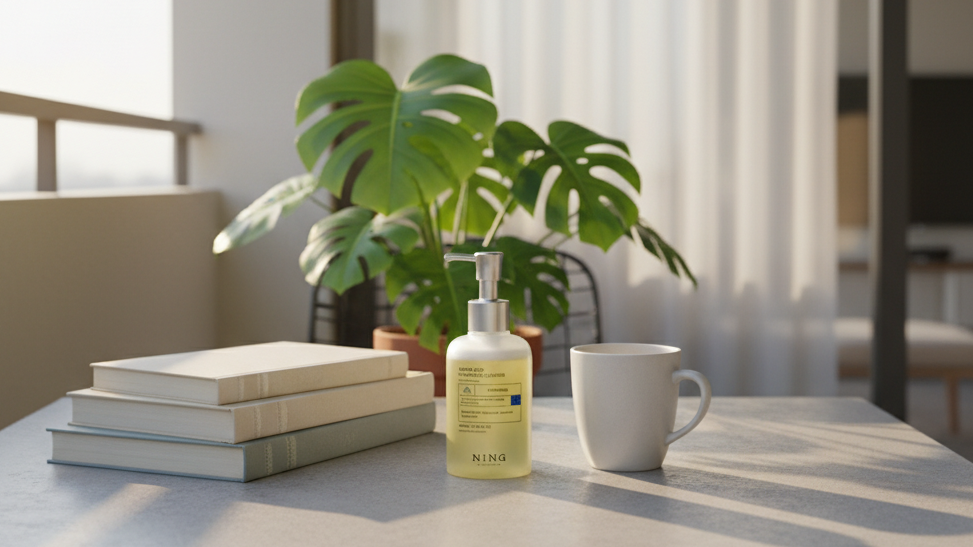

You’ve probably stood in the skincare aisle (or scrolled through endless discussion boards late at night), stared at a bottle of face wash promising to banish every pimple you own, and thought, "If I use this five times a day, I’ll have perfect skin by Friday."
I’ve been an esthetician for over a decade, and I can tell you: that is exactly how you wreck your skin barrier.
Salicylic acid (SA) is arguably the most famous ingredient for fighting breakouts. But unlike a gentle hydrating serum, it isn't something you can just slap on carelessly. The frequency of use is the difference between a glowing, clear complexion and a red, flaky disaster.
Whether you are dealing with bumpy skin, inflammatory acne, or just the occasional clogged pore, this guide cuts through the noise. We aren't just talking about "cleaning" your face; we are talking about strategic skin treatment.

First, What Actually is Salicylic Acid?
Before we decide your schedule, you need to know what you are putting on your face. Salicylic acid is a beta hydroxy acid (BHA).
If alpha hydroxy acids (like glycolic acid or lactic acid) are like little brooms that sweep dead cells off the surface of your skin, BHA is the guy who has the keys to the building. It is oil-soluble, meaning it can bypass the surface oil and dive deep inside the pore.
Once inside, it dissolves the "glue" holding dead skin cells together and breaks down the mix of sebum production and pore-clogging dirt. It also tackles the pimple-causing bacteria (specifically Cutibacterium acnes) that leads to those painful red bumps.
It’s powerful stuff. That’s why figuring out how often to use it is critical.
The "It Depends" Rule: Analyzing Your Skin Type
There is no universal "yes" or "no" for daily usage. If you look at advice from experts like Dr. Sindhu Shivaram or the team at Modern Dermatology, they will all tell you one thing: Listen to your skin, not the label.
Here is the breakdown based on my years of treating clients:
1. The Oily and Acne-Prone (The Daily Users)
If your face is shiny by 11 AM and you are prone to blackheads and whiteheads, your skin can likely tolerate—and benefit from—more frequent use.
- Frequency: Once daily, usually in the evening.
- Why: You have enough sebum to buffer the drying effects of the acid.
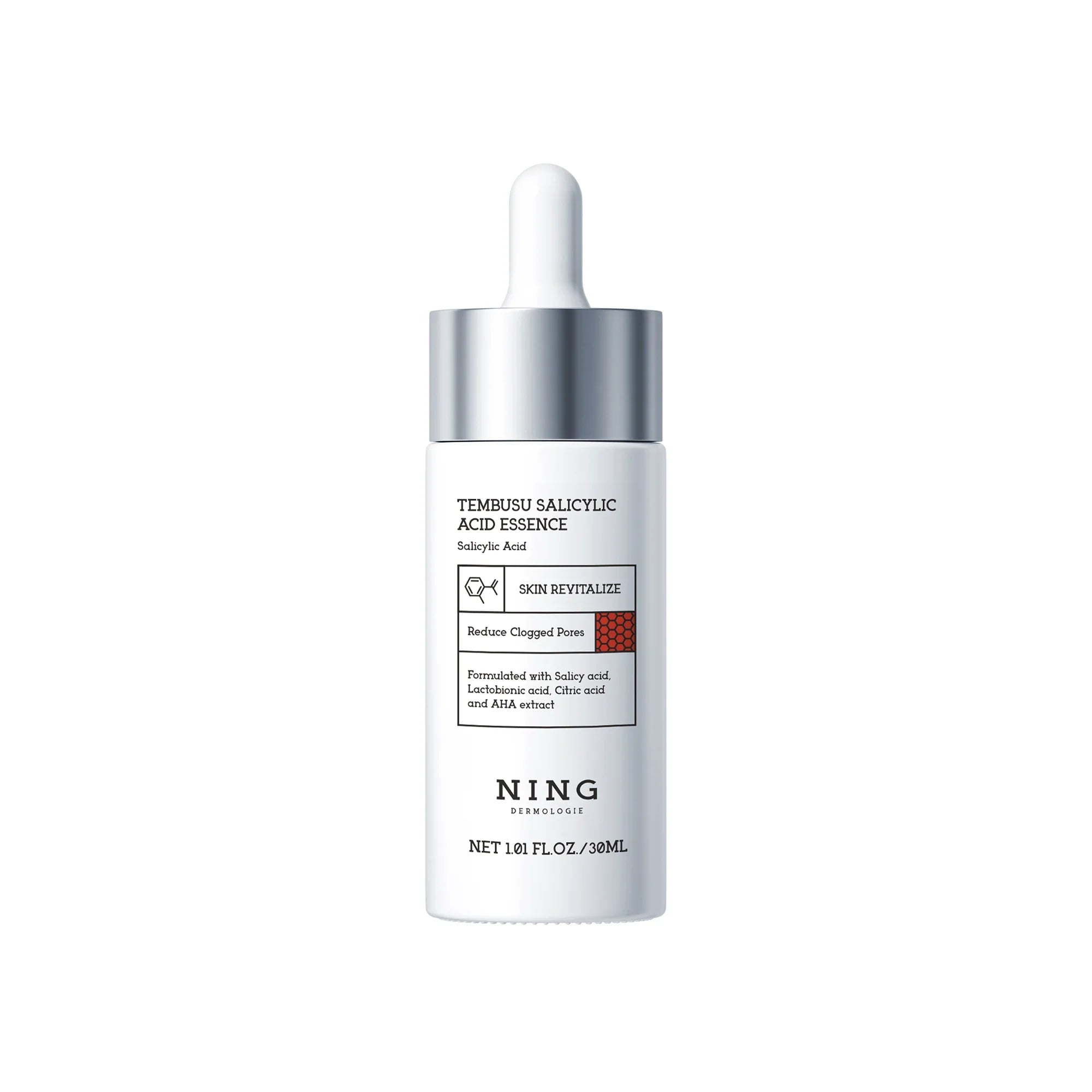
- The Strategy: Use a specialized product like the NING Dermologie Amino Acid Facial Cleanser with Salicylic Acid. Because it uses an amino acid base, it cleanses without stripping the skin as harshly as traditional sulfate-based cleansers.
2. Dry or Sensitive Skin (The "Treat" Users)
If your skin feels tight after washing with water, or if you have rosacea or eczema.
- Frequency: 2 to 3 times a week, maximum.
- Why: Your lipid barrier is already fragile. Overusing beta-hydroxy acids will lead to side effects like redness and stinging.
- The Strategy: On off days, use a milky, hydrating cleanser. Let the SA cleanser sit on your face for 60 seconds (short contact therapy) before rinsing to get the benefits without the irritation.
3. Combination Skin (The Balancing Act)
- Frequency: Every other day, or daily only on the T-zone.
- The Strategy: You might need to spot-cleanse. Focus the lather on your nose and chin, and go easy on the cheeks.
The Ramp-Up Schedule: Don't Rush It
Even if you have oily skin, do not start using a salicylic acid cleanser twice a day immediately. That is a recipe for "the purge"—where skin cell turnover speeds up so fast that underlying micro-comedones rush to the surface all at once.
Week 1: Use the cleanser every 3rd night. Week 2: Every other night. Week 3: Every night (only if your skin feels happy).
Pro Tip: Watch out for keratosis pilaris (chicken skin) on your arms or jawline. SA is fantastic for this. If you are using it for body issues, the skin there is tougher and can handle daily washing sooner than your face.
Building the Routine: What Goes With What?
Skincare is chemistry. You cannot just mix everything in your cabinet. Here is how to fit an SA cleanser into a full routine without causing a chemical fire on your face.
The Morning Routine
Keep it simple. You want protection.
- Gentle rinse (or SA cleanser if you are very oily).
- Vitamin C serum (helps with dark spots and acne scars).
- Moisturizer.
- SPF 30 sunscreen (or higher). Note: Acids make you photosensitive. If you skip this, you are undoing all your hard work.
The Evening Routine
This is where the heavy lifting happens.
- Makeup Removal: Use a balm or oil if you wear makeup.
- Cleanse: Use the NING Dermologie Amino Acid Facial Cleanser with Salicylic Acid. Massage it in gently.
- Treat (Optional): If you used the SA cleanser, skip other strong exfoliants like retinol cream or high-strength glycolic acid toners unless your skin is made of steel. If you have a massive zit, apply a spot treatment like dioic acid or a hydrocolloid patch.
- Hydrate: Apply a hyaluronic acid serum or a moisturizer rich in ceramides to repair the barrier.
A Note on "Conflicts": If you are using prescription acne treatment (like Tretinoin), be careful. Mixing that with a salicylic acid cleanser can be too much. Ask your derm.
Ingredient Insight: Why Formulation Matters
Not all "2% Salicylic Acid" cleansers are created equal.
You might see popular options like the Cerave Renewing SA Cleanser or the Neutrogena Oil-Free Acne Wash on shelves. While effective, some older formulations rely on harsh surfactants that strip the oil away along with the dirt.
This is why honest reviews on platforms like the Picky Community often mention that "squeaky clean" feeling. Spoiler: Squeaky is bad. Squeaky means you stripped your acid mantle.
At NING Dermologie, we formulated our cleanser with Amino Acids. Why? Because amino acids are the building blocks of skin proteins. By using them as the cleansing agent, we can deliver the salycilic acid (common misspelling, but we know what you mean!) into the pore to fight inflammatory acne while keeping the surface soft. It’s about balance.
Troubleshooting: Am I Purging or Breaking Out?
This is the number one question I get in my inbox.
Purging: Small whiteheads appearing in areas where you usually break out. They heal faster than normal. This is the skin cell turnover working. It usually lasts 2-4 weeks.
Reaction/Irritation: Redness, itching, burning, or breakouts in areas where you usually have clear skin. This means the barrier is damaged.
If you see irritation, stop. Switch to a basic gentle wash, use hydrocolloid invisible pimple patches on active spots, and let your skin recover.
Beyond the Face: Other Uses for SA Cleansers
Don't limit this bottle to your face.
- Back Acne (Bacne): The skin on your back is thick. Scrub away.
- Keratosis Pilaris: Those rough bumps on the back of your arms hate SA. Use it there in the shower.
- Ingrown Hairs: If you get bumps after shaving, a quick wash with SA helps exfoliate the dead skin trapping the hair.
Doing Your Homework
Don't just take my word for it. Look at differential diagnosis discussions online. Check what dermatologists like Dr. Maya Thosani or Dr. Mina Amin are saying on social channels. Read the honest reviews on our site or others.
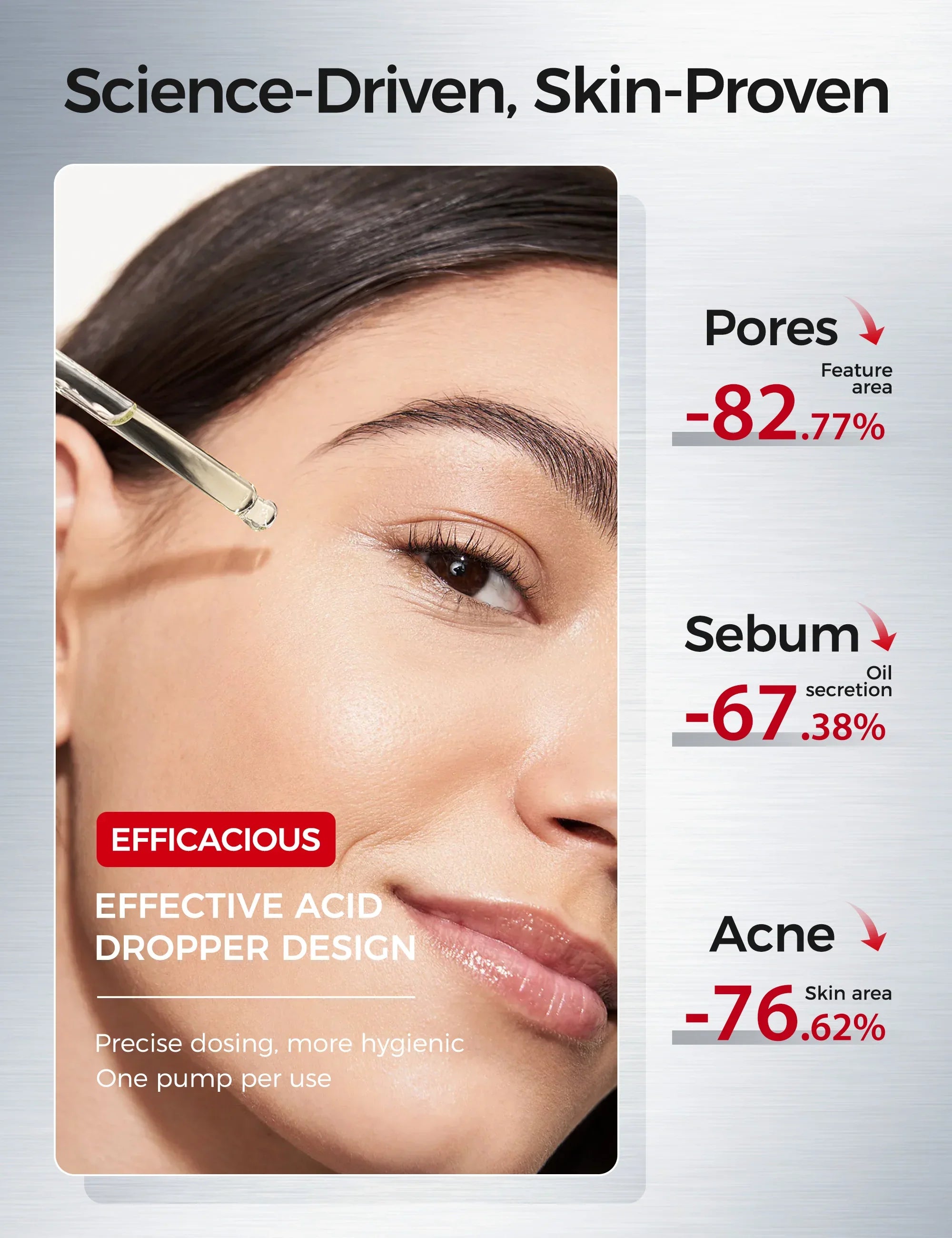
You will find that the "more is better" approach is dying out. The new wave of skincare, including what we do at NING Dermologie, is about "smart efficacy." We want to clear the acne treatment hurdle without creating new problems like dermatitis.
Whether you choose our Amino Acid Facial Cleanser with Salicylic Acid or another reputable brand, the rule remains: Start slow, listen to your skin, and respect the barrier.

Frequently Asked Questions (FAQ)
1. Can I use a salicylic acid cleanser every day?
Honestly? Maybe, but don't force it. If you're an oil slick by noon, daily use is probably fine. For everyone else, doing this daily is a one-way ticket to dry, angry skin. Start with twice a week. If your face doesn't freak out after a month, then you can try ramping it up.
2. Does salicylic acid help with acne scars?
Depends on the scar. Deep ice-pick pits? No, those need lasers. But for those annoying dark spots left behind after a zit pops? Absolutely. It speeds up cell turnover, so the stained skin flakes off faster. It’s not magic, but it definitely speeds up the fade.
3. Can I use Vitamin C with a salicylic acid cleanser?
You can, but your face might hate you for it. Both are active acids. If you have tough skin, go for it. But if you feel any stinging or turn red, just split them up: do the Vitamin C in the morning and save the Salicylic wash for your night routine.
4. Is purging normal when starting this cleanser?
Yep, sadly. It’s the worst part. Your skin isn't breaking out; it’s cleaning house. All the gunk hiding deep down rushes to the surface at once. Give it about a month. If it keeps happening after that, it’s not purging anymore—your skin is just irritated.
5. Can I use salicylic acid if I have dry skin?
Proceed with caution. Most foam cleansers will wreck you. Stick to a milky or cream formula (like the one we make at NING Dermologie) and don't let it sit on your face long. Wash, rinse, and immediately drown your skin in moisturizer or hydrating serum.





Share:
The Paradox of the Pores: Finding the Best Salicylic Acid Face Wash for Sensitive Skin
Where to Buy Face Wash with Salicylic Acid Near Me: The Ultimate Guide to Clearing Your Skin