

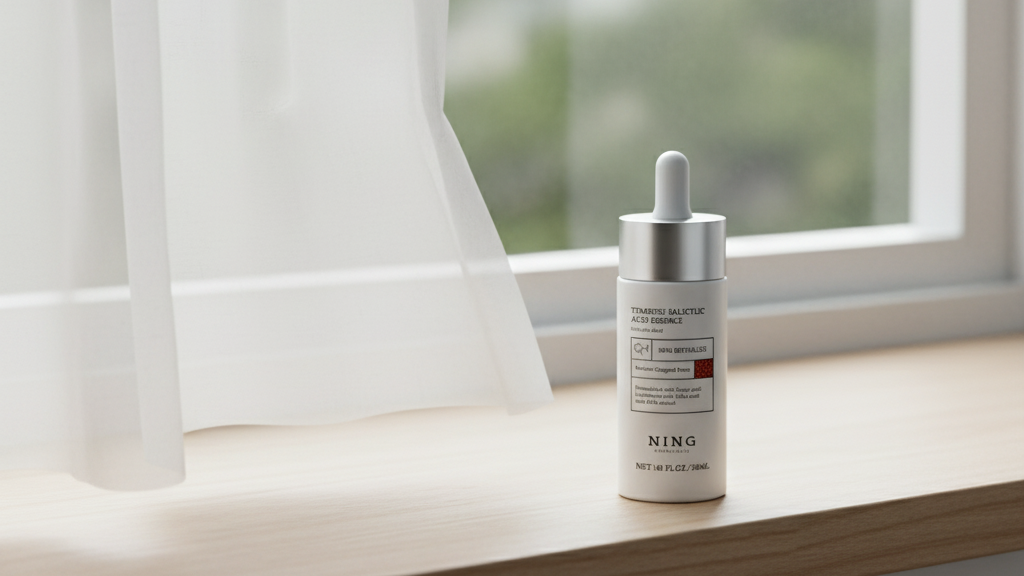
Salicylic Acid: An Effective Ally in Your Skincare Arsenal
We’ve all stood in front of the bathroom mirror, lights dimmed just enough to hide the frustration, staring at a breakout that decided to show up at the absolute worst time. You’ve tried the "miracle" masks and the heavy scrubs, yet the congestion remains. If that sounds like your Tuesday night, it’s time we talk about a real skincare ingredient that actually pulls its weight: salicylic acid.
At NING Dermologie, we aren't interested in selling you a dream in a bottle. We’re interested in the science of healthier skin. And the science says that if you want clear skin, you need a skincare arsenal that includes a well-formulated beta-hydroxy acid.

Understanding Salicylic Acid: More Than Just a Buzzword
So, what is salicylic acid? In the simplest terms, salicylic acid is a beta-hydroxy acid (BHA) derived from willow bark. But don't let the "natural" origin fool you—this is a high-performance skincare ingredient. While Alpha Hydroxy Acids (AHAs) like glycolic acid or lactic acid are water-soluble and dance around on the surface of your skin, salicylic acid is oil-soluble.
This is the game-changer. Because it loves oil, it can actually bypass the surface oils and travel deep into the outer layer of skin. Once there, it gets to work dissolving the type of skin debris that leads to trouble. If glycolic acid is a broom for your porch, salicylic acid is a high-pressure vacuum for your carpets.
How Salicylic Acid Works Wonders on Your Pores
To truly grasp why you should incorporate salicylic acid into your life, you have to understand the "pore-clogging" cycle. Your skin is constantly producing oil (sebum) and shedding dead skin cells. Usually, these cells slough off naturally. But sometimes, they get sticky. They glue themselves together with excess oil and form a type of skin debris that clogs pores.
When you use salicylic acid, it breaks those chemical bonds. It literally sloughs away dead skin cells from the inside out. By shedding of dead skin cells effectively, it prevents the plug from ever forming. This is why salicylic acid works so well for acne-prone skin—it addresses the problem before it becomes a visible pimple.
The Benefits of Salicylic Acid: Why It’s a True Superhero
I’ve seen a lot of trends come and go, but salicylic acid is a true superhero because its benefits aren't limited to just "zapping" a spot. It’s a multi-tasker.
- Unclogging and Refining: It penetrates deep into the skin to clear out whiteheads and blackheads.
- Improving Skin Texture: By promoting constant turnover, it leads to a smoother skin appearance and reduces the look of "orange peel" texture.
- Anti-Inflammatory Properties: Unlike harsh physical scrubs, salicylic acid has anti-inflammatory properties that help calm down that angry, red bump you’re tempted to squeeze. (Please, don't squeeze it.)
- Oil Control: Regular use can help balance the amount of oil your skin produces, making it an ally for anyone with a permanent T-zone shine.
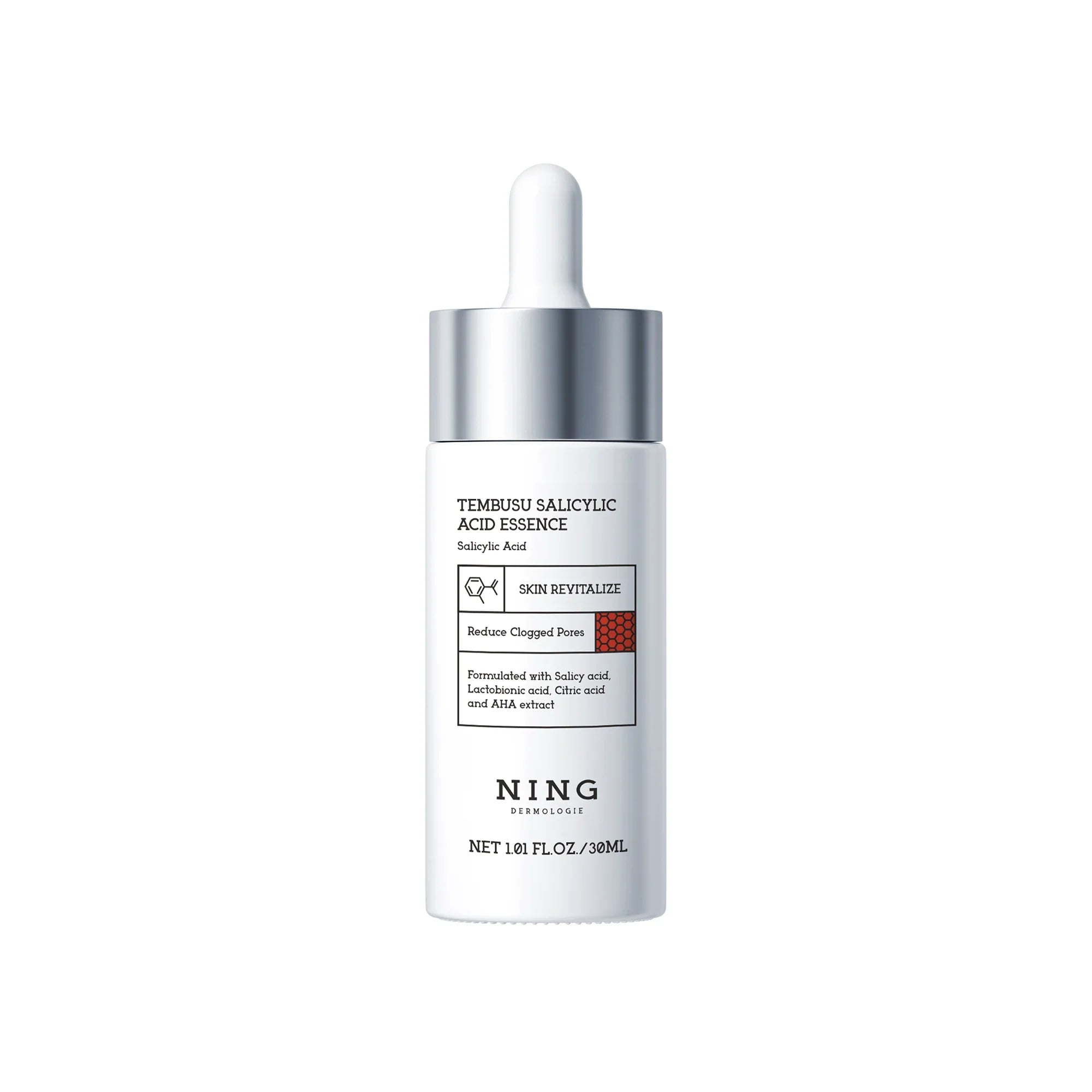
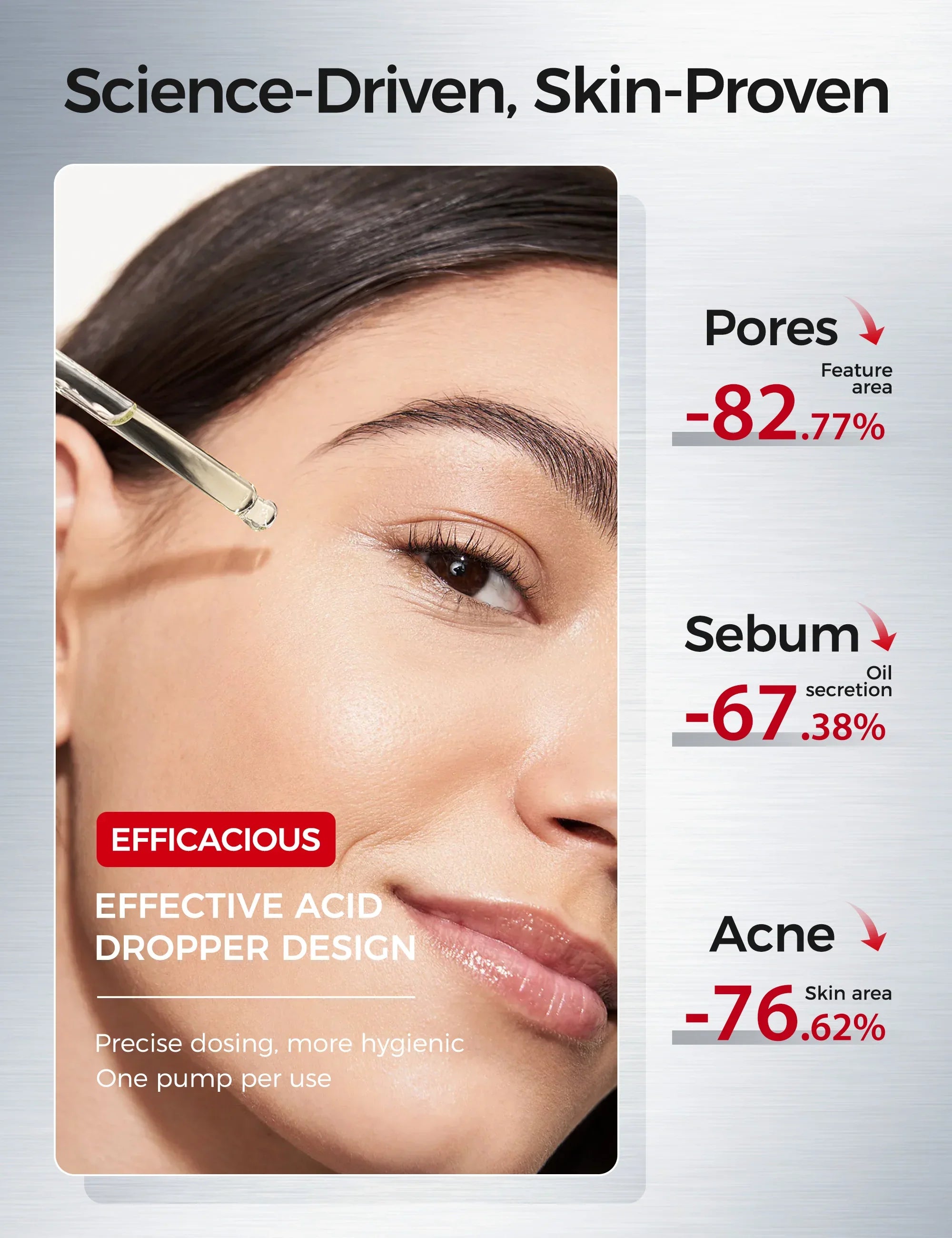
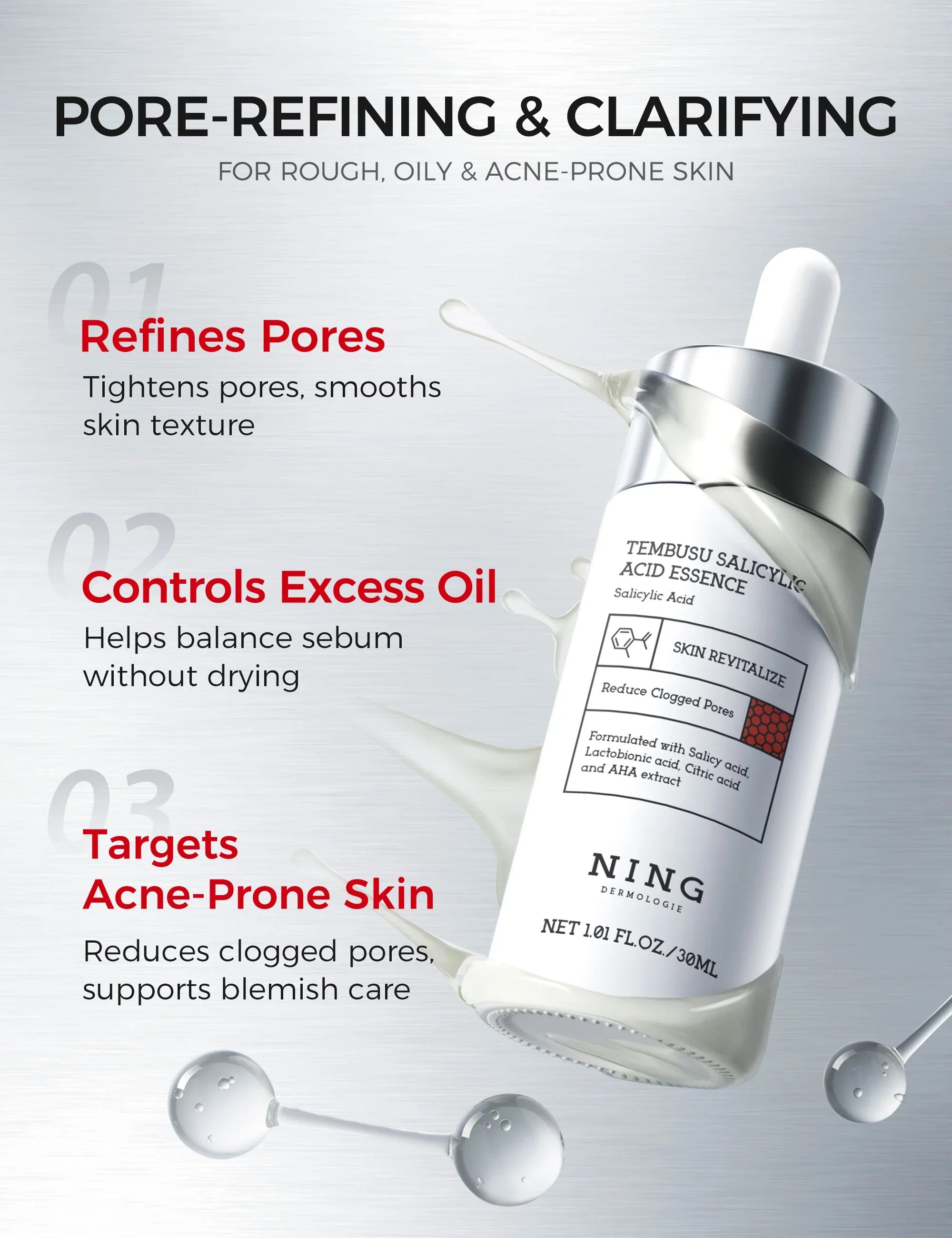
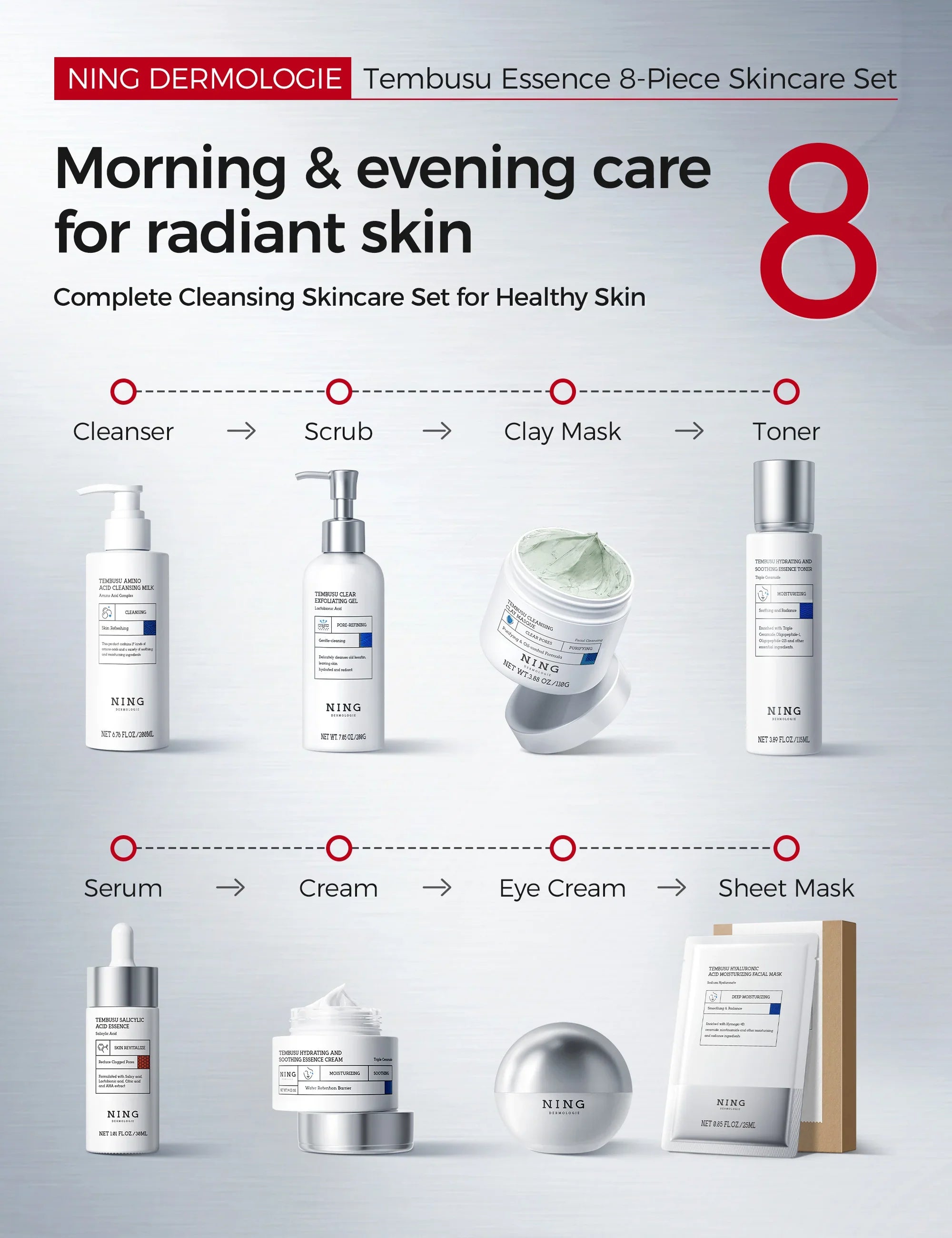
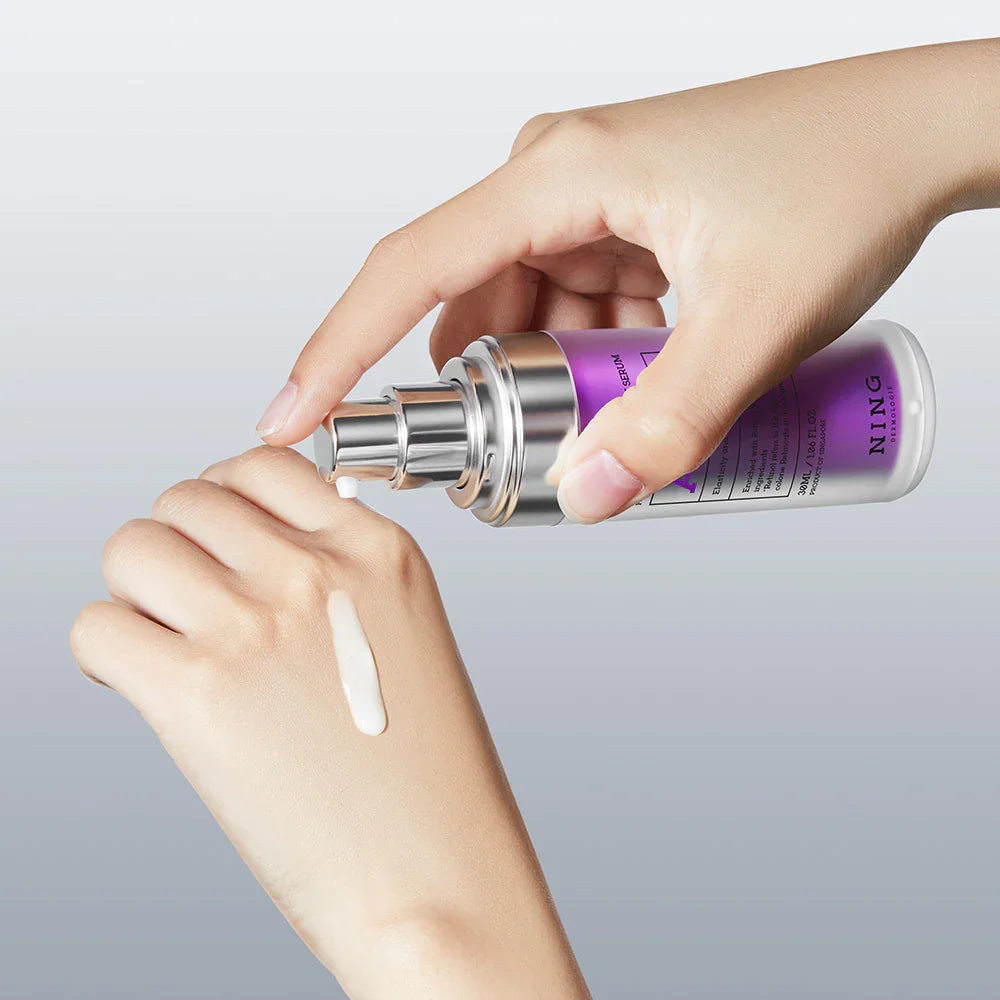
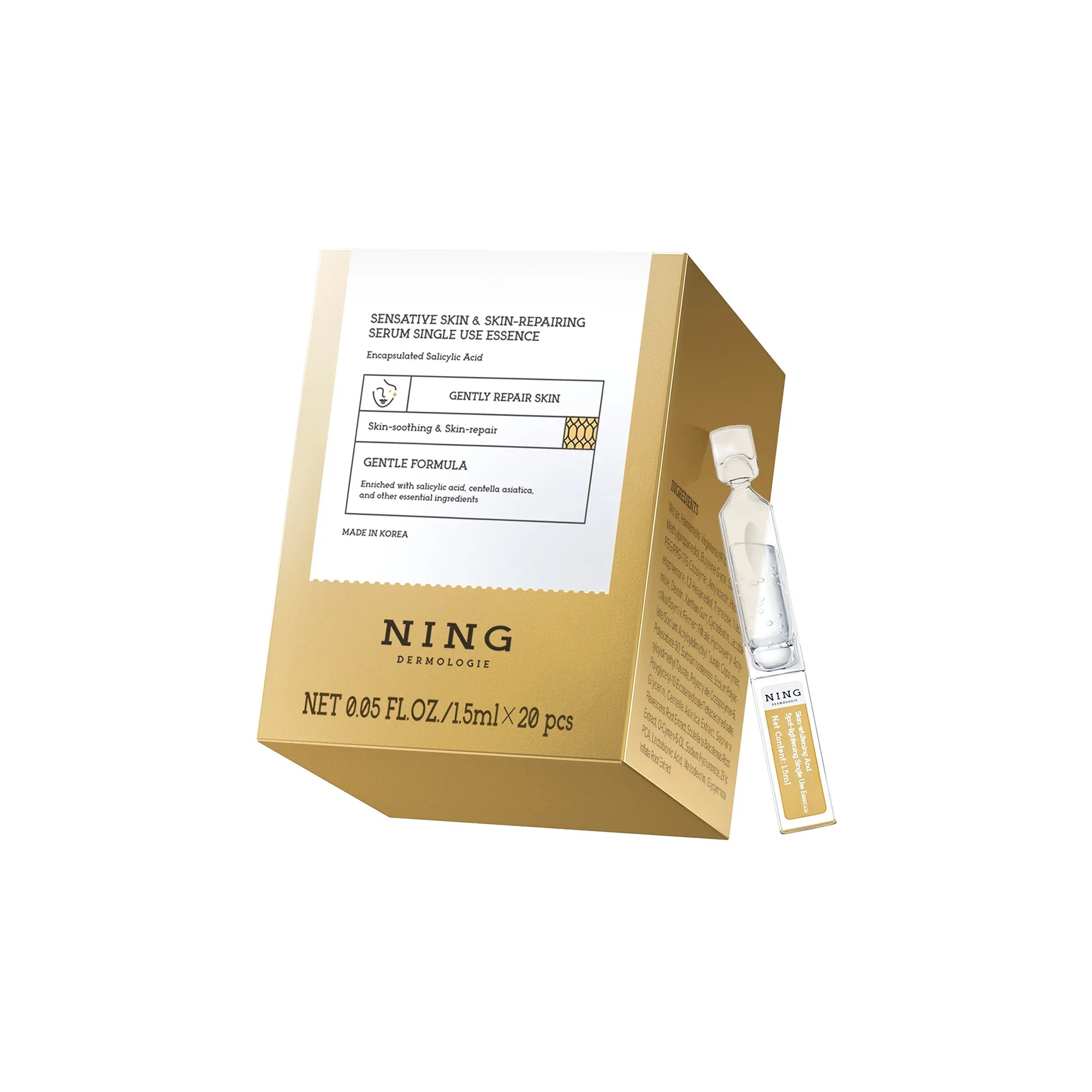
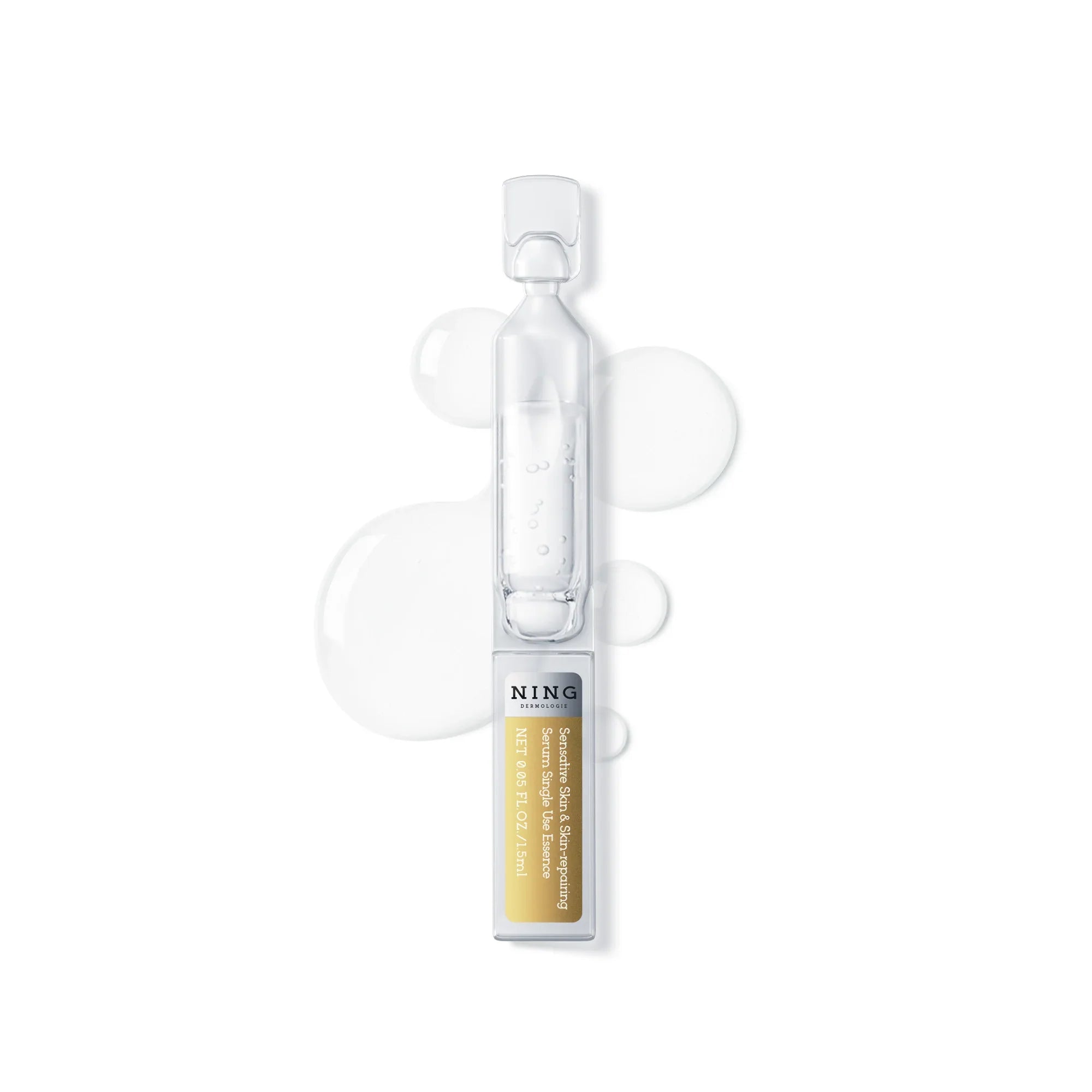
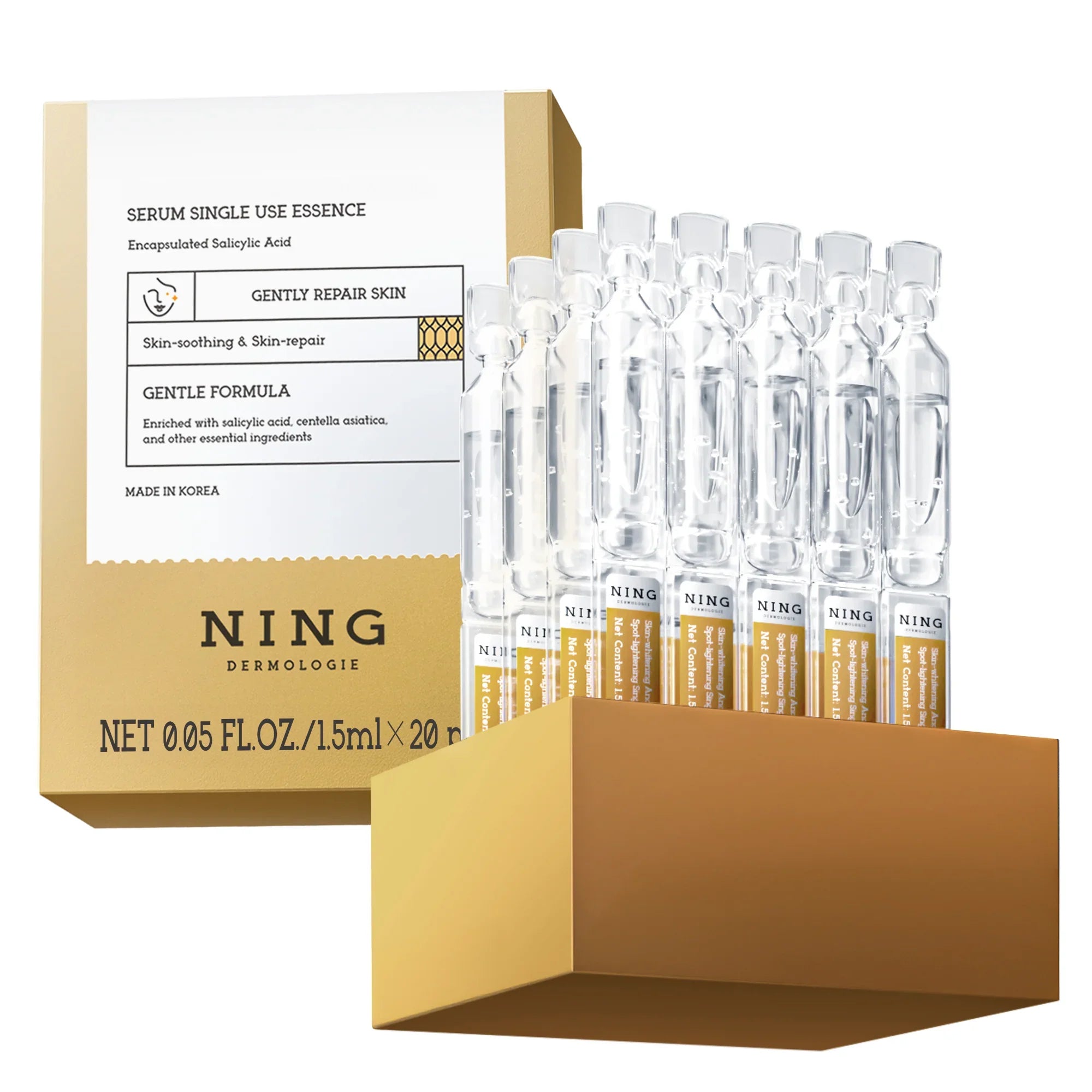
If you’re looking for a specific recommendation, our NING Dermologie 2% Salicylic Acid Serum was designed to hit that "sweet spot"—strong enough to see real results in improving skin texture, but formulated with enough care to avoid the dreaded "skin peel" look.
Salicylic Acid vs. Glycolic Acid: Which One Wins?
This isn't a boxing match; they actually work great together, but they have very different jobs. Glycolic acid is fantastic for sun damage and fine lines because it works on the surface. However, if you have oily or acne-prone skin, glycolic acid might not be enough. It can't "swim" through oil the way a beta hydroxy acid can.
If your goal is clear skin and fewer blackheads, salicylic acid offers a much more direct solution. Salicylic acid addresses the root cause of congestion, whereas AHAs focus more on the radiance of the surface.
How to Incorporate Salicylic Acid into Your Skincare Routine
The biggest mistake I see? People get a new salicylic acid product and use it three times a day because they want results now. That is a one-way ticket to skin irritation.
1. Start Slow
If you are new to salicylic acid, your skincare routine should prioritize patience. Start by applying it twice a week. You need to see how your skin reacts before moving to use salicylic acid every day.
2. The "Sandwich" Method for Dry Skin
If you have dry skin, you might think BHAs aren't for you. Not true. You just need to be smart. Apply your serum, let it absorb for a minute, and then follow up with a rich moisturizer to support your skin barrier. This prevents the acid from "over-drying" the healthy parts of your face.
3. Don't Forget the SPF
It is a myth that only AHAs make you sun-sensitive. While BHAs are slightly different, any exfoliation removes the "shield" of dead cells. Salicylic acid can make your skin more sensitive to UV rays. If you incorporate salicylic acid into your daily skincare, you absolutely must wear sunscreen. No exceptions.
Salicylic Acid for Different Skin Types
Every face is a different landscape. Here is how to navigate the world of salicylic acid based on your type of skin:
- Oily and Acne-Prone Skin Types: You are the primary candidates. You can likely work your way up to using a salicylic acid product once a day, preferably in the evening.
- Combination Skin: Use your serum only on the areas where you get oily (like the nose and chin). Leave your cheeks alone if they are already dry.
- Dry or Sensitive Skin: Look for a salicylic acid into a skincare formula that includes soothing agents. Salicylic acid can cause dryness if overused, so limit your use to spot treatments or a low-frequency skincare routine.
What About Sensitive Skin Types?
I get asked this constantly: "Is salicylic acid safe for sensitive skin?" The answer is yes, but with a caveat. You have to be an expert at observing how your skin reacts.
For sensitive skin, don't start with a leave-on serum. Start with a salicylic acid cleanser. This gives you "short-contact therapy"—the acid gets in, does a little bit of work, and then gets washed away before it can cause skin irritation. At NING Dermologie, we always suggest patch testing on your jawline for 24 hours. If your skin reacts with extreme redness or itching, BHAs might be too much, and you might want to look into PHAs instead.
Common Pitfalls: Salicylic Acid Can Increase Irritation if...
You mix it with the wrong crowd. Salicylic acid in your skincare doesn't always play nice with others.
- Avoid the Retinol Clash: Don't use your BHA at the exact same time as your Retinol. Use one in the morning and one at night, or alternate days.
- Watch the Vitamin C: Some people find that layering Vitamin C and salicylic acid is too acidic for their skin barrier.
- The "More is Better" Fallacy: Salicylic acid can make your skin look amazing, but using too much will lead to a compromised barrier, which actually causes more acne. It’s a cruel irony.
Why NING Dermologie?
When we formulated our 2% Salicylic Acid Serum, we focused on the "slow release" of the skincare ingredient. We wanted to ensure that the effects of salicylic acid were felt deep in the pores without stripping the moisture that keeps your skin looking bouncy and youthful.
Salicylic acid is a powerful tool, but it requires a balanced formula. By incorporating salicylic acid into a base that respects the skin barrier, we’ve created an ally in your skincare arsenal that you can actually rely on for the long haul.

Final Thoughts: Your Journey to Healthier Skin
Achieving smoother skin isn't about one-off treatments; it's about a consistent skincare routine. Whether you are dealing with teenage breakouts or adult inflammatory skin issues, salicylic acid is one of the most researched and proven ingredients available.
Take it slow, listen to your skin, and give it time. Most people see a real change after about 4 to 6 weeks of consistent use. Your healthier skin is waiting—it's just buried under a few layers of dead skin cells.
Frequently Asked Questions (FAQ)
1. Can I use salicylic acid every day?
Don't rush it. While oily skin can eventually handle daily use, jumping in too fast is a recipe for a wrecked skin barrier. Start with twice a week. If your face feels tight or looks shiny in a "plastic" way, back off. It’s a marathon, not a sprint. Your goal is consistent exfoliation without redness, so listen to what your skin tells you.
2. Does salicylic acid cause "purging"?
It’s totally possible. It’s that annoying phase where things look worse before they get better. Since BHAs clear out deep-seated gunk, they might push "pre-pimples" to the surface all at once. Usually, this wraps up in about a month. If you're still breaking out in brand-new spots after six weeks, it might not be a purge—it might just be irritation.
3. Is the 2% concentration in NING Dermologie serum too strong?
It's the gold standard for a reason. 2% is the sweet spot where you get real results on blackheads without the sting of a professional peel. We formulated ours to be effective but balanced. If you’re worried, try the "sandwich technique": apply moisturizer first, then the serum. This slows down the penetration just enough to keep sensitive skin happy.
4. Can I use salicylic acid if I'm pregnant?
This is a "check with your doctor" situation. Most pros suggest playing it safe and skipping leave-on BHAs while pregnant. Since salicylic acid is in the same family as aspirin, many women switch to gentler options like lactic acid or just stick to a wash-off cleanser. It’s always worth a quick chat with your OB-GYN to be 100% certain.
5. How long does it take to see results for clear skin?
Real talk: you won't wake up with a new face tomorrow. You'll notice a smoother feel pretty quickly, but clearing out stubborn blackheads takes about 4 to 6 weeks. That's how long it takes for your skin to cycle through and reveal the cleaner layers. Stick with it for a month before deciding if it's working—consistency is what gets you results.


Share:
Which vitamin C serum brands have the best reviews for face use?
Salicylic Acid vs. Other Acne Treatments: Which Is Best for You?