

Salicylic Acid vs. Benzoyl Peroxide: Which Acne Treatment Actually Works Best for Your Skin?
You’re standing in the skincare aisle, staring at a wall of "miracle" cures, feeling that familiar wave of frustration. One bottle screams about "deep pore cleansing" with salicylic acid, while the one next to it promises to "kill 99% of bacteria" using benzoyl peroxide. If you’re dealing with acne, the choice feels high-stakes. Pick the wrong one, and you might end up with a face that's even redder, drier, and more irritated than when you started.
At NING Dermologie, we believe that skin health shouldn't be a guessing game. To treat acne effectively, you have to understand the chemistry behind the bottle. It isn't just about salicylic acid vs benzoyl peroxide; it’s about understanding your unique skin type and the specific type of acne that’s currently crashing on your face without paying rent.
In this deep dive, we’re going to strip away the marketing fluff and look at the hard science. We’ll compare benzoyl peroxide vs salicylic acid, explore the role of glycolic acid, and help you choose the best path to a clear complexion.

The Battle for Clearer Skin: Why Your Acne Treatment Choice Matters
Before we get into the differences between benzoyl peroxide and its rivals, let’s talk about why people fail. Most people treat acne like a single enemy. In reality, acne is a multi-headed hydra.
Sometimes, it’s non-inflammatory acne—those stubborn blackheads and whiteheads that just won't budge. Other times, it’s inflammatory acne—the painful, red, swollen bumps that seem to have their own pulse. If you apply the wrong acne treatment to the wrong bump, you're essentially bringing a knife to a gunfight.
Salicylic Acid for Acne: The Pore-Clearing Powerhouse
If your main struggle involves clog pores, blackheads, and an excess oil problem that could rival a small oil refinery, salicylic acid is likely your best friend.
What is Salicylic Acid?
Salicylic acid is a beta hydroxy acid (BHA). Unlike alpha-hydroxy acids (like glycolic acid) which are water-soluble, salicylic acid is oil-soluble. This is a massive distinction. Because it’s oil-soluble, it can actually dive deep into the sebum (oil) inside your pores.
How Salicylic Acid Works
Salicylic acid works by acting as a chemical exfoliant. It dissolves the "glue" that holds oil and dead skin cells together. Once that bond is broken, the dead skin cells can be shed properly instead of getting trapped. For anyone with acne-prone skin, this is the gold standard for preventing new acne from forming in the first place.
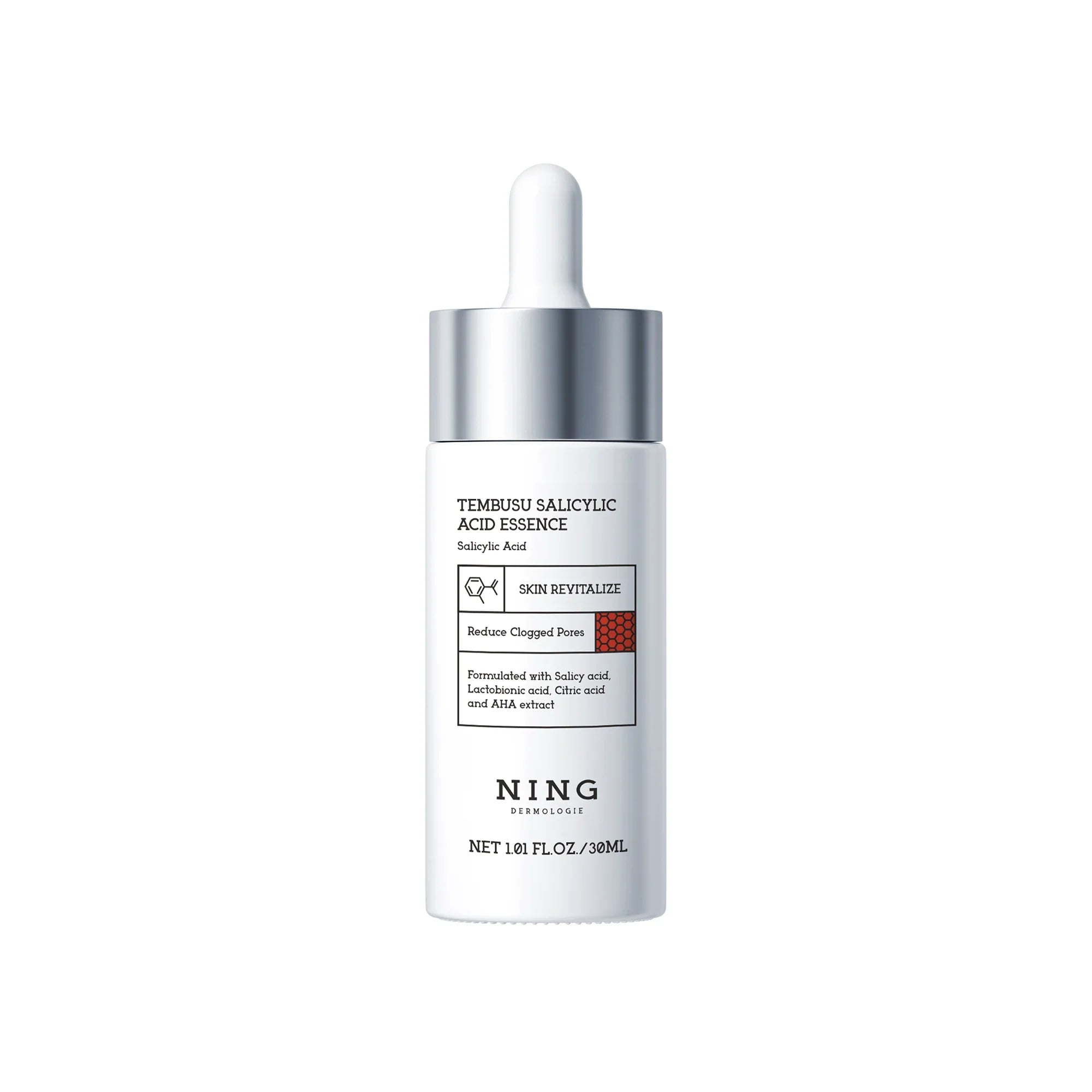
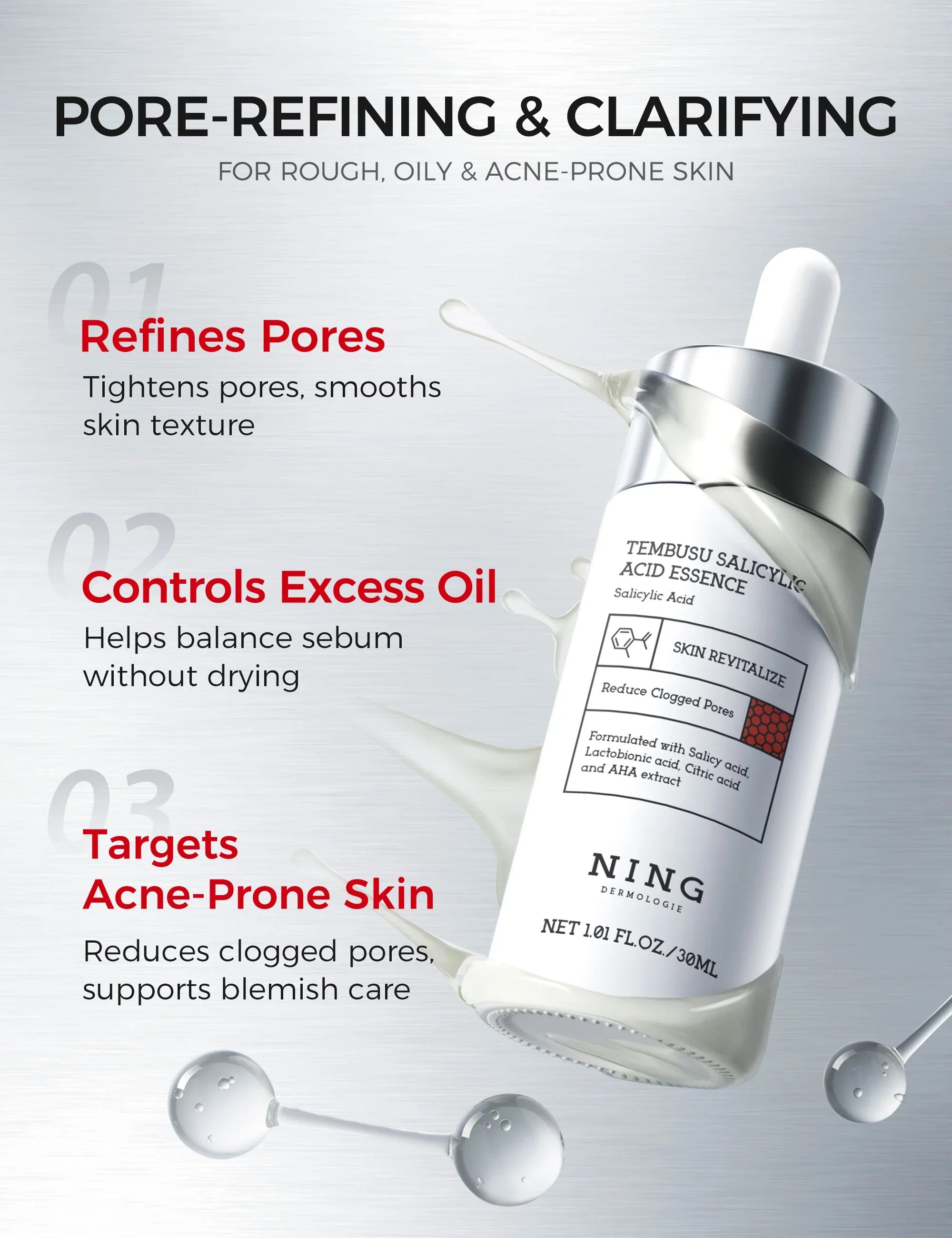
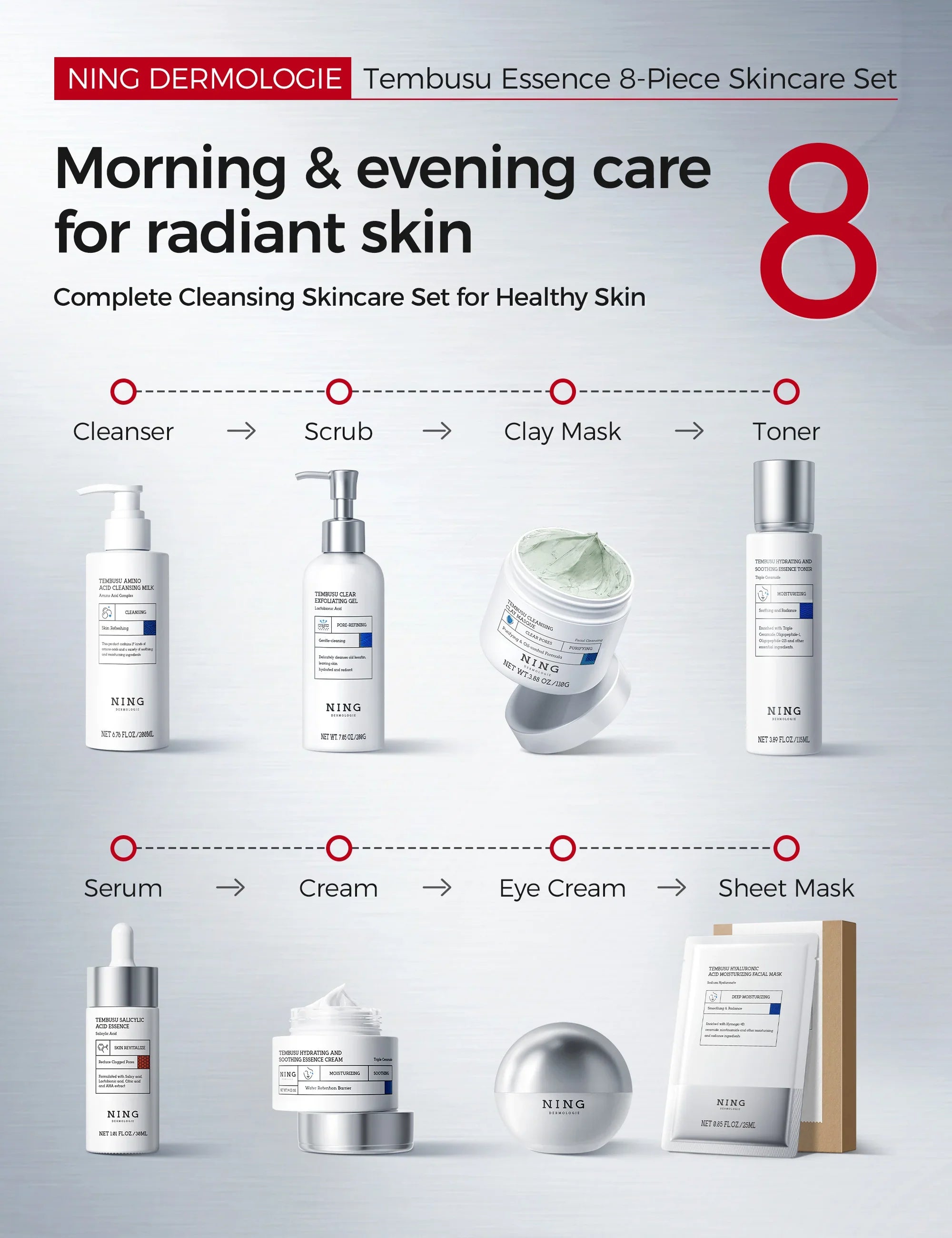
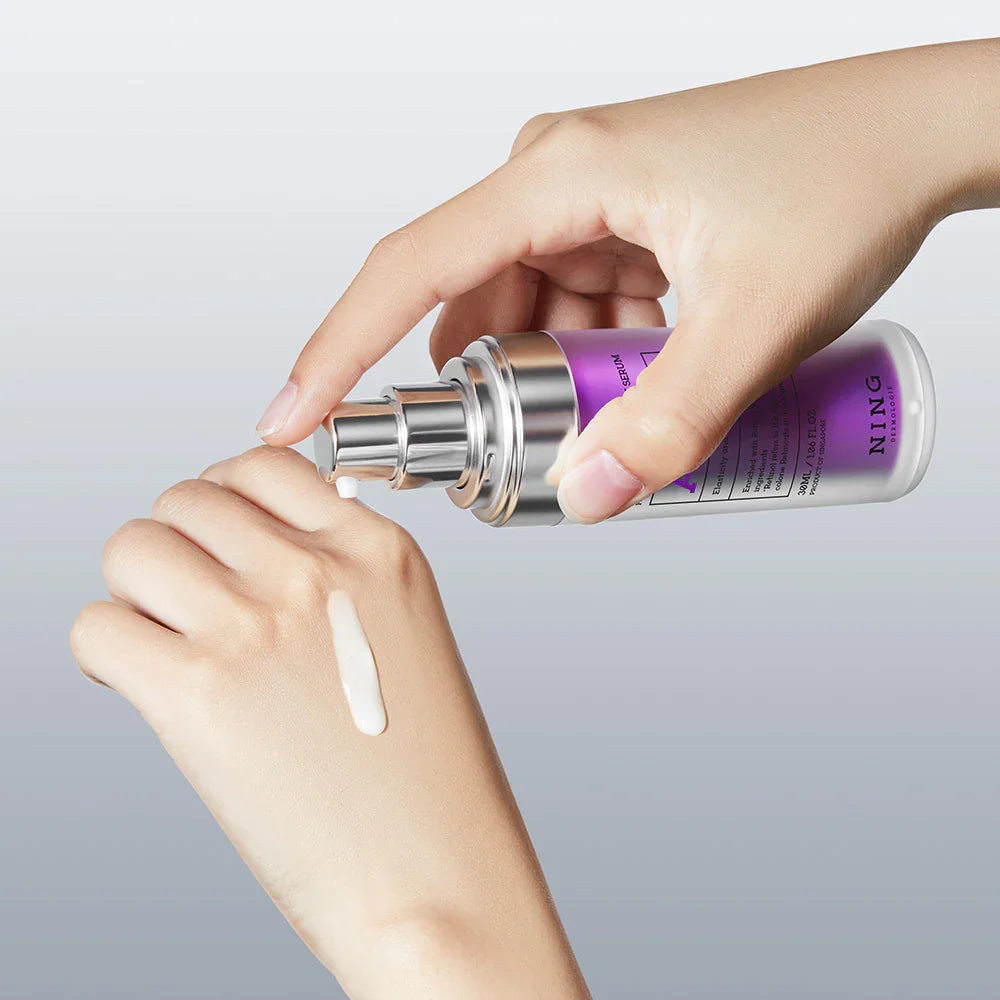
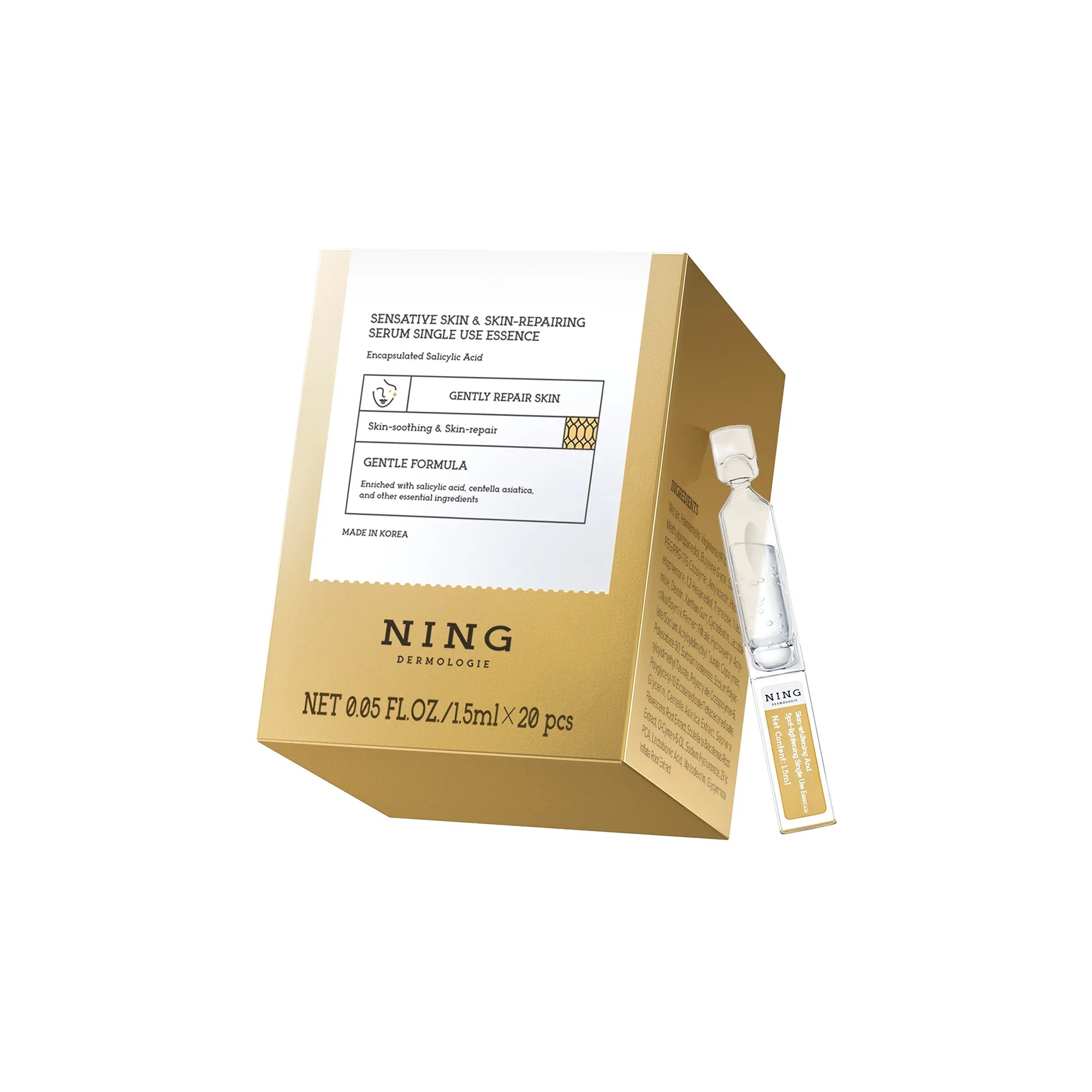
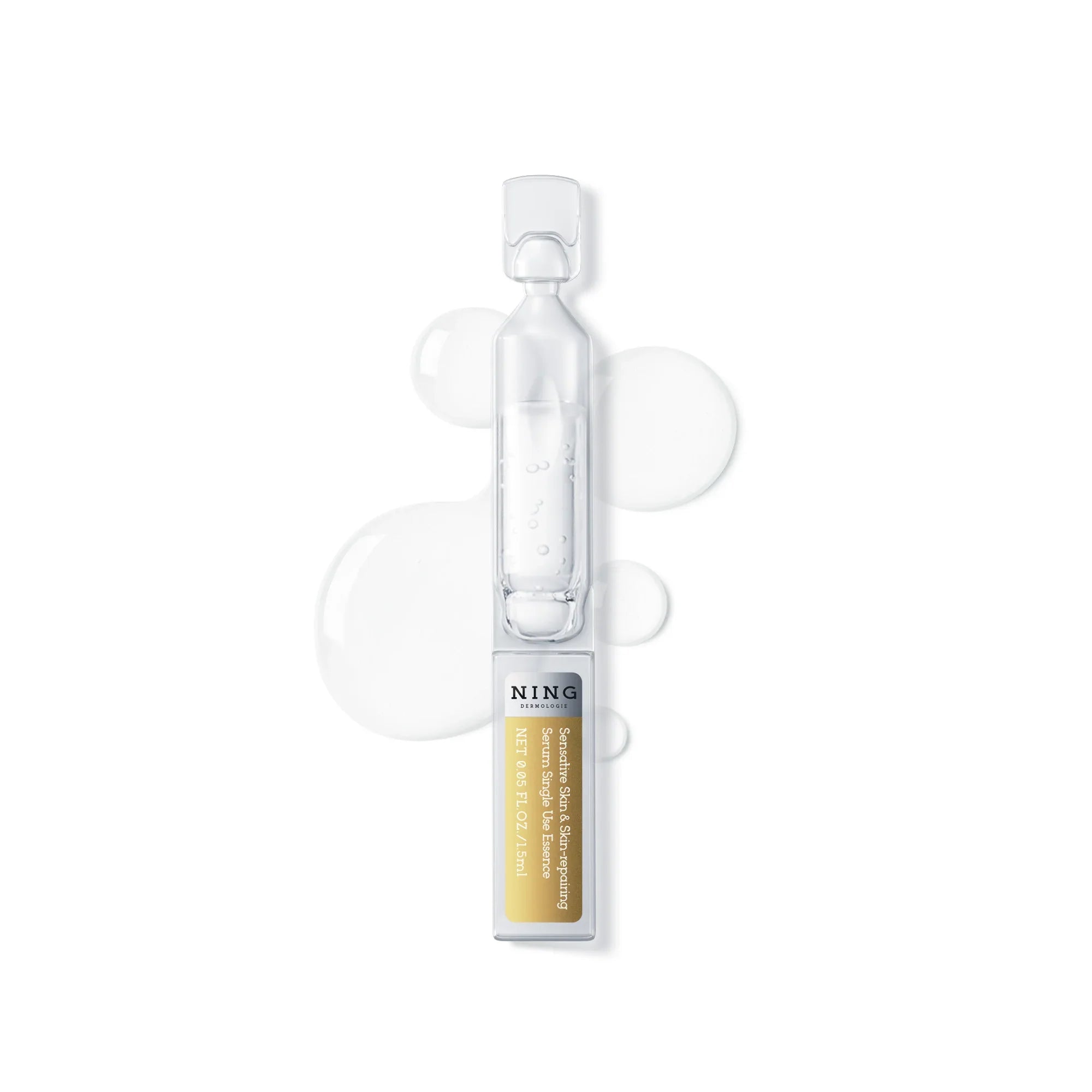
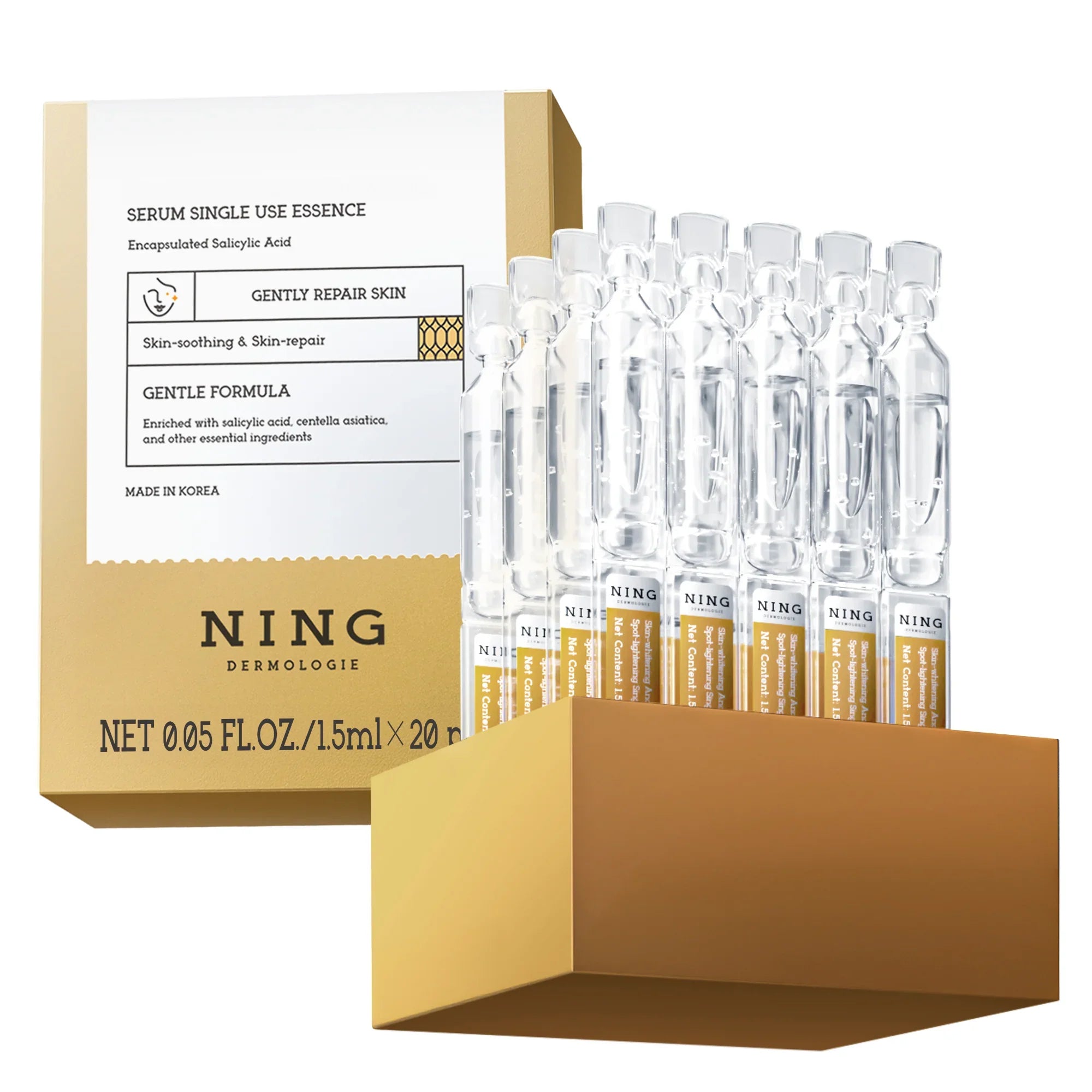
At NING Dermologie, we’ve perfected this delivery system in our 2% Salicylic Acid Serum. By using a precise 2% concentration, we ensure the beta-hydroxy acid is strong enough to prevent acne by clearing out the "gunk," but balanced enough to keep your skin hydrated and minimize the risk of skin irritation.
Benefits of Using Salicylic Acid
- Targeting Blackheads: It’s arguably the best acne product for dissolving "open comedones."
- Reducing Inflammation: Salicylic acid can help calm the redness associated with acne.
- Texture Improvement: Regular use of salicylic acid products leads to smoother, more refined skin.
Benzoyl Peroxide vs Salicylic Acid: The Bacteria-Killing Alternative
Now, let's pivot to the other heavyweight: benzoyl peroxide. If salicylic acid is the "janitor" that cleans the pores, benzoyl peroxide is the "hitman" that eliminates the intruders.
How Benzoyl Peroxide Works
Benzoyl peroxide works by introducing oxygen into the pores. The bacteria that cause acne (C. acnes) hate oxygen. They thrive in the anaerobic, oil-clogged depths of a pore. When you apply benzoyl peroxide, it effectively suffocates the bacteria.
Pros and Cons of Benzoyl Peroxide
Benzoyl peroxide is known for its speed in treating inflamed acne. If you have a pustule (a red bump with a white head), benzoyl peroxide helps kill the infection fast.
However, there’s a catch. Benzoyl peroxide may cause significant dry skin and skin irritation, especially if you have sensitive skin. Furthermore, it has a notorious habit of bleaching your towels, pillowcases, and even your hair.
Comparing the Giants: Benzoyl Peroxide vs. Salicylic Acid
When deciding on benzoyl peroxide vs salicylic acid, you need to look at the type of acne you’re dealing with.
| Feature | Salicylic Acid (BHA) | Benzoyl Peroxide |
| Primary Action | Exfoliates oil and dead skin | Kills bacteria that cause acne |
| Best For | Blackheads, whiteheads, mild acne | Inflammatory acne, cysts, pustules |
| Skin Type | Oily to combination | Oily (too harsh for most dry types) |
| Irritation Risk | Low (if formulated correctly) | High (dry skin, redness, peeling) |
| NING Selection | 2% Salicylic Acid Serum | N/A (We prioritize barrier health) |
Salicylic acid is generally better for long-term maintenance. It addresses the root acne treatment goal: keeping the pores clear so new acne breakouts don't start. Benzoyl peroxide products are better as a "fire extinguisher" for active, painful breakouts.
When Acid and Salicylic Acid Meet: Can They Be Used Together?
A common question we get at NING Dermologie is: "Can I use both benzoyl peroxide and salicylic acid at the same time?"
The short answer: Yes, but proceed with extreme caution. Using salicylic acid in the morning and benzoyl peroxide at night can be effective in treating acne because you’re attacking the problem from two angles (exfoliation + antibacterial).
However, benzoyl peroxide and salicylic acid are both drying agents. If you overdo it, you’ll damage your skin barrier, leading to "rebound oiliness" where your skin produces more oil to compensate for the dryness, which—you guessed it—leads to new acne.
The Supportive Cast: Glycolic Acid and Azelaic Acid
While the benzoyl peroxide vs salicylic acid debate dominates the conversation, other acne fighters deserve a seat at the table.
Glycolic Acid vs Salicylic Acid
Glycolic acid is an alpha-hydroxy acid (AHA). Unlike the beta hydroxy acid (salicylic), glycolic acid works on the surface. It’s excellent for fading the dark spots (post-inflammatory hyperpigmentation) left behind after acne breakouts. If you want better for acne scarring and surface glow, AHAs are great. But for active clog pores, salicylic is the winner.
Azelaic Acid: The Gentle Alternative
Azelaic acid is the "gentle giant" of acne medications. It kills bacteria and reduces redness, making it perfect for sensitive skin or those with rosacea-prone acne. It’s not as "aggressive" as benzoyl peroxide, but it’s much kinder to your skin barrier.
Choosing the Best Acne Treatment for Your Skin Type
Your skin type is the ultimate decider. Here is how to choose the best approach:
-
Oily & Acne-Prone Skin: You will likely find salicylic acid to be your "holy grail." Use a salicylic acid face wash or a leave-on treatment like the NING Dermologie 2% Serum to manage excess oil and dead skin cells.
-
Dry or Sensitive Skin: Avoid benzoyl peroxide-based products if possible. They will likely lead to skin irritation. Stick to salicylic acid used sparingly (2-3 times a week) or azelaic acid.
-
Combination Skin: Use salicylic acid on your T-zone (forehead, nose, chin) and use benzoyl peroxide only as a spot treatment on specific red bumps.
Practical Tips for Your Acne Routine
To treat mild to moderate acne effectively, you need a routine, not just a product. Here is what we recommend at NING Dermologie:
- Don't Over-Cleanse: Over-washing your face strips skin health. Use a gentle cleanser, then apply your treatment product.
- The Power of 2%: Our 2% Salicylic Acid Serum is designed to be the "active" step in your routine. Apply it to clean, dry skin.
- Hydration is Non-Negotiable: Even if you have oily skin, you need a moisturizer. Look for one with hyaluronic acid to keep your skin hydrated without adding oil.
- Sunscreen is King: Many acne medications, including acid and salicylic acid, make your skin more sensitive to the sun. Always apply SPF 30+ daily.

Conclusion: The NING Dermologie Perspective
At the end of the day, the differences between benzoyl peroxide and salicylic acid come down to your skin's tolerance and your acne type.
If you want to prevent acne and maintain a clear, smooth texture without the "bleached-towel" drama, using salicylic acid is almost always the better long-term strategy. It respects the skin's biology while aggressively clearing the pores and cause acne at the source.
Ready to take control of your acne-prone skin? Start with a formula backed by science. Our NING Dermologie 2% Salicylic Acid Serum is crafted to help you treat acne while maintaining the delicate balance of your skin. Because clear skin shouldn't come at the cost of your skin's comfort.
Frequently Asked Questions (FAQ)
1. Can I use salicylic acid and benzoyl peroxide together in the same routine?
While you can, it is rarely a good idea to layer them directly. Both are potent actives that can compromise your skin barrier. Instead, try using a salicylic acid cleanser in the morning and a benzoyl peroxide spot treatment at night. This gives your skin time to recover between treatments and reduces the likelihood of severe dry skin and redness.
2. How long does it take to see results with the NING 2% Salicylic Acid Serum?
Patience is key. While salicylic acid works to dissolve oil immediately, it takes about 4 to 6 weeks to see a significant reduction in acne breakouts. This is because it takes that long for your skin cells to cycle through. Stick with it, and you'll notice fewer blackheads and a much smoother skin texture over the first month of consistent use.
3. Will salicylic acid make my acne worse before it gets better?
Sometimes. This is known as "purging." Because salicylic acid speeds up cell turnover and clears out clog pores, it can bring "pre-existing" clogs to the surface faster. If you see a few small whiteheads in areas where you normally break out, don't panic. It usually clears up in 1-2 weeks, leaving you with much clearer acne-prone skin.
4. Is benzoyl peroxide better for deep cystic acne than salicylic acid?
Look, for those deep, painful bumps, benzoyl peroxide kills the bacteria on contact, which is why people grab it for inflammatory acne. It works. But salicylic acid is actually better at preventing that cycle from repeating. Just being real: if you have hard, cystic nodules, a standard over-the-counter acne treatment might not cut it. Don't waste months—if it's severe, get a pro’s help for prescription-strength acne medications.
5. Does salicylic acid expire or lose its effectiveness over time?
Yes, and using expired stuff is a bad move. Like all acne products, the chemistry eventually goes wonky. The pH can shift, meaning your 2% Salicylic Acid Serum either stops working or starts stinging. Check the "open jar" symbol on your NING Dermologie bottle for the exact timeline. Also, heat is the enemy. Keep it in a cool, dark drawer if you want the ingredients to actually stay active.


Share:
Salicylic Acid: An Effective Ally in Your Skincare Arsenal
Essential Tips for Using Salicylic Acid Safely on Sensitive Skin