



Stop the Shine: Why Your Oily Skin Actually Craves a Hyaluronic Acid Serum
If you have Oily Skin, the idea of adding more moisture to your face probably sounds like a recipe for a breakout disaster. You’ve likely spent years trying to strip, scrub, and matte your way to a shine-free existence. But here is the raw truth that many board-certified dermatologists wish you knew: your skin might be drowning in oil, but it’s starving for water.
When your skin barrier is dehydrated, your skin panics. It thinks, “We’re drying out!” and signals your sebaceous glands to go into overdrive, pumping out excess oil to compensate. It’s a vicious cycle. You strip the oil, the skin makes more, and you end up with that frustrating combination of surface grease and tight, uncomfortable skin underneath.
The fix isn’t less moisture; it’s the right kind of moisture. Enter Hyaluronic Acid (HA).
This isn’t just another buzzword to add to your skin-care routine. When formulated correctly—specifically for acne-prone skin and oily textures—a Hyaluronic Acid Serum acts as a biological sponge, holding water without adding weight. But not all serums are created equal. If you pick the wrong one, you’ll end up sticky and shiny. If you pick the right one, it changes everything.

The Science: Why "Molecular Weights" Matter More Than You Think
To understand why some serums feel like a heavy blanket while others vanish instantly, you have to look at cosmetic chemistry.
Hyaluronic acid isn’t a single molecule size. In the lab, we look at molecular weights.
- High Molecular Weight: Sits on the surface. Great for immediate smoothing of fine lines, but can feel tacky or "suffocating" on oily skin.
- Low Molecular Weight (Hydrolyzed HA): Penetrates the skin's barrier to hydrate deeper layers.
For oily types, you want a formula that prioritizes lighter weights or uses Sodium hyaluronate—a salt derivative of HA that has a smaller molecular size and absorbs easier, avoiding that dreaded "grease slick" finish.
Furthermore, hydration supports the extracellular matrix—the scaffolding of your skin. When this matrix is hydrated, it signals your skin to function normally, potentially regulating sebum production over time. It’s not magic; it’s biology.
The "Sandwich" Method: Pairing HA with Active Ingredients
One of the biggest mistakes people make is using HA in isolation. For oily skin, HA works best as a team player. You want to look for serums that combine hydration with active ingredients that tackle congestion and clogged pores.
1. The De-Congestors (Salicylic Acid & Willow Bark)
If you are prone to breakouts, layering HA with salicylic acid is a power move. Salicylic acid is oil-soluble; it dives into the pore to dissolve gunk. However, it can be drying. By using a product that pairs these, or layering a Hyaluronic Acid Serum immediately after your exfoliating acids, you buffer the irritation without losing the acne-fighting benefits.
2. The Soothers (Vitamin B5 & Centella)
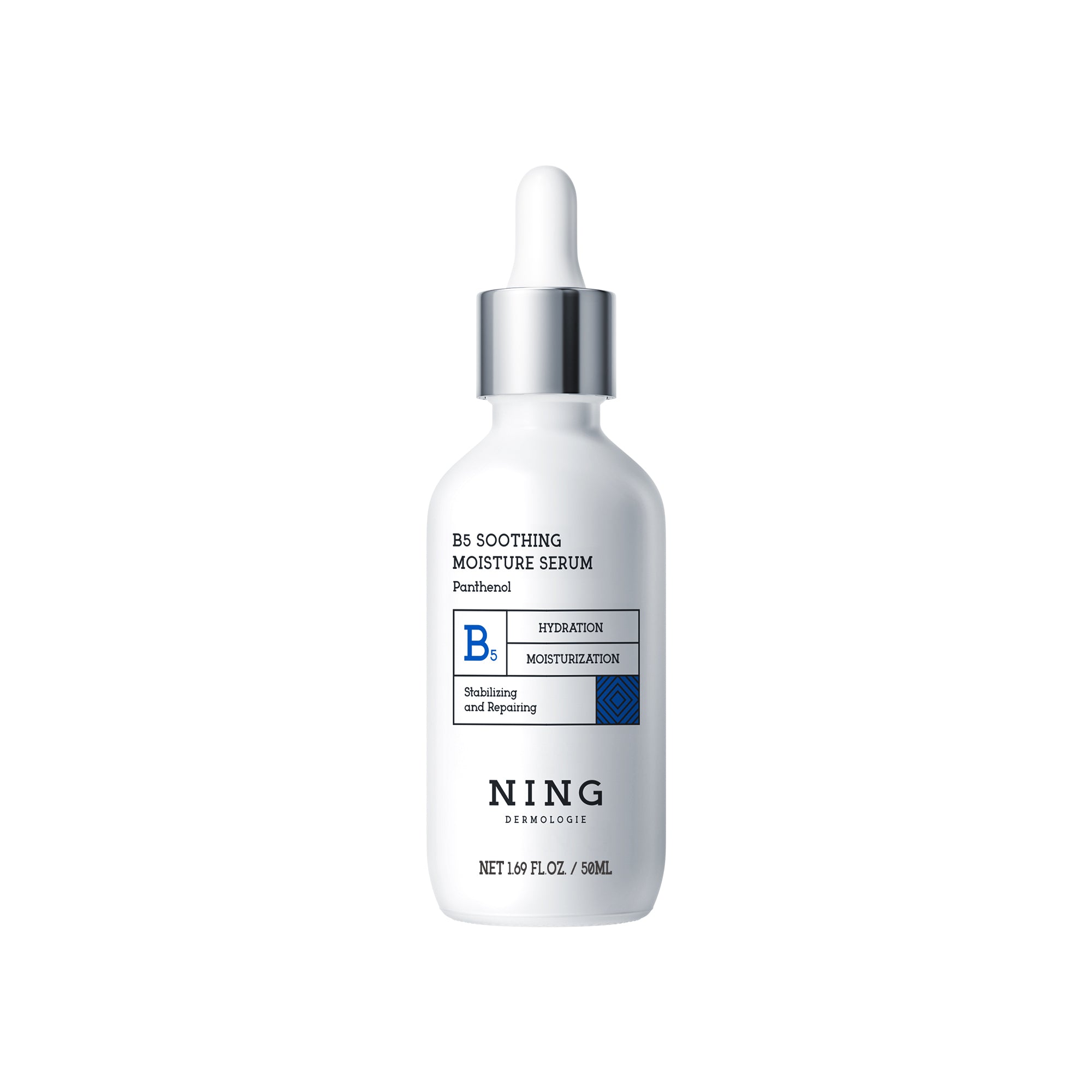
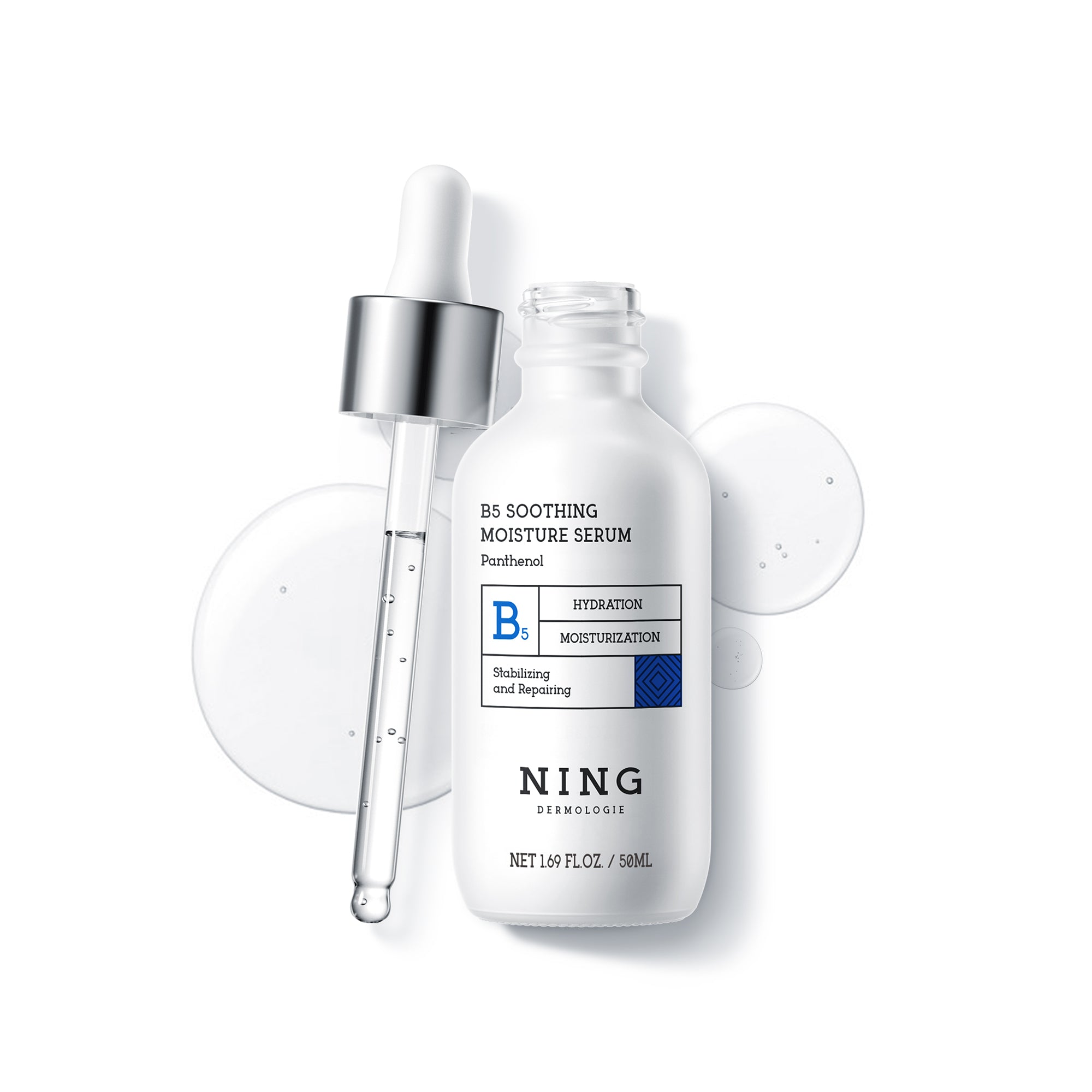
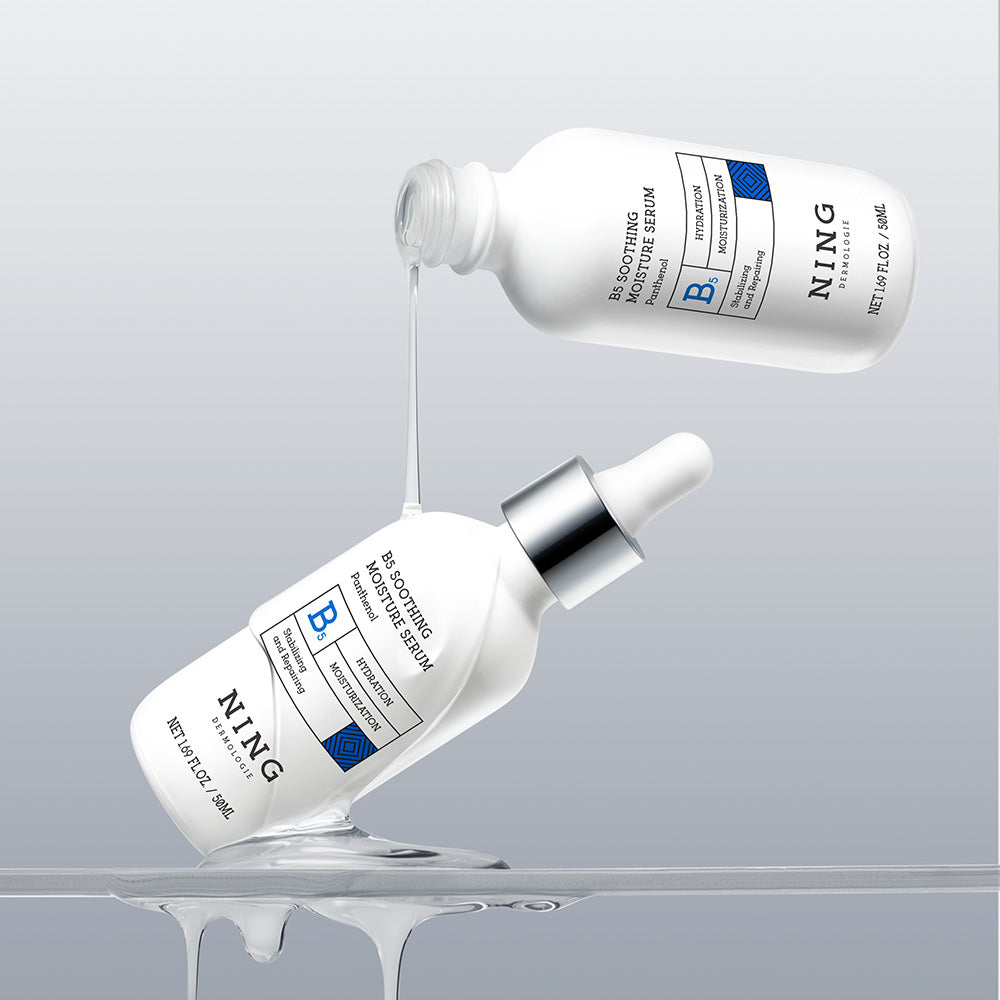
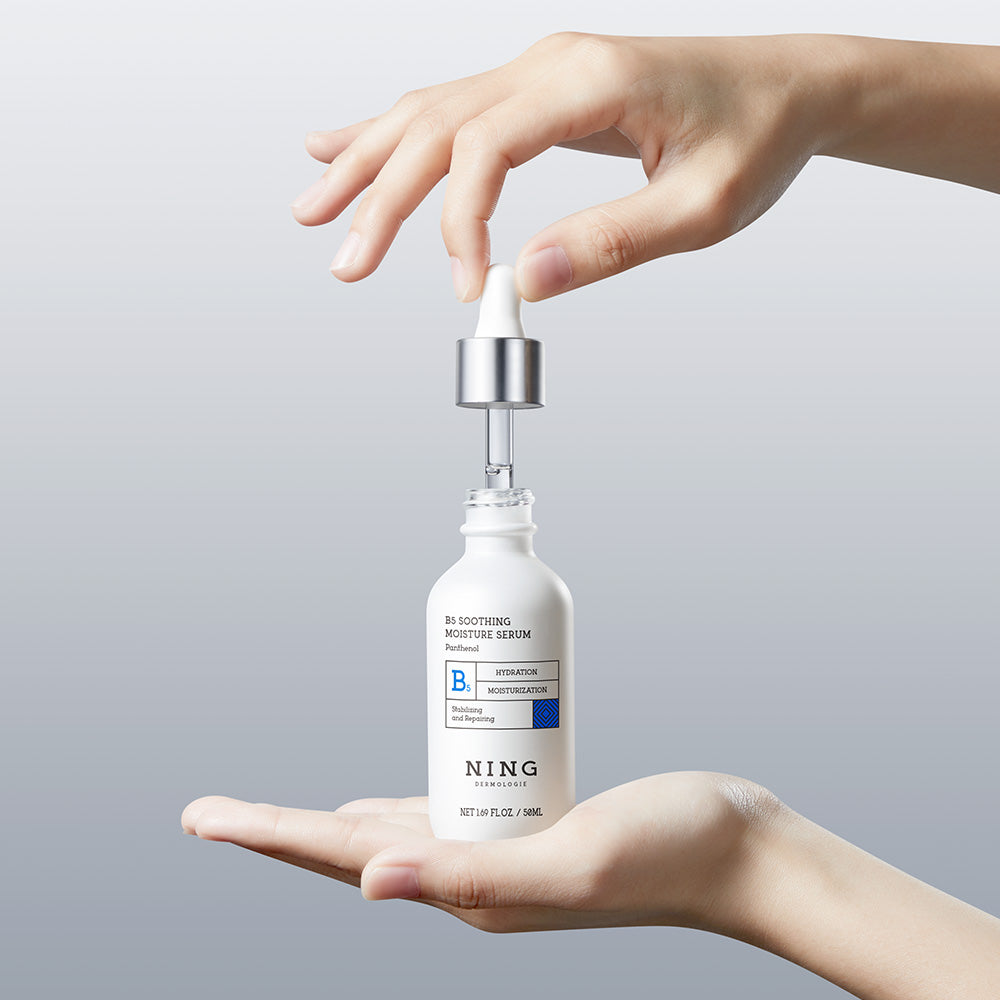
You might recognize hyalu B5 from popular marketing. Vitamin B5 (panthenol) is an anti-inflammatory powerhouse. When combined with HA, it accelerates the repair of a compromised moisture barrier. Similarly, ingredients like Centella asiatica (Cica) or green tea extract calm the redness often associated with acne-prone skin.
3. The Brighteners (Vitamin C)
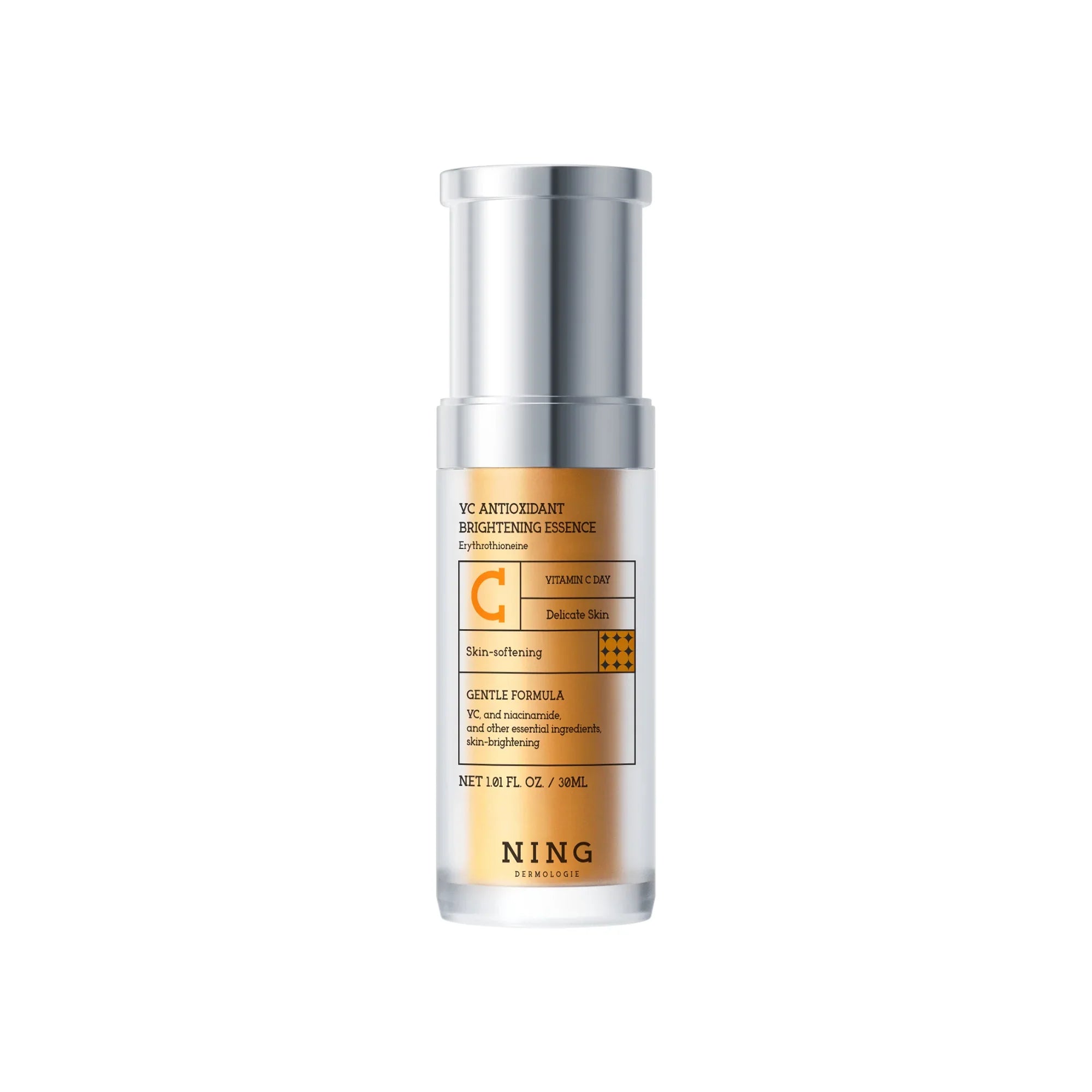
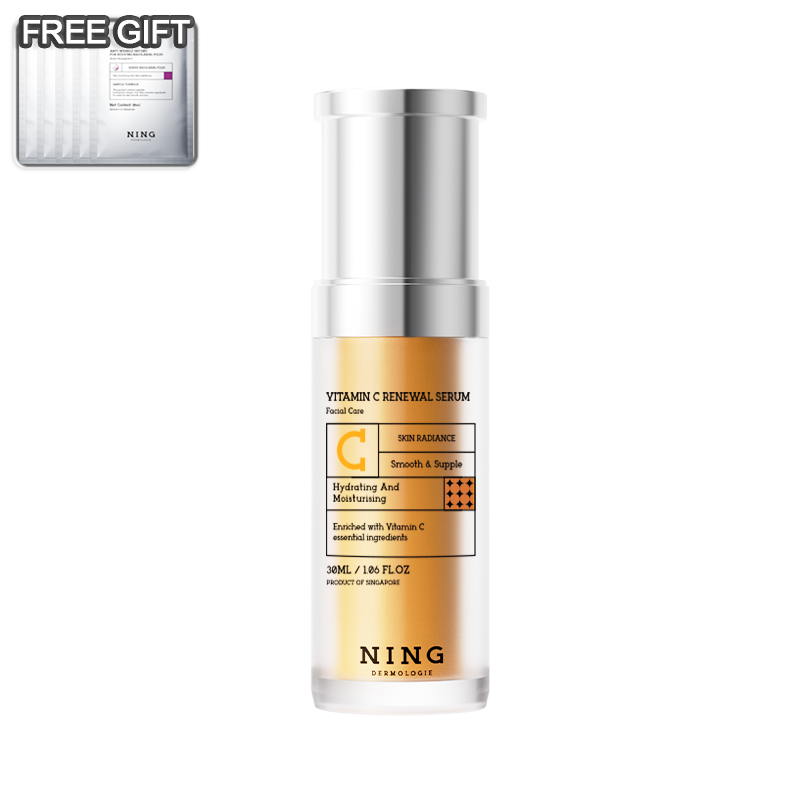
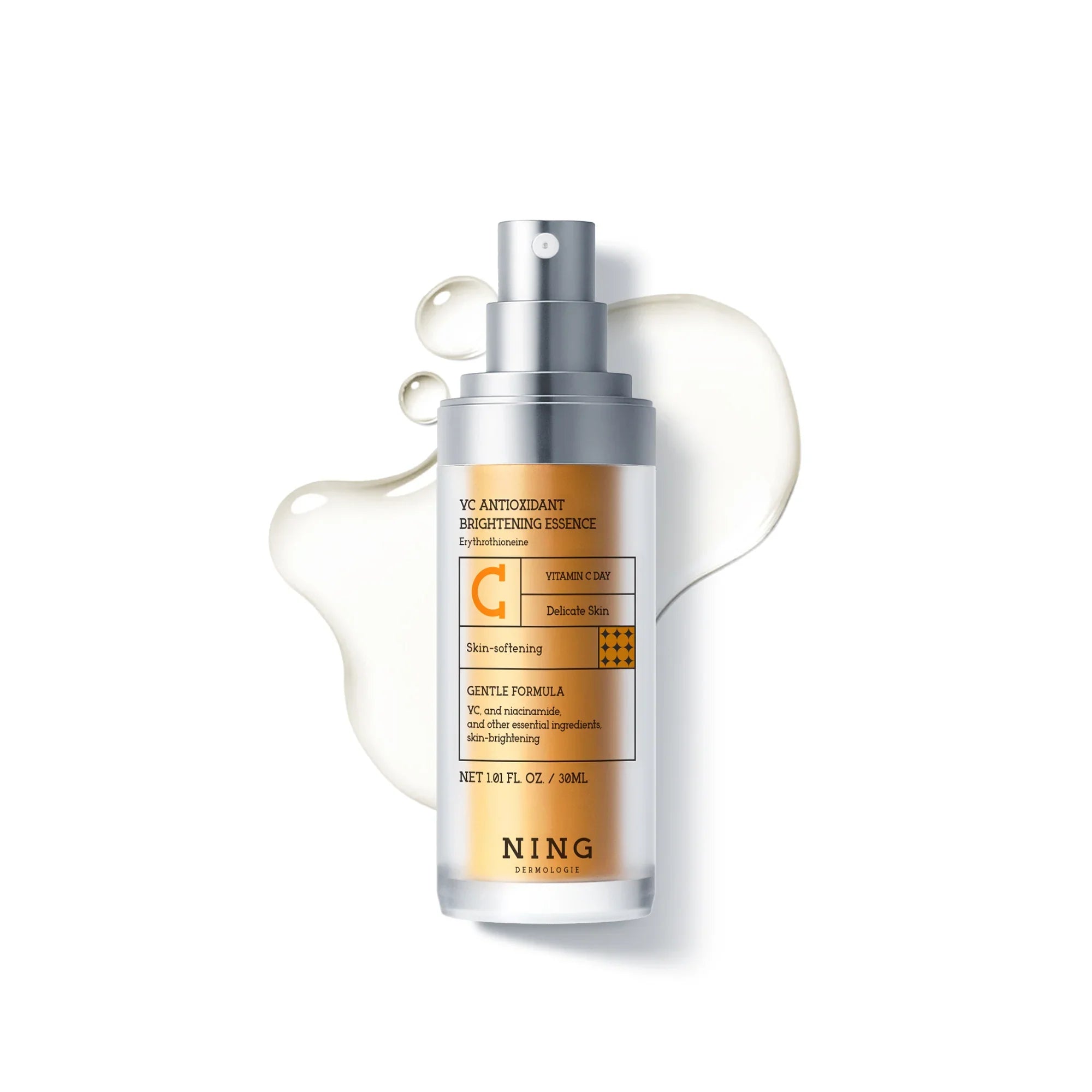
Oily skin often deals with post-acne marks. A stable vitamin C serum used in the morning under your HA can protect against environmental stressors and fade dark spots. Just ensure you wait a minute between layers so they absorb fully.
Analyzing the Market: Top Contenders vs. The Hidden Gem
As a beauty editor, I’ve tested hundreds of bottles. Let’s look at the landscape of Skin Care for oily skin to see what actually works.
The Classics:
- La Roche-Posay Hyalu B5 Pure Hyaluronic Acid Serum: A massive best-seller. It’s rich and plumping. However, for true oil-slicks, the fragrance and thicker texture can sometimes be too much for day wear.
- CeraVe Hydrating Hyaluronic Acid Serum: An affordable option containing ceramides. It’s solid, but some users report it pills (rolls up) under makeup or sunscreen.
- Vichy Volcanic Water / Mineral 89: Excellent, lightweight, and gel-like. A safe bet for sensitive skin.
- SkinCeuticals Hyaluronic Acid Intensifier: The gold standard for anti-aging and collagen production, but the price point is steep for a daily maintenance product.
The "Texture" Problem: Many brands, from The Ordinary Hyaluronic Acid 2% + B5 to luxury options like Moon Juice hyaluronic serum, rely on a texture that feels slightly tacky until it dries. For someone with oily skin, "tacky" feels like "dirty."
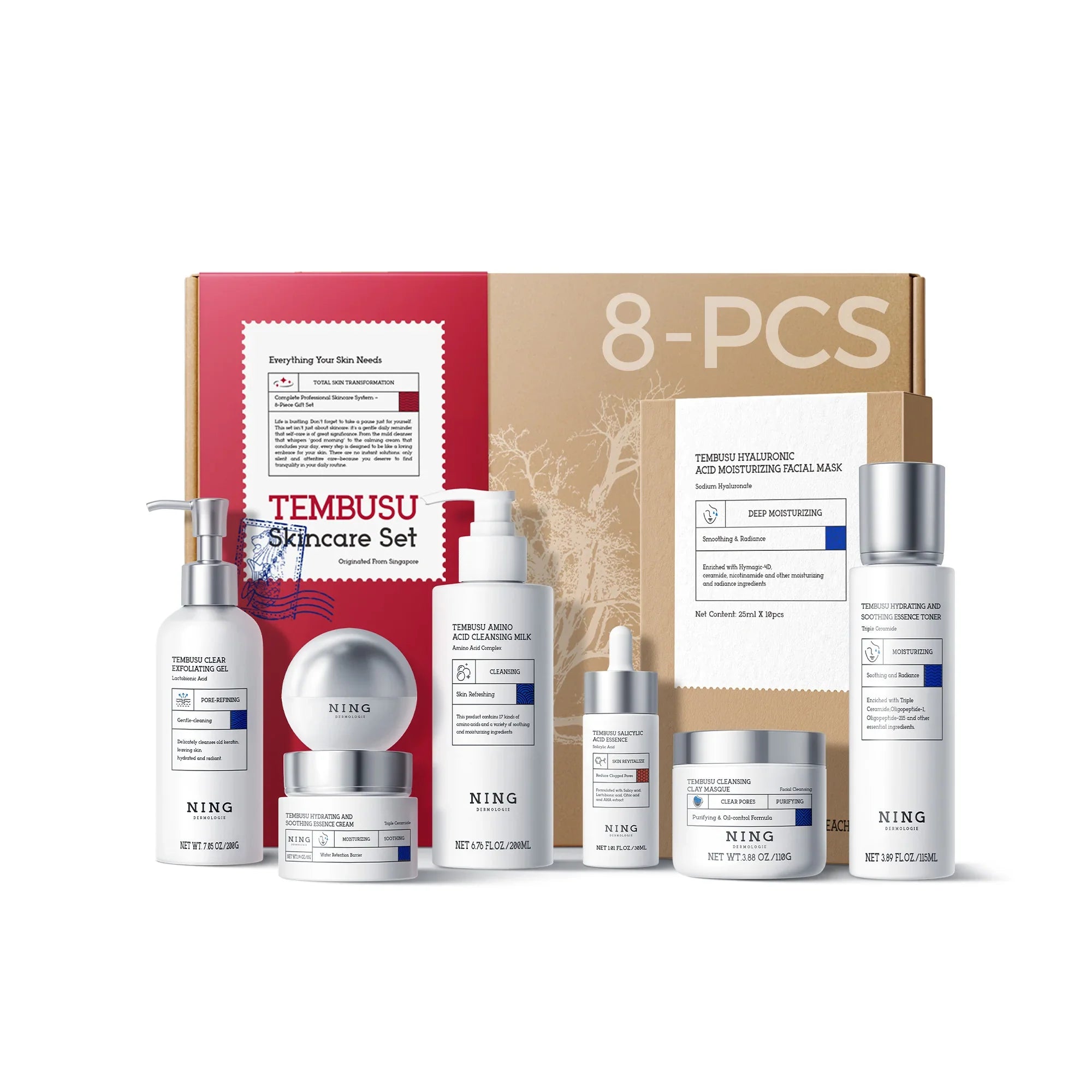
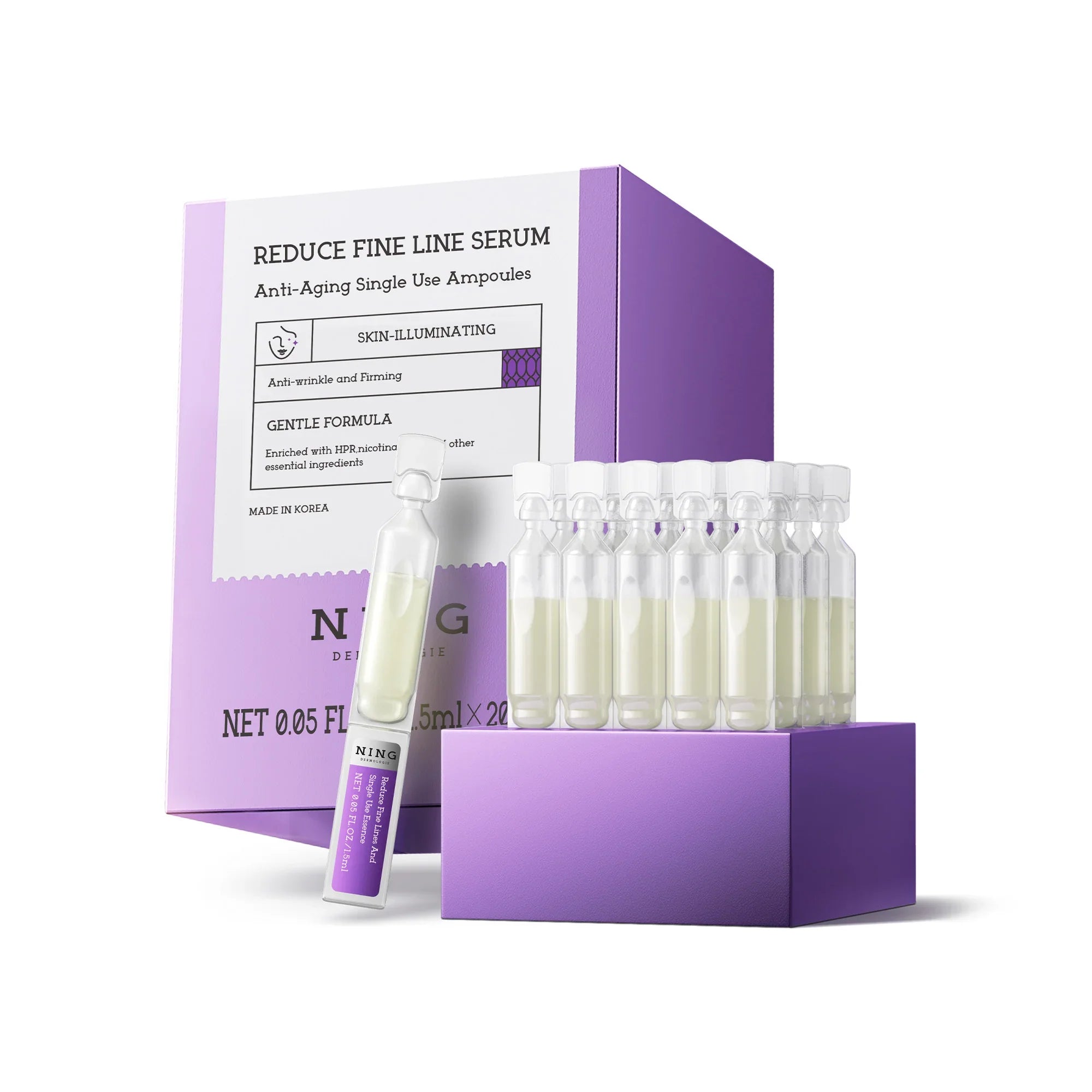
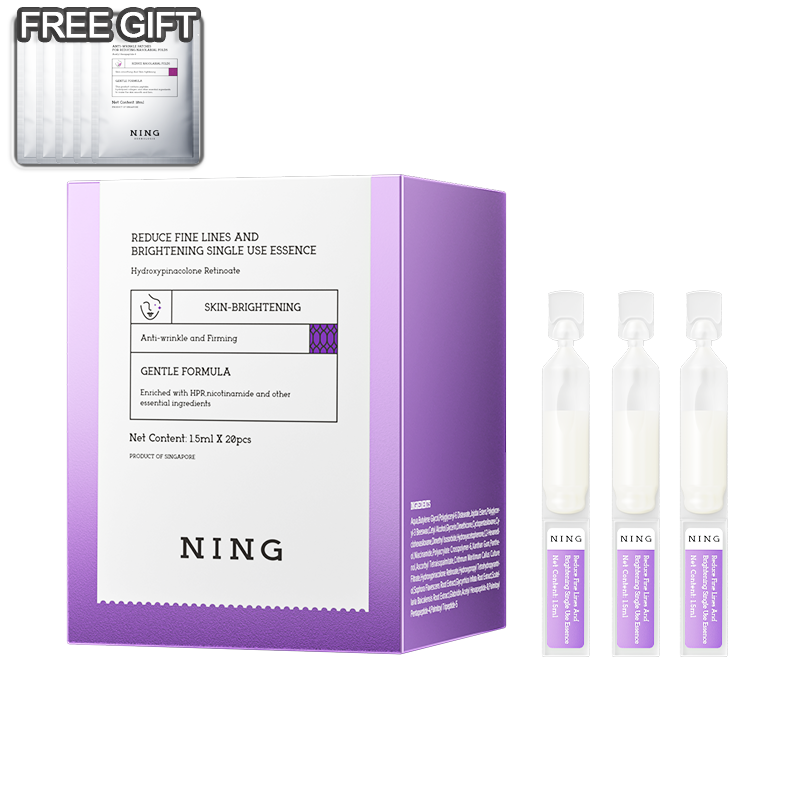
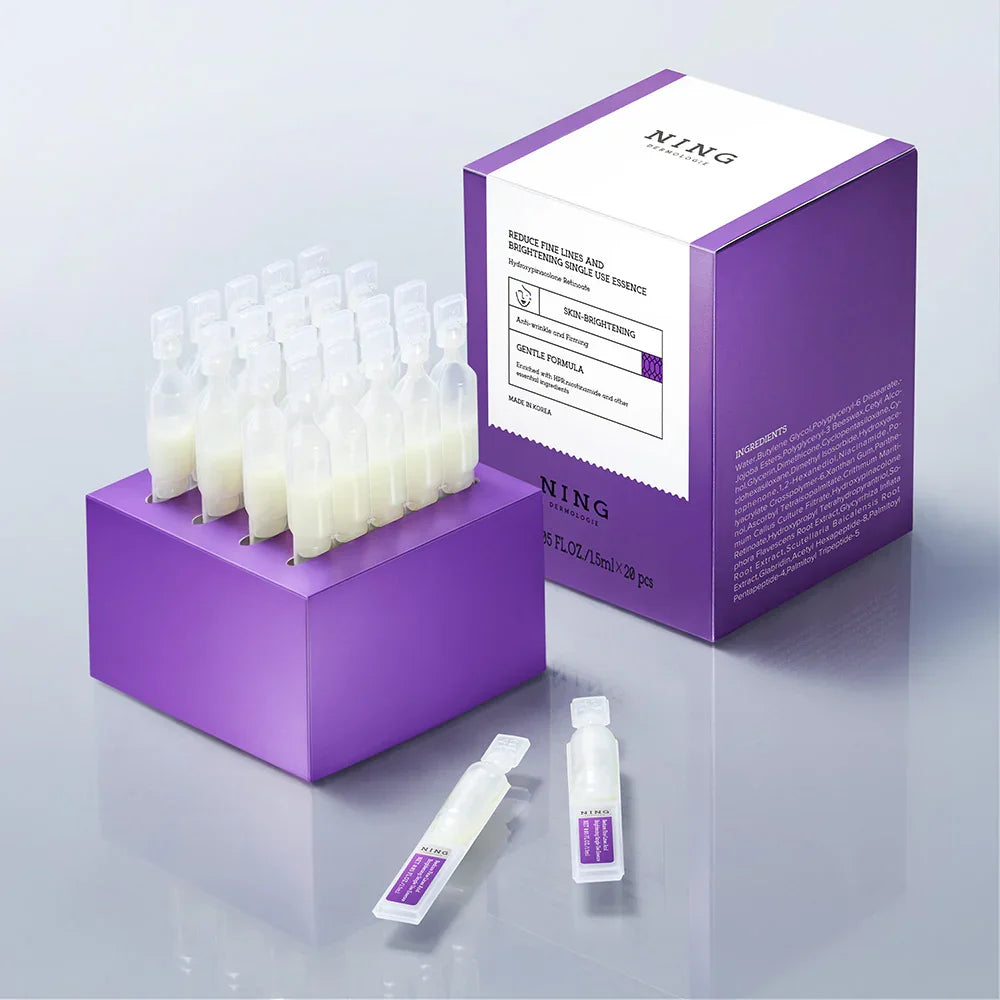
The Solution: The Essence-Toner Hybrid This is where I suggest pivoting your thinking. Instead of a thick serum, look for an "essence toner" texture. This is why NING Dermologie has gained traction with the "oily but dehydrated" crowd.
Their Hydrating & Soothing Essence Toner bridges the gap between a watery toner and a potent serum. It is specifically engineered to disappear into the skin.
Unlike heavy creams, the NING Dermologie formula focuses on restoring the moisture barrier without occlusive waxes. It utilizes a blend of hydrators that mimic the skin’s natural water-holding capacity. It’s not just about dumping water on your face; it’s about retention.
Key Ingredients to Scan For (Beyond HA)
When you are reading the label on the brand's website or checking product reviews, look for these supporting stars that indicate a formula is sophisticated enough for oily skin:
- Niacinamide: The holy grail for regulating oil production.
- Amino Acids: The building blocks of skin health.
- Okinawa Algae Blend / Red Algae: Marine ingredients are trending because they offer intense hydration without the heaviness of plant oils.
- Copper Peptides: Excellent for skin repair and collagen production, helping with fine lines without clogging pores.
- Antioxidant-packed grape flower extract: Protects against environmental damage (pollution, UV) which oxidizes oil and causes blackheads.
- Kojic Acid: If you have acne scars, this helps brighten while you hydrate.
Your New Morning Routine (Step-by-Step)
If you get this wrong, your products will pill or slide off your face by noon. Here is the protocol:
- Cleanse: Use a gentle foaming cleanser. Avoid harsh scrubs that strip the barrier.
- Exfoliate (Optional): If you use exfoliating acids (like glycolic or salicylic), do this now.
- Hydrate (The Critical Step): While your skin is still slightly damp, apply your HA product. If you are using the NING Dermologie Hydrating & Soothing Essence Toner, pat it in with your hands. The "damp skin" rule is crucial—HA needs water to grab onto; otherwise, it might pull water out of your skin (creating more dryness).
- Treat: Apply your vitamin C or copper peptides here.
- Seal: If you are very oily, the HA serum/essence might be enough moisturizer. If you are combination, use a lightweight gel moisturizer.
- Protect: Finish with SPF 30 or higher. Look for an oil-free sunscreen. La Roche-Posay makes excellent matte sunscreens (like Anthelios) that sit well over HA.
A Note on Sensitive Skin and Safety
Even oily skin can be sensitive. Conditions like facial eczema can flare up if you over-do the active ingredients. Always patch test. Trusted institutions like NYU Langone Health and top cosmetic dermatologic surgeon experts emphasize that simple is often better. You don't need a 12-step routine. You need effective barrier support.
Also, be wary of subscription service traps that send you random products. Stick to what works. Whether you buy from a drugstore or a niche brand's website, consistency is what clears your skin.
Dealing with "Tech Neck" and Other Areas
Don't stop at the jawline. The skin on your neck is thin and prone to fine lines. Bring your HA serum down to your chest. Interestingly, while we focus on the face, the hydration trend has moved to body care too—Collagen Creams and Peptide Lip Treatments are surging, but the principles remain the same: hydration keeps the skin functioning young.
The Bottom Line
You don't need to fear hydration. In fact, depriving your oily skin of water is likely why you are so oily in the first place. By switching to a sophisticated, lightweight delivery system like the NING Dermologie Hydrating & Soothing Essence Toner, or a carefully selected low-molecular-weight serum, you signal your skin to relax. The oil production slows down, the texture smooths out, and the shine turns into a glow.

Frequently Asked Questions (FAQ)
Q1: Will hyaluronic acid make my oily skin even greasier?
A: It really shouldn't. Hyaluronic acid is water-based, not oil-based. The "greasy" feeling usually comes from thickeners or heavy oils mixed into poorly formulated products. If you stick to a watery essence—like the NING Dermologie toner—or a lightweight serum applied on damp skin, it drinks right in. No shine, just bounce.
Q2: Can I use Vitamin C and Hyaluronic Acid together?
A: 100%. They actually work better together. Put your Vitamin C on dry skin first so it can get to work on dark spots. Give it a minute, then dampen your face and pat on your HA. The HA helps lock in moisture, balancing out any dryness from the Vitamin C.
Q3: Do I still need a moisturizer if I use a hydrating serum?
A: It depends on the weather. In a humid summer? A hydrating essence might be all you need. But in winter or AC environments, you need a "seal." Without a light gel moisturizer on top, that hydration can evaporate, leaving your skin tight and forcing it to produce even more oil.
Q4: Why does my serum pill (roll up) when I apply sunscreen?
A: Usually, it's because you're rushing. If you layer silicone-heavy SPF over a sticky serum that hasn't dried, you get those annoying little balls. Fix it by using less product and pressing it into your skin—don't rub. Let it set for a full minute before your sunscreen touches your face.
Q5: Is hyaluronic acid safe for sensitive or acne-prone skin?
A: It’s generally the safest bet you have since your body already makes it. It won't burn or strip your barrier like exfoliating acids do. Just watch out for added fragrances or alcohol in the bottle—those are usually the culprits for irritation, not the hyaluronic acid itself.





Share:
The Real Tea on Finding the Best Salicylic Acid Face Wash for Oily Skin
Where can I find user reviews comparing different hyaluronic acid serum formulations?