


The Truth About Texture: How to Find Real Reviews Comparing Hyaluronic Acid Serum Formulations
Let’s be honest: buying a hyaluronic acid serum is often a gamble. You read five-star reviews promising "glass skin," but when you actually get the bottle, the product feels like liquid glue, pills under your makeup, or dries your face out even more.
The problem isn't usually the Hyaluronic Acid (HA) itself—it’s the formulation. The market is flooded. From the budget-friendly The Ordinary Hyaluronic Acid 2% + B5 Hydration Support Formula to the luxury tiers of 111SKIN Hyaluronic Acid Aqua Booster, every brand claims to have the ultimate hydration secret.
But how do you find reviews that actually talk about molecular weights, stickiness, and how the serum interacts with your specific skin type? You have to stop looking at star ratings and start looking for the "skincare nerds" who analyze ingredient lists.

Here is your roadmap to finding the user reviews that matter, understanding what cosmetic scientists are actually saying, and identifying which formulation works for your skincare routine.
1. The "Reddit Research" Method: Where the Real Critics Live
If you want unfiltered opinions on hyaluronic acid serums, skip the retailer websites initially and head to Reddit. Specifically, subreddits like r/SkincareAddiction and r/AsianBeauty are goldmines.
The users here don't just say "it’s good." They discuss transepidermal water loss and whether a product ruined their skin barrier.
How to search for formulation comparisons: Don't just search "best HA serum." Search for specific comparison strings. For example:
- "Torriden vs. La Roche-Posay HyaluB5 Hyaluronic Acid Serum texture"
- "CeraVe Hyaluronic Acid Serum pilling under sunscreen"
- "Medik8 Hydr8 B5 Liquid Rehydration Serum dupe"
What to look for in these threads: You are looking for discussions on "tackiness." A common complaint with high concentrations of HMW hyaluronic acid (High Molecular Weight) is that it sits on top of the skin and feels sticky. Users on these forums will often point you toward serums using Hydrolyzed hyaluronic acid or Sodium Hyaluronate, which penetrate differently.
This is often where you find out that the Innisfree Green Tea Seed Hyaluronic Serum might be better for oily skin due to its lightweight finish, whereas the Medik8 Hydr8 B5 Intense is favored by those with severe dehydration who need that heavier, purple-colored moisturizing cushion.
2. Decoding the "Ingredient List" Reviews
Typical reviews say, "Smells nice." Useful reviews analyze the label. Sites like INCIDecoder or CosDNA allow users to upload ingredient lists and comment on specific components.
Here, you can learn if a "Hyaluronic Serum" is actually just water and glycerin with a tiny drop of HA, or if it utilizes a complex blend.
The "Molecular Weight" Debate: You will see cosmetic scientists and educated consumers discussing the "Dalton" size of the molecules.
- Low Molecular Weight: Penetrates deeper, helps with fine lines and skin elasticity. However, some data suggests very low weights can be inflammatory for sensitive skin.
- High Molecular Weight: Sits on the surface, creating a moisture seal.
When analyzing reviews for products like Mimetique Skin Revive Serum or HA IMMERSE Serum, look for users mentioning "plumping" (surface effect) versus "long-term hydration" (deeper effect).
The Plant-Based Alternatives: Savvy reviewers are currently obsessed with Silver Mushroom Extract (Tremella Fuciformis). It’s a natural alternative to HA that reportedly holds moisture better with less stickiness. Formulations that blend traditional HA with botanical extracts are gaining traction.
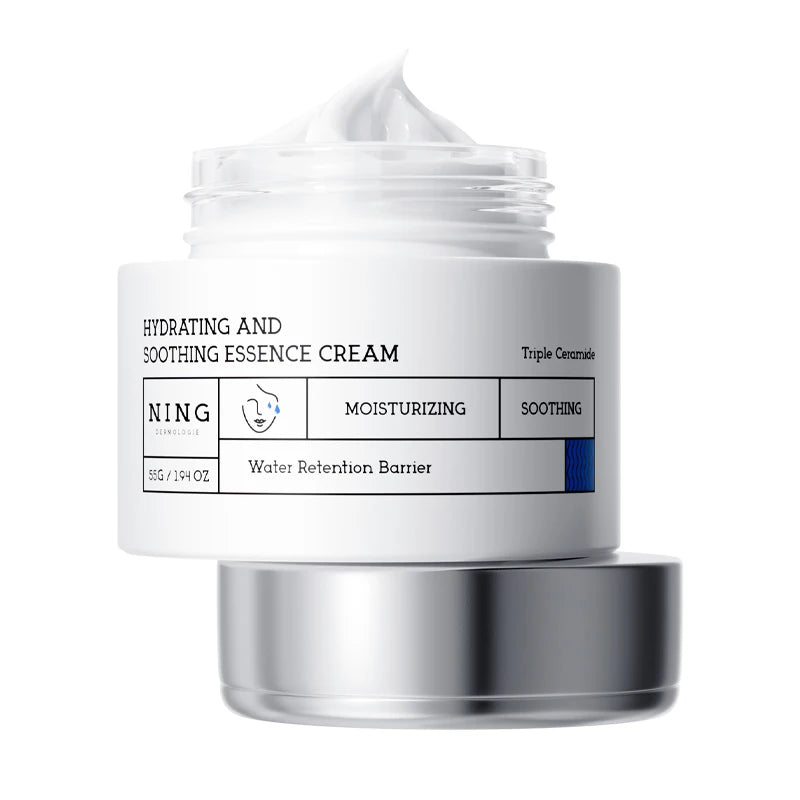
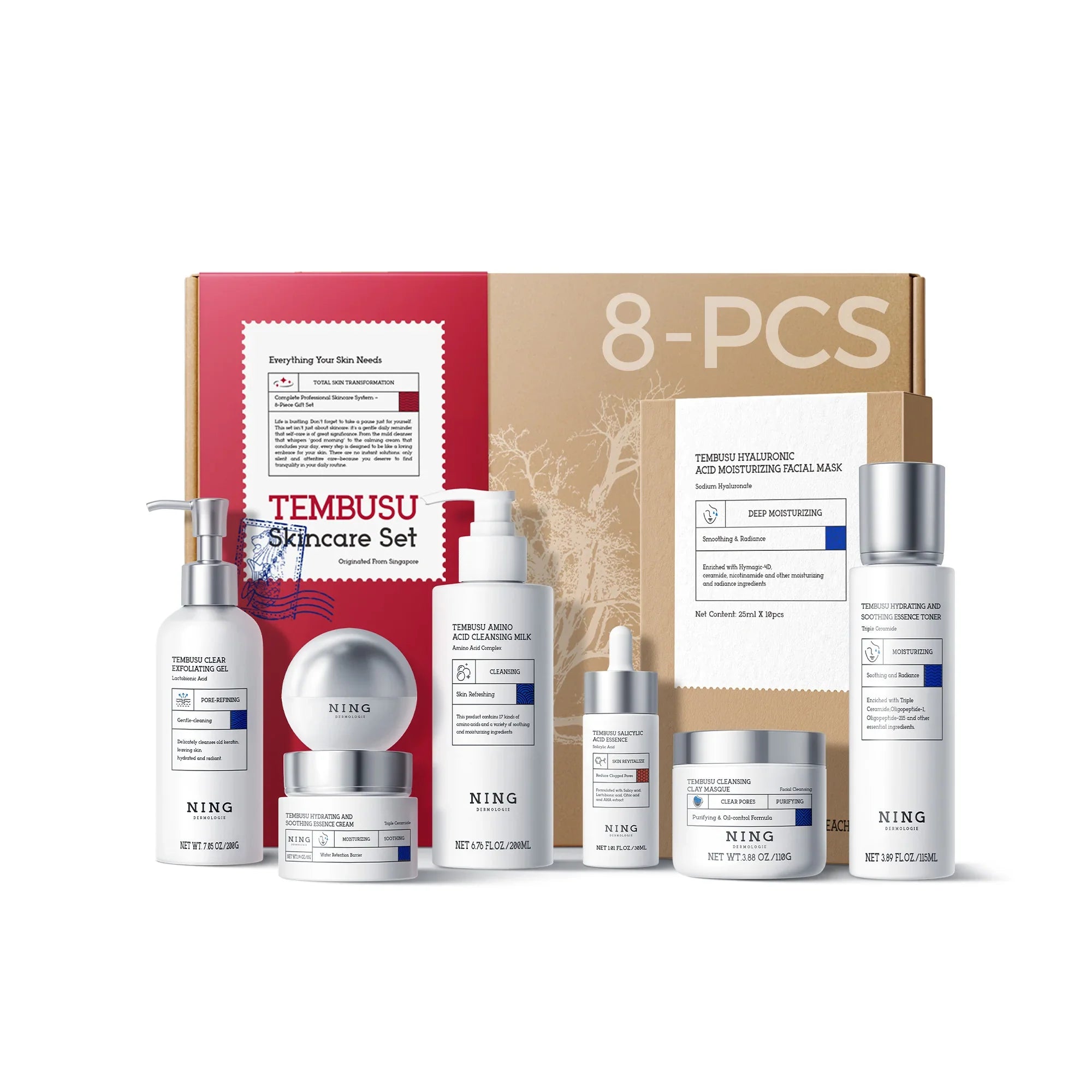
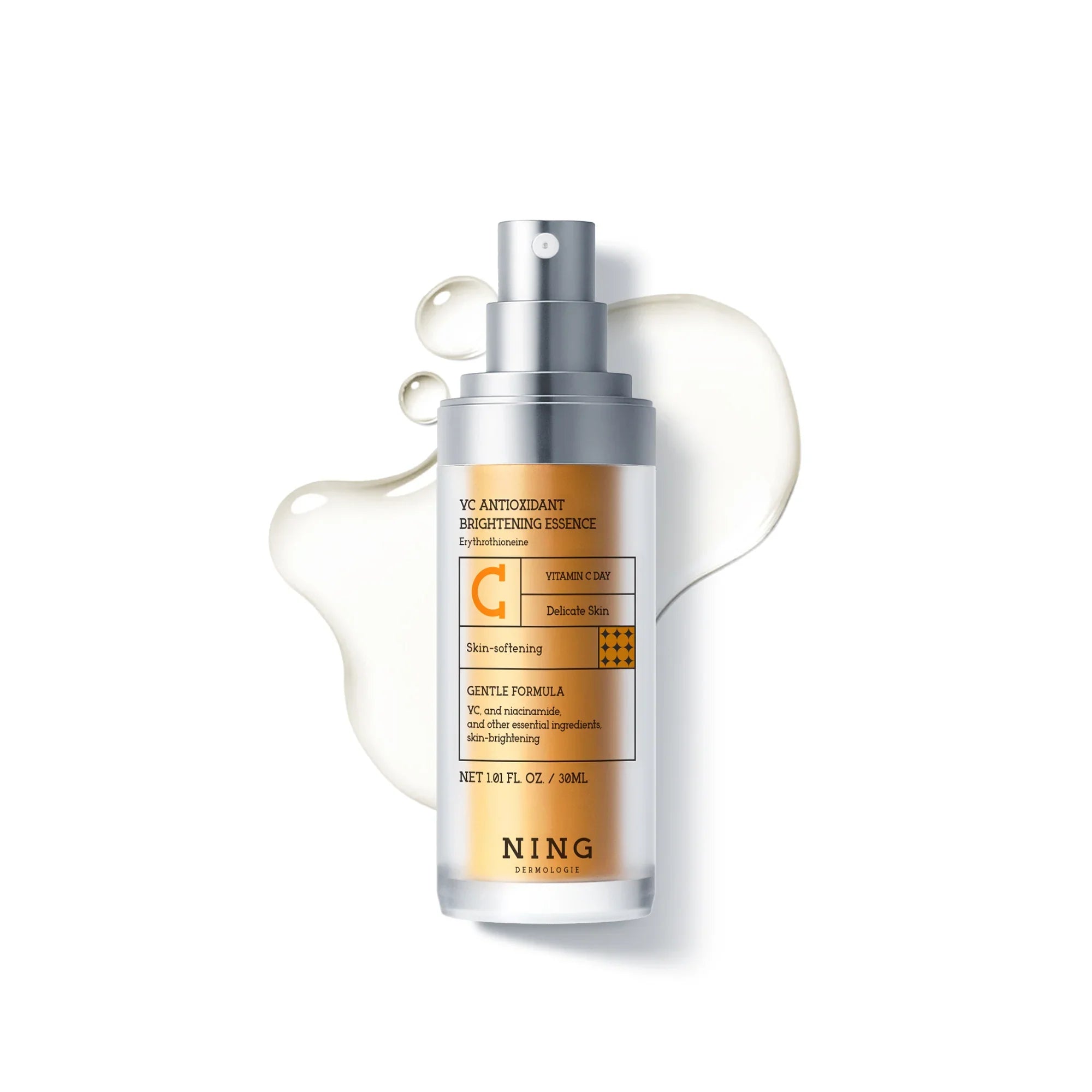
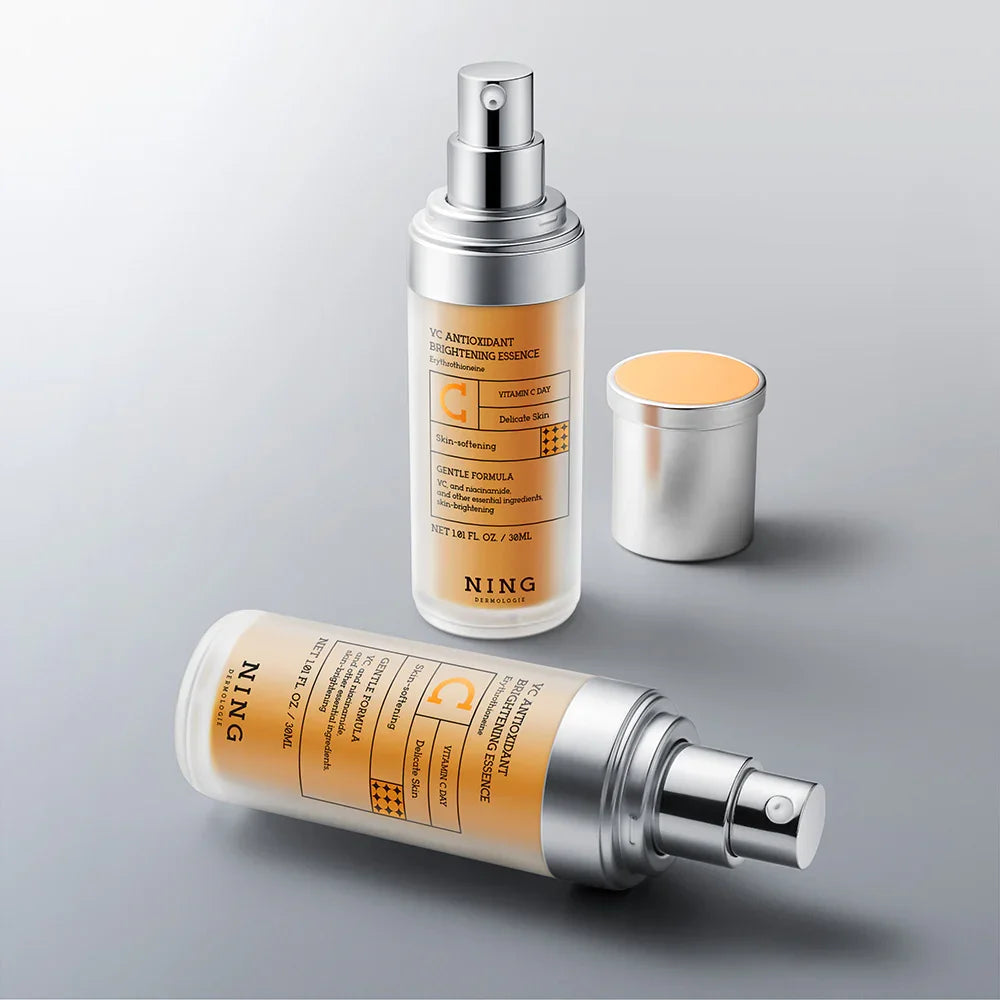
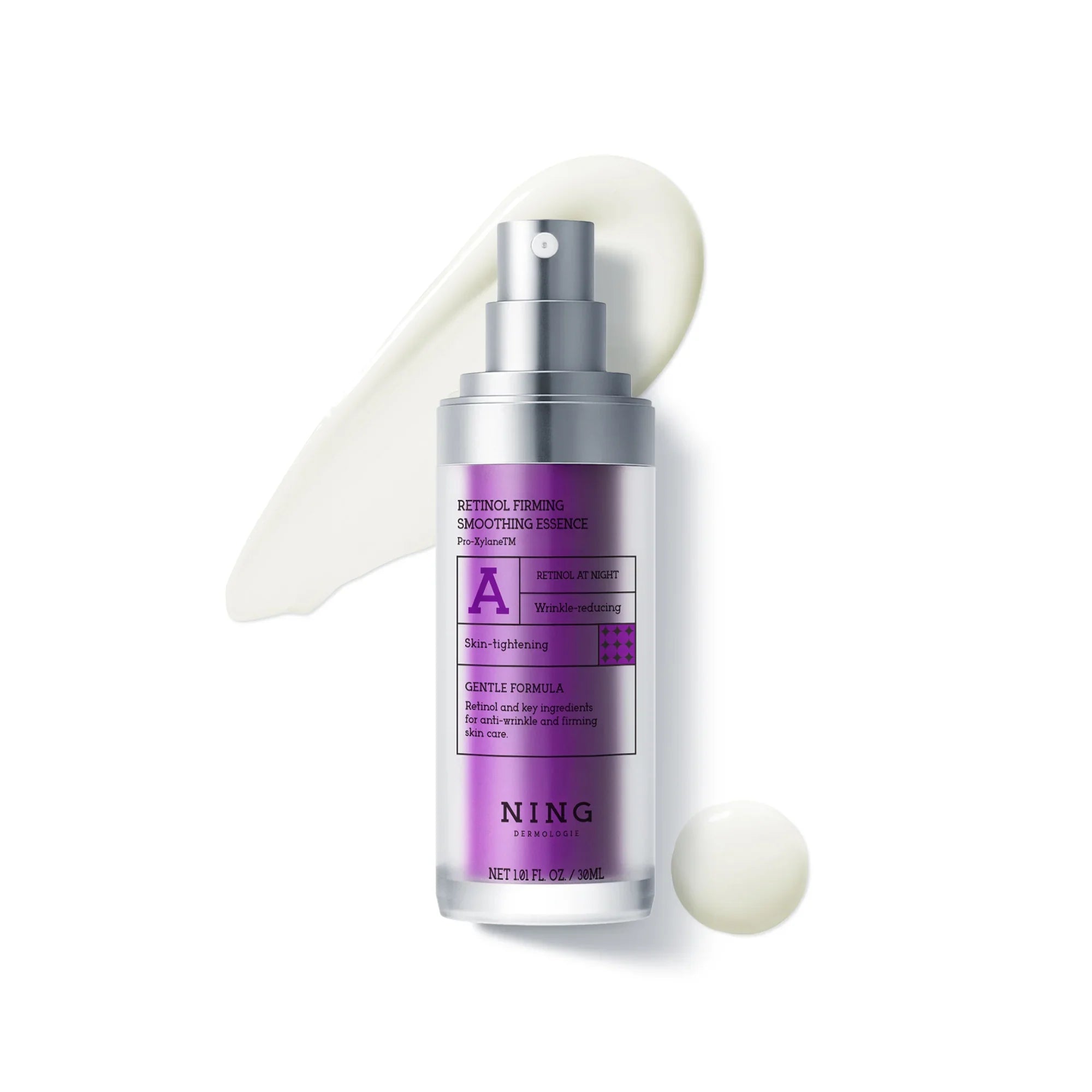
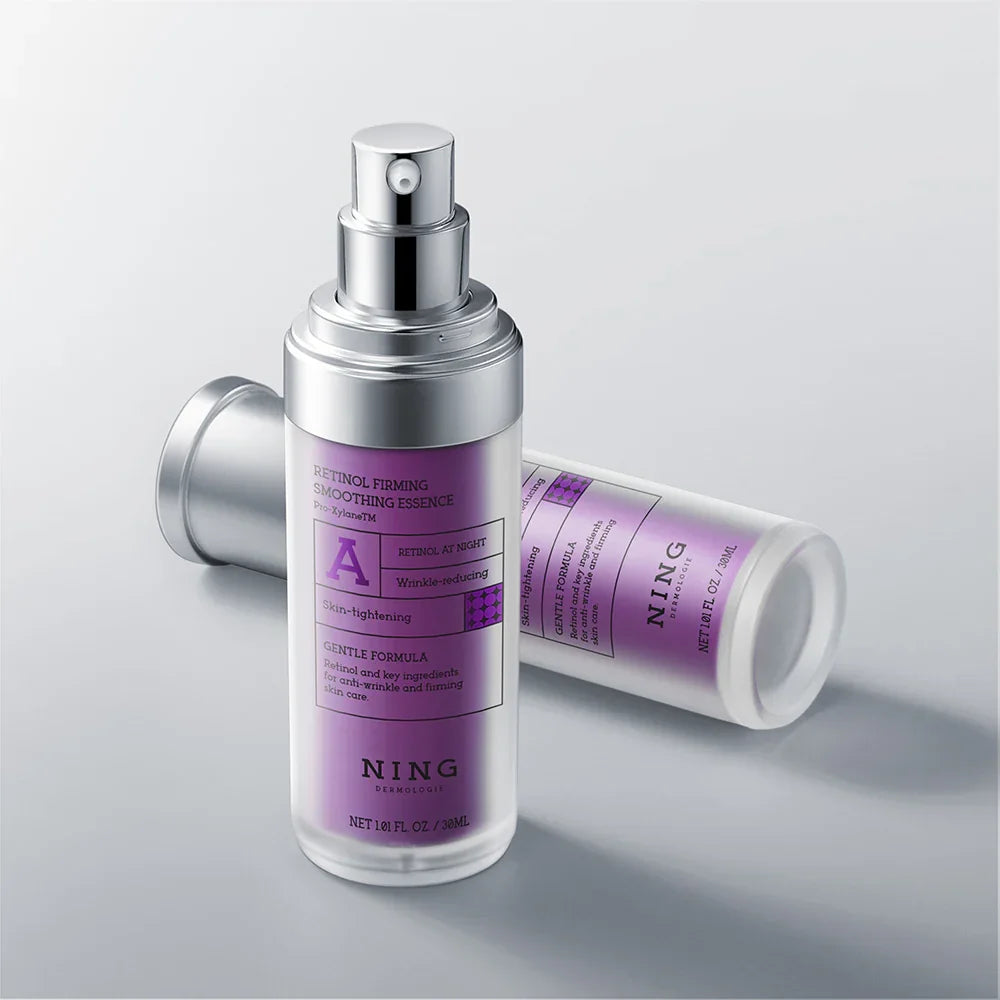
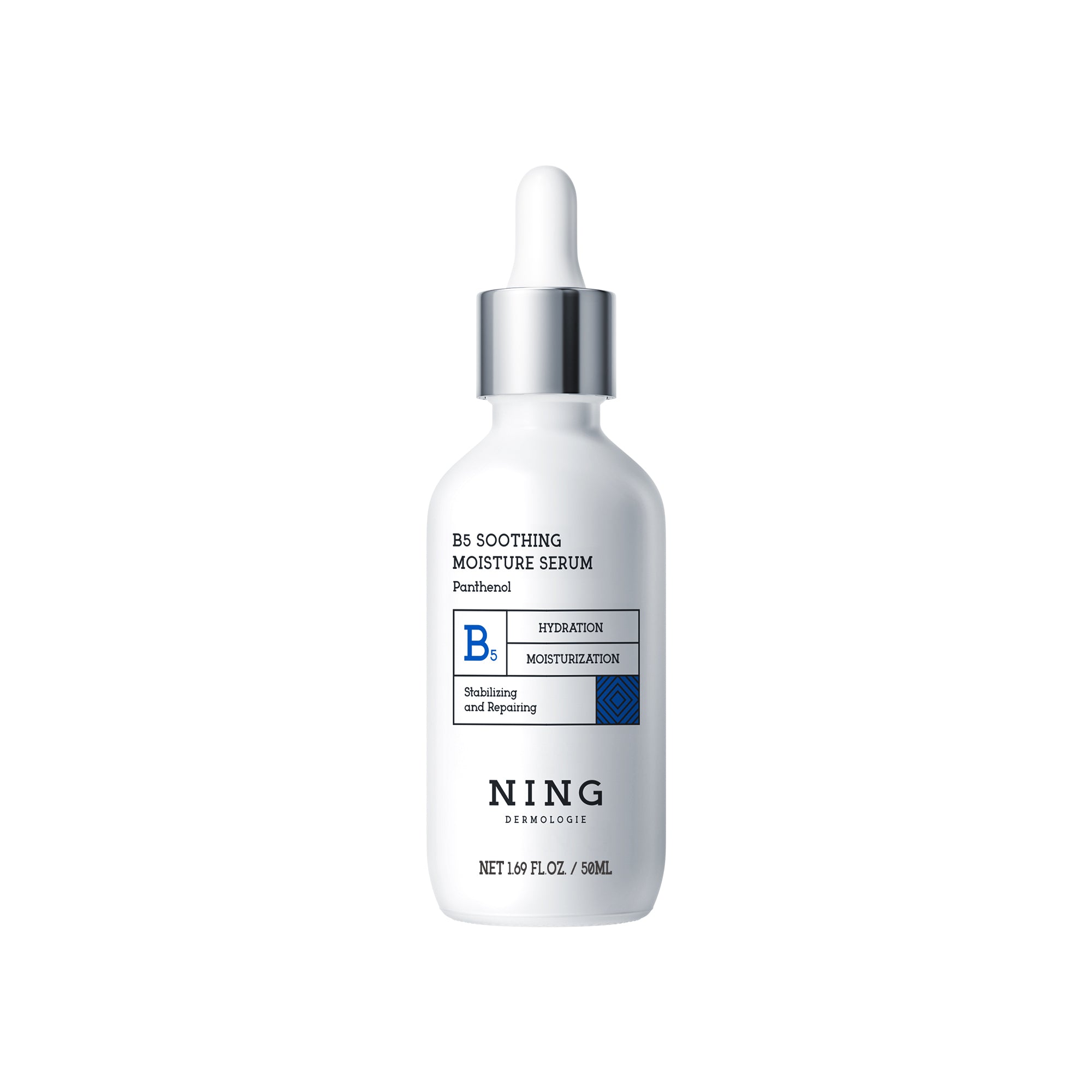
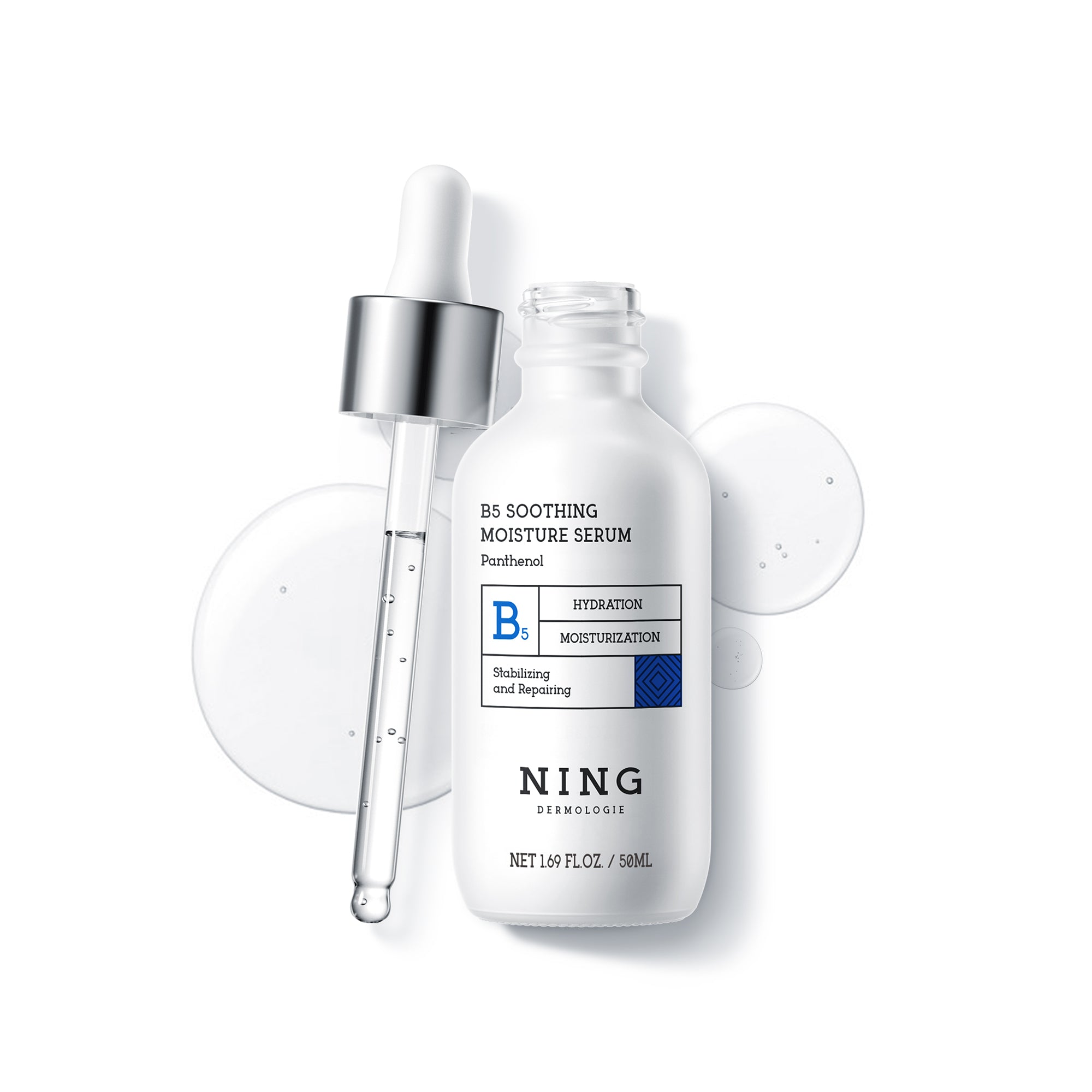
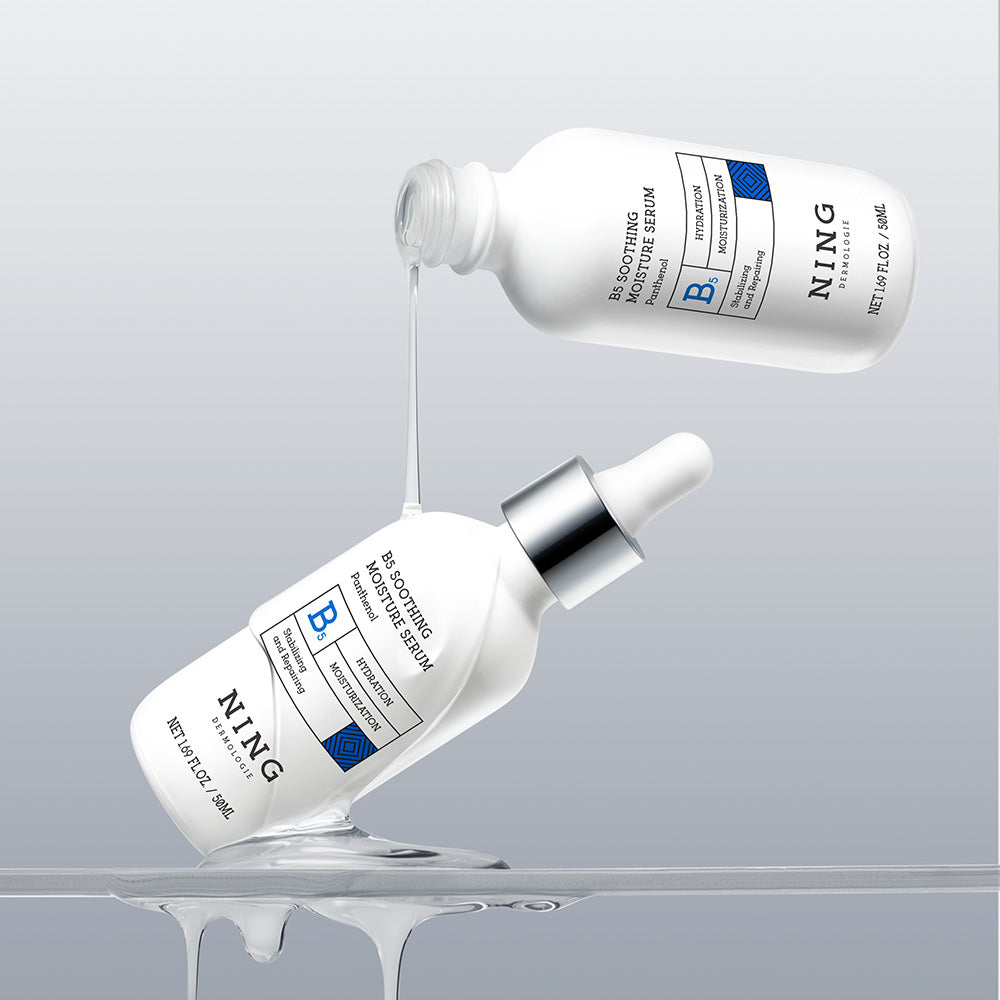
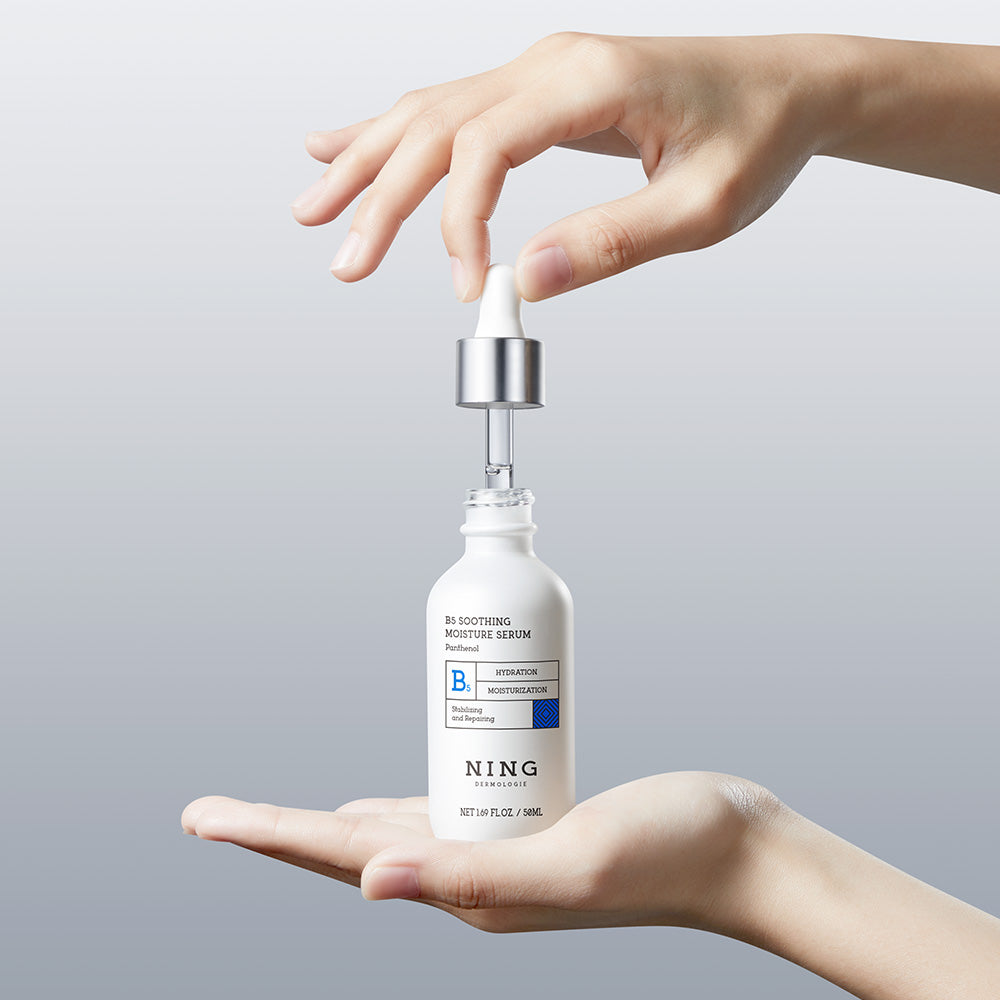
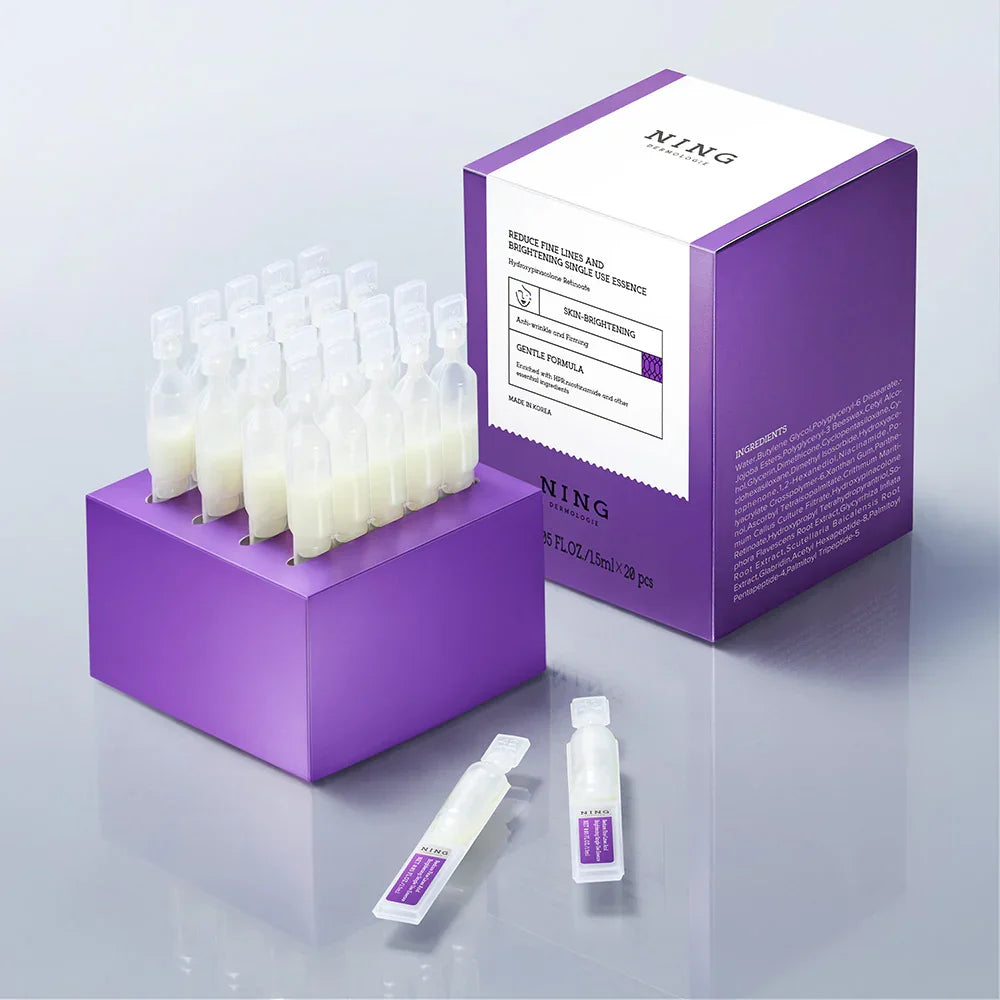
This is a philosophy we strictly adhere to at NING Dermologie. We understand that a single molecule isn't a magic wand. Our approach focuses on a holistic formulation that supports the skin barrier without the tacky residue, making it the perfect precursor to our Hydrating & Soothing Essence Cream.
3. The "Board-Certified" Filter on Social Media
TikTok and Instagram are full of paid partnerships. To find genuine formulation comparisons, you need to curate who you follow. Look for board-certified dermatologists or cosmetic chemists who break down the science, not just the "glow."
Creators like Dr. Shereene Idriss or channels focusing on "medical aesthetics" (think along the lines of Glam Derm or SOM Aesthetics styles of education) often do side-by-side comparisons.
Watch for "Pilling" Tests: Video reviews are superior for seeing texture. Watch a reviewer apply a Vitamin C serum or salicylic acid followed by the HA serum.
- Does it ball up?
- Does it turn white and foamy?
- Does it take 10 minutes to absorb?
For instance, you might see a video demonstrating that The Ordinary Hyaluronic Acid 2% + B5 requires a damp face to avoid stickiness, while the 111SKIN Hyaluronic Acid Aqua Booster absorbs instantly due to its premium, thinner vehicle.
4. Comparing the Heavy Hitters: A Formulation Breakdown
Based on aggregated user feedback and ingredient analysis, here is how the top contenders stack up regarding formulation philosophy. You can use this as a baseline when hunting for your own reviews.
The Clinical Standards:
- La Roche-Posay HyaluB5: A massive favorite for sensitive skin. However, critical reviews often mention the strong fragrance. It uses two types of pure hyaluronic acid and Vitamin B5 (panthenol) to repair the barrier.
- CeraVe Hyaluronic Acid Serum: Often reviewed as a "cream-gel" hybrid. It contains ceramides (essential for the barrier). Users with oily skin sometimes find it too heavy to use under a moisturizer, while dry skin types love it.
The "Active" Hybrids:
- Mimetique Skin Revive Serum: Reviews highlight its "bio-mimetic" approach. It’s not just HA; it’s mimicking the skin’s natural biology.
- Medik8 Hydr8 B5 Intense: This is often cited in reviews as the "gold standard" for mature skin. It includes a purple superfood complex and focuses on restarting the skin's natural collagen production.
The Clean & Minimalist:
- NING Dermologie: Our approach is to remove the "noise." Many reviews for competitors complain about irritation from preservatives or fragrance. We focus on Sodium Hyaluronate combined with soothing botanicals. The goal is to prep the skin to lock in moisture with an occlusive, like our Hydrating & Soothing Essence Cream, without creating a film that blocks your Vitamin C or other active ingredients.
5. The "Hidden" Review Metrics You Should Search For
When you are deep in the comment sections of Sephora, Paula's Choice, or Dermstore, hit "Ctrl+F" (or Command+F) and search for these specific terms. These are the indicators of a high-quality formulation review:
"Shelf Life" and "Preservatives": Does the serum turn yellow after a month? HA serums are water-based, making them a breeding ground for bacteria. Reviewers who mention natural preservatives vs. strong synthetics like disodium EDTA or phenoxyethanol provide insight into how long the product lasts.
"Layering" with Actives: This is crucial. Can you use the serum after your glycolic acid toner? Does it burn if put on top of Vitamin C serum?
- Search query: "Burning sensation with retinol" or "Reaction with acids."
- Some HA serums contain low levels of exfoliating acids (like lactic acid) to help penetration. If you already use salicylic acid, this can damage your barrier. Smart reviewers will catch this hidden exfoliation.
"Climate" Context: HA draws moisture from the environment. If you live in a dry climate (low humidity), HA can actually pull water out of your skin (connective tissue) if not sealed properly, leading to dehydration.
- Look for reviews from people in your climate. A review from humid Florida is useless to someone in dry Arizona.
- This is why we always recommend pairing serums with a robust moisturizer. The Hydrating & Soothing Essence Cream is designed specifically to act as that necessary seal, preventing evaporation.
6. Understanding the "Price vs. Performance" Ratio
Finally, look for reviews that discuss value. Is Pure Hyaluronic acid expensive? generally, no. Sodium Hyaluronate is a relatively affordable ingredient.
When you see a $300 serum like some comparisons to 111SKIN, read the reviews to see what else is in there. Are you paying for the HA, or are you paying for peptides, diamond powder, and brand prestige?
Conversely, with budget options like Innisfree Green Tea Seed, are you paying for a lot of alcohol and fragrance?
Real user reviews will often say: "Save your money on the HA step, spend it on the Vitamin C or the moisturizer." This is practical advice. A solid, non-sticky, hydrating serum like those offered by NING Dermologie allows you to allocate your budget effectively across your entire skincare routine.
Summary: Your Checklist for Finding the Truth
- Ignore the Stars: Go to the 3-star reviews. They usually say, "Good hydration, but the pump broke" or "Too sticky for daytime." This is the most honest feedback.
- Check the Texture: Use YouTube or TikTok to see the "drop test." Is it watery or gloopy?
- Cross-Reference Ingredients: Use INCIDecoder to check for hidden exfoliants or pore-cloggers.
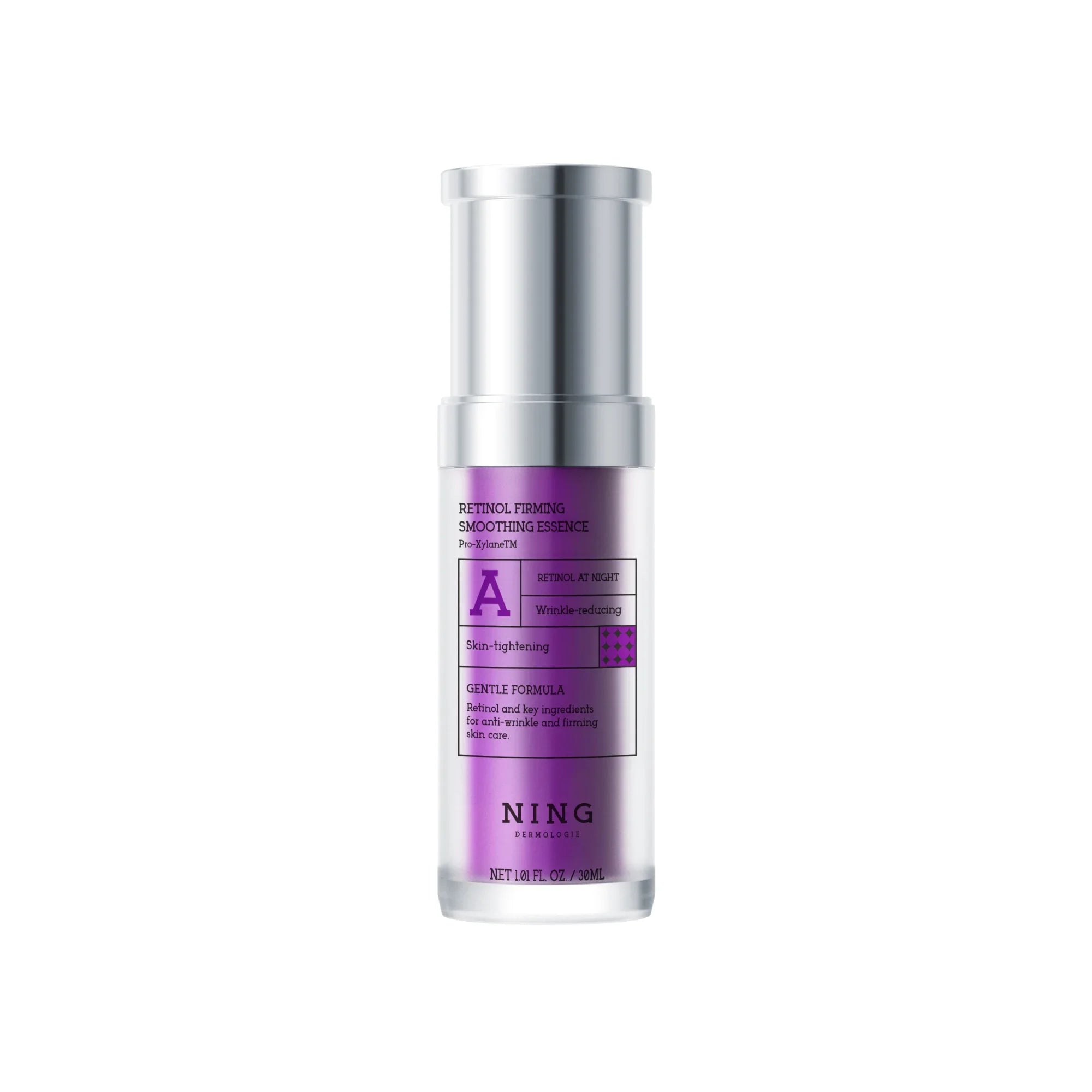
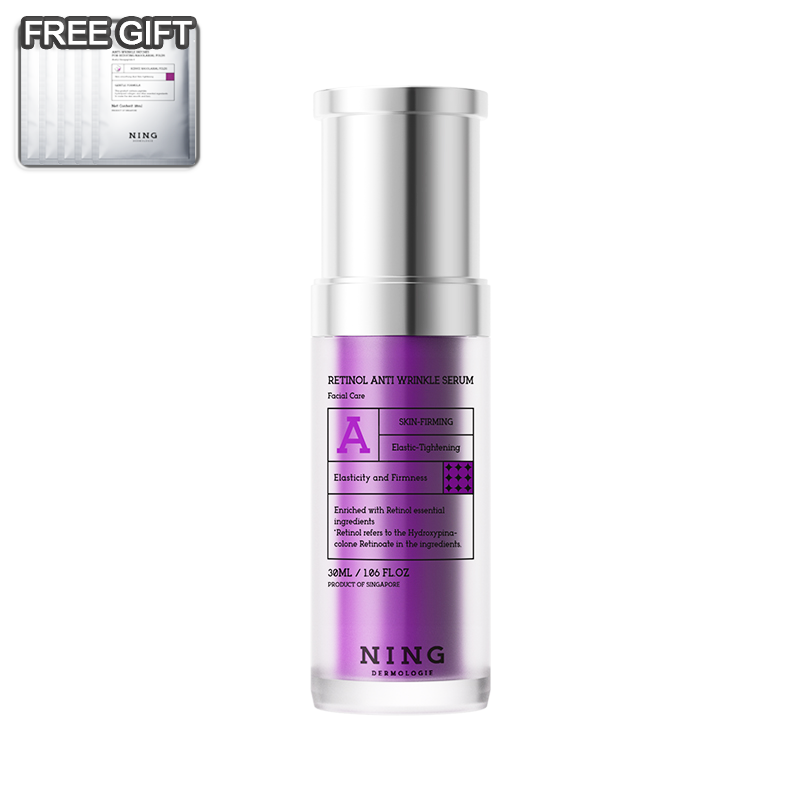
- Consider Your Routine: If you use Vitamin C or Retinol, you need a simple, soothing HA serum, not one loaded with conflicting actives.
By analyzing skin texture photos and reading detailed feedback on skin hydration levels rather than just "glow," you can find a formulation that respects your skin biology and budget.

Frequently Asked Questions (FAQ)
Q: Can I use Hyaluronic Acid with Vitamin C and Salicylic Acid?
A: Totally, just watch the order. Actives like Vitamin C or Salicylic Acid go on clean, dry skin first because they need that low pH to work. Give them a minute. Then, mist your face and apply the HA. It acts as a nice buffer.
Q: Why does my Hyaluronic Acid serum feel sticky or pill?
A: It’s likely a formulation issue. High molecular weight HA forms a film on purpose, which feels tacky. Or, you’re applying it to dry skin. Always apply to damp skin; otherwise, it just sits on top and rolls off like glue.
Q: Is "Sodium Hyaluronate" the same as Hyaluronic Acid?
A: Think of them as cousins. Sodium Hyaluronate is the salt form of the molecule. It’s actually what you want—it’s smaller, more stable, and penetrates deeper than raw HA. Don't let the different name scare you; it’s the industry standard.
Q: Do I really need a dedicated HA serum if my moisturizer has it?
A: Honestly? Probably not. If your moisturizer lists HA in the top five ingredients, you’re getting enough. A dedicated serum is only necessary if your skin is severely dehydrated and drinks up your moisturizer too fast. Otherwise, save your money.
Q: Does Hyaluronic Acid work in dry climates?
A: It can backfire. In dry air, HA draws water from deep in your connective tissue out to the surface, dehydrating you. In dry weather, you must seal it immediately with an occlusive moisturizer like NING Dermologie's Hydrating Cream to stop evaporation.





Share:
The Real Tea on Finding the Best Salicylic Acid Face Wash for Oily Skin
Hyaluronic acid serum best suited for oily skin types