

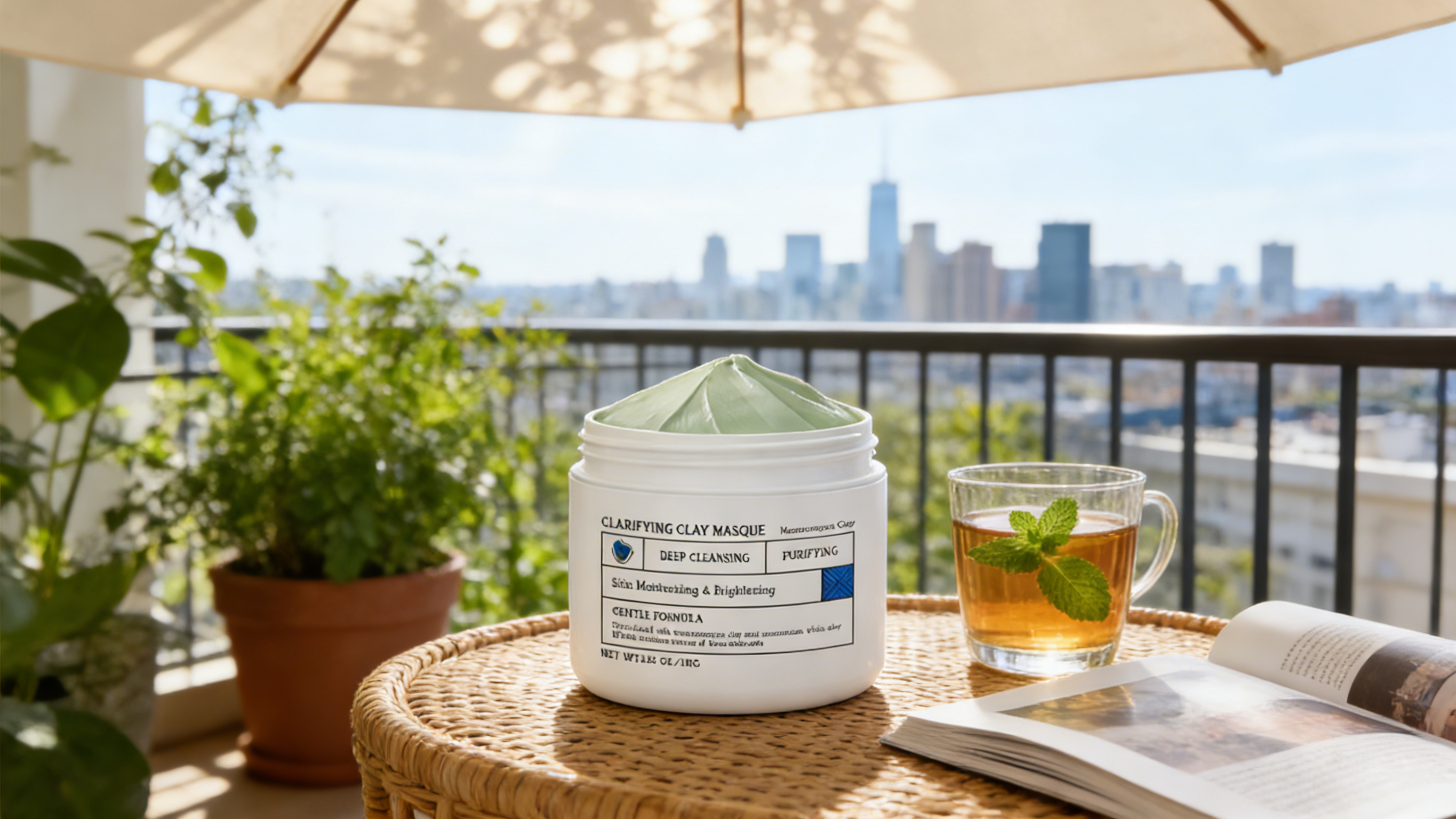

15 Must-Try Clay Masks for Flawless, Poreless Skin: The Best Clay Masks of 2025
Let’s be honest for a second: we have a love-hate relationship with clay masks. We love the idea of them—the promise of sucking every bit of gunk out of our clogged pores and revealing baby-soft skin underneath. But we hate the reality of most traditional formulas, which often leave your face feeling tight, cracked, and stripped of every ounce of moisture.
If you’ve been burned (literally or figuratively) by harsh treatments in the past, it’s time to rethink your strategy. The best clay masks on the market today aren't just about drying out pimples; they are sophisticated formulas designed to balance, hydrate, and refine.
Whether you are battling oily and acne-prone skin or you're terrified a mask will trigger your sensitive skin, there is a pot of mud out there with your name on it. In this guide, I’m walking you through the 8 best clay masks (plus 7 more runner-ups to complete your top 15 list) that I’ve personally vetted. We’ll look at everything from the famous Aztec Secret Indian Healing Clay to the gentle power of NING Dermologie.

Why Clay? Understanding the Type of Clay
Before we dive into the product picks, you need to know what you are putting on your face. Not all mud is created equal. The effectiveness of a clay face mask largely depends on the specific minerals it contains.
- Bentonite Clay: Think of this as a vacuum cleaner. It’s powerful and highly absorbent. It swells when mixed with water and pulls toxins and oil from the skin. This is usually the star ingredient in a mask for oily skin.
- Kaolin Clay: This is the gentle giant. Often called white clay, it’s less absorbent than Bentonite, making it the best for sensitive skin or dry skin types. It gently exfoliates dead skin cells without stripping the moisture barrier.
- Umbrian Clay: Sourced from Italy, this is an ultra-fine, mineral-rich clay that balances pH. You'll often find Fresh Umbrian Clay listed for calming irritation.
- Volcanic Ash/Clay: Like the Super Volcanic Pore Clay found in K-Beauty products, this is excellent for deep pore scrubbing.
The 15 Must-Try List: Finding the Best Clay Masks for Every Skin Type
I’ve categorized these picks for the best clay masks based on skin concern so you don't waste money on something that won't work for you.
Best for Sensitive Skin & Redness
If you think you can't use a clay mask because you have reactive skin, think again. You just need the right formulation.
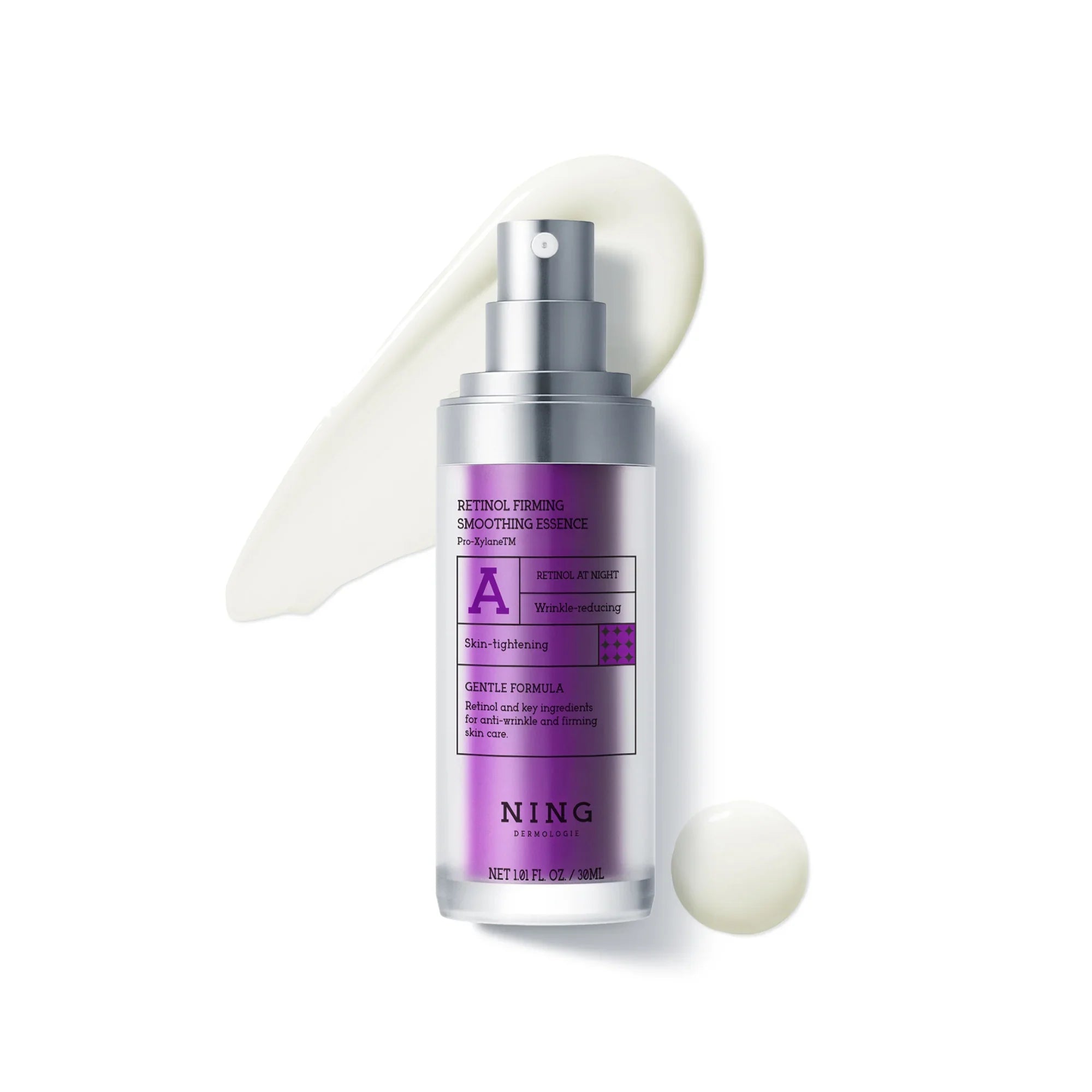
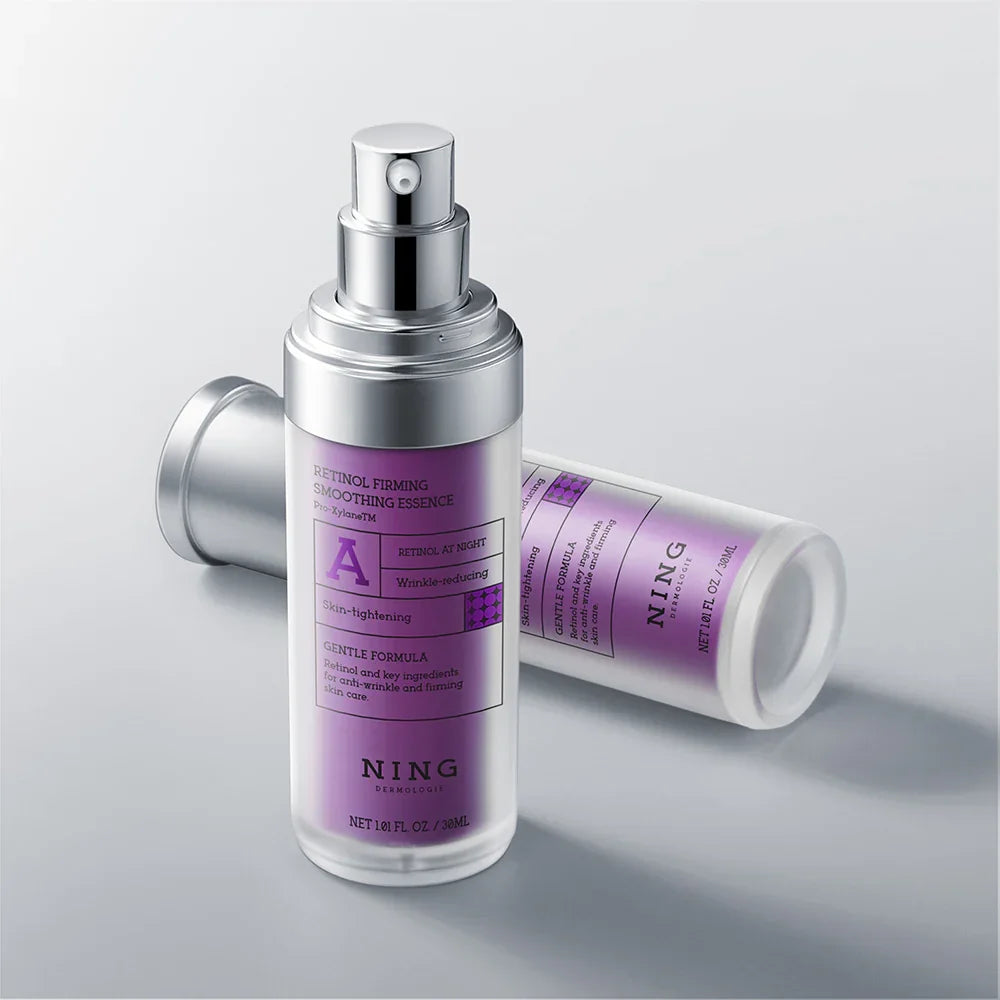
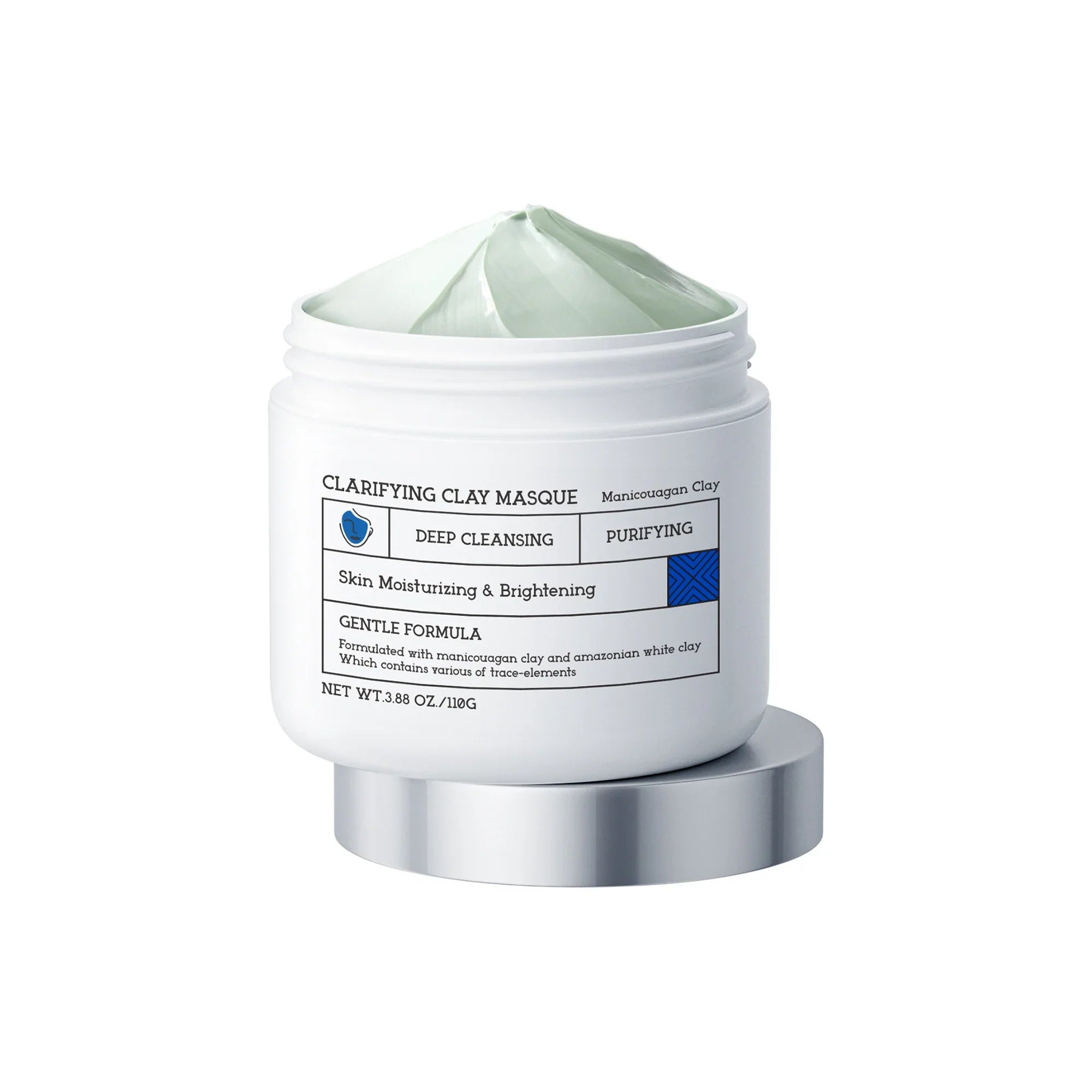
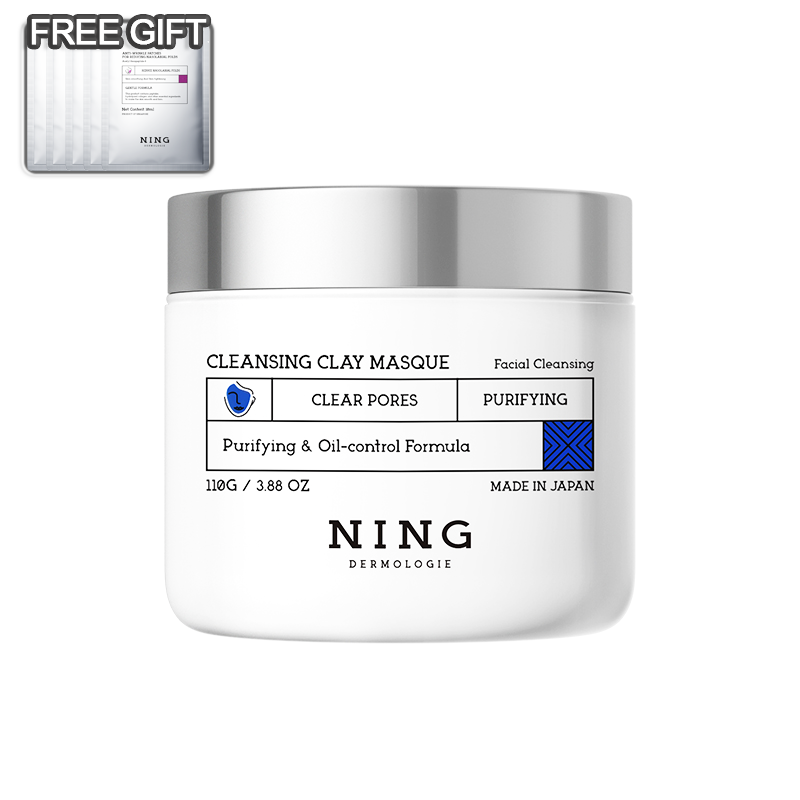
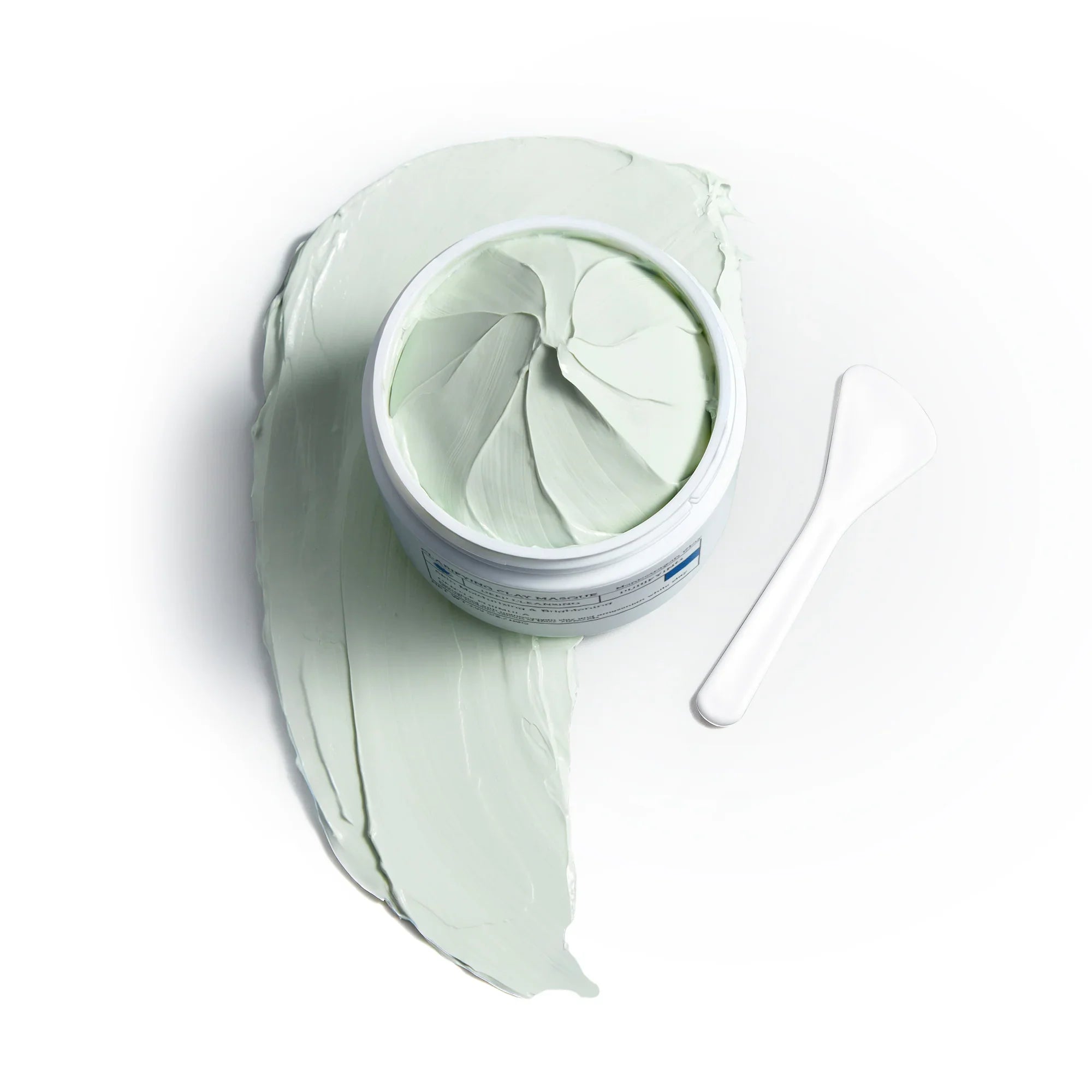
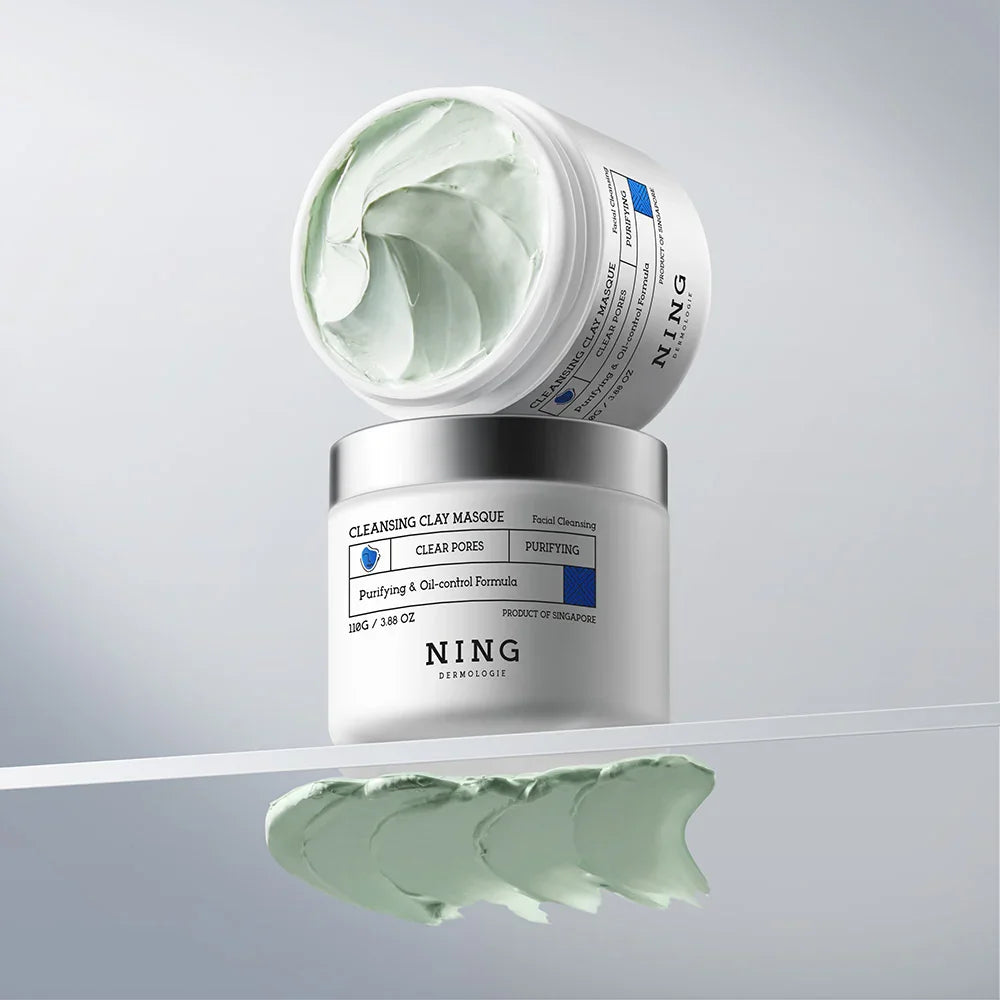
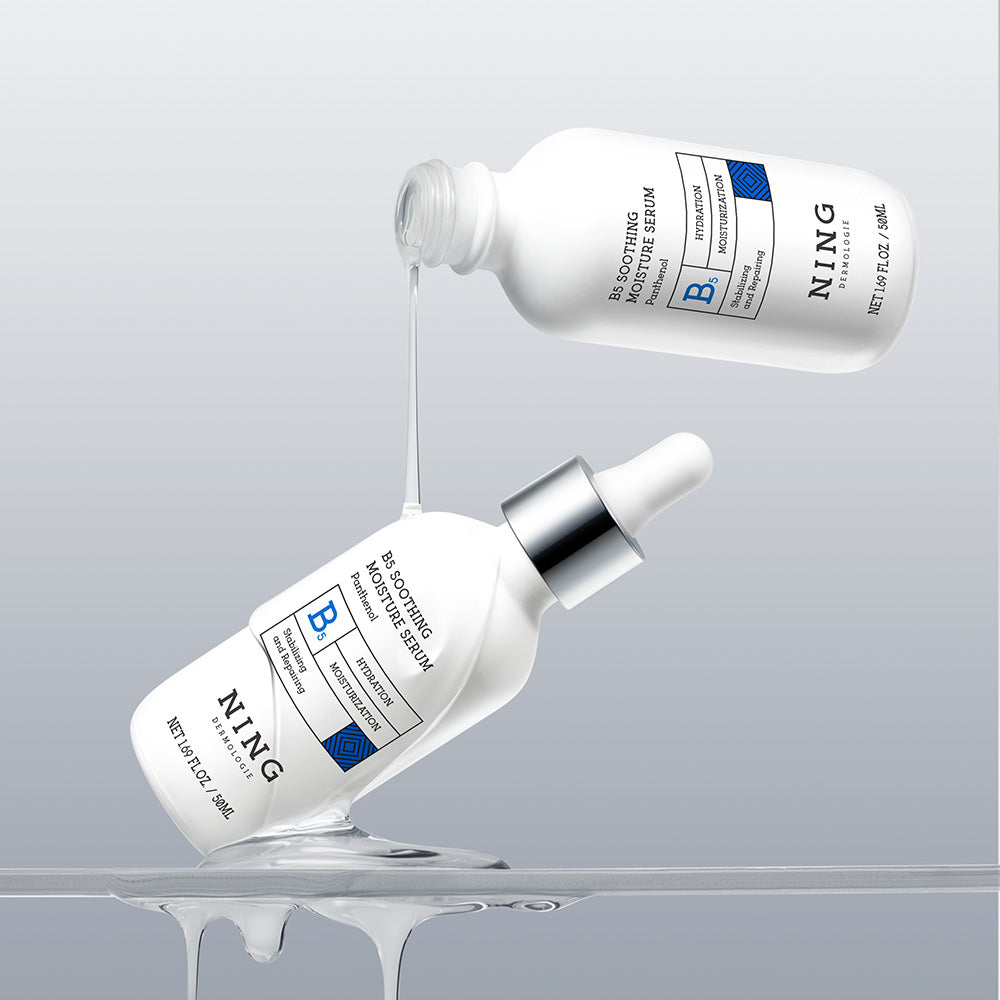
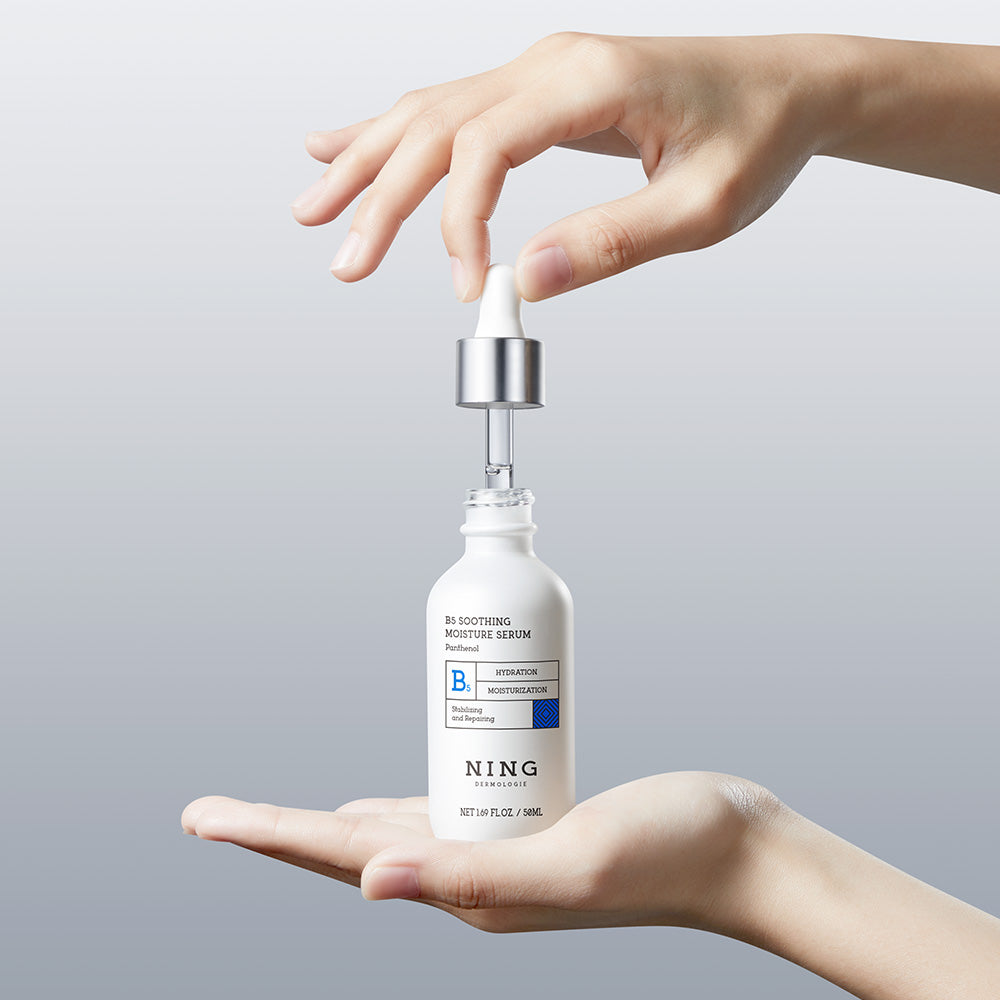
1. NING Dermologie Clay Mask for Face Sensitive Skin
Best Overall for Sensitivity
This is my top recommendation if you want the detox benefits without the "ouch" factor. Most purifying clay masks are too aggressive for delicate barriers, but NING Dermologie has cracked the code. Their Clay Mask for Face Sensitive Skin focuses on soothing while it cleanses.
Instead of leaving the skin parched, it uses a blend that targets impurities while respecting the skin's microbiome. It gently lifts dead skin and debris from clogged pores, but the finish is soft, not tight. It’s proof that a clay mask is best when it balances efficacy with comfort. If you deal with redness or tightness, this is the facial mask to grab.
2. Fresh Umbrian Clay Purifying Mask
The Fresh Umbrian Clay Purifying Mask is a cult favorite for a reason. It uses that mineral-rich Umbrian clay I mentioned earlier. It’s incredibly multitasking—you can use it as a daily wash, a mask, or a spot treatment. It’s fantastic for balancing skin tone without causing irritation.
3. Tatcha The Clarifying Clay Mask
One of the best clay masks of 2025 in the luxury category. Tatcha The Clarifying Clay Mask uses distinct Japanese volcanic ash (Kucha clay). The cool part? It has a warming sensation when you apply it, which opens up the pores, followed by a cooling sensation. It leaves skin texture looking polished and smooth.
4. Charlotte Tilbury Goddess Skin Clay Mask
This features Spanish clay and Sweet Almond Oil. It’s definitely on the hydrating side, making it a safe face mask for those with dry skin who still want a deep clean.
Best for Oily and Acne-Prone Skin
For those with oily skin, you need something that can handle excess sebum. These are the heavy hitters designed to combat breakout-prone skin.
5. Aztec Secret Indian Healing Clay
You’ve seen this on TikTok. It claims to be the "world's most powerful facial." Composed of 100 percent natural calcium bentonite clay, this stuff is intense. You have to mix it with apple cider vinegar (ACV) or water. It pulsates on your face as it dries. It is hands down the best for acne if you have tough, resilient skin, but please patch test first!
6. Innisfree Super Volcanic Pore Clay Mask 2X
This is a K-Beauty staple. The Innisfree Super Volcanic Pore Clay uses hardened volcanic lava from Jeju Island. It is specifically a pore clay mask designed to exfoliate and shrink the look of pores. It contains AHAs (alpha hydroxy acids) to chemically exfoliate while the super volcanic pore clay mask physically absorbs oil. It leaves my skin feeling incredibly matte.
7. Skinceuticals Clarifying Clay Mask
If you want a dermatological approach, the Skinceuticals Clarifying Clay Mask is the gold standard. It combines kaolin clay and bentonite clay with hydroxy acids (mix of Malic, Lactic, Tartaric, Citric, and Glycolic). This combo exfoliates dead skin cells chemically while the clay pulls out the oil. It’s a clarifying clay mask that actually helps prevent future breakouts.
8. Kiehl's Rare Earth Deep Pore Cleansing Mask
Formulated with Amazonian White Clay, this is a classic clay mask for oily skin types. It’s creamy but dries down effectively to minimize clogged pores around the nose and chin.
9. Origins Clear Improvement Active Charcoal Mask
While technically a charcoal mask, it uses white clay (China clay) as a base. It acts like a magnet for environmental toxins.
Best for Dullness and Uneven Texture
Sometimes your main issue isn't acne; it's just that your skin looks "blah." These masks brighten skin and improve skin tone.
10. Sand & Sky Australian Pink Clay Porefining Face Mask
Pink clay is excellent for brightening. This Australian brand put pink clay on the map. It tightens pores and invigorates the skin look instantly. Great for a pre-event glow.
11. Glow Recipe Watermelon Glow Hyaluronic Clay Pore-Tight Facial
This is unique because it’s a non-drying clay. It uses clay and hyaluronic acid infused with watermelon enzymes. It helps gently exfoliate dead skin cells while keeping the skin plump.
12. Caudalie Vinergetic C+ Instant Detox Mask
Another viral hit. It dries pink and shows you exactly where your oil spots are (the "dot" effect). It tightens noticeably and leaves skin texture refined.
13. Turmeric & Cranberry Seed Energizing Radiance Mask
Another one from Kiehl's, but this one focuses on skin tone. The cranberry seeds provide physical exfoliation while the clay detoxes.
Best for Dry Skin (Yes, Really)
If you have dry skin types, proceed with caution, but don't rule clay out entirely.
14. First Aid Beauty Skin Rescue Purifying Mask With Red Clay
Red clay is rich in iron and helps with purifying without the intense drying effect of green or bentonite clays. This peel-off hybrid is gentle enough for drier complexions.
15. Paula’s Choice Pore-Clarifying Charcoal Gel Mask
This is a gel-clay hybrid. It feels light and cooling, not heavy and cakey. It balances oily T-zones without hurting dry cheeks.
How to Use a Clay Mask (Without Ruining Your Skin)
Even the best clay masks can ruin your barrier if used incorrectly. Here is the routine I swear by to improve skin health:
-
Don't Let it Crack: This is the biggest myth in skin care. If you let a clay mask dry until it cracks and flakes off your face, you have waited too long. When it cracks, it starts drawing moisture out of your skin cells, not just the oil. Rinse it off when it is sticky-dry (about 70% dry).
-
Prep Matters: Apply clay to clean, slightly damp skin. This helps the minerals penetrate better than on bone-dry skin.
-
Frequency: For oily skin, using a clay mask once or twice a week is fine. For sensitive skin types or dry skin, stick to clay mask once a week or even every other week.
-
Multi-Masking: You don't have to apply one mask everywhere. Use a strong volcanic aha pore clearing clay on your nose and forehead (T-Zone) and a hydrating mask like NING Dermologie on your cheeks.
-
Aftercare: Always follow up immediately with hydration. Your pores are open and clean; now feed them water.

Choosing the Best Clay Masks for Your Goals
To find the best best clay masks, you have to ignore the hype and look at the ingredient label.
- Goal: De-gunking. Look for Bentonite, Indian Healing Clay, or Charcoal.
- Goal: Soothing/Maintenance. Look for Kaolin, Umbrian Clay, or specific soothing formulas like NING Dermologie.
- Goal: Exfoliation. Look for masks that add acids, like the Innisfree Super Volcanic Pore Clay or Skinceuticals.
A purifying clay mask is a staple that belongs in almost every bathroom cabinet. Whether you are prepping for a date night or managing a stress breakout, these clay masks work wonders when you choose the right one.
Frequently Asked Questions (FAQ)
1. Can I use a clay mask if I have very sensitive skin?
Yes, but you must be selective. Avoid strong Bentonite clays which can be too aggressive. Instead, look for masks containing Kaolin clay or specific soothing ingredients. We highly recommend the NING Dermologie Clay Mask for Face Sensitive Skin, as it is formulated specifically to detoxify without stripping the skin barrier or causing redness. Always do a patch test behind your ear before applying it to your full face.
2. How often should I use a clay mask for oily skin?
For oily skin, using a clay mask 1 to 2 times per week is the sweet spot. If you are very oily, you might be tempted to use it daily, but this can backfire. Over-drying the skin signals your sebaceous glands to produce more oil to compensate. Stick to a consistent twice-weekly schedule to keep clogged pores under control without dehydrating your skin.
3. Should I let the clay mask dry completely before rinsing?
No! This is a common mistake. There are three phases of a clay mask: the damp phase (skin absorbs minerals), the cooling phase (blood flow increases), and the dry phase (moisture is drawn from the skin). You want to rinse during the cooling phase—when the mask is tacky but not flaking. Letting it fully harden can cause dehydration and irritation.
4. Do clay masks actually shrink pores?
Technically, pore size is genetic and cannot be permanently changed. But clay masks can make pores look a lot smaller. When oil and dead skin get into your pores, they stretch and look darker (blackheads). Using a pore clay mask to get rid of this gunk can make the pore walls pull back, which makes them look smaller and makes your skin feel smoother.
5. Can I leave a clay mask on overnight as a spot treatment?
Generally, no. Most clay masks are designed to be rinsed off after 10-15 minutes. Leaving high-strength clay on a pimple overnight can lead to chemical burns or excessive dryness, leaving you with a dark, flaky patch that is harder to cover than the pimple itself. Use sulfur-based treatments for overnight use instead, and keep the clay for short-contact therapy.
6. What is the difference between Kaolin and Bentonite clay?
Kaolin clay (often white or pink) is fine-grained and gentle, making it perfect for dry or sensitive skin. It absorbs some oil but mostly softens and cleanses. Bentonite clay (often gray or green) is made from volcanic ash and is much stronger. It absorbs significantly more oil and swells when wet, making it the better choice for very oily or acne-prone skin types.





Share:
Discover the Top 10 Gentle Clay Masks Perfect for Sensitive Skin
Curated Skincare Gift Boxes: A Treat for Every Beauty Enthusiast