

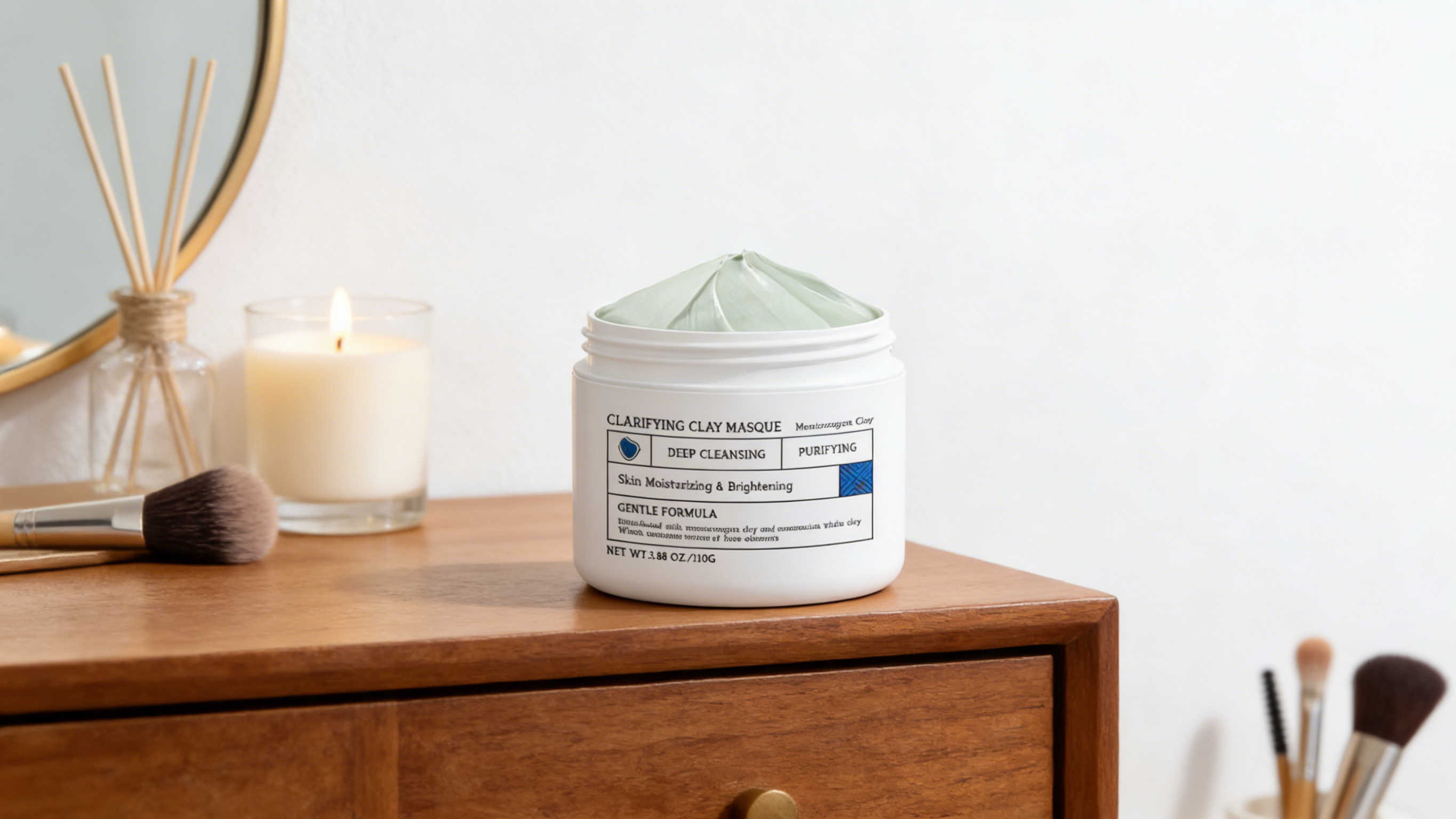

Discover the Top 10 Gentle Clay Masks Perfect for Sensitive Skin: A Guide to Clear Pores and Smooth Skin
If you have sensitive skin, the mere mention of a "clay mask" might make you wince. We’ve all been there: you apply a thick, gray paste hoping for a spa-like glow, but 10 minutes later, your face feels like the Sahara Desert, and washing it off reveals a complexion that is angry, red, and stinging.
For years, the narrative was that if it doesn't burn, it's not working. That is a myth. The search for the best clay mask doesn't mean sacrificing your skin barrier. In fact, the right clay mask for sensitive skin is out there—you just need to know what ingredients to look for and which ones to avoid.
In this guide, we are going to break down the science of clay, debunk the scary myths, and walk you through the top 10 gentle options (featuring our absolute favorite) that clear pores, soothe irritation, and improve skin texture without the dreaded "crack and peel" effect.

Understanding Clay Masks: Why They Scare Sensitive Skin Types
What is a Clay Mask really supposed to do?
At its core, a clay mask is a detox tool. Sourced from the earth, clay is a natural absorbent. Its primary job is to act like a magnet for excess oil, pollution, and dead skin cells that sit on the surface of your face. When you use a detox mask, it binds to these impurities and washes them away.
For oily skin types, this is a dream. But for dry skin or sensitive skin, traditional formulations—often heavy in bentonite clay—can be too aggressive. They strip away the natural oils your skin desperately needs to stay healthy. This leads to redness, tightness, and a compromised barrier.
Types of Clay Used in Masks: The Good vs. The Aggressive
Not all mud is created equal. Understanding the type of clay is the secret to finding a mask for sensitive skin.
- Bentonite Clay: This is the powerhouse. It swells when mixed with water and pulls oil aggressively. It’s a clarifying clay mask hero for severe acne, but it can dry out my skin (and yours) if used alone on sensitive faces.
- Kaolin Clay (White Clay): This is the gentle giant. Kaolin clay is fine-grained and mild. It cleanses without stripping, making it the gold standard for dry and sensitive skin.
- Rose Clay (Pink Clay): Often a mix of white and red clay, pink clay is excellent for balancing combination skin and refining texture.
- Amazonian White Clay: Famous for its ability to detox mask properties while being gentle enough to address uneven skin texture.
- French Green Clay: Rich in minerals, it’s great for tightening pores but can be drying if not blended with oils.
The Top 10 Best Clay Masks for Sensitive Skin
We have curated this list based on formulation, texture, and after-feel. These aren't just random picks; these are formulations that respect your skin.
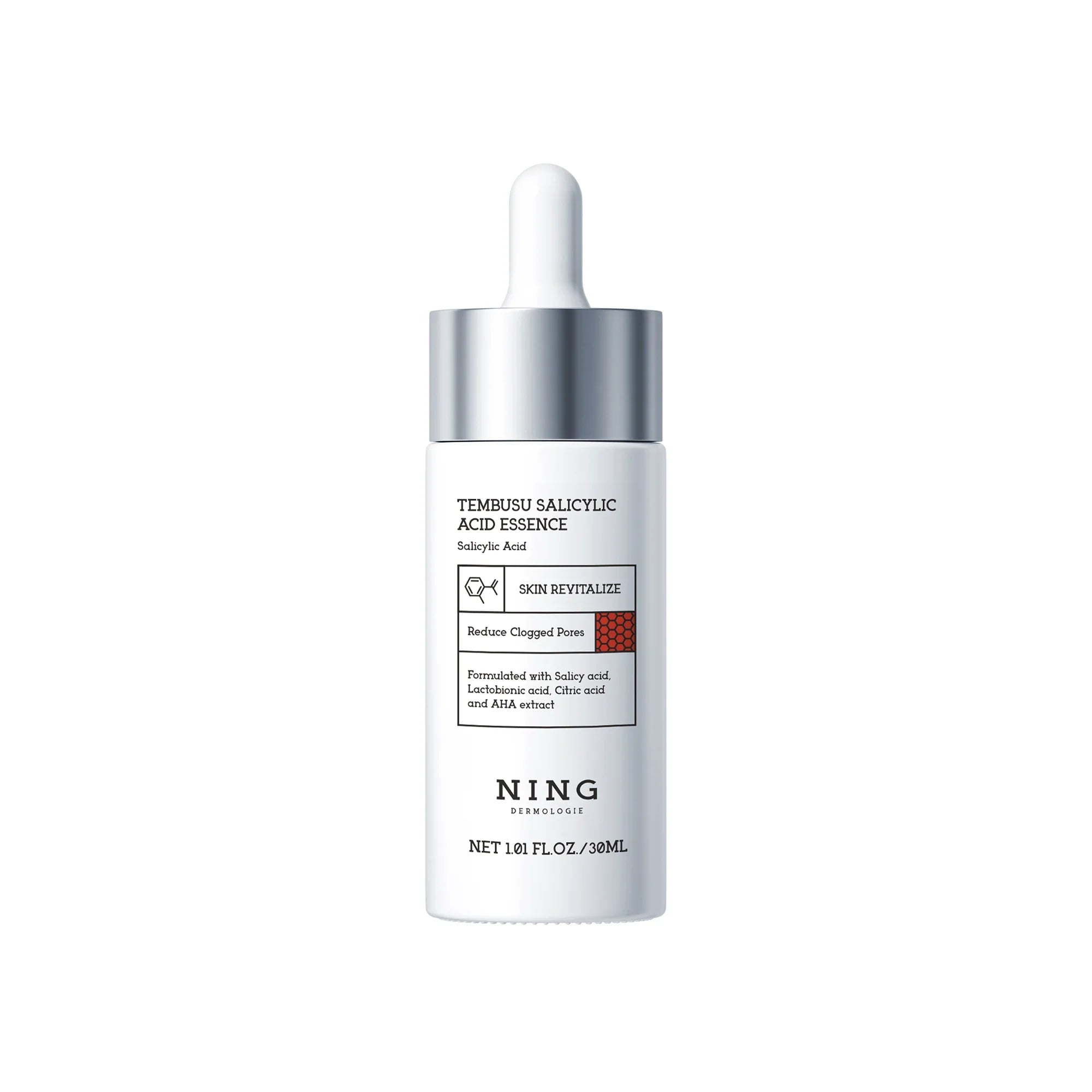
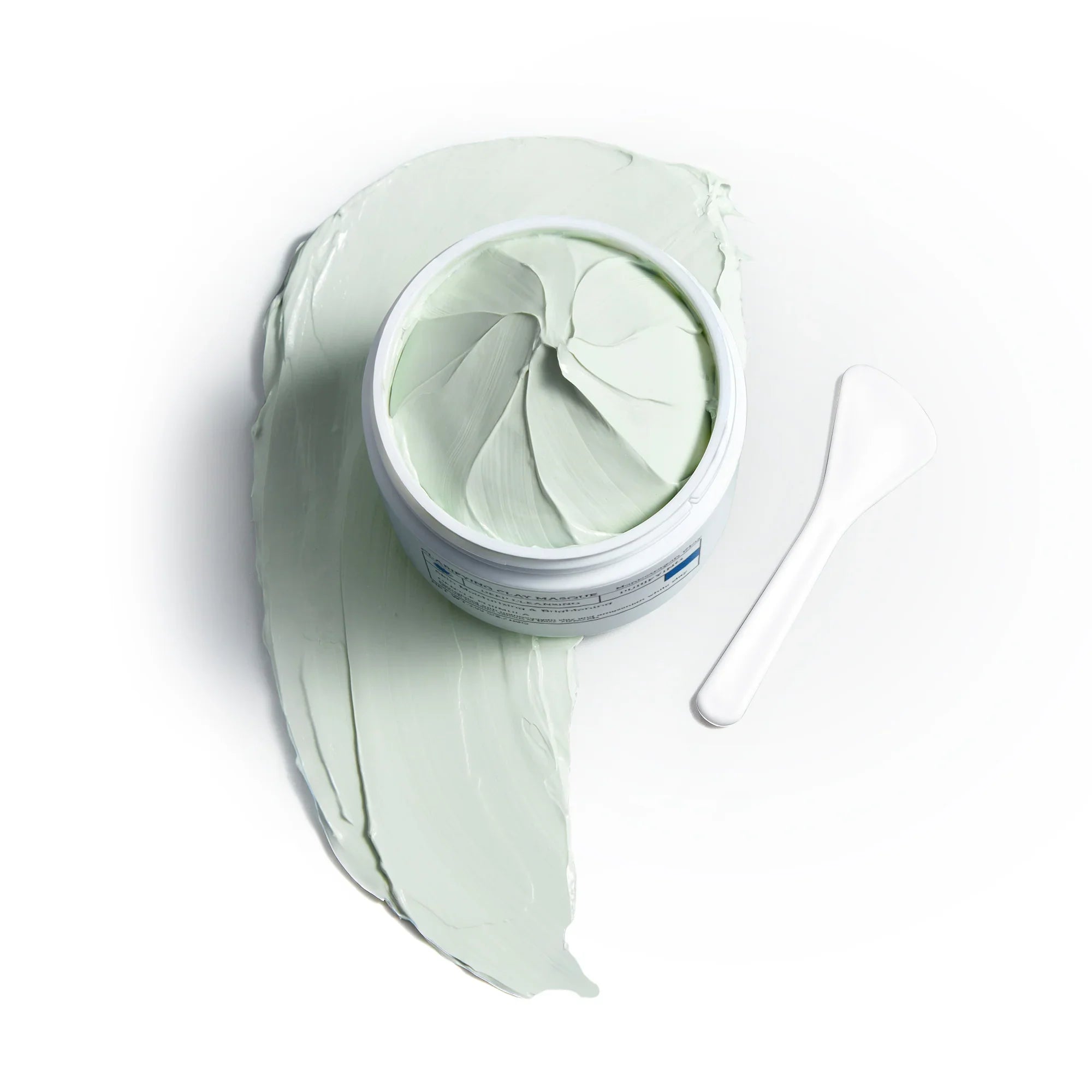
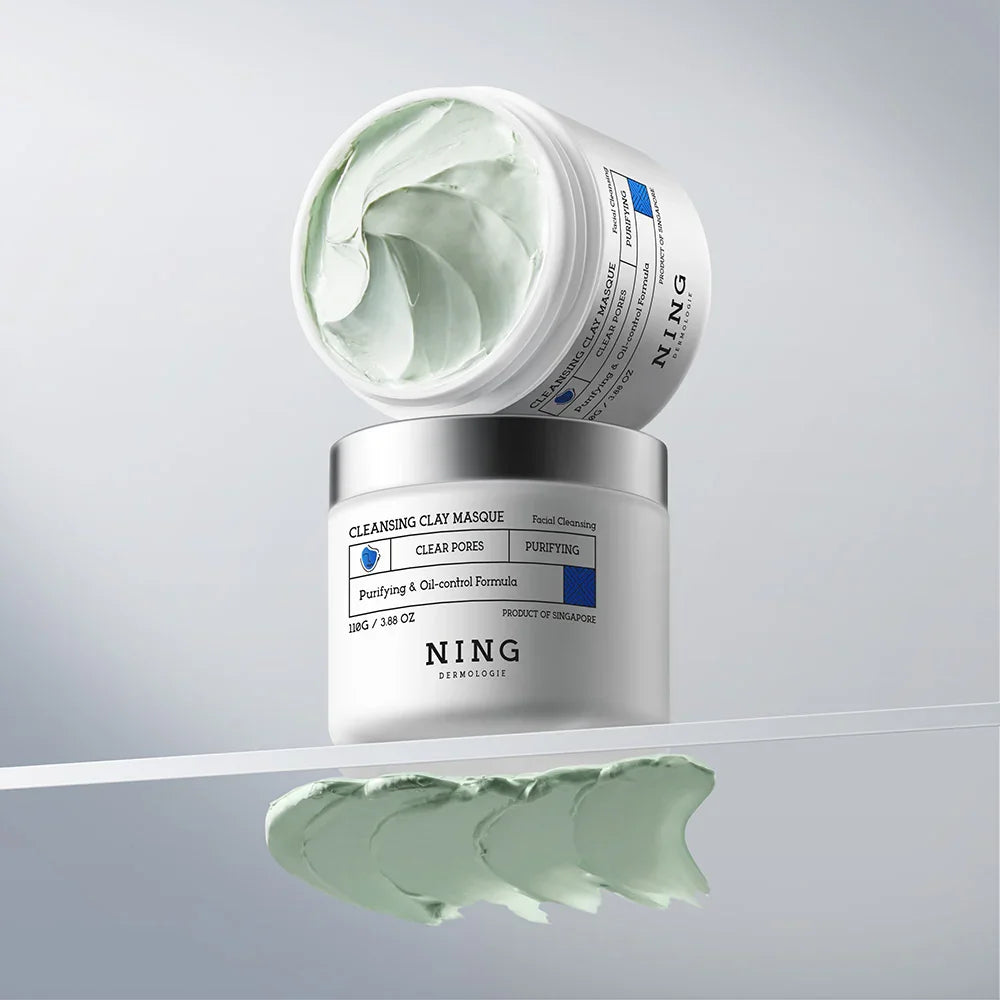
1. Best Overall: NING Dermologie Clay Mask for Face Sensitive Skin
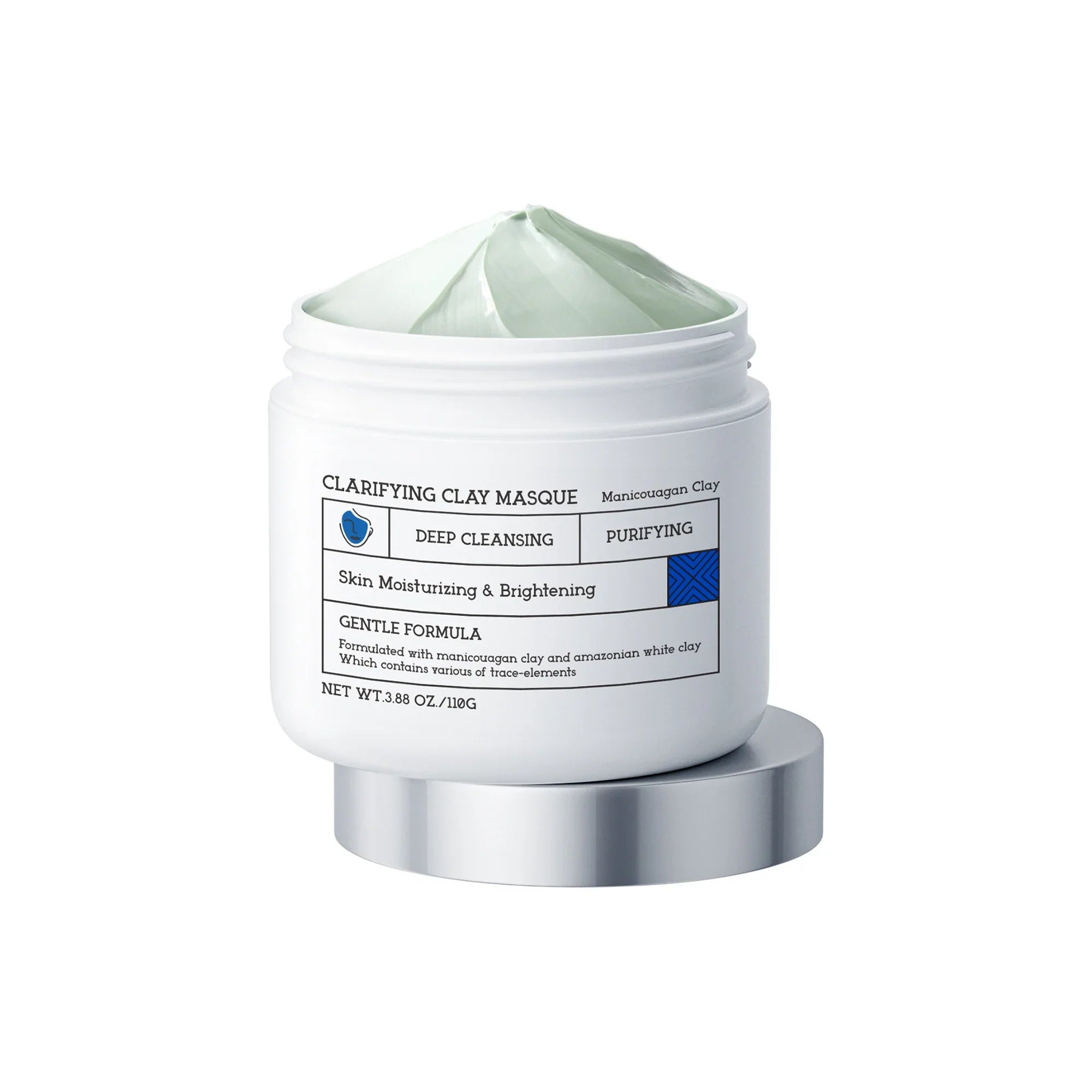
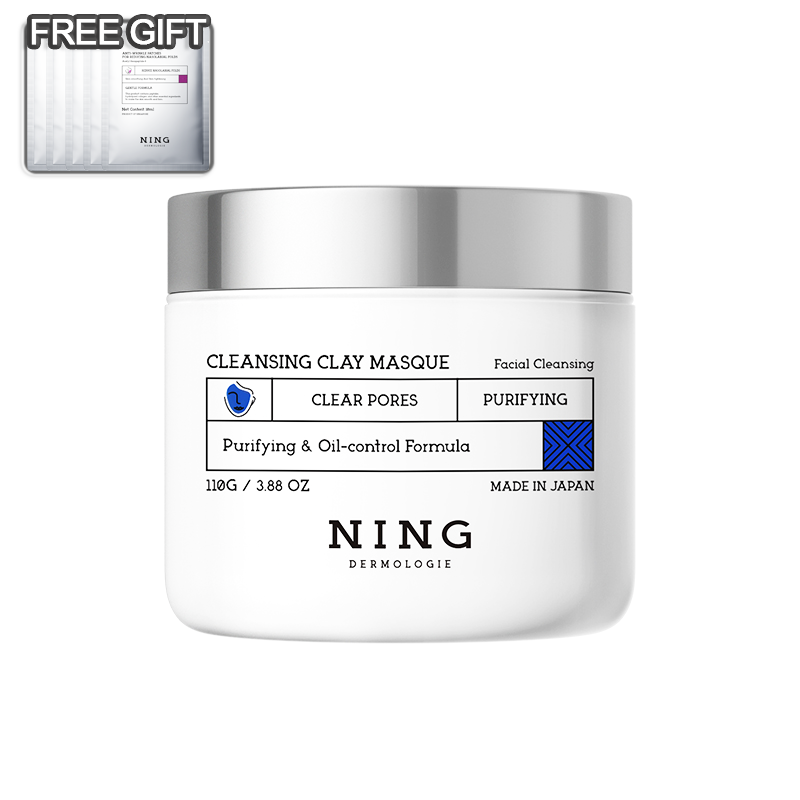
When we talk about the best clay mask that truly does it all, we have to start with our own breakthrough formula. We designed the NING Dermologie Clay Mask for Face Sensitive Skin specifically to bridge the gap between deep cleaning and deep soothing.
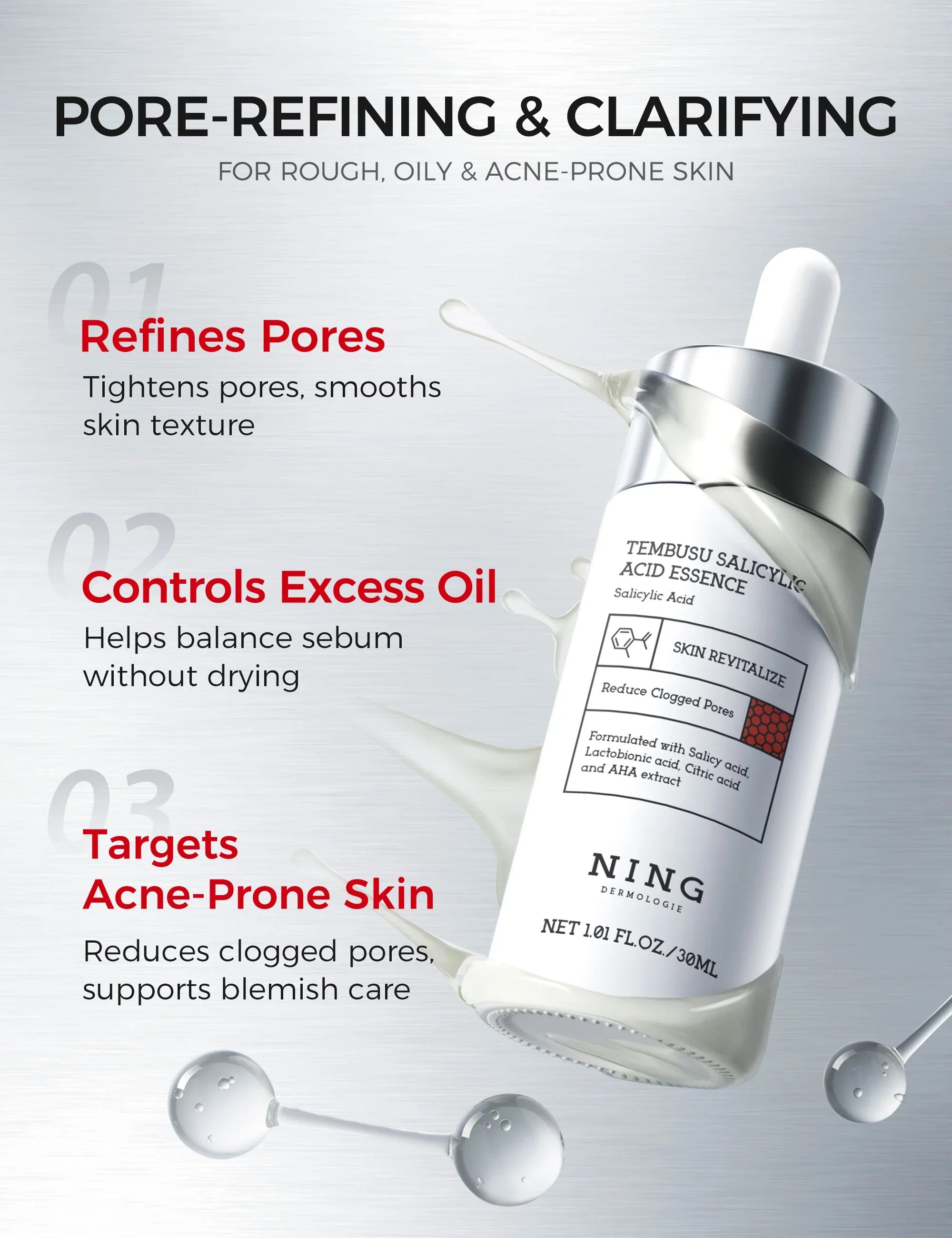
Most masks make you choose: do you want to clear pores or do you want to feel hydrated? We chose both. Our formula uses premium Kaolin clay to gently lift impurities and blackheads without the harsh suction effect of traditional masks. But what makes it the best overall is the infusion of Salicylic Acid at a gentle percentage. This allows the mask to exfoliate inside the pore lining to prevent future breakouts, while soothing botanicals ensure your skin feels plush, not stripped.
It targets dull skin, reduces redness, and leaves your skin tone looking visibly brighter after just one use. It’s the ultimate clay mask for sensitive skin because it understands that sensitive skin can still have congested pores.
2. The Hydration Hero: Hyaluronic Acid Infused White Clay
If your skin type leans towards "desert dry," look for a white clay mask that lists hyaluronic acid in the top five ingredients. This type of mask features a creamy texture that never fully dries down. It works to soothe the skin while the clay subtly absorbs surface grime. It’s less about a deep detox and more about plumping the skin while cleaning.
3. The Redness Reducer: Colloidal Oatmeal and Pink Clay
For those with reactive skin prone to flushing, a pink clay mask blended with colloidal oatmeal is a lifesaver. Rose clay is naturally milder than green or grey clays. When combined with oatmeal, it acts as a buffer, calming inflammation while the clay does the light lifting of excess oil. This is a great mask for sensitive skin if you suffer from rosacea-like symptoms.
4. The Texture Refiner: Amazonian White Clay & Aloe
Amazonian white clay is fantastic for those struggling with uneven skin texture and clogged pores. It is slightly more absorbent than standard Kaolin but rich in minerals. The best versions of this mask pair the clay with Aloe Vera. This ensures that while the clay is working to clear pores, the Aloe is immediately replenishing moisture, ensuring the mask doesn't dry out my skin.
5. The Acne-Fighter: Tea Tree and Kaolin Blend
Finding the best for acne when you have sensitive skin is tricky. You can't use harsh benzoyl peroxide masks. Instead, look for a Kaolin-based mask with Tea Tree Oil. This is a natural antiseptic that targets bacteria without the chemical burn. It creates a purifying mask experience that treats the breakout while respecting the surrounding skin.
6. The Dullness Eraser: Turmeric and Yellow Clay
Dull skin needs a wake-up call. Yellow clay is often overlooked but is brilliant for boosting radiance. When paired with Turmeric (a natural anti-inflammatory), this mask helps correct skin tone and brighten dark spots. It’s a clay face mask that leaves you looking energized, not red.
7. The Pore Minimizer: Umbrian Clay Treatment
Umbrian clay has a high mineral content and is distinctively ultra-fine. This makes it a perfect clay mask for sensitive skin that has enlarged pores. It works to neutralize acidity on the skin and purify the complexion. It feels cool on application and is excellent for balancing combination skin.
8. The Gentle Exfoliator: Enzyme and Clay Fusion
Sometimes, you need to exfoliate dead skin cells to get that glow. A mask that combines fruit enzymes (like pumpkin or papaya) with soft clay acts as a dual-action treatment. The enzymes eat away dead cells while the clay absorbs the debris. It’s a gentle exfoliator that avoids the micro-tears caused by physical scrubs.
9. The Barrier Builder: Prebiotic Clay Mask
Sensitive skin often has a damaged skin barrier. Newer clay mask formulas are incorporating prebiotics to feed the good bacteria on your face. These usually use a very mild French green clay base mixed with yogurt or probiotic extracts. It leaves the skin feeling balanced and resilient.
10. The T-Zone Specialist: Charcoal and Clay Hybrid
Okay, sometimes you do need a bit more power, specifically on your nose or chin. A charcoal mask mixed with clay is usually too strong for the whole face, but perfect for the T-zone. Look for "activated charcoal" lower down on the ingredient list, ensuring the base is still a gentle clay. This helps clear blackheads effectively in targeted areas without irritating your cheeks.

How to Choose the Right Clay Mask for Your Needs
Identifying Your Skin Type
Before you buy, you must be honest about your skin.
- Dry Skin: You feel tight immediately after washing. You need Kaolin clay or Umbrian clay with added oils.
- Oily Skin: You have shine by midday. You can tolerate a blend of Bentonite clay and other clays, but be careful with frequency.
- Sensitive Skin: You turn red easily. You need NING Dermologie or pure white clay formulas free from synthetic fragrances.
- Combination Skin: You are oily in the middle, dry on the sides. You might need to "multi-mask" or use a balanced pink clay.
Factors to Consider When Buying Clay Masks
When scanning the aisles for the 7 best clay masks (or the top 10 like we listed), flip the box over.
-
Texture: Is it creamy or chalky? Creamy is better for you.
-
Dry Time: Does the label say "let dry completely"? If so, approach with caution. The best clay mask for you should stay slightly tacky.
-
Added Ingredients: Look for hyaluronic acid, glycerin, aloe, or chamomile. Avoid high alcohol content.
Comparing Dry Skin and Oily Skin Needs in Clay Masks
The way dry skin and oily skin react to clay is vastly different.
| Feature | Dry/Sensitive Skin Needs | Oily/Acne-Prone Skin Needs |
| Best Clay | Kaolin Clay, Rose Clay | Bentonite Clay, French Green Clay |
| Goal | Soothe, gently cleanse, hydrate | Absorb excess oil, deep detox |
| Texture | Mousse-like, hydrating | Paste-like, tightening |
| Frequency | 1 time per week (max) | 2-3 times per week |
| Risk | Flaking, redness | Over-drying leading to more oil |
For sensitive skin, the goal isn't to strip the skin of everything; it's to reset it. A purifying clay for oily skin is like a vacuum cleaner; for dry skin, it should be like a soft broom.
Using Clay Masks Effectively: A Routine for Sensitivity
How to Apply a Clay Mask
We see people doing this wrong all the time. Here is the dermatologist-approved method to use clay masks:
-
Cleanse First: Always start with a clean face.
-
Apply Evenly: Use a brush or clean fingers to apply a thin layer. Thick layers don't clean better; they just waste product.
-
The Time Rule: This is critical. Do not wait for the mask to crack! If the mask flakes when you smile, you’ve left it on too long. Remove it when it is sticky but firm (usually 8-10 minutes).
-
Removal: Use lukewarm water. Hot water makes redness worse. Rehydrate the clay with water splashes and gently massage it off. Do not scrub.
Frequency of Use for Optimal Results
If you have acne-prone skin that is also sensitive, you might be tempted to use a mask every day. Don't. Overusing even the best clay mask can damage your skin barrier.
- Sensitive/Dry: Once a week or once every two weeks.
- Oily/Congested: Twice a week.
Common Mistakes When Using Clay Masks
- Letting it crack: We mentioned this, but it bears repeating. It draws moisture out of your skin cells.
- Skipping Moisturizer: After you remove the mask, your pores are open and your skin is prepped. Immediately apply a toner and a moisturizer to lock in hydration.
- Ignoring a Patch Test: Always test a new clay face mask on your neck before putting it on your face.
Specific Benefits for Sensitive Skin
Clearing Pores Gently
You don't need grit to get clean. A clay mask for sensitive skin works on a molecular level. The clay particles are negatively charged, and dirt/oil are positively charged. The clay literally pulls the gunk out of clogged pores without you needing to scrub. This reduces the look of blackheads without the trauma of extraction tools.
Smoothing Uneven Skin Texture
Sensitive skin often has rough patches or tiny bumps. A gentle exfoliator like the NING Dermologie mask helps slough off dead skin cells. This reveals fresh skin underneath, making your skin feels smooth and your makeup apply much better.
Detoxifying Without Drying Out Skin
This is the holy grail. A superior detox mask will make your skin feels clean but also soft. Ingredients like Amazonian white clay or high-quality Kaolin ensure that while the excess oil is gone, the water in your skin remains. Your face should feel relieved, not tight.

Why NING Dermologie Stands Out
In a market flooded with popular clay masks, why did we create ours? Because we saw that clay masks aren’t usually made for us—the sensitive types. We wanted a product that felt like a luxury treatment, not a punishment.
The NING Dermologie Clay Mask for Face Sensitive Skin combines the efficacy of a purifying mask with the gentleness of a soothing cream. It effectively tackles blackheads and pores while ensuring your skin hydrated and calm. It truly is the best for uneven texture and reactive skin types.
Ready to transform your skincare routine? Treat your skin to the balance it deserves.
Shop the NING Dermologie Clay Mask for Face Sensitive Skin here.
Frequently Asked Questions (FAQ)
1. Can I use a clay mask if I have rosacea or eczema?
Yes, but you must be extremely selective. Avoid bentonite clay or charcoal masks as they stimulate circulation and can increase redness. Instead, choose a mask for sensitive skin featuring Kaolin clay or rose clay. These are mild and soothing. Always patch test first, and rinse off immediately if you feel burning. Our NING Dermologie mask is formulated to be gentle enough for reactive skin types when used correctly.
2. Will a clay mask make my dry skin worse?
Not if you choose the right clay. A clay mask is best for dry skin when it contains moisturizing agents like hyaluronic acid, aloe, or glycerin. Traditional masks that dry hard can strip moisture, so look for "creamy" or "hydrating" on the label. Never let the mask dry completely on your face; removing it while it's still slightly damp prevents it from absorbing your skin's essential moisture.
3. How often should I use a clay mask for sensitive skin?
Less is better. If you have sensitive skin, we suggest using a clay face mask no more than once a week. If your skin feels tight or looks red after you use it, only use it once every 10 to 14 days. Consistency is good, but listening to your skin is better. You can also spot-treat just your T-zone or areas with clogged pores rather than applying it to your whole face.
4. Do I need to wash my face before using a clay mask?
Of course. A clay mask works best on skin that is clean. The clay will waste its energy absorbing makeup or sunscreen instead of pulling dirt out of your pores if you put it on top of those things. For the best results, use a mild cleanser to get rid of dirt on the surface, pat your skin dry, and then put on the mask.
5. What is the difference between Kaolin Clay and Bentonite Clay?
Think of Kaolin clay as a gentle sponge and Bentonite clay as a powerful vacuum. Kaolin (often white clay) is mild, making it the best clay mask base for sensitive or dry skin. It gently absorbs oil. Bentonite is volcanic ash that absorbs significantly more oil and swells when wet, making it great for very oily or acne-prone skin but potentially irritating for delicate skin barriers.
6. Should I use a moisturizer after a clay mask?
Yes, this is a non-negotiable step! Even the most gentle exfoliator or hydrating clay mask removes some oil from the skin. To maintain a healthy skin barrier and keep skin moisturized, apply a hydrating toner and a rich moisturizer immediately after rinsing. This locks in water and ensures your skin feels smooth and plump rather than tight and dry.





Share:
Discover the Top 2026 Skincare Sets for Every Skin Type
15 Must-Try Clay Masks for Flawless, Poreless Skin