

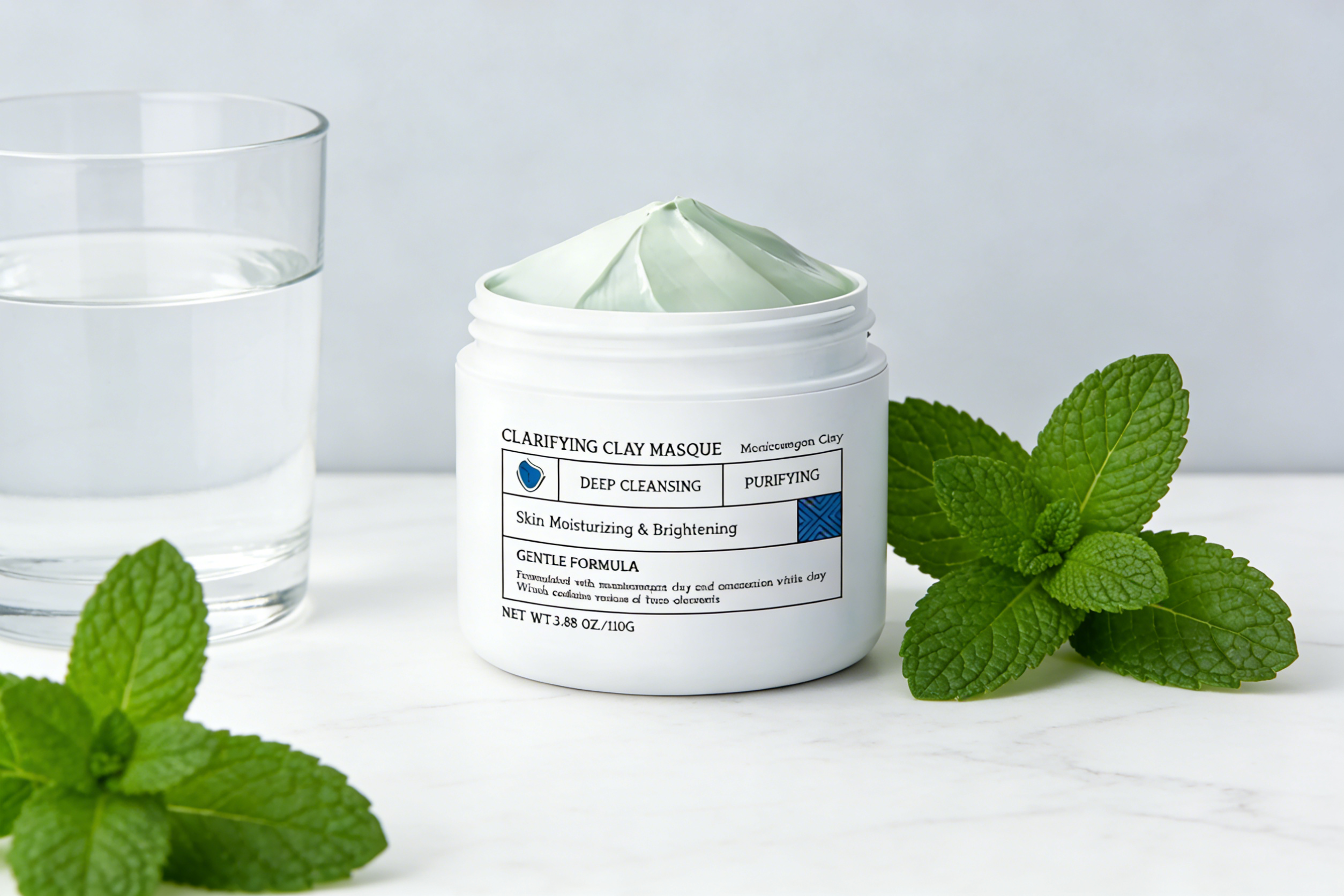

The 8 Best Clay Masks of 2025: A Real Talk Review for Clear Pores and Healthy Skin
Let’s be honest: nothing is quite as satisfying as seeing a face mask dry down and imagining it pulling every last impurity out of your clogged pores. But if you’ve been in the skincare game for a while, you know the heartbreak of washing off a clay mask only to find your face red, tight, and screaming for moisture.
The narrative around clay masks is changing. In the past, the best clay masks were judged by how much they stung. Today, as we look at the masks of 2025, the focus has shifted. We want the deep clean of bentonite clay without destroying our skin barrier. We want to clear pores, banish blackheads, and fix uneven skin texture, but we also want to keep our skin soft.
I’ve tested dozens of jars, tubes, and powders to find the best clay masks on the market this year. Whether you have oily skin, dry skin, or are battling a breakout, here is the definitive list of the top-rated clay masks that actually work.

What is Bentonite Clay? (And Why Your Pores Love It)
Before we dive into the reviews, let’s clear up what we are actually putting on our faces. Bentonite clay is essentially volcanic ash. It acts like a magnet. When mixed with water (or apple cider vinegar, if you’re hardcore), it develops a negative electrical charge that binds to positively charged toxins in your skin. This is why it is the gold standard type of clay for a purifying mask.
However, clay masks of 2025 rarely use just one ingredient. You will often see a blend:
- Kaolin Clay: Much gentler, great for sensitive skin.
- French Green Clay: Excellent for oily types needing a heavy-duty detox.
- Amazonian White Clay: A middle-ground focused on dead skin cells.
The goal is to draw out impurities and absorb excess oil (sebum) that causes acne. When used correctly, a clay pore treatment can be a game-changer.
Overview: The 8 Best Clay Masks of 2025
We’ve categorized these best clay masks of 2025 by skin type and concern, so you can find the best match for your face.
1. The Heavy Hitter: Aztec Secret Indian Healing Clay
Best for: Extremely oily skin and body acne.
We can't talk about bentonite clay mask options without mentioning the "world's most powerful facial." Aztec Secret Indian Healing Clay is 100% Calcium Bentonite Clay. There are no fillers.
The Experience: You have to mix this yourself. If you use water, it clumps. If you use apple cider vinegar, it fizzes like a science experiment. Once applied, you will feel your face pulsate. It tightens so much you can’t speak.
Pros & Cons:
- Pros: dirt cheap; obliterates clogged pores; undeniably effective as a detox mask.
- Cons: Messy to mix; extremely drying; too harsh for sensitive areas.
Verdict: It remains one of the best clay masks for a budget deep pore cleanse, but proceed with caution.
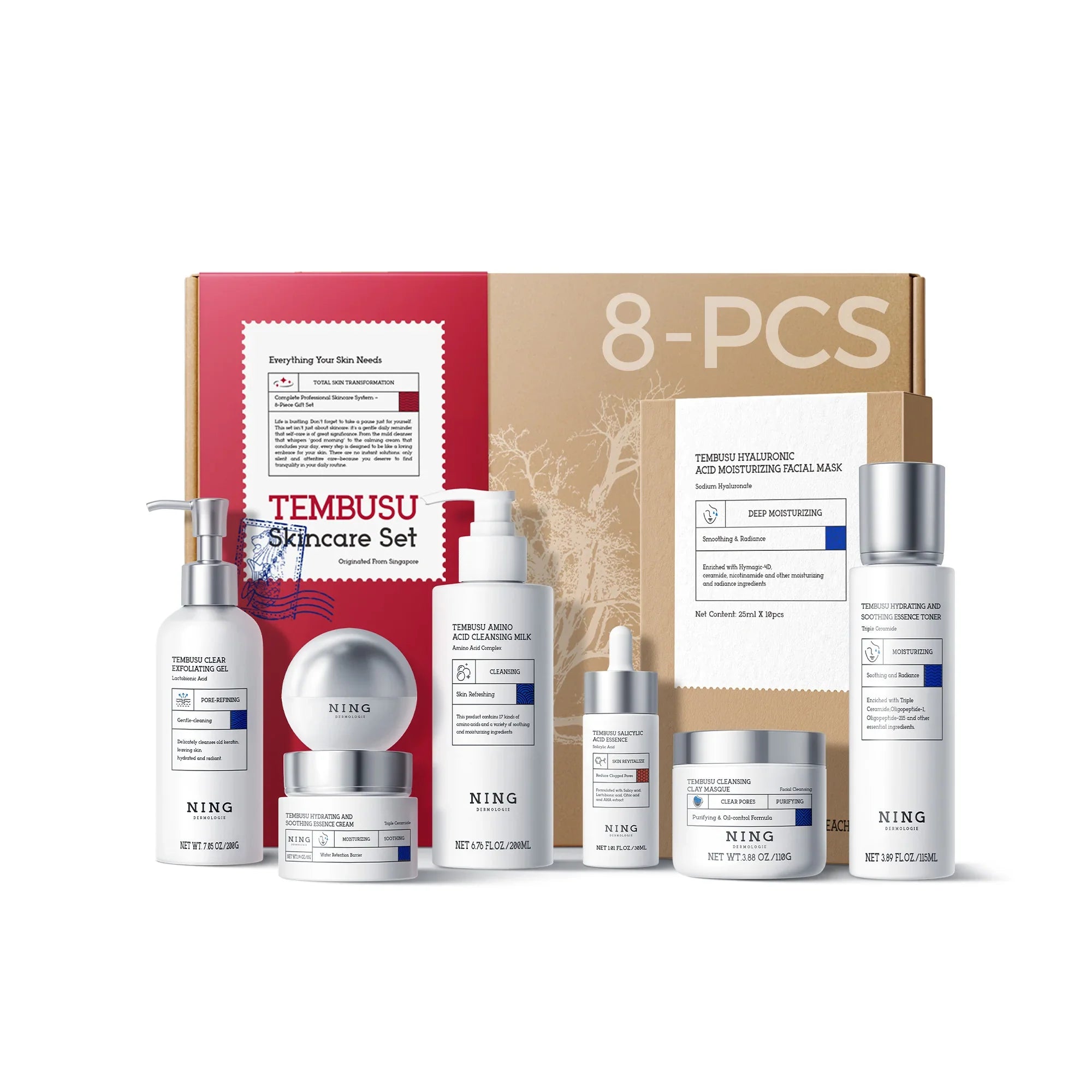
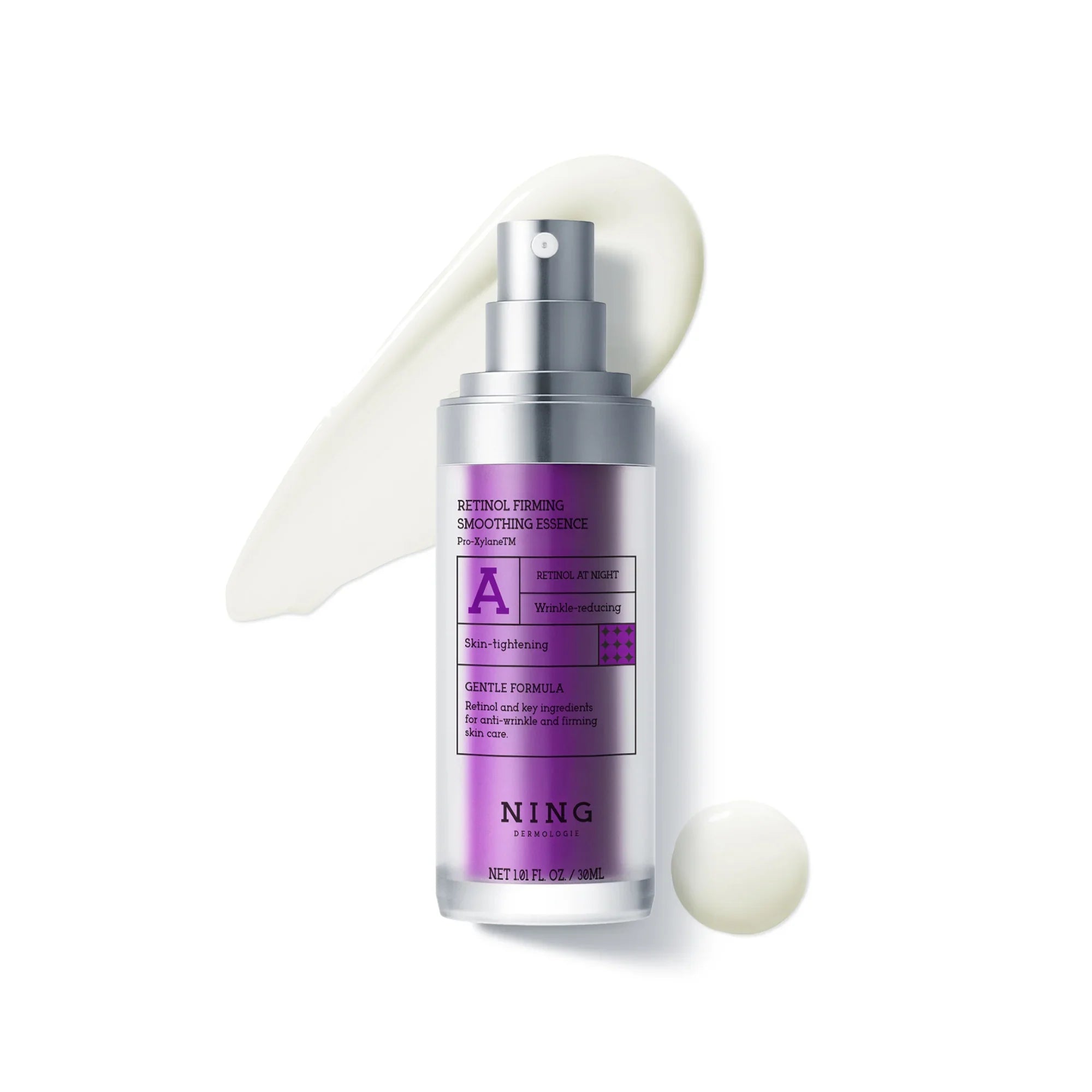
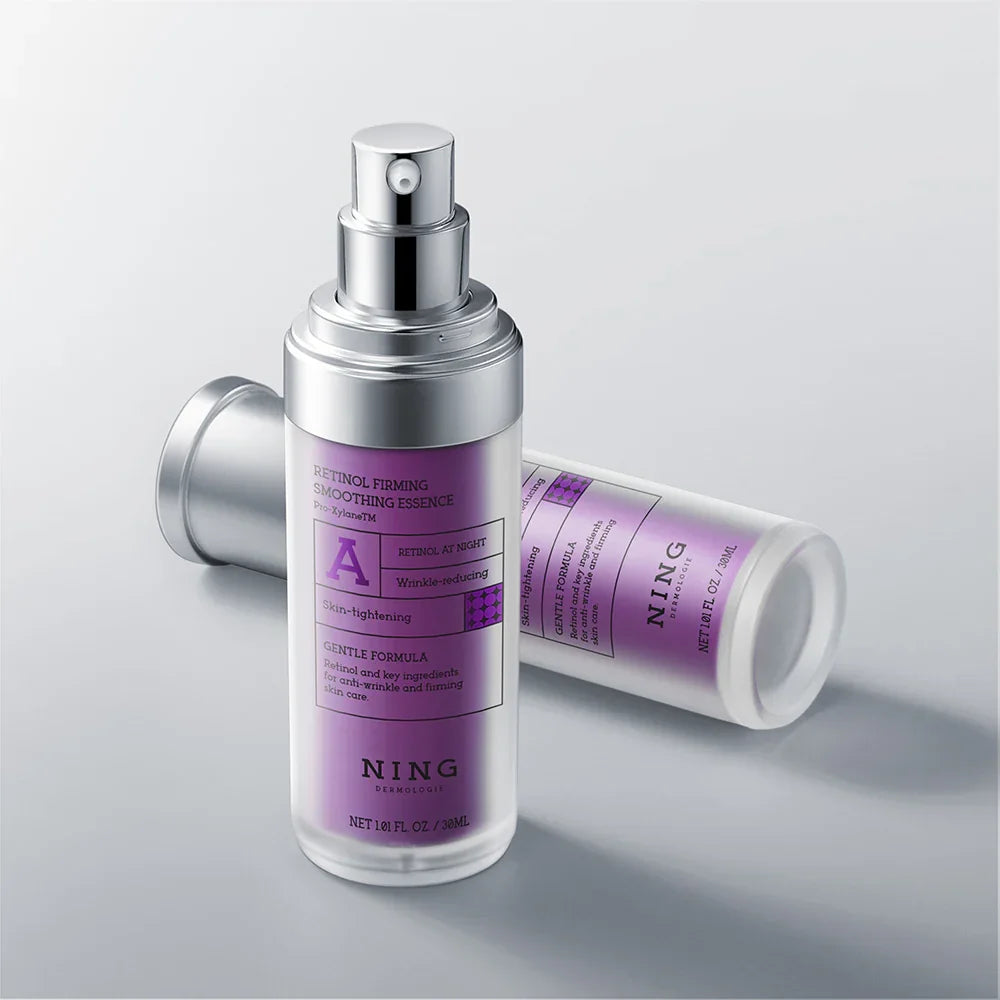
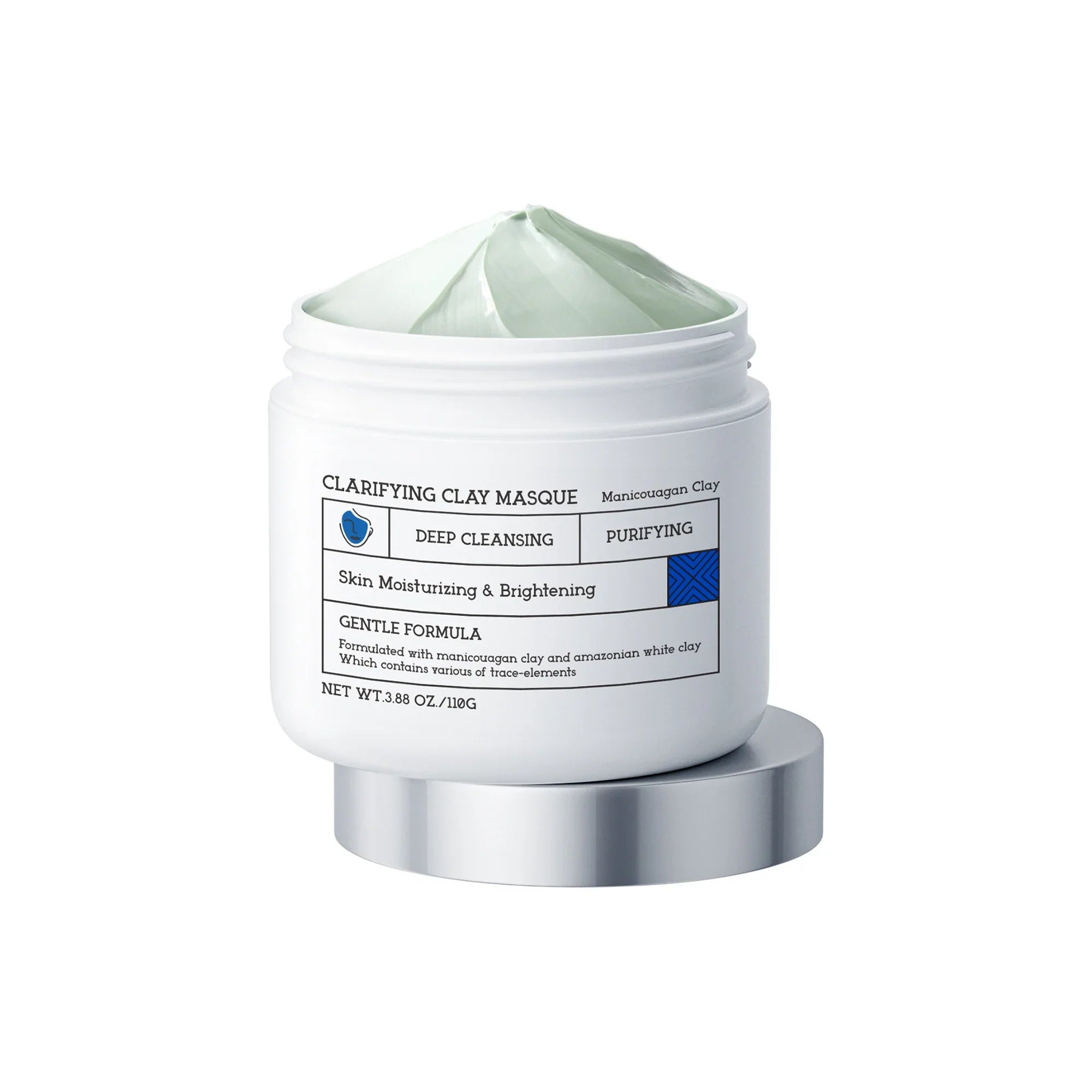
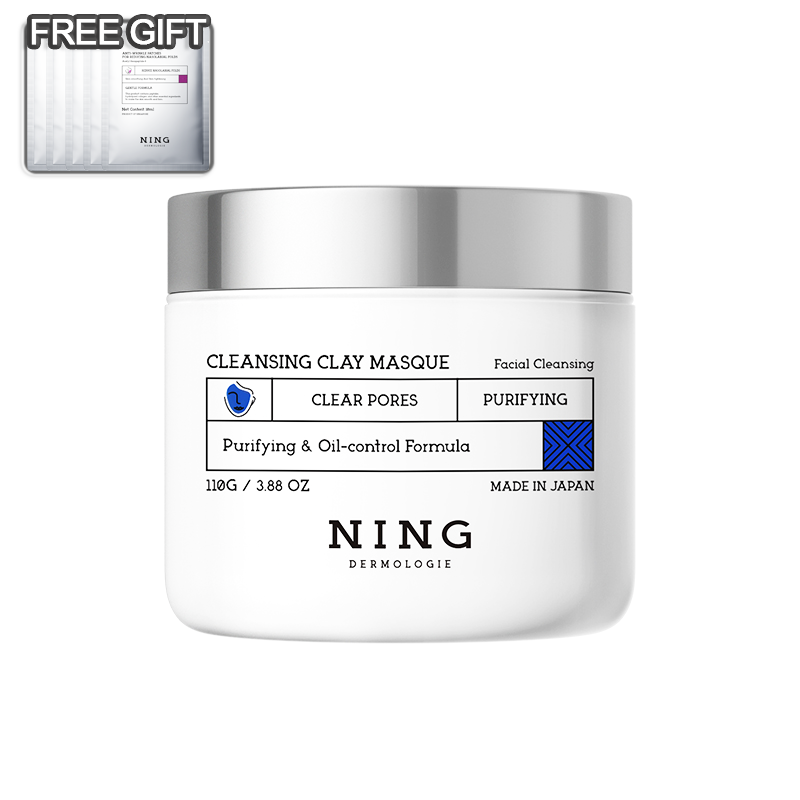
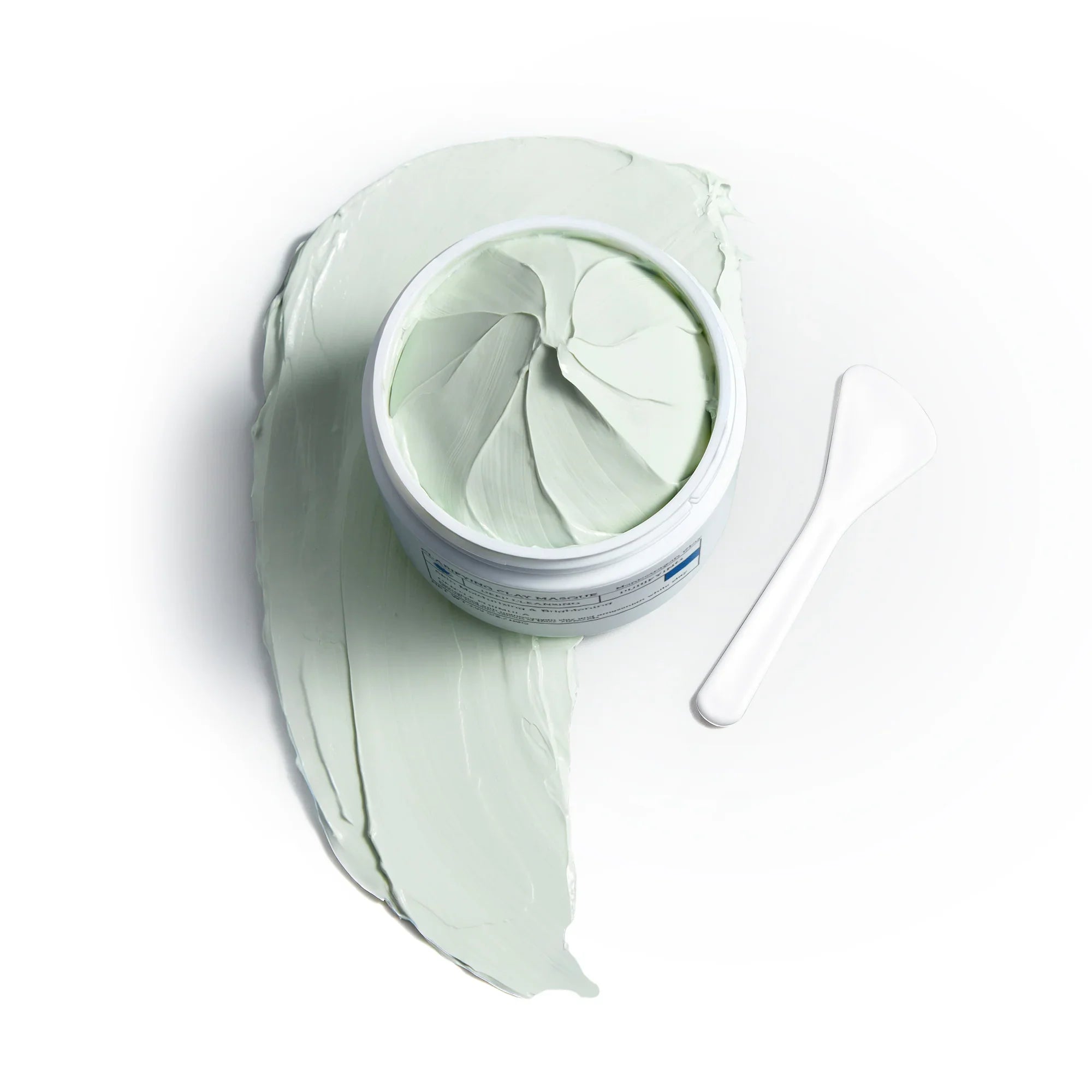
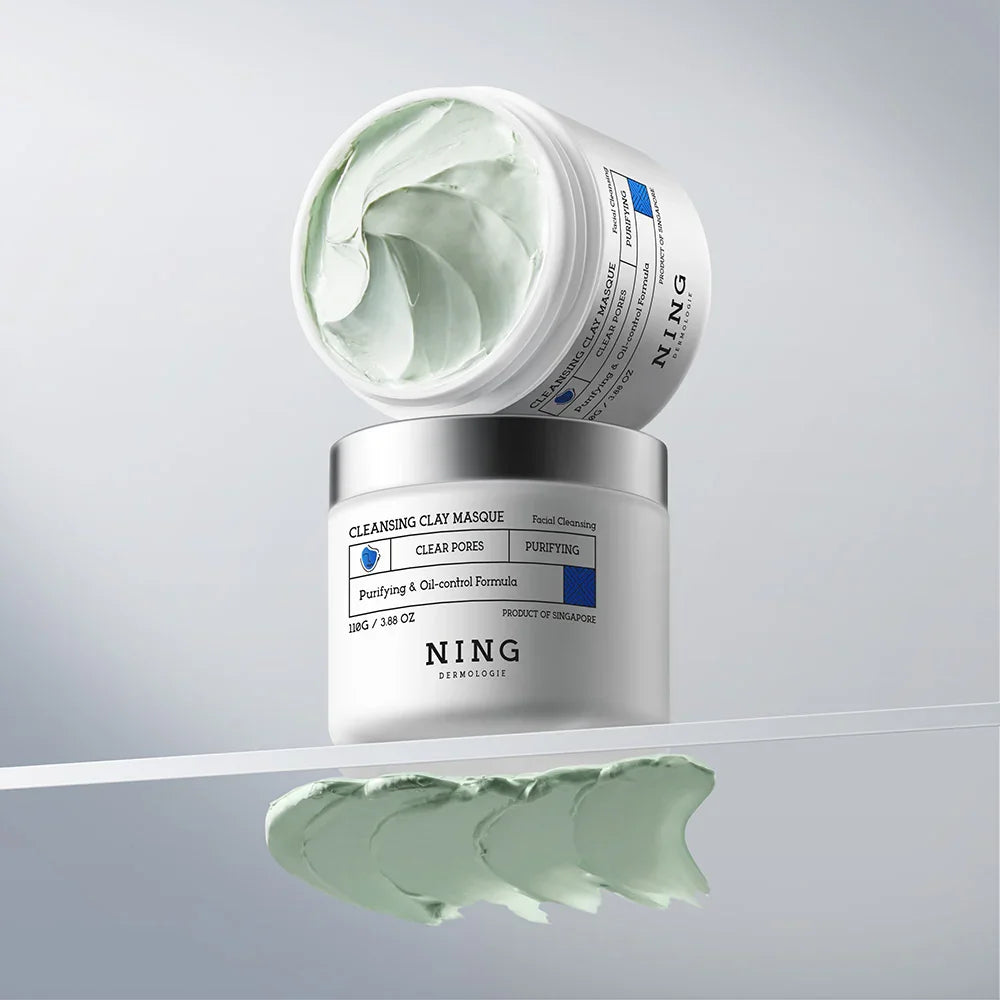
2. The Gentle Game Changer: NING Dermologie Clay Mask
Best for: Sensitive skin and barrier repair.
If you have avoided clay because it makes your face hurt, this is for you. NING Dermologie has cracked the code on creating a Clay Mask for Face Sensitive Skin that purifies without the "ouch" factor.
The Experience: Unlike the cracking, drying masks of the past, this formula stays creamy. It uses a sophisticated blend of clays that gently exfoliate dead skin cells while respecting the skin's microbiome. It targets impurities deep in the pore lining but leaves the surface hydration intact.
Why it stands out in 2025: Most clarifying clay mask formulas strip the skin. NING Dermologie proves that clay offers benefits even for delicate complexions. After rinsing, my skin didn't feel stripped; it felt balanced. It is arguably the best overall choice for those who want clear skin without the irritation.
Check it out here: Clay Mask for Face Sensitive Skin
3. The Medical Grade: Skinceuticals Clarifying Clay Masque
Best for: Acne-prone skin and active breakouts.
When you have active acne, you need more than just mud. Skinceuticals Clarifying Clay combines high-quality kaolin and bentonite with a hydroxy acid blend (AHA/BHA).
The Experience: This is a non-drying paste that works two ways: the acids exfoliate the surface to remove dead skin cells, while the clay pulls oil from beneath. It’s a mask to clear pores that also helps fade post-acne marks.
Verdict: It’s pricey, but if you are looking for the best for acne maintenance, this professional-strength purifying mask delivers visible results overnight.
4. The Texture Smoother: Kiehl's Rare Earth Deep Pore Cleansing Mask
Best for: Enlarged pores and combination skin.
This is a classic for a reason. Using Amazonian white clay, the Earth Deep Pore Cleansing Mask is fantastic at making pores look smaller visually.
The Experience: It has a smooth, gray, creamy consistency. It dries down fairly quickly but doesn't have that aggressive "cracking" feeling of pure bentonite. It excels at smoothing out skin texture on the nose and forehead.
Verdict: A solid, reliable pore clay mask that works well for T-zone maintenance.
5. The K-Beauty Star: Innisfree Super Volcanic Pore Clay Mask 2X
Best for: Blackhead removal and cooling.
Korean skincare is always ahead of the curve. This mask uses volcanic clusters from Jeju Island (which act similarly to bentonite clay) combined with lactic acid.
The Experience: It has a unique cooling sensation when applied. It contains tiny capsules that burst to provide physical exfoliation as you wash it off. It’s marketed as a super volcanic pore clay mask for a reason—the absorption power is high.
Verdict: One of the top clay masks for teenagers or anyone dealing with excessive summer grease.
6. The Luxury Detox: Fresh Umbrian Clay Pore Purifying Face Mask
Best for: Dry skin that needs a reset.
Can a clay mask be hydrating? Almost. Fresh Umbrian Clay uses a proprietary clay from Italy that is incredibly mineral-rich.
The Experience: It feels like a spa treatment. It smells earthy (like expensive mud) and doubles as a spot treatment. Because it is so fine, it doesn't micro-tear the skin. It helps balance oily skin without creating dry patches.
Verdict: If you have the budget, this purifying clay treatment feels luxurious and leaves skin feeling soft, not sandpaper-y.
7. The Resurfacing Hybrid: Tatcha The Clarifying Clay Mask
Best for: Uneven skin tone and dullness.
This is technically a clay mask, but it warms up on the skin. Tatcha The Clarifying Clay Mask uses Okinawa Kucha clay (mineral-rich) and Konjac exfoliation beads.
The Experience: The warming sensation opens up the pores, allowing the clay to work deeper. As you rinse, the Konjac beads gently scrub away dullness. It’s a mask to clear pores and brighten skin tone simultaneously.
Verdict: The best for uneven texture if you prefer physical exfoliation combined with clay absorption.
8. The Acid Kicker: Volcanic AHA Pore Clearing Clay
Best for: Stubborn congestion.
Rounding out our list of the 8 best clay masks is a category of products that fuse volcanic ash with heavy doses of Alpha Hydroxy Acids (AHAs).
The Experience: These masks usually tingle. They are designed to dissolve the "glue" holding dead skin together while the clay absorbs the oil.
Verdict: Great for tough skin types, but avoid if you have sensitive skin or rosacea.
How to Choose the Best Clay Masks for Your Skin Type
Navigating the aisle of top-rated clay masks can be confusing. Here is a cheat sheet to help you chose the best clay masks for your specific needs in 2025.
Oily and Acne-Prone Skin
You want strong absorption. Look for bentonite clay or green clay (like French Green Clay) high up on the ingredient list. The best clay masks for oily skin will often include sulfur or salicylic acid to help kill bacteria. The goal is to control sebum without triggering a rebound effect where your skin produces more oil to compensate.
Sensitive Skin
Be careful. A traditional healing clay mask might be too intense. Look for kaolin clay, pink clay, or specialized formulas like the NING Dermologie mask mentioned above. These clay masks can help detoxify without disrupting your acid mantle. You want a skin feeling clean, not stripped raw.
Dry or Combination Skin
You need a multi-tasker. Look for creamy masks that contain glycerin or aloe vera. A mask for oily areas (T-zone) might be needed, while you leave your cheeks alone. This is called "multi-masking." Clay masks aren’t just for teenagers; they just need to be used strategically for drier skin types.
Buying Guide: What to Look for in a Clay Mask
When you go buying clay masks, ignore the flashy packaging. Turn the bottle over.
-
The "Dry" Factor: Does the second or third ingredient promise hydration? If not, and you don't have super oily skin, put it back.
-
The Acid Content: Many masks of 2025 now include chemical exfoliants. If you are already using Retinol or strong toners, a volcanic AHA pore clearing clay might be overkill.
-
The Texture: Pure clay powders last longer but are messy. Pre-mixed tubes are convenient but often contain preservatives.
Best places to buy: While Amazon is convenient, buying direct from brand sites (like Ning Dermologie) ensures you aren't getting a counterfeit product—a huge issue with popular items like the Secret Indian Healing Clay Mask.

Pro-Tip: You Are Using a Clay Mask Wrong
Here is the secret that most brands won't tell you on the label: Don't let the clay mask dry completely.
We have been conditioned to think that when a clay face mask cracks and crumbles, it’s "working." In reality, there are three phases of a clay mask:
-
The Damp Phase: The skin drinks in the beneficial minerals.
-
The Start of Drying Phase: The mask cools and creates a vacuum effect, stimulating blood flow and pulling out impurities.
-
The Dry Phase: The clay draws out moisture from the skin cells, causing dehydration and irritation.
To get the best skin results, wash the mask off when it is sticky to the touch but not yet cracking. This is how you clear pores without ruining your barrier.
Conclusion: The Best Clay Masks of 2025
The landscape of skincare (oops, almost used a buzzword there!)—the reality of skincare in 2025 is that we are smarter about our barriers. The best clay masks of 2025 are not just about sucking the life out of your pores; they are about balance.
If you want a recommendation:
- For a gentle, daily-friendly detox, grab the NING Dermologie Clay Mask for Face Sensitive Skin.
- For a once-a-month nuclear option for acne, keep a jar of Aztec Secret under the sink.
- For luxury texture smoothing, go with Tatcha or Kiehl's.
Consistent use of a purifying clay mask is still the most effective way to maintain clear pores and refined skin texture. Just listen to your skin, and don't let it crack!
Frequently Asked Questions (FAQ)
1. How often should I use a clay mask?
It depends entirely on your skin type. For oily skin, you can get away with using a clay mask 2 to 3 times a week. If you have dry or sensitive skin, limit it to once a week or even once every two weeks. Overusing clay masks can damage your moisture barrier, leading to more breakouts. Always follow up with a good moisturizer.
2. Do clay masks actually shrink pores?
Technically, pores do not have muscles, so they cannot "shrink" or close. However, clay masks remove the dirt, oil, and dead skin cells that stretch pores out. When a pore clay mask clears this debris, the pore appears smaller and tighter visually. So while the physical size doesn't change, the appearance of clear pores is improved significantly.
3. Can I use a clay mask if I have sensitive skin?
Yes, but you must be picky. Avoid bentonite clay mask formulas that are 100% clay or mixed with vinegar. Instead, look for kaolin clay or pink clay, which are gentler. Brands like NING Dermologie create specific clay masks for sensitive skin that hydrate while they cleanse. Always do a patch test on your neck before applying it to your face.
4. Should I put clay masks on pimples?
Yes! Clay masks make excellent spot treatments. Dab a small amount of a clarifying clay mask directly onto the blemish and leave it on overnight (or for 20 minutes). The clay helps draw out impurities and dry out the infection. Sulfur-based clay masks are particularly effective for this. It’s a great way to use a detox mask without drying out your whole face.
5. What is the difference between Kaolin and Bentonite clay?
Bentonite clay is volcanic ash and acts like a powerful sponge; it expands when wet and absorbs a massive amount of oil. It is the heavy lifter for acne-prone skin. Kaolin clay (often white or pink) is much finer and milder. It gently absorbs oil without stripping the skin, making it the best clay option for dry or sensitive types.
6. Why does my face get red after using a clay mask?
A little redness can be normal due to increased blood circulation (this is often called a "cutaneous vasodilation"). However, if your skin burns, itches, or stays red for more than 30 minutes, the mask was likely too harsh or you left the clay mask dry for too long. Next time, rinse it off while it is still slightly damp to avoid irritation.





Share:
Achieve Flawless Skin: Best Pore-Reducing Clay Masks of the Year
Revitalize Your Glow with These Best-Selling Clay Face Masks