

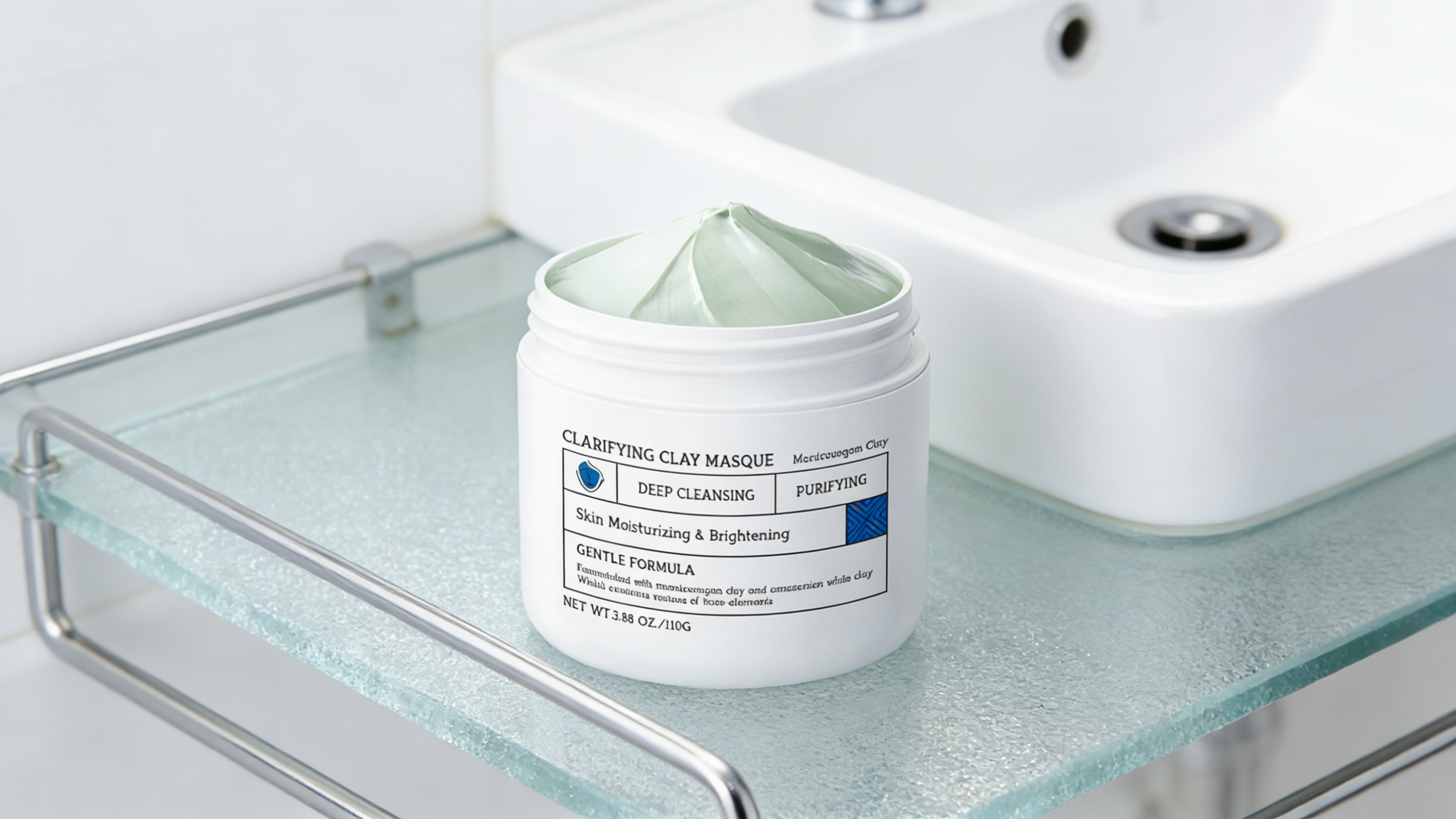

Revitalize Your Glow with These Best-Selling Clay Face Masks: The Ultimate Guide to Clear Pores
There is something incredibly satisfying about a clay mask. It’s the skincare equivalent of hitting a "reset" button. You’ve had a long week, your skin feels congested, and looking in the mirror reveals a dullness that your regular cleanser just can’t touch. We’ve all been there. You want to see those clogged pores clear out and feel that instant tightening effect.
But here is the problem. The world of face masks is overwhelming. From the Outset Purifying Blue Clay Mask to the classic Innisfree Super Volcanic jars, the options are endless. And if you choose the wrong one? You risk stripping your moisture barrier and turning a simple self-care night into a flaky disaster.
Whether you are battling an oily T-zone or trying to soothe sensitive flare-ups, finding the best clay mask isn't just about picking the prettiest packaging. It’s about chemistry. It's about finding the right formula that can purify without punishment.

The Science of the "Magnet": How a Clay Face Mask Actually Works
Before we dive into the best clay mask recommendations, let's talk about what is actually happening on your face. Think of clay as a sponge. When wet, the molecular structure of the clay swells. As it dries on your skin, it creates a capillary action—essentially acting like a vacuum for your pores.
This process is what allows a mask formulated with high-quality earth minerals to absorb excess oil (sebum) and draw out impurities that are buried deep. This includes environmental toxins, dirt, and the debris that leads to a nasty blackhead or a sudden breakout.
However, not all mud is created equal. A mud mask might feel similar to clay, but clay is specifically mineral-rich and geared toward detoxifying. The goal is to refine pores and create a smooth skin texture, but the intensity depends entirely on the specific type of clay used.
Decoding the Ingredients: Kaolin vs. Bentonite
If you are reading the back of a bottle, you usually see two main contenders. Knowing the difference is how you avoid irritation.
- Kaolin Clay (White Clay): This is the gentle giant. Kaolin clay is fantastic for those who want to gently exfoliate and clarify without aggressive stripping. It helps brighten a dull complexion and is generally safe for drier types.
- Bentonite Clay: This is the heavy lifter. Formed from volcanic ash, bentonite clay swells massively when mixed with water. It is the go-to for oily skin because it is ruthless at removing excess oil.
- Pink Clay: Usually a mix of red and white clays, this is a middle-ground option often found in a clay mask set designed for balancing.
- Active Additions: The best face treatments often combine clay with acids. You might see Salicylic acid (a BHA) to dissolve oil inside the pore, Sulfur to target active acne, or AHA (Alpha Hydroxy Acids) to munch away dead skin cells on the surface.
Finding Your Match: The Best Clay Mask for Your Skin Type
One size does not fit all. Using a harsh sulfur mask on dry cheeks will ruin your barrier, while a weak creamy mask won't touch the congestion of a true grease pit. Here is how to pair the right facial mask to your specific needs.
1. The Strategy for Oily and Acne-Prone Skin
If your face shines bright enough to reflect light by noon, you need a pore clearing clay that means business. You are looking for bentonite clay or a sulfur base. The objective here is to reduce excess oil and kill acne-causing bacteria.
Look for a clarifying clay mask that explicitly mentions unclog pores. Products like the Innisfree Super Volcanic clusters are famous here because they physically and chemically scrub the pores. A detox mask for this skin type creates a matte finish, helping to minimize the look of pores instantly.
2. The Solution for Sensitive Skin (Yes, You Can Use Clay!)
This is where things get tricky. People with reactive skin usually avoid clay because they are terrified of the "crack and burn" sensation. But avoiding clay means missing out on the deep clean your pores need.
You need a formula that focuses on hydration alongside purification. You want Kaolin or specific pure clay blends that are buffered with soothing botanicals.
This is where NING Dermologie has changed the game.
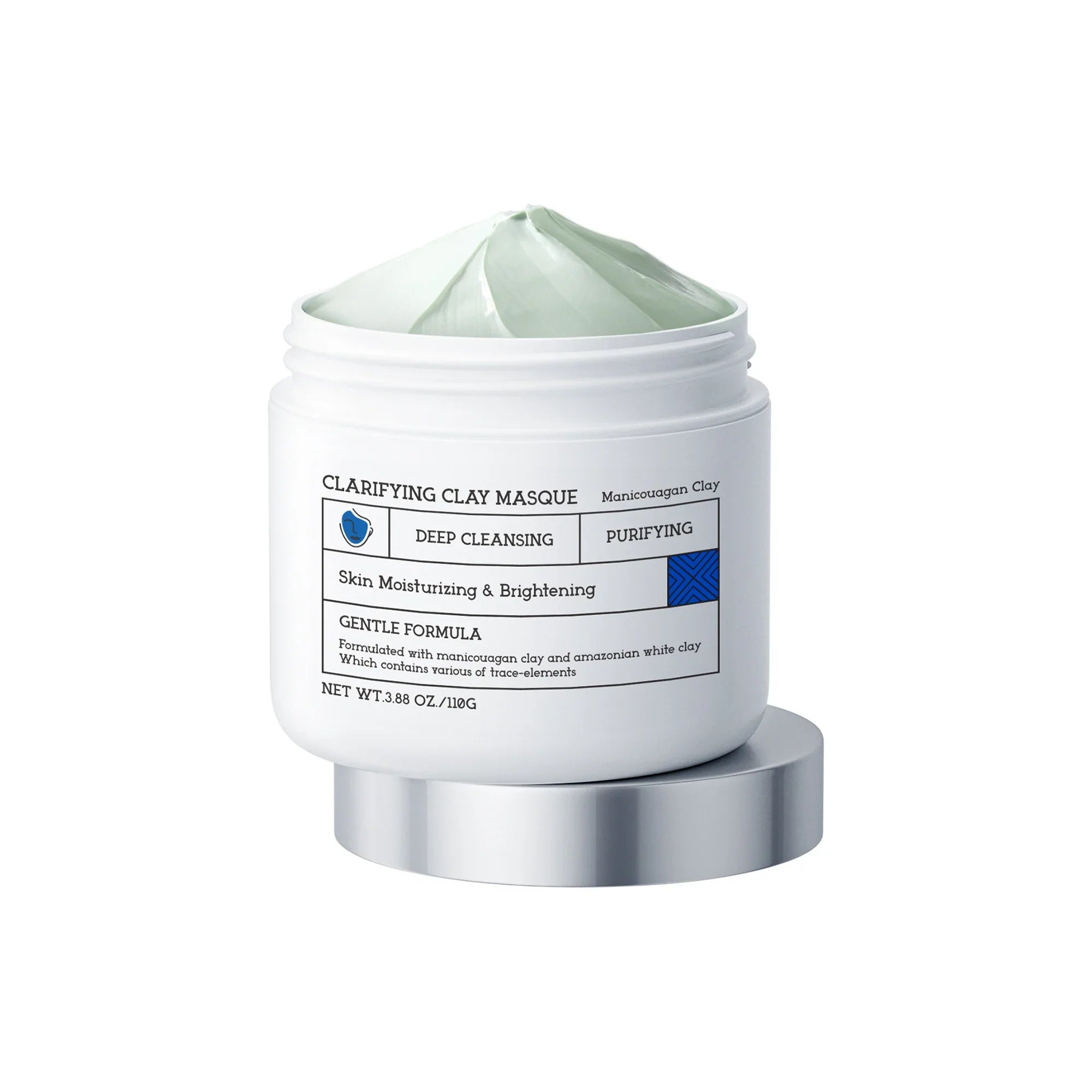
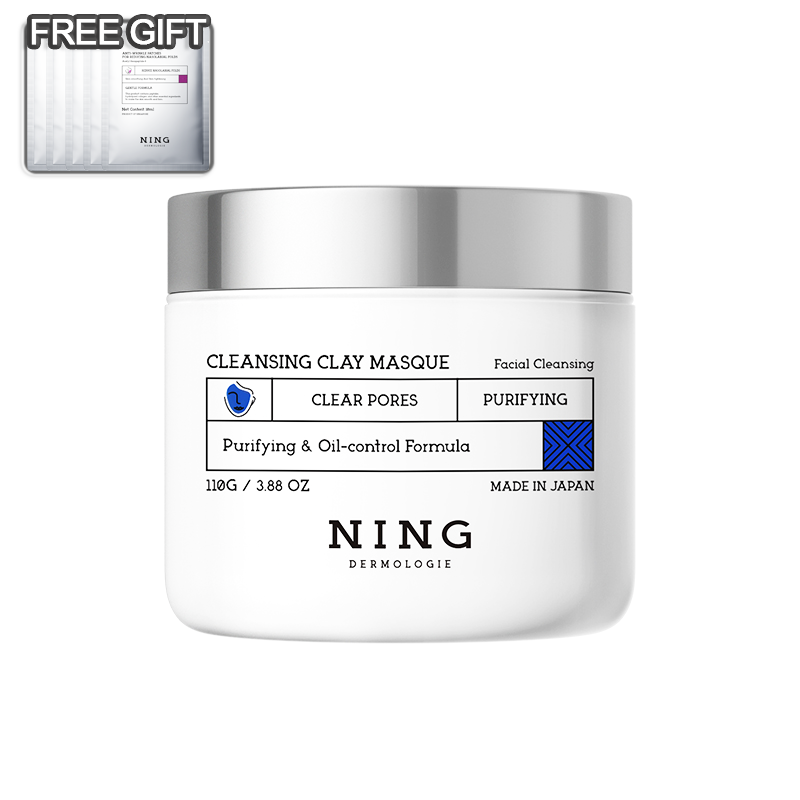
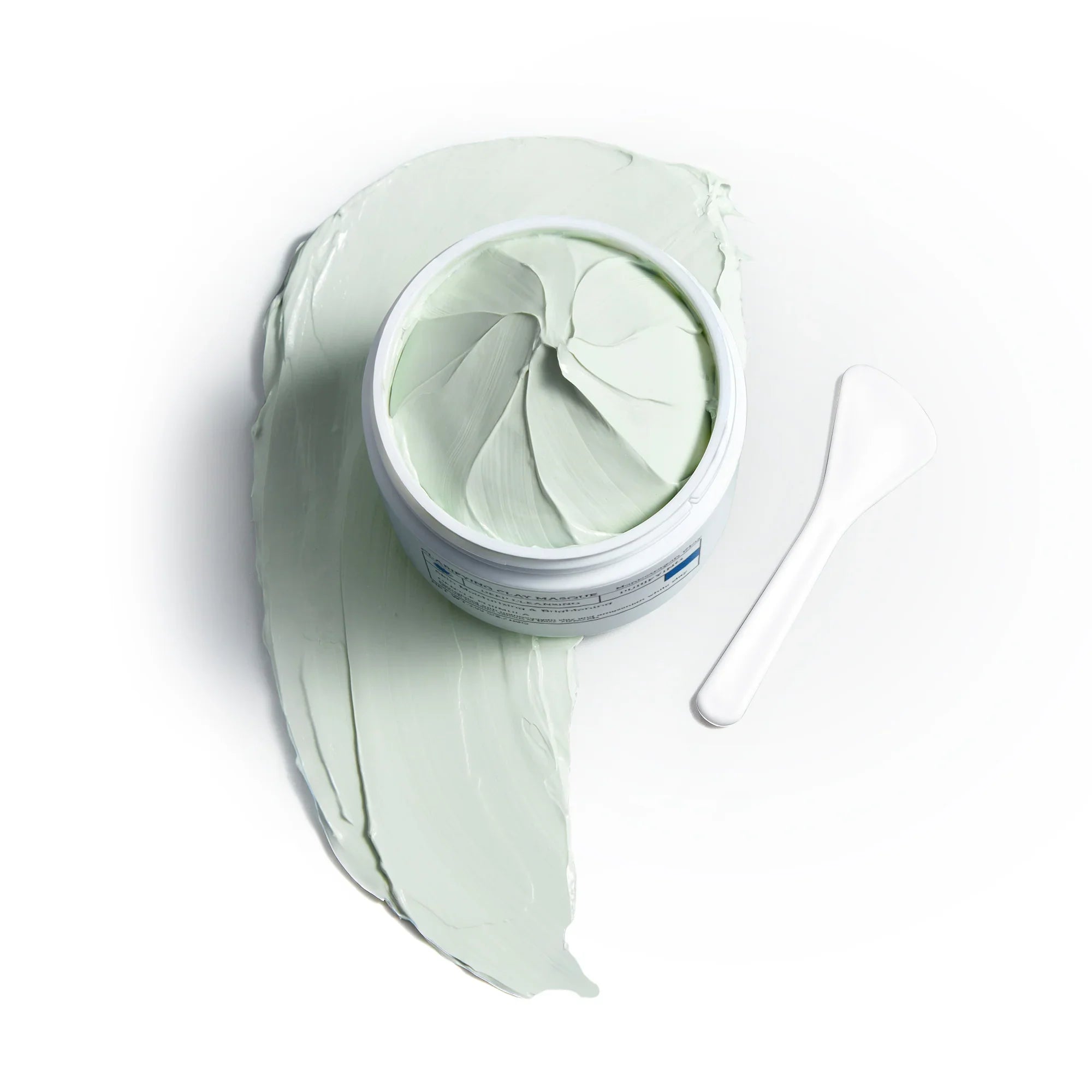
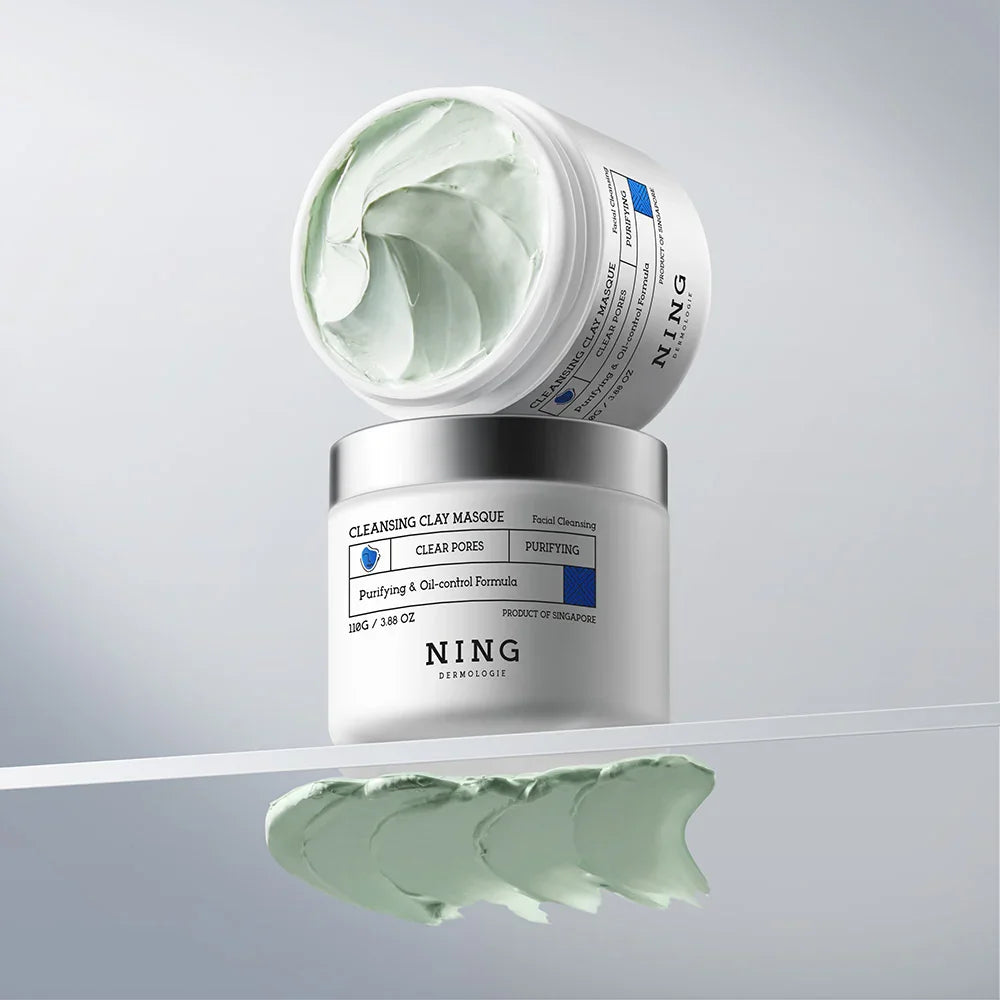
We noticed that most "gentle" masks were too weak to actually clean, while the strong ones left red patches. That is why we developed our Clay Mask for Face Sensitive Skin.
It’s not just a mask; it’s a therapy session for reactive pores. We utilize a specialized blend that manages to purify the skin and tighten the appearance of pores, but we infused it with ingredients to nourish and hydrate. It doesn’t dry down to that uncomfortable, cracking cement texture. Instead, it stays relatively soft, allowing the kaolin to do its work while hyaluronic acid ensures your skin feels plump, not stripped. It is the best clay mask for anyone who wants glass skin without the irritation.
3. The Approach for Dullness and Rough Texture
If your main concern is a lackluster tone or rough patches, you need a mask that doubles as an exfoliator. Look for clay and aloe blends or masks containing AHA. The acids loosen the glue holding dead cells together, while the clay whisks them away. This dual action helps to refine the surface and brighten your overall glow.
How to Apply for Maximum Results (Don't Make These Mistakes)
Even the best splurge product will fail if you use it wrong. Here is the ritual for a truly effective detox.
Step 1: The Prep Never apply a clay mask to a dirty face. Use a gentle cleanser first. For a pro move, use a warm towel or steam your face for two minutes. This softens the hardened oil (sebum) in the clogged pores, making it easier for the mask to draw it out.
Step 2: The Application Apply an even layer. If you have combination skin (oily T-zone, dry cheeks), consider "multi-masking." Use a strong clarifying mask on your nose and forehead, and a hydrating mask (like NING Dermologie) on your cheeks. This is often where owning a clay mask set comes in handy.
Step 3: The Timing (Crucial!) Do not wait for the mask to flake off your face! This is a myth. When a clay face mask dries completely to the point of cracking, it starts drawing moisture out of your skin cells, not just the oil. Rinse it off when it is tacky—dry on the edges but still slightly damp in the center.
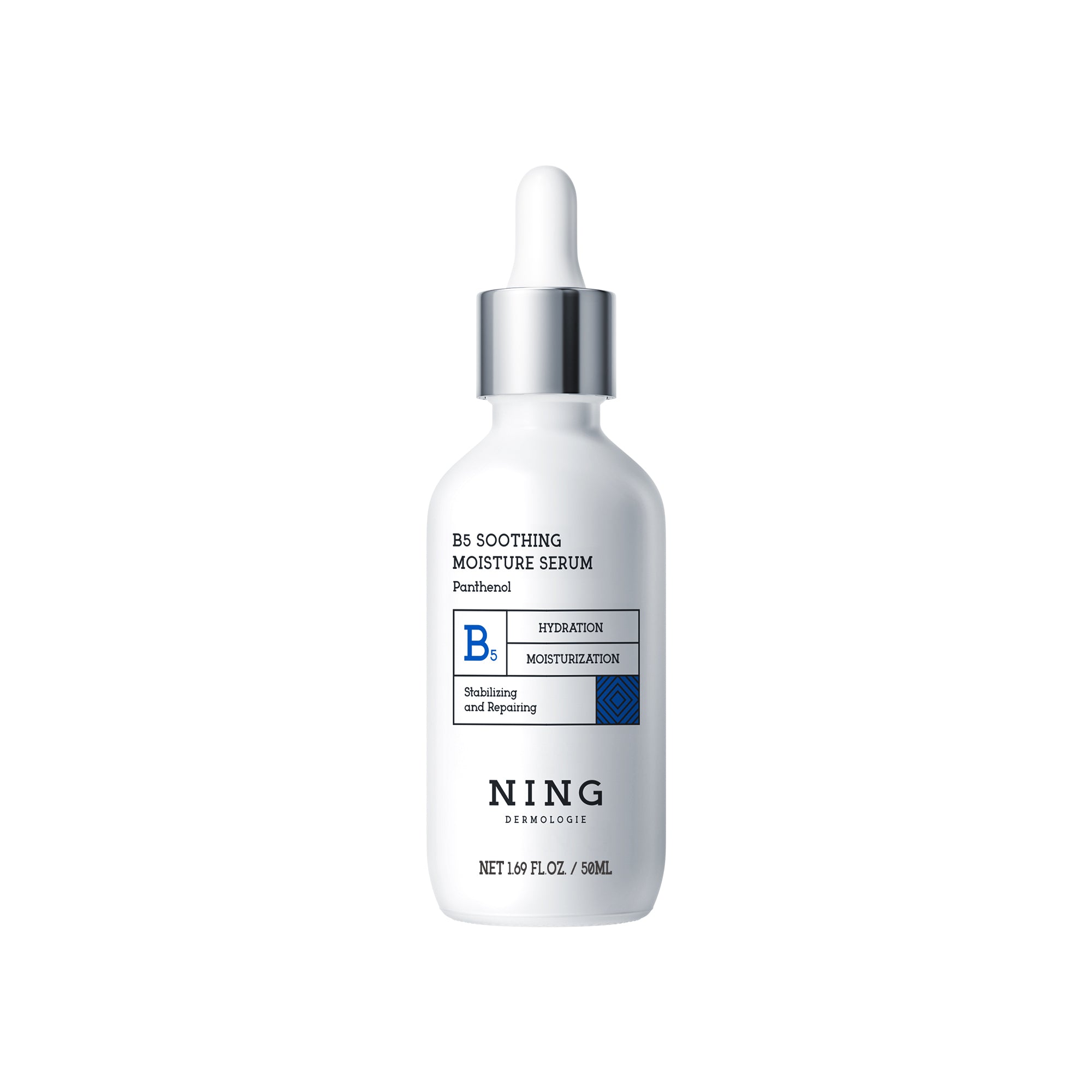
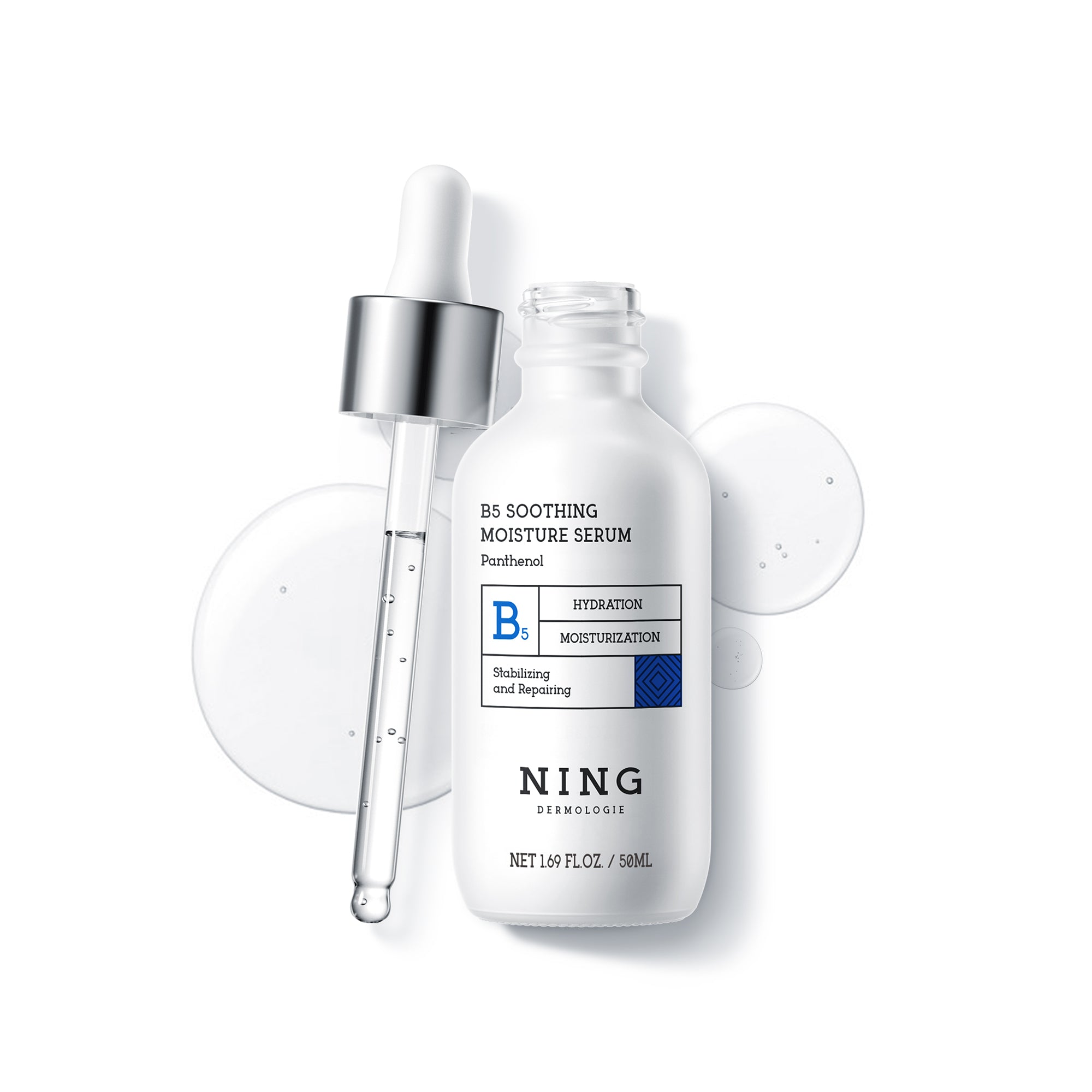
Step 4: The Aftercare Rinse with lukewarm water. Your pores are now clean, but they are also open and vulnerable. Immediately follow up with a toner and a face cream or serum. Since the mask has removed the oil, your skin needs immediate hydration to rebalance.
Best Overall, Best Splurge, or Best Budget?
The market is flooded. When looking for the best overall experience, you want versatility. A purifying blue clay mask is often a great middle ground. Blue clay is excellent for detoxifying without being as harsh as black charcoal.
- The Splurge: If you have the budget, the Outset Purifying Blue Clay Mask is a luxurious option. It feels creamy and provides a spa-like experience. These high-end masks often include extras like collagen boosters or rare botanical extracts to revitalize aging skin.
- The Smart Choice: For daily maintenance, especially for sensitive skin, NING Dermologie offers the utility of a high-end spa product without the aggressive markup or the aggressive ingredients. It effectively handles excess sebum while ensuring the skin feels soft.
Why Consistency is Key to Pore Clearing
You cannot use a mask once in a blue moon and expect glass skin. Pores re-clog. Oil production is continuous.
- Oily Skin: You can likely handle using a mask 2-3 times a week.
- Sensitive/Dry Skin: Stick to once a week.
- Spot Treatment: Got a massive pimple? Dab a tiny bit of a salicylic acid or sulfur mask just on the spot overnight to dry it out.
By incorporating a pore clearing clay treatment into your weekly routine, you stop the cycle of congestion before it turns into a breakout. It helps minimize the visual size of pores by keeping them empty. When a pore is full of gunk, it stretches open; when it is clean, it shrinks back down.

Final Thoughts: Revitalize Your Routine
Whether you are looking to detoxify after a city commute, smooth skin texture before a big event, or just enjoy 20 minutes of peace, a face mask is the answer.
Don't settle for tight, itchy skin. Look for a formula that respects your barrier. If you have been burned by harsh masks in the past, give NING Dermologie’s Clay Mask for Face Sensitive Skin a try. It’s time to unclog pores, refine your texture, and let your natural, healthy skin breathe again.
Frequently Asked Questions (FAQ)
1. Can I use a clay mask every day?
Generally, no. Using a clay mask daily is too drying for most people and can damage your moisture barrier, leading to more oil production as a rebound effect. For oily skin, 3 times a week is the maximum. For sensitive skin, stick to once a week. Always listen to how your skin feels; if it feels tight or itchy, scale back frequency.
2. Do clay masks actually shrink pores?
Technically, pores do not have muscles to open and shut. However, a pore clearing clay mask can significantly minimize the look of pores. When a pore is filled with dirt and excess oil, it stretches and looks darker (a blackhead). By removing this debris, the pore appears smaller, cleaner, and the skin looks smoother.
3. Should I wash my face before or after a face mask?
Before putting on the mask, wash your face. To get the key ingredients, like kaolin or salicylic acid, to work, you need to start with a clean surface. Otherwise, they will just sit on top of makeup or dirt. After using the mask, you should also wash your face well to get rid of any clay residue. Then, put on moisturizer.
4. Which clay is best for sensitive skin?
Kaolin clay (white clay) is the gold standard for sensitive types. It is fine-grained and gentle. Unlike bentonite clay, which absorbs oil aggressively, Kaolin gently removes impurities without stripping natural oils. NING Dermologie utilizes this gentle approach to ensure the skin remains hydrated and calm while still getting a deep clean.
5. Why does my face turn red after using a clay mask?
Temporary redness can happen due to increased blood flow to the surface (a stimulating effect). However, if it burns or stays red for an hour, your moisture barrier is compromised, or the mask was left on too long. To avoid this, do not let the mask dry completely until it cracks. Rinse it off while it is still slightly tacky.
6. Can clay masks help with acne?
Yes, absolutely. A clarifying clay mask helps remove the excess sebum and dead skin cells that clog pores and create pimples. Masks containing sulfur or salicylic acid are particularly effective as spot treatments to dry out active breakouts and reduce inflammation quickly, helping to clarify the skin.





Share:
A Comprehensive Review of the 2025 Best Bentonite Clay Masks
Sensitivity in Mind: The Ultimate List of Clay Masks for Gentle Care