

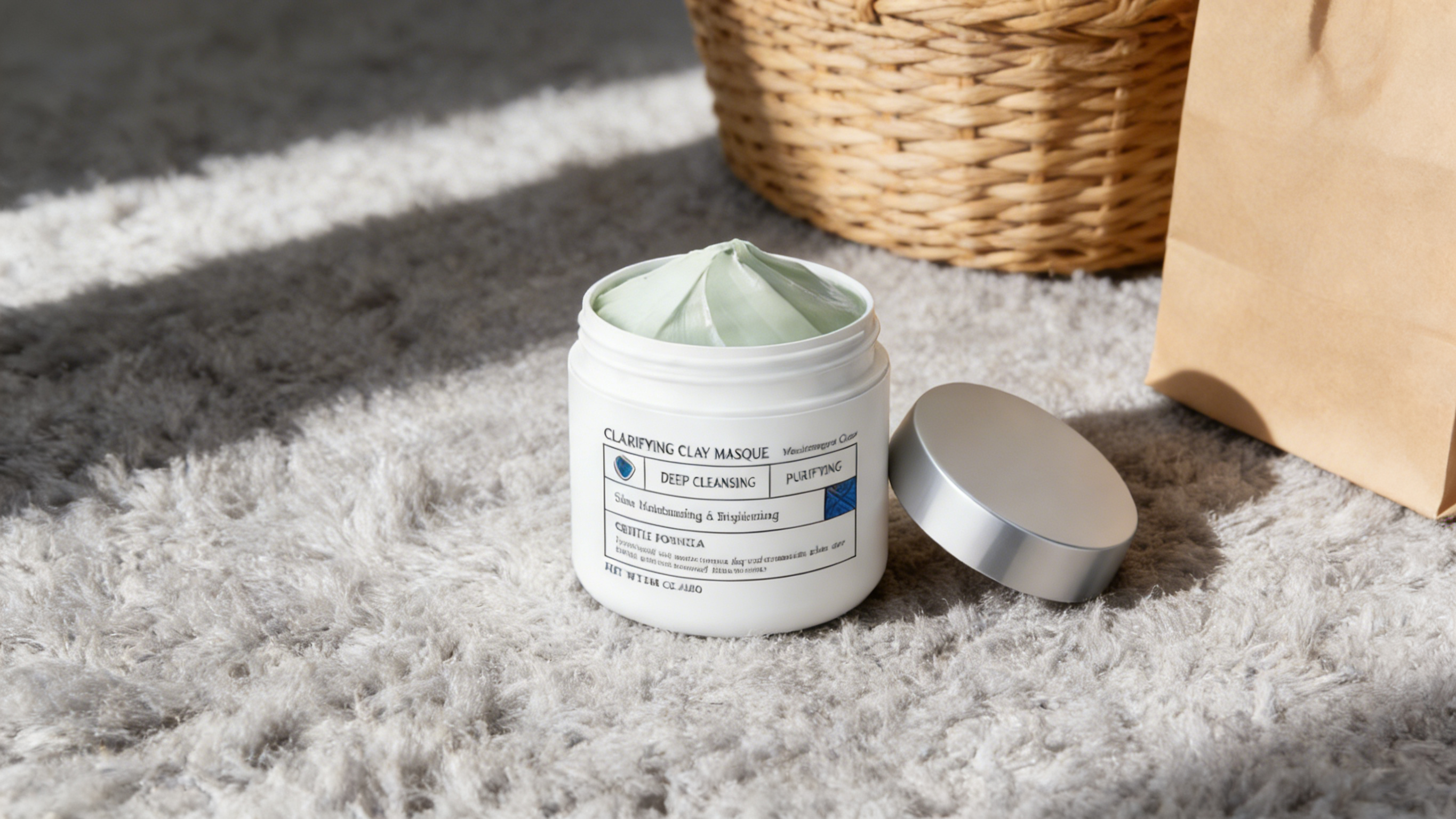

Sensitivity in Mind: The Ultimate List of Clay Masks for Gentle Care
For those of us with a reactive complexion, the idea of slathering mud on our faces can feel terrifying. You’ve probably heard the horror stories—or lived them. You apply a "purifying" mask hoping for a glow, but ten minutes later, your face feels like the Sahara Desert, and washing it off reveals a map of red, angry irritation.
But here is the truth that often gets lost in the noise of aggressive marketing: Not all clay masks are enemies.
The right clay mask for sensitive skin could be the last piece of the puzzle in your routine. It's important to know how the ingredients are made and how they work with your skin type. Whether you are battling clogged pores, excess oil, or uneven skin texture, clay can be a powerful ally—if you choose the best clay mask for your unique barrier.
This isn’t just a generic list; it’s a deep dive into how to use clay masks for sensitive faces without wrecking your skin barrier, featuring insights on NING Dermologie and why formulation matters more than the label on the jar.

Understanding Sensitive Skin: It’s All About the Barrier
We need to talk about what's going on below the surface before we get into the jars and tubes. It's very important to know how to care for sensitive skin. Your moisture barrier is probably broken if your skin turns red at the slightest touch, stings when you use active ingredients, or feels tight after you wash it.
Think of your skin barrier like a brick wall. On healthy skin, the mortar (lipids) is strong, keeping moisture in and irritants out. On sensitive skin, that mortar has cracks. When you apply a harsh face mask—specifically one designed for resilient, very oily skin types—it acts like a vacuum, sucking out not just the "bad" oil, but the essential lipids your skin desperately needs to stay calm.
However, impurities from the skin still need to go. Dead skin cells still pile up. This is where a gentle, purifying clay mask comes in. The goal isn't to strip the skin; it is to reset it.
The Best Clay Masks for Sensitive Skin: What to Look For
When you are shopping for a clay mask, ignore the bold claims on the front and turn the bottle around. The ingredient list is where the truth lives. The best clay for you depends entirely on how "thirsty" the clay is.
Kaolin Clay: The Gentle Giant
If you are looking for a choice for sensitive skin, Kaolin is your best friend. Often called white clay, it is the mildest of the bunch. unlike aggressive clays that pull everything out, Kaolin sits lightly on the surface, gently absorbing excess oil and softening dead skin cells so they can be rinsed away. It creates that smooth skin feeling without the "cracking" sensation.
Bentonite Clay: Handle with Caution
Bentonite is a powerhouse. It swells when mixed with water and acts like a magnet for toxins. While it is a best clay mask ingredient for severe acne, for super sensitive skin, it can be too much. If you see this high up on an ingredient list, ensure it is buffered with hydrating oils or aloe vera.
Rare Earths: Amazonian and Okinawa Clays
We are seeing a rise in Amazonian white clay and Okinawa kucha clay. These are fantastic because they are rich in minerals that support skin health while they detox. Okinawa kucha clay, in particular, has a unique electrical charge that helps lift dirt from pores without the abrasive friction of a scrub.
NING Dermologie: A Masterpiece of a Mask
At NING Dermologie, we realized that most "sensitive skin" masks were just watered-down versions of harsh products. We wanted to create something that actively soothed while it worked.
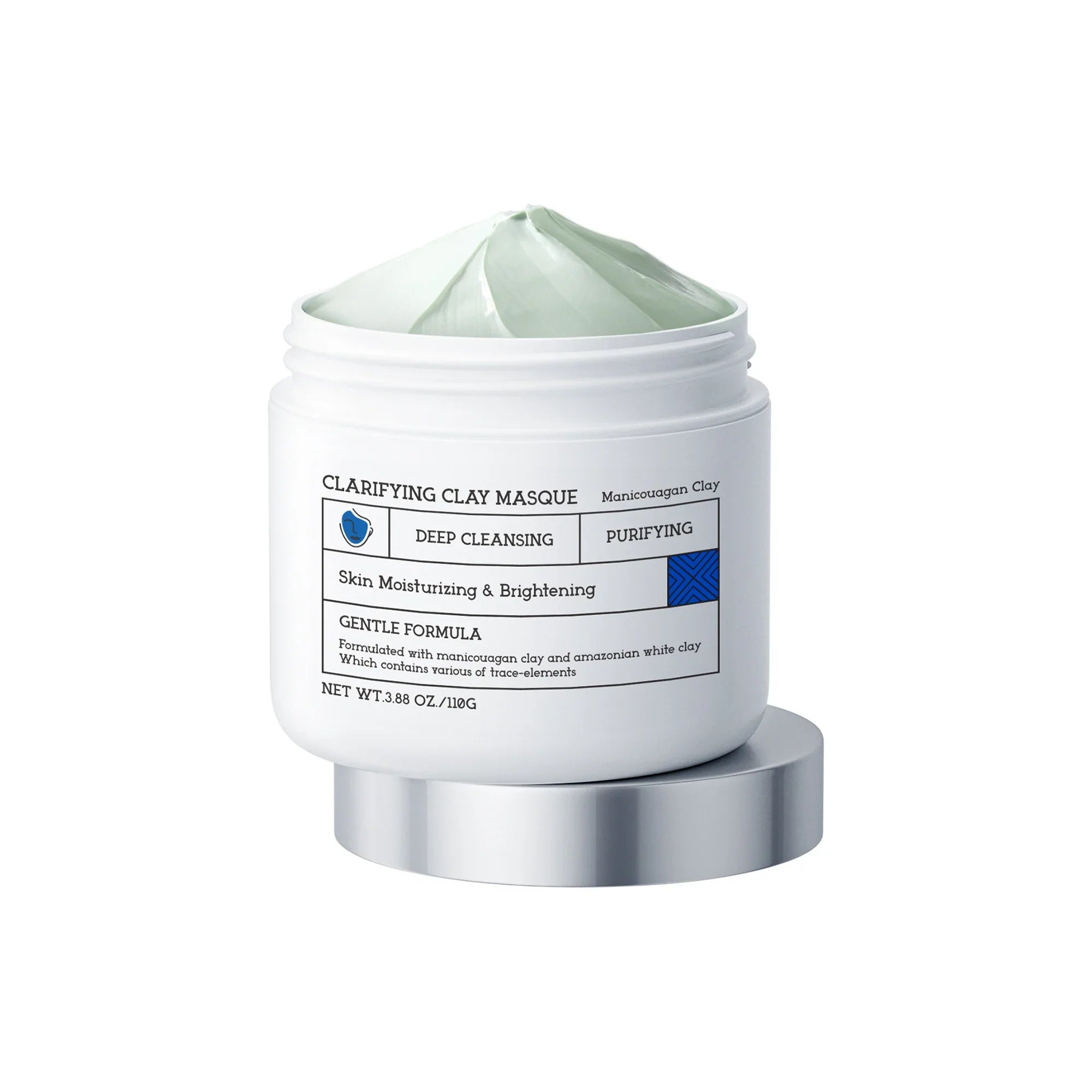
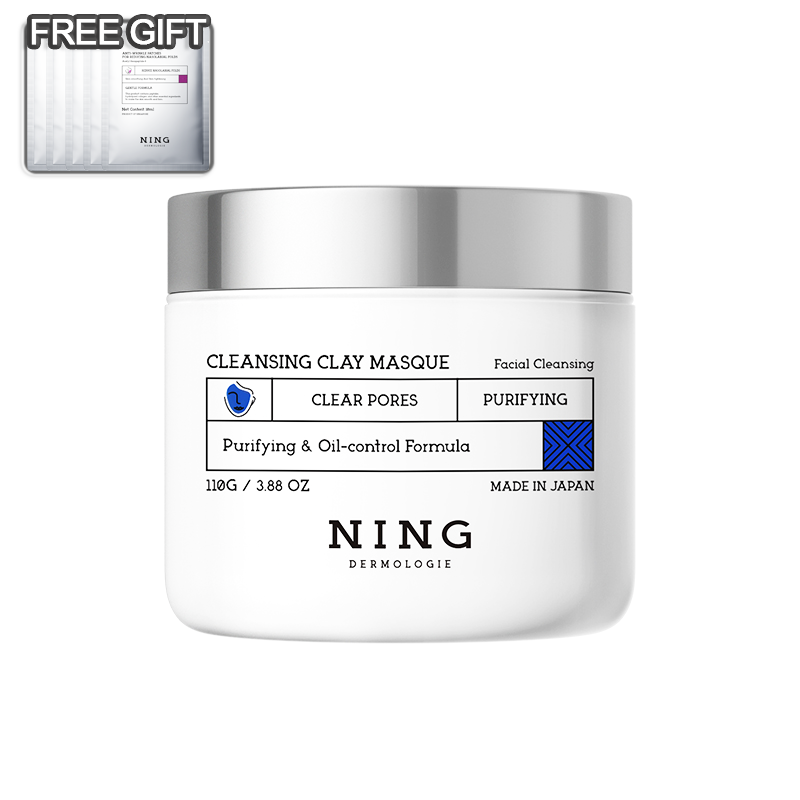
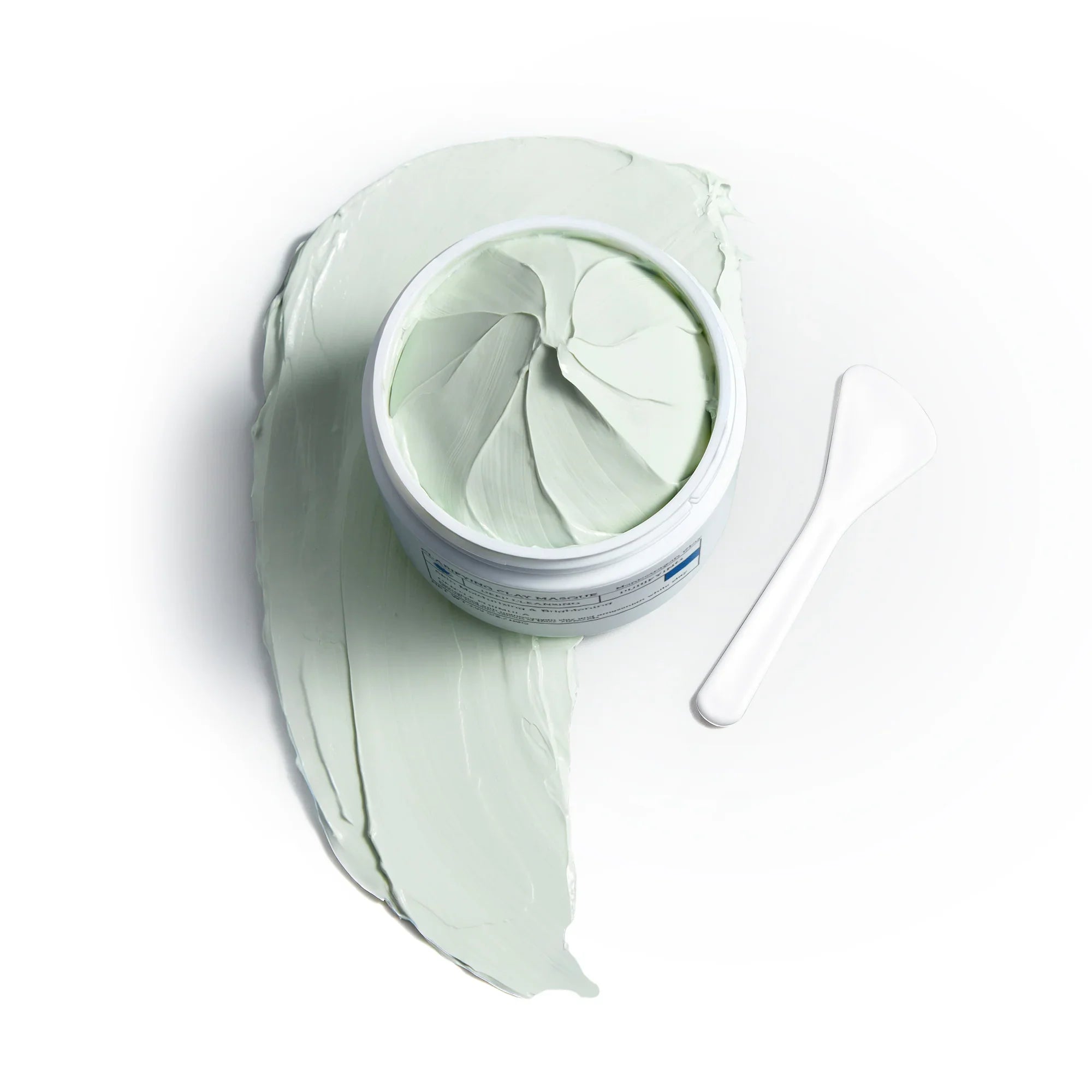
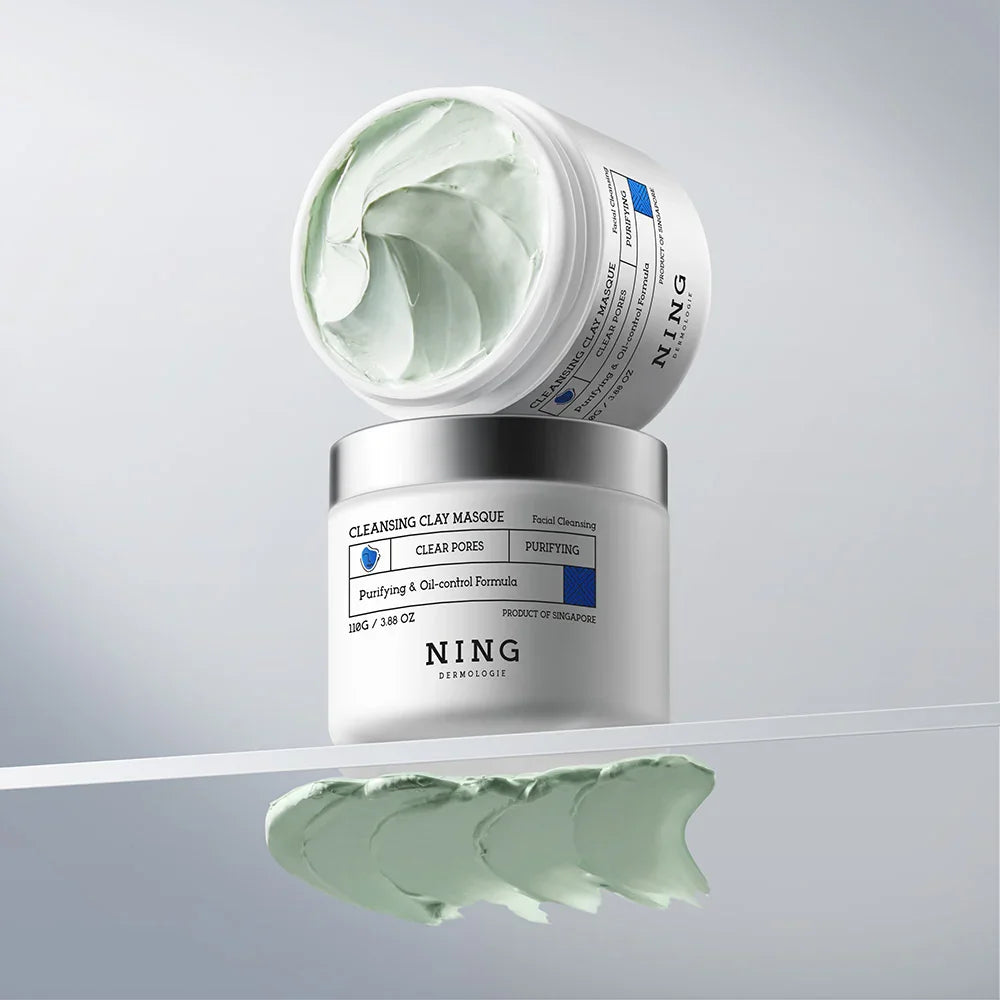
Our Clay Mask for Face Sensitive Skin was engineered to be the best overall solution for reactive types. Instead of just drying out spots, this mask works by using a blend of premium clays that target clogged pores while infusing the skin with calming botanicals.
When you use the NING Dermologie mask, you won't feel that terrifying stinging sensation. You’ll feel a cooling relief. It’s designed to improve skin texture and skin tone simultaneously. We found that this mask helps reduce the appearance of redness, making it a safe harbor for those who usually skip the masking step in their skin care routine.
Skin Type Matters: Customizing Your Clay Choice
Even within the realm of sensitivity, we all have different needs. Here is how to match the mask to your specific skin concerns.
Best Clay Mask for Oily Skin (That is Also Sensitive)
This is a tricky combination. You have grease you want to get rid of, but if you strip it, your skin produces more oil to compensate. The best clay mask for oily skin that is prone to irritation will use a blend. Look for green clay or French green clay mixed with glycerin or hyaluronic acid. The clay tackles the shine, while the hydrators protect the barrier. Clay masks work best here when used only on the T-zone (forehead, nose, chin).
Clay Masks for Acne-Prone Skin
Acne-prone skin is already inflamed. The last thing you want to do is scrub it. A clarifying clay mask containing sulfur or salicylic acid can help, but the base matters. A collagen mask base with clay infused can help maintain skin elasticity while treating the breakout. Clay masks for acne should be applied as spot treatments rather than full-face masks to avoid drying out the healthy skin around the pimple.
Best for Uneven Skin Texture
If your main issue is roughness or dullness, you need mild exfoliation. Umbrian clay or masks containing Mediterranean rose clay are excellent here. They provide a very fine physical exfoliation when you remove the mask. This helps in evening out skin tone and sloughing off the dull top layer, revealing fresh skin underneath. This is often the best for uneven skin because it doesn't rely on harsh acids that might burn.
Using a Clay Mask: The "Do No Harm" Technique
You could have the perfect face mask in your hands, but if you use it wrong, you will still get irritated. Here is the secret protocol that estheticians use—and it might contradict what you’ve read on the back of boxes.
-
The Prep: Never apply clay to a dirty face. Cleanse first. Your skin should be slightly damp—think of a sponge; it absorbs better when wet.
-
The Application: Don't cake it on. A thin, semi-transparent layer is enough. The mask contains active ingredients that work on contact; you don't need an inch of mud to see results.
-
The Timing (Crucial): This is where everyone messes up. Do not let the mask dry completely. You know that stage where the mask cracks, changes color, and you can’t move your mouth? That is bad. That is the clay drawing moisture out of your living cells. Remove the mask when it is still slightly sticky to the touch. This ensures the clay is a good guest—taking the dirt, leaving the water.
-
Removal: Do not scrub. Splash with lukewarm water to rehydrate the clay, then gently wipe away with a muslin cloth or your hands.
-
The Aftercare: Immediately apply your toner and moisturizer. Your skin after one use should feel soft and clean, not tight or squeaky.
Buying Clay Masks: What to Avoid
When you are buying clay masks, scanning for "No's" is just as important as looking for "Yes's."
- Fragrance: If it smells like a perfume factory, put it back. Fragrance is the #1 trigger for sensitive skin.
- Alcohol: Denatured alcohol gives a "cooling" feeling but destroys your lipid barrier.
- Gritty Bits: Some clay mask formulas add walnut shells or plastic beads. Avoid these. They cause micro-tears.
Look for masks with soothing additions like chamomile, centella asiatica, or allantoin. These ingredients tell you that the formulator had sensitivity in mind.
Why NING Dermologie is a Safe Bet
We designed our Clay Mask for Face Sensitive Skin to be the best clay mask for people who have given up on masks. We utilize clays that have a high cation exchange capacity (a fancy way of saying they pull toxins well) without high abrasiveness.
It is suitable for sensitive skin because we balance the pore-clearing power with barrier-supporting lipids. Whether you have combination skin or dry skin types, this mask adapts. It targets the excess oil in your T-zone without turning your cheeks into sandpaper. It is truly a choice for sensitive individuals who miss that spa-day feeling.

Integrating Clay Into Your Routine
Clay masks are an essential part of a holistic routine, but frequency is key. For normal skin, twice a week is fine. For us sensitive folks? Once a week, or even once every two weeks, is plenty.
Listen to your skin. If your skin feels smooth and looks calm, you’re on the right track. If you see redness, dial it back. Clay masks can help transform your complexion, but patience is the active ingredient.
Incorporating NING Dermologie into your Sunday night ritual can be that moment of self-care that actually pays off. It clears the clogged pores from the week, resets your skin tone, and preps your face for the week ahead.
Remember, the goal is healthy skin, not just "clean" skin. By choosing a mask for sensitive skin that respects your biology, you can enjoy the deep clean of clay without the side effects.
Frequently Asked Questions (FAQ)
1. How often should I use a clay mask if I have super sensitive skin?
For super sensitive skin, less is more. Start with once every 10 to 14 days. This gives your skin barrier plenty of time to heal between deep cleans. You can slowly use it more often, up to once a week, if your skin can handle it without getting red, stinging, or too dry. Always put how your skin feels ahead of a schedule. If you are experiencing an active flare-up (like eczema or rosacea), skip the clay mask until your skin has calmed down completely.
2. Can clay masks actually shrink my pores?
Technically, no product can physically change the size of your pores—that is determined by genetics. However, clay masks work to minimize the appearance of pores. When pores are filled with oil and dead skin (creating blackheads), they look larger and darker. By removing these impurities from the skin using a gentle product like the NING Dermologie mask, the pore walls can retract slightly, making them look tighter and your overall skin texture smoother and more refined.
3. Why does my face turn red after using a clay mask?
Transient pinkness can happen due to increased blood circulation, which is normal. However, if your face is bright red, hot, or stinging, it is a sign of irritation. This usually happens if you leave the mask on until it fully dries and cracks, or if the mask contains harsh acids or fragrances. To prevent this, rinse the mask off while it is still damp (sticky) to the touch. This provides the benefits of the clay without stripping your delicate moisture barrier.
4. Is it better to apply a clay mask before or after showering?
It is generally better to apply it before or during your shower (but don't let the water hit it directly). The steam from the shower helps to soften the hardened oil in your pores, making it easier for the clay to absorb it. If you apply it after a hot shower, your skin might already be stripped of oils, increasing the risk of sensitivity. Apply to cleansed skin, wait 5-10 minutes while you condition your hair, and then rinse gently.
5. Can I use a clay mask if I have dry, sensitive skin?
Yes, but you need to be picky. Avoid pure Bentonite clay, which is very drying. Look for clay mask formulas rich in Kaolin or Amazonian white clay, and ensure the product contains hydrating ingredients like glycerin, aloe, or oils. The NING Dermologie Clay Mask for Face Sensitive Skin is formulated specifically for this; it hydrates while it detoxes. Also, consider "multi-masking": apply the clay only to your oily T-zone and a hydrating mask to your dry cheeks.
6. Will a clay mask cause my skin to purge?
It is possible. Because clay masks for acne and congestion bring impurities to the surface, you might see a few new blemishes the day after using one. This is known as "purging" and is actually a sign the mask is doing its job by clearing out deep clogged pores. However, these breakouts should heal quickly. If you experience a rash, tiny red bumps, or persistent itchiness, that is not purging—that is an allergic reaction, and you should stop using the product immediately.






Share:
Revitalize Your Glow with These Best-Selling Clay Face Masks
Calm and Clear: Best Clay Masks Designed for Sensitive Skin Needs