

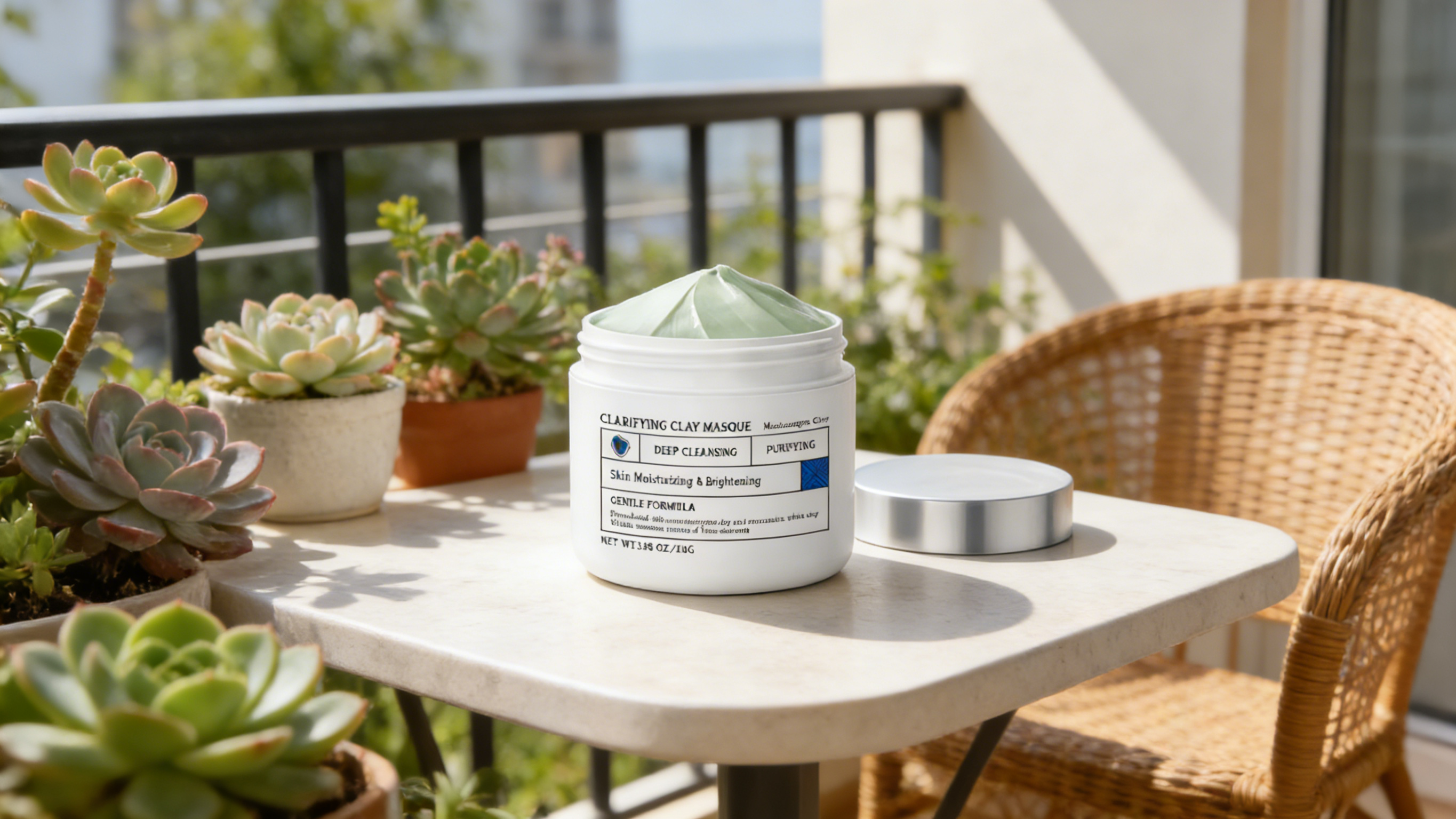

Calm and Clear: The 8 Best Clay Masks for Sensitive Skin to Soothe and Clear Pores
If you have sensitive skin, the words "clay mask" probably make you nervous. You might picture that tight, cracking sensation that feels like the moisture is being sucked out of your soul, leaving you with redness, stinging, and a compromised barrier.
For years, the narrative has been that if it doesn’t burn, it’s not working. But that is a lie.
The quest for a complexion that is calm and clear shouldn’t involve torture. While clay masks are famous for their ability to draw out impurities and absorb excess oil, standard formulas are often too harsh for delicate faces. But here is the good news: the game has changed. You don’t have to choose between a detox mask and a healthy skin barrier.
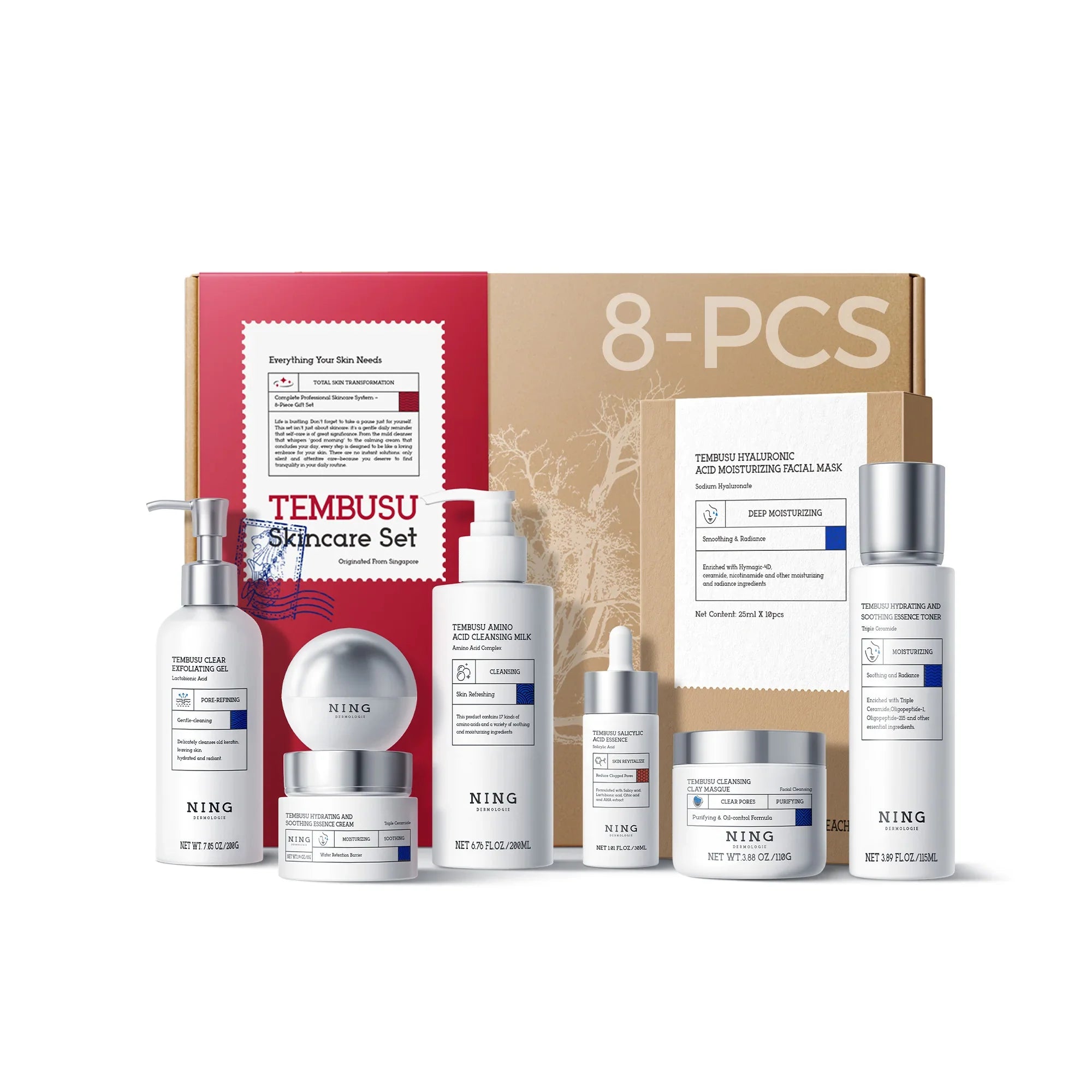
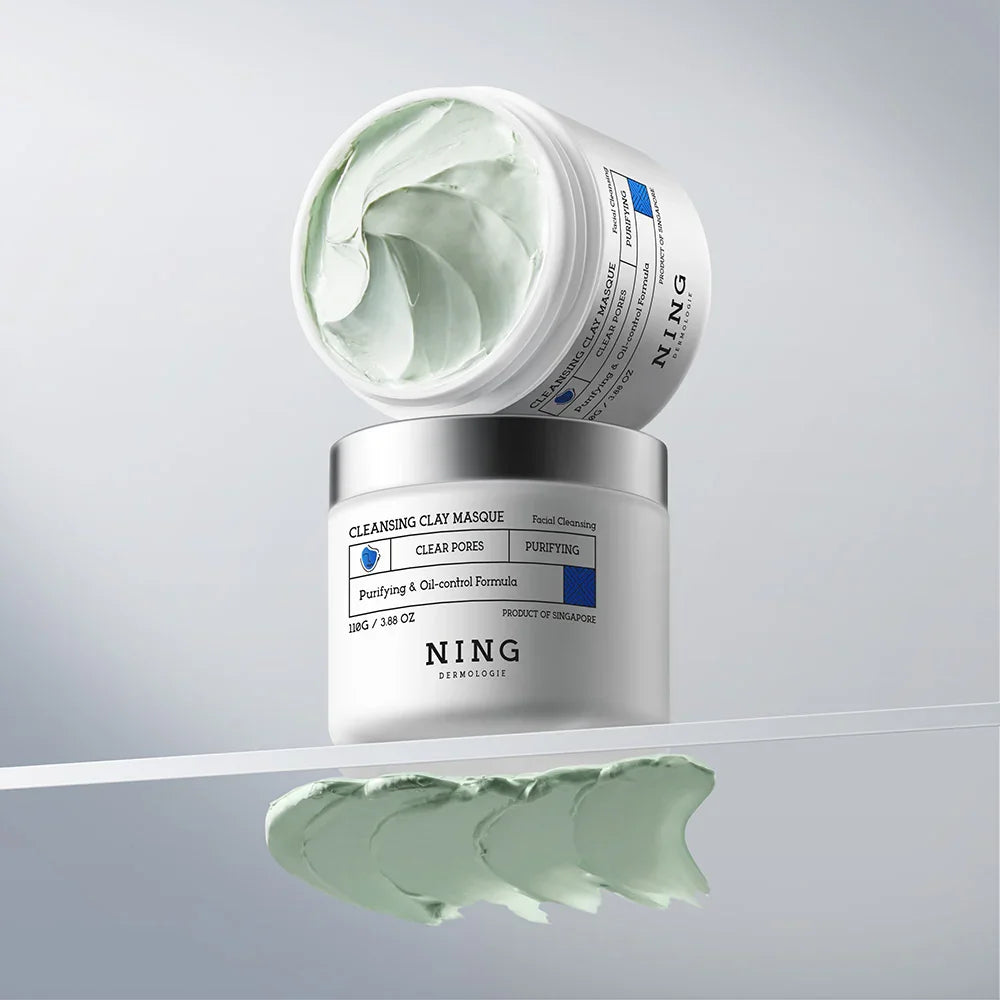
In this guide, we are going deep into the type of clay that actually works for you, how to clear pores without the burn, and a curated list of the 8 best clay masks—headlined by the game-changing NING Dermologie Clay Mask for Face Sensitive Skin—that prove you can have a deep clean and stay hydrated too.

Understanding Your Skin Type: Why Most Clay Masks Fail Sensitive Skin
Before we list the products, we need to talk about the biology of your skin type.
A traditional clay mask is best known for acting like a vacuum. It sits on the skin, dries down hard, and pulls everything out. For oily and acne-prone skin, this aggressive approach might feel satisfying initially. However, for sensitive skin or dry skin types, this is a recipe for disaster.
When a clay mask dries completely to that cracking stage, it starts to draw moisture out of the living skin cells, not just the oil sitting on top. This creates an imbalance. Your skin panics, thinking it's dehydrated, and often produces more oil to compensate, or it simply becomes inflamed and flaky.
The Clay Matters: Kaolin vs. Bentonite
Not all mud is created equal.
- Bentonite Clay: This is the heavy lifter. It swells when mixed with water and has a powerful electrical charge that pulls toxins. It’s fantastic for oily skin, but often too stripping for sensitive faces.
- Kaolin Clay (White Clay): This is the gentle giant. Kaolin clay sits lightly on the surface. It gently exfoliates and absorbs sebum without removing natural oils.
- Pink Clay: Often a mix of red and white clays, this is perfect for dull skin that needs a boost of radiance without the grit.
For sensitive skin, the goal is to find a formula that balances clearing power with soothing hydration.
The Top Contender: NING Dermologie Clay Mask for Face Sensitive Skin
This is where we start if you want the best overall experience that combines a clay mask that clears pores with a treatment that hydrates.
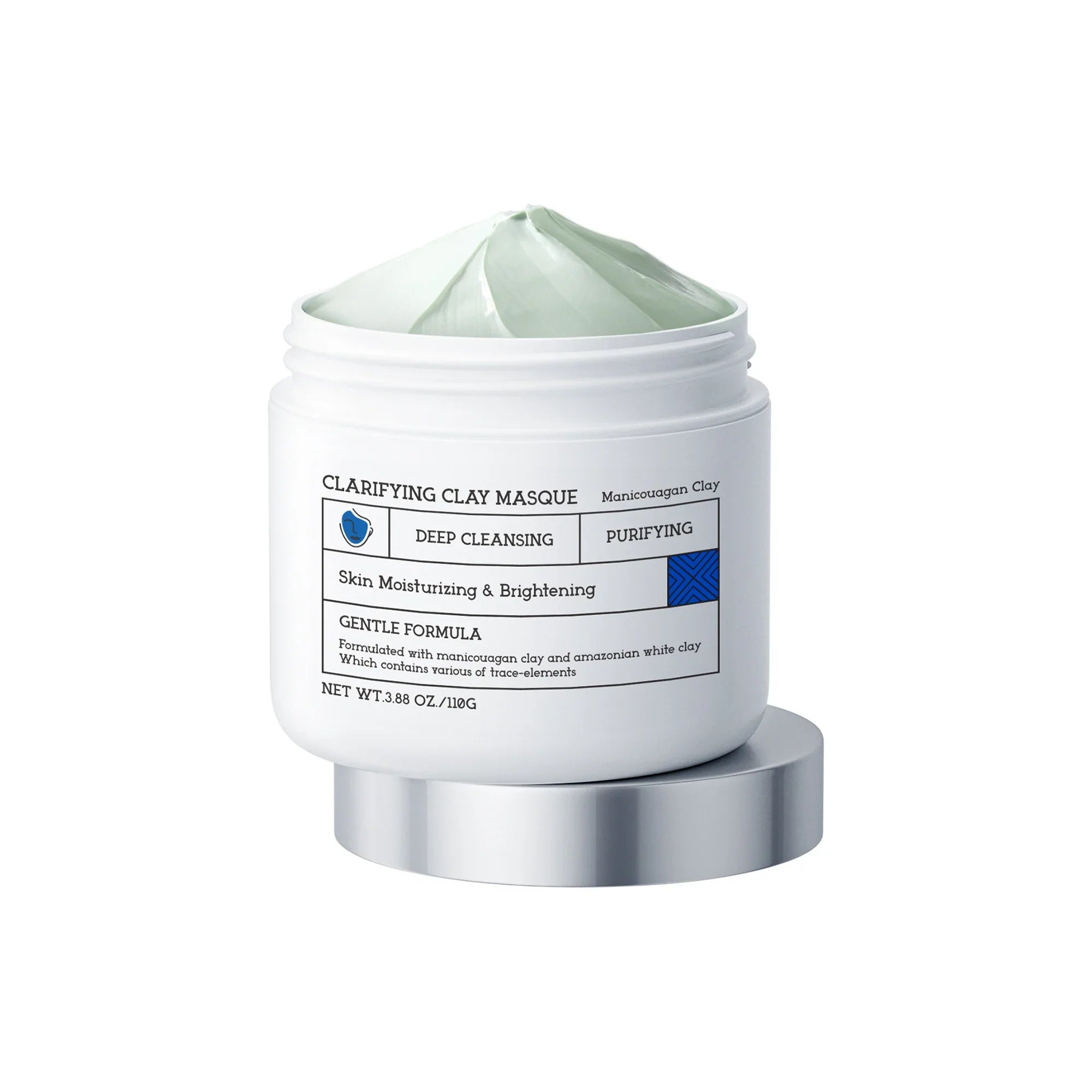
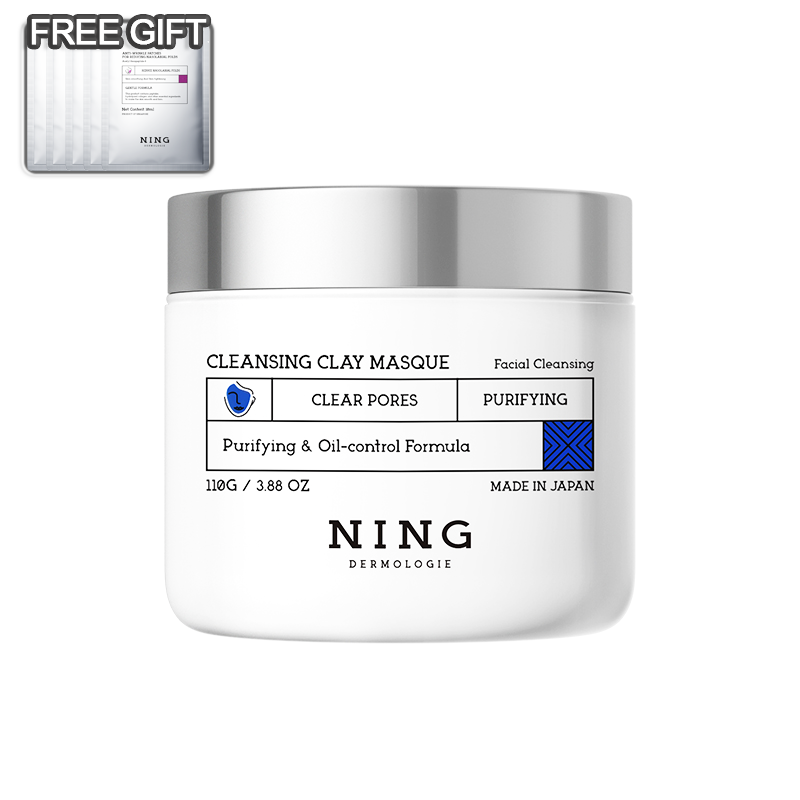
1. NING Dermologie: The Barrier-First Approach
We developed the Clay Mask for Face Sensitive Skin because we were tired of seeing sensitive skin users excluded from the deep-clean conversation.
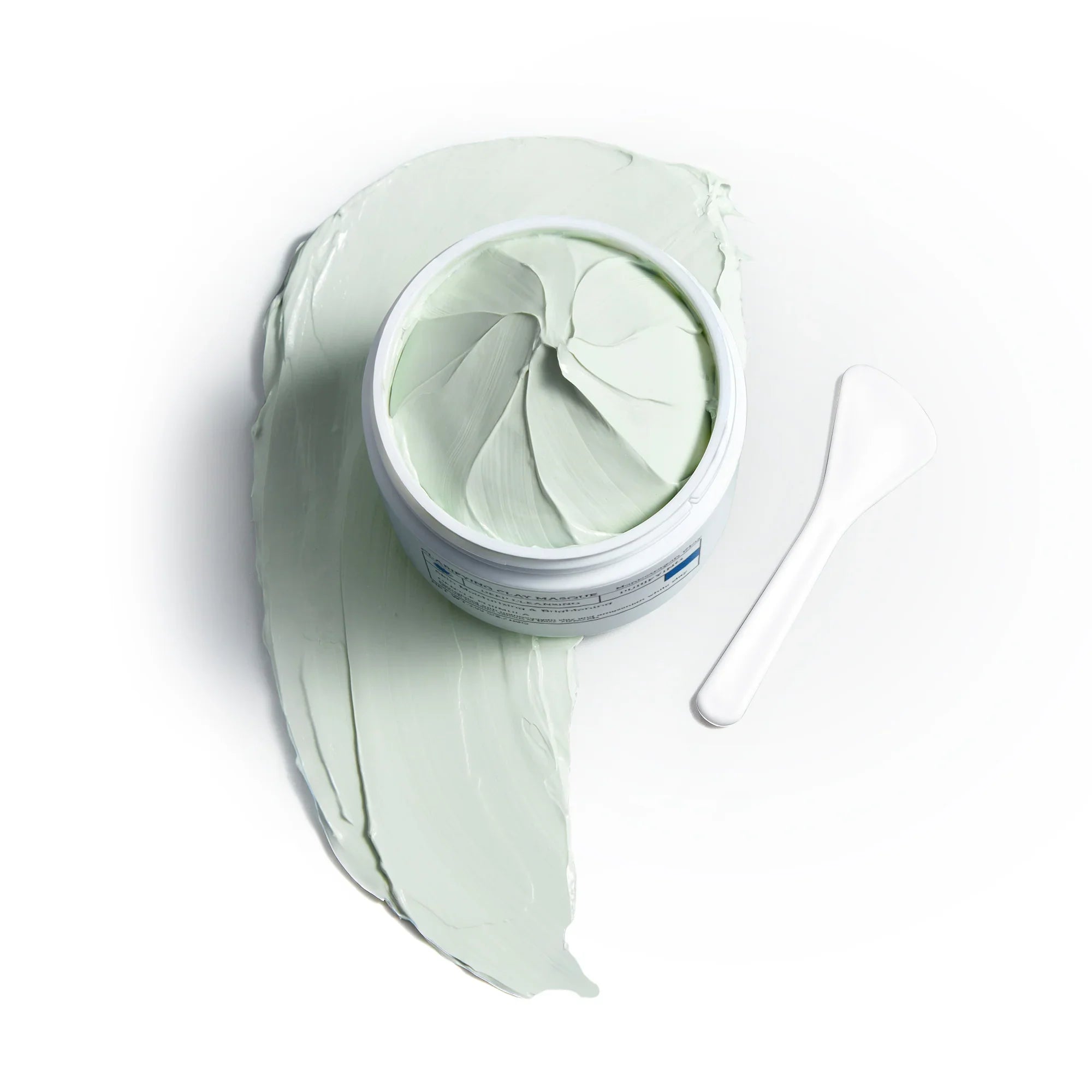
Most clearing clay masks rely heavily on alcohol to dry quickly or high concentrations of acids that sting. NING Dermologie flips the script. Our formula uses high-quality, fine-grain clay that targets impurity buildup and excess oil, but it is suspended in a creamy, hydrating base.
Why it works:
- Soothes Redness: Instead of irritating, it actively works to calm inflammation while it cleans.
- Doesn’t Dry Down Hard: It stays semi-pliable, meaning it won’t crack your face or leave skin parched.
- Clear Pores, Soft Skin: It manages to unclog pores effectively, leaving your skin texture refined and your skin tone even, not blotchy.
This is the best clay mask for sensitive skin if you want to detox without the drama.
The Other 7: Best Clay Masks for Every Skin Concern
While we believe NING offers the best balance, the market is full of options depending on your specific secondary concerns, whether you are battling acne-prone skin, dull skin, or severe congestion. Here is the rest of our lineup for the 8 best clay masks.
2. The Hydration Hero (Best for Dry Skin)
For those whose skin feel is rough and tight, look for masks labeled "hydro-clay." These usually contain hyaluronic acid alongside kaolin clay. They don't offer the deepest pore clearing, but they will gently exfoliate dead skin cells without hurting you. They prioritize skin elasticity over deep detoxification.
3. Skinceuticals Clarifying Clay Masque (Best for Oily, Non-Sensitive Areas)
If you have combination skin—meaning an oily T-zone but sensitive cheeks—the Skinceuticals clarifying clay is a staple. It combines kaolin and bentonite with mild hydroxy acids.
- Pro-Tip: If you are sensitive, only use this on your nose and chin. It creates a matte finish that is great for oily skin, but it might be too strong for full-face application on reactive skin types.
4. The Volcanic AHA Pore Clearing Clay (Best for Pores)
When blackheads are the main enemy, a volcanic AHA pore clearing clay mask is often recommended. Volcanic ash is extremely porous. Combined with Alpha Hydroxy Acids (AHAs), it chemically dissolves the "glue" holding dead skin together while the clay pulls out the debris.
- Warning: If you have sensitive skin, do a patch test. AHA can cause tingling.
5. The Salicylic Acid Specialist (Best for Acne-Prone Skin)
Acne-prone skin types often need more than just clay. They need a BHA. A clarifying clay mask infused with salicylic acid dives deep into the pore lining to dissolve oil.
- Breakout-prone skin benefits hugely from this combo. The clay soothes the surface oil, while the salicylic acid fights the bacteria. Look for low percentages (0.5%) if you are sensitive.
6. Pink Clay Brightener (Best for Dull Skin)
Australian Pink Clay masks have become trendy for a reason. They are essentially white clay with iron oxide. They are excellent for glowing skin. They boost circulation slightly, which can give you that "just had a facial" look. They are generally safe for sensitive skin as long as they are fragrance-free.
7. The 10-Minute Detox Mask (Best for Busy Schedules)
Some pore clay masks are formulated to work fast—drying in 5 minutes. These usually have higher concentrations of bentonite clay. They are effective at drawing out impurities quickly.
- Note: Sensitive users should wash these off before the 5-minute mark. Don't wait for the timer if it starts to itch.
8. The DIY Gentle Mix (Best for Total Control)
Sometimes the right face mask is the one you mix yourself. Buying raw kaolin clay powder and mixing it with apple cider vinegar (diluted!) or honey is a favorite for purists. It ensures there are no preservatives coming in contact with the skin. However, it can be messy and lacks the sophisticated soothing agents found in formulated products like NING Dermologie.
How Clay Masks Work on Sensitive Skin
There is a misconception that clay masks clear skin by "ripping" dirt out. Actually, it’s about absorption and adsorption.
When wet, the clay particles swell and become like a sponge. As they dry, they pull liquid (sebum) into themselves. This is why you see little oil spots on a mask as it dries.
For sensitive skin, the danger zone is the "fully dry" phase. If you let a mask turn into cracked desert earth on your face, you have gone too far. That phase disrupts the acid mantle. A soothing mask, like our Clay Mask for Face Sensitive Skin, is designed to be rinsed off while it is still slightly tacky to the touch. This ensures you get the detox mask benefits—removing impurity and excess oil—without compromising the skin barrier.
By removing the surface clutter and oxidised oil (blackheads), you automatically improve the appearance of pores. They look smaller because they aren't stretched open by gunk. This leads to a smoother skin tone and a more radiant skin surface.
Guidelines for Using Clay Masks
Even the best clay mask can ruin your skin if used incorrectly. Here is how a board-certified dermatologist would tell you to use a clay face mask if you have sensitive or breakout-prone skin.
Step 1: Prep the Canvas
Always apply clay on clear pores—or at least clean skin. Remove your makeup first. You don't want the mask trapping makeup debris deeper into the skin.
Step 2: The Application
Apply an even layer. Don't pile it on too thick, or it won't work evenly. Focus on problem areas. If your cheeks are dry but your nose is oily, just use the mask on your T-zone. This is called "multi-masking" and it’s a lifesaver for combination skin.
Step 3: The Timing (Crucial!)
Ignore the "15-20 minutes" instruction if you feel tight.
- Wet Phase: The skin drinks in the beneficial minerals.
- Cooling Phase: The mask cools and the capillaries are stimulated (good!).
- Dry Phase: The mask draws out moisture (bad for sensitive skin!). Rinse when the mask is sticky, not flaky.
Step 4: Removal
Don't scrub. To rehydrate the clay, splash it with lukewarm water and then gently wipe it off with a soft muslin cloth or your hands. Scrubbing hard goes against the point of a calming treatment.
Step 5: Aftercare
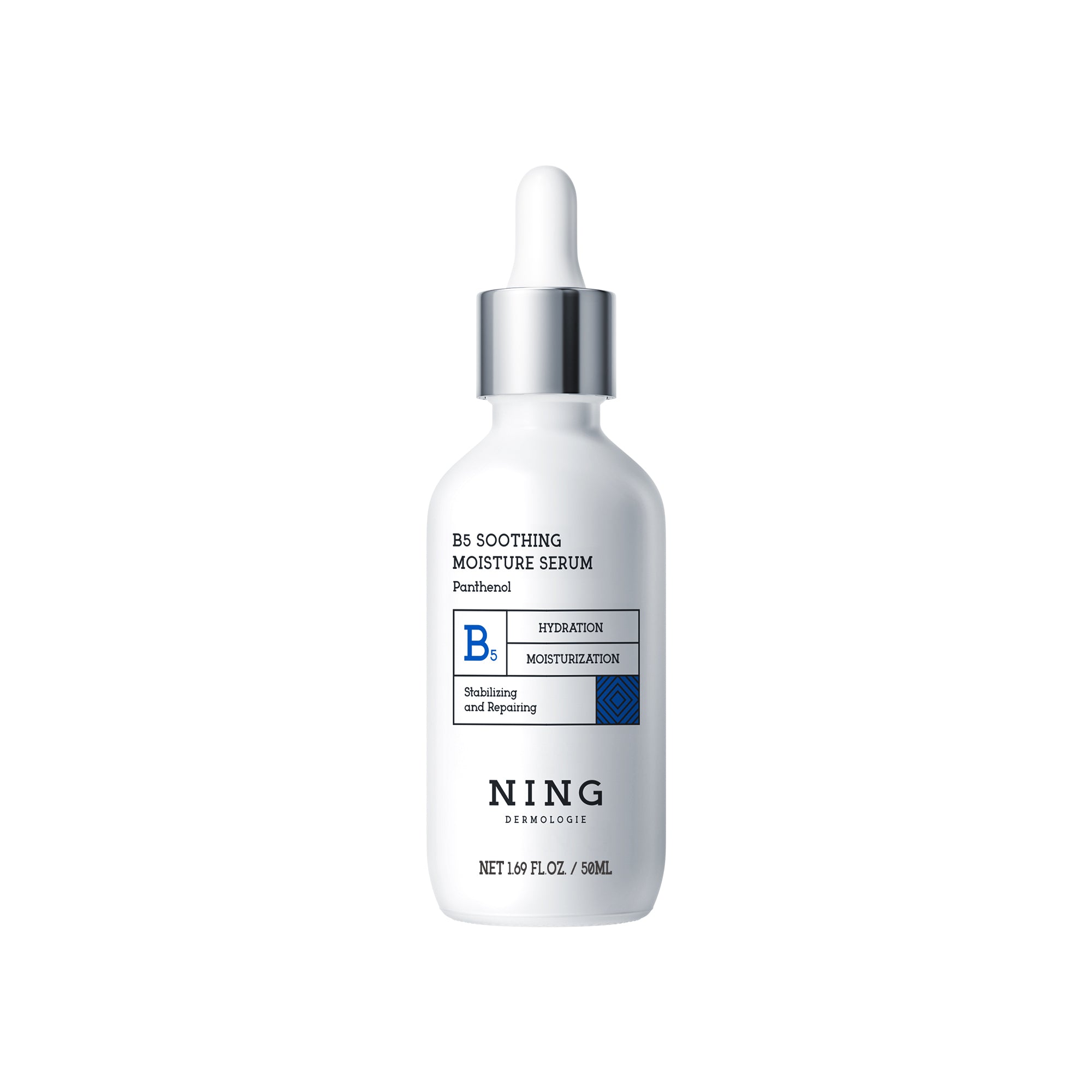
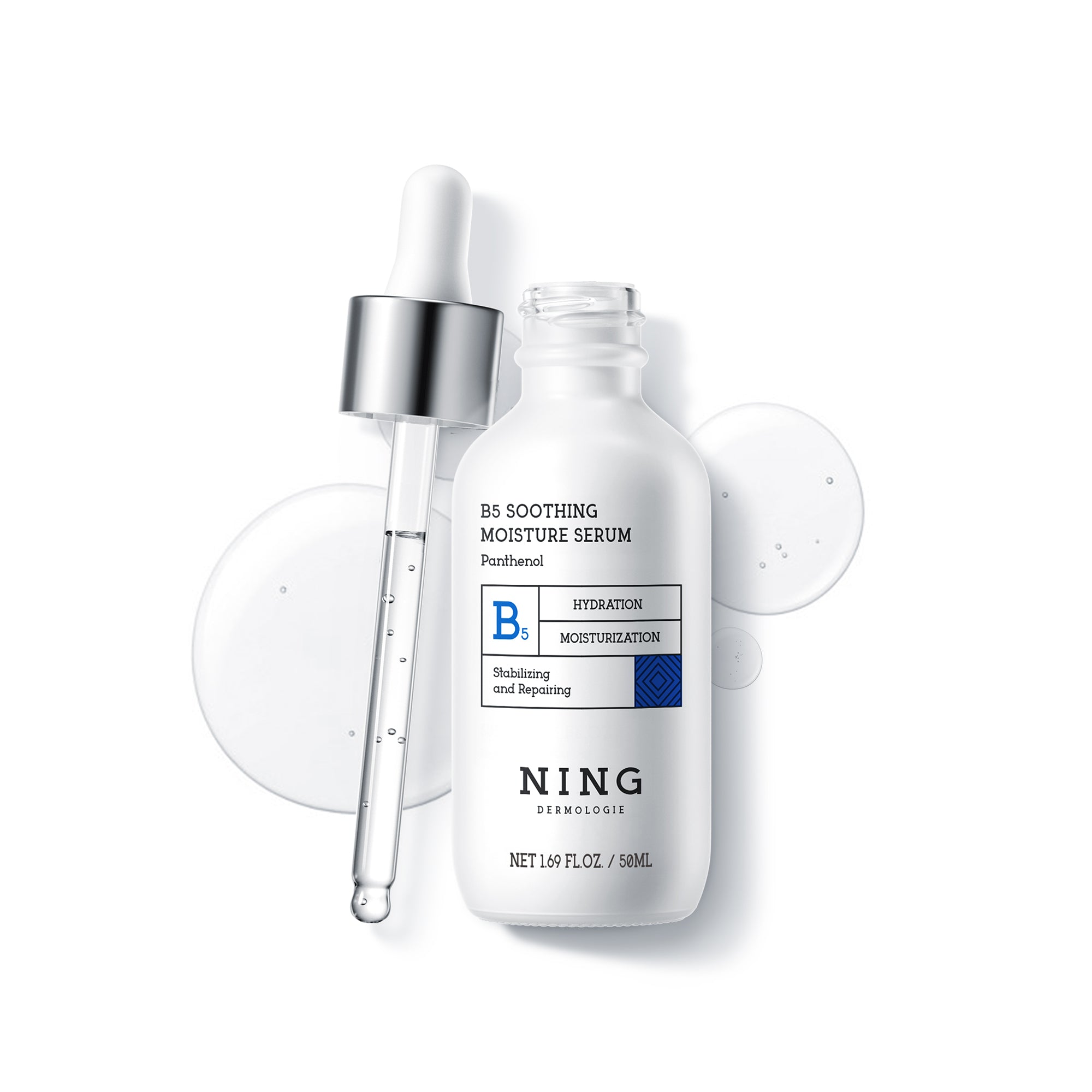
Your pores are open and clean. Now is the time to flood them with hydration. Use a water-based serum and a barrier-repairing moisturizer. This locks in the glowing skin effect.
Frequency of Use for Sensitive Skin
How often should you use a clay mask?
- Oily Skin: 2-3 times a week.
- Sensitive Skin: Once a week, or even once every 10 days.
- Acne-Prone Skin: 1-2 times a week, perhaps using it as a spot treatment on active spots overnight.

Final Thoughts: Finding Your Perfect Match
The "best" mask isn't the one with the most hype on TikTok; it's the one your skin tolerates and loves.
Clay masks help transform the skin look by resetting the canvas. They take away the gray, oily film and reveal fresh skin underneath. But for the sensitive crowd, the vehicle matters as much as the engine.
If you have struggled with redness, stinging, or post-mask dryness, it’s time to ditch the hardcore bentonite bombs and switch to a sophisticated, balanced formula. NING Dermologie offers that safe haven. By combining the clearing power of premium clays with ingredients that calm and hydrate, we ensure that your self-care Sunday doesn't turn into a barrier-repair Monday.
Whether you choose NING Dermologie or another gentle option from our top clay masks list, remember: skincare should feel good. Listen to your skin, soothe your pores, and enjoy the glow.
Frequently Asked Questions (FAQ)
1. Can I use a clay mask if I have Rosacea?
Yes, but you must be extremely picky. Avoid standard drugstore masks with high alcohol or fragrance, as these trigger flare-ups. Look for masks specifically labeled "calming" or "soothing," typically using Kaolin or Pink Clay. Our NING Dermologie Clay Mask for Face Sensitive Skin is formulated to be gentle enough for reactive skin. Always do a patch test behind your ear first. If it heats up, wash it off immediately.
2. Do clay masks actually shrink pores?
Technically, no product can physically "shrink" a pore (pore size is genetic). However, clay masks clear the gunk (sebum and dead skin) inside the pore that stretches it out. When the pore is empty, it appears smaller and tighter. So, while the physiological size remains the same, the visual effect is smoother, tighter-looking skin. Consistent use helps maintain this "shrunken" appearance.
3. Should I use a clay mask before or after a shower?
Using a mask before the shower is messy, and using it in the shower often prevents it from setting. The best time is after a shower. The steam from the shower softens the hardened oil in your pores, making it much easier for the clay mask to draw out impurities. Just make sure your face is patted dry before application so the clay adheres properly.
4. Can I leave a clay mask on overnight as a spot treatment?
Generally, yes, but only on the pimple itself. A dab of a clarifying clay mask (especially one with salicylic acid or sulfur) on a zit can help dry it out and reduce inflammation while you sleep. Do not apply a clay mask to your entire face overnight; you will wake up with a severely damaged moisture barrier and extreme dehydration.
5. What is the difference between a mud mask and a clay mask?
They are cousins, but not twins. Kaolin and Bentonite are two types of clay masks that help get rid of oil and toxins by drying them out. They work best on skin that is oily and has a lot of acne. Water and minerals that are good for your skin, like Dead Sea mud, are often used to make mud masks. Mud is better for dry skin because it heals and adds moisture. NING Dermologie fills this gap by giving you the benefits of both clay and mud: detoxification and hydration.
6. Why does my face get red after using a clay mask?
A little pinkness is normal—it’s a sign of increased blood circulation (vasodilation) brought on by the mask hardening. This should fade in 20 minutes. However, if your skin is bright red, hot to the touch, or stinging, it’s a reaction. You may have left it on too long (letting it crack), or the ingredients were too harsh. Switch to a gentler formula like NING Dermologie to avoid this irritation.





Share:
Sensitivity in Mind: The Ultimate List of Clay Masks for Gentle Care
Unlocking the Power of Salicylic Acid: Essential Benefits for Your Skin