

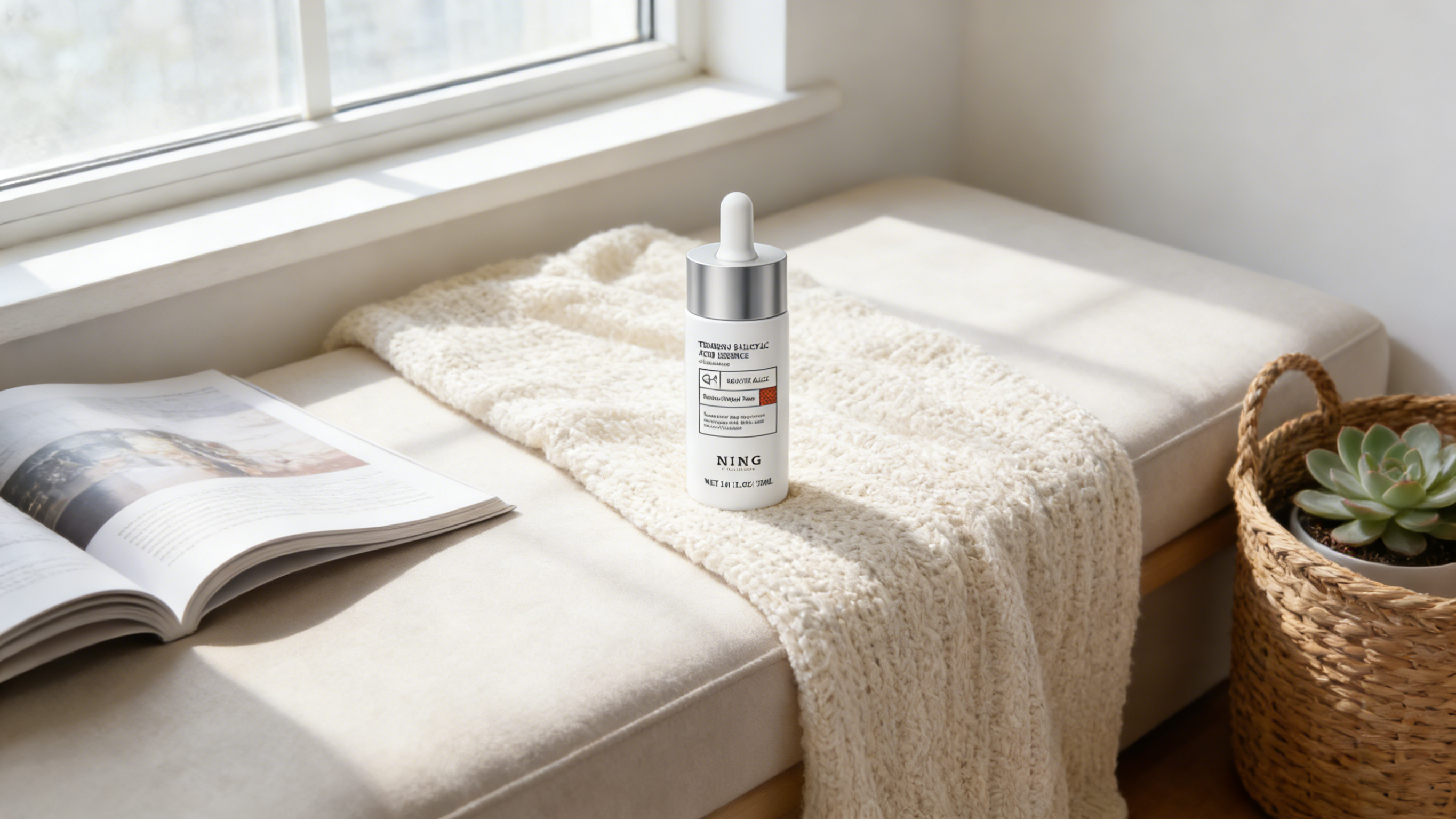

Unlocking the Power of Salicylic Acid: Essential Benefits for Your Skin
Standing in front of the mirror, inspecting clogged pores or a sudden breakout, is a universal frustration. You have likely tried a dozen products promising the moon, only to be left with the same old skin issues. If you are looking to unlock a new level of clarity, it is time to talk about the heavy lifter of the skincare world.
We are talking about the power of salicylic acid.
Unlike trendy ingredients that come and go, this one has stood the test of time for a reason. It doesn’t just sit on the surface; it gets to work where the problems actually start. Whether you are battling persistent acne, rough patches, or just want that radiant skin glow, incorporating salicylic acid into your regimen is often the turning point.
But how does it work? And more importantly, how do you use it without turning your face into a dry, flaky mess? Let’s dive deep—pun intended—into the benefits of salicylic acid and how it can give your skin the reset it deserves.

What Exactly is Salicylic Acid?
To understand why this ingredient works, you have to understand what it is. Salicylic acid is a beta hydroxy acid (BHA). It is derived from willow bark, and its structure is what makes it special.
Most exfoliants, like glycolic acid (an Alpha Hydroxy Acid or AHA), are water-soluble. They are great at polishing the surface, but oil and water don’t mix. Since our pores are packed with sebum (oil), water-soluble acids can’t get inside.
Salicylic acid, however, is oil-soluble.
Think of your pores like a pipe. Over time, that pipe gets clogged with "gunk"—a mixture of sebum and dead skin cells. Because salicylic acid loves oil, it can bypass the surface blockage and penetrate deep into the skin. Once inside, it dissolves the "glue" holding that debris together, allowing it to flush out. This is why salicylic acid works so effectively for acne-prone skin; it cleans the pipe from the inside out.
The Surprising Benefits of Salicylic Acid
Most people grab a bottle of BHA when they see a pimple. And yes, acne treatment is its claim to fame. But if you think that is all it does, you are missing out. The surprising benefits of salicylic acid extend far beyond just drying out a spot.
1. It is a Blackhead Destroyer
If you struggle with those stubborn dark dots on your nose, salicylic acid can help. Blackheads and whiteheads are essentially just plugs of oil and dead skin. By dissolving the bond between these cells, salicylic acid effectively loosens the plug. With regular use of salicylic acid, you aren't just treating current blackheads; you are preventing new ones from forming.
2. Serious Exfoliation Without the Scrub
Scrubbing your face with harsh beads can cause micro-tears. Salicylic acid offers a chemical alternative. It exfoliates the skin by gently encouraging skin cell turnover. It helps slough away dead skin cells that accumulate on the surface, which immediately helps improving skin texture.
3. Fighting Inflammation
Here is a fact that gets overlooked: salicylic acid is related to aspirin (acetylsalicylic acid). This gives it incredible anti-inflammatory properties. When you have a painful, red cystic breakout, salicylic acid helps calm the redness and bring down the swelling. This makes it suitable even for sensitive skin types that might react poorly to other harsh scrubs.
4. Oil Control
If you have oily skin, your face probably starts shining by noon. Salicylic acid works by dissolving excess sebum, helping to regulate oil production over time. It doesn't strip the skin (if used correctly), but it keeps the grease in check.
Salicylic Acid vs. Glycolic Acid: Which One Do You Need?
A common question in any skincare routine is: "Should I use BHA or AHA?"
It depends on your skin type and your primary skin concerns.
- Glycolic Acid (AHA): Water-soluble. Works on the surface. Best for sun damage, fine lines, and dry skin that needs surface polishing.
- Salicylic Acid (BHA): Oil-soluble. Works inside the pore. Best for oily or combination skin, blackheads, and acne.
However, you don't always have to choose. Many people benefit from both, but if your main goal is clearer skin and unclogging pores, salicylic acid is the beta choice (pun intended) you should prioritize.
How to Choose the Right Salicylic Acid Serum
Not all BHAs are created equal. You will find it in cleansers, toners, masks, and spot treatments. However, for consistent results without irritation, a salicylic acid serum is often the sweet spot. Cleansers wash off too quickly, and heavy creams can occlude pores.
A serum allows the active ingredient to sit on the skin and do its job.
When looking for the right salicylic acid product, concentration matters. A 0.5% concentration might be too weak for stubborn acne, while extremely high percentages can burn.
This is where NING Dermologie comes in.
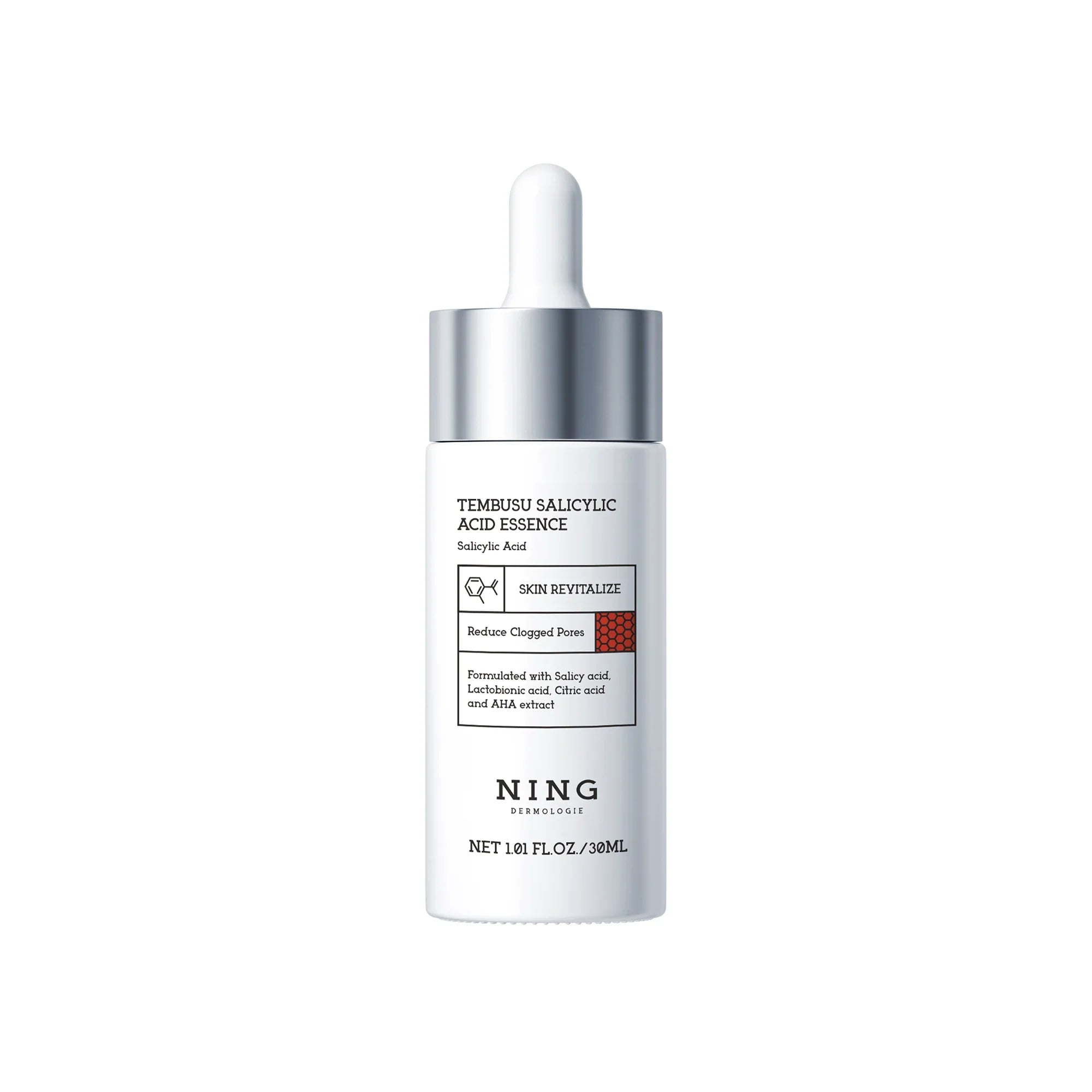
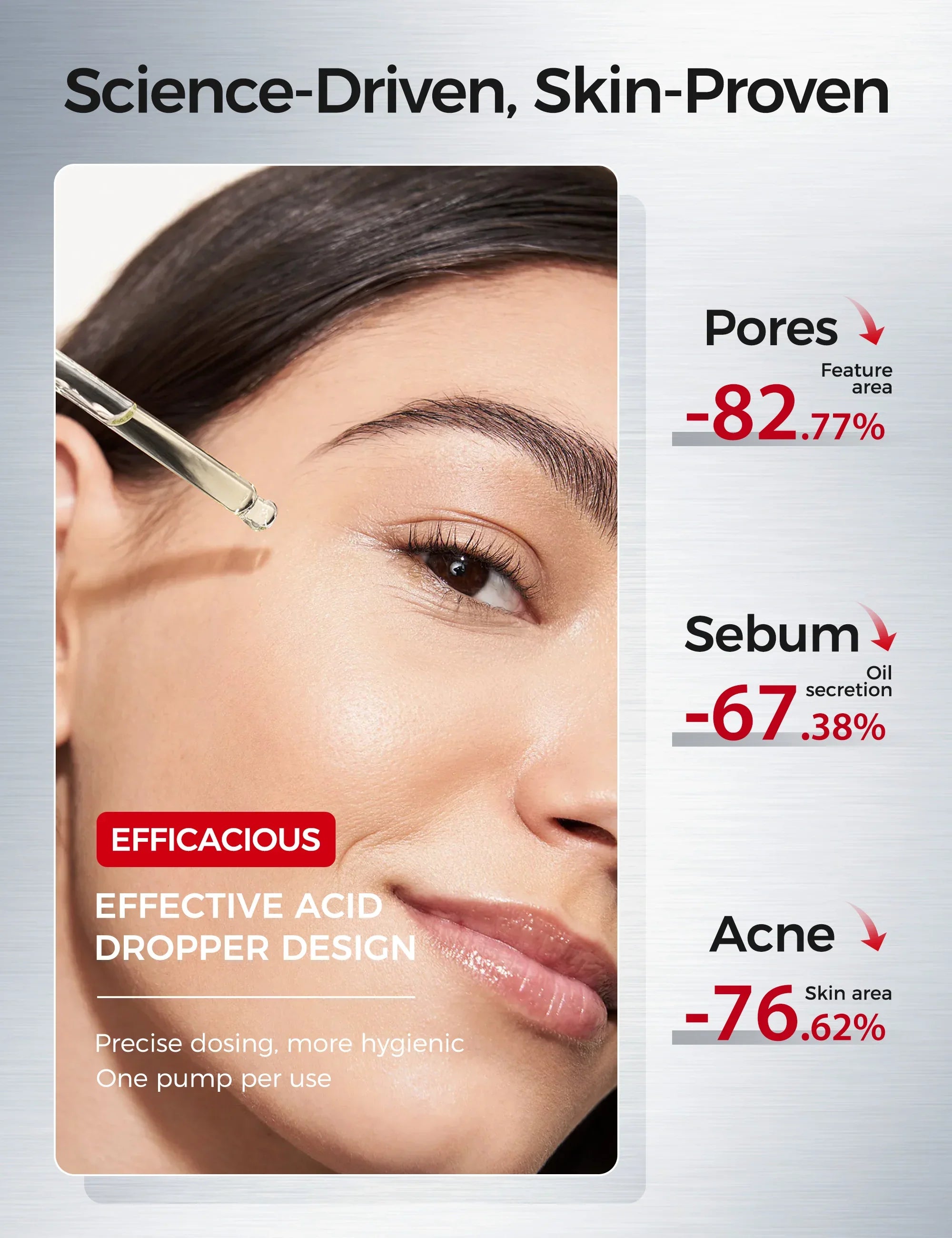
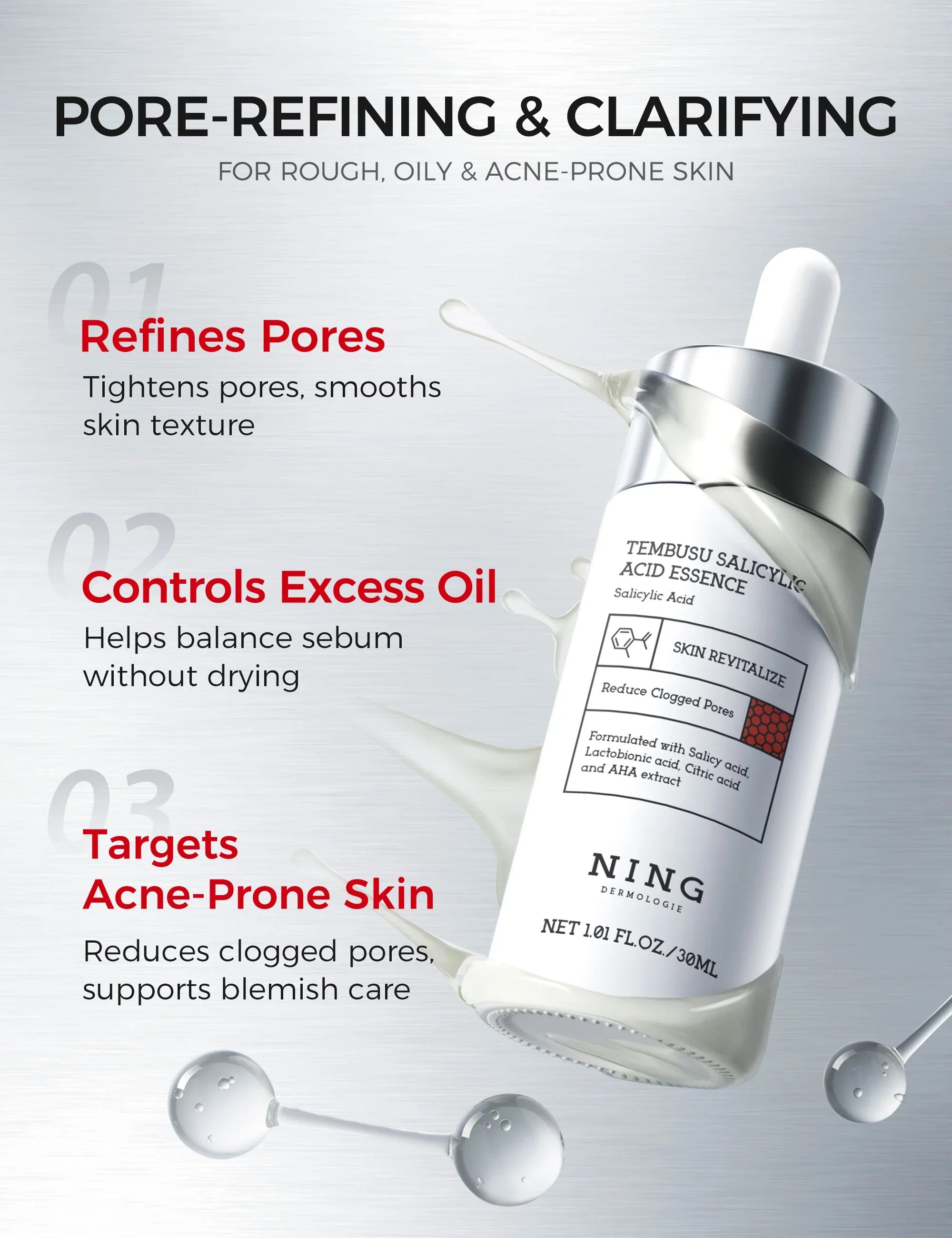
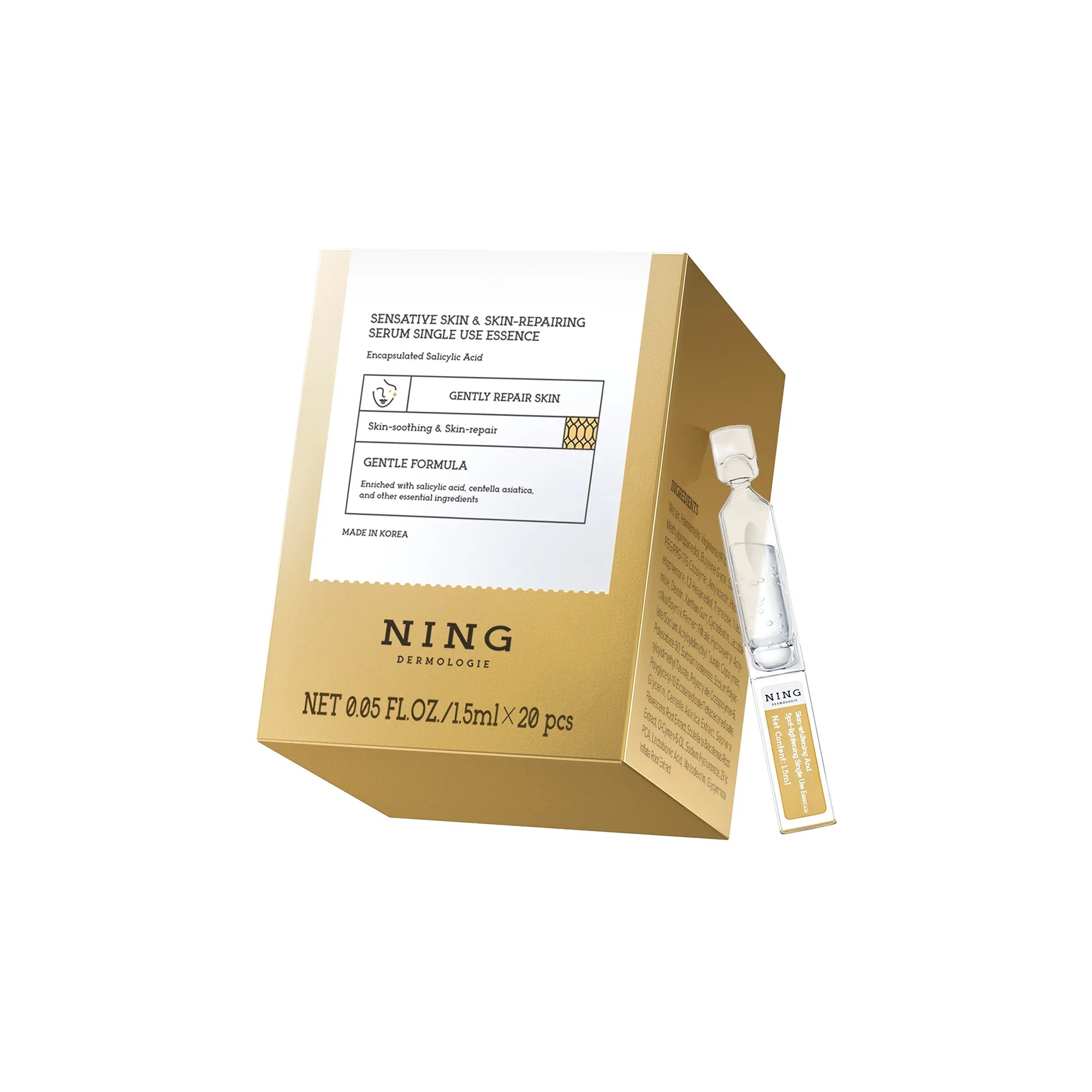
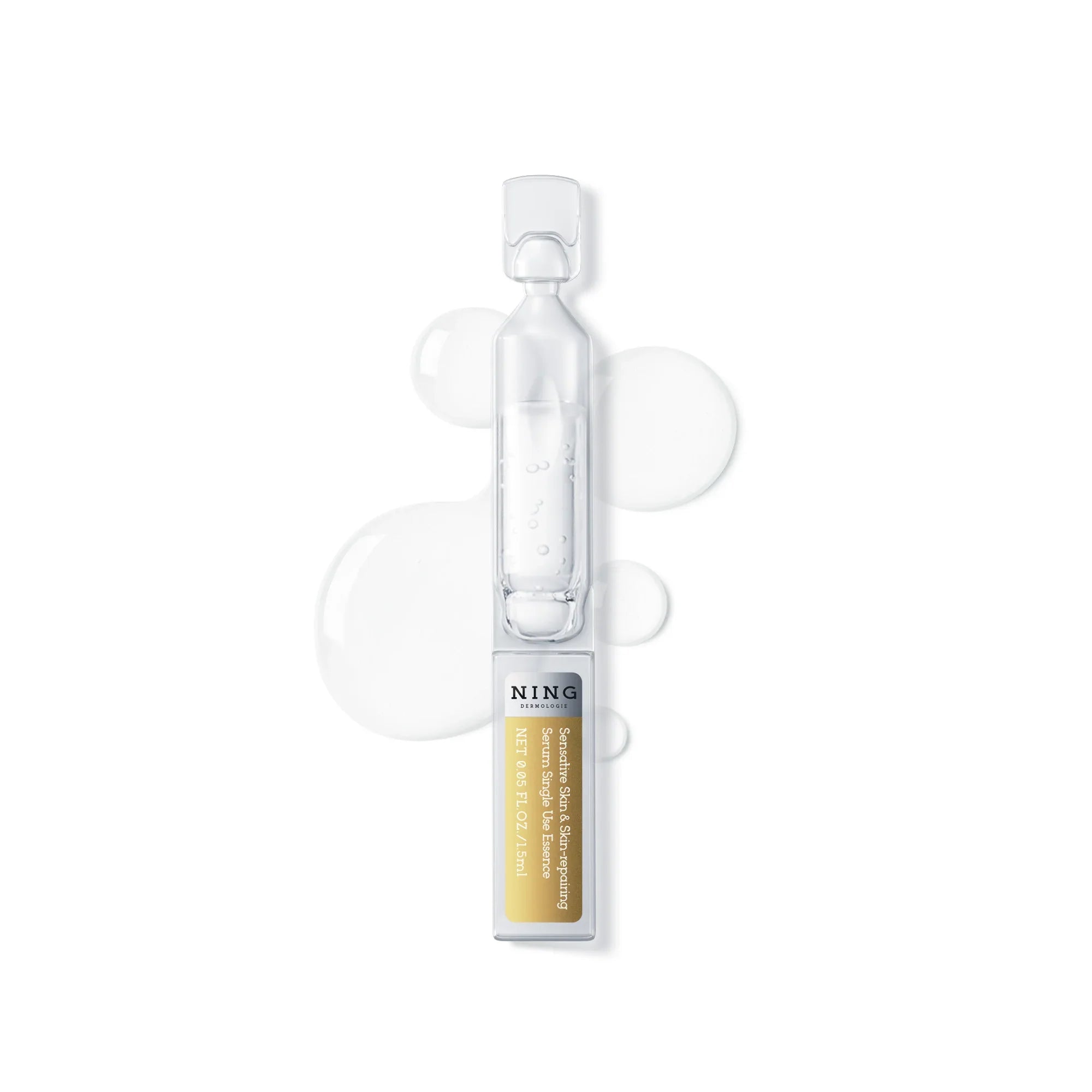
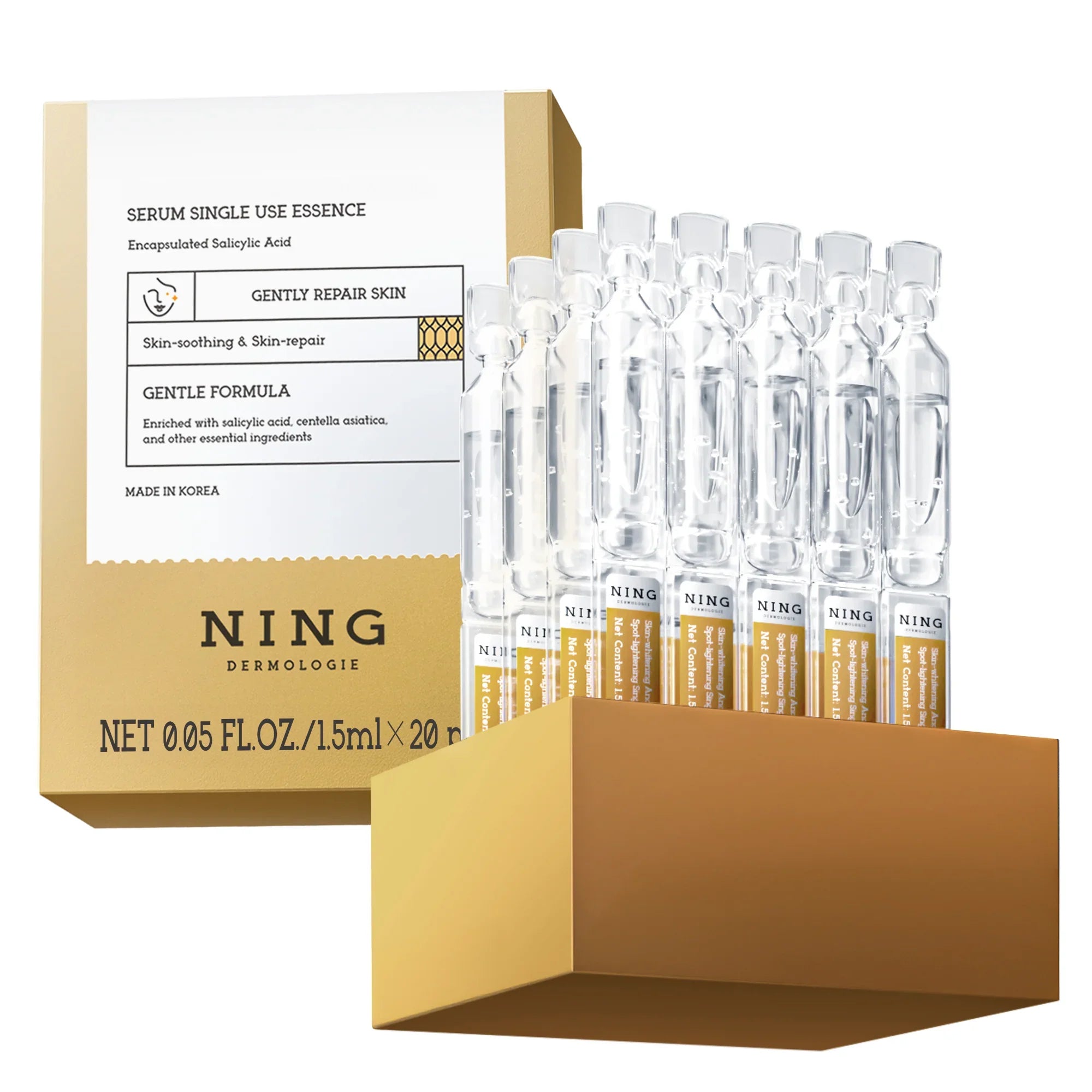
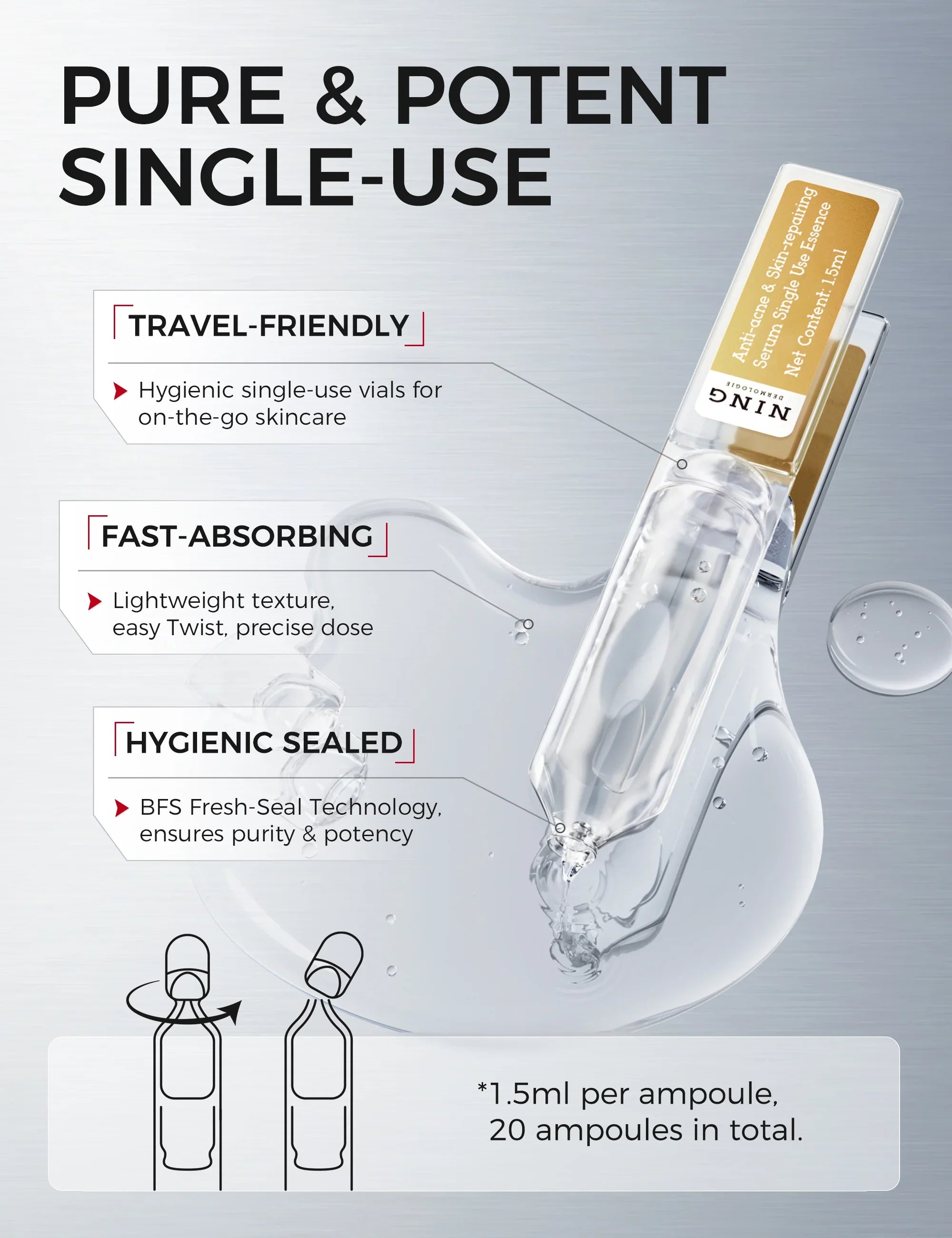
We developed our 2% Salicylic Acid Serum specifically to hit that balance of power and gentleness. At 2%, it is at the optimal clinical strength to clear acne-prone skin and refine skin texture without destroying your moisture barrier. It is formulated to penetrate deep into the skin, targeting the root of the skin issue while ensuring your face remains hydrated.
Incorporating Salicylic Acid into Your Skincare Routine
Okay, you have your serum. Now, how do you actually use it? Unlocking the power of salicylic acid requires strategy. You cannot just splash it on and hope for the best.
Here is a practical guide on how to use salicylic acid safely.
Step 1: The Patch Test
Before you smear it all over your face, test it. Apply a tiny amount behind your ear. Individuals with sensitive skin need to be extra careful. If after 24 hours there is no burning, you are good to go.
Step 2: Start Slow
This is the golden rule. Do not use it every single day right away. Start by applying salicylic acid two to three times a week at night. This allows your skin to build tolerance. If your skin responds positively, you can gradually increase frequency.
Step 3: Application Order
In your skincare routine, apply your NING Dermologie serum after cleansing and toning, but before moisturizing. Apply it to clean, dry skin. Let it absorb for a minute before layering anything else on top.
Step 4: Moisturize and Protect
Salicylic acid can be drying. You must follow up with a good moisturizer to keep your skin balanced. More importantly, acids can make your skin more sensitive to sunlight. Always, and we mean always, wear SPF the next morning.
Navigating Specific Skin Types
Salicylic acid benefits everyone, but the approach changes based on who you are.
For Oily and Acne-Prone Skin: You are the ideal candidate. You can likely tolerate daily use once you adjust. The 2% Salicylic Acid Serum from NING Dermologie will help dissolve that buildup of dead skin cells and regulate your oil.
For Dry Skin: Yes, you can use it too! The key is moderation. You still have dead skin cells that need to be removed to fix uneven skin texture. However, focusing on salicylic acid works best as a spot treatment or a twice-weekly overall treatment. Look for serums that contain hydrating ingredients alongside salicylic acid so you can exfoliate without stripping the skin.
For Sensitive Skin: Proceed with caution. The anti-inflammatory properties will actually help soothe redness, but the exfoliation can be tingling. Stick to a lower frequency.
Dealing with "The Purge"
We need to address the elephant in the room. When you first introduce salicylic acid, your skin might look worse before it looks better.
This is called "skin purging."
Because the acid increases skin cell turnover, it speeds up the lifecycle of existing micro-comedones (baby pimples). It brings them to the surface all at once. It’s annoying, but it’s actually a sign the salicylic acid effectively works. This usually lasts 2 to 4 weeks. Stick with it. The healthier skin waiting on the other side is worth it.

Common Mistakes to Avoid
To truly get the full potential of salicylic acid, avoid these pitfalls:
-
Over-exfoliating: More is not better. Using it 3 times a day will only damage your moisture barrier, making skin appear red and irritated.
-
Mixing with Retinol: Using strong retinol and salicylic acid at the exact same time can be a recipe for disaster (and peeling). Alternate nights instead.
-
Applying to wet skin: This can make the acid penetrate too fast and cause stinging. Wait for your face to dry.
The Verdict: Is It Worth It?
Unlocking the power of salicylic acid is about playing the long game. It is not an overnight miracle, but it is the closest thing we have to a pore vacuum in a bottle.
From acne treatment to smoothing out rough skin texture, the uses of salicylic acid are versatile. It helps remove dead skin cells, unclogs pores, and reveals the smoother skin hiding underneath. By choosing a well-formulated product like the NING Dermologie 2% Salicylic Acid Serum, you are ensuring that you get the maximum benefits of salicylic acid with minimal irritation.
Ready to transform your complexion? It is time to add this powerhouse to your shelf.
Frequently Asked Questions (FAQ)
Q1: Can I use salicylic acid every day? Can you?
Sure. Should you? Probably not right away. Think of it like gym training for your face. If you have super oily skin, you might handle daily use after a while. But for most of us, using salicylic acid two to three times a week is plenty to see results. If your face feels tight or "squeaky" (not in a good way), that’s a red flag. Back off before you wreck your moisture barrier. More isn't always better here.
Q2: Will salicylic acid help with acne scars?
Let’s manage expectations here. For those flat, dark spots left behind after a pimple heals? Yes, it helps. Because it speeds up skin cell turnover, it fades those marks faster. But for deep, pitted "ice pick" scars? It won't fill those in; you would likely need professional laser treatment for that. Salicylic acid benefits the surface pigment, but it can't miraculously rebuild lost collagen deep down.
Q3: Can I use Vitamin C with salicylic acid?
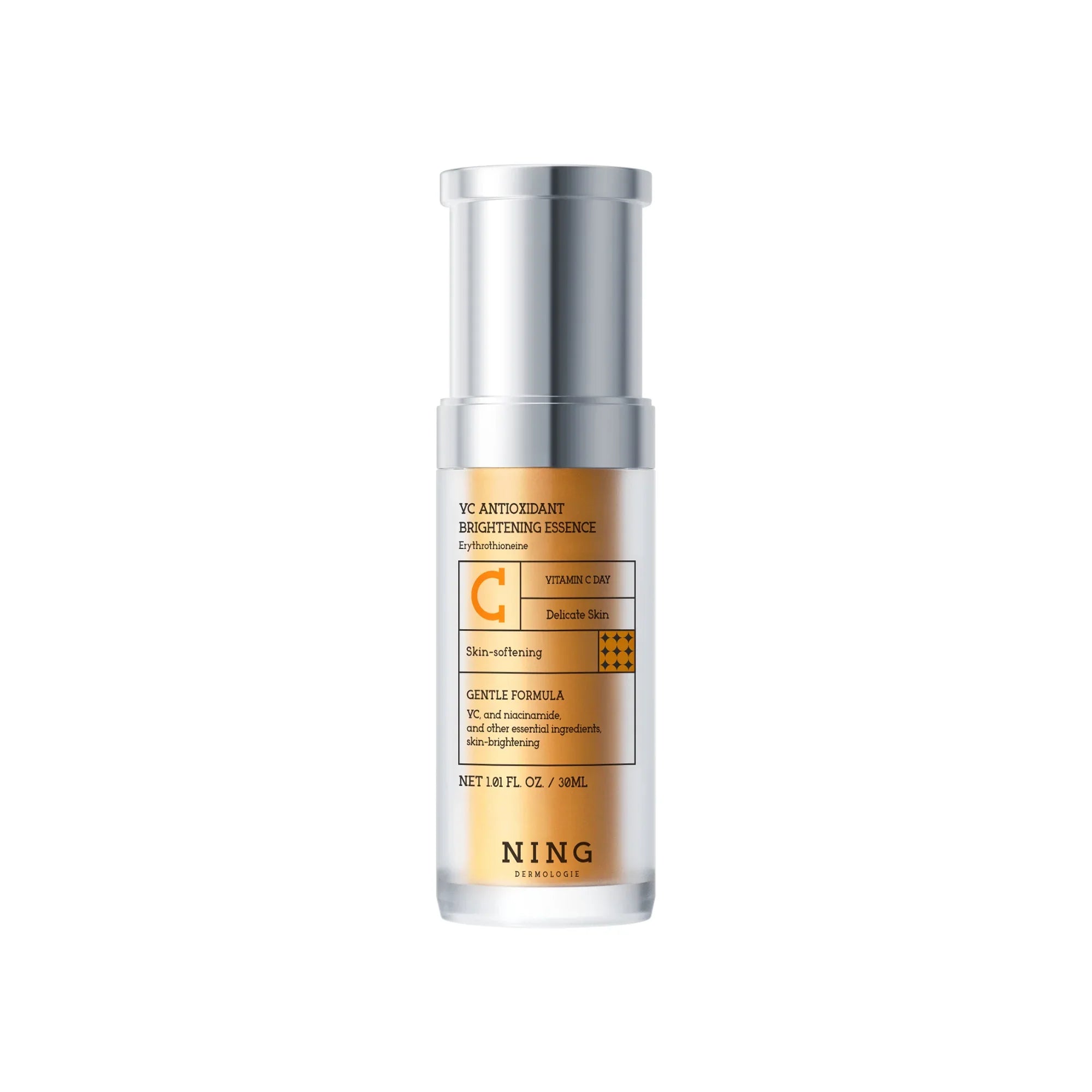
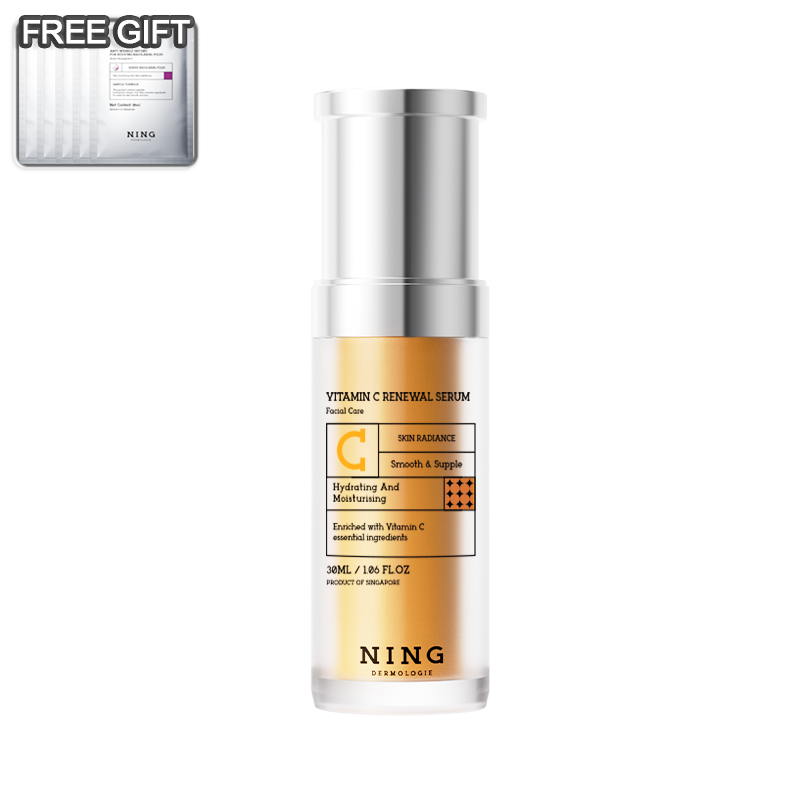
Mixing them in the same palm? Bad idea. That’s a recipe for irritation, especially if you have sensitive skin. But using them in the same day is totally fine. I tell my clients to do Vitamin C in the morning (for that antioxidant protection) and save the salicylic acid serum for the evening routine. This way, you get the benefits of both powerhouses without setting your face on fire.
Q4: Is it normal for my skin to tingle when applying it?
A little "spice" is normal. Beta-hydroxy acid is active, so a mild tingle means it's penetrating and doing its job. But pay attention: a tingle is fine; burning is not. If your face feels hot, turns tomato red, or hurts, that is not "purging"—that is irritation. Wash it off immediately. You might have a compromised barrier or just sensitive skin. Don't try to power through the pain.
Q5: How long does it take to see results?
Patience is key. You might see a reduction in active inflammation overnight, but for blackheads and overall skin texture, it usually takes about 4 to 6 weeks of consistent use. Remember, the skin cycle is roughly 28 days. You need to give the product time to unlock that healthier skin underneath.
Q6: Can I use salicylic acid if I am pregnant?
This is a bit of a gray area. High doses (like pills) are a definite no. But many doctors say low-strength topical salicylic acid (like our 2% serum) is okay in moderation since not much gets absorbed into the bloodstream. Still, peace of mind is worth more than clear skin. Before incorporating salicylic acid, just double-check with your OBGYN. They might tell you to swap to lactic acid just to be safe.





Share:
Calm and Clear: Best Clay Masks Designed for Sensitive Skin Needs
Discover the Top 10 Salicylic Acid Serums for 2026: Expert Reviews