

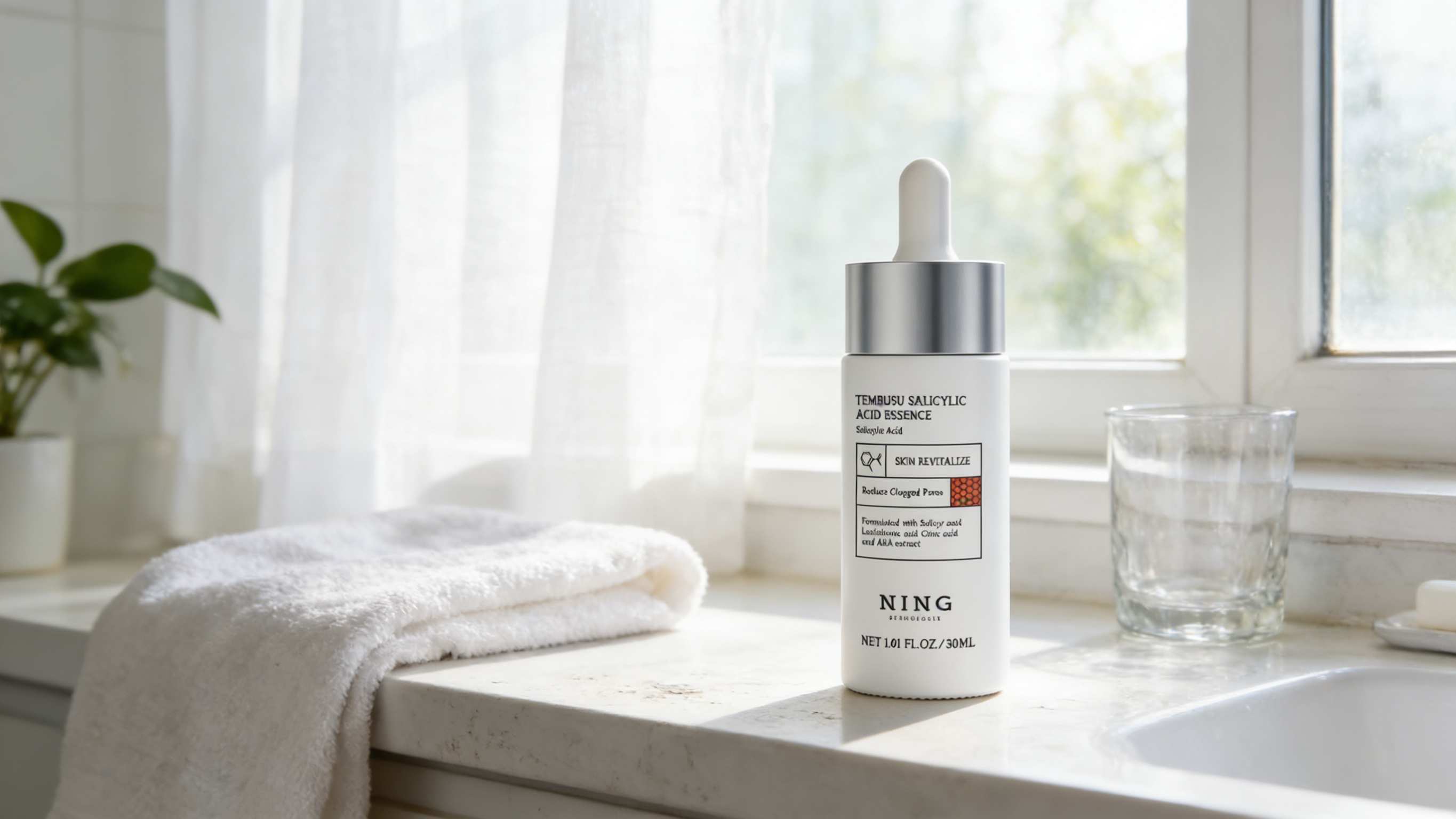

Achieve Flawless Skin: Best Salicylic Acid Serums for Every Budget
Waking up to a new breakout is the adult nightmare we never seem to outgrow. Whether you are battling teenage hormones or adult onset congestion, the quest to achieve flawless skin often feels like a losing battle. You’ve likely heard the buzzwords. You know you need to exfoliate. But in the crowded world of skin care, one ingredient stands tall as the undisputed champion for acne-prone skin: Salicylic Acid.
But here is the catch—not all salicylic acid products are created equal. Some are too weak to work; others are so harsh they compromise your skin barrier, leaving you red and peeling.
If you are looking for the best salicylic acid serum to finally clear out those pores without bankrupting your wallet, you have come to the right place. We are going to cut through the marketing fluff, explain exactly how this beta hydroxy acid works, and help you find the best salicylic acid formulation for your specific skin type.

What is Salicylic Acid and Why Do You Need It?
Before we dive into product recommendations, we need to understand the mechanics. Salicylic acid is a beta hydroxy acid (BHA). Unlike its cousins, alpha hydroxy acid (AHA) options like glycolic acid or lactic acid (which are water-soluble and work mostly on the surface), salicylic acid is oil-soluble.
Why does this matter? Because acne starts inside the pore.
Salicylic acid penetrates deep into the pore lining. Picture it as a tiny Pac-Man. It goes below the oil on the surface, breaks up the glue that holds dead skin cells together, and clears the blockage. Salicylic acid works so well for blackheads and whiteheads because it goes to the root of the problem instead of just treating the surface.
The Real Benefits of Salicylic Acid for Skin
Drying out a pimple is only one aspect of it. There are several advantages to a regular salicylic acid acne treatment regimen:
- Deep Exfoliation: It helps to exfoliate the pore lining, preventing future clogs.
- Anti-Inflammatory: Salicylic acid helps reduce the angry redness associated with active acne.
- Texture Control: It smooths out rough patches and improves overall skin texture.
- Oil Regulation: It helps cut down excess sebum for those with oily skin.
How to Choose the Best Salicylic Acid Serum for Your Skin Type
One of the biggest mistakes people make is grabbing the strongest serum they can find. If you have sensitive skin, this is a recipe for disaster. Here is how to match the product to your face.
Oily and Acne-Prone Skin
If you are dealing with a slick T-zone and constant breakouts, you need a workhorse. Look for a salicylic acid serum with a concentration between 1.5% and 2%. This is the "Goldilocks" zone for treating acne. A 2% salicylic acid serum is strong enough to dissolve sebum but usually formulated to be safe for daily use once tolerance is built.
Dry or Combination Skin
Yes, dry skin types get acne too. The trick here is hydration. You want a salicylic acid product that pairs the exfoliant with hydrating heavy hitters like hyaluronic acid. This prevents the "crispy" feeling that often comes with acne treatments. For combination skin, you might only apply the serum to your T-zone.
Sensitive Skin
If your skin turns red just looking at a scrub, tread carefully. The best salicylic acid serum for sensitive skin often combines a lower concentration of BHA with soothing ingredients like azelaic acid or niacinamide. Alternatively, look for lipohydroxy acid (LHA), a gentler derivative of salicylic acid.
The Contenders: Navigating the Market
You will often see articles listing the "14 best salicylic acid serums," but let's be real—nobody needs 14 different serums. You need one that works. We have analyzed the market, from the ordinary salicylic acid options to high-end derm brands, to bring you the most effective choices.
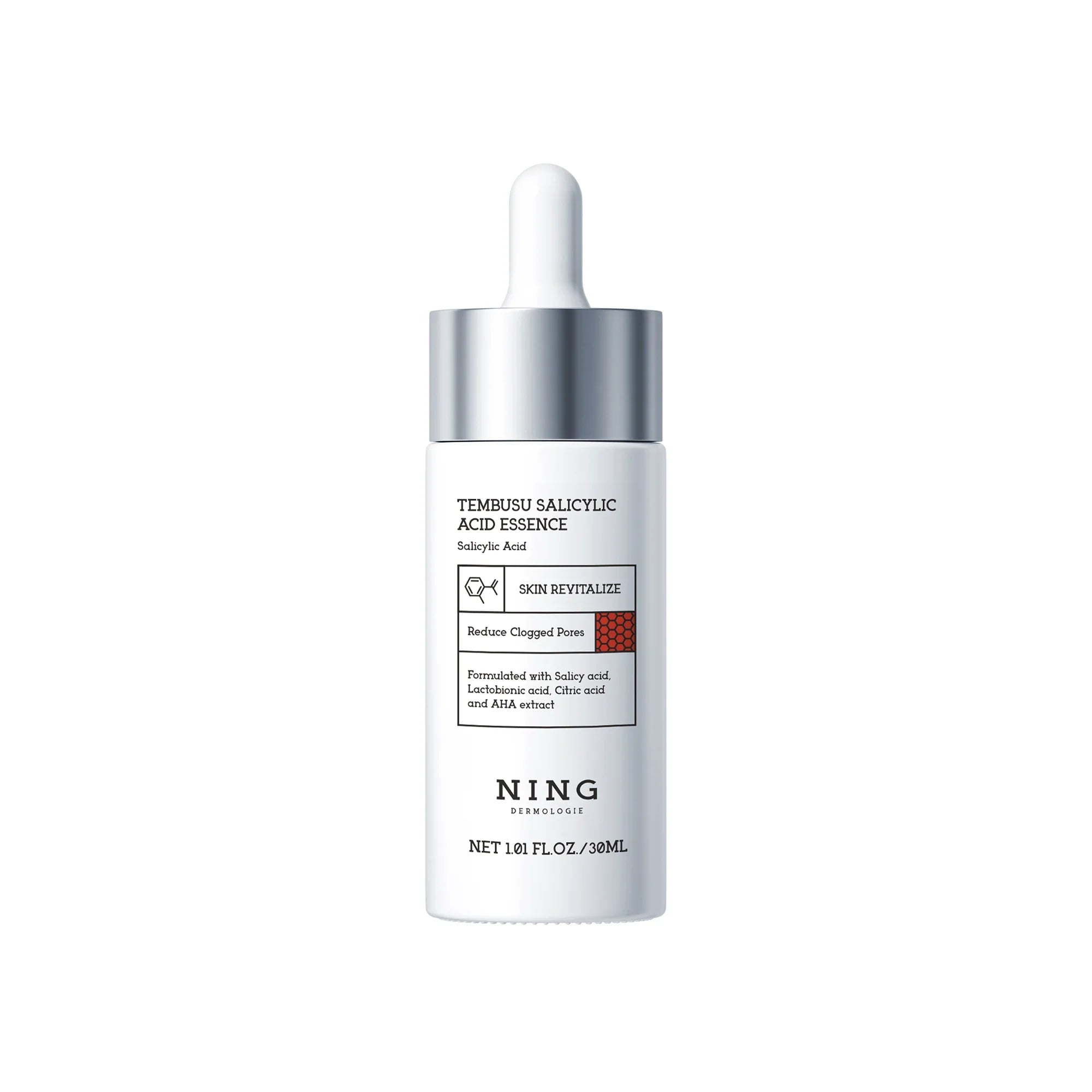
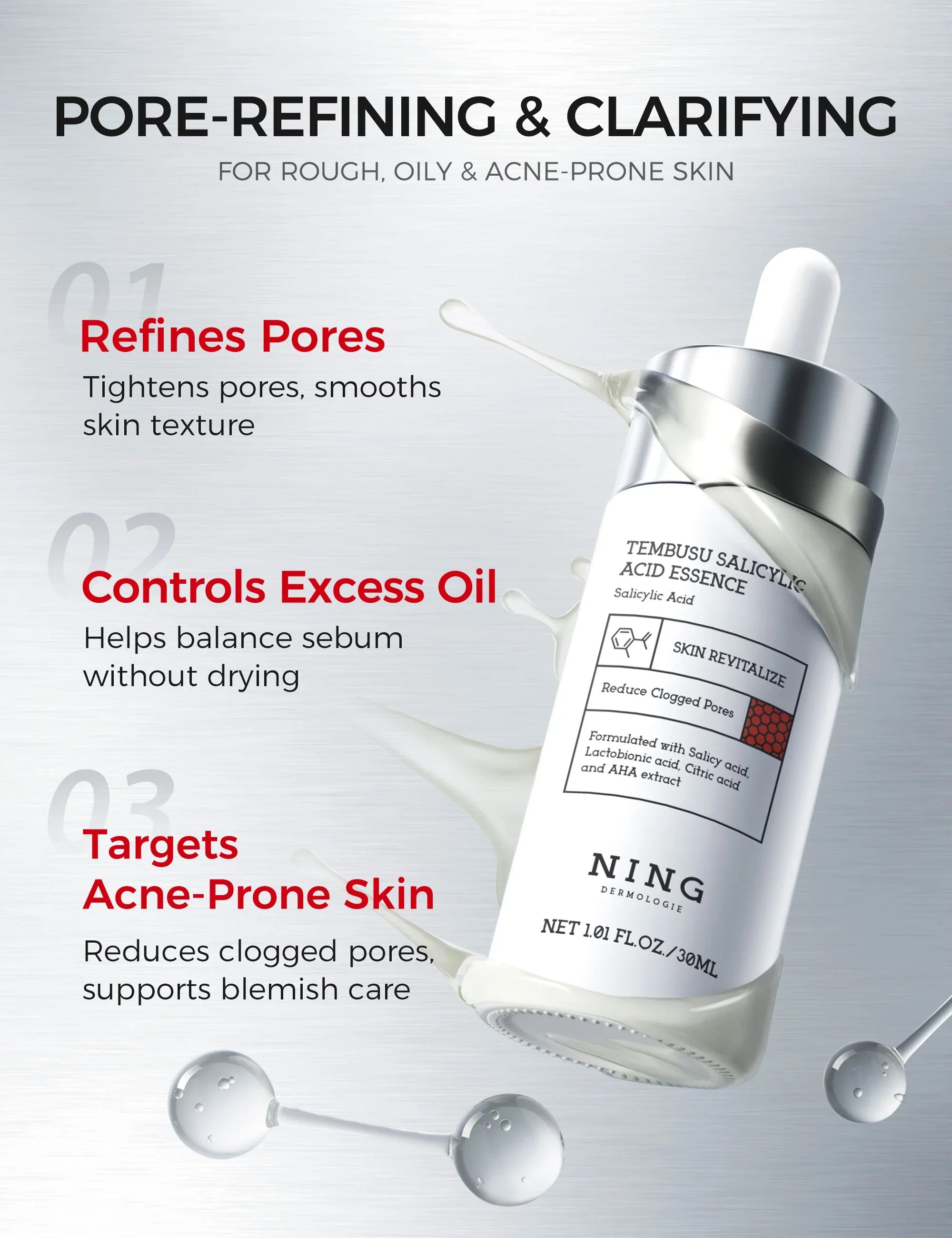
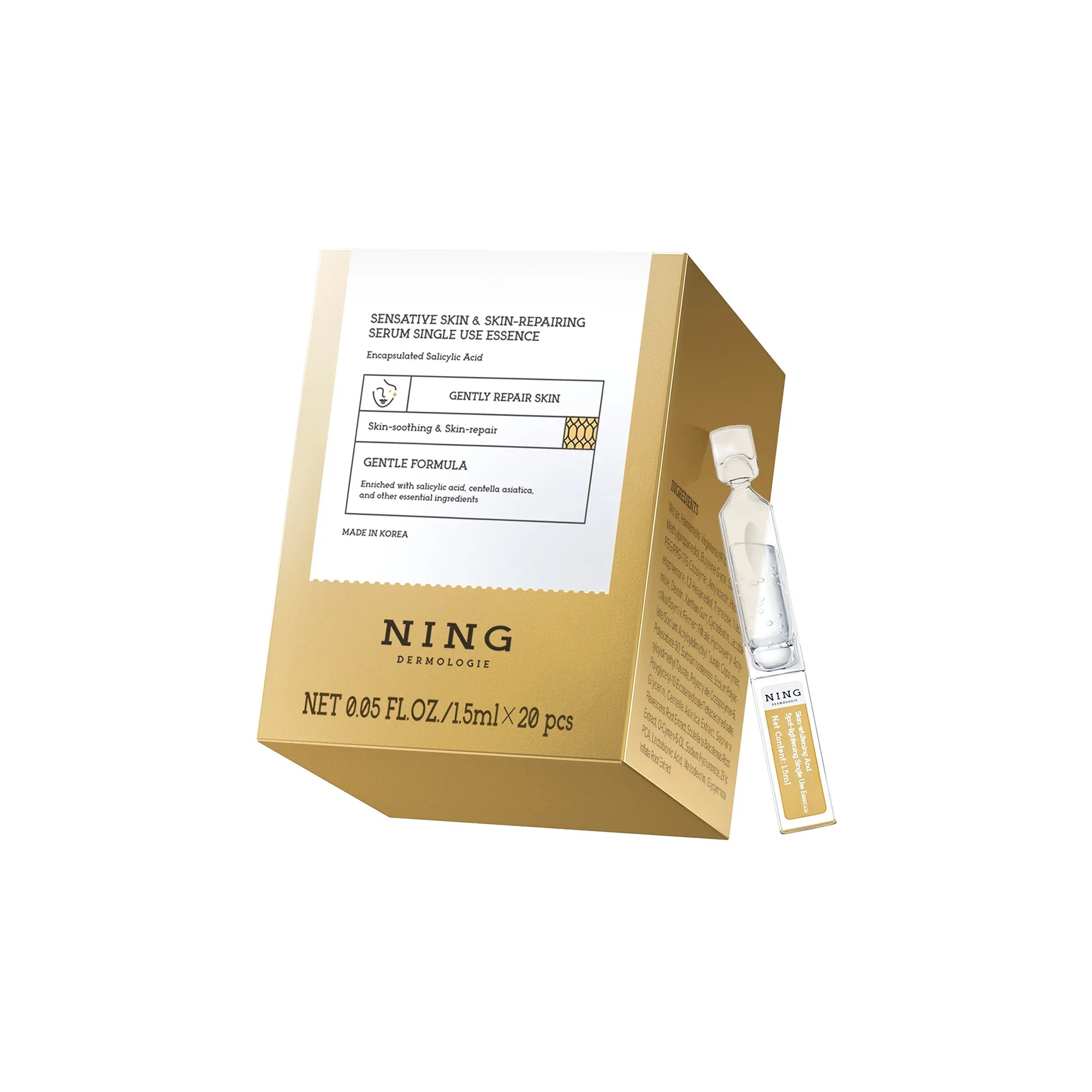
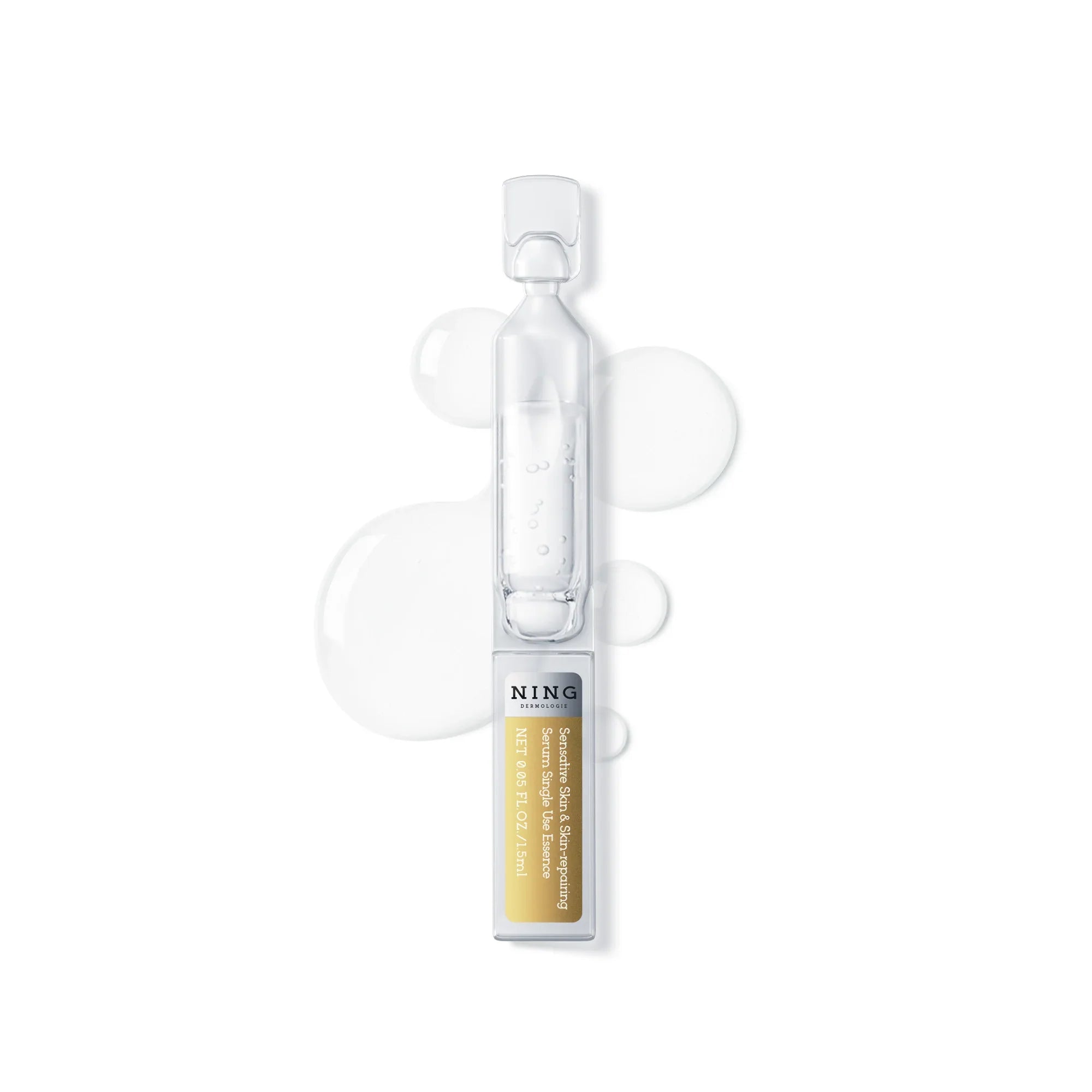
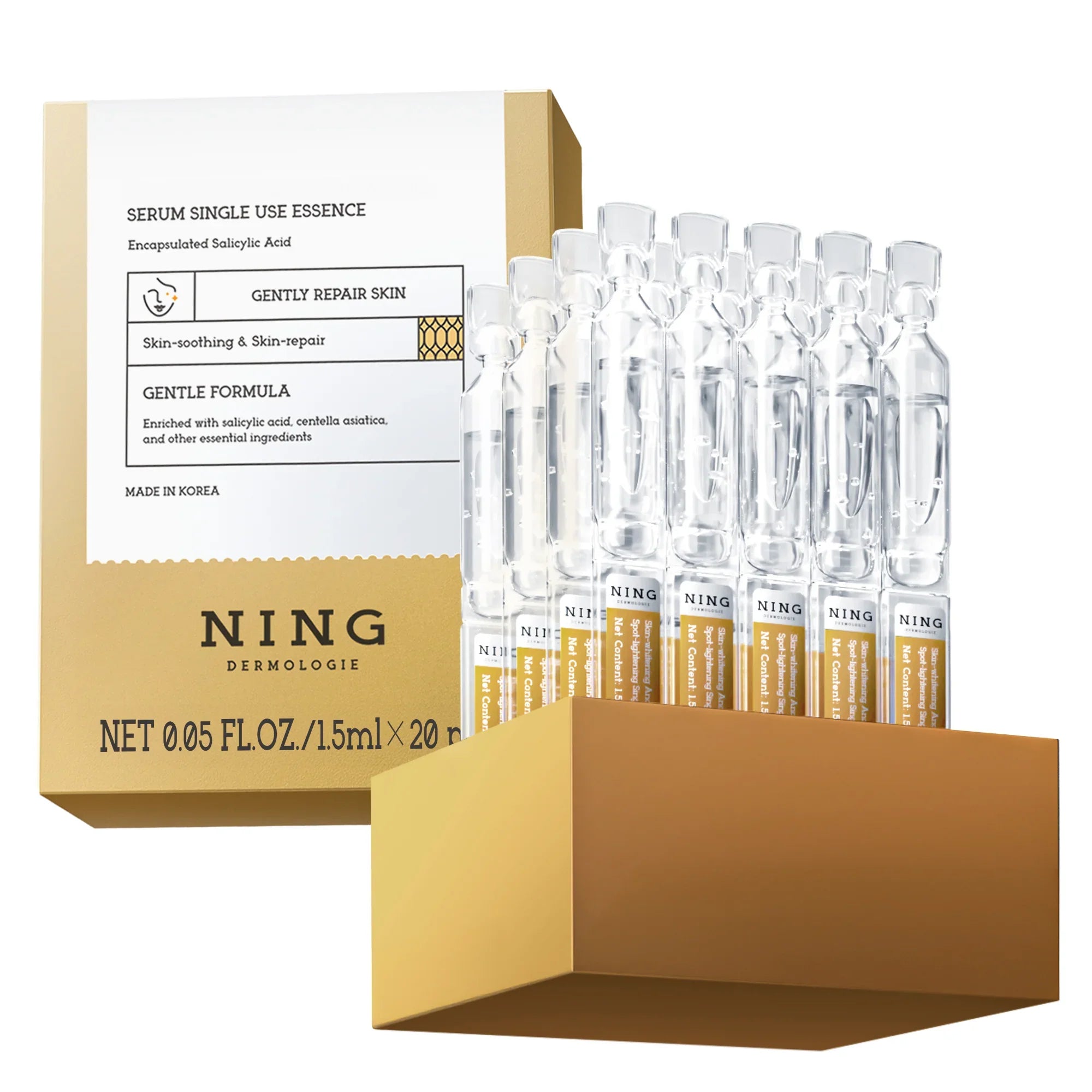
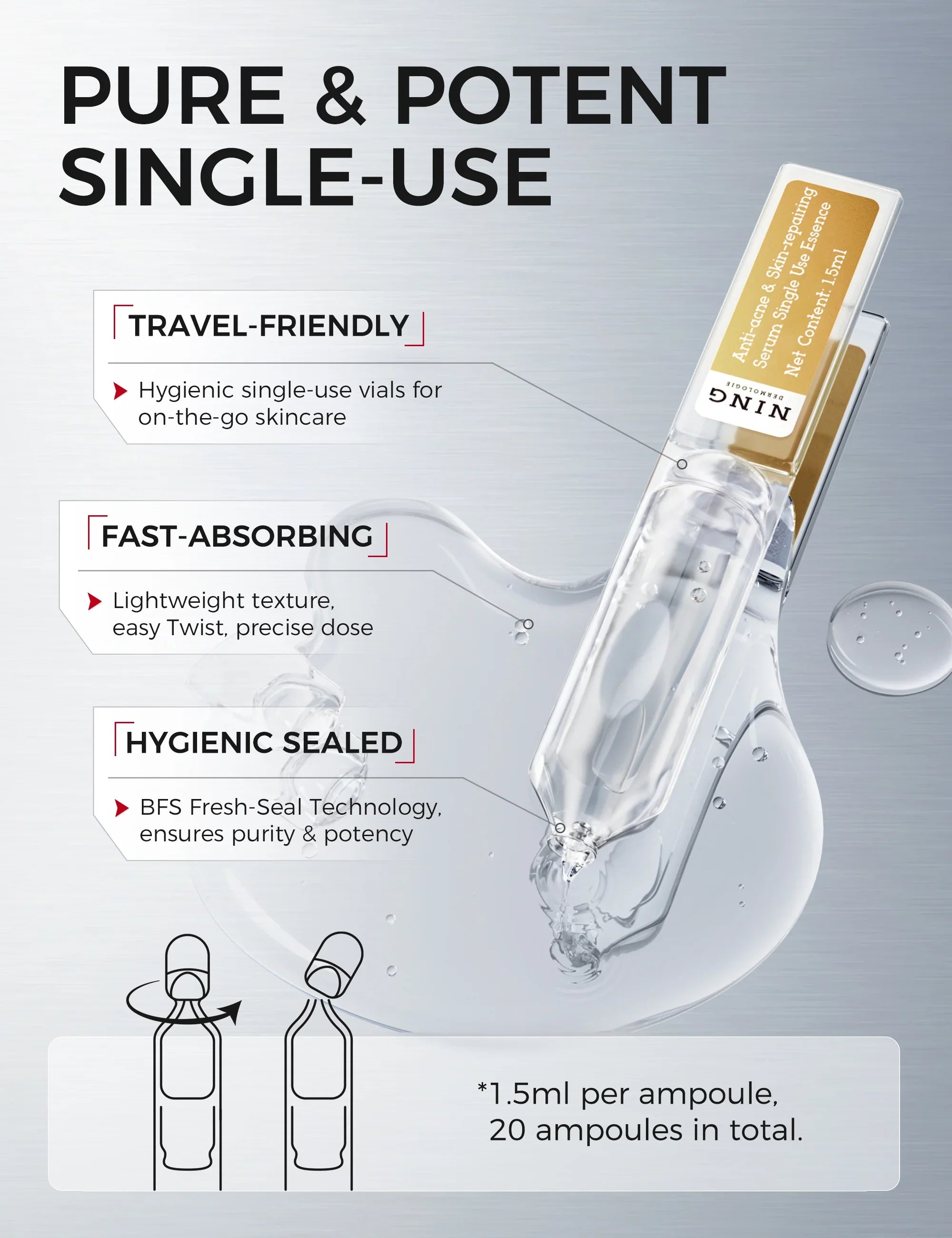
The Best Overall: NING Dermologie 2% Salicylic Acid Serum
When balancing effectiveness, ingredient quality, and price, NING Dermologie is the standout choice for a holistic acne treatment.
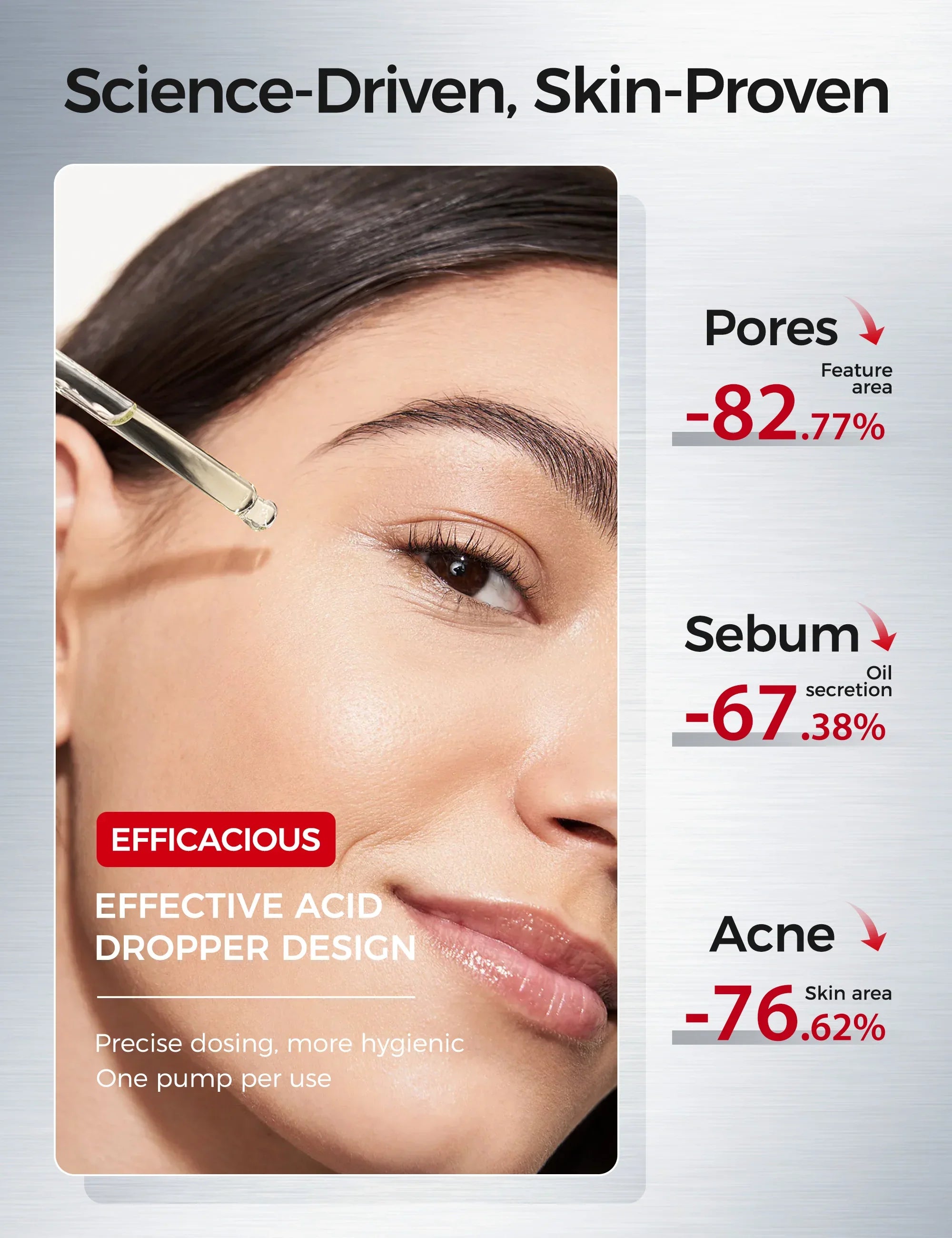
Their 2% Salicylic Acid Serum is formulated specifically to target clogged pores and acne without stripping the skin. It hits that crucial salicylic acid 2 percent benchmark, which dermatologists agree is the most effective concentration for clearing blemishes.
What makes this the best salicylic acid serum for most users? It’s the formulation balance. Many serums for acne leave a sticky residue or smell strictly chemical. NING has managed to create a face serum that absorbs cleanly, works to dissolve dead skin cells, and respects the skin barrier. It’s an exfoliating serum that feels like luxury skincare but acts like a clinical treatment.
The Drugstore Giants
You can't talk about acne without mentioning the big pharmacy brands.
- La Roche-Posay Effaclar Salicylic Acid: This is a classic. The Effaclar salicylic acid acne treatment is known for being effective, though some users find it a bit drying. The Roche-Posay Effaclar salicylic acid acne line uses a triple acid complex (often mixing glycolic and LHA) which is great for acne marks, but can be intense if you are new to salicylic acid.
- CeraVe Acne Control: Famous for their ceramides, the CeraVe Acne Control gel is a solid, gentle option. It’s often considered the best for sensitive skin in the drugstore aisle because it buffers the acid with barrier-repairing ingredients.
The Budget-Friendly Options
For those strictly watching the bottom line, brands like The Ordinary offer ordinary salicylic acid solutions. These are effective budget-friendly options, though they often lack the elegant texture or added soothing botanicals found in mid-tier brands like NING. They are purely utilitarian affordable salicylic acid products.
Deep Dive: Salicylic Acid for Specific Skin Conditions
Best Salicylic Acid for Blackheads
Blackheads are just open comedones—oxidized oil plugs. Because salicylic acid penetrates oil, it is the single best for blackheads. You don't need a scrub (which can tear pores); you need a chemical dissolve. A liquid salicylic acid toner or serum applied nightly to the nose and chin can clear these up in about 2-3 weeks.
Dealing with "Blind" Pimples (Cystic Acne)
For deep, painful bumps, surface treatments often fail. However, because salicylic acid’s anti-inflammatory properties are so strong, applying a dab of salicylic acid serum can reduce the swelling and pain, even if it doesn't bring the spot to a head immediately.
Salicylic Acid Body Treatments
Acne doesn't stop at the chin. "Bacne" (back acne) is a struggle. You can use your face serum on your back, but that gets expensive. Look for a salicylic acid body wash or spray. However, for stubborn spots on the chest, applying your NING Dermologie 2% Salicylic Acid Serum directly to the area is highly effective because the skin on the chest is similar to the face.
How to Use Salicylic Acid Effectively (Without Ruining Your Face)
Introducing active acne fighting ingredients requires a strategy. If you slap on a high concentration exfoliating serum for acne every single night right out of the gate, you will damage your moisture barrier.
-
Start Slow: If you’re new to salicylic acid, apply it every third night. See how your skin reacts.
-
Cleanse First: Use a gentle cleanser. Avoid using a salicylic acid cleanser AND a salicylic acid serum simultaneously unless your skin is extremely oily. That is usually overkill.
-
Apply on Dry Skin: After washing, wait for your face to dry. Applying acid to damp skin can increase penetration and irritation.
-
The Serum Step: Apply a few drops of your best salicylic acid product (like the NING 2% Serum) to the face or specific problem areas.
-
Moisturize: This is non-negotiable. Salicylic acid can lead to dryness. Lock it in with a basic moisturizer.
-
Sun Protection: Since acid is a chemical exfoliant, it exposes fresh skin. You must protect your skin from UV rays. Wear SPF 30+ every morning.
Can I Mix It?
- Vitamin C Serums: It is generally best to use Vitamin C in the morning and Salicylic Acid at night. Using them together can be too acidic for some.
- Retinol: Proceed with caution. Alternating nights (skin cycling) is better than layering them.
- Hyaluronic Acid: Yes! Pair well with salicylic acid. It puts water back into the skin.
The Truth About the "14 Best Salicylic Acid Products" Lists
You will see magazines publishing lists like "14 best salicylic acid serums" or "14 best salicylic acid products." While it's nice to have choices, analysis paralysis is real.
Usually, these lists act as a catch-all for every skin type. They mix face wash, spot treatments, and serums together. When you are looking for serums for acne, you want a leave-on product that has time to work. A cleanser rinses off in 30 seconds; a serum stays on to dissolve dead skin cells all night long.
Instead of hunting for the top 14, focus on the top 3 that fit your budget and skin concern. For a salicylic acid acne treatment that covers all bases—anti-aging, anti-acne, and texture refining—sticking to a dedicated 2% salicylic acid serum like NING Dermologie simplifies your routine and usually delivers better results than juggling five different products containing salicylic acid.

Common Myths About Salicylic Acid
Myth 1: It’s only for teenagers. False. Adult acne is driven by hormones and stress. Acne and aging often go hand in hand. Salicylic acid helps exfoliate fine lines while treating spots.
Myth 2: The burning means it’s working. False. A slight tingle is normal. Burning means you are irritating your skin. If you feel burning, wash it off.
Myth 3: You can scrub your acne away. Physical scrubs spread bacteria. Salicylic acid is a chemical exfoliant that cleans pores without spreading infection. It is much safer for acne-prone skin.
Final Verdict: Achieving Smooth Skin
To achieve flawless skin, consistency is key. You cannot use a product once and expect a miracle. Whether you choose a pharmacy staple like La Roche-Posay Effaclar salicylic acid or a specialized, high-performance serum like the NING Dermologie 2% Salicylic Acid Serum, the goal is the same: clear pores, reduced inflammation, and smooth skin.
Remember, healthy skin is a marathon, not a sprint. By incorporating the best salicylic acid serum for your needs and respecting your skin's limits, you can banish breakouts and reveal the glowing skin underneath.
Frequently Asked Questions (FAQ)
1. Can I use salicylic acid every day?
It all depends on how sensitive your skin is and how strong the product is. Most people with oily and acne-prone skin can use a 2% salicylic acid serum every day after a while. Beginners, on the other hand, should start 2–3 times a week. If your skin is sensitive, only use it every other day or look for lower concentrations. Always monitor for excessive dryness or peeling. If your skin feels tight, dial it back.
2. Does salicylic acid cause purging?
Yes, this is very common. Because salicylic acid penetrates deep and speeds up cell turnover, it brings underlying congestion to the surface faster. You might see more pimples in the first 2-4 weeks. This is actually a sign the acid works. Don't panic and stop; push through (unless it’s an allergic reaction like hives or intense burning). The purge usually clears up after a month, revealing smooth skin.
3. Can I use salicylic acid with Vitamin C?
Yes, but it's dangerous for skin that is sensitive. Both are active ingredients that have a low pH. Putting them on top of each other can irritate the skin and weaken the skin barrier. It's safer to use your Vitamin C serums in the morning to protect yourself from pollution and UV rays, and your salicylic acid serum at night to exfoliate and treat acne while you sleep.
4. Is salicylic acid better than benzoyl peroxide?
They do different things. Benzoyl peroxide kills bacteria but can be very drying and bleach fabrics. Salicylic acid helps unclog pores and calm inflammation. For blackheads, whiteheads, and general texture, salicylic acid is generally better and gentler. For severe, inflamed cystic pustules, benzoyl peroxide might be stronger. Many people find salicylic acid serums easier to tolerate for long-term use on the whole face.
5. How long does it take to see results from a salicylic acid serum?
Patience is required. You might see a reduction in oiliness and smoother skin texture within the first week. However, for significant reduction in active acne and blackheads, it typically takes 4 to 6 weeks of consistent use. Since acne forms weeks before it surfaces, the serum needs time to break the cycle. Stick with your acne treatment for at least a month before judging it.
6. Can I use salicylic acid if I am pregnant?
Doctors generally recommend avoiding high concentrations of salicylic acid (like high-percentage peels) during pregnancy. However, low concentrations (2% or less) found in over-the-counter face wash or serums are often considered safe by some, but many OBGYNs recommend switching to glycolic acid, lactic acid, or azelaic acid just to be safe. Always consult your doctor before using salicylic acid products while pregnant or breastfeeding.





Share:
Discover the Top 10 Salicylic Acid Serums for 2026: Expert Reviews
Dermatologists Recommend: The Most Effective Salicylic Acid Serums