

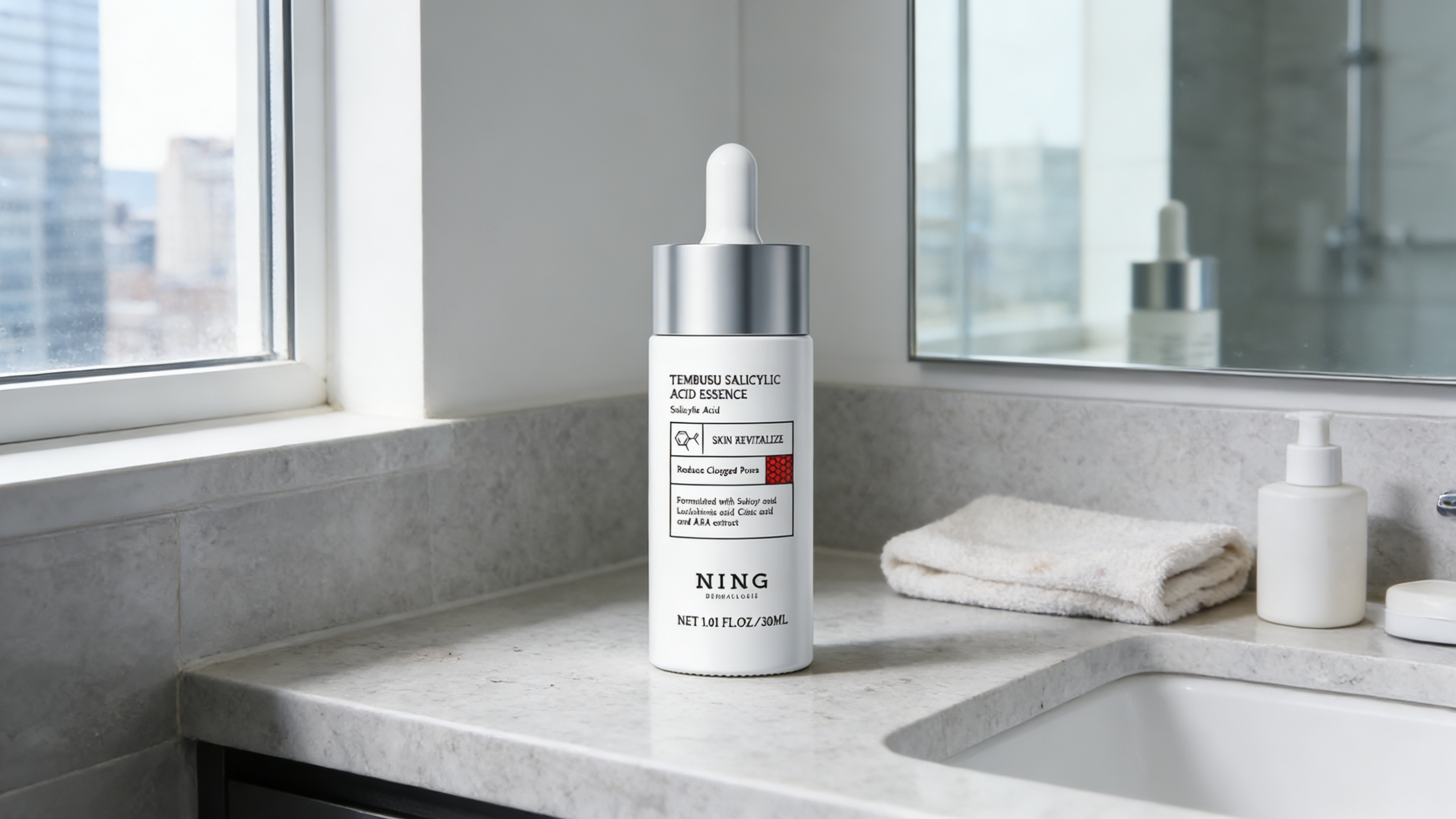

Dermatologists Recommend: The Most Effective Salicylic Acid Serums for 2025
You know the feeling. You wake up, look in the mirror, and there it is—a fresh breakout staring back at you. For years, the skincare industry has thrown everything at us, from gritty scrubs to harsh alcohols. But if you talk to any expert, one ingredient consistently rises to the top as the gold standard for acne treatment: Salicylic Acid.
Finding the best salicylic acid serum isn't just about picking the bottle with the highest percentage on the label. It is about formulation. It is about how the product containing salicylic acid interacts with your specific skin type. Whether you are battling persistent blackheads or occasional hormonal cysts, this guide cuts through the marketing noise. We are looking at why dermatologists swear by this BHA, how to use it without destroying your skin barrier, and why NING Dermologie has cracked the code on gentle yet potent exfoliation.

Understanding Salicylic Acid: More Than Just an Acne Fighter
Before we start slathering products on our faces, let's break down the science. Salicylic acid is a beta-hydroxy acid (BHA). If you are familiar with alpha hydroxy acid (AHA) options like glycolic acid, lactic acid, or mandelic acid, you know they are great for surface polishing. But they are water-soluble. They work on top.
Salicylic acid works differently. It is lipophilic, meaning it likes oil. This lets salicylic acid get deep into the pore lining, where it can break up the sebum that holds dead skin cells together. It's like a pipe cleaner for your pores. Salicylic acid helps stop acne before it even starts by breaking down the debris that clogs pores.
The Real Benefits of Salicylic Acid for Skin
While it is famous for being an acne treatment, the benefits of salicylic acid go beyond just killing zits.
- Texture Refining: It dissolves the bonds holding dull skin effectively. Regular use of salicylic acid serum can improve skin texture, leaving you with smooth skin.
- Oil Control: For those with oily skin, it regulates sebum without stripping.
- Anti-inflammatory: Surprisingly, salicylic acid is derived from willow bark (aspirin’s cousin). It soothes redness, making it effective for sensitive skin when formulated correctly.
How to Choose the Best Salicylic Acid Serum
Walking down the skincare aisle can be overwhelming. You see cleansers, toners, and spot treatments. However, dermatologist consensus often points to serums as the most effective delivery system. A salicylic acid serum stays on the skin long enough to work, unlike a cleanser that washes down the drain.
Here is what matters when finding the best salicylic acid serum:
-
The Concentration: Most effective products range from 0.5% to 2%. A concentration of salicylic acid at 2% is the sweet spot for oily and acne-prone skin.
-
The pH Level: For the acid to help exfoliate, the product needs a specific pH level (usually between 3 and 4).
-
Supporting Ingredients: This is where most brands fail. They give you acid but no comfort. The best salicylic acid serum must include hydrating agents like hyaluronic acid or soothing botanicals.
Best Salicylic Acid Serum for Sensitive Skin
If you have sensitive skin types, you might be terrified of acids. You should be careful, but you don't need to avoid them. The best salicylic acid serum for sensitive skin often utilizes a lower percentage or encapsulates the acid to release it slowly. Lipohydroxy acid is a derivative often used here, but a well-formulated 2% BHA with soothing agents is often more effective at actually clearing the debris.
Best Salicylic Acid Serum for Dry Skin
It sounds contradictory—using an oil-drying acid on dry skin. However, dry skin gets clogged too. The best salicylic acid serum for dry skin is one that is suspended in a hydrating base rather than alcohol. You want the exfoliation to remove dead skin cells (which dry skin has plenty of) without compromising the moisture barrier.
Top Recommendations: Navigating the 14 Best Salicylic Acid Products
When we look at the market, lists often tout the " 14 best salicylic acid products," but honestly, you don't need 14 bottles. You need one that works. We have analyzed the top contenders, from the Ordinary Salicylic Acid to high-end clinical brands, and narrowed it down to the absolute best overall performers.
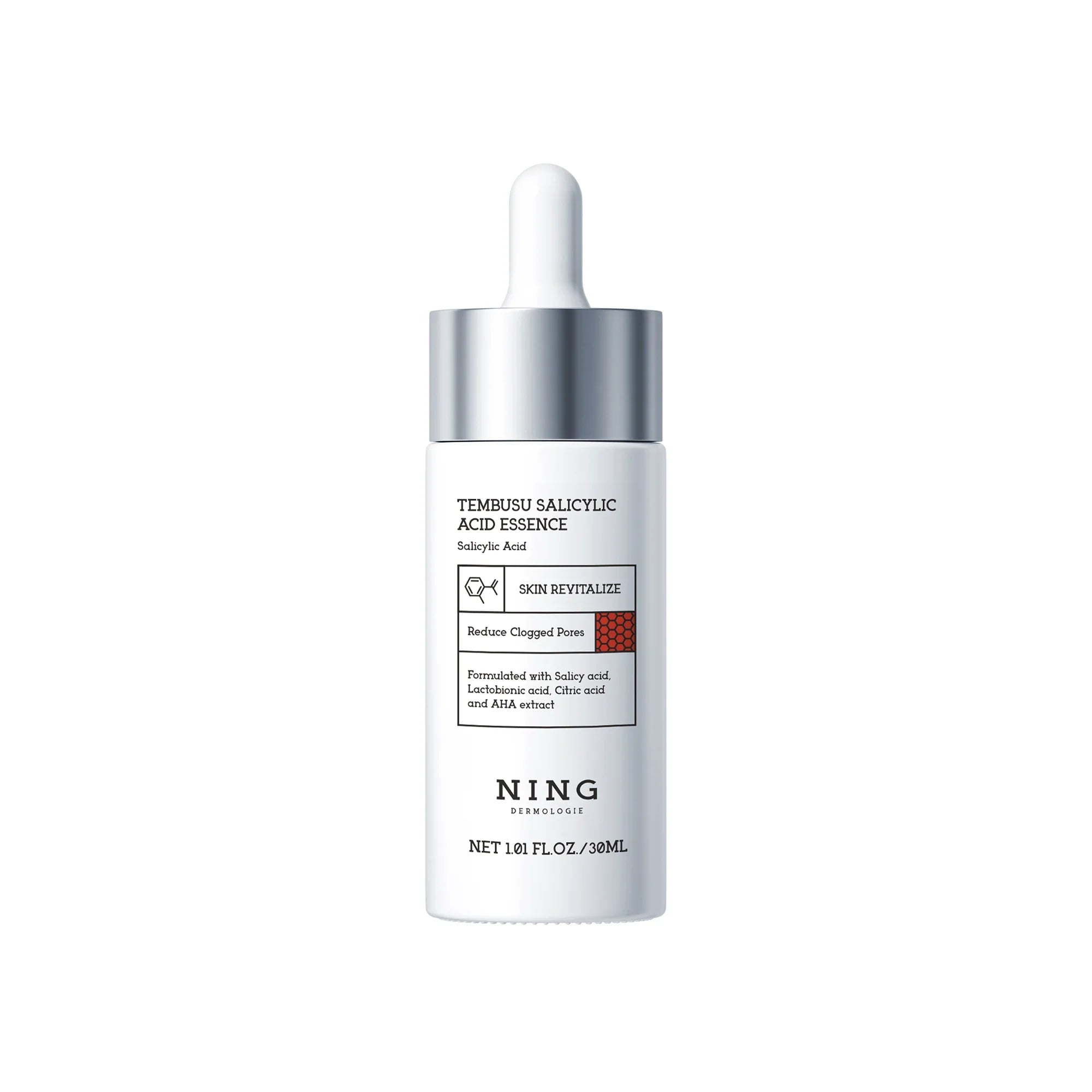
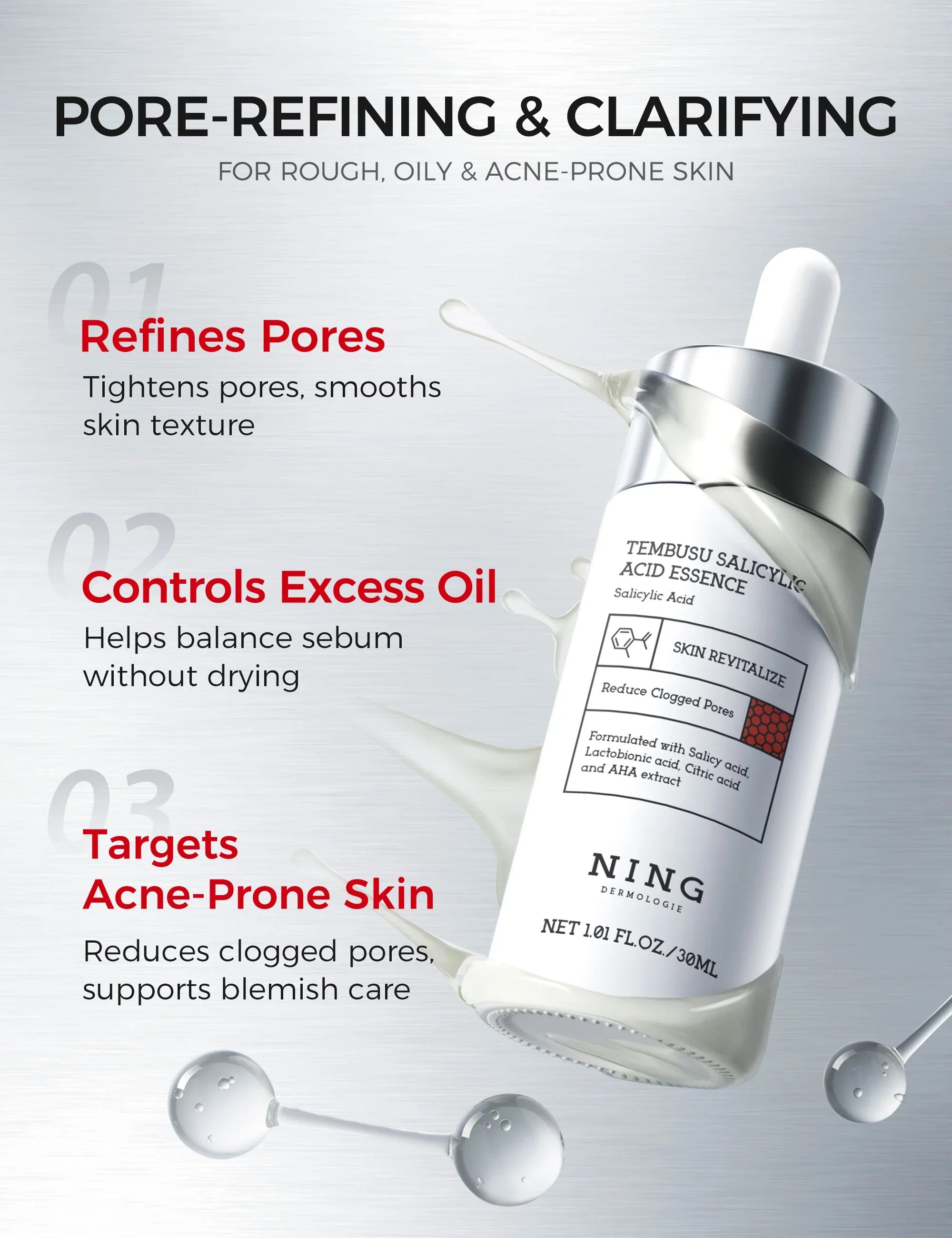
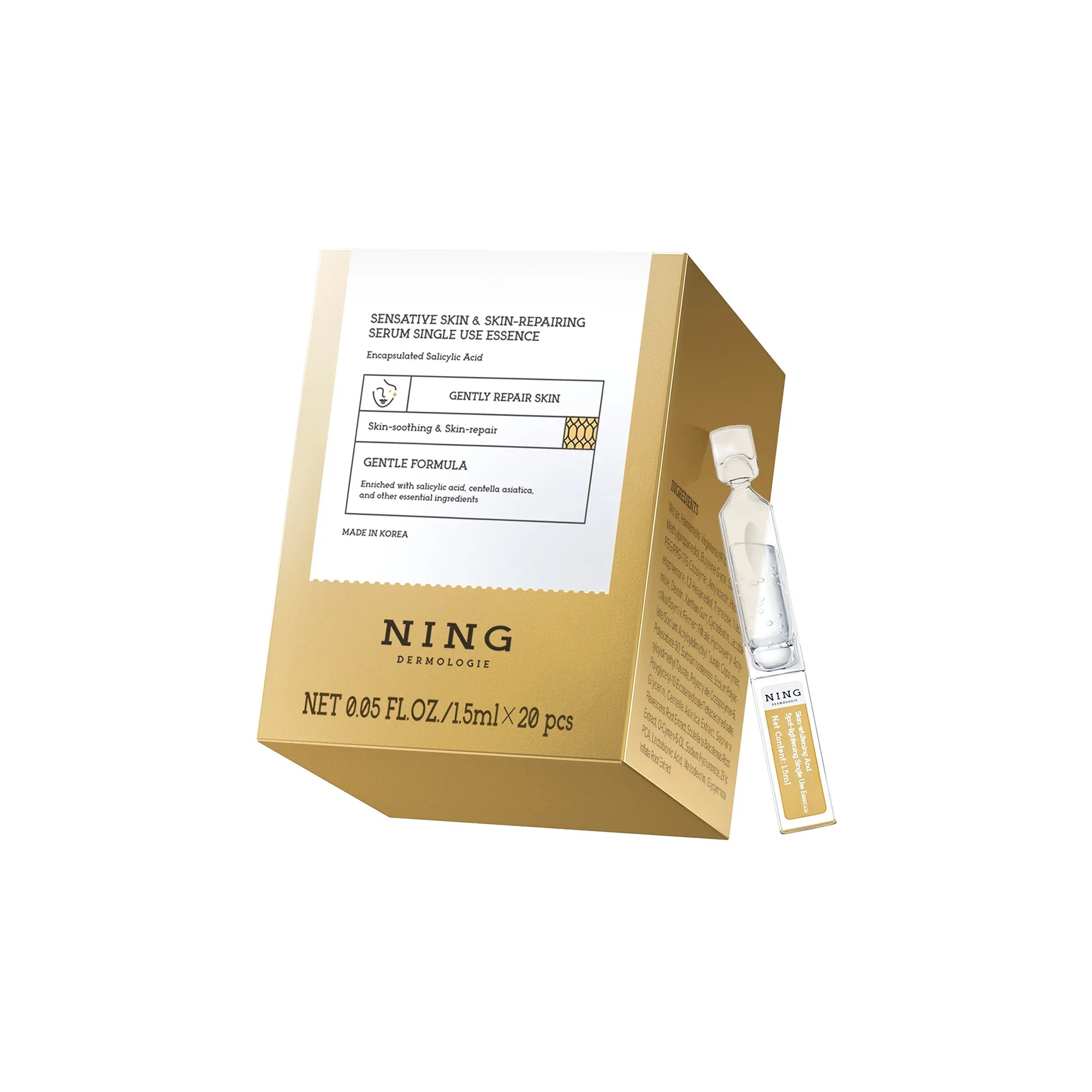
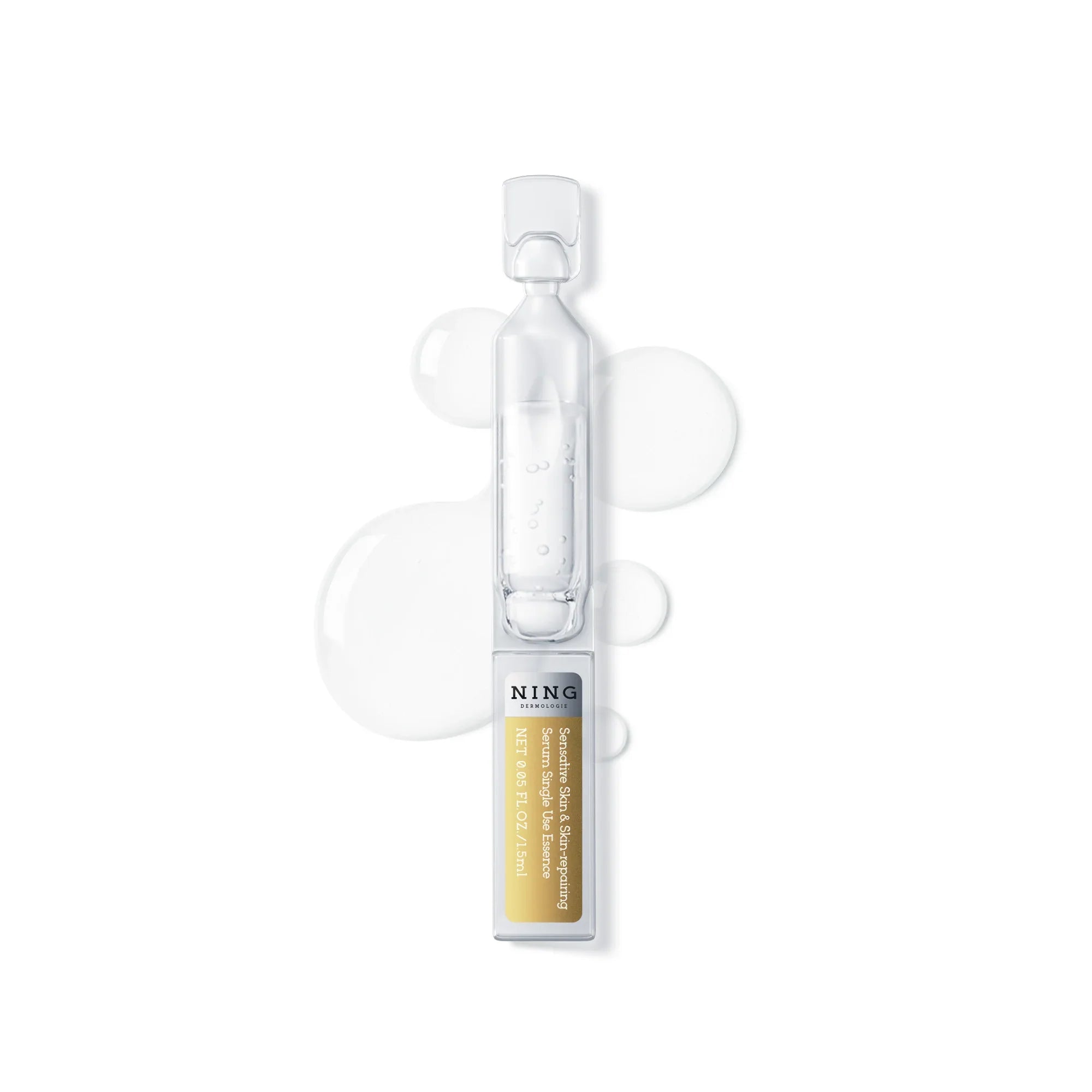
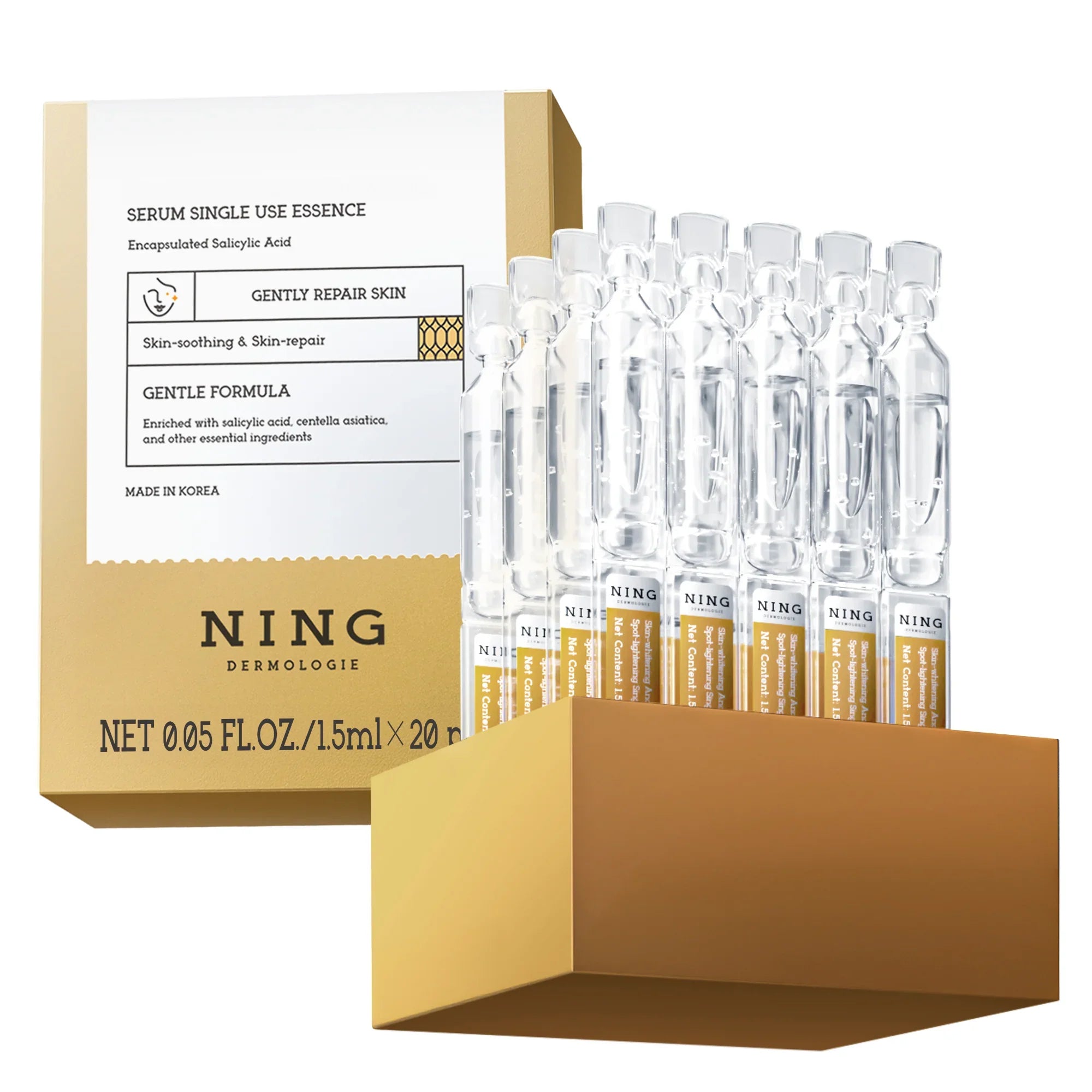
1. The Best Overall: NING Dermologie 2% Salicylic Acid Serum
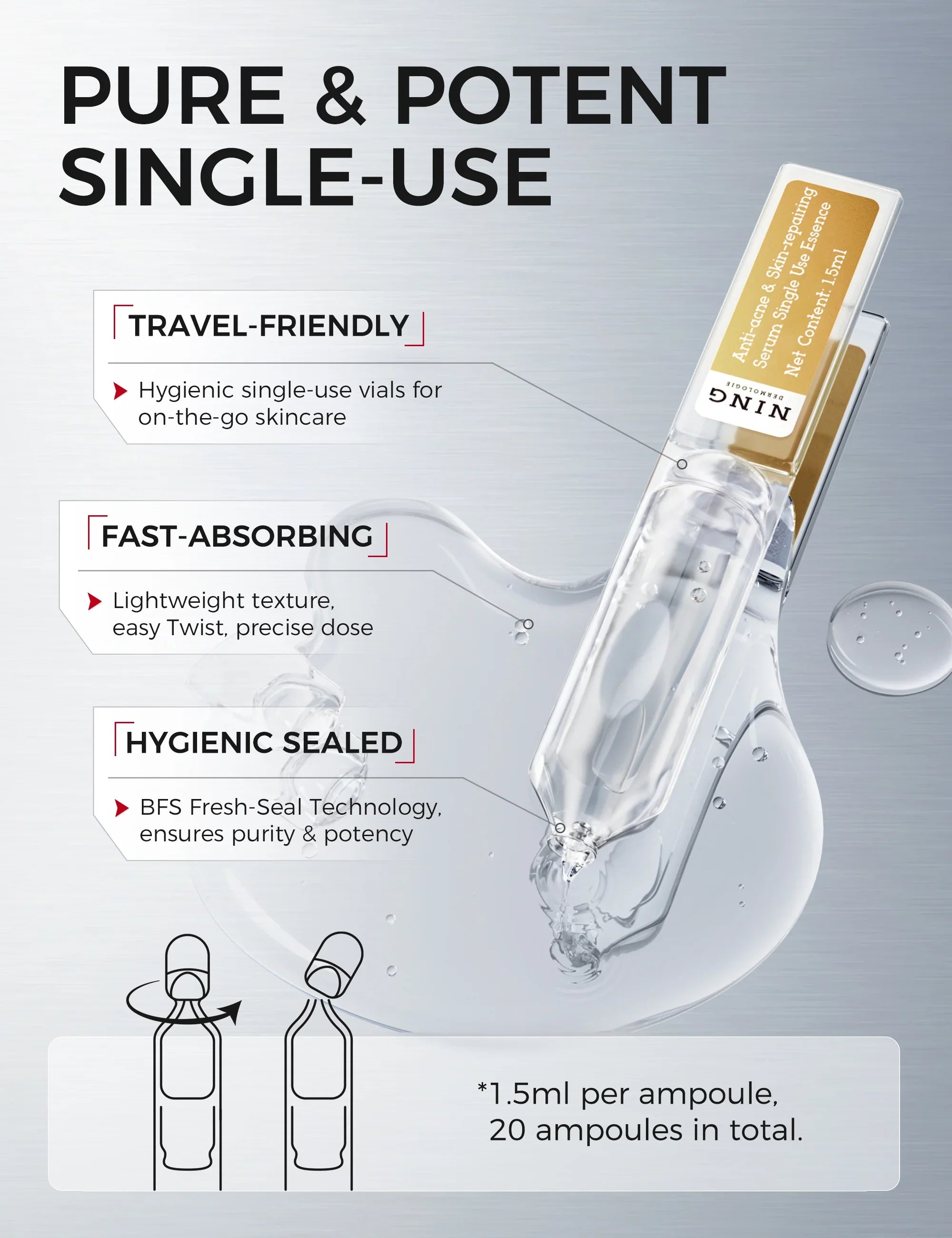
This is our top pick for a reason. Many salicylic acid products are effective but leave the skin feeling like sandpaper. NING Dermologie has formulated a 2% Salicylic Acid Serum that respects the skin barrier.
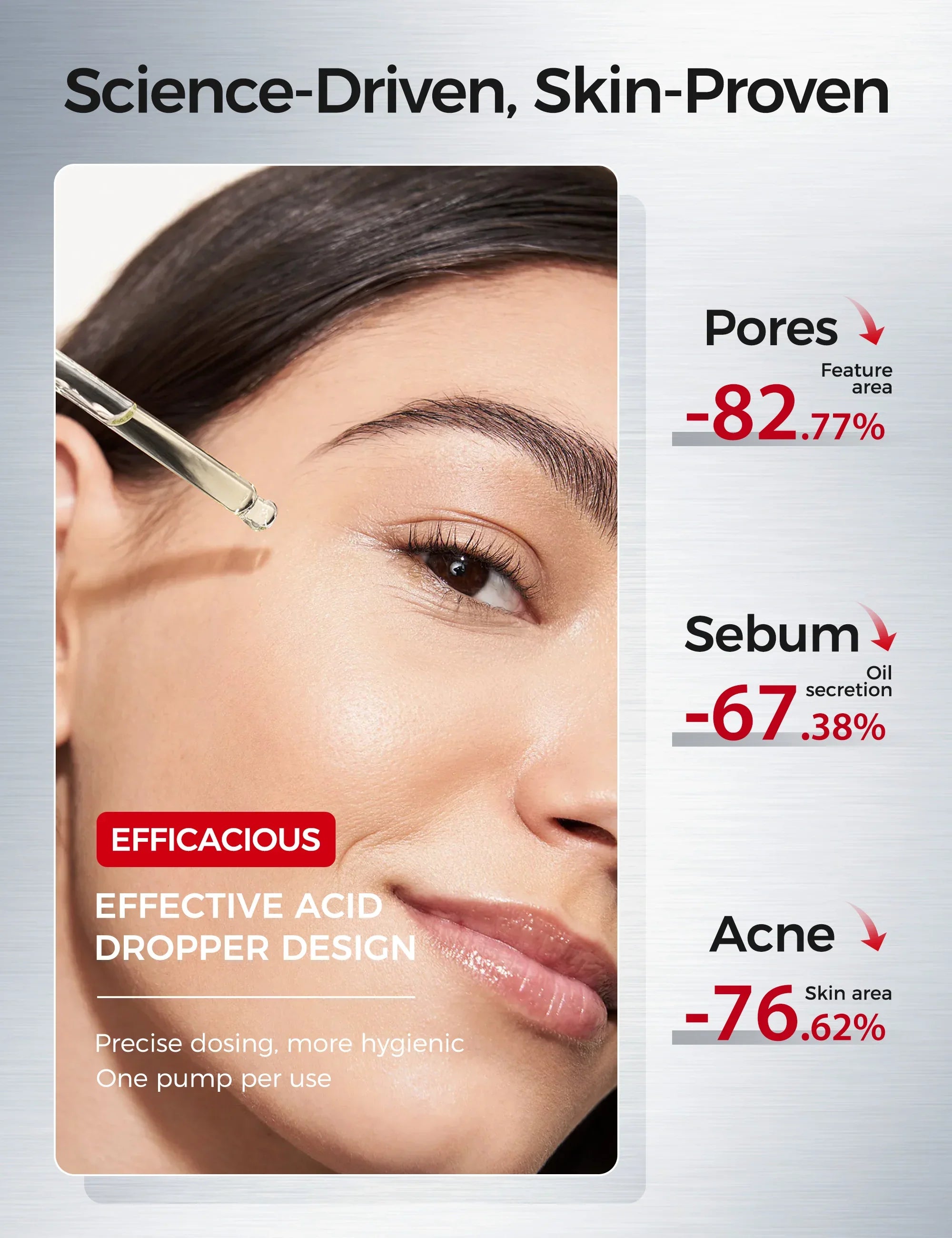
Designed specifically to tackle salicylic acid acne concerns while maintaining hydration, this serum is a powerhouse. It doesn't just treat the breakout; it treats the skin.
- Why it wins: It targets oily or acne-prone skin without the harsh "burn" associated with older BHA formulas.
- Key Ingredients: It combines the maximum strength 2% BHA with soothing elements. This means salicylic acid penetrates the pore, but the skin remains calm.
- Texture: Lightweight, non-sticky, and layers perfectly under moisturizer.
- Verdict: If you want smooth skin and clear pores without the irritation, this is the modern standard.
👉 Shop the NING Dermologie 2% Salicylic Acid Serum here
2. The Budget Contender: The Ordinary Salicylic Acid 2% Solution
You cannot talk about BHAs without mentioning the Ordinary Salicylic Acid. It is famous for being affordable. It works well for spot treatment. However, some users with sensitive skin find the water-based formula a bit tacky or drying over time. It’s a solid entry-level product containing salicylic acid.
3. The Classic Choice: Paula’s Choice Skin Perfecting 2% BHA
A longtime favorite. It is a liquid exfoliant rather than a serum. It is highly effective for people with acne-prone skin, but the liquid texture can be messy, and it can leave an oily film that some users with oily skin dislike during the day.
4. Best Cleanser Option: CeraVe Renewing SA Cleanser
If leaving a serum on your face feels too intense, a cleanser is a good step one. It contains ceramides to support the barrier. However, because you wash it off, the salicylic acid works less aggressively than in a leave-on treatment.
(Note: While we could list 10 more, including products with citric acid blends or lipohydroxy acid, the reality is that a dedicated serum like NING provides the most targeted results for persistent texture issues.)
How to Use Salicylic Acid Serum Effectively
Not just the product, but the routine is what makes you successful. It takes time to use salicylic acid safely. This is how to add it to your skin care routine:
-
Start Slow: If you’re new to salicylic acid, do not apply it every night. Start 2-3 times a week. Let your skin react and adjust.
-
Cleanse First: Always apply to clean, dry skin.
-
The Application: Take a few drops of the NING Dermologie serum. Pat it into the skin. Focus on the T-zone or areas with buildup of dead skin cells.
-
Hydrate: This is non-negotiable. Follow up with a moisturizer. Salicylic acid with hydrating ingredients in the next step will lock in comfort.
-
Sun Protection: Salicylic acid helps reveal fresh skin, but that skin underneath is vulnerable. Salicylic acid can lead to sun sensitivity. Always protect your skin from UV rays during the day.
Avoiding Common Mistakes
- Over-exfoliation: More is not better. Using glycolic acid, retinol, and salicylic acid all at once is a recipe for disaster. It can damage your barrier, making skin conditions worse.
- Ignoring Dryness: If your face feels tight, skip a night. Listen to how your skin feels.
- Spot Treating vs. All Over: For prevention, applying a thin layer over prone areas is better than just hitting the zit after it appears. This prevents the sebum and dead skin cells from clogging the pore in the first place.

Building Your Skin Barrier with Salicylic Acid
There is a myth that you have to "dry out" acne. This is false. When you dry out the surface of the skin, your body panics and produces more oil to compensate. This leads to a cycle of breakouts.
The best salicylic acid serum (like NING's formula) accounts for this. It clears the pore while respecting the outer layer of skin. To further support the skin barrier, look for:
- Ceramides: The mortar between your skin cells.
- Niacinamide: Works beautifully alongside BHA to reduce redness and regulate oil.
- Hydration: Drinking water helps, but topical hydration is what keeps the skin looking plump.
For combination skin, you might apply the serum only to your oily T-zone and use a heavier moisturizer on your dry cheeks. This strategy allows the acid to help with oil where needed without irritating dry patches.
Why Salicylic Acid is a Long-Term Relationship
Skincare is not magic; it’s biology. A salicylic acid acne treatment typically takes 4 to 6 weeks to show full results. This is because it takes time for the buildup of dead skin cells to clear out and for the cycle of acne to be interrupted.
When you consistently use a high-quality product like the NING Dermologie 2% Salicylic Acid Serum, you aren't just treating today's pimple. You are changing the environment of your skin. You are keeping the pores clear, smoothing the texture, and creating a canvas that reflects light better (hello, skin tone improvement).
Whether you have different skin concerns like rough texture (keratosis pilaris) or standard teenage/adult acne, BHA is the reliable workhorse you need. It is gentle on the skin when used right, but ruthless on impurities.
Frequently Asked Questions (FAQ)
1. Can I use salicylic acid serum every day?
It depends on your skin's tolerance and the product's formulation. With a balanced product like NING Dermologie, many people with oily skin can tolerate daily use. However, beginners should start with 2-3 times a week. If you experience excessive peeling or redness, scale back. Consistency is better than intensity. Always listen to your skin; if it feels tight, give it a break.
2. Does salicylic acid cause "purging"?
Yes, this is common. Because salicylic acid penetrates deep and speeds up cell turnover, it brings underlying micro-comedones (baby pimples) to the surface faster. This might make your skin look worse for 2-4 weeks before it gets better. This is actually a sign the acid works. Stick with it unless you see signs of an allergic reaction like severe itching or hives.
3. Can I use salicylic acid with Vitamin C?
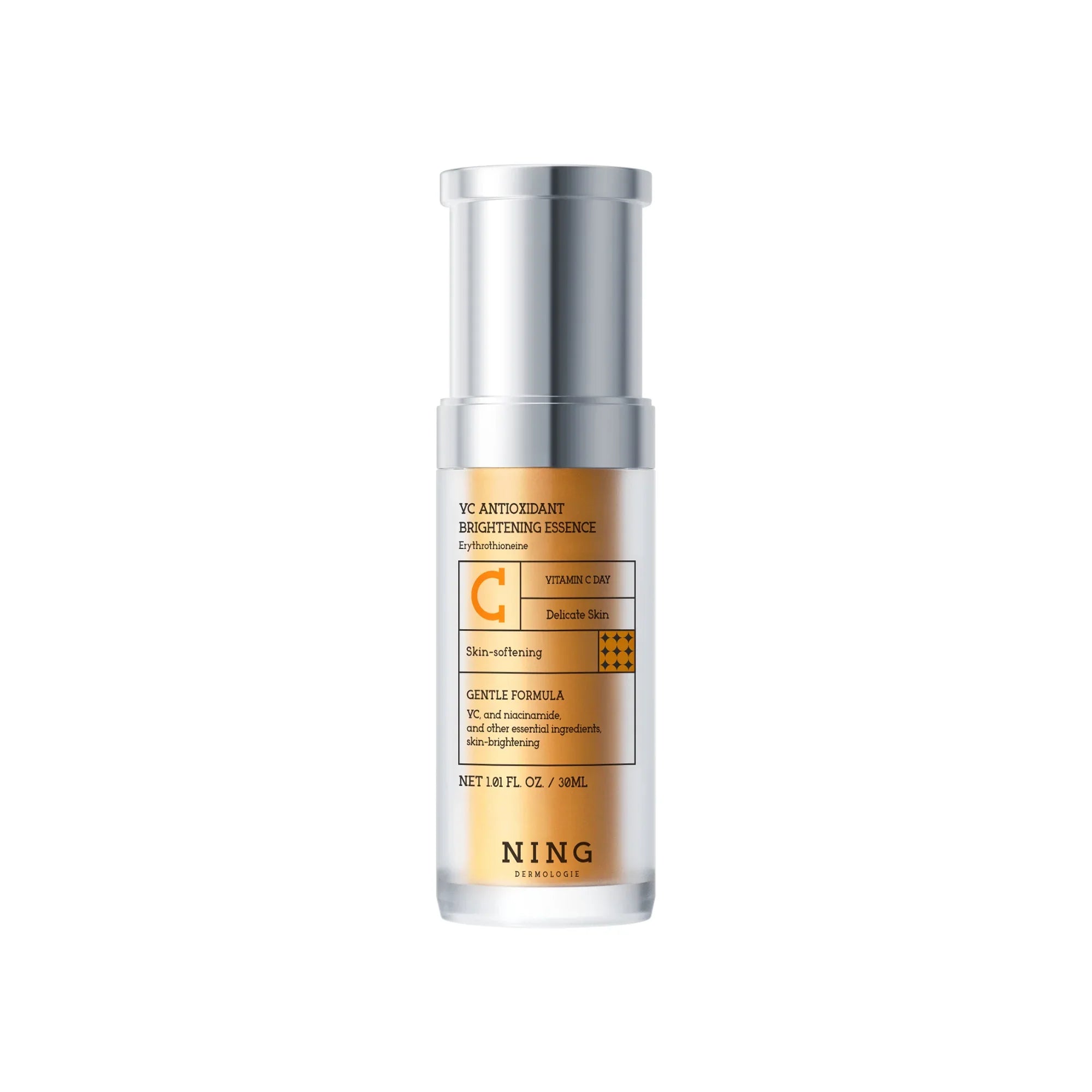
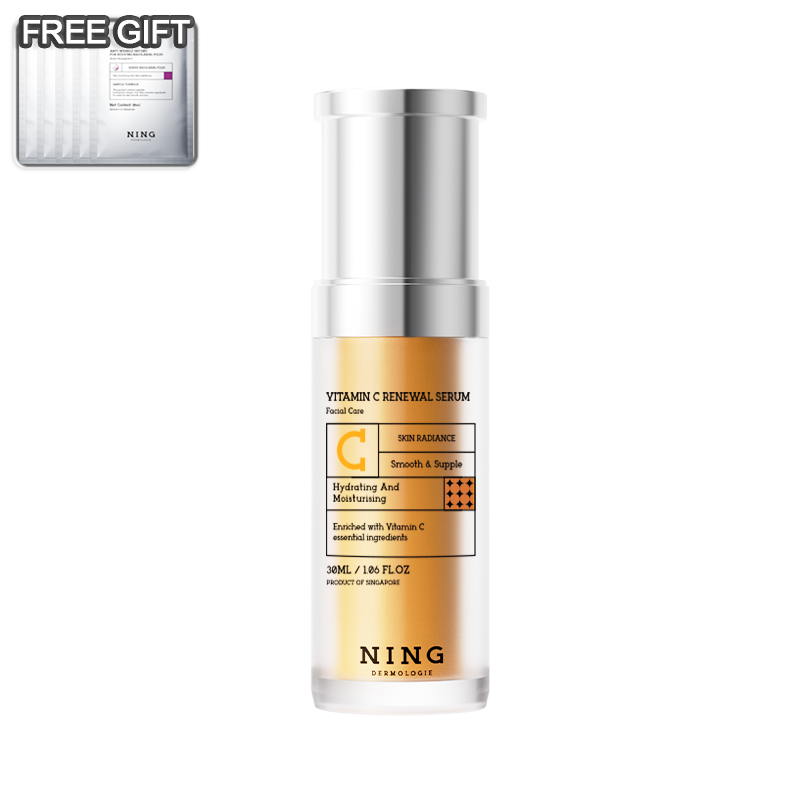
You can, but be careful. Both are active ingredients with potential to cause skin irritation. It is generally best to use Vitamin C in the morning to protect against free radicals and salicylic acid in the evening to deep clean pores. If you have very resilient skin, you can layer them, but applying them at different times of day is the safest bet for sensitive skin.
4. Is salicylic acid safe for pregnancy?
Doctors generally recommend avoiding high concentrations of salicylic acid (like in professional peels) during pregnancy. However, low concentrations (2% or less) in over-the-counter products are often considered low risk. That said, many dermatologists suggest switching to lactic acid or azelaic acid during pregnancy just to be totally safe. Always consult your obstetrician before continuing your acne treatment.
5. How is salicylic acid different from benzoyl peroxide?
Benzoyl peroxide kills acne-causing bacteria and oxidizes the pore, but it can be very drying and bleaching. Salicylic acid is an exfoliant that physically unclogs the pore by dissolving oil and dead cells. BHA is generally better for blackheads, whiteheads, and overall skin texture, while benzoyl peroxide is strictly for killing inflamed acne bacteria.
6. Do I wash off salicylic acid serum?
No. A serum with salicylic acid is a treatment that stays on the skin. It needs time to soak in and stay on the skin to break down the dirt in your pores. After washing and toning your skin, put it on and let it soak in for a minute before putting on your moisturizer. Instead, look for a cleanser that has salicylic acid in it if you want something that will wash off.





Share:
Exploring Salicylic Acid vs. Other Topical Treatments: Which Is Best for Acne?
Exploring Salicylic Acid vs. Other Topical Treatments: Which Is Best for Acne?