


Salicylic Acid vs. Other Topical Treatments: Which Is Best for Acne?
We've all been in that situation. You get up, look in the mirror, and see a new breakout staring back at you. You hurry to the drugstore or look through online stores, but you're met with a dizzying list of chemical names. With salicylic acid, benzoyl peroxide, glycolic acid, and azelaic acid, it feels less like a skincare routine and more like a chemistry test you didn't study for.
At NING Dermologie, we believe that clearing your skin shouldn’t be a guessing game. It should be science.
Finding the choosing the right acne treatment isn't about buying the most expensive bottle; it’s about understanding your specific skin type and matching the active ingredient to the type of pimple you are fighting. This article strips away the marketing fluff to compare salicylic acid vs the rest of the acne-fighting world, helping you build a routine that actually products work.

The Heavyweight Champion: Salicylic Acid for Acne
Let’s start with the gold standard. Salicylic acid is arguably the most famous ingredient in the acne treatment aisle, and for good reason. But what exactly is it?
Salicylic acid is known as a beta-hydroxy acid (BHA). The "beta" part is very important. Salicylic acid is oil-soluble, unlike water-soluble acids like AHAs. This means that it doesn't just sit on top of your face; it can actually get deep into the pore lining.
How Salicylic Acid Works
Think of your pores like a tiny pipe. Over time, excess oil and dead skin cells mix together to create a sludge that blocks that pipe. This is the start of a comedone (blackhead or whitehead).
Salicylic acid works by dissolving the "glue" that holds these dead cells together. It dives into the follicle, breaks down the debris, and unclog pores from the inside out. Because it can exfoliate inside the pore, it is exceptionally effective at treating blackheads and whiteheads.
Furthermore, salicylic acid has mild anti-inflammatory properties. This means it doesn't just treat acne; it can soothe the redness associated with a breakout.
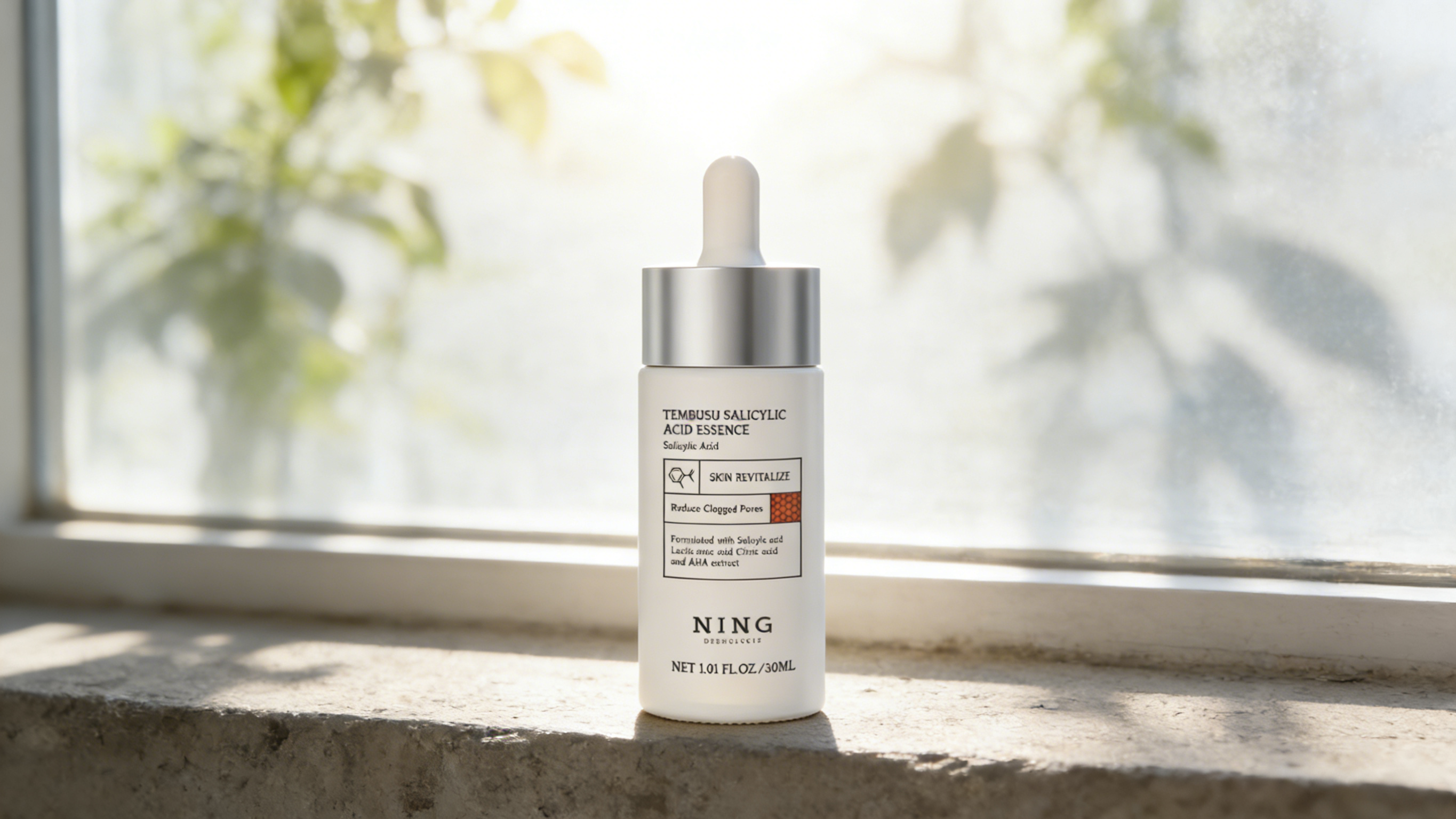
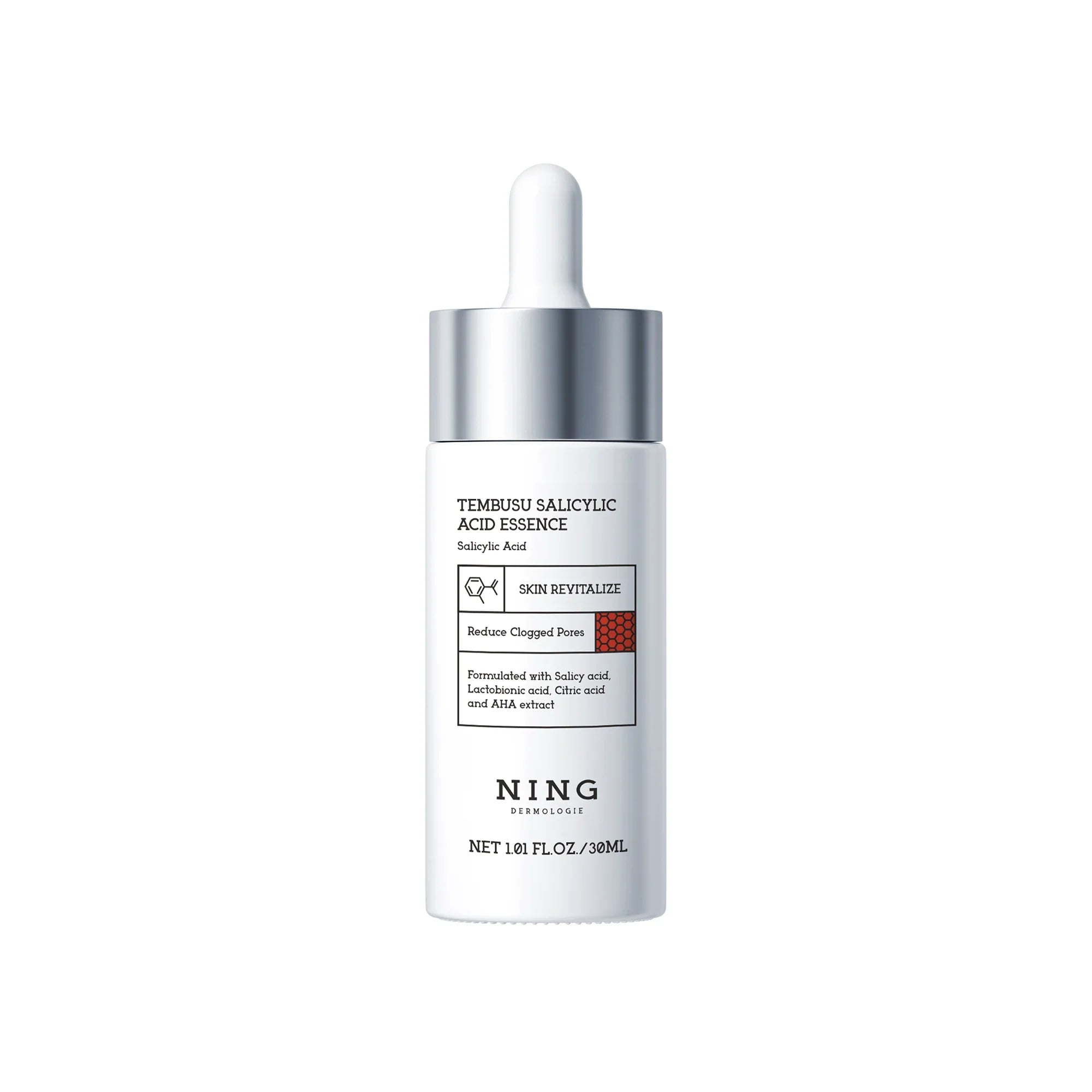
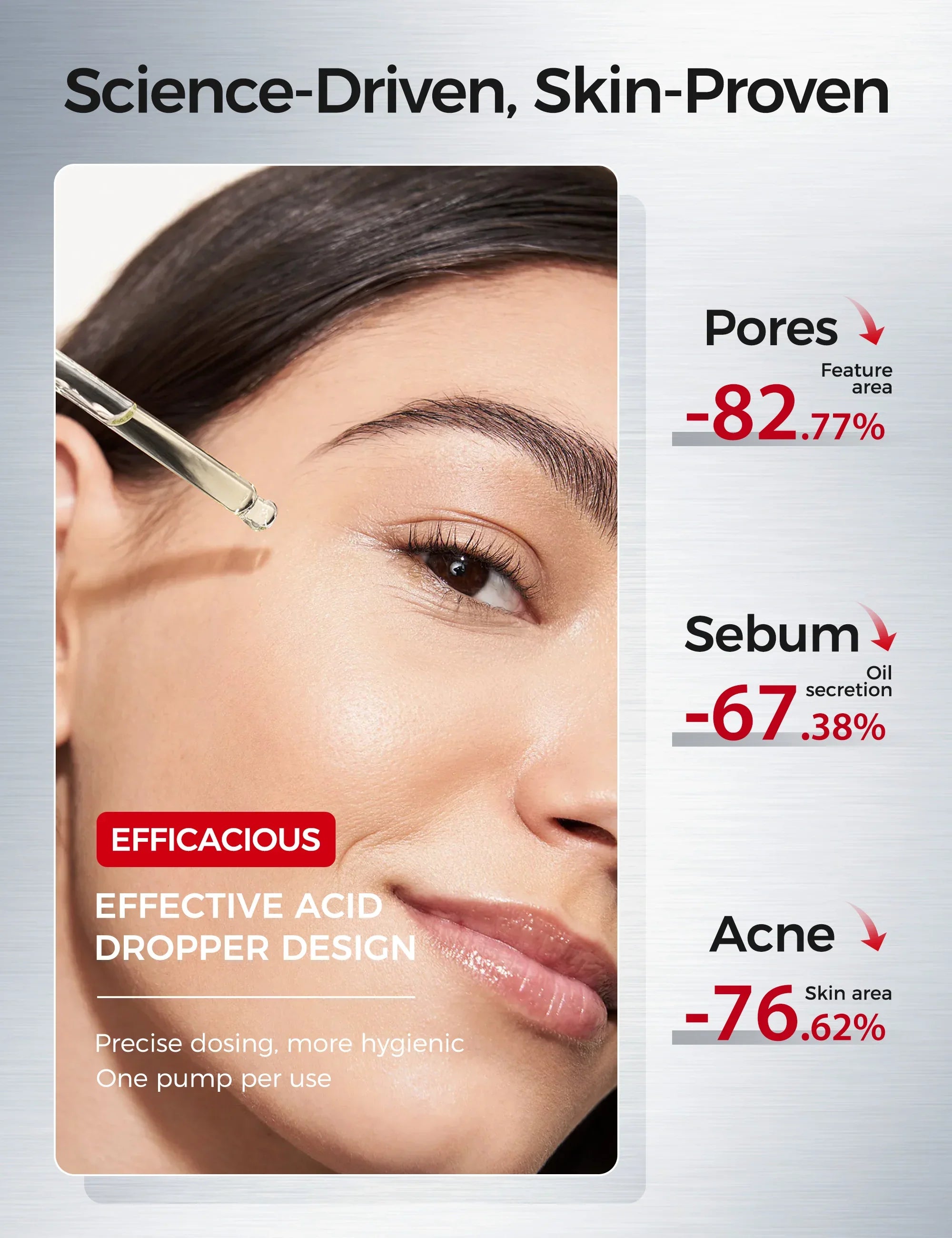
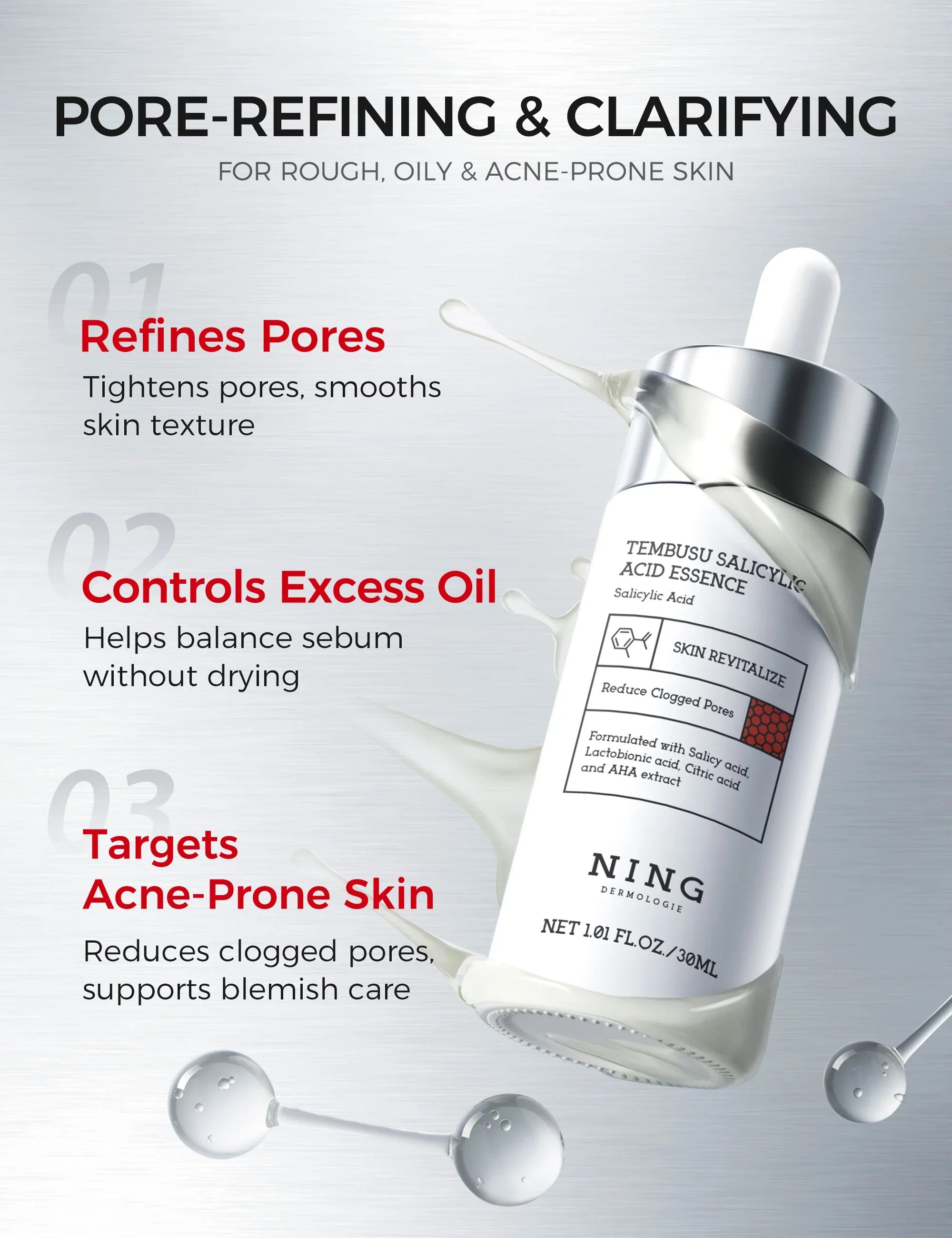
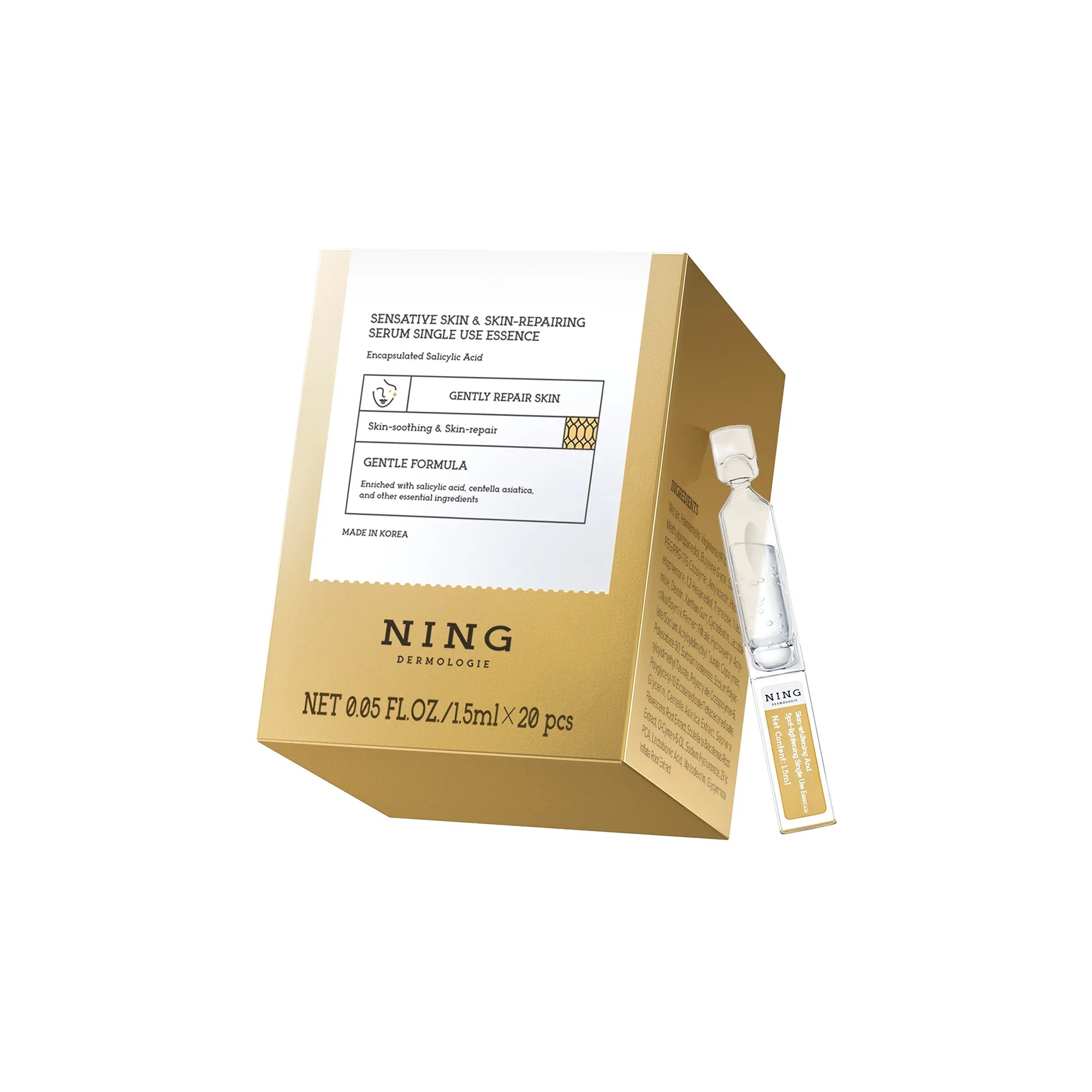
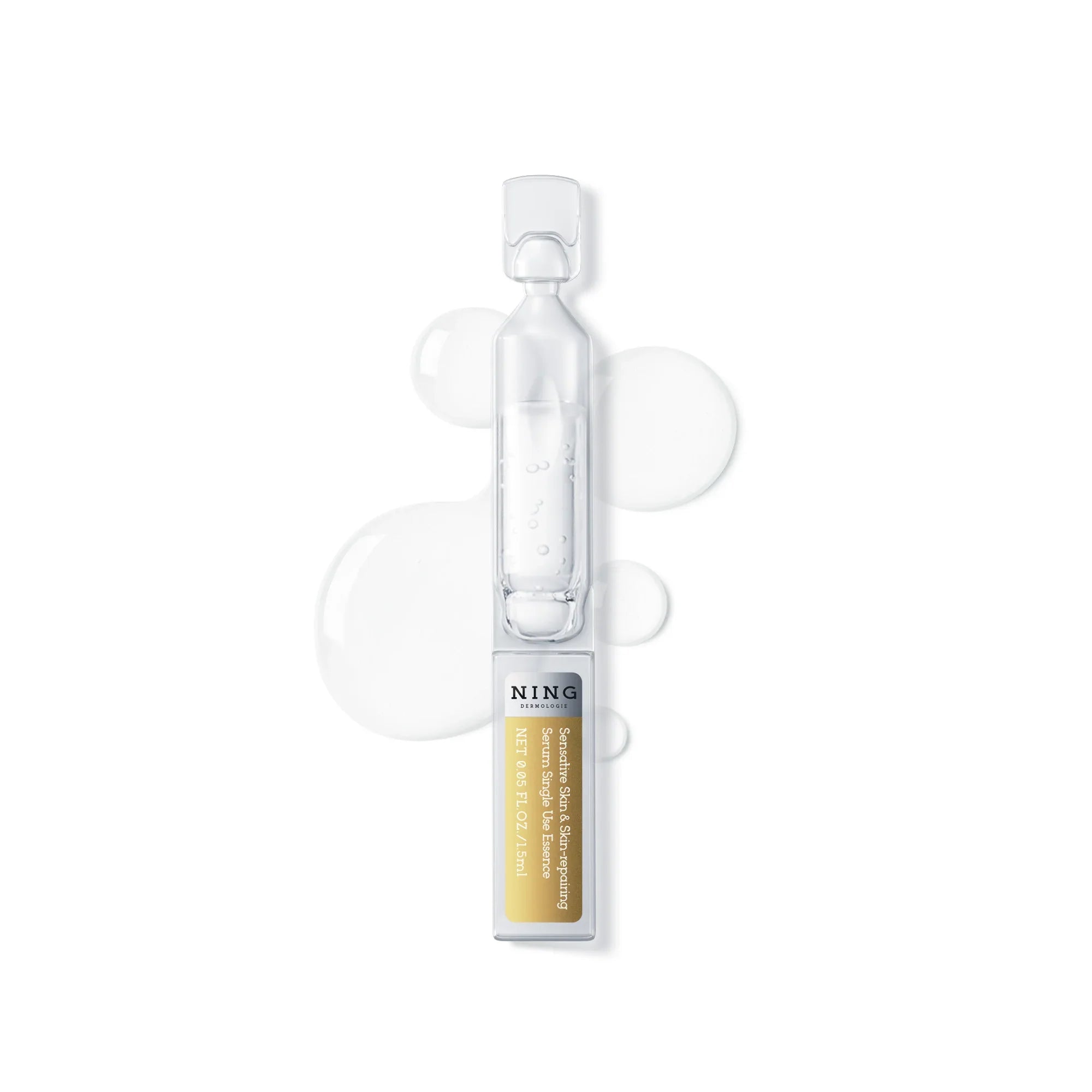
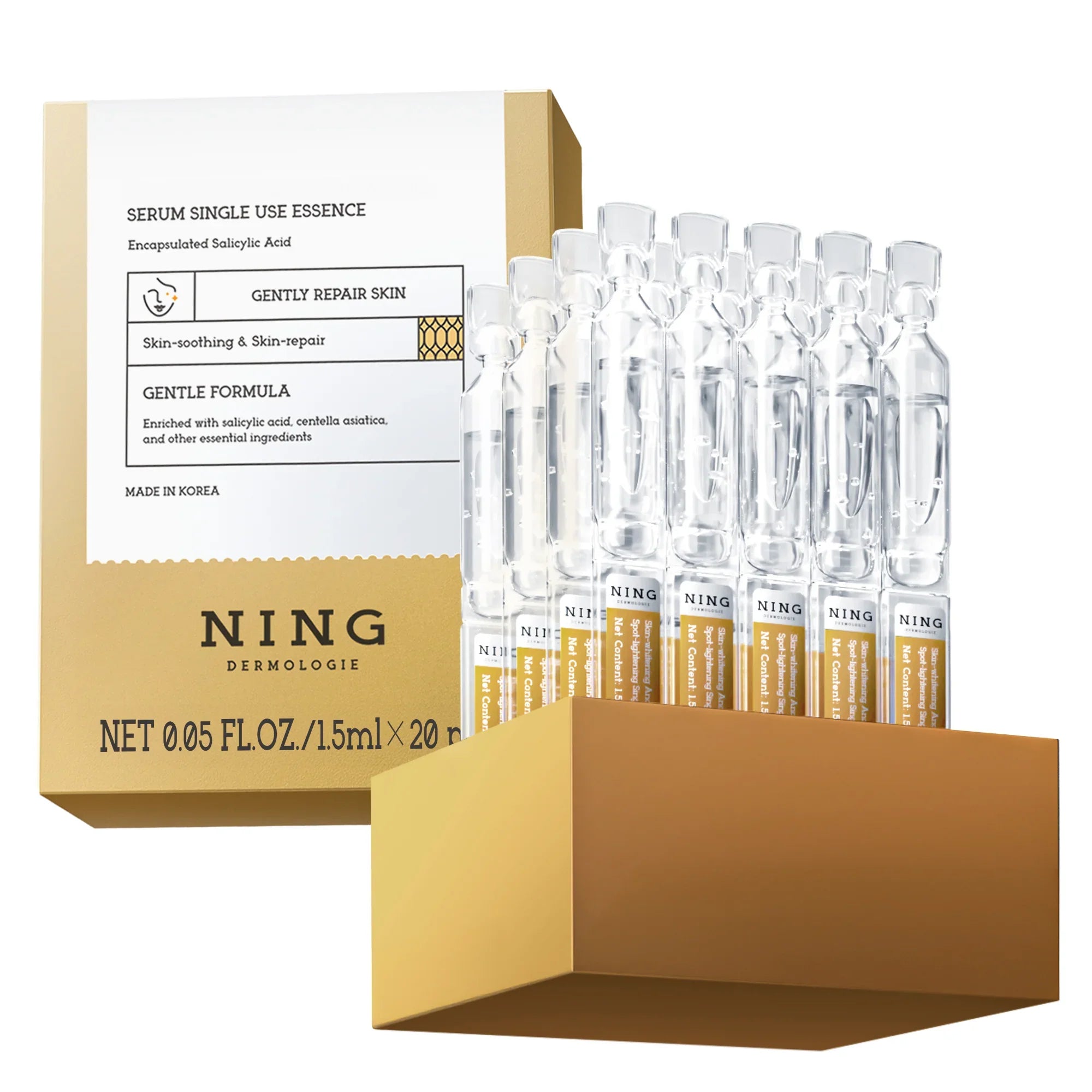
For those looking for a targeted solution, our NING Dermologie 2% Salicylic Acid Serum is formulated to deliver this active ingredient efficiently without the unnecessary fillers that often lead to irritation.
The Bacteria Killer: Benzoyl Peroxide
If salicylic acid is the "exfoliator," benzoyl peroxide is the "nuke."
Benzoyl peroxide is another heavy hitter, but it operates on a completely different mechanism. It is an antimicrobial agent. When applied to the skin, it decomposes and releases oxygen. The bacteria that cause acne (C. acnes) are anaerobic—meaning they cannot survive in an oxygen-rich environment. Essentially, benzoyl peroxide works by suffocating the bad bacteria.
Benzoyl Peroxide for Acne: The Pros and Cons
Benzoyl peroxide products are incredibly effective for red, angry, inflammatory acne (pustules and papules). If you have a deep, painful pimple, benzoyl peroxide can help shut it down quickly.
However, this power comes at a cost. Benzoyl peroxide vs other treatments is notorious for side effects. It is significantly more drying and can cause peeling and severe dryness. Perhaps the most annoying trait? It bleaches fabrics. If you use a benzoyl peroxide cream at night, say goodbye to your colorful pillowcases.
The Showdown: Benzoyl Peroxide vs. Salicylic Acid
This is the most common debate in dermatology: benzoyl peroxide vs salicylic acid. Which one belongs in your cabinet?
The answer depends entirely on what is happening on your face.
Round 1: Blackheads and Whiteheads
- Winner: Salicylic Acid.
- Why: Benzoyl peroxide kills bacteria, but it doesn't do much to physically unclog the debris trapped in a pore. To dissolve the plug of sebum and keratin, you need the oil-soluble nature of BHA. Salicylic acid alone is usually sufficient here.
Round 2: Red, Inflamed Pimples
- Winner: Benzoyl peroxide (or a combination).
- Why: If the pimple is red and pus-filled, bacteria are the primary culprit. Benzoyl peroxide might clear the infection faster than salicylic acid alone.
Round 3: Sensitive Skin
- Winner: Salicylic Acid.
- Why: While both can be drying, ingredients like salicylic acid (especially in a balanced formula like the NING Dermologie serum) are generally better tolerated than benzoyl peroxide, which can be harsh and cause contact dermatitis in sensitive individuals.
Here is a quick breakdown of acid vs salicylic acid and peroxide:
| Feature | Salicylic Acid | Benzoyl Peroxide |
| Main Action | Exfoliates the skin & unclogs pores | Kills acne bacteria |
| Best For | Blackheads, whiteheads, oily skin | Inflamed pustules, cysts |
| Solubility | Oil-soluble | Not applicable |
| Side Effects | Mild dryness | High dryness, bleaching fabric |
Other Contenders: Glycolic Acid and Azelaic Acid
While the benzoyl peroxide and salicylic acid debate dominates the conversation, other acids play a vital role in keeping your skin clear.
Glycolic Acid (AHA)
Glycolic acid is an alpha hydroxy acid. Unlike salicylic acid, it is water-soluble. It cannot penetrate the pore lining to clear out deep oil. Instead, it works on the surface. It dissolves the bonds between dead skin cells on the uppermost layer of the epidermis.
When considering glycolic acid in an acne treatment, think of it as a surface polisher. It helps fade the dark spots (hyperpigmentation) left behind after the acne heals. If you are comparing this acid vs salicylic acid, use salicylic to fight the active pimple and glycolic to smooth the texture afterward.
Azelaic Acid
Azelaic acid is the unsung hero for sensitive and acne-prone skin. It is a organic acid found in grains like wheat and barley. It is distinct because it is incredibly gentle. It kills bacteria (like benzoyl peroxide) and exfoliates (like salicylic acid), but it does so with much less skin irritation. It is particularly excellent for calming redness and treating rosacea alongside acne.
Can They Be Used Together?
The million-dollar question: Can you use salicylic acid and benzoyl peroxide at the same time?
Technically, yes. Used together, they attack acne from two angles: the BHA unclogs the pore, and the peroxide kills the bacteria inside. However, layering them directly on top of each other is a recipe for disaster (read: a red, flaky, burning face).
The Safe Way to Combine Active Ingredients
If you have severe or stubborn acne, you might need both. Here is how to do it without destroying your moisture barrier:
-
Alternate Days: Use your 2% Salicylic Acid Serum one night, and your benzoyl peroxide treatment the next.
-
AM/PM Split: Use salicylic acid in the morning to control oil throughout the day, and use benzoyl peroxide at night as a spot treatment.
-
The Contact Therapy Method: Apply benzoyl peroxide, leave it on for 5 minutes to kill bacteria, and then wash it off. Follow up with a leave-on salicylic acid serum. This reduces irritation significantly.
Warning: Do not mix Retinol with these acids simultaneously unless directed by a professional.
Building Your Acne-Fighting Skincare Routine
You have the products, but the order matters. A chaotic application can render even the best acne products useless. Here is a routine blueprint optimized for acne-prone skin using NING Dermologie principles.
Step 1: The Cleanser
Start with a gentle canvas. You don't always need a medicated cleanser. If you are using strong leave-on treatments, a simple, hydrating cleanser is often better for your skin. However, if you have very oily skin, a salicylic acid cleanser can provide a "wash-off" exfoliation that is less irritating than a serum.
Step 2: The Treatment (The Critical Step)
This is where the magic happens. Apply a thin layer of NING Dermologie 2% Salicylic Acid Serum to dry skin.
- Tip: Don't just spot treat. Apply it to the areas where you usually break out to help prevent new acne from forming. Salicylic acid can be used as a preventative measure, not just a reactive one.
Step 3: Hydration
Many people with acne skip moisturizer because they fear it will clog pores. This is a huge mistake. When you dry out your skin with acne medications, your skin panics and produces more oil to compensate. This leads to more breakouts. Look for a lightweight, "non-comedogenic" moisturizer to balance the dryness caused by the acids.
Step 4: Protection (AM Only)
Salicylic acid, glycolic acid, and benzoyl peroxide all expose fresh skin, making you more susceptible to UV damage. Sunscreen is non-negotiable. If you don't wear it, the dark spots left by old pimples will stay on your face for months.
Decoding the "Acid vs." Confusion
Marketing labels can be confusing. Let's simplify a few common comparisons you might see when shopping for related products.
- Lactic Acid vs. Salicylic Acid: Lactic acid is an AHA (like glycolic). It hydrates while it exfoliates. Choose lactic if you have dry skin and surface texture. Choose salicylic if you have oil and deep clogs.
- Hyaluronic Acid vs. Salicylic Acid: This is a trick question. Hyaluronic acid isn't an exfoliating acid; it's a hydrator that holds water. You should actually use them together! Apply salicylic acid first to clear the pore, then hyaluronic acid to plump the skin.

When to See a Dermatologist
We are proud of the efficacy of our 2% Salicylic Acid Serum, but we also know that skincare has limits. If you are dealing with deep, painful cysts that leave scars, or if your acne hasn't responded to OTC (over-the-counter) treatment products after 12 weeks, you need to consult a dermatologist.
Severe acne cases may require prescription-strength retinoids (like tretinoin), oral antibiotics, or isotretinoin (Accutane). A doctor can also help you determine if your "acne" is actually something else, like fungal acne or rosacea, which require totally different treatments.
Final Thoughts: Consistency is Key
There is no miracle cure that works overnight. Salicylic acid works, but it takes time to purge the deep-seated congestion in your pores. Benzoyl peroxide works, but it requires patience to manage the dryness.
At NING Dermologie, we recommend sticking to a routine for at least 4 to 6 weeks before deciding if a product works. Start slow. Listen to your skin. If you notice skin irritation, back off to every other day.
Whether you choose salicylic acid, benzoyl peroxide, or a combination of both, the goal is clear, healthy skin—not perfect skin. By understanding the science behind the bottle, you are already halfway there.
Frequently Asked Questions (FAQ)
1. Can I use salicylic acid and benzoyl peroxide together?
Yes, but proceed with caution. Using both simultaneously can cause extreme dryness and irritation. It is safer to use them at different times of the day (e.g., salicylic acid in the morning and benzoyl peroxide at night) or on alternate days. If you have sensitive skin, stick to just one. Our NING Dermologie 2% Salicylic Acid Serum is effective on its own for most pore-clogging issues without the need for harsh layering.
2. Does salicylic acid cause purging?
Yes, this is common. Because salicylic acid exfoliates inside the pore, it speeds up cell turnover. This pushes deep micro-comedones to the surface faster than usual, resulting in a temporary increase in breakouts known as "purging." This typically lasts 2–4 weeks. Do not stop using the product unless you experience burning or an allergic reaction; the clear skin is waiting on the other side of the purge.
3. Is salicylic acid or benzoyl peroxide better for teenage acne?
Teenage acne is often driven by hormonal surges increasing oil production. Salicylic acid is usually the best starting point because it directly addresses this excess oil and prevents the initial clogged pores. However, if the acne is very inflamed and red (pustules), adding benzoyl peroxide as a spot treatment can be very effective. A gentle routine is vital for young skin to avoid damaging the barrier.
4. How often should I use the NING Dermologie 2% Salicylic Acid Serum?
Start slowly. We recommend using it once every other evening for the first week to let your skin adjust. If your skin tolerates it well (no excessive stinging or peeling), you can increase usage to once daily. If you have very oily skin, you might eventually use it twice a day, but for most users, once a day is the "sweet spot" to treat acne without causing dehydration.
5. Can salicylic acid help with acne scars?
Salicylic acid helps fade marks left by acne by stopping new breakouts and lowering inflammation. This stops the dark spots from forming in the first place. It doesn't work very well on already-existing textural scars (pitted skin). Glycolic acid or other ingredients like Vitamin C and niacinamide are usually better at making dark spots (hyperpigmentation) go away than salicylic acid alone.
6. Will salicylic acid dry out my skin?
It can, as its job is to remove excess oil. However, salicylic acid is generally less drying than benzoyl peroxide. To prevent dryness, always apply the serum to completely dry skin (applying acids to damp skin increases penetration and irritation) and follow up immediately with a hydrating moisturizer. If you experience flaking, reduce the frequency of use.





Share:
Dermatologists Recommend: The Most Effective Salicylic Acid Serums
Dermatologists Recommend: The Most Effective Salicylic Acid Serums