



Beyond the Hype: The Best Vitamin C Serum Strategies to Fade Dark Spots in 2026
Staring into a 10x magnifying mirror, obsessing over that one stubborn dark spot that survived three different "miracle" creams. Hyperpigmentation and dark spots are, frankly, the ultimate skin mood killers. Whether it’s sun damage from that 2022 beach trip or the "post-acne souvenir" that won’t leave your chin, uneven skin tone is a battle of patience.
In the world of vitamin c serums, the marketing is loud. You’ve got bottles claiming to be the "best vitamin c serum overall" and others promising to brighten skin in forty-eight hours. Most of it is fluff. But the science? The science is solid. Vitamin C is a potent antioxidant that doesn't just sit there; it actually shuts down the overproduction of melanin.
But here’s the kicker: you don’t need to drop half a month’s rent on a tiny bottle of "liquid gold" to see results. The market for vitamin c serums of 2026 has shifted. We are seeing a massive move toward stability and affordability. Today, we’re breaking down how to find an affordable vitamin c serum that actually works, why your skin feel matters as much as the percentage, and how our favorite underdog, NING Dermologie, is disrupting the "luxury" price bracket.

Why Every Skin Type Needs a Vitamin C Product
If you’ve never used a vitamin c before, you might think of it as just another step in an already long routine. It’s not. Think of a face serum with vitamin C as your skin’s personal bodyguard. While your sunscreen blocks UV rays, vitamin C mops up the free radical damage that sneaks through.
The Science of How Vitamin C Targets Dark Spots
Dark spots occur when your skin’s melanocytes go into overdrive. This is usually triggered by UV exposure, hormones, or inflammation (acne). Vitamin C acts as a tyrosinase inhibitor. In plain English? It tells the pigment-making enzymes to pipe down.
When you use a vitamin c brightening serum consistently, you’re doing three things:
-
Fading existing hyperpigmentation and dark spots.
-
Preventing new ones from forming.
-
Boosting collagen to improve skin texture and reduce the look of fine lines.
Decoding the Labels: Pure Vitamin C vs. Derivatives
This is where most people get confused and end up with a red, stinging face. When you look for in vitamin c, you’ll usually see two camps: Pure Vitamin C (L-Ascorbic Acid) and Vitamin C Derivatives.
The L-Ascorbic Acid Powerhouse
Products like the famous Skinceuticals C E Ferulic use pure vitamin c. It’s incredibly effective but also incredibly temperamental. It oxidizes (turns orange and useless) if it sees the sun, and it requires a very low pH to penetrate the skin. For someone with sensitive skin, this often leads to irritation or "purging."
The Rise of the Vitamin C Derivative
If you have acne-prone skin or get easily irritated, a vitamin c derivative is your best friend. Look for ingredients like Ethyl Ascorbic Acid or Sodium Ascorbyl Phosphate. These are more stable, don't smell like "hot dog water" (a common complaint with ferulic serum blends), and work at a pH that is much friendlier to the skin barrier.
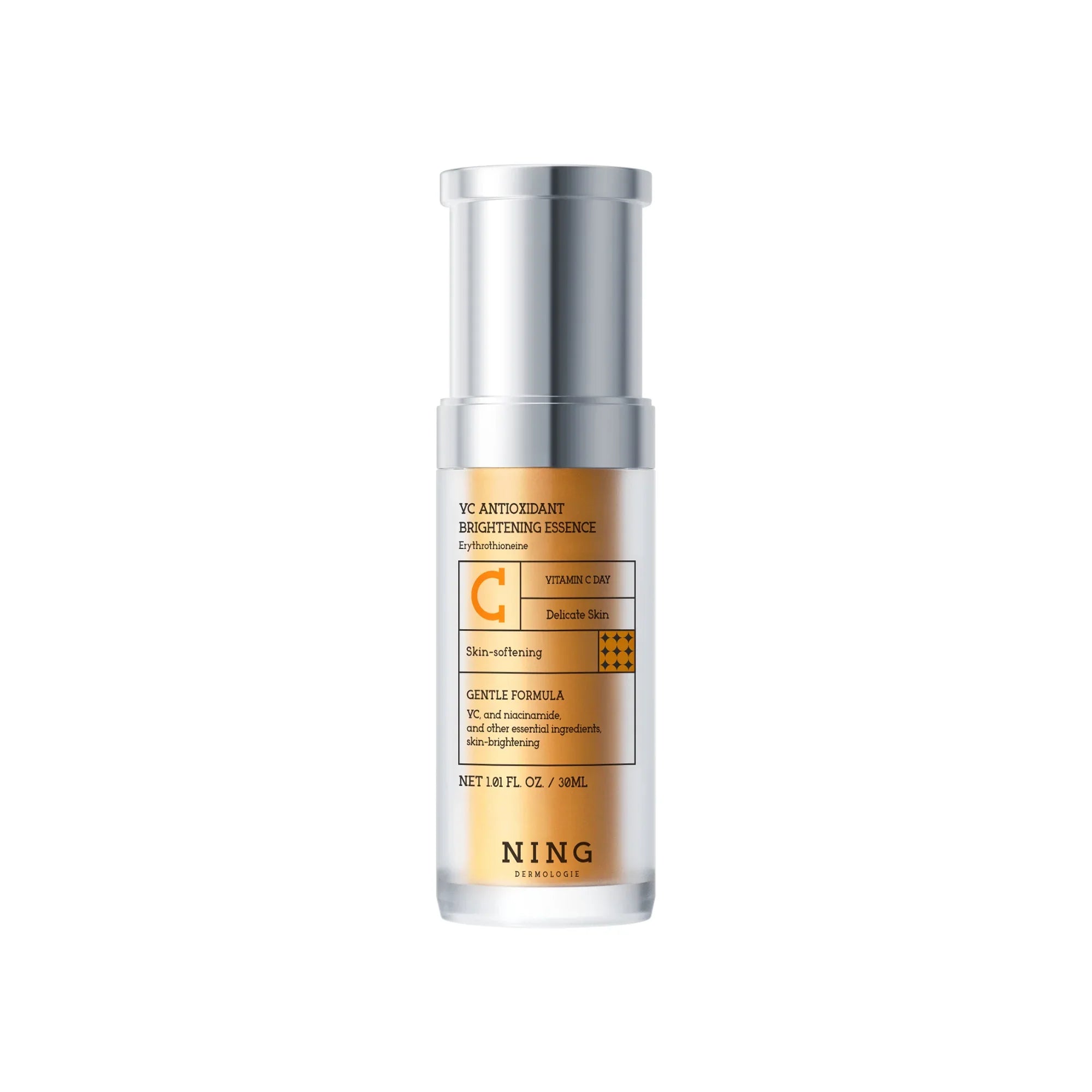
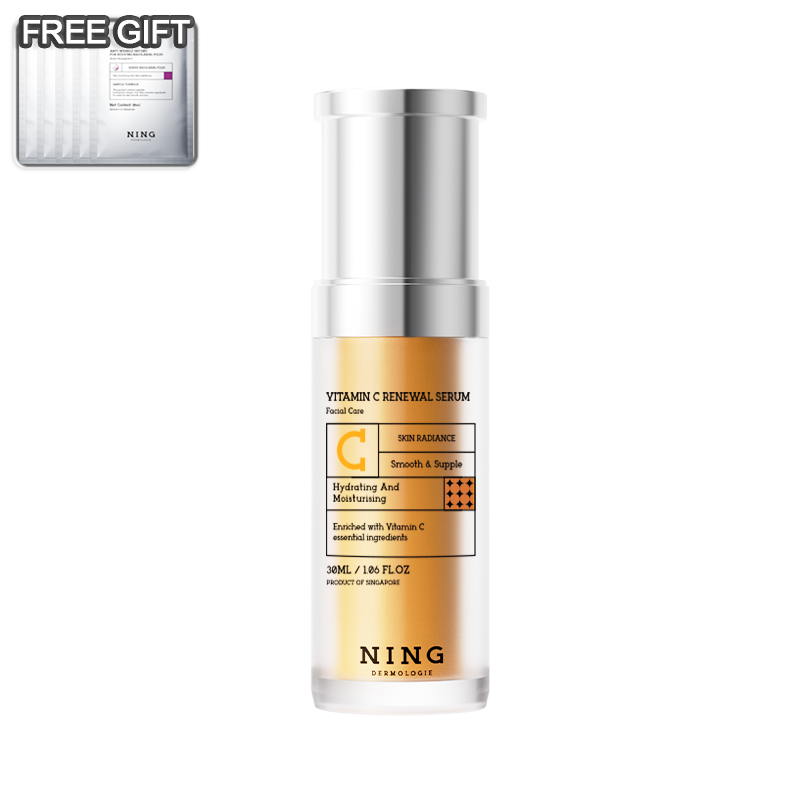
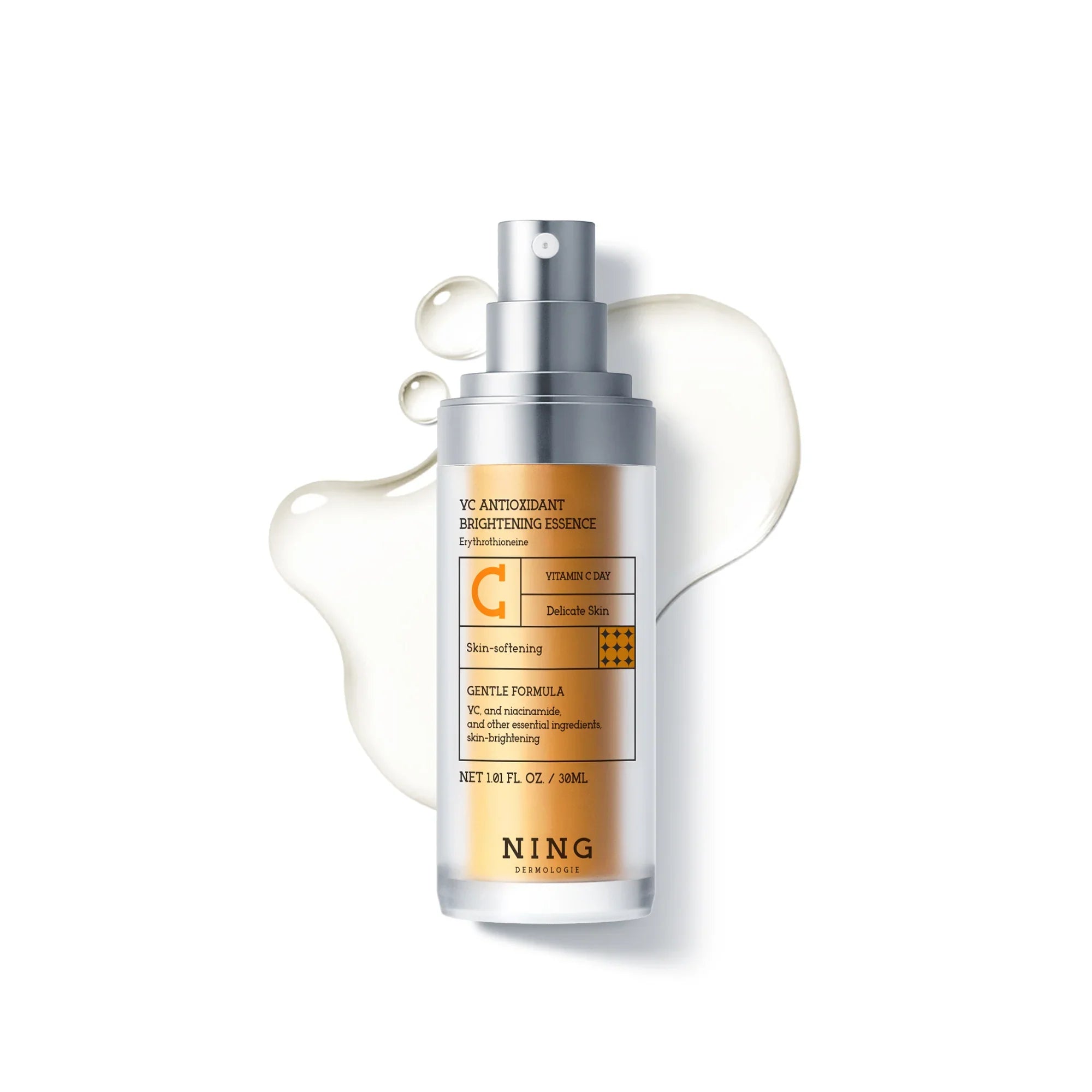
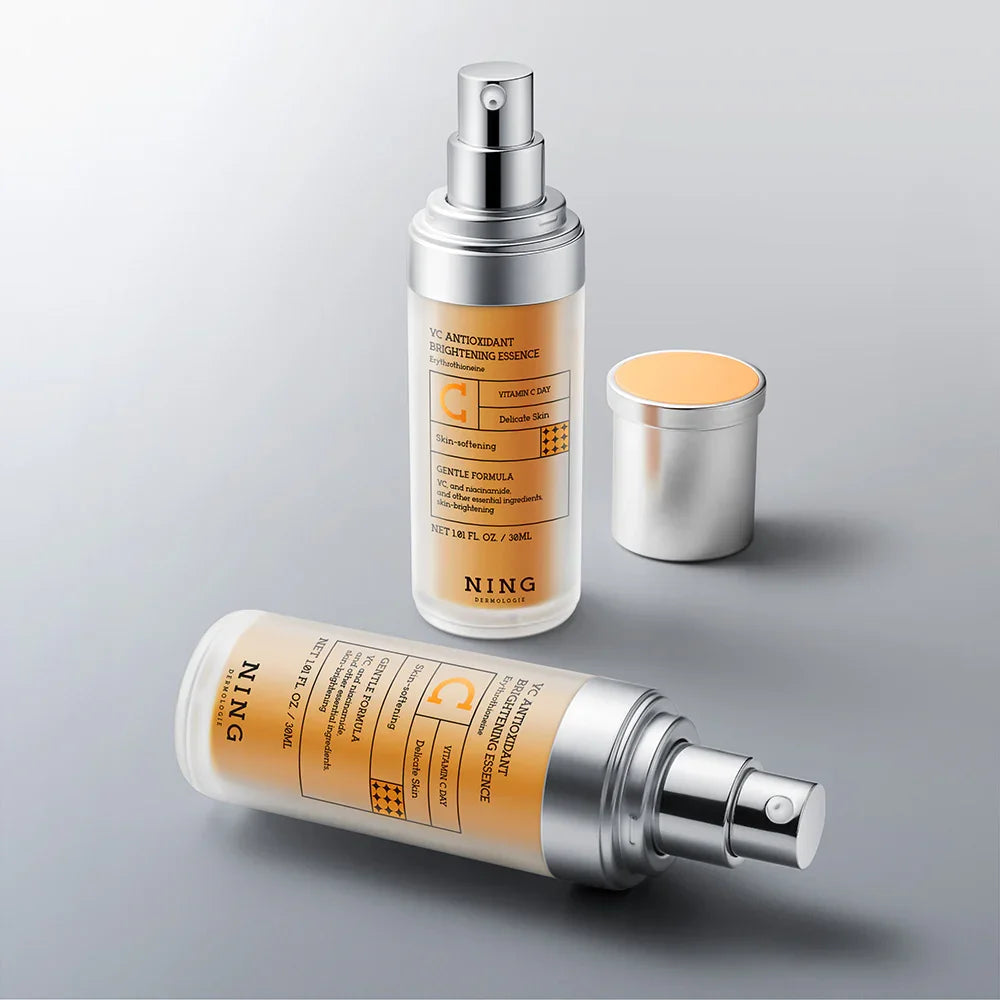
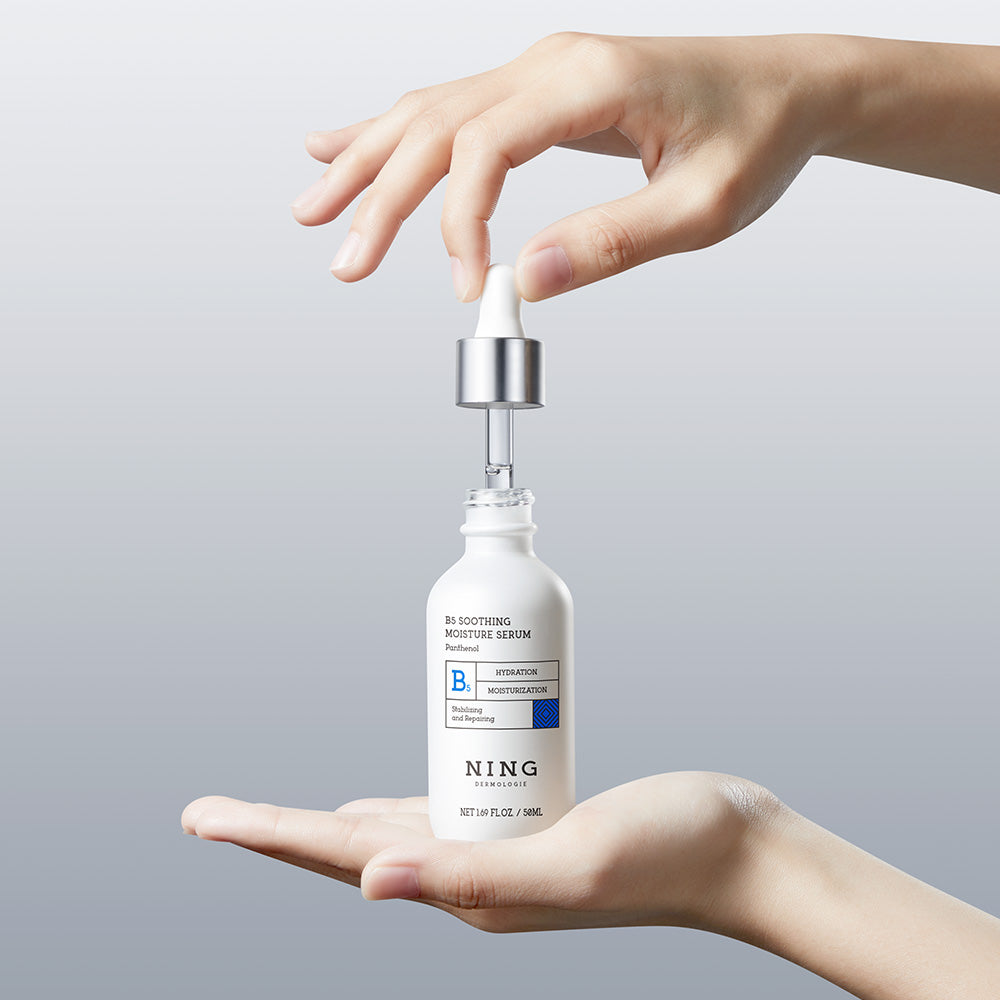
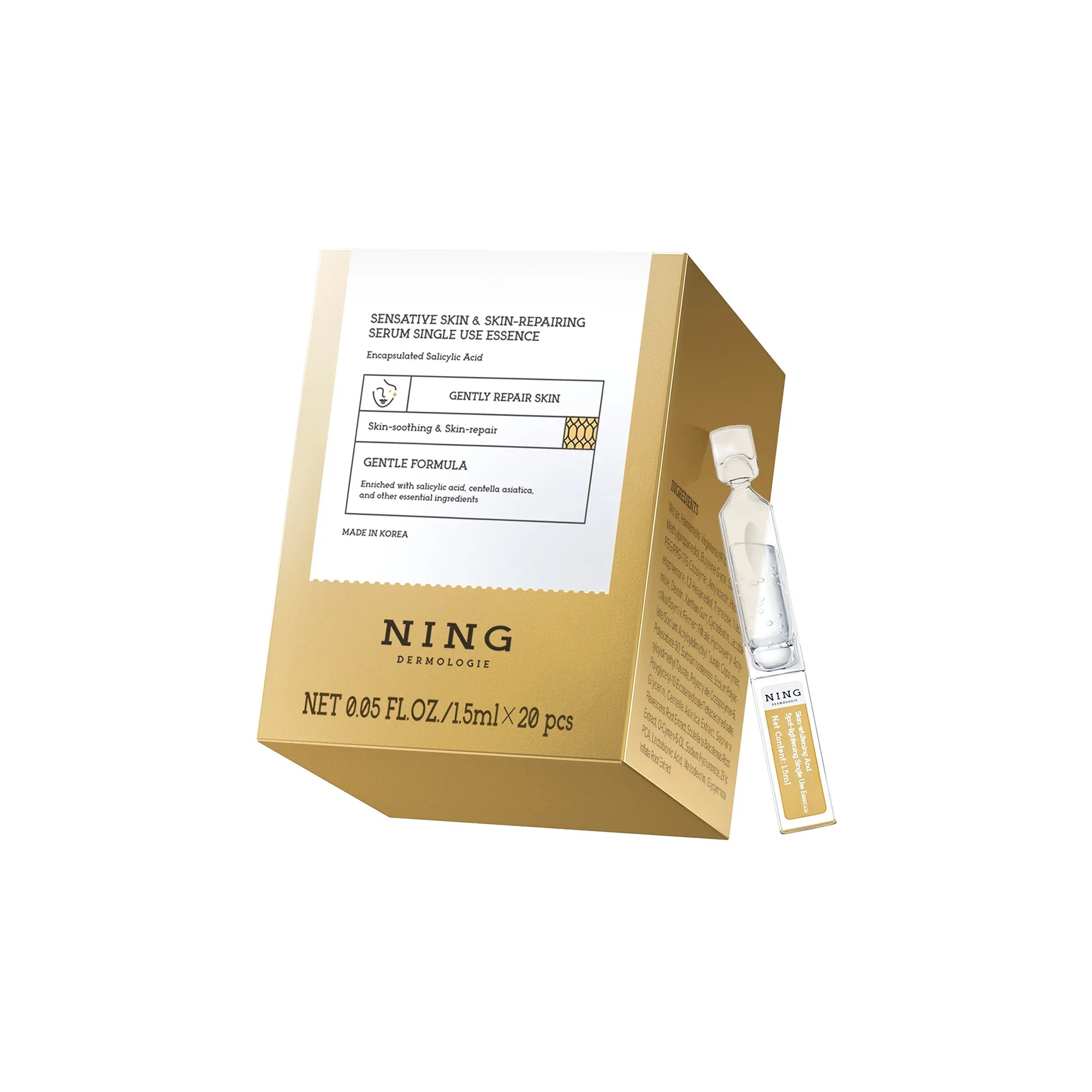
This is exactly why the NING Dermologie Vitamin C Serum has become such a staple for us. It uses Ethyl Ascorbic Acid—a highly stable form of vitamin c—and pairs it with Niacinamide. It’s the "daily booster with pure vitamin" feel without the "my face is on fire" side effect.
6 Best Vitamin C Serums for Dark Spots: The 2026 Rankings
We’ve tested dozens of formulations to find the balance between "budget-friendly" and "actually works." Here are the 6 best vitamin c serums that won't break the bank but will absolutely fade dark spots.
1. NING Dermologie Vitamin C Serum (Best for Overall Brightening)
This is the best vitamin c serum for those who want a multi-tasker. By combining Vitamin C with Niacinamide, it hits dark spots from two different angles. The skin feel is lightweight—none of that tacky, sticky residue that makes you want to wash your face immediately. If you want to even out skin tone and improve the look of dark spots without a 10-step routine, this is the one.
2. Naturium Vitamin C Complex Serum
Naturium vitamin c complex is a cult favorite for a reason. It uses a blend of vitamin c (encapsulated l-ascorbic acid and sodium ascorbyl phosphate). The naturium vitamin c complex serum is great for combination skin because it’s hydrating but not greasy.
3. TruSkin Vitamin C Serum
A veteran in the best drugstore category. Truskin vitamin c is famous for its simple, plant-based approach. The truskin vitamin c serum utilizes Sodium Ascorbyl Phosphate, making it a very gentle vitamin c option for those who have never used a vitamin c before.
4. CeraVe Skin Renewing Vitamin C Serum
If you have dry skin, you know that many serums can feel stripping. The cerave skin renewing vitamin c contains three essential ceramides. This skin renewing vitamin c serum helps protect the skin barrier while the 10% l-ascorbic acid works on the brighten skin mission.
5. Ole Henriksen Banana Bright Vitamin C Serum
While a bit pricier than a drugstore find, the banana bright vitamin c serum is the gold standard for immediate glow. It’s a brightening vitamin c serum that uses light-reflecting pigments to make your skin look radiant the second you apply it.
6. Bright Icon Vitamin C (The Dark Horse)
A solid vitamin c dark spot serum that focuses on "slow-release" technology. It’s an excellent vitamin c serum for face use if you are prone to redness.
11 Best Vitamin C Serums: Finding Your Perfect Match by Skin Type
Choosing a face serum isn't a one-size-fits-all situation. Your skin type dictates which vitamin c formulations will actually stay on your face versus which ones will end up causing a breakout.
For Oily and Acne-Prone Skin
You need a vitamin c serum for acne-prone skin that is water-based. Look for a c serum for acne-prone skin that excludes heavy oils. The NING Dermologie formula is a winner here because Niacinamide helps regulate sebum while the vitamin C works on the post-inflammatory hyperpigmentation (PIH).
For Sensitive Skin
The best vitamin c serum for sensitive skin is usually one with a lower concentration of vitamin c or a derivative. A c serum for sensitive skin should ideally be fragrance-free. Avoid high-percentage L-ascorbic acid (above 15%) as it can be too acidic.
For Dry and Mature Skin
A vitamin c serum for dry skin or a c serum for dry skin should be packed with hyaluronic acid and vitamin e. For those looking for a vitamin c serum for mature skin or a c serum for mature skin, look for added peptides to help with the skin tone and texture issues that come with aging.
The "Holy Trinity": Vitamin C, Vitamin E, and Ferulic Acid
You’ll often see these three grouped together—most notably in skinceuticals’ c e ferulic. There is a reason for this. Vitamin E and ferulic acid actually double the photo-protection of Vitamin C.
A ferulic serum isn't just a marketing gimmick; it stabilizes the pure form of vitamin c, making it last longer on your shelf and work harder on your skin. When you apply vitamin c serum that contains this trio, you are effectively creating a reservoir of antioxidants in your skin that can't be washed or rubbed off for up to 72 hours.
While skinceuticals c e ferulic serum is the "OG," affordable brands like NING Dermologie and Naturium have figured out how to stabilize their brightening serum versions using similar synergistic principles, giving you that vitamin c dark spot fighting power for a fraction of the cost.
How to Apply Vitamin C Serum Like a Pro
I see people making the same mistakes constantly. If you want to improve skin and see that uneven skin tone disappear, you have to follow the rules of chemistry.
-
Morning is King: Always use your c serum in the morning. Why? Because that’s when you’re facing the sun and pollution.
-
Clean, Dry Skin: Apply your vitamin c brightening serum right after cleansing. If your skin is damp, it can alter the pH of the serum and reduce effectiveness.
-
Wait for the Sink-In: Let the serum felt on the skin dry down completely (usually about 60 seconds) before layering your moisturizer.
-
Sunscreen is Non-Negotiable: If you use a brightening vitamin c but skip SPF, you are essentially pouring money down the drain. Vitamin C makes your skin more efficient at handling UV, but it doesn't replace a filter.

The Verdict on Vitamin C Serums on the Market
The world of vitamin c serums is crowded, but the "best" one is the one you will actually use every day. If a serum contains the most potent ingredients in the world but smells like a dumpster and breaks you out, it’s not the best vitamin c serum overall for you.
For those seeking a balance of luxury-level stability and "drugstore" pricing, the NING Dermologie Vitamin C Serum is arguably the most versatile vitamin c product we’ve seen this year. It addresses uneven skin, hydrates with vitamin c and hyaluronic acid properties, and remains stable enough to actually finish the bottle before it turns brown.
Whether you choose truskin, naturium, or NING, the goal is consistency. Vitamin c serum daily use is what moves the needle. You won't wake up tomorrow with a new face, but in eight weeks? You’ll wonder why you didn't start sooner.
Frequently Asked Questions (FAQ)
1. How long does it take to see results from a vitamin c serum?
Patience is key here. While some people notice a "glow" within a week due to the hydrating properties of a brightening serum, real changes in dark spots and hyperpigmentation usually take 8 to 12 weeks. This timeline aligns with your skin’s natural cellular turnover cycle. Consistent vitamin c serum daily use is required to see a visible reduction in uneven skin tone and an overall improvement in skin texture.
2. Can I use Vitamin C with Niacinamide or Retinol?
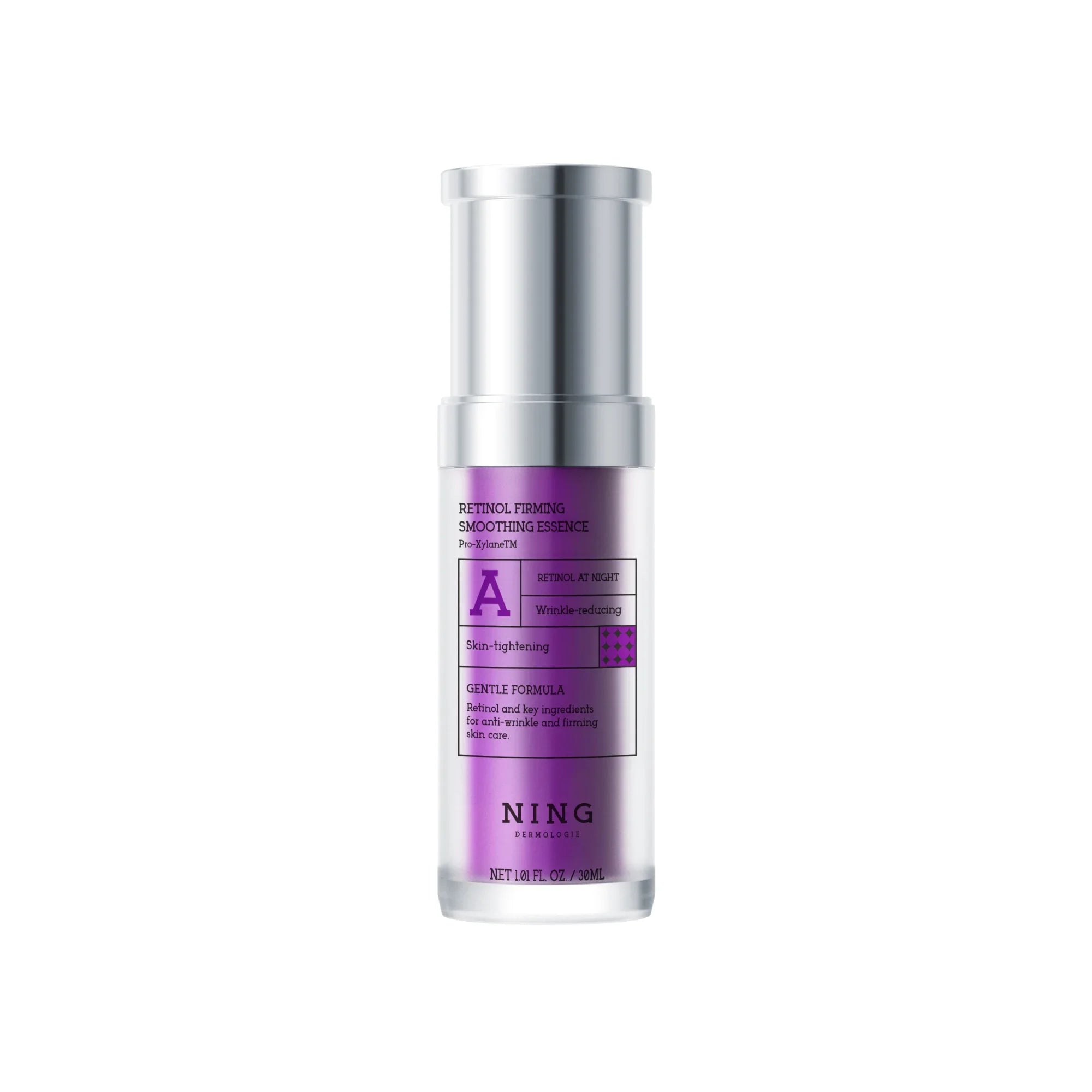
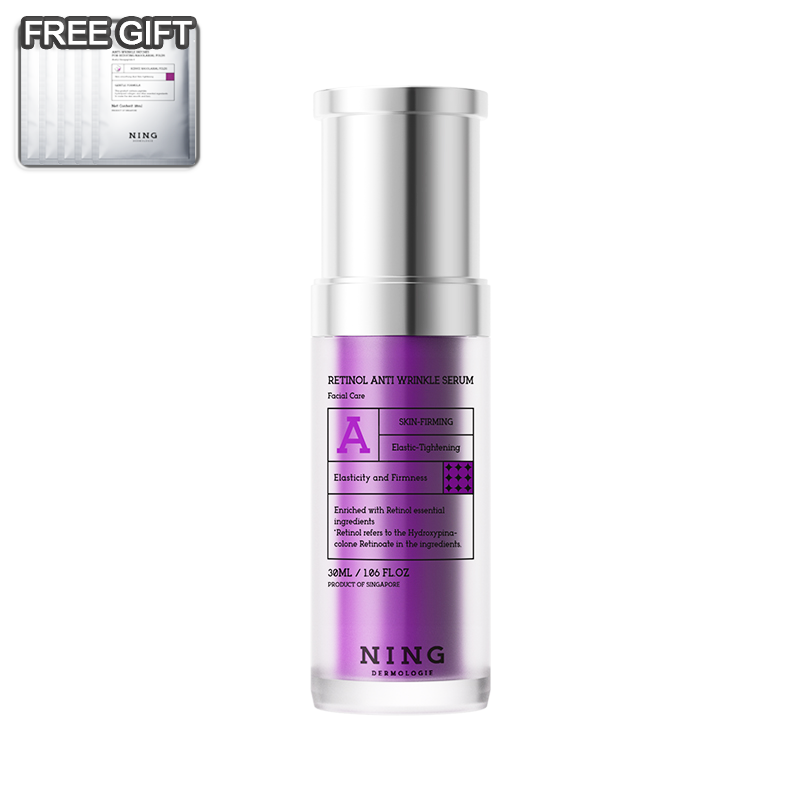
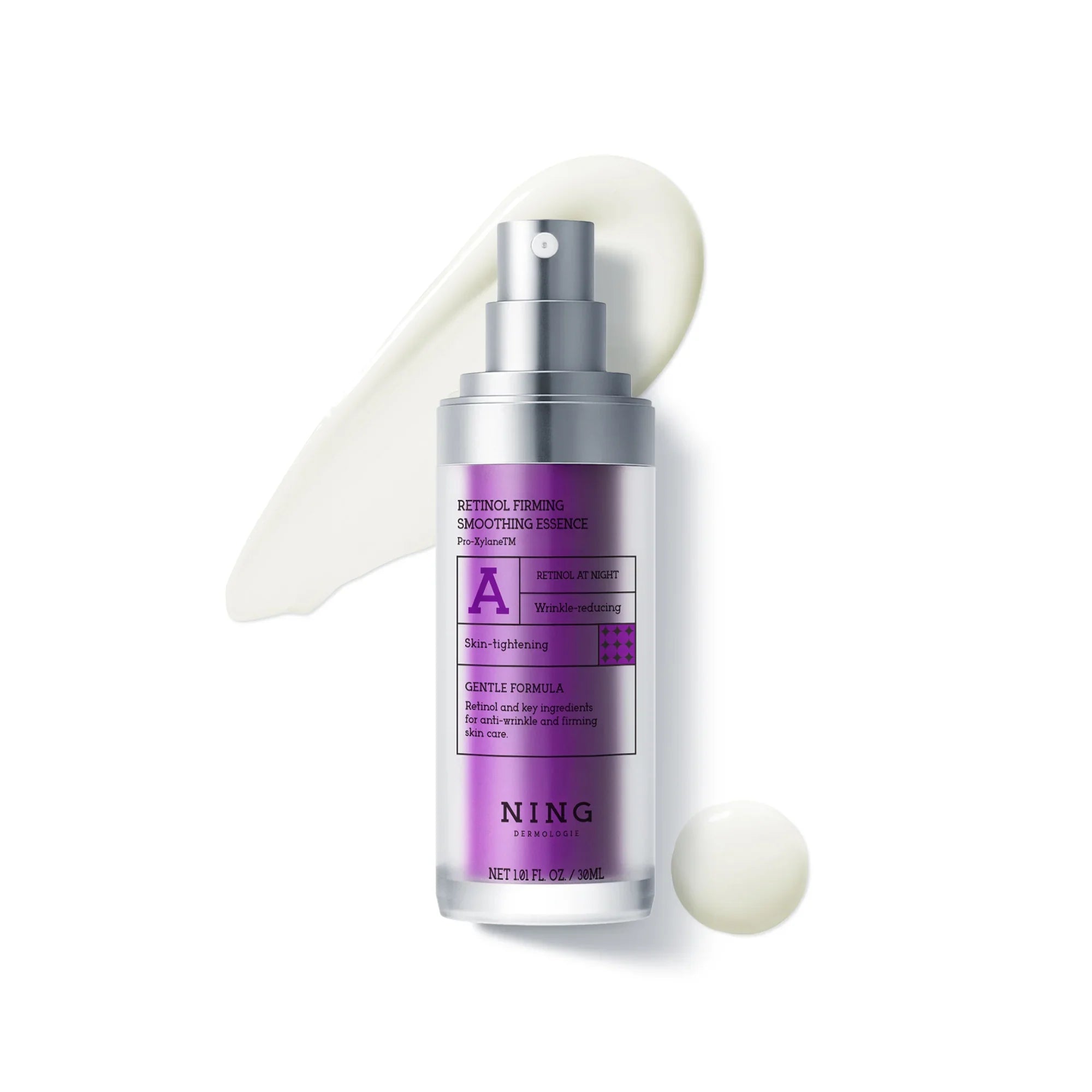
Old skincare myths suggested you couldn't, but modern science says otherwise. You can absolutely use Vitamin C and Niacinamide together—in fact, the NING Dermologie Vitamin C Serum combines them for better results. However, with Retinol, it’s best to split them up: use your vitamin c serum for face in the morning to protect skin, and save your Retinol for the night to avoid potential irritation or pH conflicts.
3. Why did my vitamin c serum turn orange?
If your serum has turned dark orange or brown, it has oxidized. This happens when pure vitamin c is exposed to light and air. Once oxidized, the serum loses its antioxidant benefits and can actually cause oxidative stress on the skin. To prevent this, look for stable vitamin c formulations like Ethyl Ascorbic Acid, or ensure your pure form of vitamin c comes in an opaque, airless pump bottle.
4. Will vitamin c serum make me break out?
For most, no. However, if you have acne-prone skin and use a formula with high concentrations of Vitamin E or heavy oils, you might experience clogged pores. If you are prone to breakouts, opt for a lightweight, water-based c serum for acne-prone skin. Derivatives like Sodium Ascorbyl Phosphate are specifically known for their anti-microbial properties, making them excellent for those who want to brighten skin without triggering new blemishes.
5. Does the percentage of vitamin c really matter?
More isn't always better. While a higher concentration of vitamin c (like 20%) sounds powerful, the skin can only absorb so much. Anything over 20% often leads to extreme irritation without adding much benefit. Most people find the "sweet spot" for a vitamin c brightening serum is between 10% and 15%. This range provides enough potency to fade dark spots while remaining gentle enough for daily use on most skin types.





Share:
Are Korean vitamin C serums effective for acne scars?
Which companies specialize in vitamin C serums for anti-aging effects on the face?