


The Ultimate Anti-Aging Guide: Why Your Skin Needs a Retinol & Peptide Skincare Set
Let’s be honest: the skincare aisle is confusing. Between the flashy marketing terms and the fear-mongering about chemicals, it’s hard to know what actually works. You might have shelves full of half-used bottles that promised miracles but delivered nothing but a breakout.
But if you strip away the hype, dermatology usually comes down to two undisputed heavyweights: Retinol and Peptides.
Separately, they are impressive. Together? They are the closest thing we have to a time machine. If you really want to get rid of fine lines, wrinkles, and loss of elasticity, you need to know how these two work together.
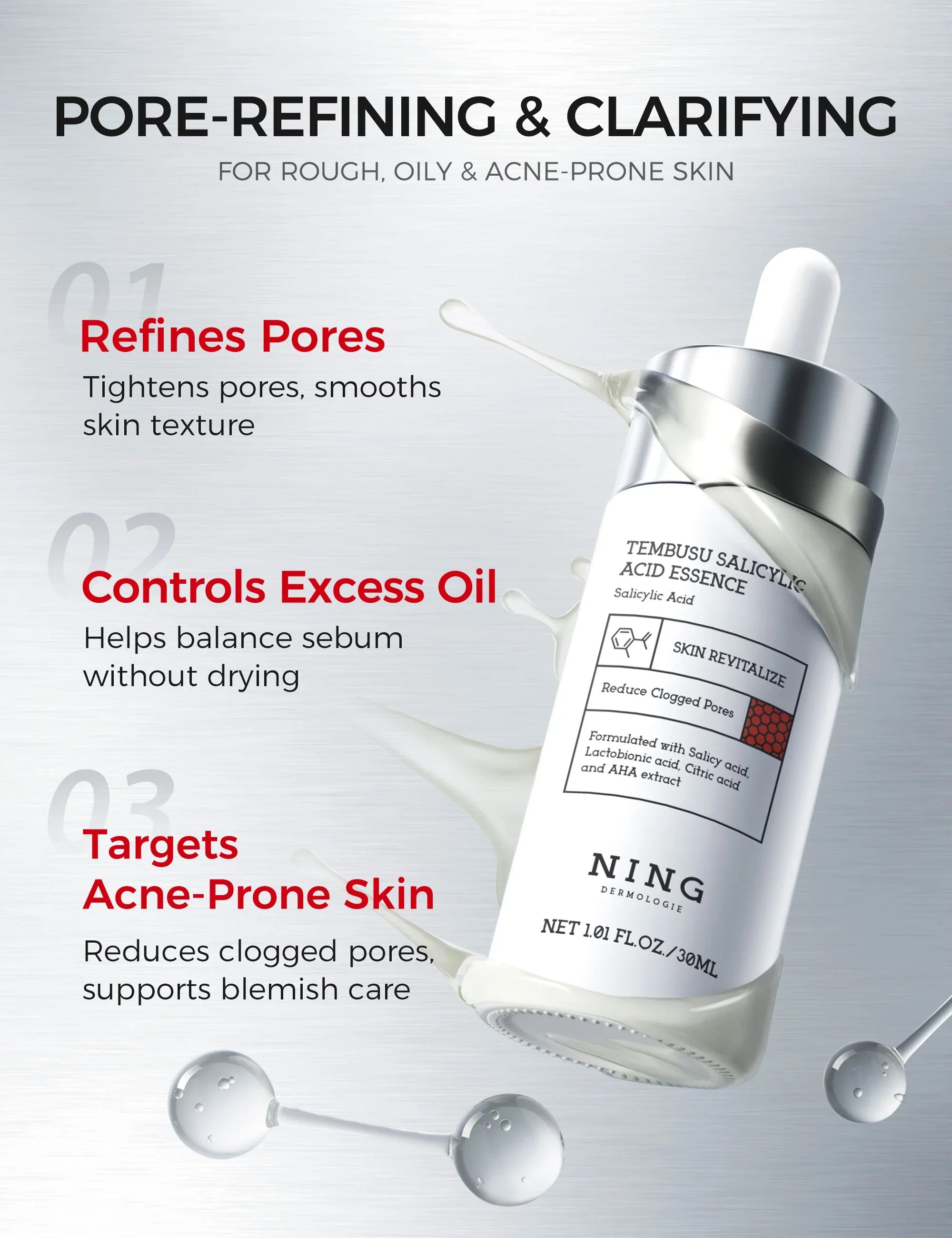
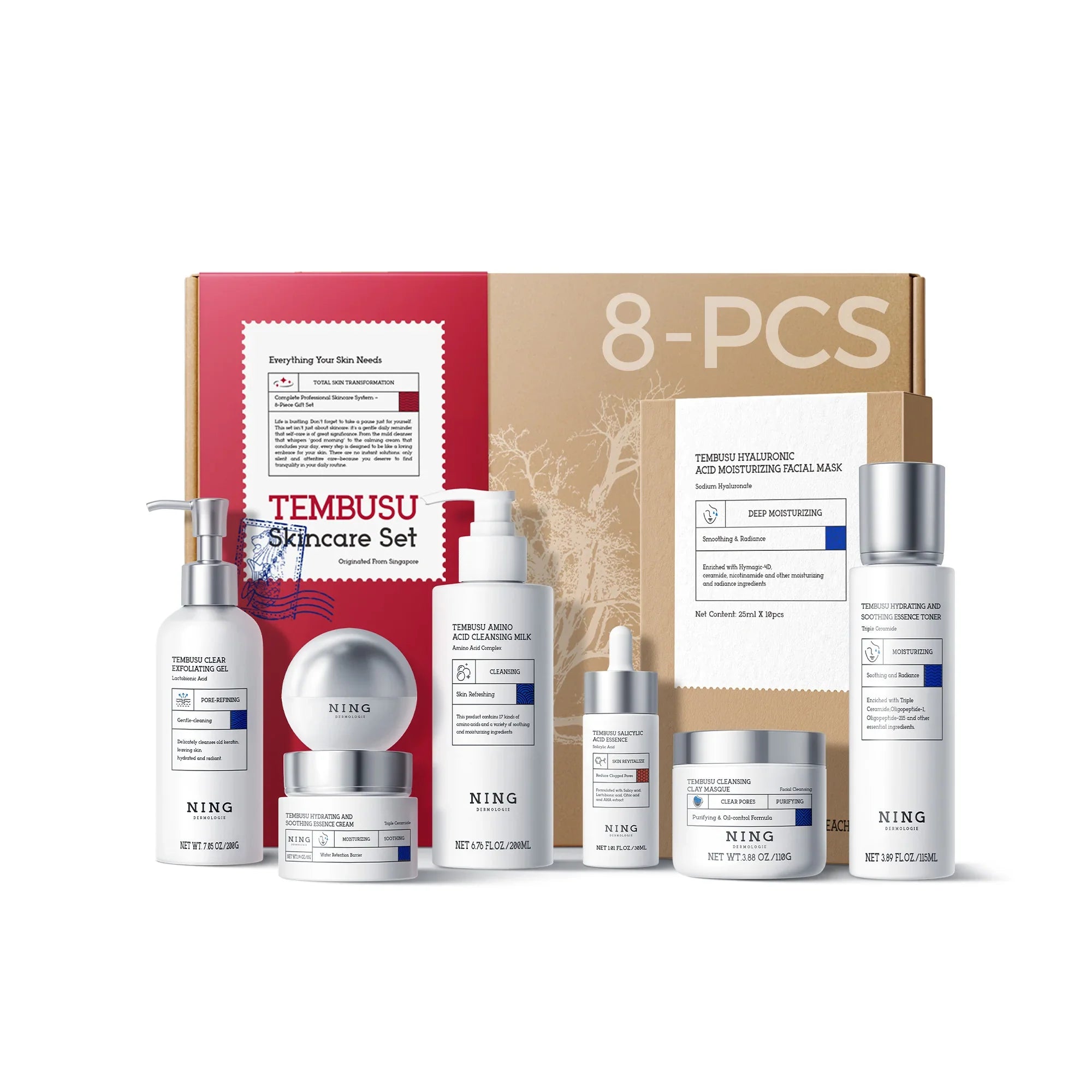
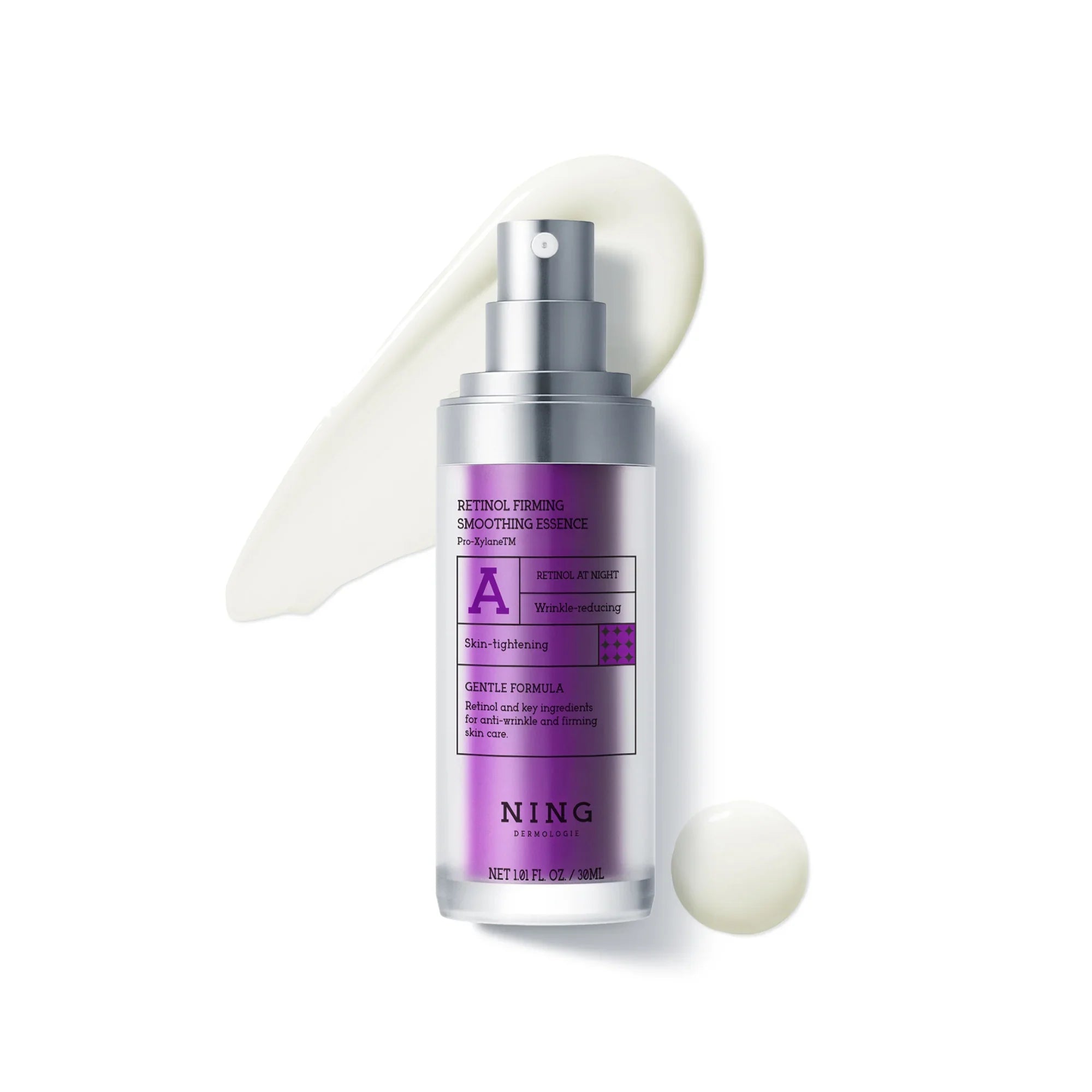
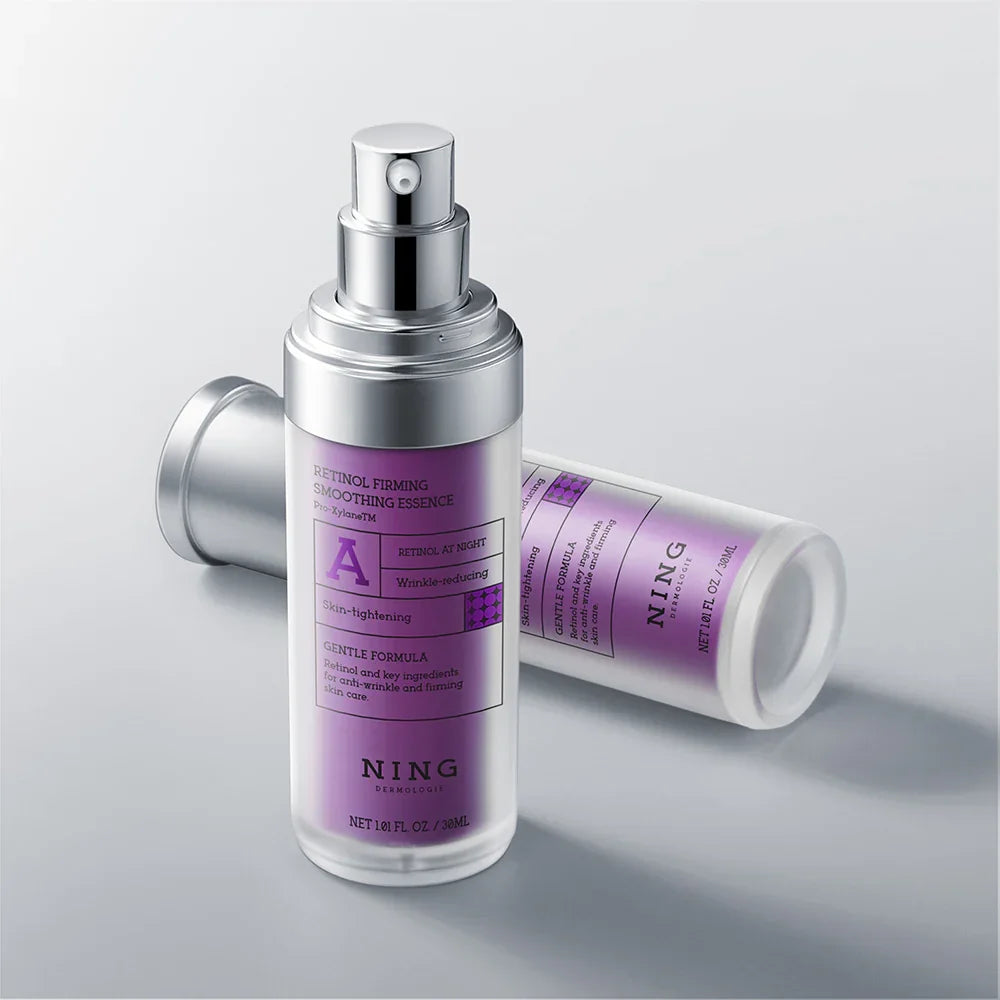
At NING Dermologie, we don’t believe in 10-step routines that waste your time. We believe in science-backed efficiency. That’s why we’ve formulated products like the TEMBUSU 8-Step Routine Skincare Set to take the guesswork out of the equation.
Here is the no-nonsense breakdown of why a retinol and peptide skincare set is the investment your aging skin is waiting for, and exactly how to use it without ruining your face.

Understanding the "Demolition Crew": What is Retinol and How Retinoids Work
You need to know how your skin ages before you can understand why you need retinol. Our cell turnover rate, or how quickly we get rid of dead skin cells and replace them with new ones, slows down a lot as we get older. In your 20s, this process takes about 28 days. By your 40s? It can take over 45 days. This lag results in dull skin, rough texture, and clogged pores.
Enter retinol, the gold standard of anti-aging skincare.
Retinol is a type of vitamin A and is part of a bigger group of chemicals called retinoids. Retinol and retinoids are like the "demolition crew" for your skin. Retinol goes deep into the dermis and makes your skin think it's younger. It speeds up the turnover of your skin cells, which means that the old, damaged top layer comes off and new skin appears underneath.
The Benefits of Retinol for Aging Skin
The results of consistent use are undeniable. Retinol works at a cellular level to:
- Smooth fine lines and deep wrinkles.
- Fade hyperpigmentation for an even skin tone.
- Unclog pores (which is why it’s also great for adult acne).
- Correct uneven skin texture.
However, retinol isn’t a quick fix. It’s a long game. Because it accelerates turnover, your skin may peel or feel dry initially—a process often called "purging." This is why pairing it with the right support system is crucial.
The "Construction Crew": The Role of Peptides in Skincare
If retinol is the demolition crew clearing away the old debris, peptides are the construction workers laying down fresh bricks.
What are Peptides? Simply put, peptides are short chains of amino acids. These amino acids are the building blocks of proteins like collagen and elastin. These two proteins are responsible for the "snap back" quality of youthful skin.
When skin matures, collagen production naturally nosedives. Your skin’s scaffolding gets weak, leading to sagging and crêpey texture. Peptides in skincare act as messengers. When you apply a peptide serum, these short chains of amino acids signal your skin cells that "damage has occurred" and that they need to stimulate collagen production to fix it.
Peptide Serum Benefits for Mature Skin
Unlike the sometimes harsh nature of retinoids, peptides are generally gentle and perform beautifully on sensitive skin. By incorporating a peptide serum or cream, you:
- Firm your skin by rebuilding the structural matrix.
- Strengthen the skin barrier, making it more resilient.
- Improve skin health without causing irritation.
- Hydrate and plump the skin, reducing the depth of wrinkles.
This is where many people get it wrong: they rely solely on harsh actives to strip the skin but forget to feed the skin the ingredients it needs to rebuild. You need both.
The Powerhouse Duo: Why Combine Retinol and Peptides?
This is the secret sauce. Using retinol and peptides together creates the ultimate anti-aging strategy.
Here is the logic: Retinol helps clear the path by removing dead cells, which allows the peptides to penetrate deeper and work more effectively. Meanwhile, because retinol can sometimes compromise the skin barrier and cause dryness, the reparative nature of peptides helps soothe and strengthen the skin.
This synergy is exactly what we aimed for with the TEMBUSU 8-Step Routine Skincare Set. We didn’t want you to have to play chemist in your bathroom. We designed a routine where the serum, cream, and treatments work in harmony. The set ensures you get the aggressive correction of actives with the soothing, rebuilding power of peptides.
Maximizing Anti-Aging Benefits
When you level up your skincare with this combination, you are tackling aging from both sides:
-
Surface: Resurfacing texture and tone (Retinol).
-
Structure: Rebuilding density and bounce (Peptides).
This approach allows you to target multiple signs of aging simultaneously. It is, quite literally, a powerhouse routine.

Creating the Ultimate Anti-Aging Skincare Routine
Knowing the ingredients is half the battle; knowing how to apply retinol and peptides correctly is the other half. If you slap them on randomly, you risk irritation. You need a strategy that respects your skin type and skin needs.
Here is a blueprint for a routine that maximizes results while keeping your skin barrier intact.
Step 1: The Prep (Cleanse & Balance)
Always start with clean skin. Use a gentle cleanser that doesn’t strip your natural oils. Damp skin absorbs products better, but be careful—applying retinol to damp skin can increase penetration and irritation.
Step 2: The Builder (Morning Routine)
In the morning, focus on protection and strengthening.
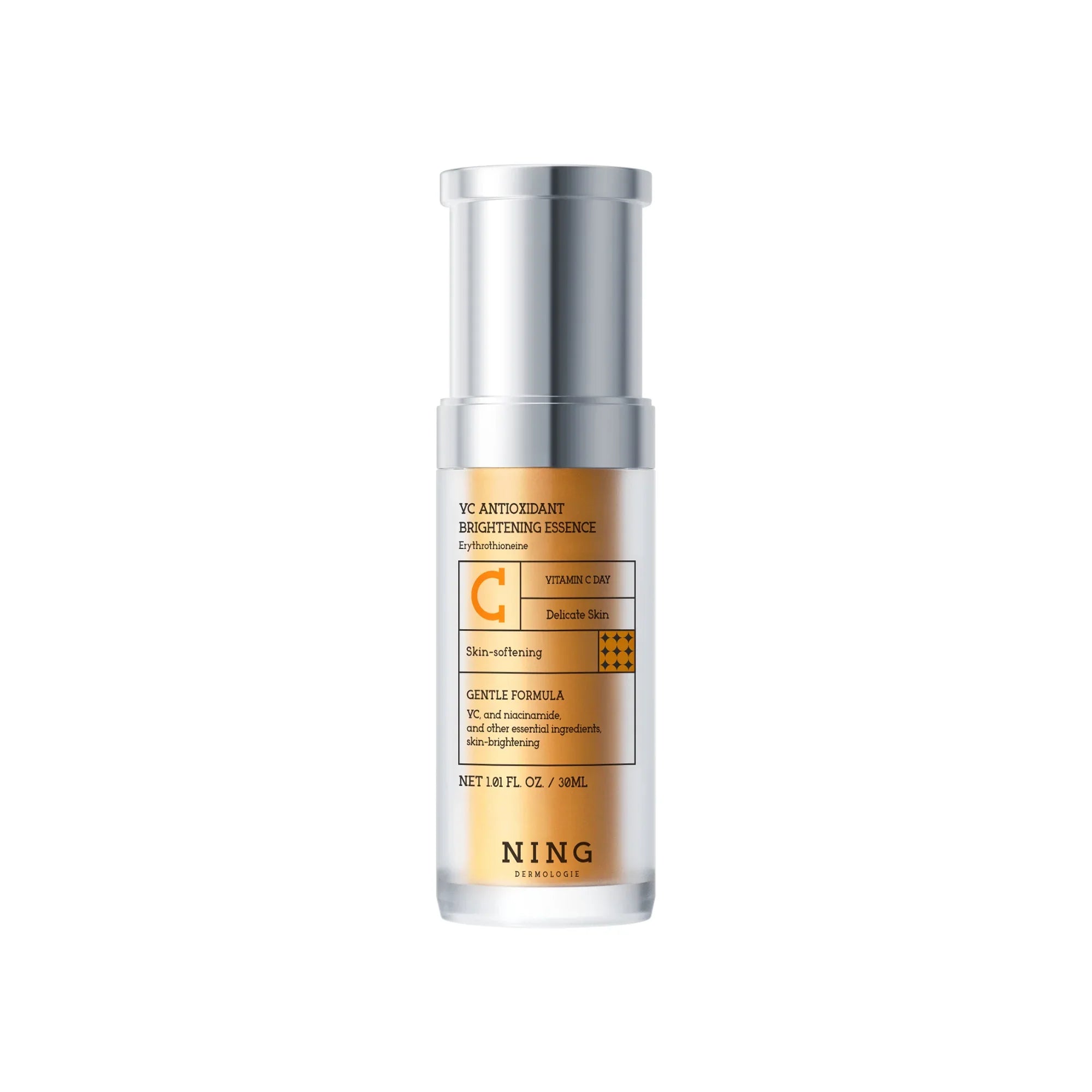
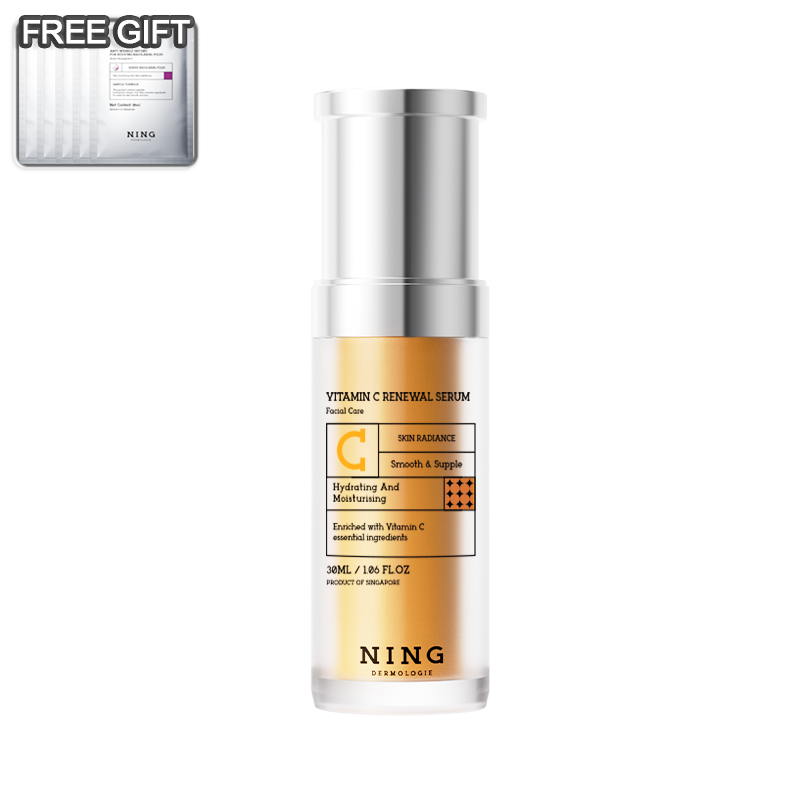
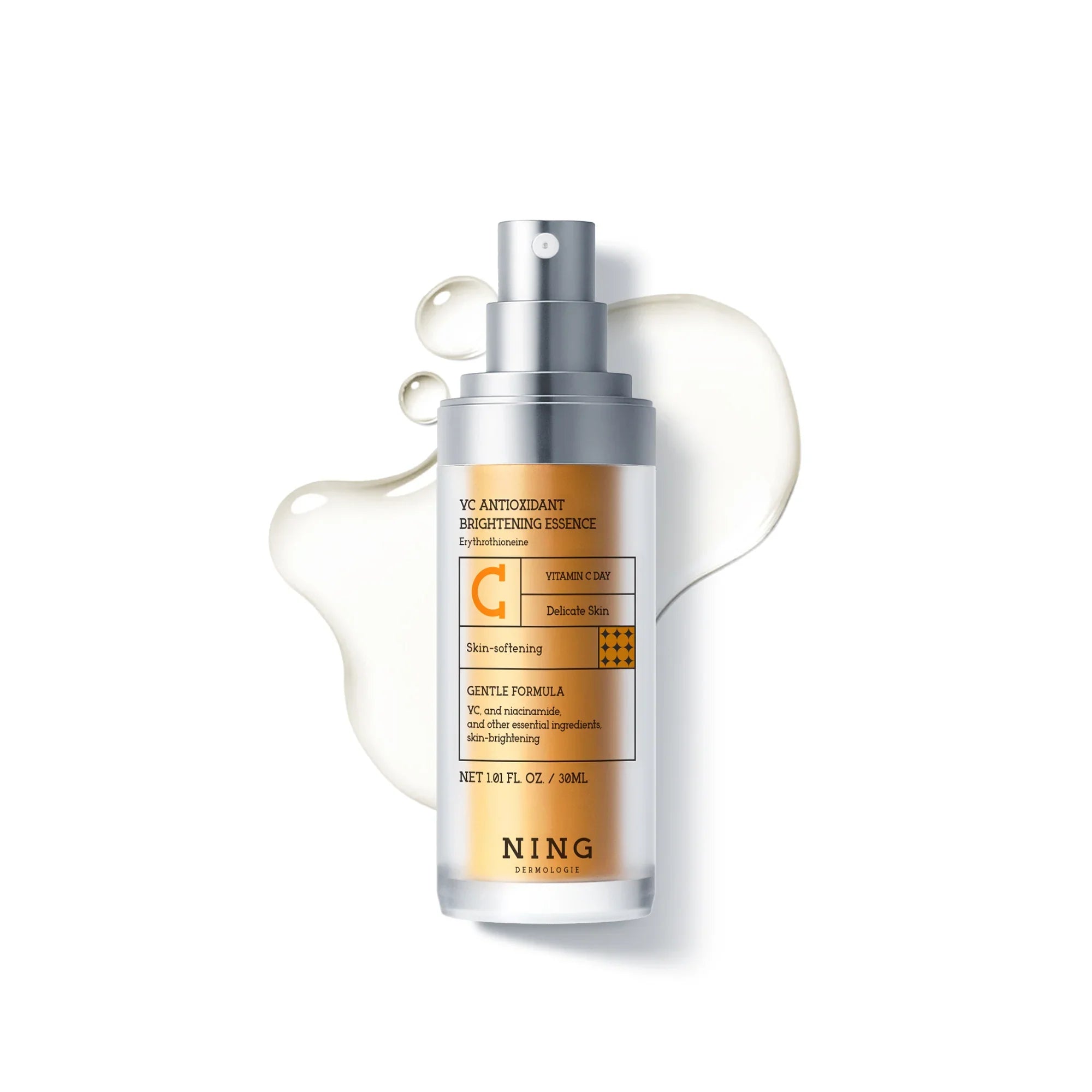
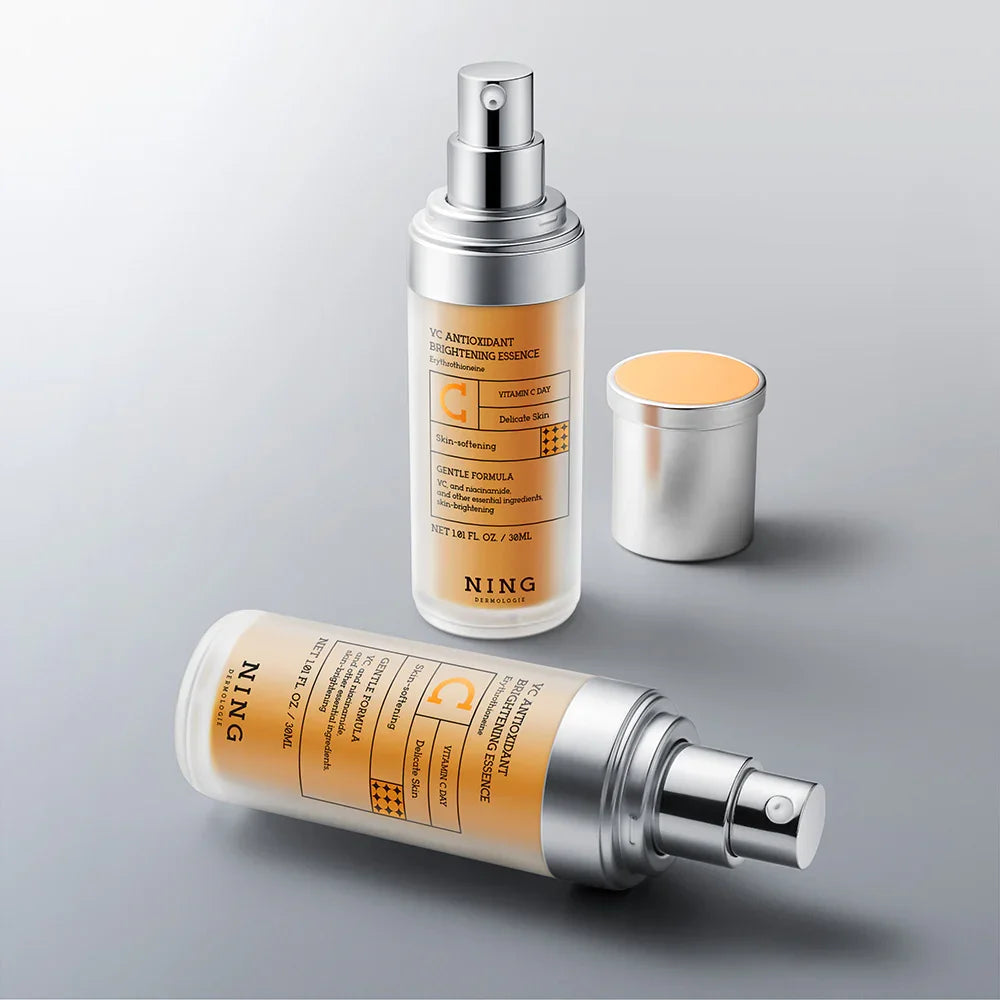
- Vitamin C: Apply a Vitamin C serum first. This antioxidant protects against environmental damage and brightens skin tone.
- Peptide Serum: Apply your peptide serum next. This gives your skin the instructions to build collagen throughout the day.
- Hydrate & Protect: Finish with a moisturizer and, non-negotiably, sunscreen. Retinoids make you photosensitive, so you must protect your skin from UV rays.
Step 3: The Corrector (Evening Routine)
The evening is when the magic happens.
- Hydrating Serum: If you have sensitive skin, start with a layer of ingredients like hyaluronic acid or a lightweight hydrating serum. This acts as a buffer.
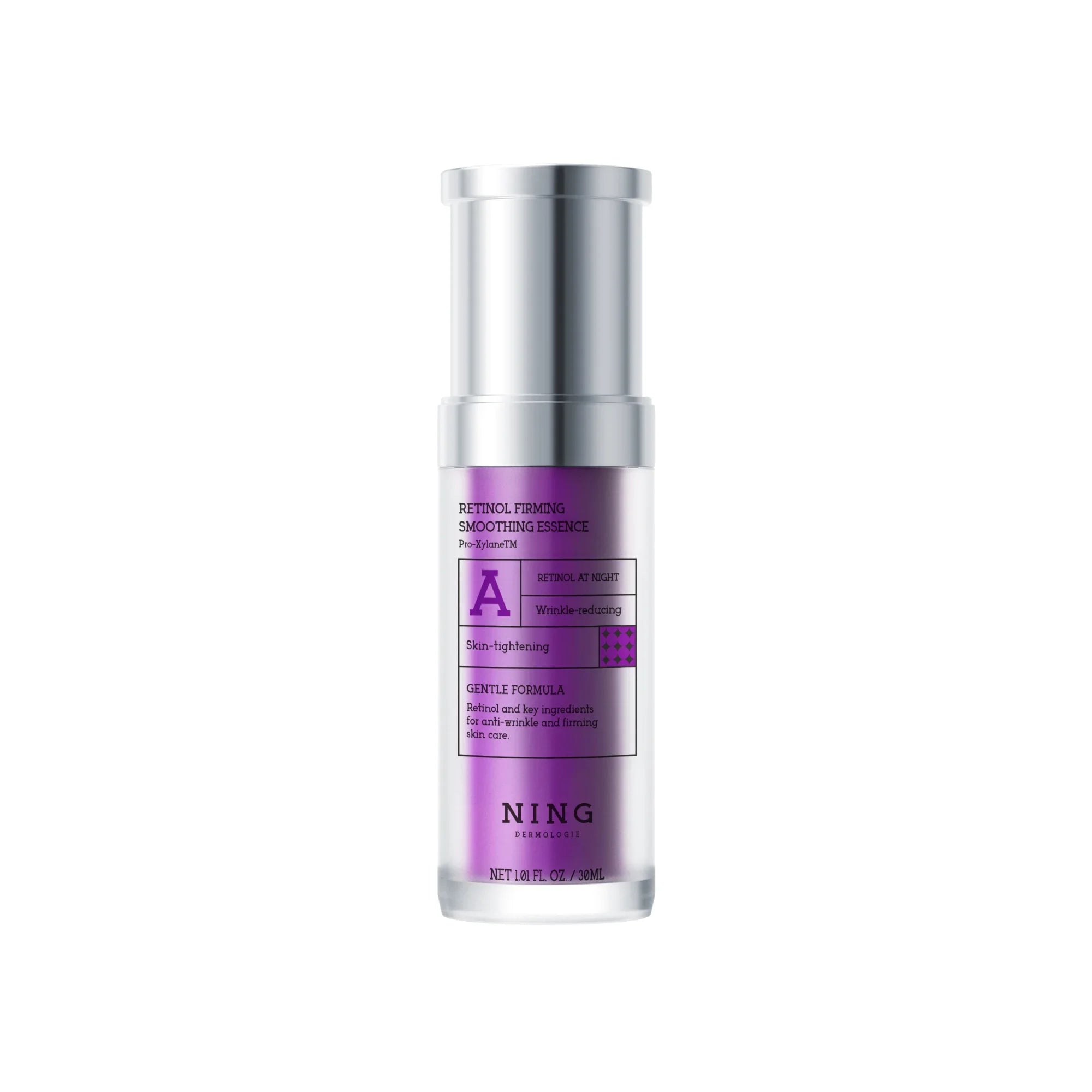
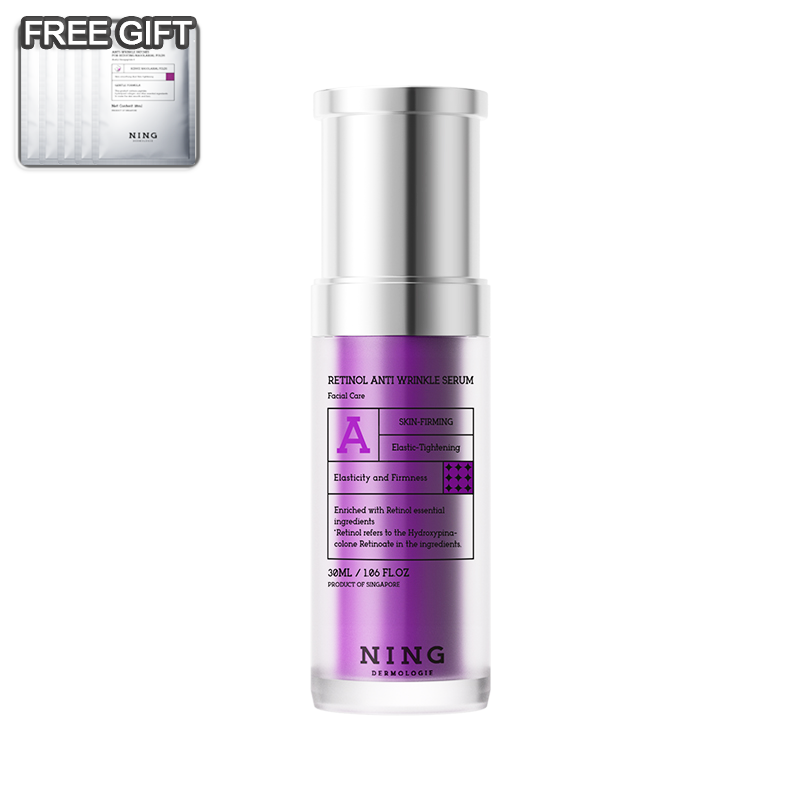
- Retinol: Apply a pea-sized amount of retinol at night. Start by using retinol only twice a week. Retinol slowly acclimates your skin. Increase frequency as your skin builds tolerance.
- Peptides & Cream: Wait a few minutes, then follow up with a peptide-rich cream or the TEMBUSU moisturizer. This step is crucial to moisturize and lock in hydration, counteracting the drying effects of the retinol.
How to Mitigate Side Effects: Hydration and Skin Barrier Support
It is common to experience some flaking or dryness when you first introduce these anti-aging ingredients. This is often called the "retinol uglies." Don't panic; it means the product is working, but your skin barrier is stressed.
To keep your skin healthy, you must prioritize hydration.
Hydration and Skin Barrier Support are not just buzzwords. Ingredients like hyaluronic acid, ceramides, and fatty acids are essential. They act as the mortar holding your skin cells together. If your barrier is weak, ingredients like retinol will just cause inflammation rather than rejuvenation.
Choosing the Right Moisturizer and Cream
You need a heavy-hitter moisturizer. Look for a cream that is rich in emollients.
- Hyaluronic Acid for Hydration: This ingredient pulls water into the skin, helping to plump out fine lines immediately while the retinol works on the long-term structure.
- Ceramides: These help seal the cracks in your barrier.
Tell your skin it's safe by layering these hydrating products. In the TEMBUSU 8-Step Routine Skincare Set, we’ve curated the moisturizers specifically to complement the active steps, ensuring your skin deserves comfort even while undergoing intense treatment.
Common Mistakes When You Use Retinol and Peptides
Even with the best products, user error can sabotage your results.
-
Rushing the Process: You cannot force younger-looking skin in a week. If you apply retinol every night immediately, you will burn your face. Listen to your skin. If it stings, take a break.
-
Skipping the Neck: Your face stops at your chest. The signs of aging often show up on the neck first. Carry your skincare routine down (but be gentle, as neck skin is thinner).
-
Mixing Too Many Actives: Don't use AHAs/BHAs (exfoliating acids) at the same time as retinol. That is a recipe for a damaged barrier. Let the retinol and peptides be the stars of the show.
Why NING Dermologie?
We know skin care. We understand that mature skin requires a delicate balance between potency and nourishment.
The TEMBUSU 8-Step Routine Skincare Set (available here: NING Dermologie TEMBUSU Set) isn't just a collection of bottles. It’s a scientifically curated ecosystem. We’ve balanced the pH levels, the concentrations of retinol, and the types of peptides to ensure they work together, not against each other.
Whether you are trying to smooth fine lines, boost elasticity, or just give your skin a youthful glow, this set provides the building blocks required for real transformation.
Frequently Asked Questions (FAQ)
1. Can I use retinol and peptides together in the same routine?
Of course. They are actually one of the best combinations for skin care that fights aging. Retinol speeds up the process of cells dying and being replaced, which makes the skin look new again. Peptides, on the other hand, boost collagen and elastin and make the skin stronger. You can use a peptide serum before your retinol or find a moisturizer that has peptides in it to use after your retinol. This mix helps lessen irritation while boosting the benefits of smoothing and firming.
2. How long does it take to see results from a retinol and peptide skincare set?
Patience is key. You might see improved hydration and texture from the peptides within 2-4 weeks. However, retinol is a long-term player. It typically takes 12 to 24 weeks of consistent use to see significant changes in fine lines, wrinkles, and pigmentation. Do not give up if you don't see overnight results; skin biology takes time to change. Stick with your skincare routine for at least 3 months for visible transformation.
3. I have sensitive skin. Can I still use this powerhouse combination?
Yes, but you must be strategic. Sensitive skin types should choose a lower concentration of retinol or a gentle retinyl ester. Always perform a patch test first. Start by using retinol slowly—perhaps once a week—sandwiched between layers of moisturizer. Peptides are generally very well tolerated by sensitive skin and can actually help soothe the barrier. Focus heavily on hydration and barrier repair products when starting out.
4. Should I apply retinol to damp or dry skin?
For most beginners, it is safer to apply retinol to completely dry skin. Applying it to damp skin increases penetration, which makes the product stronger but also significantly increases the risk of irritation and dryness. Wait at least 5 to 10 minutes after washing your face to let your skin dry fully before applying your retinoid. You can apply your peptide serum or hyaluronic acid to damp skin beforehand, let it dry, and then apply retinol.
5. What happens if I stop using retinol?
Retinol effects don't last forever because aging doesn't stop. Your skin cells will eventually go back to their natural, slower turnover rate if you stop using it. The collagen production that was boosted will go back to normal levels, and signs of aging will continue to get worse on their own. You need to make retinoids a permanent part of your life, just like you need to exercise to keep your body healthy. This will keep the youthful results and smooth out fine lines.
6. Can I use Vitamin C with retinol and peptides?
Yes, but timing matters. Vitamin C is acidic and can destabilize retinol if mixed directly, or cause too much irritation. The best approach is to use Vitamin C in your morning routine to protect against free radicals and brighten skin tone, and use your retinol and peptides in your evening routine to repair and correct. This ensures you get the full benefits of all three anti-aging ingredients without overwhelming your skin barrier.





Share:
Brightening Skincare Sets for Dark Spots and Hyperpigmentation: A Science-Based Review
Saving Dry & Dehydrated Skin: A Deep Dive into Hydrating Skincare Sets