



The Best Dark Spot Corrector Routines: A Science-Based Review for Uneven Skin Tone
Let’s be honest: waking up, looking in the mirror, and seeing a new patch of discoloration can ruin your morning. Whether it’s a lingering shadow from last month’s breakout or a cluster of sun spots that seemed to appear overnight, hyperpigmentation is frustratingly stubborn.
You’ve probably gone down the rabbit hole of buying the "best dark spot corrector" or the trendiest "dark spot serum" on social media, only to be disappointed three weeks later when nothing has changed.
Here is the hard truth that most marketing glosses over: A single product rarely fixes the problem.
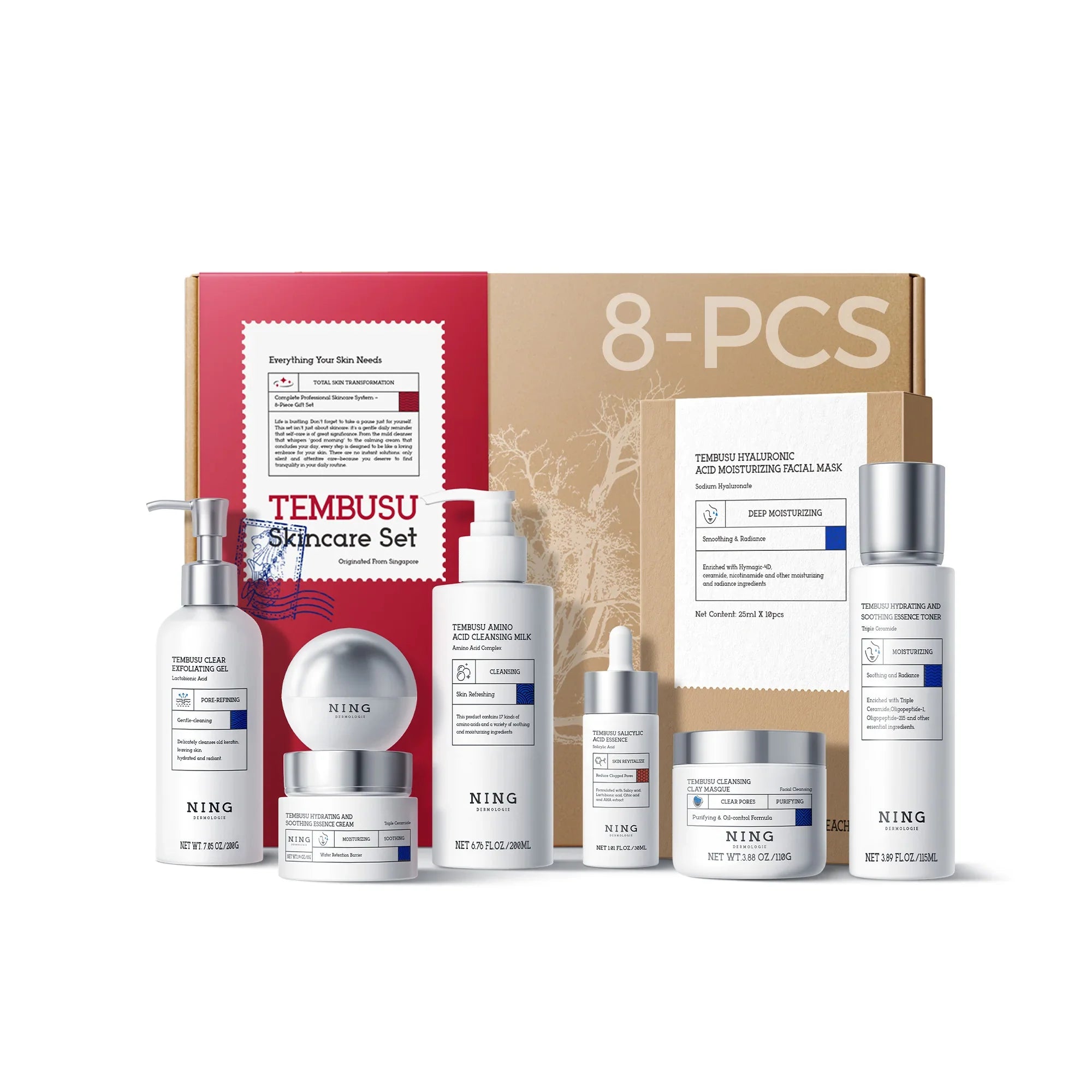
To truly fade dark spots and reveal even skin, you don't just need a magic wand; you need a system. This review goes into detail about melanin science, why your current skincare routine might not be working, and how full solutions like the NING Dermologie TEMBUSU 8-Step Routine Skincare Set can help you get results that are as good as those from a dermatologist.

Understanding the Enemy: Causes of Dark Spots and Types of Hyperpigmentation
Before we can treat hyperpigmentation, we have to understand what we are fighting. Not all dark marks are created equal, and throwing the wrong acids at your face can actually make the pigment in the skin worse, especially for those with sensitive skin or melanin-rich skin.
What Actually Causes Dark Spots?
At a cellular level, dark spots are the result of melanocytes (pigment-producing cells) going into overdrive. This overproduction of melanin is usually a response to injury or threat. When UV rays hit your face, your skin produces melanin to protect your DNA. When a pimple causes inflammation, melanin rushes to the site to heal it.
The result? Clumps of pigment that remain long after the sun goes down or the pimple heals.
The Three Main Villains
-
Sun Spots (Solar Lentigines): These are directly caused by UV exposure over time. They are common in mature skin and usually appear as flat, brown spots.
-
Melasma: Often triggered by hormonal changes (pregnancy, birth control), this manifests as larger, symmetrical patches of skin, usually on the forehead or cheeks. It is notoriously difficult to treat because heat and stress can flare it up.
-
Post-Inflammatory Hyperpigmentation (PIH): This is the red or brown mark left behind after acne, eczema, or a bug bite. It is essentially a scar made of pigment.
To effectively lighten dark spots, your routine must address all stages of this process: stopping the trigger (sun/inflammation), inhibiting production (tyrosinase inhibitors), and removing the pigment that is already there (exfoliation).
Why Single Serums Fail: The Case for a Complete Skincare Routine
This is where most people get it wrong. You buy a highly-rated vitamin c serum or a spot treatment, apply it sporadically, and skip sunscreen because it's cloudy.
However, a dark spot serum cannot work if dead skin cells are blocking its absorption. Likewise, the best dark spot corrector in the world is useless if you aren't protecting your skin barrier from new UV damage.
The "Sandwich" Strategy for Brighter Skin
To actually see results and brighten skin, you need a multi-layered approach:
- Layer 1: Preparation. Gentle cleansing and exfoliation to remove dead skin so actives can penetrate.
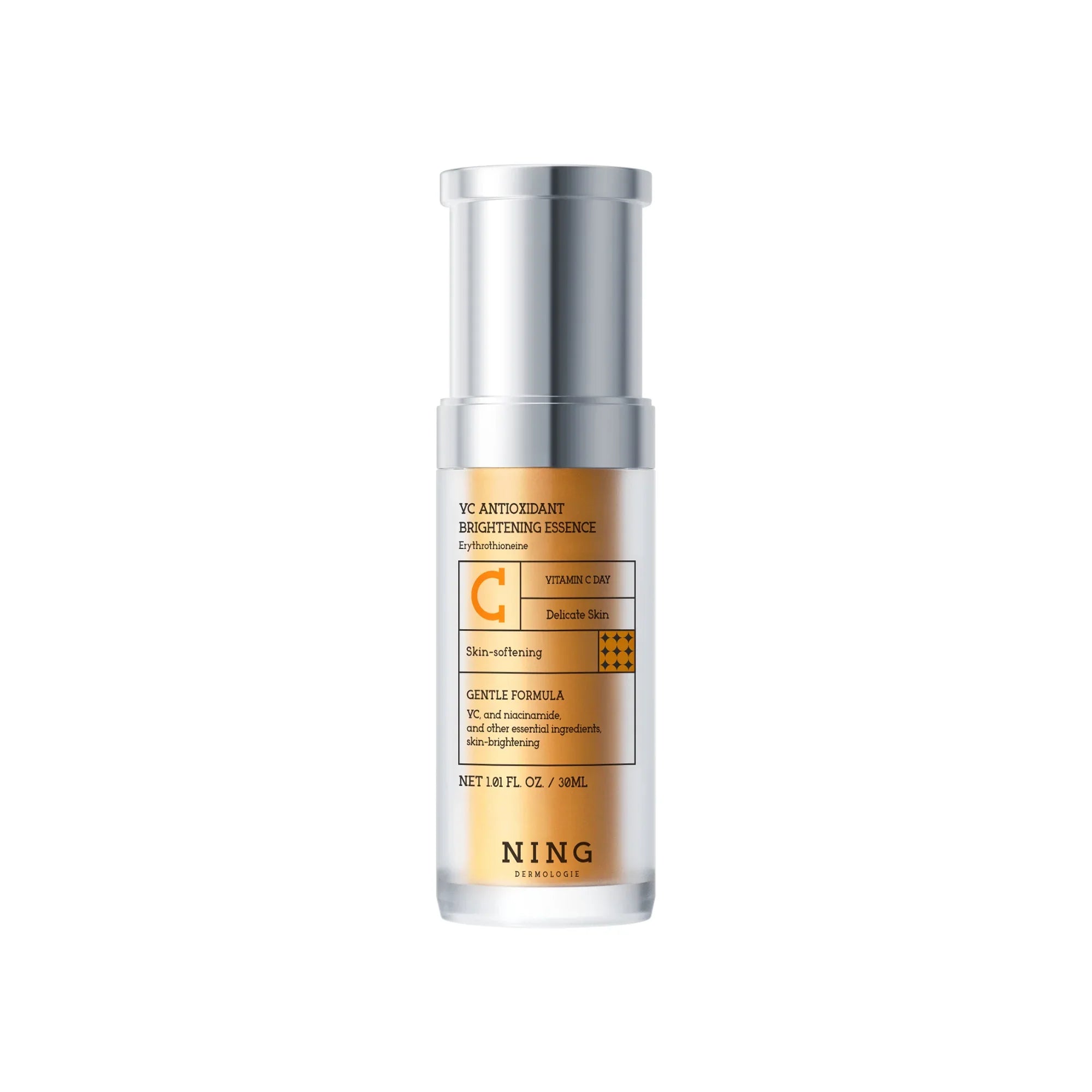
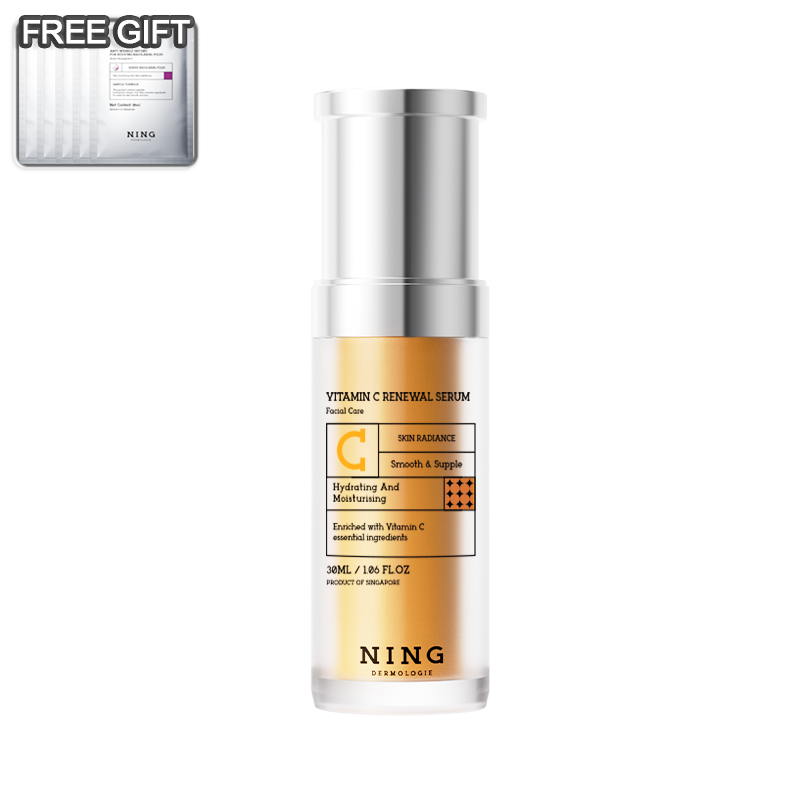
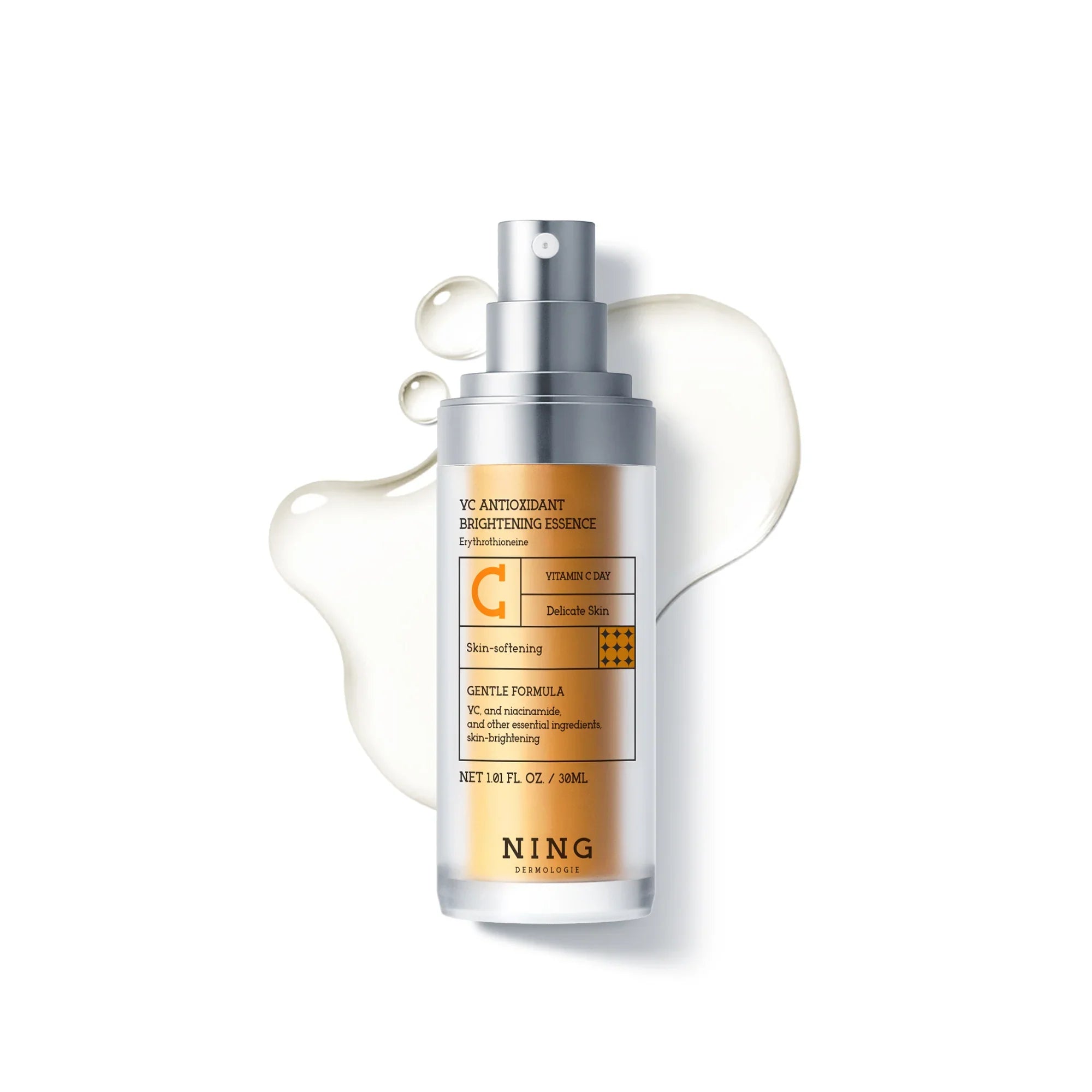
- Layer 2: Treatment. Potent serums (like the NING Dermologie formulations) that target hyperpigmentation deep in the dermis.
- Layer 3: Protection. Moisturizing to strengthen the skin barrier and SPF to prevent dark spots from forming.
This holistic approach is why sets, rather than single products, often yield the best results.
Ingredient Deep Dive: Vitamin C, Niacinamide, and Beyond
When scanning ingredient labels for the best product to treat hyperpigmentation, look for these heavy hitters. They are the backbone of any effective brightening serum.
Vitamin C: The Gold Standard
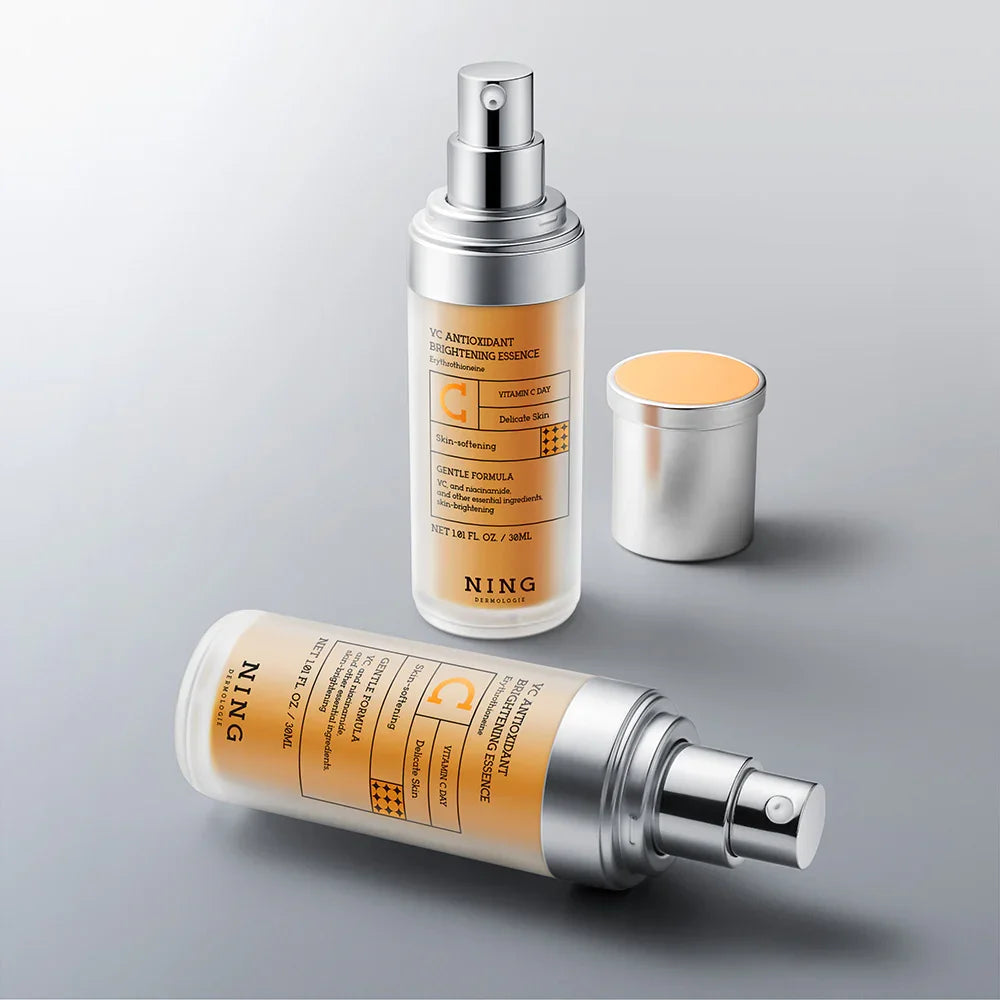
A stable Vitamin C serum is non-negotiable. It is a potent antioxidant that neutralizes free radicals (which cause aging and pigmentation) and blocks the enzyme responsible for melanin production. It brightens the overall skin tone and gives that "glow."
Niacinamide (Vitamin B3)
Perfect for sensitive skin, Niacinamide stops the transfer of pigment from the melanocyte to the visible skin cells. It also strengthens the barrier, improving skin texture and reducing redness.
Tembusu Extract: The NING Dermologie Secret
While standard ingredients are great, NING Dermologie utilizes unique botanicals like Tembusu extract. This helps to calm the skin and reduce the inflammatory response that triggers dark spots in the first place, making it excellent for preventing new dark spots.

Top Dark Spot Correctors & Sets: Best Overall and Best Drugstore
Navigating the market can be overwhelming. You will see legacy names like the Clinique Even Better Clinical Dark Spot line, which has been a staple for years.
The Single Serum Contenders
Products like the Clinical Dark Spot Clearing Serum or the Even Better Clinical Dark Spot Clearing treatments are popular for a reason—they contain proprietary blends (like CL302) that exfoliate and treat. Many users report that these help reduce dark spots and improve skin tone.
However, the downside of relying on a single "hero" product like the Clinique Even Better Clinical Dark serum is integration. Does it play well with your cleanser? Is your moisturizer locking it in? Often, mixing brands leads to pilling or irritation, especially when layering strong actives.
The Best Overall Solution: A Curated Set
For those who want to fade dark spots without the guesswork of mixing and matching incompatible ingredients, a dedicated set is the best overall choice. This ensures pH levels are balanced and ingredients work synergistically rather than canceling each other out.
The NING Dermologie Difference: Introducing the TEMBUSU 8-Step Routine
If you are serious about transforming uneven skin tone and want a "done-for-you" solution that rivals a dermatologist visit, look at the TEMBUSU 8-Step Routine Skincare Set.
Unlike a standalone spot serum, this set is a complete ecosystem designed to target hyperpigmentation from every angle.
Shop the TEMBUSU 8-Step Routine Skincare Set Here
Why 8 Steps?
It sounds like a lot, but every step has a purpose in the fight against dull skin and pigmentation:
-
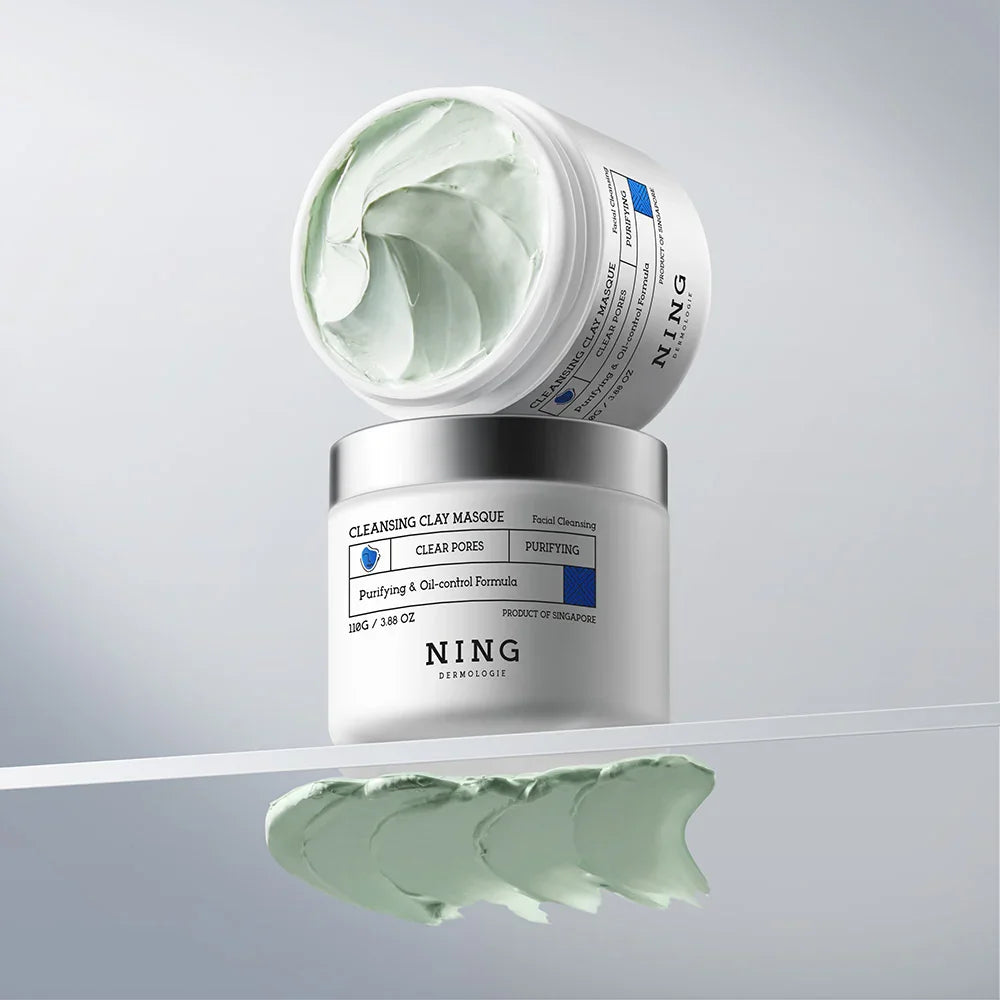
Cleansing: Removes impurities without stripping, ensuring the skin is ready to receive treatment.
-
Toning: Rebalances pH and hydrates, prepping dry skin to absorb serums.
-
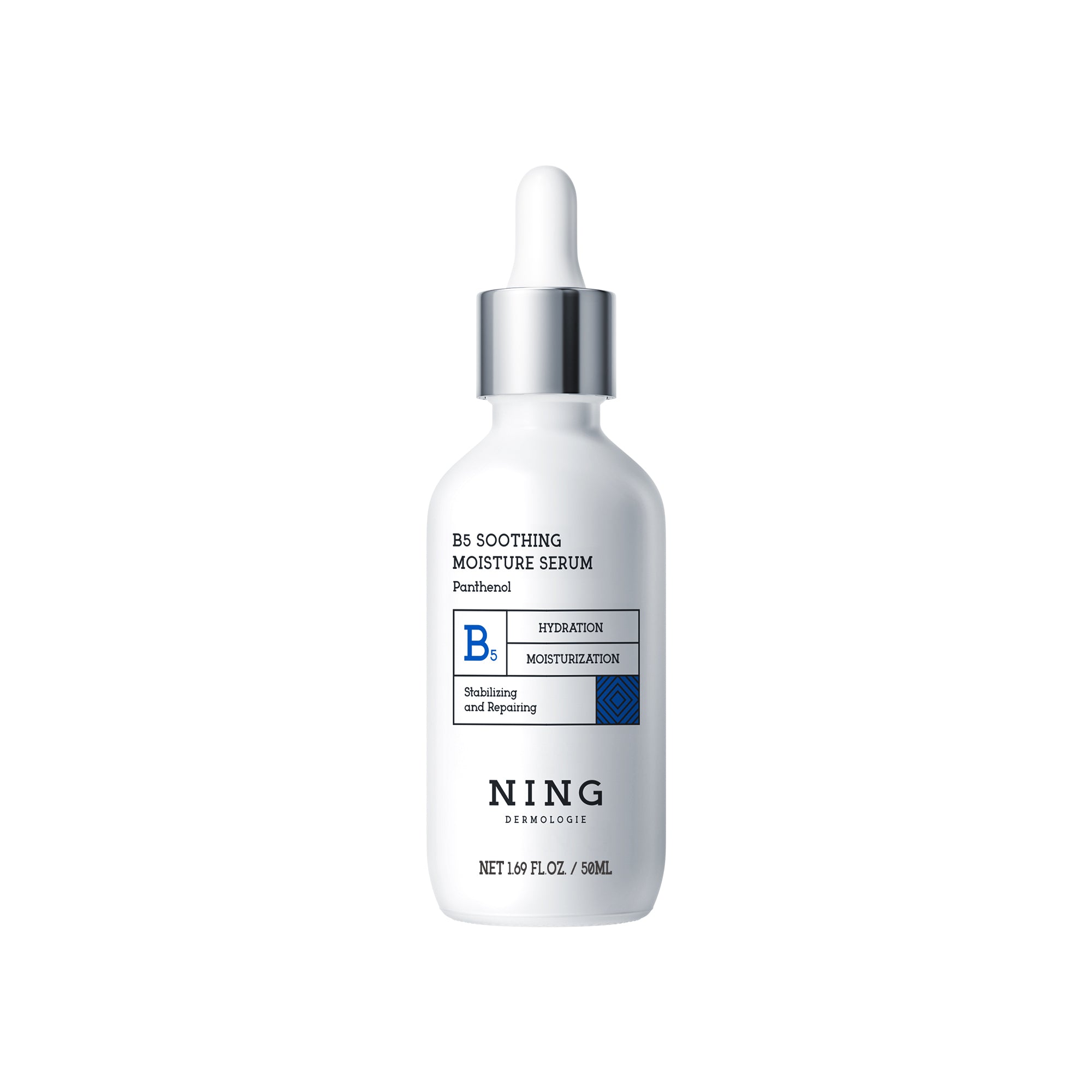
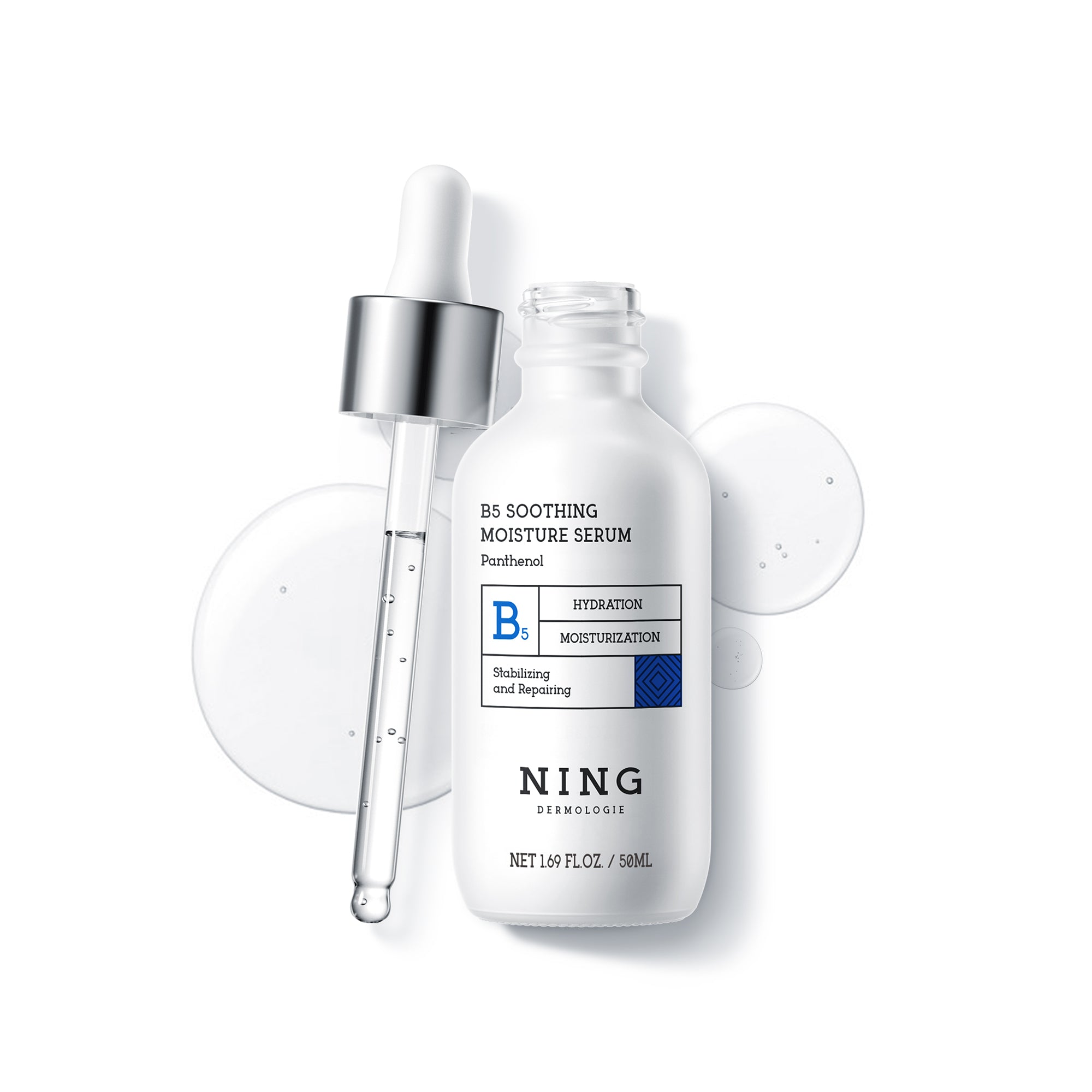
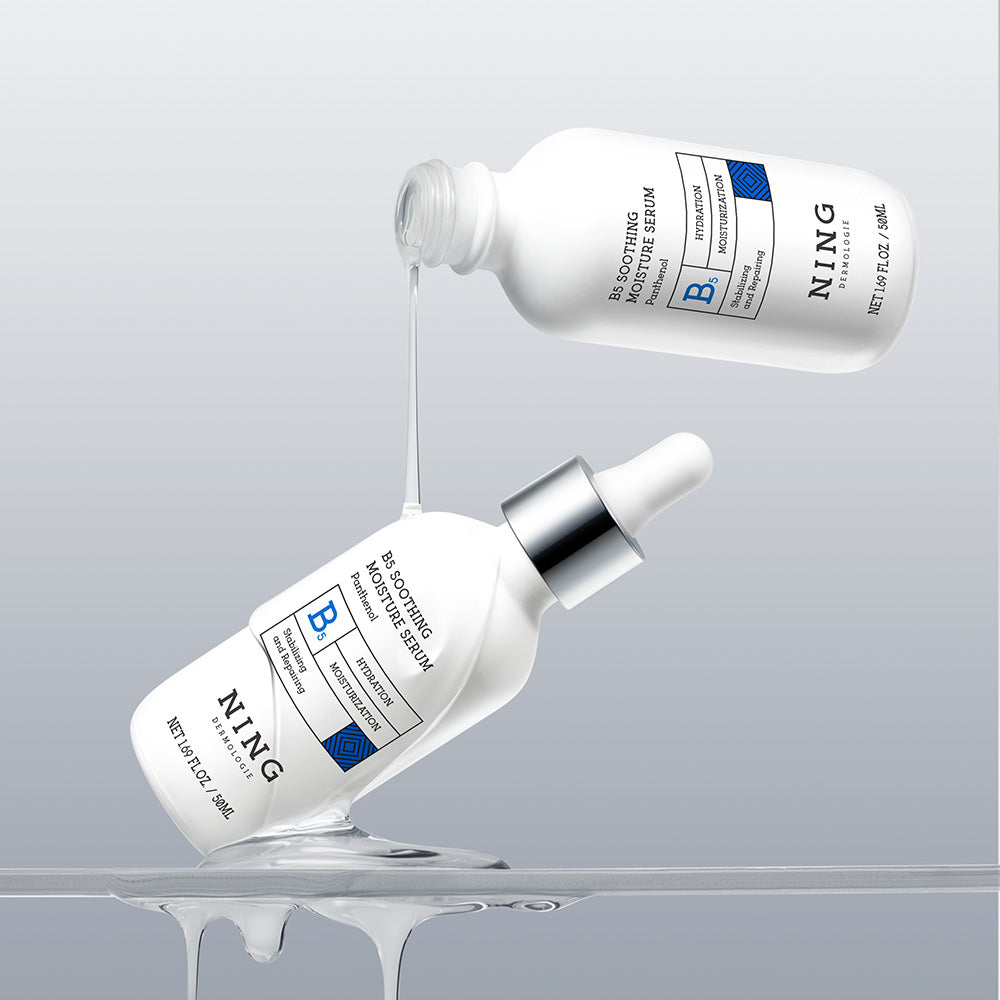
Targeted Serums (The Core): This is where the magic happens. The set includes specific formulations to reduce hyperpigmentation and brighten skin.
-
Moisturizing: Locks in the actives.
-
Eye Care: Because the eye area gets pigmentation too (dark circles).
-
Protection: Shields the skin from environmental aggressors.
By using the TEMBUSU 8-Step Routine, you aren't just treating a spot; you are upgrading your entire skin health. Users report that the skin feeling after the routine is plump and hydrated, not tight or stripped, which is crucial for mature skin.
Customizing Your Routine for Your Skin Type
One size rarely fits all. Here is how to adapt your search for the best dark spot solutions based on your physiology.
For Sensitive Skin
If acids make you red and stinging, avoid harsh peels. Look for a dark spot serum with anti-inflammatory botanicals. The TEMBUSU set is particularly good here because it balances potency with barrier support, making it perfect for sensitive skin.
For Mature Skin
Mature skin cell turnover slows down, meaning dark spots linger longer. You need a routine that encourages cell regeneration. Hydration is also key, as dry skin makes spots look darker. A comprehensive routine that includes rich moisturizers alongside correctors is vital.
For Oily/Acne-Prone Skin
You are likely battling Post-Inflammatory Hyperpigmentation. Your focus should be on non-comedogenic spot serums that contain Salicylic Acid or Niacinamide to treat the acne and the dark spot simultaneously.

How to Fade Dark Spots: Timelines and Realistic Expectations
We need to manage expectations. No legal, non-prescription topical product will erase a spot in 24 hours.
- 4 Weeks: You should see an improvement in overall skin tone and radiance. The skin looks "cleaner."
- 8 Weeks: Existing dark spots begin to fade significantly. Sun spots may have softer edges.
- 12 Weeks: Significant reduction in stubborn hyperpigmentation.
Consistency is the secret sauce. Applying your best dark spot corrector once a week won't cut it. You need to commit to the morning and night ritual.
A Note on Prevention
You can use the top dark spot correctors in the world, but if you step outside without SPF, you are undoing all your hard work. UV rays will darken fading spots instantly. To prevent dark spots from forming, sunscreen is your best friend.
Conclusion: Reclaiming Your Radiance
Dealing with hyperpigmentation can feel like a losing battle, but it doesn't have to be. By moving away from random product purchasing and embracing a science-backed, cohesive system like the NING Dermologie TEMBUSU set, you are giving your skin the best chance to heal.
Remember, the goal isn't just to erase a spot; it's to create a healthy, resilient environment where even skin is the norm, not the exception.
Frequently Asked Questions (FAQ)
1. How long does it actually take to fade dark spots?
Patience is required. Some brightening serums say they work right away, but in reality, it takes about four to eight weeks to see a difference. This is because your skin takes about 28 days to turn over. It can take up to 12 weeks of regular use for hyperpigmentation that won't go away or deeper sun spots. If you are using a complete system like the TEMBUSU set, you might see overall radiance improvements sooner, but the deep spots take time to break down.
2. Can I use Vitamin C and Retinol together for dark spots?
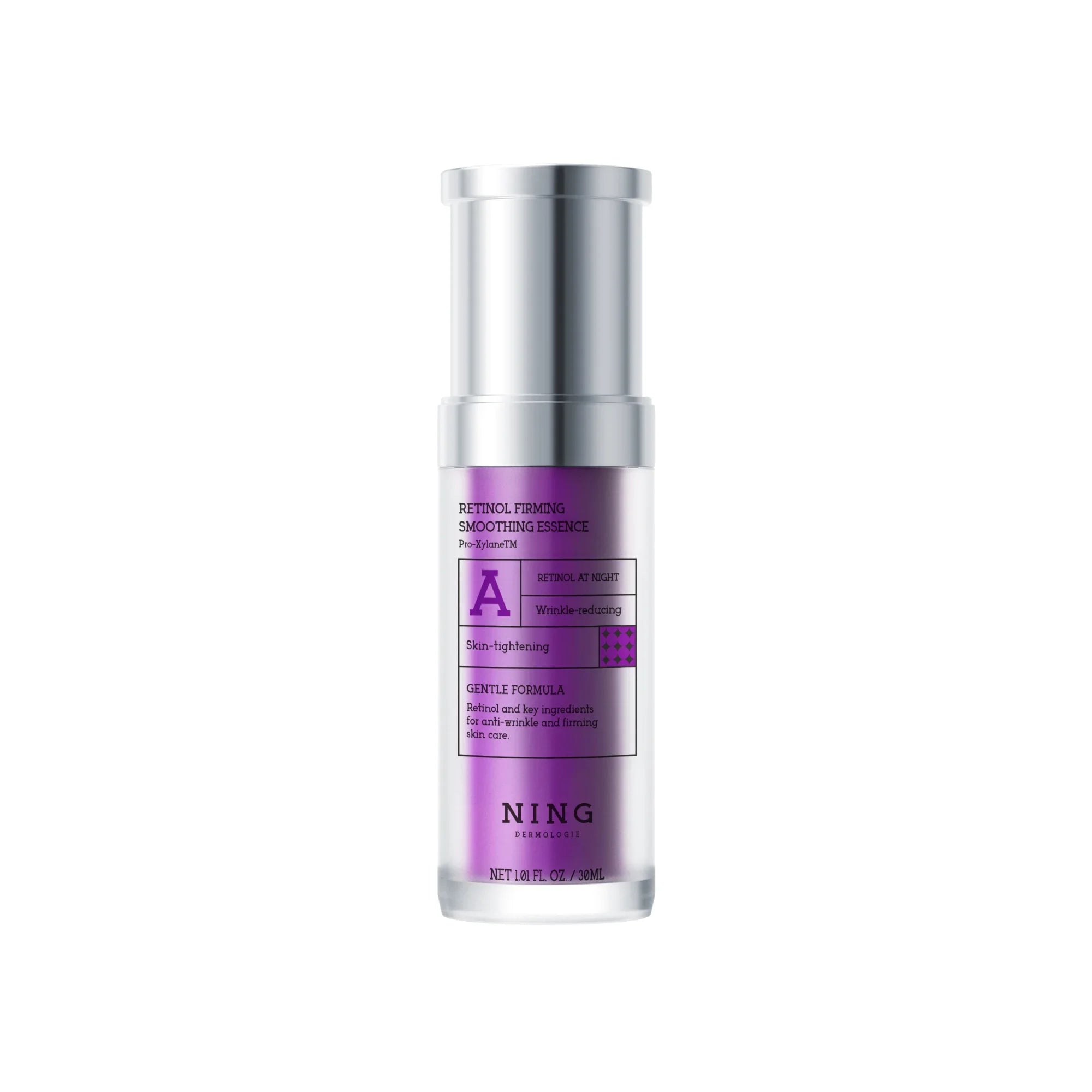
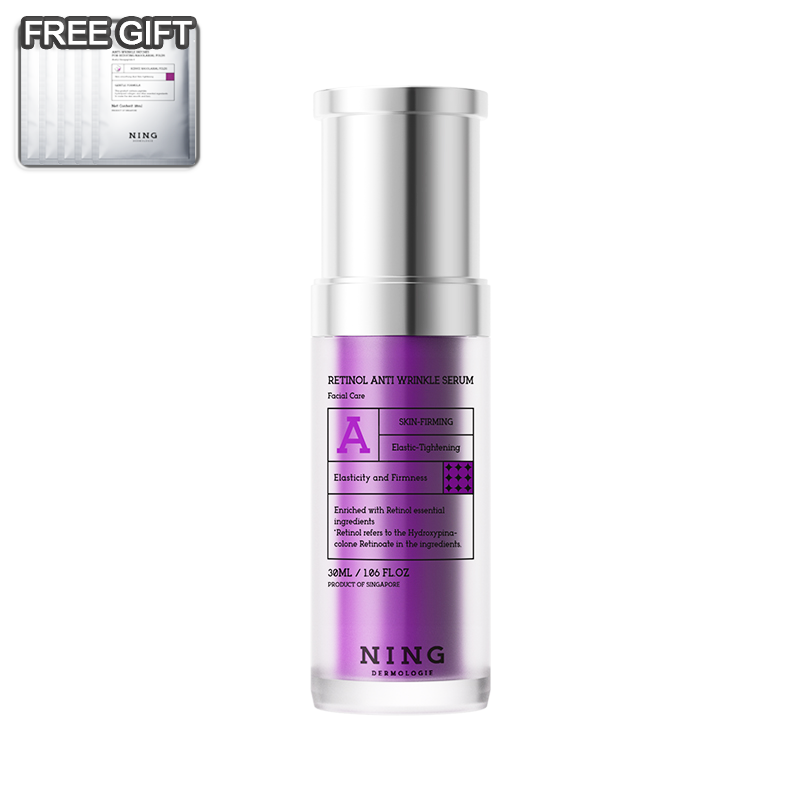
Yes, but proceed with caution. Both are powerful actives for uneven skin tone. Dermatologists generally recommend using Vitamin C serum in the morning (to protect against UV damage) and Retinol at night (to repair and speed up cell turnover). Using them at the exact same time can cause irritation, especially for sensitive skin. Spacing them out allows you to get the best results without damaging your skin barrier.
3. Do dark spot correctors work on all skin tones?
Yes, but people with darker skin tones (those with a lot of melanin) need to be careful with strong ingredients like high-concentration hydroquinone or strong lasers, as these can actually make hyperpigmentation worse (a rebound effect). Niacinamide, Vitamin C, and botanical extracts (found in NING Dermologie products) are gentle, tyrosinase-inhibiting ingredients that are safer and work better to lighten dark spots on deeper skin tones without causing trauma.
4. Why do my dark spots come back after fading?
This is usually due to sun exposure. Pigment cells usually retain a "memory." Even if a spot has faded, a few hours of unprotected sun exposure can reactivate the melanocytes in that area, making the spot darker again. This is why it's important to have a skincare routine that includes SPF every day to keep your skin tone even and keep dark spots from forming.
5. Is the NING Dermologie TEMBUSU set suitable for acne marks?
Absolutely. Acne marks are a form of Post-Inflammatory Hyperpigmentation. The TEMBUSU 8-Step Routine helps in two ways: it treats the active inflammation to prevent new marks, and it uses brightening agents to fade the red or brown marks left behind. The hydration steps also ensure the skin heals faster, reducing the likelihood of lasting scars.
6. What is the difference between a dark spot serum and a moisturizer?
A dark spot serum or spot serum is a concentrated formula with small molecules designed to penetrate deep into the skin to target the pigment production source. A moisturizer has larger molecules designed to sit on the surface, lock in hydration, and protect the barrier. You need both. The serum treats the issue, while the moisturizer seals it in. Using them together gives the best product performance.





Share:
What is the correct order to apply a skincare set?
Anti-Aging Powerhouses: What to Expect from a Retinol & Peptide Skincare Set