

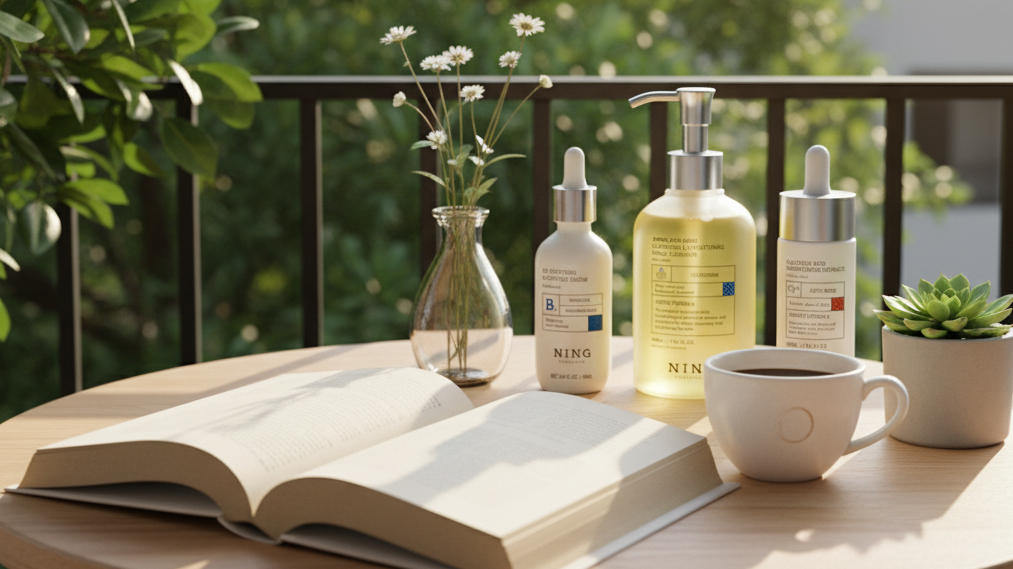

If you’ve ever felt the stinging irony of applying an acne cream only to have your skin flake off in red, angry patches, you’re not alone. You’re stuck in the "Acne-Repair Paradox." You want the breakouts gone, but your skin barrier is so compromised that even a basic sensitive skin moisturizer feels like liquid fire.
Most traditional advice tells you to "nuke" the problem with high-percentage benzoyl peroxide or aggressive salicylic acid. For those with sensitized skin, that’s like trying to put out a campfire with a grenade. You might kill the bacteria, but you’ll destroy the forest in the process.
To fix this, we need to stop treating your face like a battlefield and start treating it like an ecosystem. Here is the blueprint for a restorative routine that actually clears pores without sacrificing your stratum corneum.

The Science of Why You’re Breaking Out (It’s Not Just Oil)
We’ve been conditioned to think oily skin is the enemy. In reality, the enemy is trans-epidermal water loss (TEWL). When your skin barrier repair mechanisms fail, moisture evaporates. Your skin panics, produces more "bad" oil to compensate, and becomes porous enough for environmental pollutants and environmental stress to trigger inflammatory mediators.
Essentially, your skin’s "security fence" is down. If you keep scrubbing it, you’re just making it easier for bacteria to move in. This is why clinical testing consistently shows that barrier-building ingredients are just as important as anti-acne actives.
Phase 1: The "Non-Negotiable" Reset
Before you reach for those Starface Hydro-Star Salicylic Acid Patches, you need to stabilize the base. If your skin feels tight after washing, your cleanser is a thief.
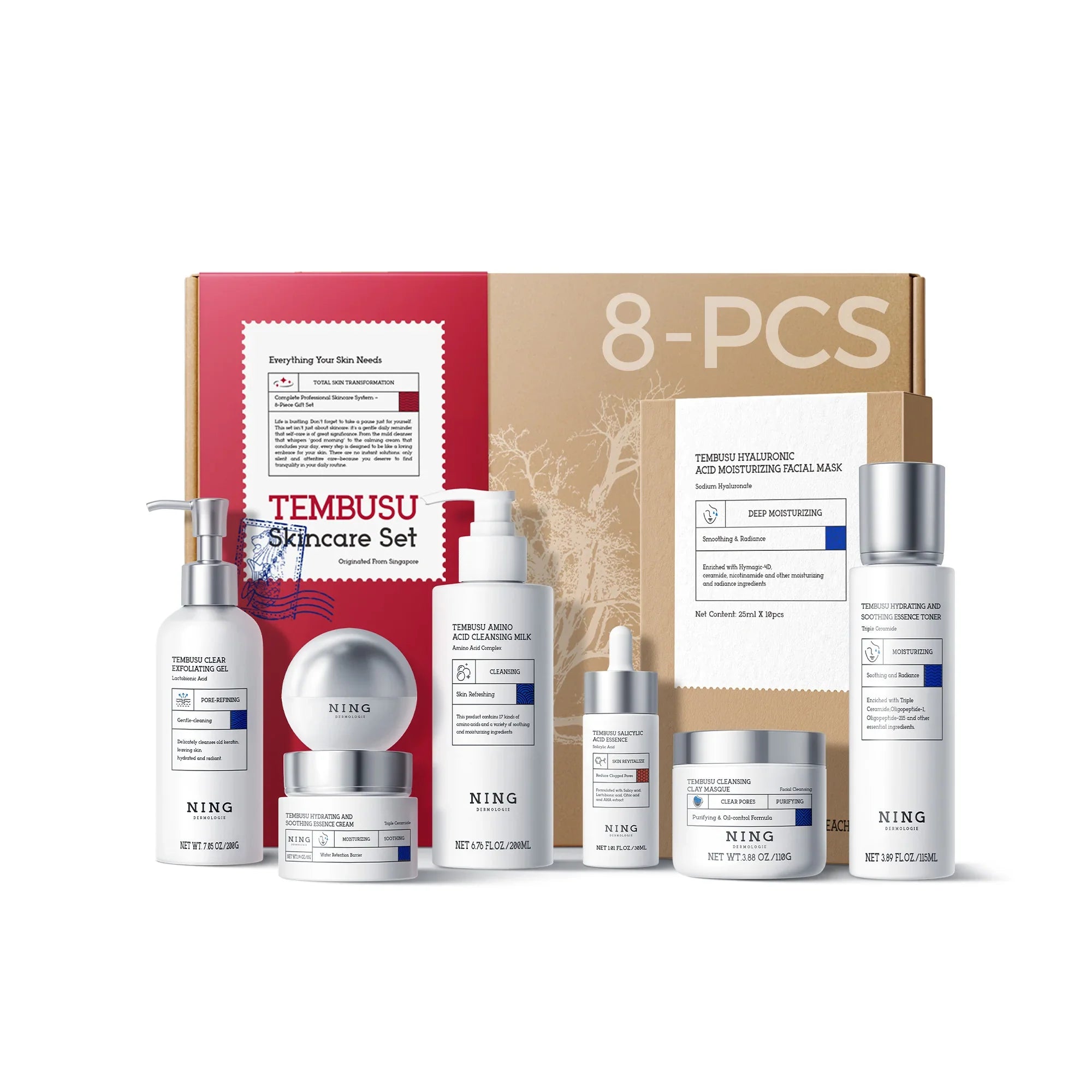
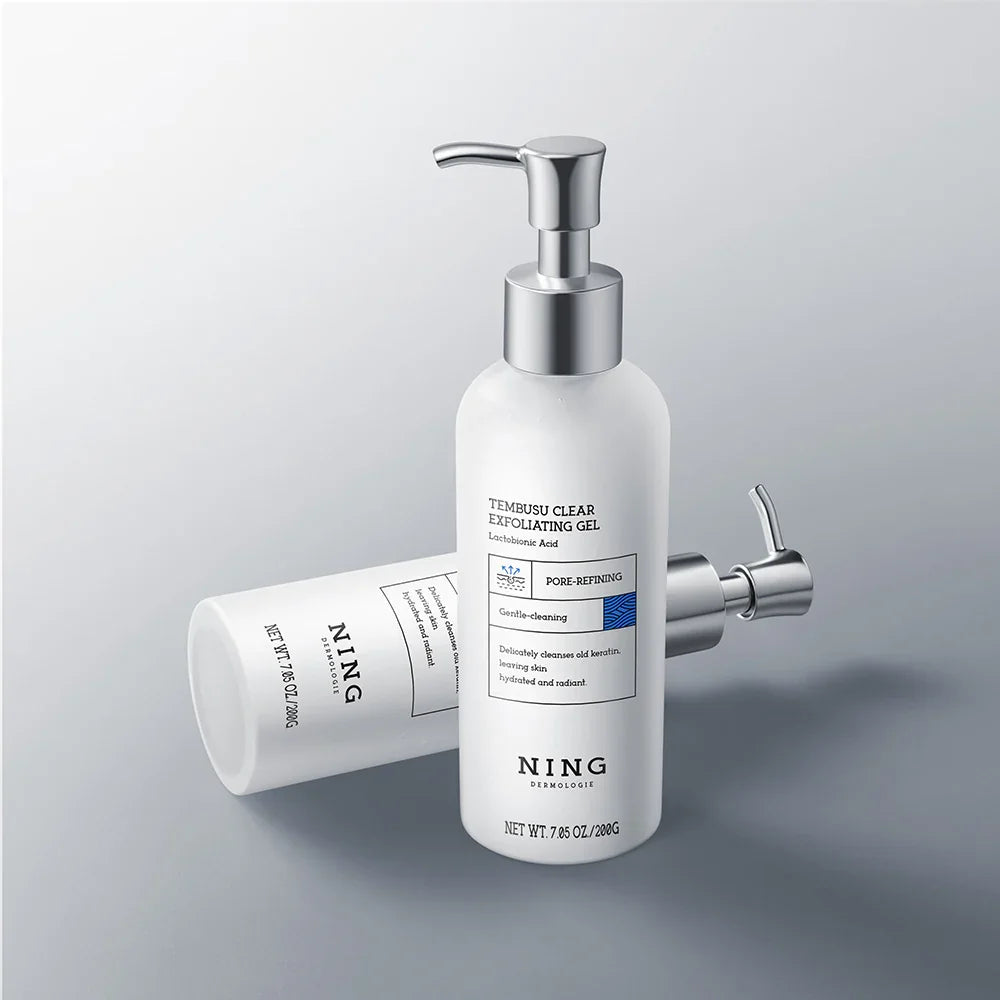
Switch to a Melting Balm Cleanser or a Creamy Jelly Cleanser. You need something that respects the lipid bilayer. NING Dermologie’s approach focuses on this exact balance. Their Acne-Clarifying & Barrier Recovery System doesn't just "strip" the skin; it uses a logic where the cleanser preps the skin for recovery rather than just degreasing it.
The AM Strategy: Environmental Defense Your morning isn't about "treating" acne; it's about shielding.
- Cleanse: Use lukewarm water or a very mild Hydrating Skincare Set cleanser.
- Mist: A Balancing Face Mist containing Ginger Root Extract can help neutralize redness before it starts.
- Hydrate: Look for barrier repair serums rich in Sodium Hyaluronate and Centella asiatica. These are your fire extinguishers.
- Protect: This is where people mess up. You need a broad-spectrum SPF. If you skip SPF 30 or higher, the sun will bake your acne scars into permanent dark spots. A broad-spectrum sunscreen formulated for sensitive skin is your best friend against environmental assault.
Phase 2: The Deep Recovery (PM Routine)
Nighttime is when the actual skin barrier construction happens. This is the time to introduce your "smart" actives.
Instead of a harsh scrub, consider a gentle Lactic Acid or a low-dose salicylic acid if your barrier can handle it. But the real heroes are the oils and extracts that mimic your skin’s natural sebum.
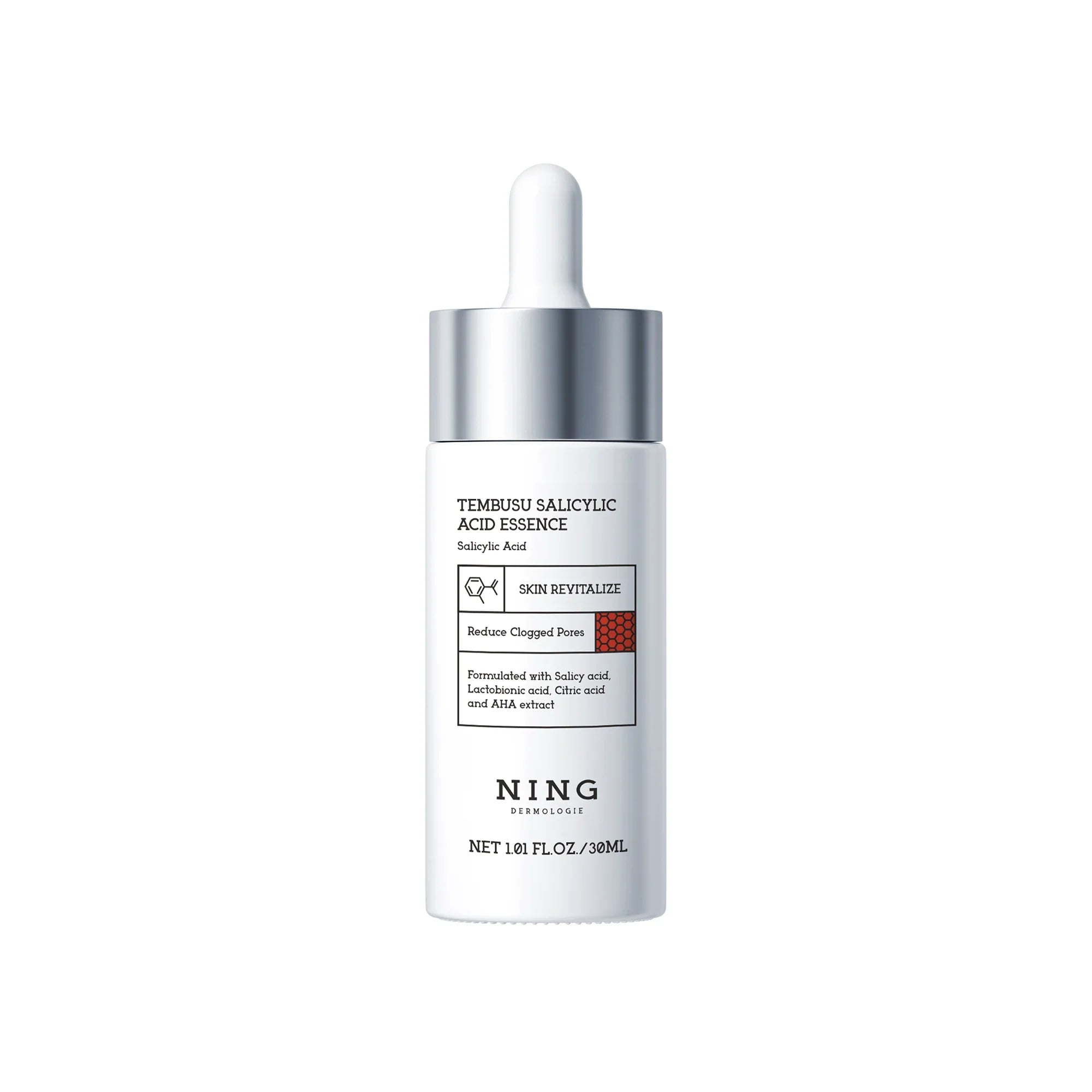
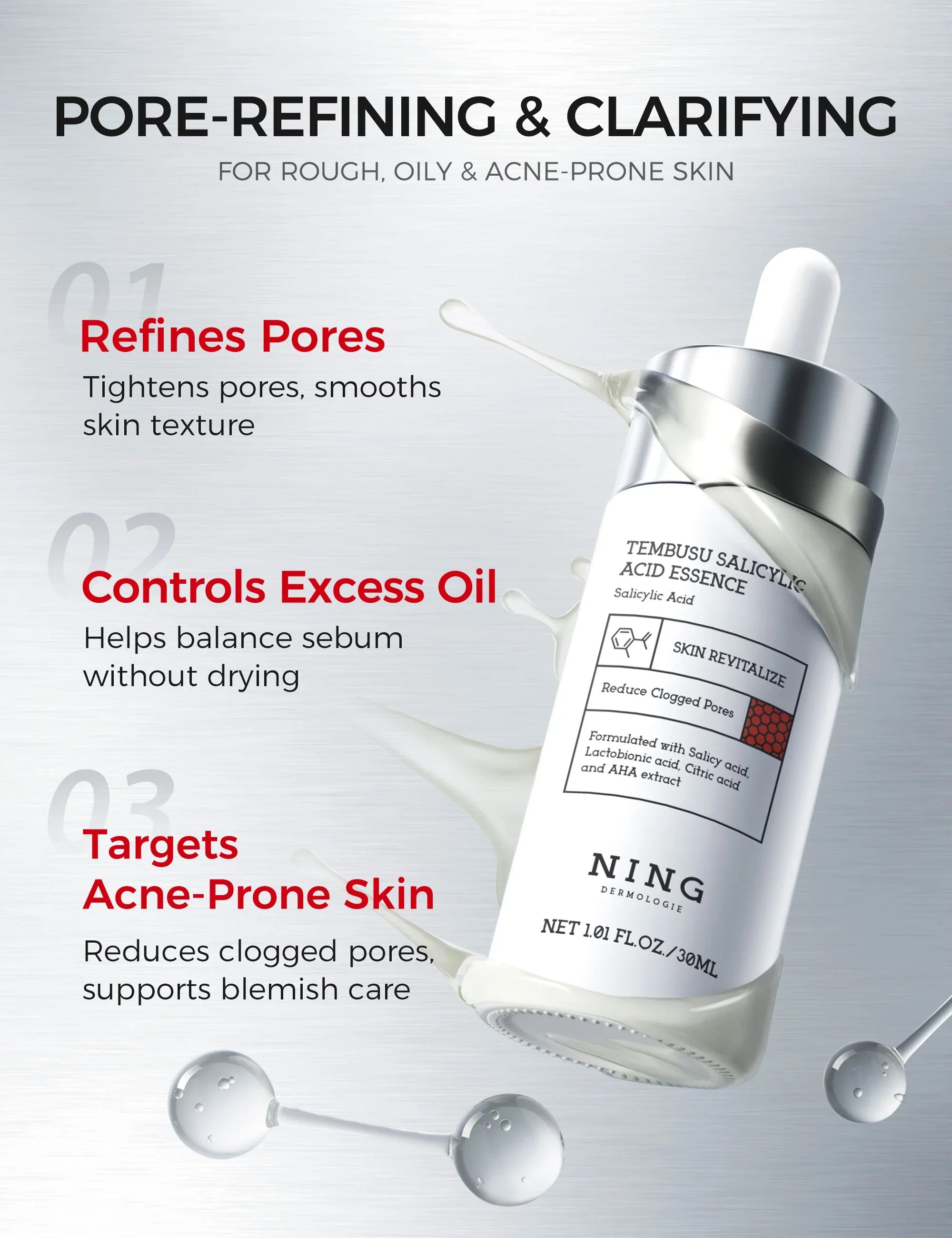
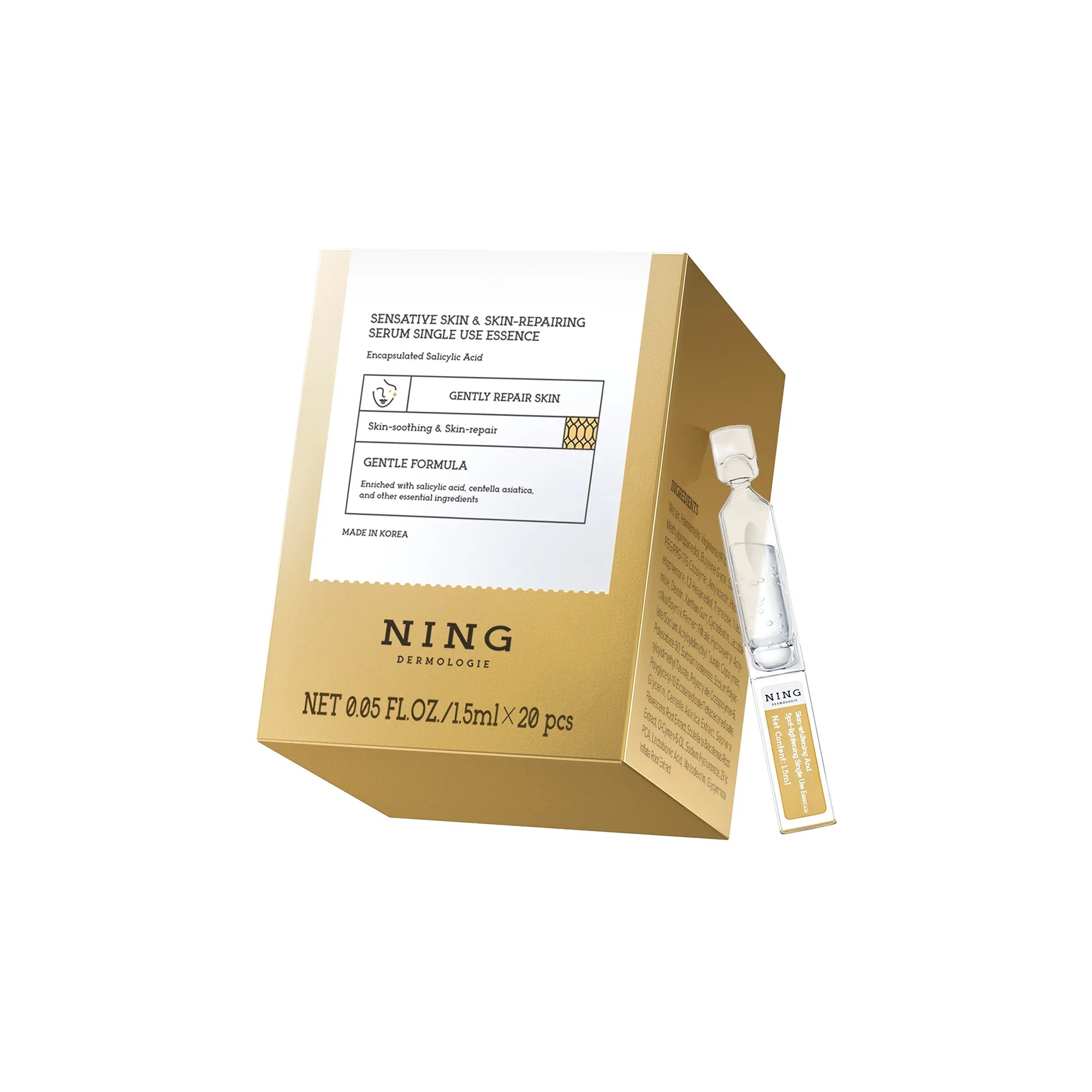
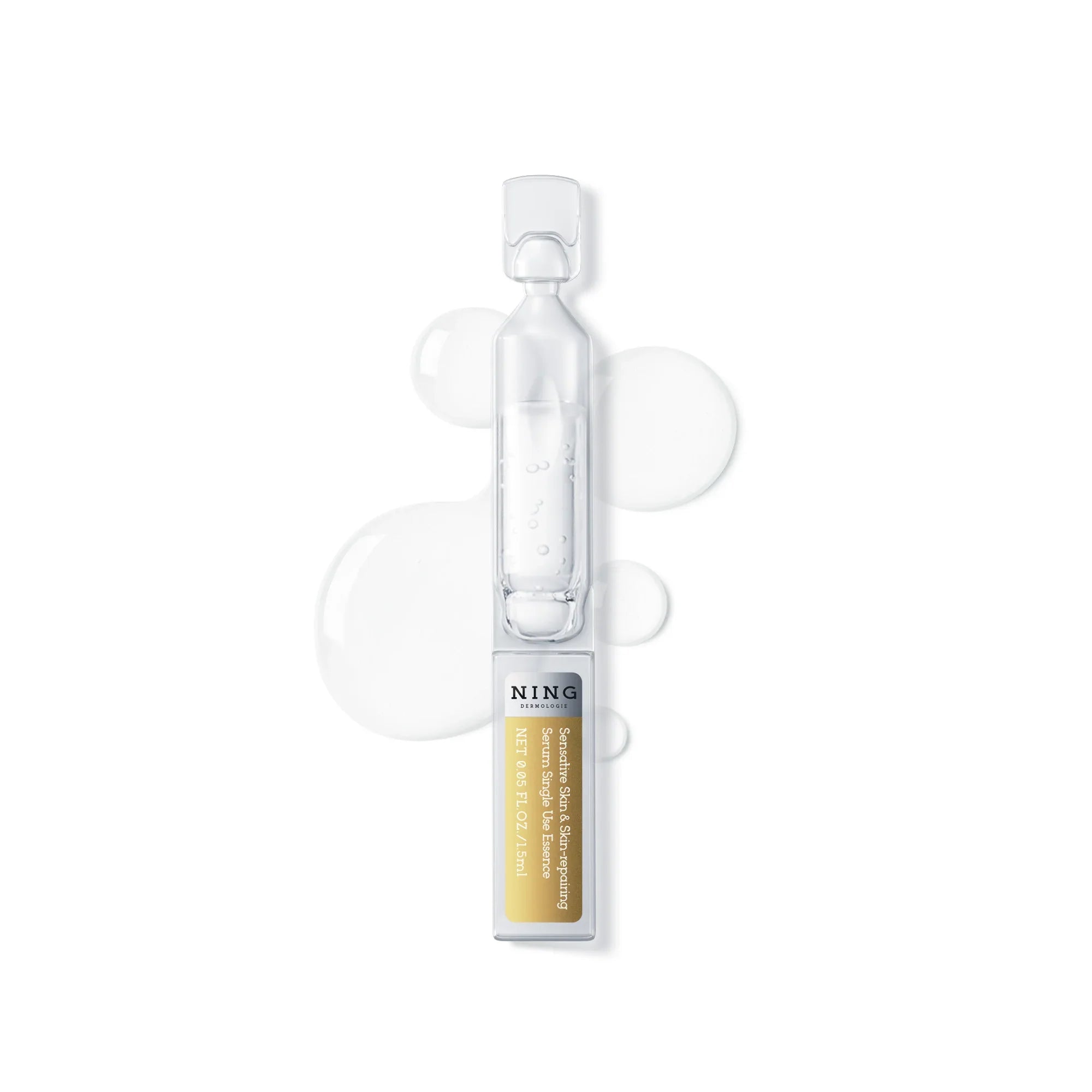
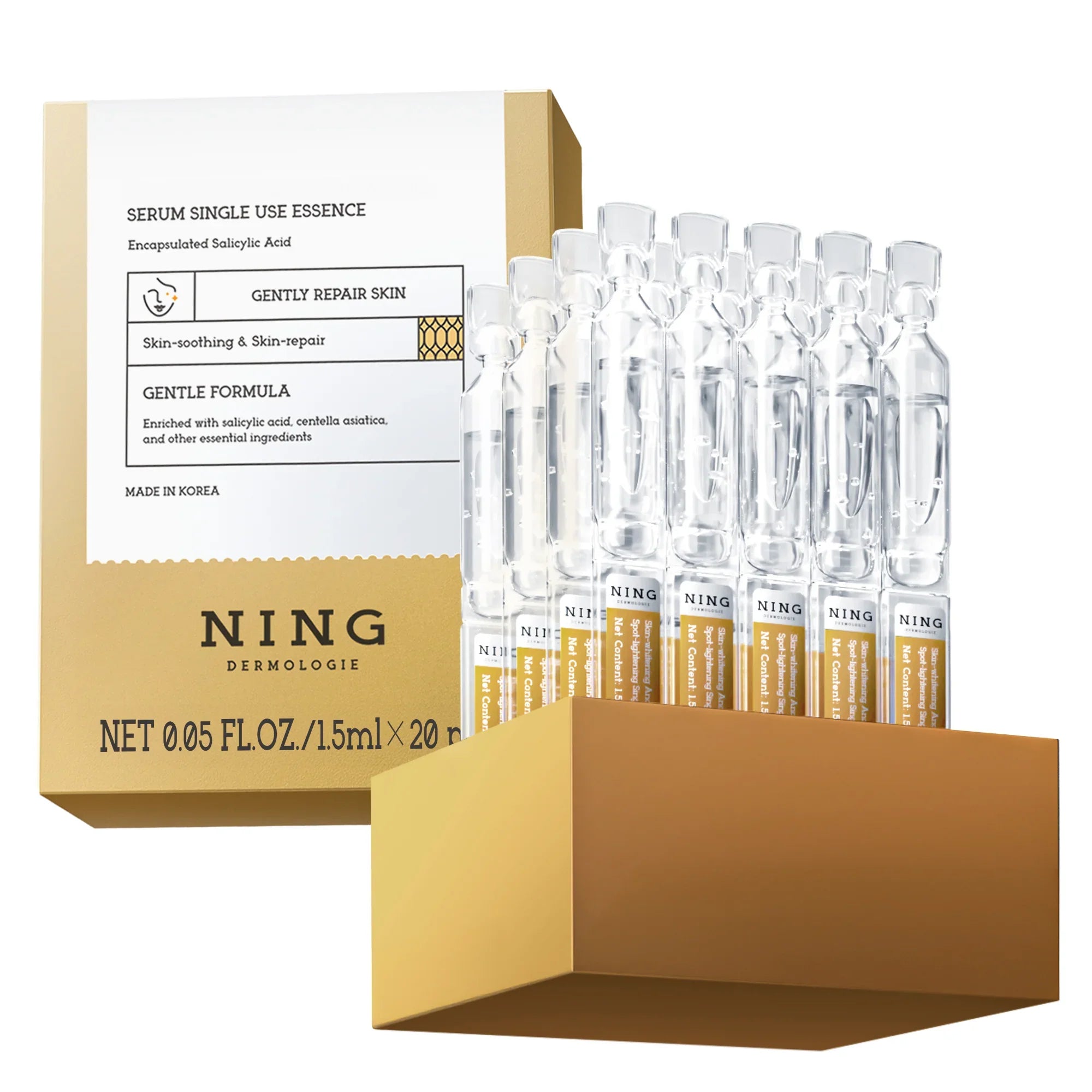
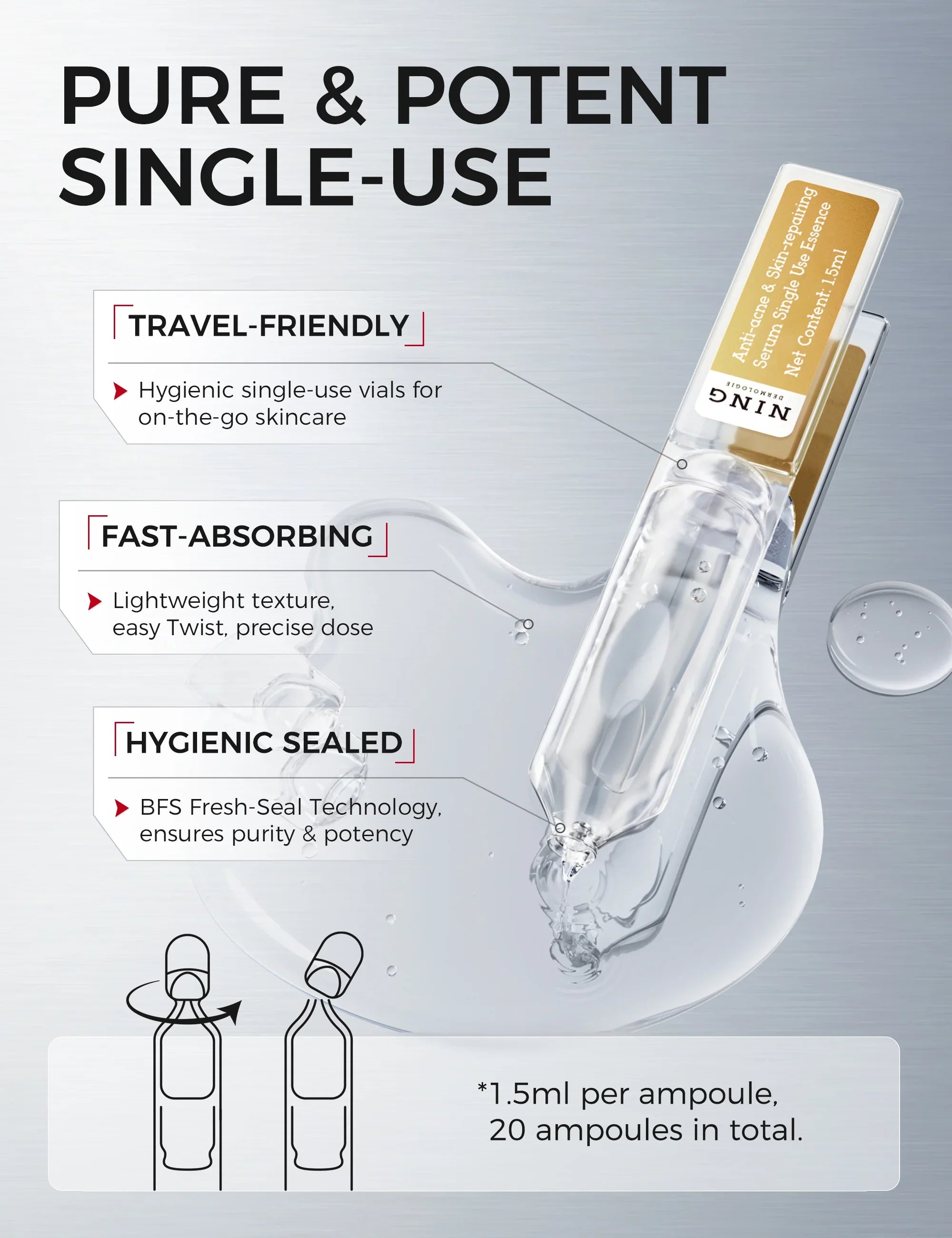
The NING Dermologie Method The NING Dermologie Acne-Clarifying & Barrier Recovery System is specifically designed for this duality. It pairs a clarifying serum with a recovery logic that uses Centella Asiatica Extracts and vitamin E to keep the peace.
Your PM Steps:
- Double Cleanse: Use the Melting Balm Cleanser to dissolve broad-spectrum SPF and pollutants, followed by a gentle second wash.
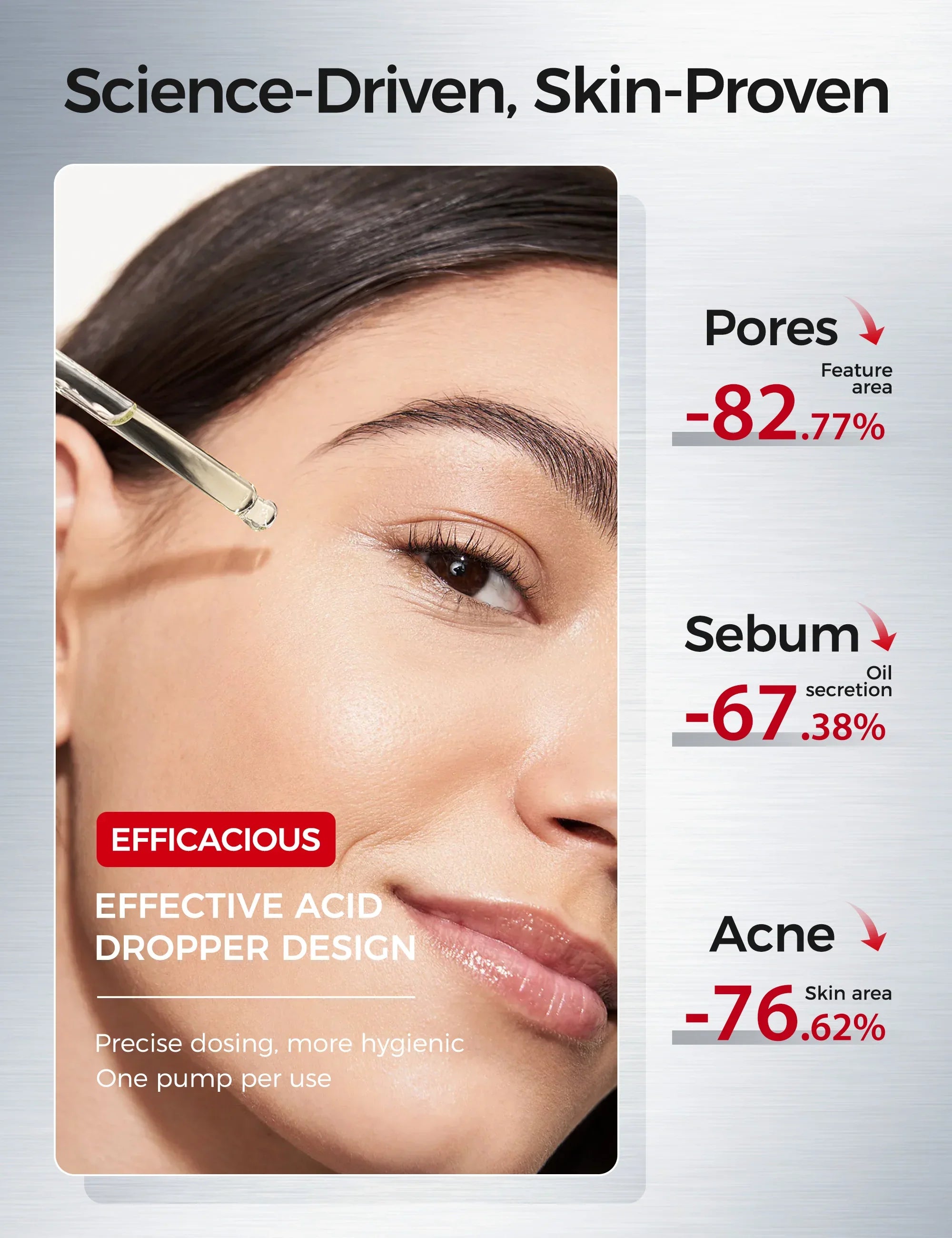
- Treat: Apply your acne-focused serum. If you’re using the NING Dermologie system, this is where the Acne-Clarifying component works on the skin tone and congestion.
- Seal: Use a Restorative Moisturiser or a Barrier Therapy Skin Protectant Cream. Look for ingredients like Borago Officinalis Seed Oil, Avena Sativa Kernel Oil (oat oil), and Evening Primrose Oil. These provide the essential fatty acids your skin is literally screaming for.
- Target: For stubborn spots, a Calcium Multi Balm Stick can provide localized soothing.
The Ingredient "Power Players" You’ve Been Ignoring
We talk a lot about "actives," but "passives" are what keep you from looking like a lobster.
- Centella Asiatica: The "Cica" craze is real for a reason. It suppresses the inflammatory mediators that turn a small clogged pore into a giant red cyst.
- Sunflower Seed Oil & Borago Officinalis Seed Oil: These aren't "heavy" oils that clog pores. They are high in linoleic acid, which oily skin and breakout-prone skin usually lack.
- Green Tea: A powerhouse antioxidant that guards against environmental stress.
- Sodium Hyaluronate: It’s a smaller molecule than standard Hyaluronic Acid, meaning it actually gets into the skin to prevent trans-epidermal water loss.
Beyond the Bottle: Tools and Habits
Sometimes, the way you apply products matters as much as what's in them. If you have sensitized skin, stop rubbing your face with rough towels.
Lymphatic Drainage and Inflammation If your face feels "puffy" and congested, you might have stagnant lymph. Using a Lymphatic Drainage Face Brush or a Stainless Steel Gua Sha Tool (kept in the fridge!) can help move fluid along. Just be careful—never "scrape" over active, cystic acne. Use the tool on your neck and jawline to "open the drains" first.
The "Dry Skin" vs. "Dehydrated Skin" Distinction If you have Dry Skin, you lack oil. If you have dehydrated acne-prone skin, you lack water. Most people with breakouts have the latter. This is why a Moisturising Gel Cream often feels better than a heavy wax-based cream. It provides the "drink" without the "grease."
Maintenance: The Long Game
You won't fix a broken skin barrier overnight. It takes about 28 days for a new set of skin cells to run their course. During this time, consistency is more important than intensity.
If you’re using the Acne-Clarifying & Barrier Recovery System, give it at least three weeks before deciding if it "works." Skin needs time to recognize that it's no longer under attack.
Pro-Tip for Body Care: Don't forget the rest of you. If you get "backne" or body irritation, a Brightening Body Lotion with mild exfoliants can help, but always follow up with a Moisturising Gel Cream to keep the skin barrier repair active everywhere.
Final Thoughts on the NING Dermologie Philosophy
The reason we recommend the NING Dermologie system isn't just because it's dermatologist tested. It’s because it moves away from the "scorched earth" policy of the 2000s. We are in the era of Barrier Therapy.
You can have clear skin. You can have hydrated skin. You don't have to pick one. By focusing on barrier-building ingredients and avoiding the "nuke" mentality, you’re not just clearing acne—you’re building a more resilient version of yourself.

Frequently Asked Questions (FAQ)
Q1: Can I use this routine if I have both oily skin and dry patches?
Absolutely. This "combination" state usually means your skin barrier is leaking moisture. By using a Restorative Moisturiser with Sodium Hyaluronate, you hydrate the "dry" parts while the Centella Asiatica Extracts help regulate the inflammation that causes "oily" panic. It’s about balance, not just degreasing.
Q2: Will using oils like Borago Officinalis Seed Oil break me out more?
It’s a common fear, but no. High-linoleic oils like Sunflower Seed or Borago actually help thin out thick, sticky sebum. When your sebum is "fluid" rather than "waxy," it flows out of the pore instead of getting stuck and forming a plug. It’s "good" oil fighting "bad" oil.
Q3: How do I know if my skin barrier is actually damaged?
If your usual skincare routine suddenly stings, or if your skin looks shiny but feels tight and itchy, your barrier is likely compromised. You’ll also notice increased redness and "random" breakouts that don't seem like typical hormonal acne. That’s your cue to switch to a restorative routine immediately.
Q4: Is a Stainless Steel Gua Sha Tool safe for active acne?
Be cautious. Don't drag any tool directly over an open or inflamed pimple, as you risk spreading bacteria. However, using it on the neck and along the collarbone helps with lymphatic drainage, which reduces overall facial puffiness and helps the skin heal faster by removing metabolic waste.
Q5: Why is SPF so important for "Acne and Barrier Repair"?
UV rays are an environmental assault that degrades the proteins in your skin barrier. Furthermore, the sun triggers melanin production in damaged areas, turning temporary acne marks into long-term "post-inflammatory hyperpigmentation." Without a broad-spectrum sunscreen, you are essentially undoing all the work your barrier repair serums are trying to achieve.





Share:
How to Treat Breakouts Without Damaging the Skin Barrier
Complete Firming Skincare System for Smoother, More Youthful-Looking Skin