


Waking up to a fresh breakout and immediately reaching for the strongest "nuclear" option in our bathroom cabinet. You slather on the benzoyl peroxide, douse your face in salicylic acid, and hope for a miracle. But three days later, the acne is still there, and now it’s joined by a new, more painful guest—barrier damage. Your face feels tight, looks shiny in a "plastic" way, and stings when you apply even the simplest moisturizer.
This is the classic "Acne Paradox." We want to kill the C. acnes bacteria and clear clogged pores, but the very tools we use often trigger permeability barrier dysfunction. When your skin barrier function is compromised, it actually invites more inflammation, making facial acne vulgaris worse, not better.
So, how do you treat the breakout without setting your face on fire? Let’s dive into how to manage acne-prone skin while keeping your moisture barrier intact.

The "Wall" You Keep Breaking Down
Think of your skin barrier (specifically the stratum corneum) as a brick wall. The "bricks" are your skin cells, and the "mortar" is a lipid bilayer made of fatty acids, cholesterol, and ceramides. This wall has one job: keep the good stuff (water) in and the bad stuff (environmental pollutants and bacteria) out.
When you use aggressive acne products without a plan, you aren’t just clearing dead skin cells; you’re stripping away that mortar. This leads to transepidermal water loss (TEWL). Suddenly, your moisture levels plummet, and your skin becomes "leaky." This "leakiness" allows inflammatory mediators to flood the area, which increases inflammatory lesion counts.
In short: A broken barrier makes your skin a playground for acne. If you have sensitive skin, this cycle is even more vicious.
Why Your Current "Acne Meds" Might Be the Problem
Most acne-fighting treatments are designed to be "keratolytic," meaning they dissolve the glue holding skin cells together. While great for unblocking pores, they are inherently stressful to the skin barrier health.
- Benzoyl Peroxide: A gold standard for killing bacteria, but it’s notorious for causing dryness and irritation if not balanced with hydrated skin strategies.
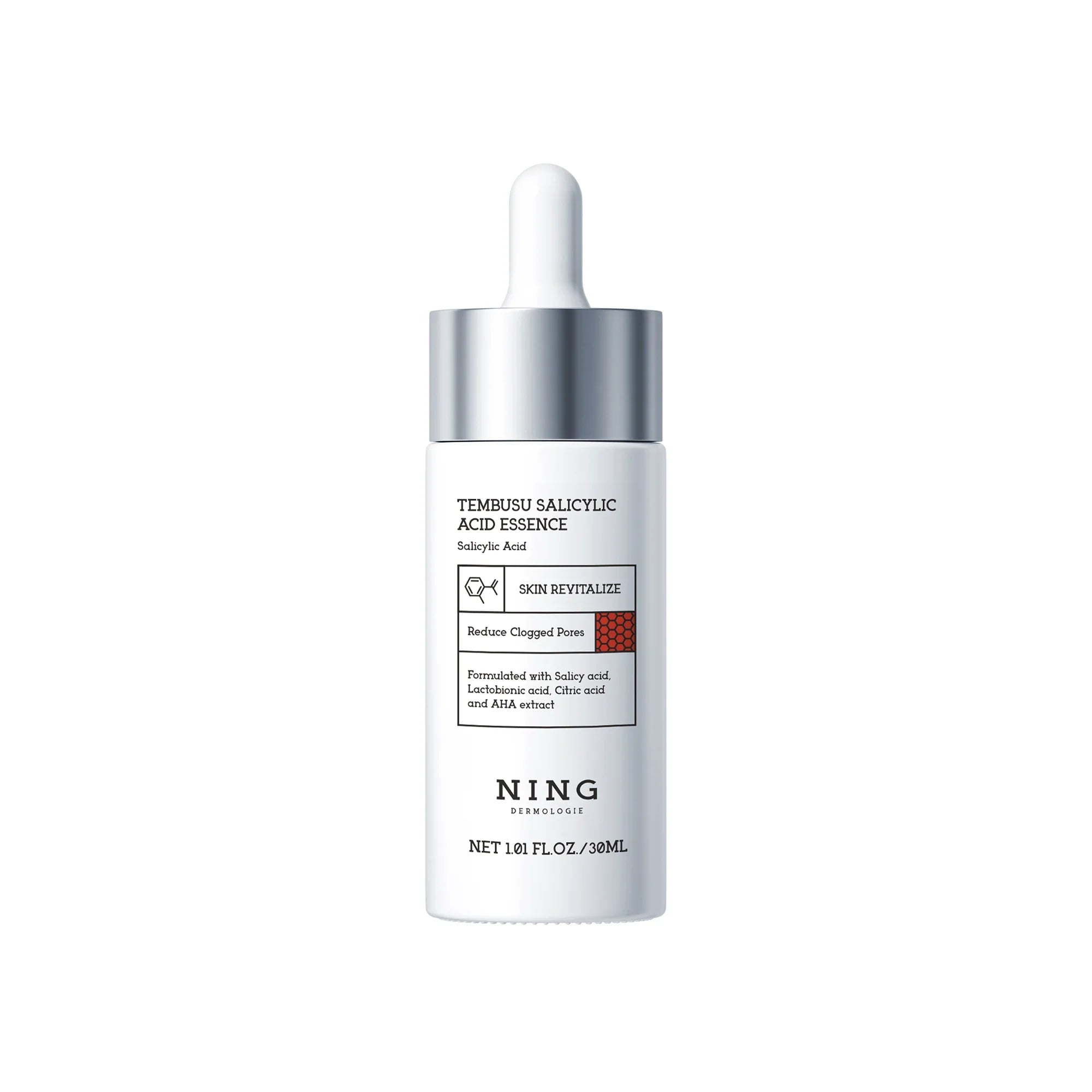
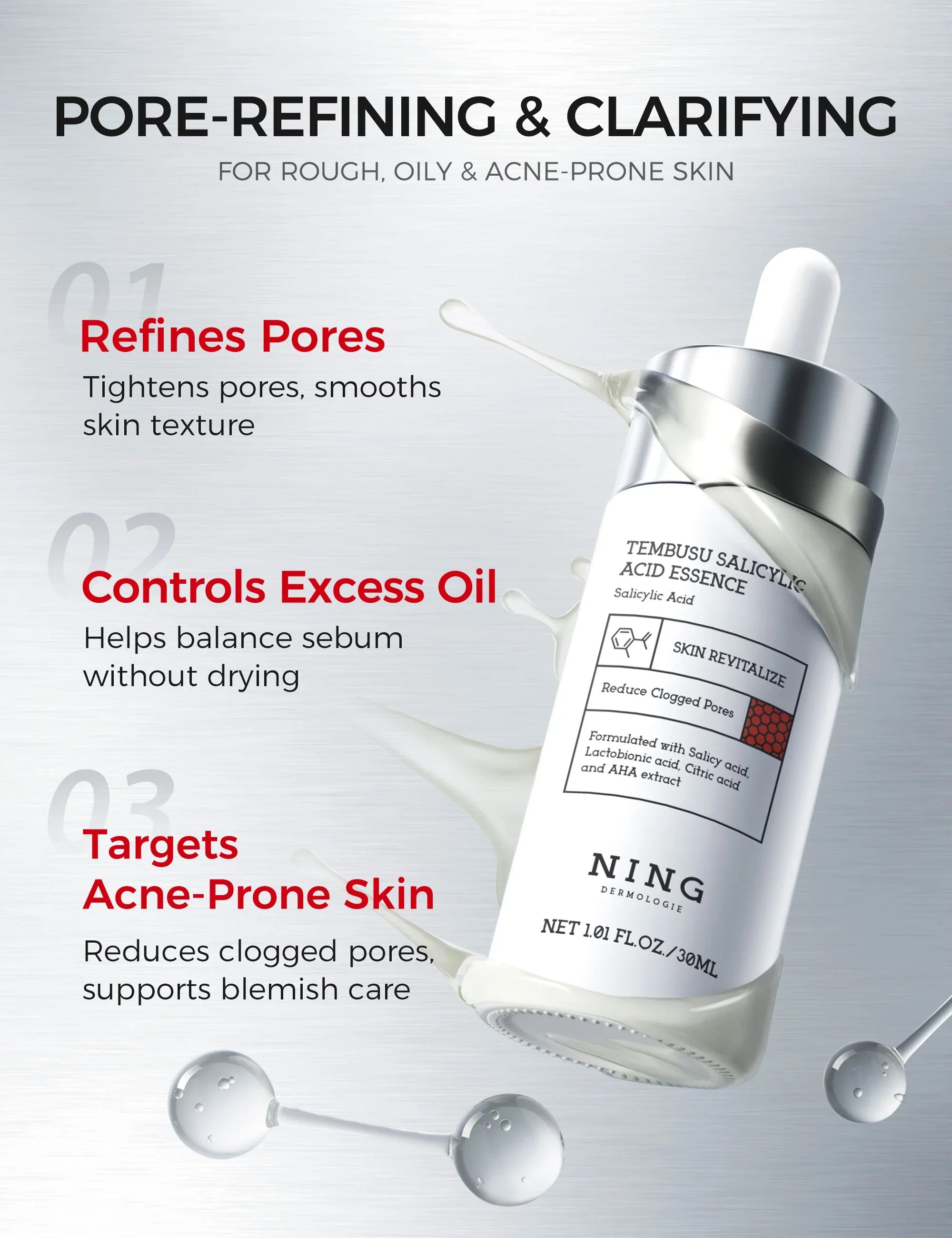
- Salicylic Acid (BHA): Excellent for deep-cleaning pores, but over-use can strip the natural oils that maintain your permeability barrier.
- Topical Medication: Strong retinoids or antibiotics prescribed by doctors can significantly lower investigator global assessments (a fancy way of saying your acne clears up), but they often require adjunctive skincare products to prevent a total barrier meltdown.
The NING Dermologie Philosophy: The "Treat & Repair" Dual Action
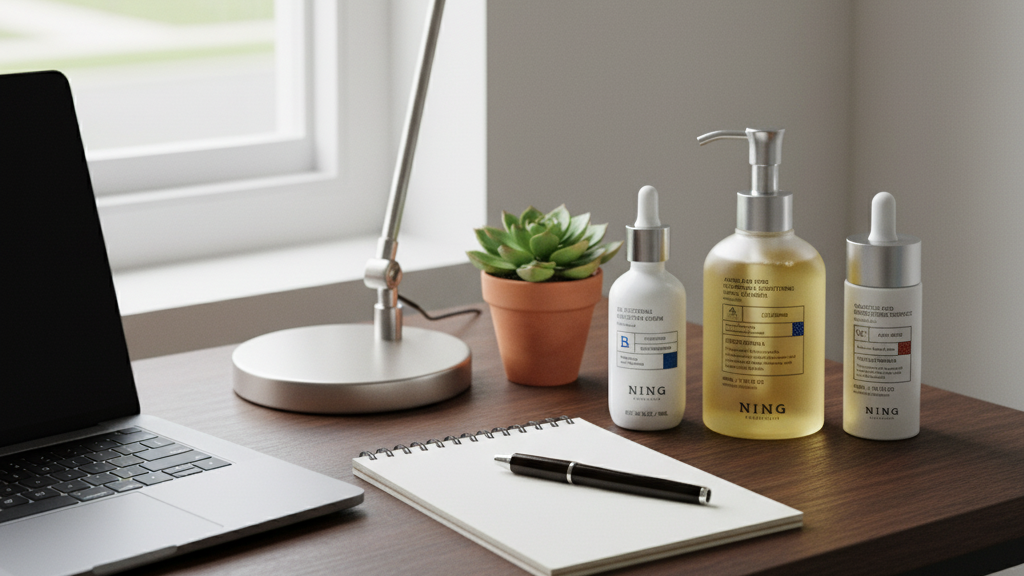
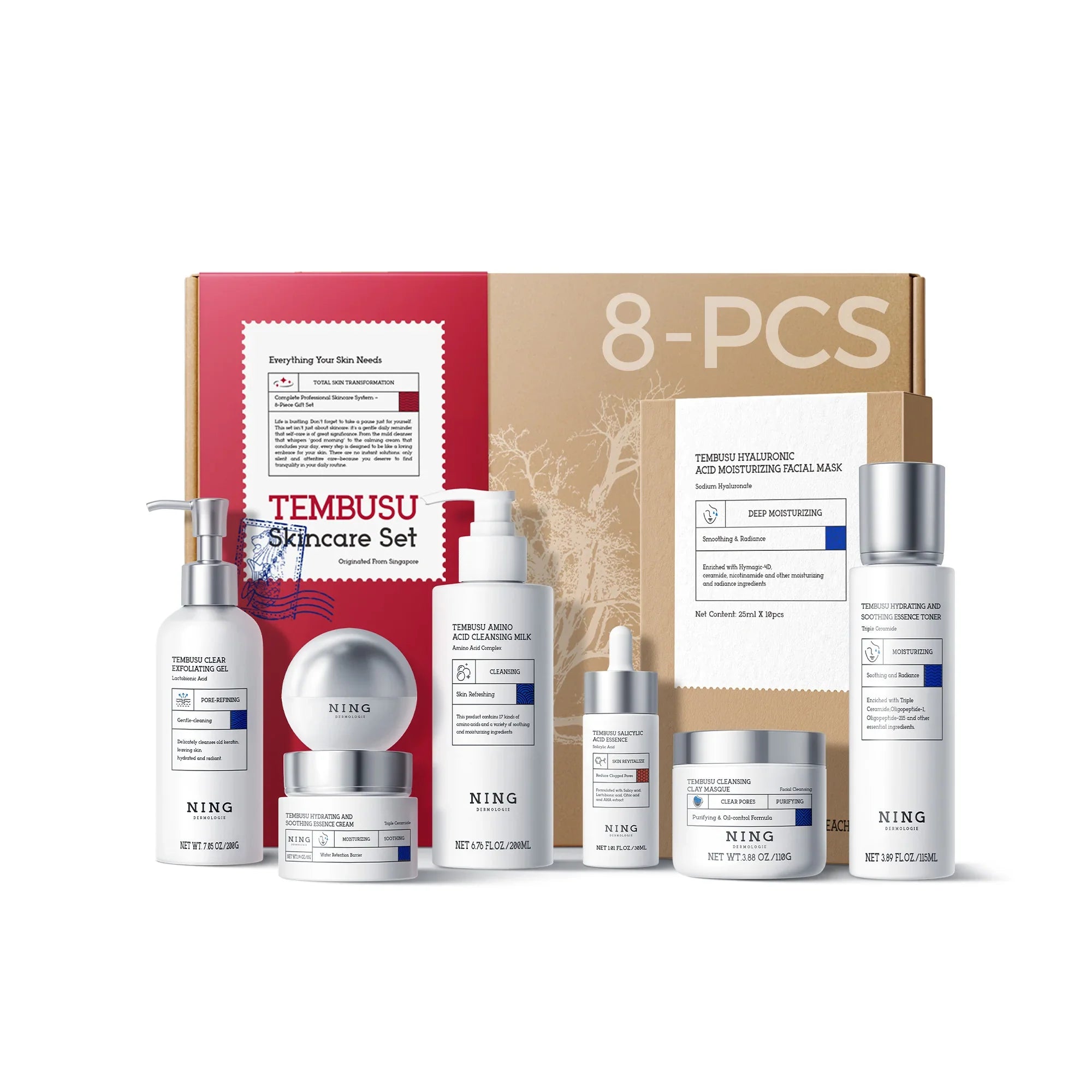
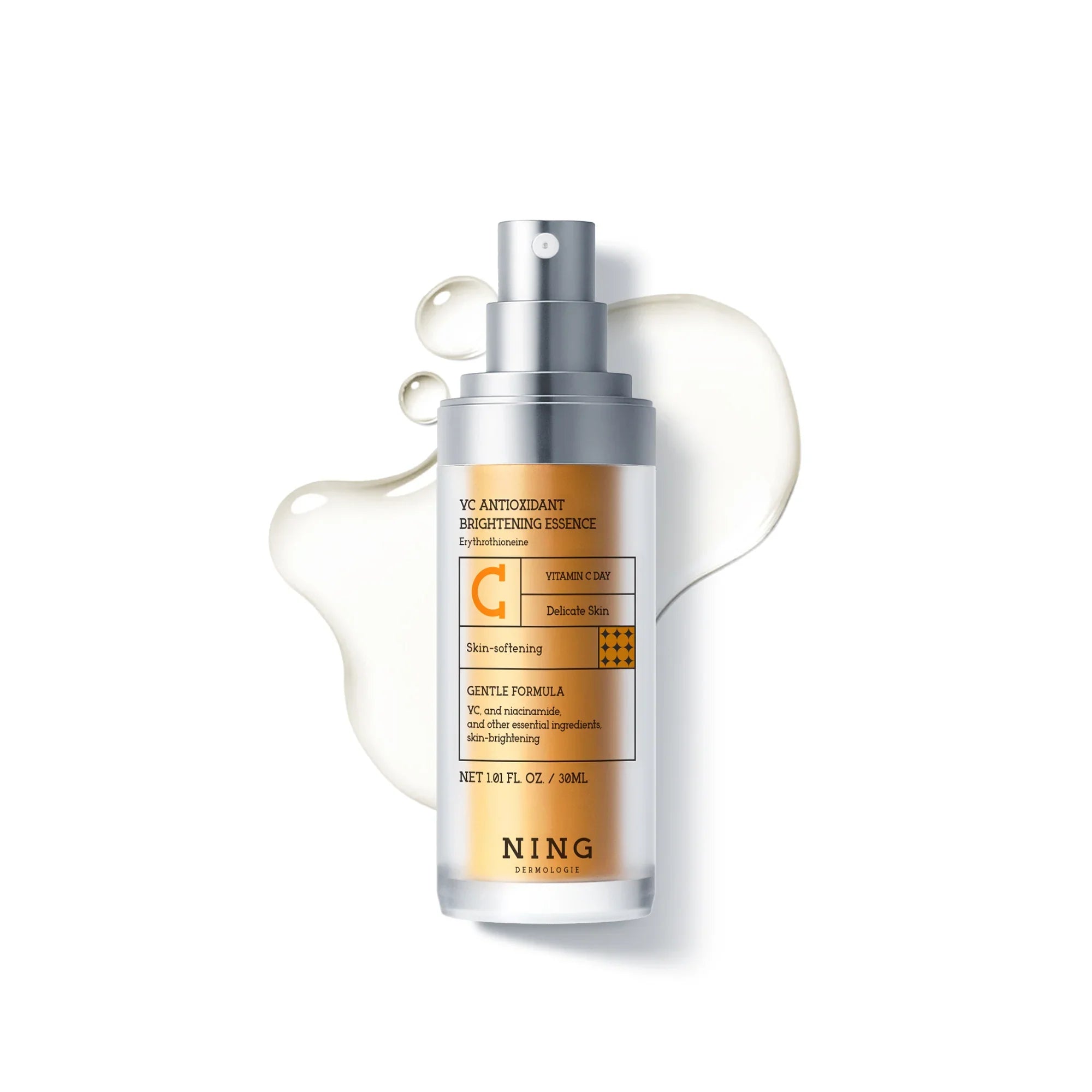
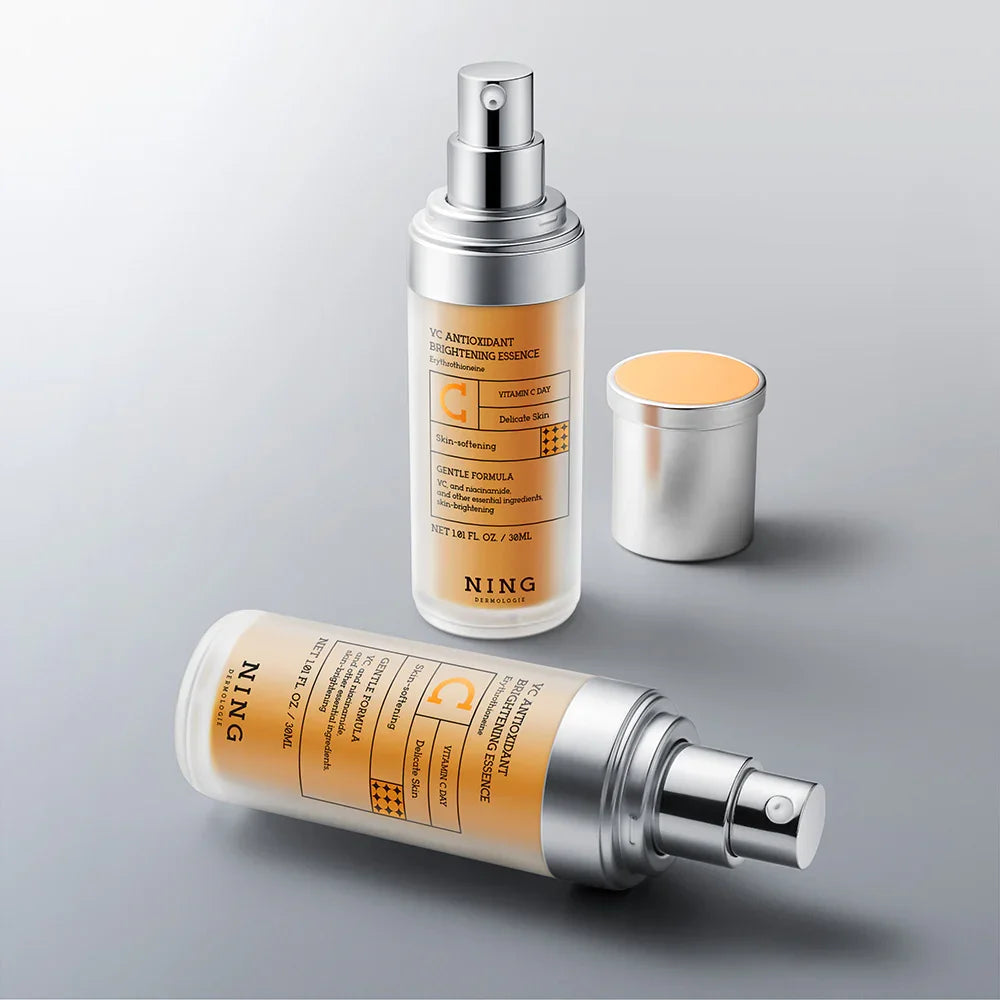
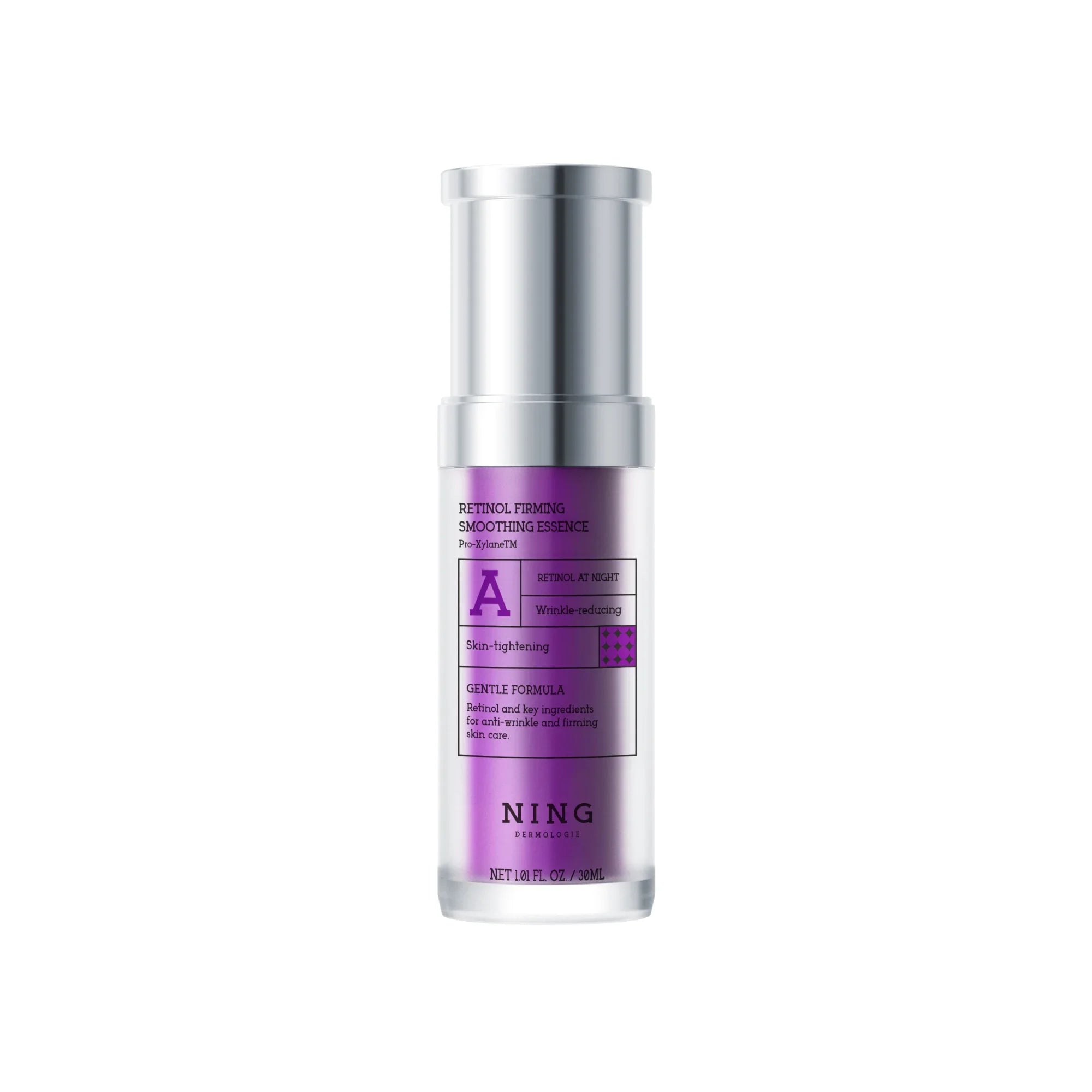
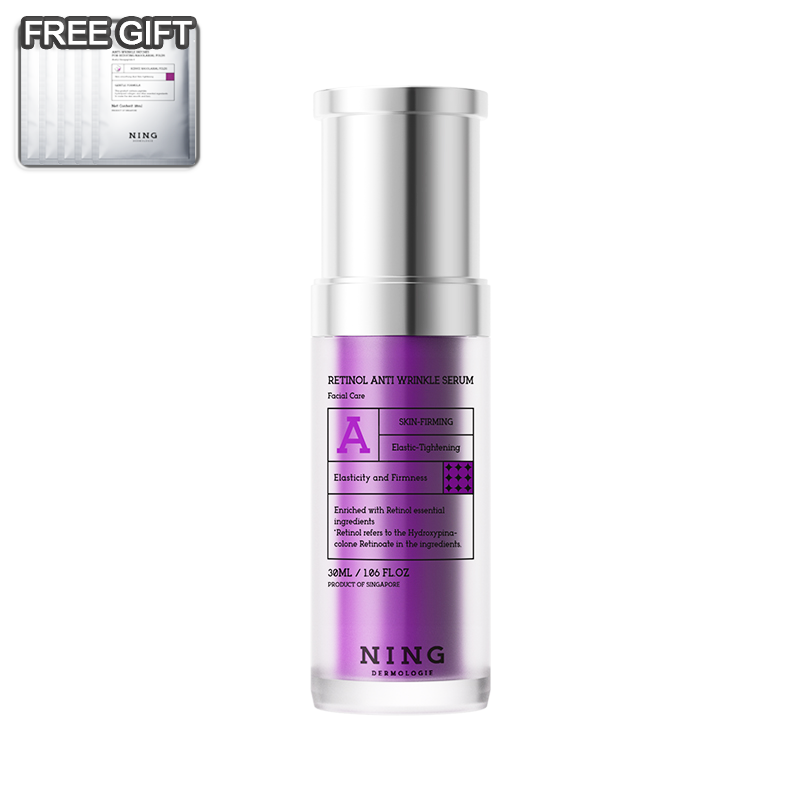
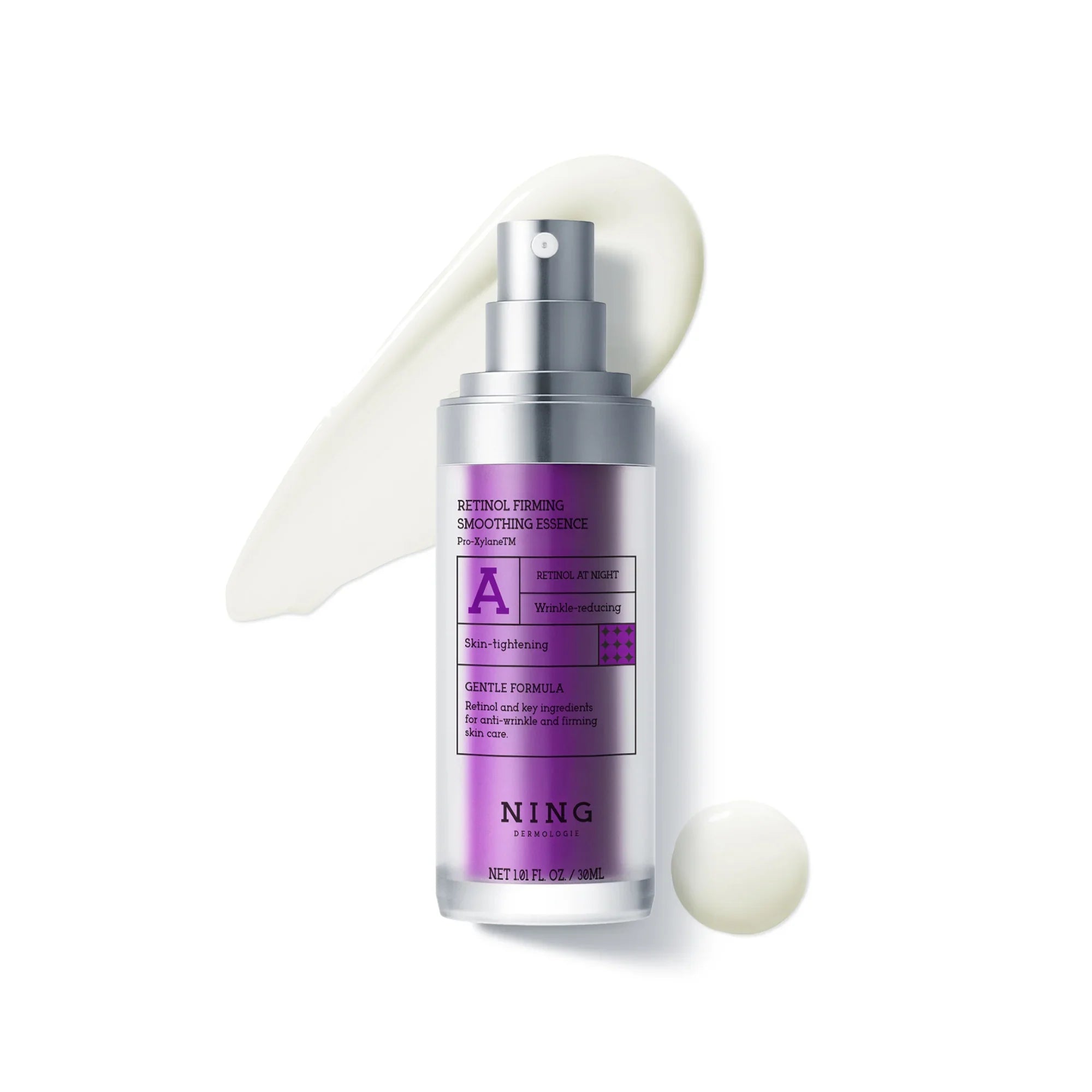
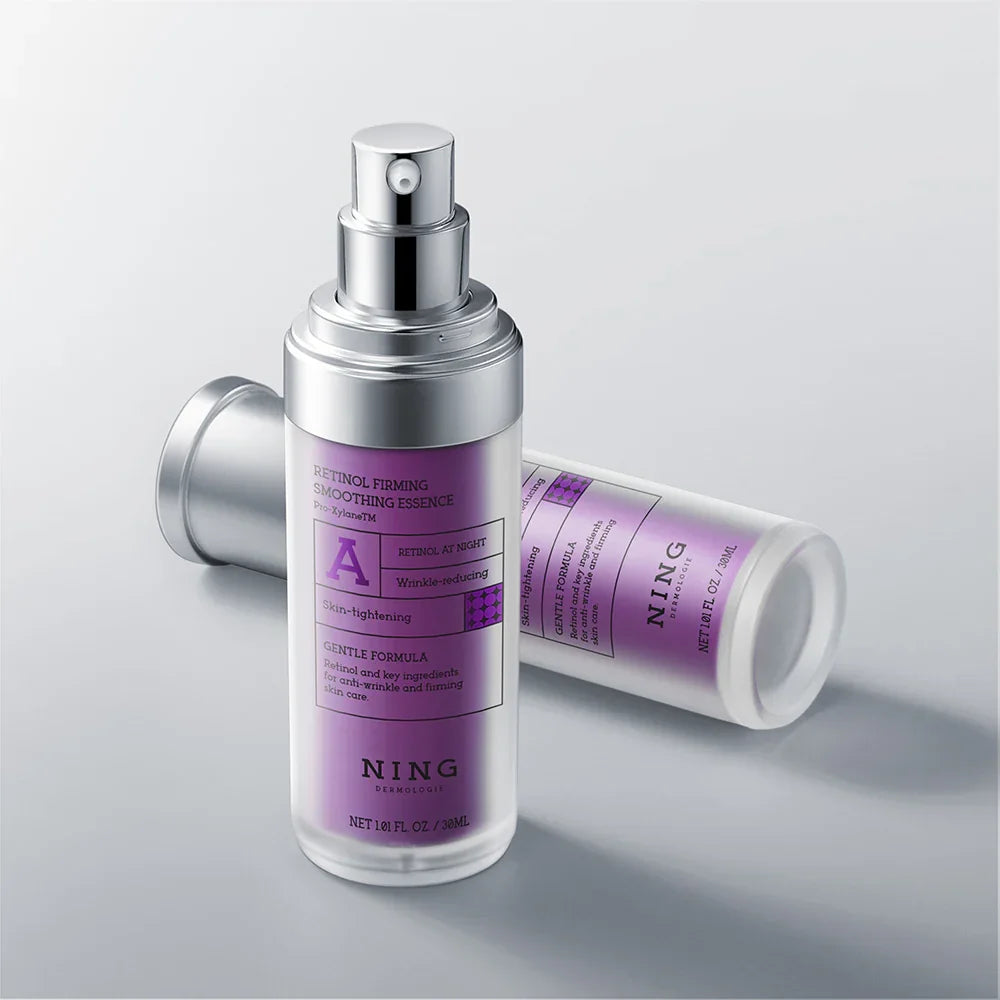
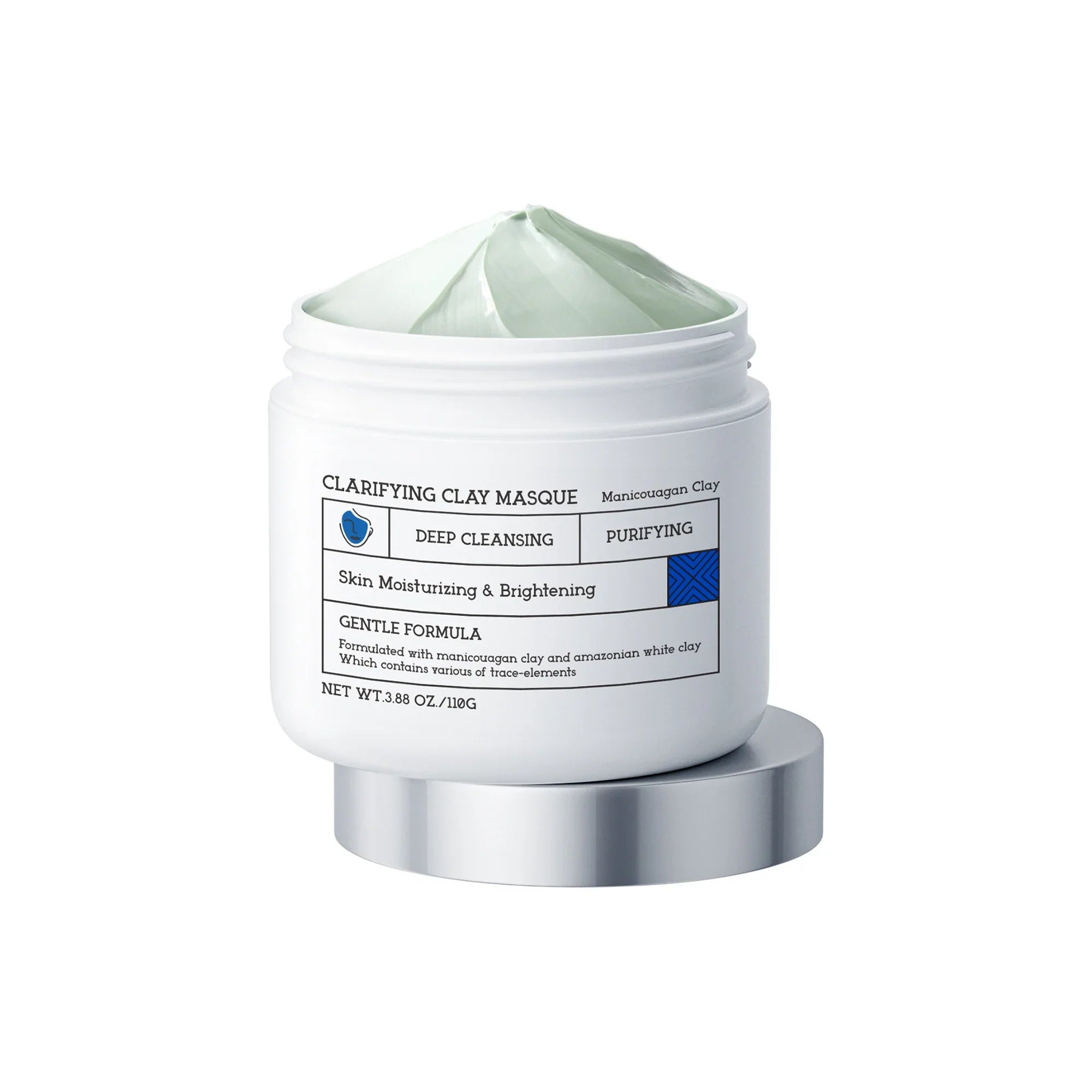
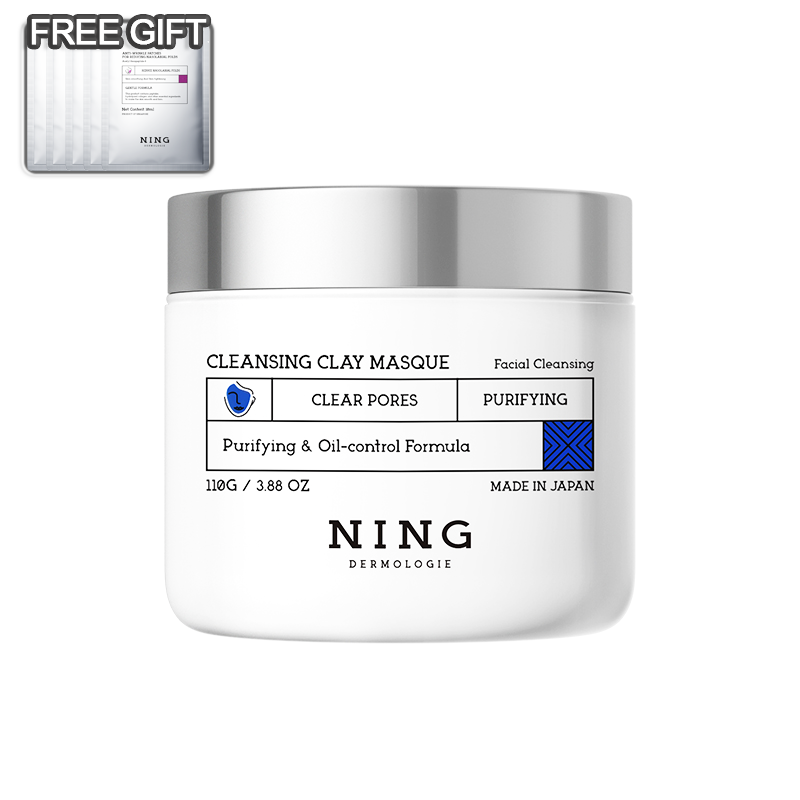
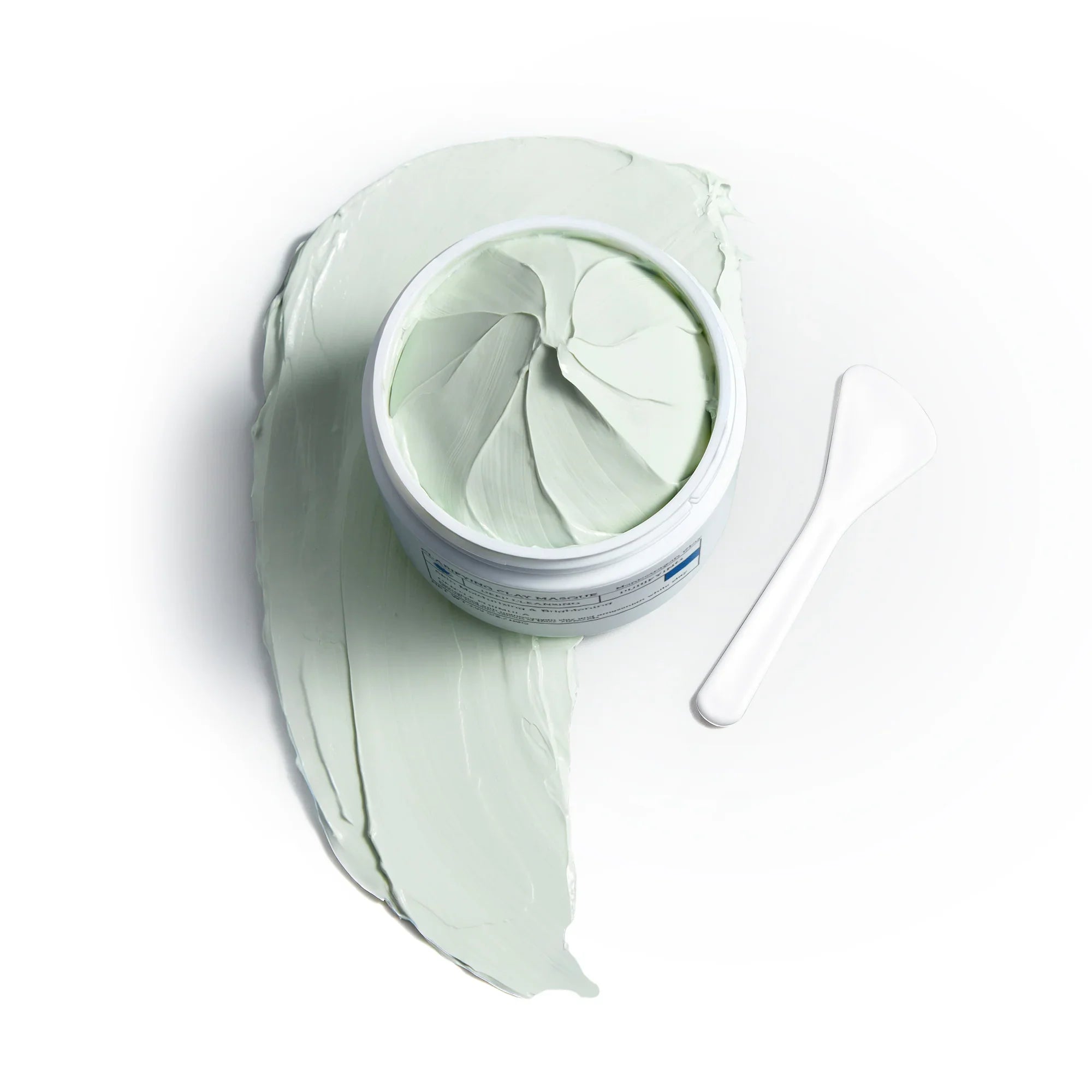
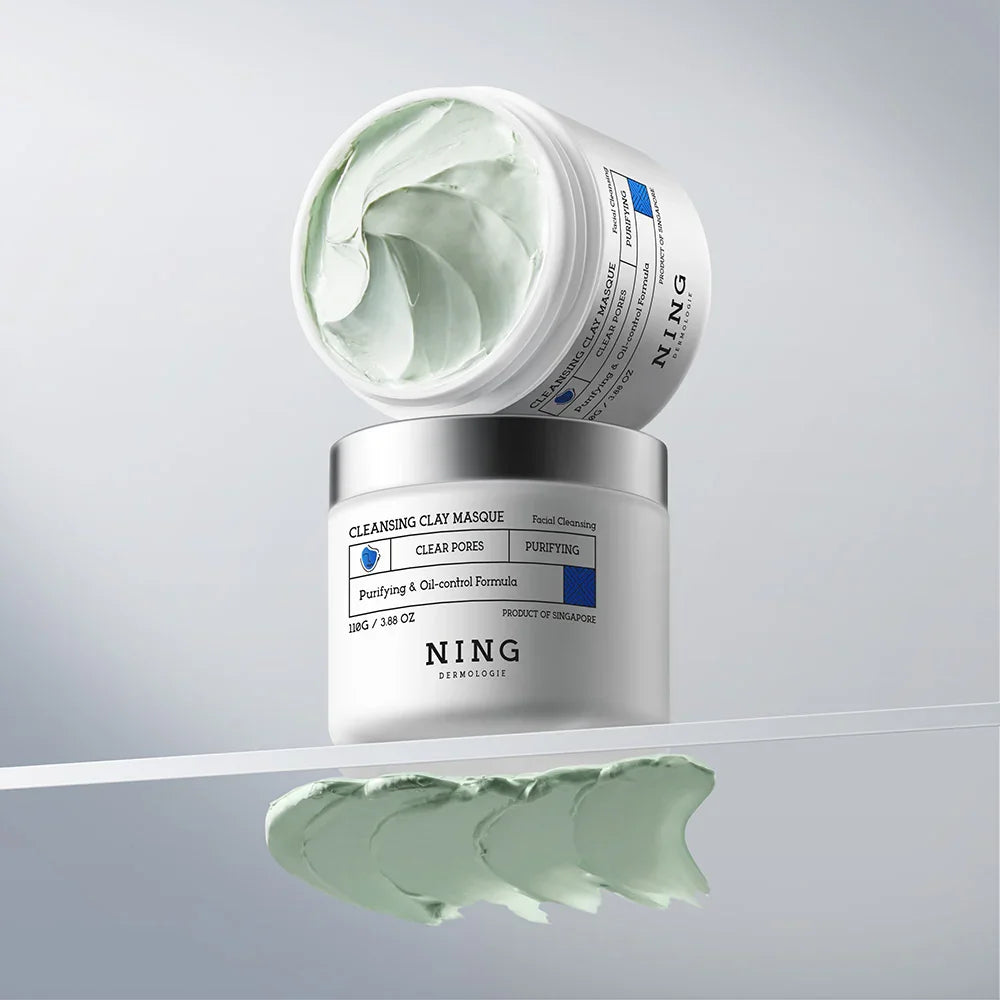
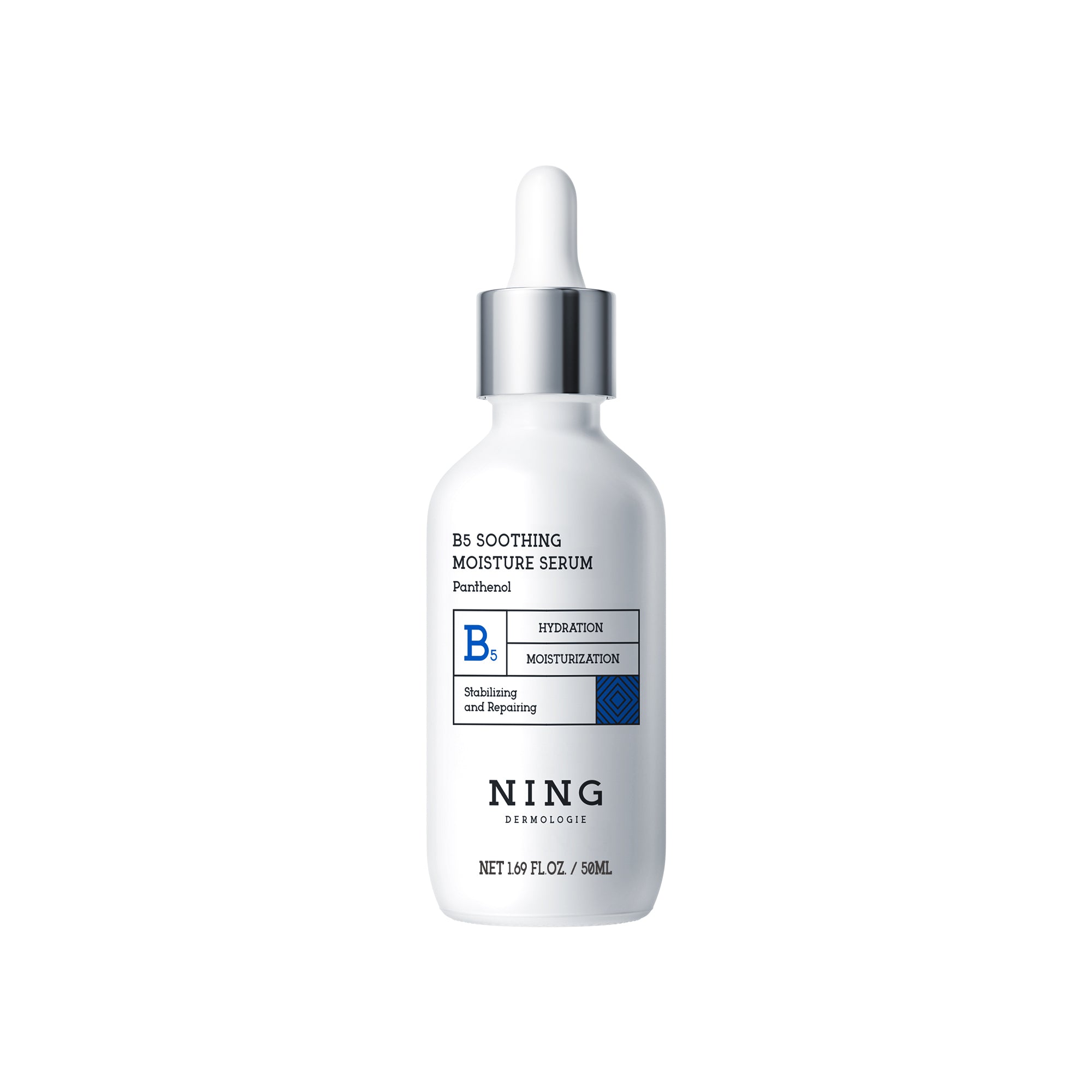
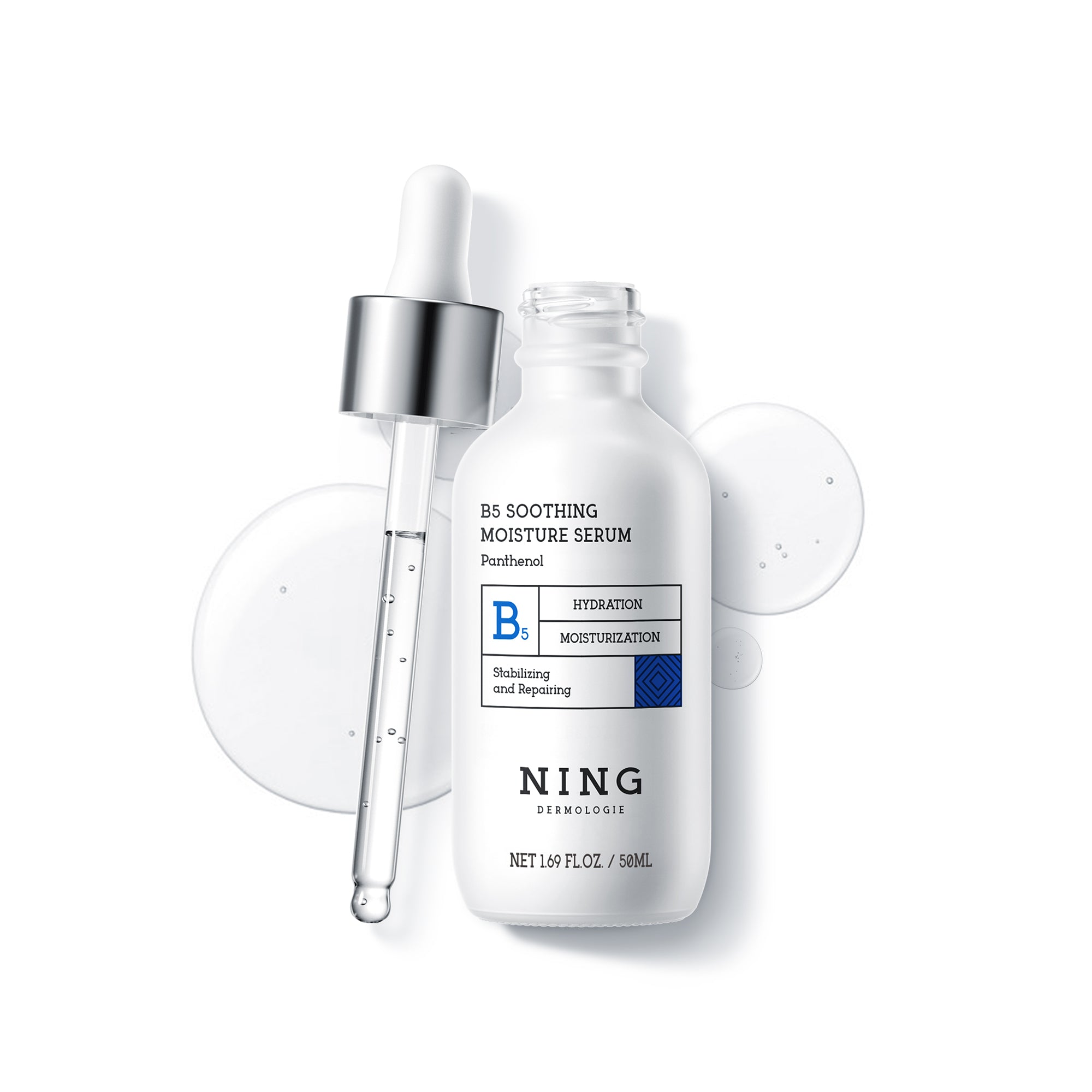
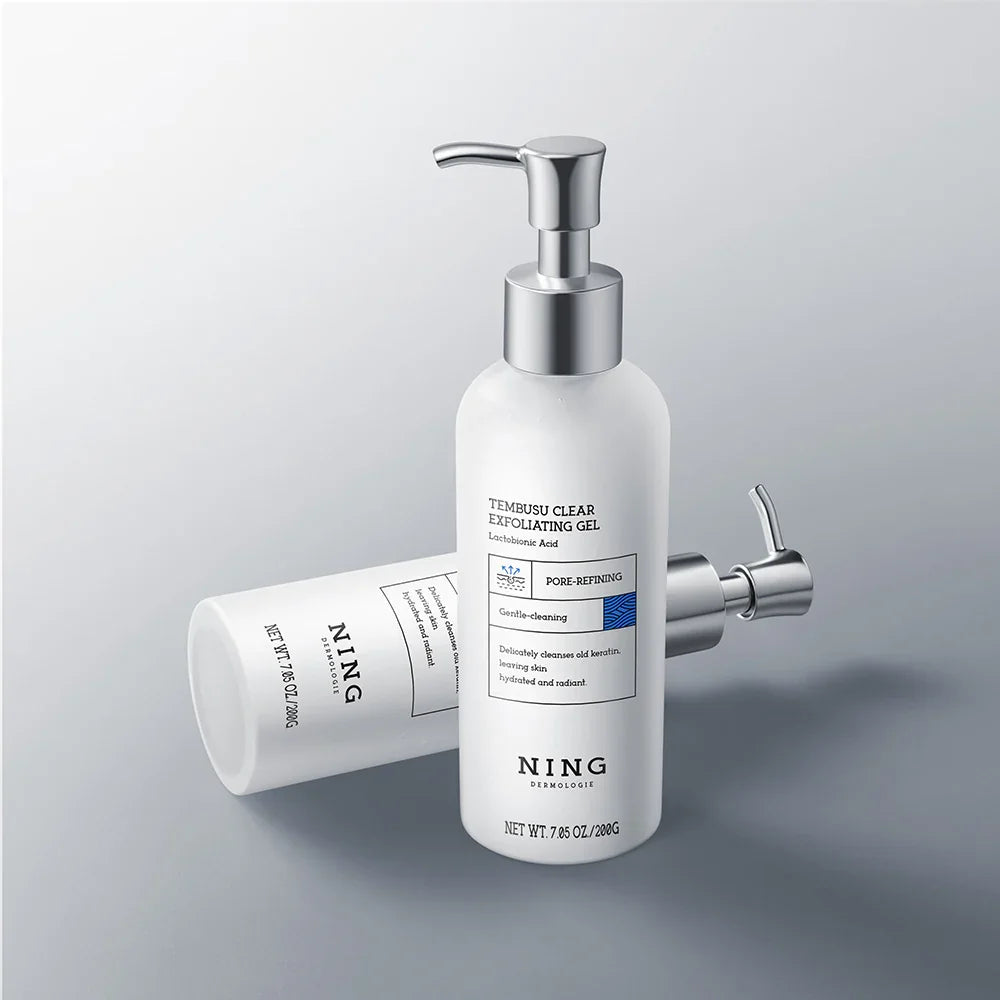
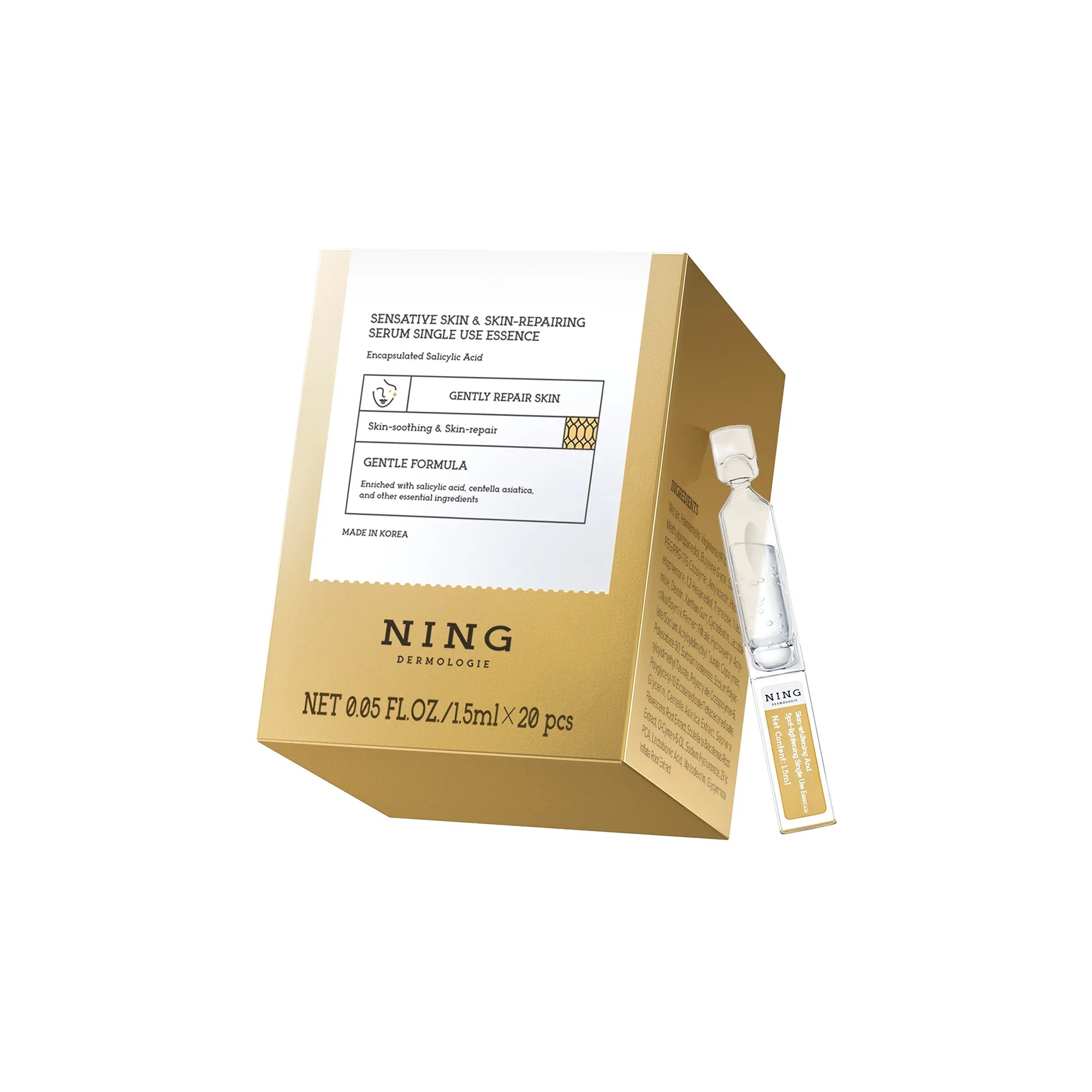
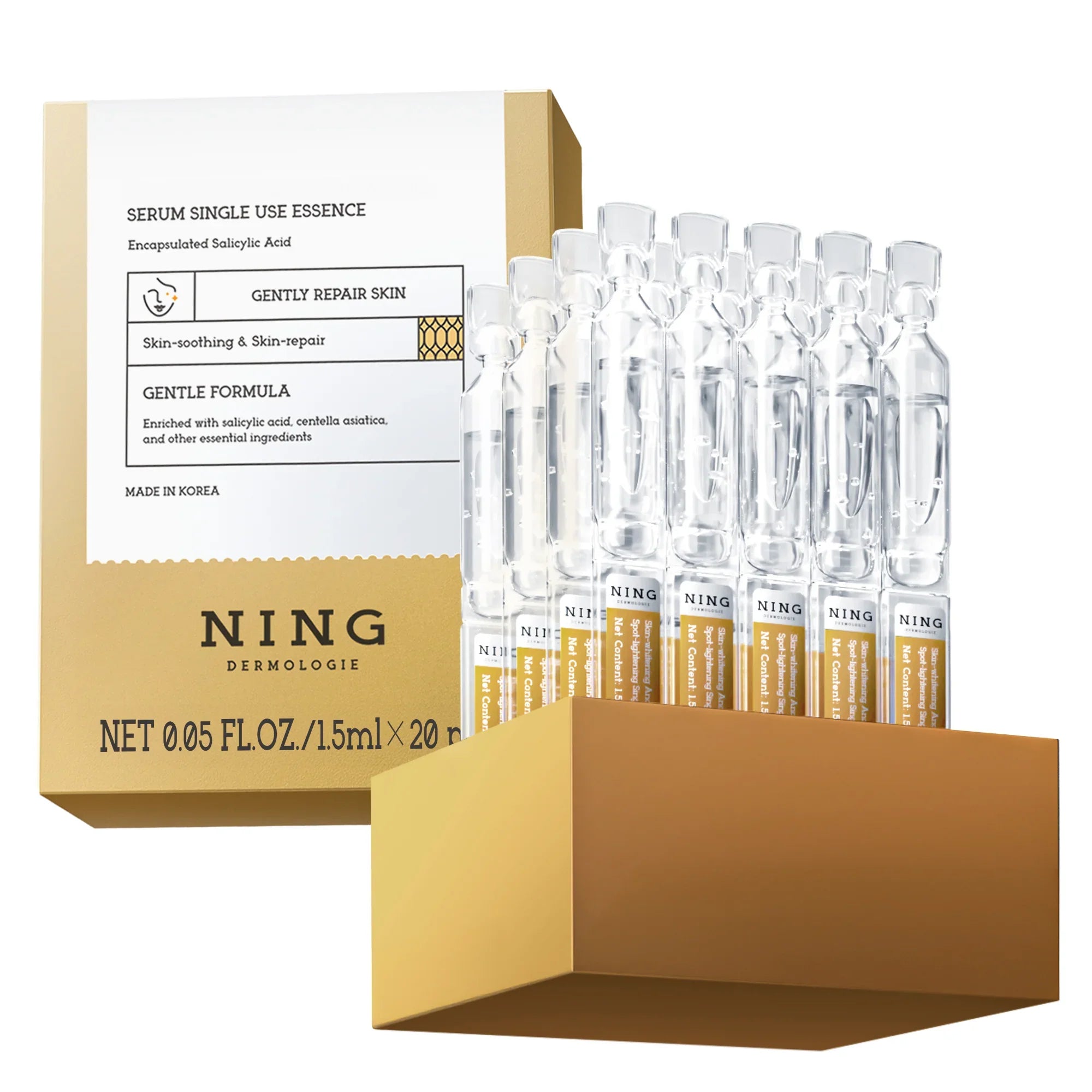
At NING Dermologie, we realized that the "burn it all down" approach to Skin Care is outdated. You shouldn't have to choose between clear skin and healthy skin. This is why we developed the Acne-Clarifying & Barrier Recovery System.
Instead of just attacking the acne, this system focuses on skin barrier repair simultaneously. It’s about lowering the "attack" temperature while raising the "defense" capability of your skin.
Step 1: The Non-Stripping Cleanse
Stop using harsh soaps. If your face feels "squeaky clean," you’ve already lost. A ceramide-containing foaming facial cleanser is a game-changer. It removes excess sebum and environmental pollutants without dissolving your lipid bilayer. By keeping the moisture barrier stable during the wash, you prevent that immediate post-wash tightness that leads to TEWL.
Step 2: Smart Acid Selection
Not all acids are created equal. While salicylic acid is great for the "oilier" skin type, those with a more fragile barrier might benefit from larger molecule acids like mandelic acid or lactic acid. These don't penetrate as deeply or as quickly, making them much gentler. Azelaic acid is another unsung hero; it fights C. acnes and reduces post-acne marks without the harshness of traditional acne meds.
Step 3: Flooding the Skin with "Mortar"
This is where most people fail. You cannot treat acne without a ceramide-based moisturizer. You need to replenish those fatty acids and ceramides to seal the "wall." Look for ingredients like hyaluronic acid to pull moisture in, but always follow it with an occlusive or semi-occlusive layer to prevent that moisture from evaporating.
Practical Tips for Your Daily Skincare Routine
If you’re currently dealing with a breakout and your skin feels "raw," here is your emergency pivot:
- The "Contact Therapy" Hack: If you use a strong benzoyl peroxide wash, leave it on for only 30 seconds and then rinse thoroughly. You get the antibacterial benefits without the long-term drying effect.
- Respect Your Fitzpatrick Skin Type: Those with darker skin (higher on the Fitzpatrick scale) are more prone to post-acne marks (hyperpigmentation). Over-irritating the skin with acids can actually make these dark spots last longer. Gentleness is your best friend for an even complexion.
- The "Sandwich" Method: If you’re using a strong topical medication, apply a thin layer of moisturizer first, then your acne treatment, then another layer of moisturizer. This buffers the "hit" to your skin barrier.
- Never Skip the Broad-Spectrum SPF 30: Inflammation + Sun = Permanent scarring. Even if you’re staying indoors, environmental pollutants and UV rays can aggravate a compromised barrier.
Rebuilding the Foundation
Real skin barrier health takes time. If you’ve overdone it with the acne products, it might take 2-4 weeks of a "repair-only" skincare routine to get back to baseline. During this time, focus purely on hydrated skin and barrier-building blocks.
The goal isn't just to see a lower inflammatory lesion count today; it's to ensure your skin is resilient enough to prevent the next breakout from even starting. By using a balanced approach like the NING Dermologie Acne-Clarifying & Barrier Recovery System, you’re playing the long game. You’re clearing the pores while reinforcing the fortress.

Frequently Asked Questions (FAQ)
Q: My skin is oily but peeling. Can I still use salicylic acid?
Your skin is likely dehydrated, meaning your moisture barrier is struggling despite the oil. Switch to a gentler mandelic acid once or twice a week and focus heavily on hyaluronic acid. Once the peeling stops and your skin feels "plump" again, you can slowly reintroduce BHAs.
Q: How do I know if I actually have barrier damage?
If your usual products—even basic moisturizers—suddenly start to sting or burn, that’s a massive red flag. Other signs include persistent redness, "crepey" texture, or skin that looks shiny but feels incredibly tight and dry. If you see this, stop all acne meds immediately for a week.
Q: Can I use benzoyl peroxide and a retinoid at the same time?
Doing this is a fast track to permeability barrier dysfunction for most people. If you must use both, use BP in the morning (preferably as a short-contact wash) and your retinoid at night. Always buffer with ceramide-based moisturizers to keep your lipid bilayer from collapsing under the stress.
Q: Why does my acne get worse when I try to repair my barrier?
Some barrier-repair creams are too "heavy" for acne-prone skin and might contain comedogenic waxes. You need a "non-comedogenic" repair formula. The NING Dermologie system is specifically designed to provide those essential fatty acids without clogging your pores, avoiding the "breakout vs. dryness" catch-22.
Q: Does sun exposure help "dry out" acne?
That’s a dangerous myth. While it might seem to dry up a pimple initially, UV rays damage your skin barrier function and trigger more inflammation. This eventually leads to more clogged pores and much darker post-acne marks. Always wear at least a broad-spectrum SPF 30 during the day.





Share:
Cleanser and Serum Routine for Acne Control and Barrier Support
Best Acne and Barrier Repair Routine for Sensitive, Breakout-Prone Skin