

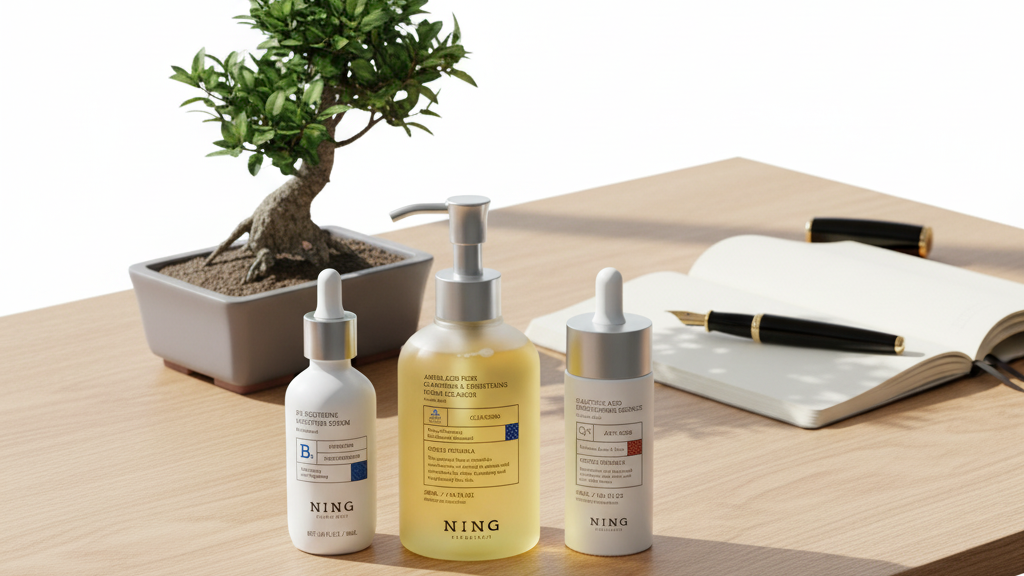

Most acne routines are a death sentence for your skin barrier. We’ve all been there—slathering on every high-percentage acid we can find because we’re desperate to dry out a breakout. But here’s the reality: if your face feels like parchment paper and looks constantly flushed, you haven't "cured" your acne; you’ve just traded one problem for a much more painful one.
At NING Dermologie, we see this cycle daily. People with Acne-prone skin come to us with a moisture barrier that is essentially non-existent. They are trapped in a loop of stripping excess oil, only for their skin to panic and produce even more. It’s time to stop the "nuke it from orbit" approach. You need a skincare routine that respects the biology of your skin while ruthlessly targeting clogged pores.
That is exactly why we developed the Acne-Clarifying & Barrier Recovery System. It’s not just a wash and a cream; it’s a re-education for your skin type.

The Paradox: Why Your "Acne Routine" is Making You Break Out
If you have oily skin, your first instinct is to scrub. You want to delete the dead skin cells and oil that lead to those frustrating blemish-prone skin moments. So, you reach for a harsh Acne Control Cleanser or a Blemish Control Cleanser that leaves your skin "squeaky clean."
Stop doing that. That "squeaky" feeling? That’s the sound of your skin's barrier strength evaporating. When you strip away those essential lipids, you trigger transepidermal water loss (TEWL). Your skin becomes dehydrated, irritated, and—ironically—more prone to inflammation. Suddenly, a simple pimple turns into a deep, red cyst because your skin has no defenses left.
A functional skincare routine for acne-prone oily skin must do two things at once: it must clear the gunk and it must replenish essential lipids. If your current products don't do both, throw them out.
The Morning Strategy: Protection and Radiance
Your AM routine shouldn't be about aggression. It’s about preparing your face to face the world—and the UV damage that turns a healing blemish into a permanent dark spot.
- The Gentle Start: Unless you’ve been sweating excessively overnight, you don't need a heavy-duty Salicylic Acid Cleanser first thing in the morning. A Creamy Jelly Cleanser or even a simple splash of water can suffice for some skin types. The goal is to keep the moisture barrier intact.
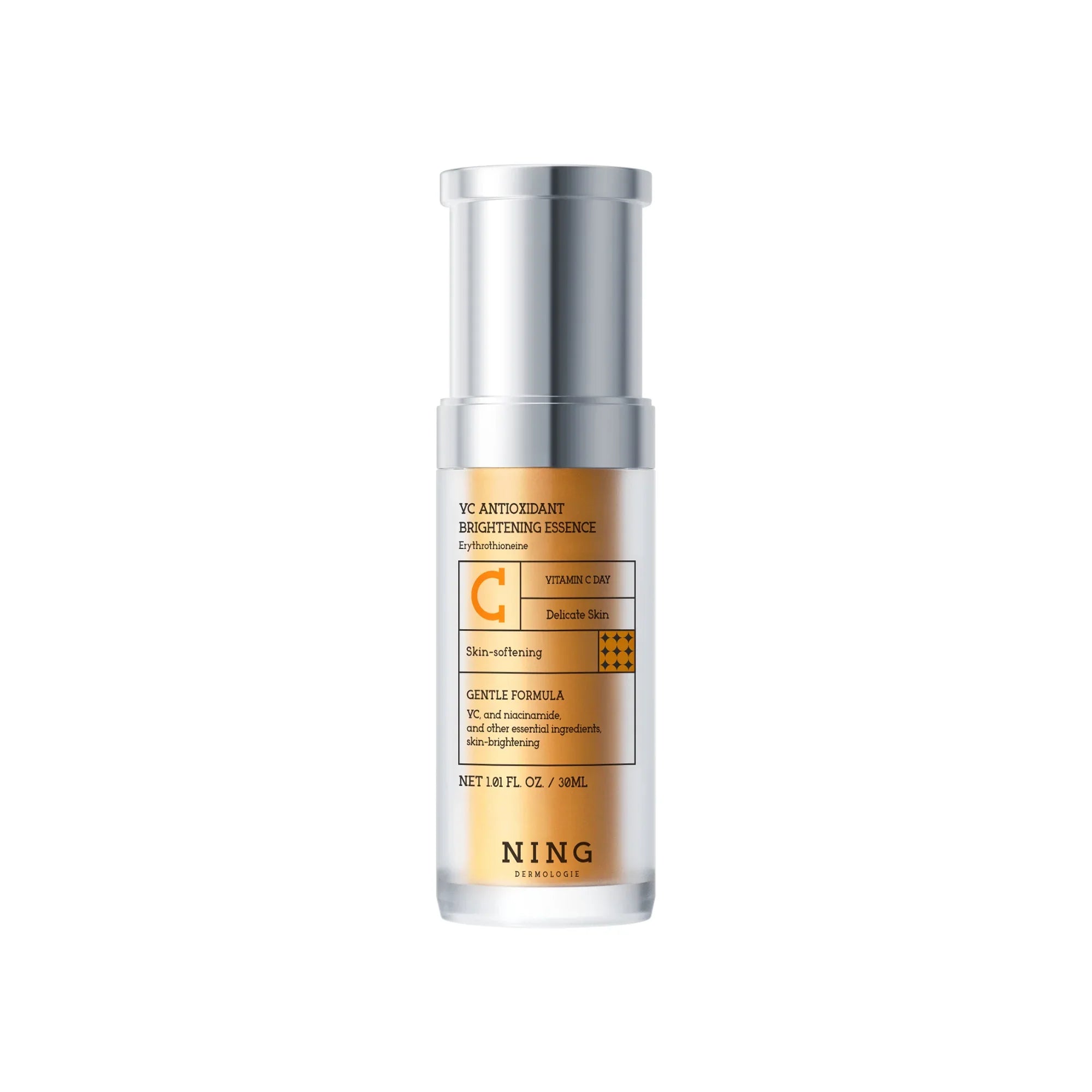
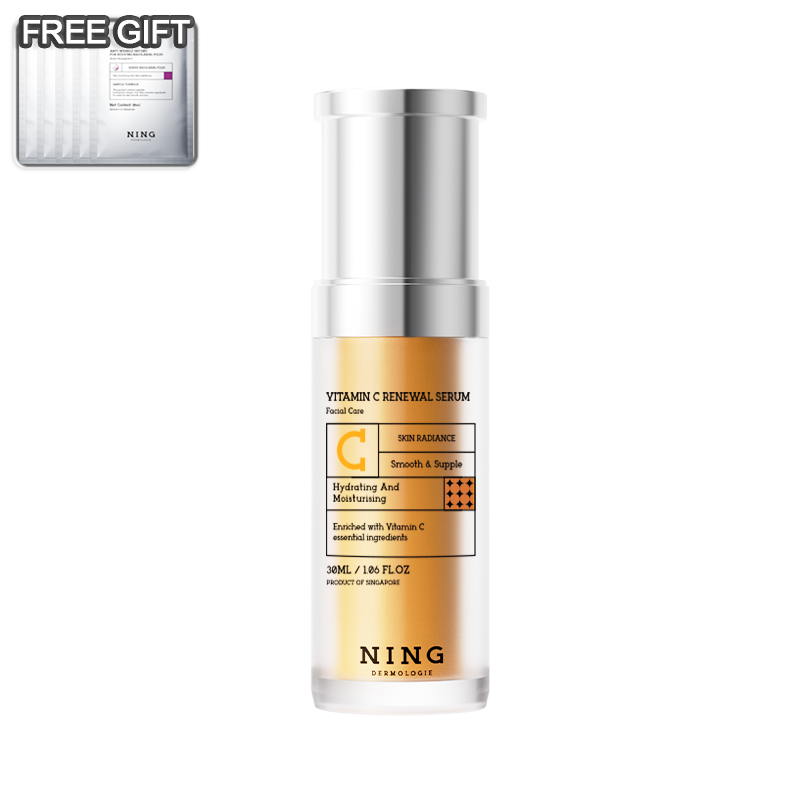
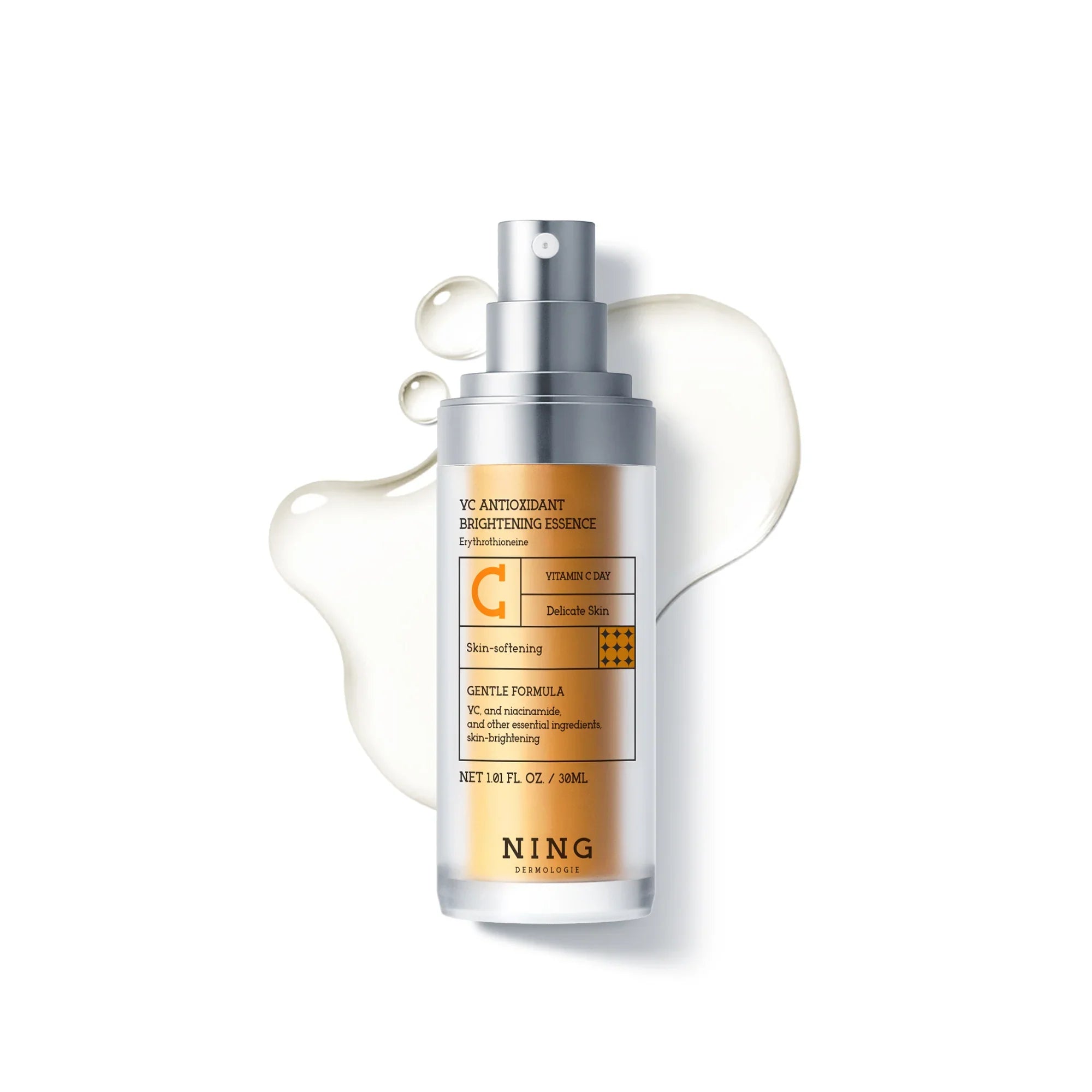
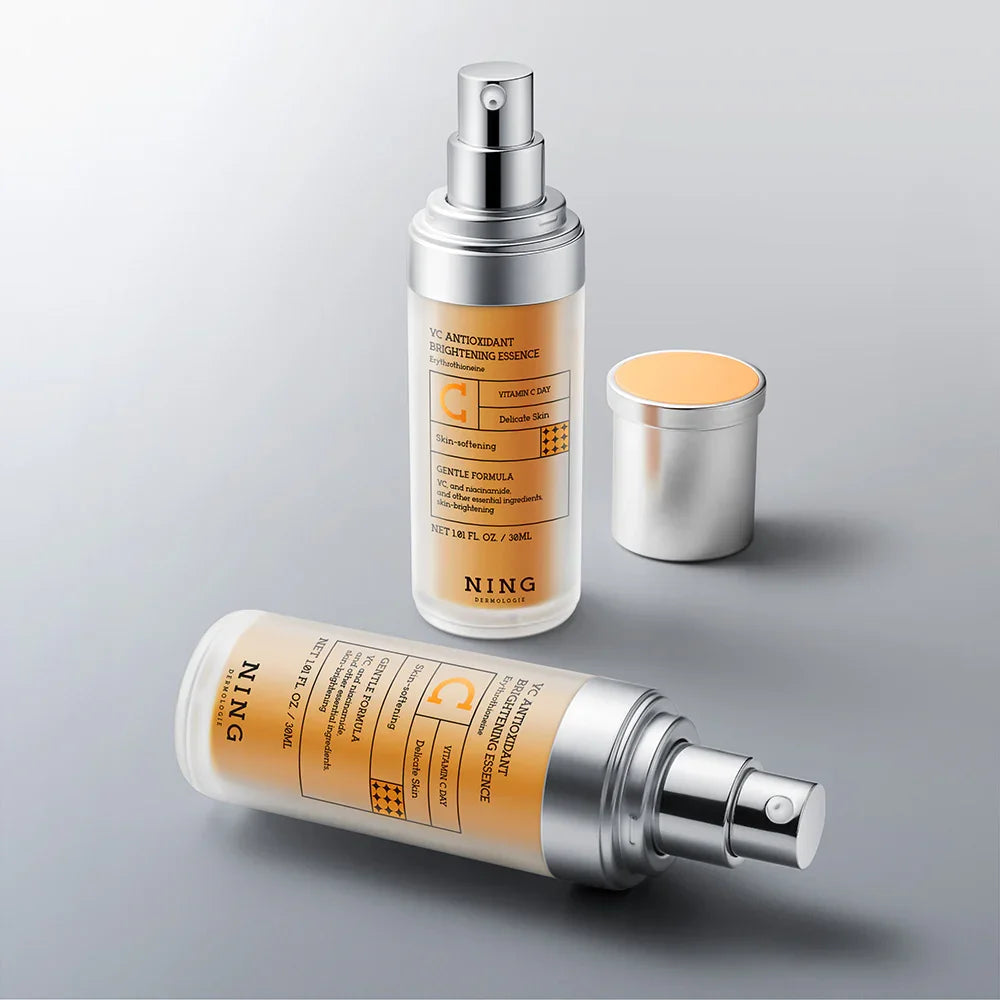
- The Antioxidant Shield: This is where a Vitamin C Serum (look for ascorbyl glucoside for stability) comes in. It’s not just for fine lines or dark circles; it’s a defense mechanism. Vitamin C helps prevent the oxidation of sebum—which is often the first step in the formation of a blackhead.
- Hydration Without the Weight: Use a Hyaluronic Acid Gel Serum or an oil-free gel moisturizer. You want ingredients like Polyglutamic Acid which holds even more water than HA, ensuring your skin stays plump without feeling like a grease trap.
The PM Strategy: The Deep Clean and Repair
Nighttime is when the real work happens. This is when we tackle clogged pores and post-blemish marks while the skin is in its natural cell renewal phase.
Step 1: The "Non-Negotiable" Double Cleanse
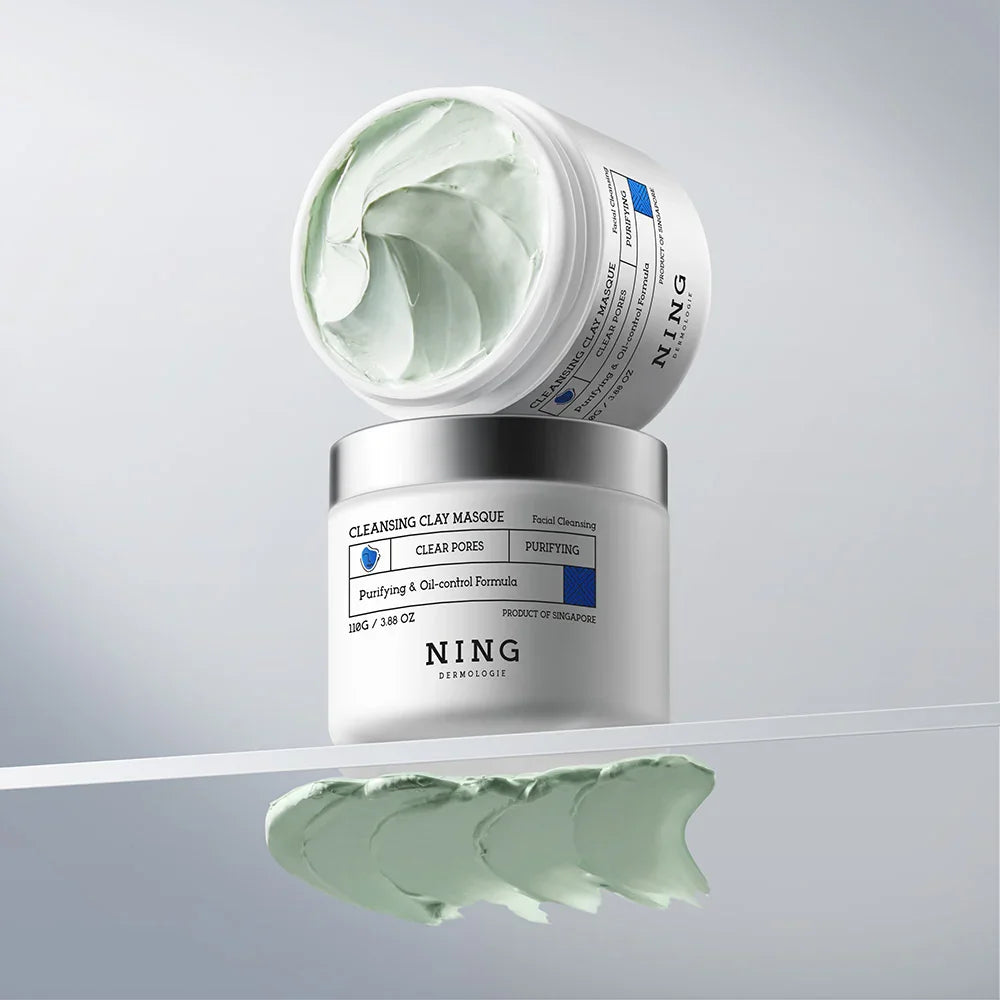
If you wear makeup or SPF (and you better be wearing SPF), a single wash isn't enough. Start with a makeup-removing cleanser. We recommend something that breaks down oils without disrupting the skin barrier. Follow up with our Blemish Control Cleanser from the Acne-Clarifying & Barrier Recovery System. This ensures you’re actually cleaning your skin, not just moving dirt around.
Step 2: The Power Players (Serums)
This is where the active ingredients shine. Most people think they need to choose between Salicylic Acid (to fight acne) and Barrier repair serum (to heal). We disagree. Our Tranexamic & Azelaic Acid Serum is designed to do the heavy lifting.
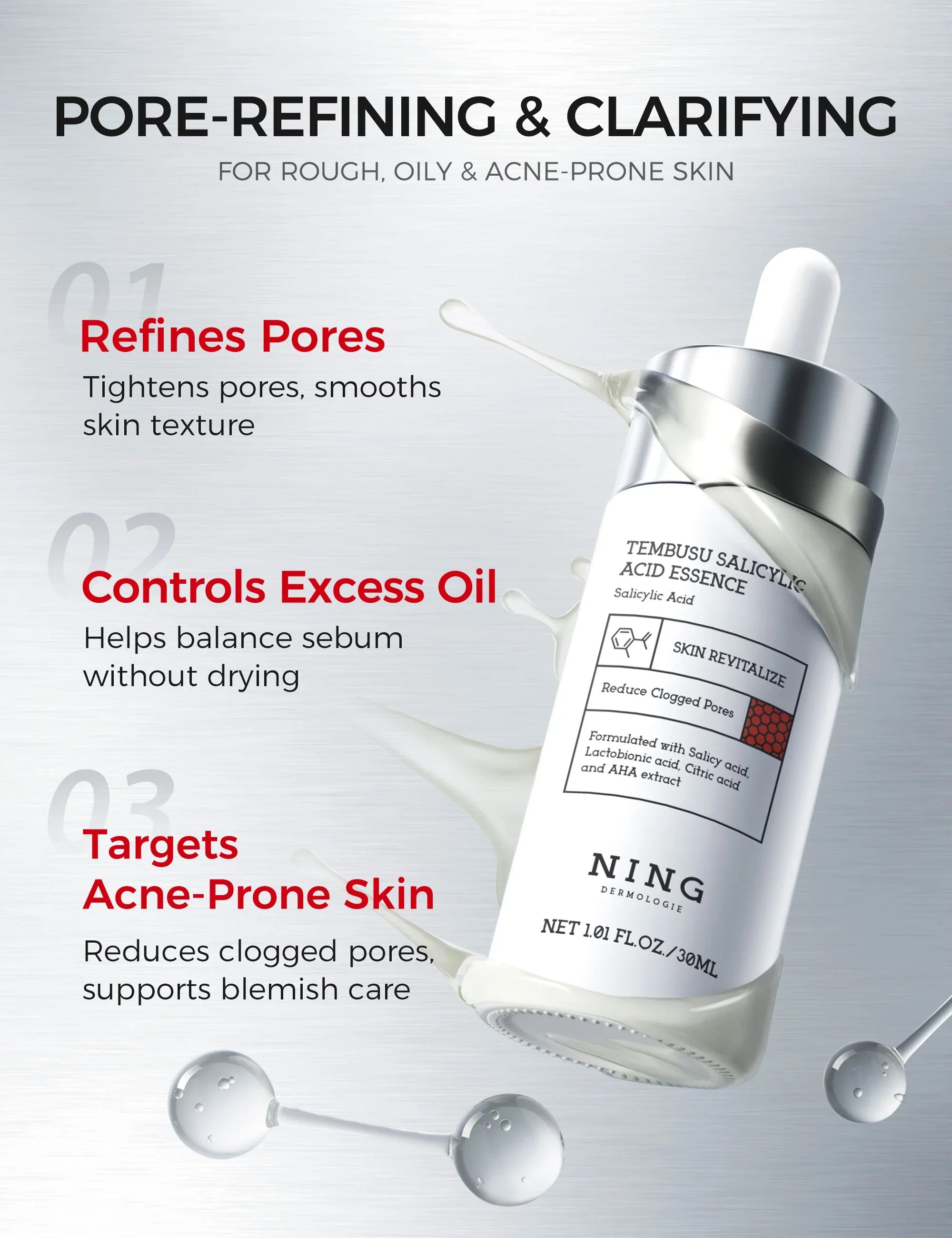
- Salicylic Acid: It’s oil-soluble, meaning it goes deep into the pores to dissolve the "glue" holding dead skin cells together.
- Azelaic Acid: The unsung hero. It targets post-blemish marks and uneven skin tone while being remarkably gentle on sensitive skin.
- Centella Asiatica: Think of this as a fire extinguisher for your face. It calms redness on contact.
Step 3: Seal the Deal
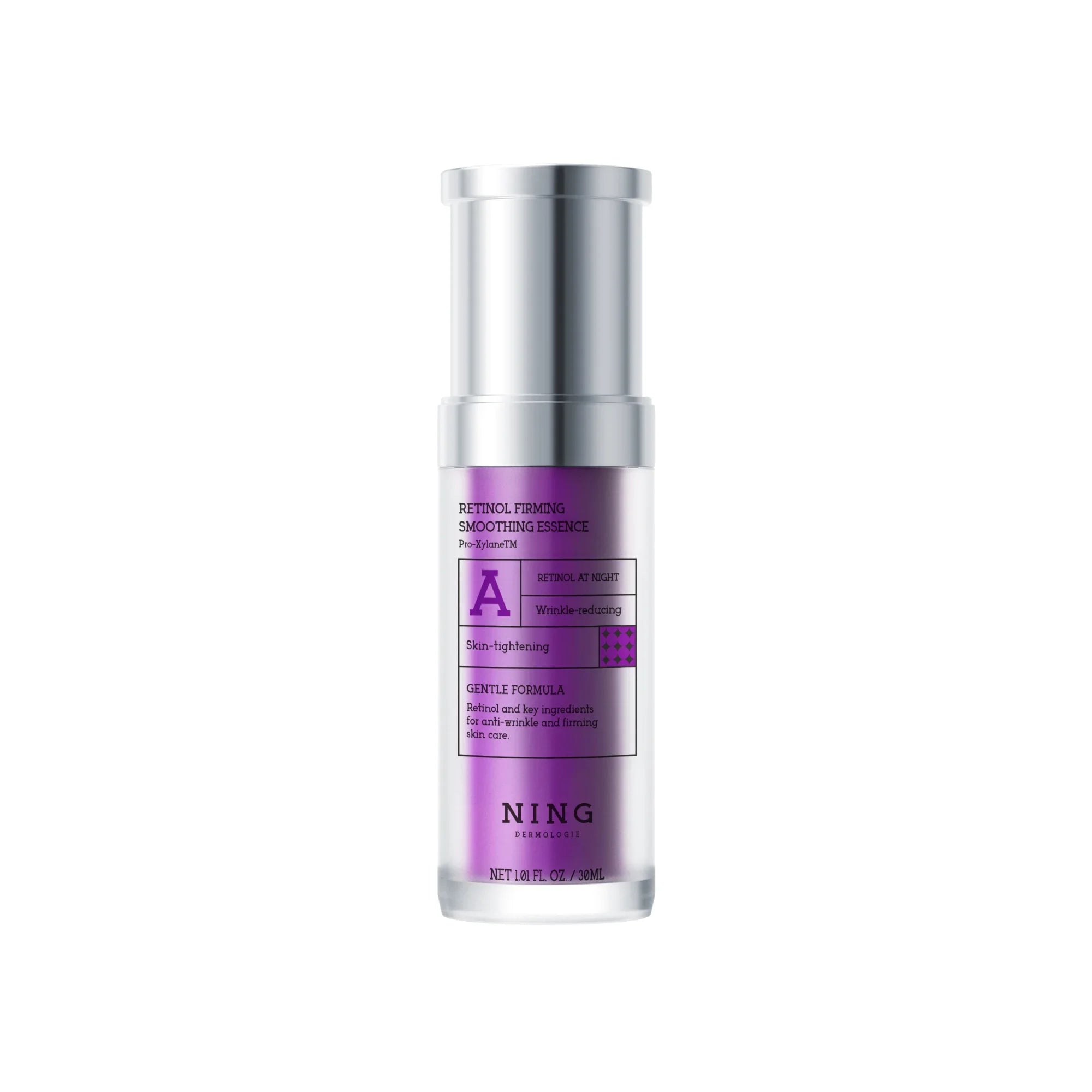
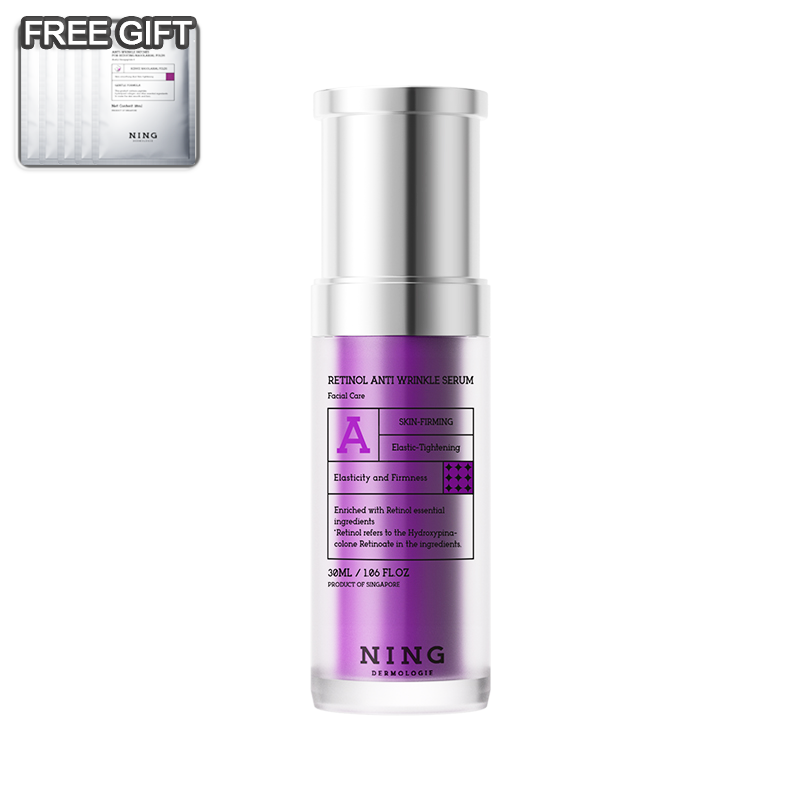
Don't skip the moisturizer just because you're oily. A Barrier Repair Cream or an Ultra-Hydrating Cream containing ceramides is vital. It acts as a "seal," preventing transepidermal water loss while you sleep. If you’re dealing with stubborn texture, a Retinaldehyde Gel can be used 2-3 times a week to speed up cell renewal without the irritation of traditional retinol.
Breaking Down the "Core Four" Ingredients
To truly master Long-term skin health, you need to understand what’s in your bottles. At Facile Lab, where many of our formulas are vetted, the focus is always on the "Core Four" approach.
1. Salicylic Acid (The Janitor)
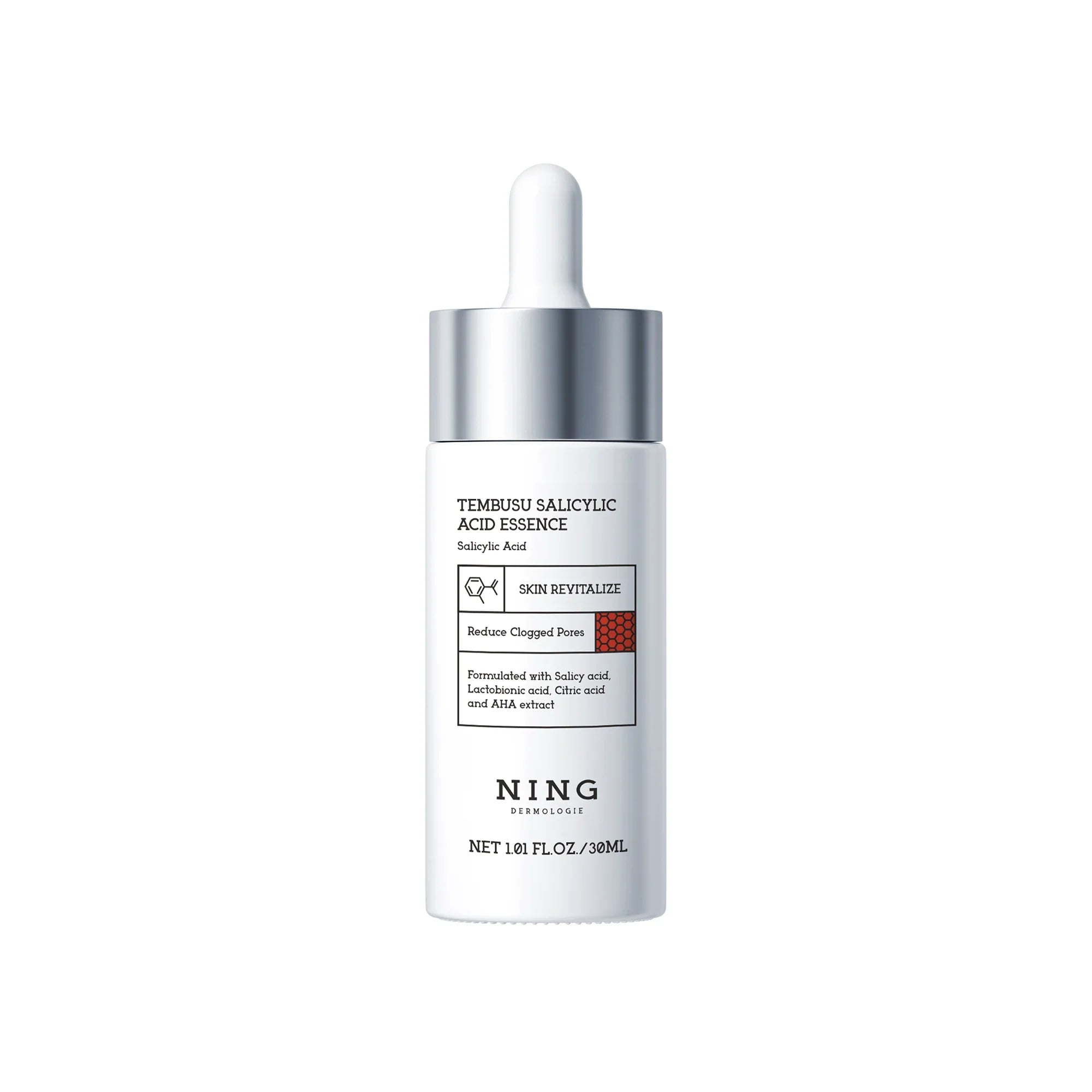
You’ll find this in our Salicylic Acid Cleanser. It doesn't just sit on the surface; it’s the only acid that can really get inside the pore to Rebalance oily skin. But, it must be balanced. If a formula feels too drying, it’s a bad formula.
2. Azelaic Acid (The Peacemaker)
Whether it's a clarifying azelaic acid cream or a serum, this ingredient is a miracle for Acne-prone skin. It kills acne-causing bacteria but also inhibits tyrosinase, the enzyme responsible for those lingering dark spots.
3. Hyaluronic Acid & Polyglutamic Acid (The Hydrators)
Acne skin is often thirsty. Hyaluronic acid is the gold standard, but we like to pair it with green tea extract and The Stabilizing Ferment to reduce oxidative stress. A Hyaluronic Acid Gel Serum keeps the skin's surface supple so that other active ingredients can penetrate better.
4. Centella Asiatica & Peptides (The Builders)
A peptide moisturizer or a serum with Centella Asiatica helps with skin's barrier recovery. These aren't just "feel-good" ingredients; they are structural components that help your skin rebuild itself after a breakout.
Beyond the Bottle: Practical Tips for Acne Control
We can give you the best Acne-Clarifying & Barrier Recovery System in the world, but if you're sleeping on a dirty pillowcase, it’s an uphill battle.
- The 60-Second Rule: When using our Acne Control Cleanser, don't just splash and dash. Massage it in for a full 60 seconds. This gives the salicylic acid time to actually work.
- Hypochlorous Acid Spray: Keep this in your gym bag. A quick mist of hypochlorous Acid Spray after a workout kills bacteria before it can settle into your pores.
- Don't Pick: We know, it’s tempting. But picking leads to post-blemish marks that take months to fade. Use a Silicone Scar Stick on healing spots instead to ensure the skin heals flat and even.
- The "Miracle" Fallacy: Don't fall for marketing buzzwords like Concentrated Miracle Broth™ or Lime Tea Concentrate if they are at the bottom of the ingredient list. Look for the stuff that matters—lipids, acids, and antioxidants.
Why NING Dermologie?
We didn't just want to create another "cleanser and cream" set. We wanted to create a radiance-boosting daily routine that feels like luxury but acts like medicine. Our Night Recovery Concentrate and oil-absorbing technology ensure that your skin stays matte during the day and nourished at night.
Whether you’re a fan of Dr. Nancy Samolitis's clinical approach or you just want something that works, our system is designed to be the "Core Four" of your bathroom cabinet. SPEAK NOW to your skin's needs—don't wait for the next breakout to start caring for your barrier.

Frequently Asked Questions (FAQ)
Can I use Salicylic Acid and Vitamin C together?
Yes, but don’t layer them simultaneously if you have sensitive skin. Use your Vitamin C Serum in the morning to fight UV damage and keep the Salicylic Acid for your evening wash. This prevents irritation while ensuring you get the brightening and pore-clearing benefits of both actives.
How long does it take to see results with the NING system?
Patience is key. While excess oil reduces in days, skin's barrier recovery and fading dark spots take 4-6 weeks. That’s the time it takes for a full cell renewal cycle. Stick with the Acne-Clarifying & Barrier Recovery System consistently for at least one month.
Is the "Double Cleanse" necessary for oily skin?
Absolutely. Oily skin produces sebum that acts like glue for pollution and makeup. A standard water-based cleanser often slides right over it. Starting with a makeup-removing cleanser breaks that oil bond, allowing your Blemish Control Cleanser to actually reach your pores and do its job.
Why is my skin still dry even though I use Hyaluronic Acid?
Hyaluronic acid is a humectant; it pulls moisture in. If you’re in a dry environment and don't "lock" it in with a Barrier Repair Cream or Ultra-Hydrating Cream, it can actually pull moisture out of your skin. Always layer a moisturizer over your damp HA serum.
Can I use this routine if I have "Acne-prone" but "Dry Skin"?
Yes, but focus on the "Recovery" part of our system. Swap a foaming wash for a Creamy Jelly Cleanser and use the Tranexamic & Azelaic Acid Serum only 3 times a week. Your priority is replenishing essential lipids while using just enough acid to keep pores clear.





Share:
How to Deep Clean Pores and Refine Skin Without Over-Drying
How to Treat Breakouts Without Damaging the Skin Barrier