

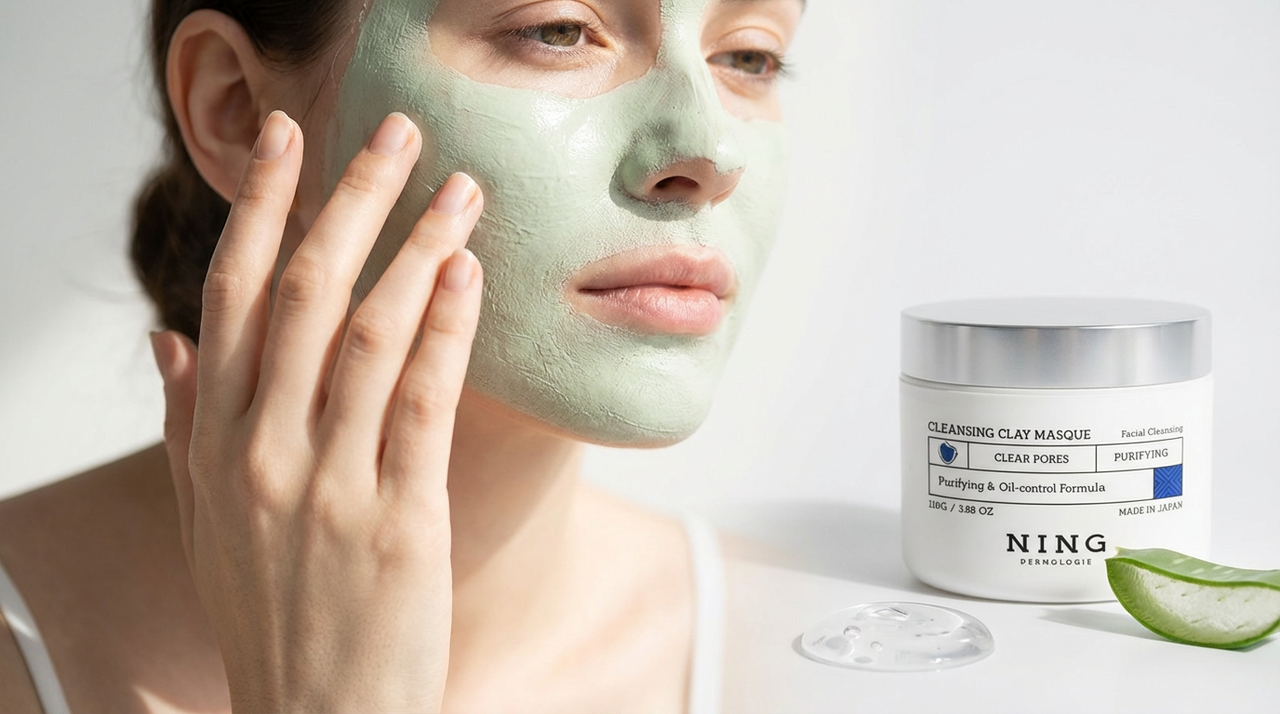

The Respite We Deserve: Finding the Best Clay Mask for Sensitive Skin(Over 1200 Words)
I still remember the sting. It wasn’t a pleasant, tingling sensation that promised results; it was an angry, hot flush that radiated across my cheeks every time I tried to use a popular deep-cleansing clay mask. For years, I believed that if a mask didn’t leave my skin feeling tight, pulled, and slightly irritated, it wasn’t working. I was wrong. My persistent battles with sensitive skin and occasional hormonal breakouts led me down a path of harsh treatments, often worsening my skin texture and leaving me with a fragile skin barrier.
If you, too, have sensitive skin—prone to redness, reactivity, and a general air of discontent—and have nearly given up on the deep-cleansing power of clay face masks, I’m here to tell you there’s hope. Finding the best clay mask for sensitive skin is not about compromise; it’s about finding the perfect balance between detoxifying the pores and coddling your delicate complexion.

The Misconception: Why Clay Masks Scare Sensitive Skin
The core purpose of any clay mask is to absorb excess oil and draw impurities from the pores. This strong absorbent power, while a godsend for those with classic oily skin or severe acne prone skin, is often what triggers an adverse reaction in us.
Traditional masks often contain highly absorbent clays like pure bentonite clay or french green clay, which are exceptional at removing excess sebum but often strip the skin of too much natural moisture. This leads to what I call the “sensitive skin rebound”: the skin overcompensates for the dryness by producing more oil, or worse, the dryness compromises the barrier, leading to irritation and amplified redness.
The key to a successful skincare routine for the reactive skin type lies in seeking out clay masks that are not just oil absorbers, but are fortified with nourishing ingredients to simultaneously replenish hydration and reduce inflammation.
The Gentle Giants: Understanding Clay Types for Reactive Skin
Not all clay is created equal. For us with sensitive skin, the source and structure of the clay is paramount.
-
Kaolin Clay: The Unsung Hero
When searching for the best clay mask for sensitive skin, your eyes should immediately look for kaolin clay. Specifically, pure white clay or clay kaolin is the gentlest of the bunch. It has a mild absorbent power, meaning it effectively lifts dead skin cells and soaks up enough excess oil to prevent congestion, but crucially, it doesn't dehydrate the skin or compromise the barrier. It’s a beautifully soft choice for dry and sensitive skin types.
-
Pink Clay: The Soothing Blend
Pink clay is usually a curated blend of white clay and red clay, offering a moderate level of detoxification. Because it's a balanced formula, it’s highly soothing and helps promote a brighter, clear complexion without any angry side effects. It’s perfect for those who want a gentle detoxifying effect and a boost to their overall skin tone.
-
Amazonian White Clay: The Mineral-Rich Nourisher
Often found in premium formulas, amazonian white clay is incredibly mild and mineral-rich. It gently works to cleanse pores and is an excellent gentle exfoliant, making it a great option for combination skin that needs selective oil control without irritating the dry skin patches.
A Note on Stronger Clays:
While I generally steer sensitive users away from pure bentonite clay or pure french green clay, modern formulations have made them usable. If a product features them, ensure they are balanced with potent humectants like hyaluronic acid and emollients like shea butter. Similarly, a charcoal mask or one containing volcanic ash can provide deep cleansing, but the formula must be meticulously buffered to avoid a warming sensation or excessive dryness.

The Core Principle: Key Ingredients That Save the Day
The true genius of the best clay masks for our delicate needs lies not just in the clay itself, but in the key ingredientsthat are blended with it. These ingredients transform a harsh purifying treatment into a supportive, pore refining mask.
| Ingredient Family | Specific Ingredients | Why It Works for Sensitive Skin |
| Soothing & Anti-Inflammatory | Aloe Vera, Chamomile, Bisabolol | Provides an immediate cooling mask effect, helps reduce inflammation, and calms redness. |
| Hydration & Barrier Support | Hyaluronic Acid, Shea Butter, Ceramides | Counters the drying effect of the clay, ensures the skin elasticity is maintained, and leaves the skin feels smooth and supple, not tight. |
| Gentle Exfoliation (Physical) | Jojoba Beads, finely milled powders | Offers a non-abrasive gentle exfoliator to slough off dead skin and dead skin cells during the rinse phase, avoiding harsh physical exfoliation. |
| Targeted Actives (with Caution) | Azelaic Acid, Niacinamide | Azelaic Acid is an underrated gem; it helps stop breakouts and reduce inflammation simultaneously, making it ideal for acne prone but sensitive skin. |
The Cautionary Actives: Salicylic Acid and Glycolic Acid
If your sensitivity is paired with oily skin and clogged pores, you may need active alpha hydroxy acids (AHAs) or beta hydroxy acids (BHAs).
-
Salicylic Acid: Excellent for penetrating clear pores and reducing enlarged pores, but must be in a low concentration (0.5% or less) and buffered by soothing elements.
-
Glycolic Acid: A potent AHA that helps improve skin tone and removes dead skin cells. For sensitive skin, look for alternatives like Mandelic Acid or use very sparingly, ensuring the formula is rinsed off quickly.
Ning Dermologie’s Philosophy: The Perfect Balance
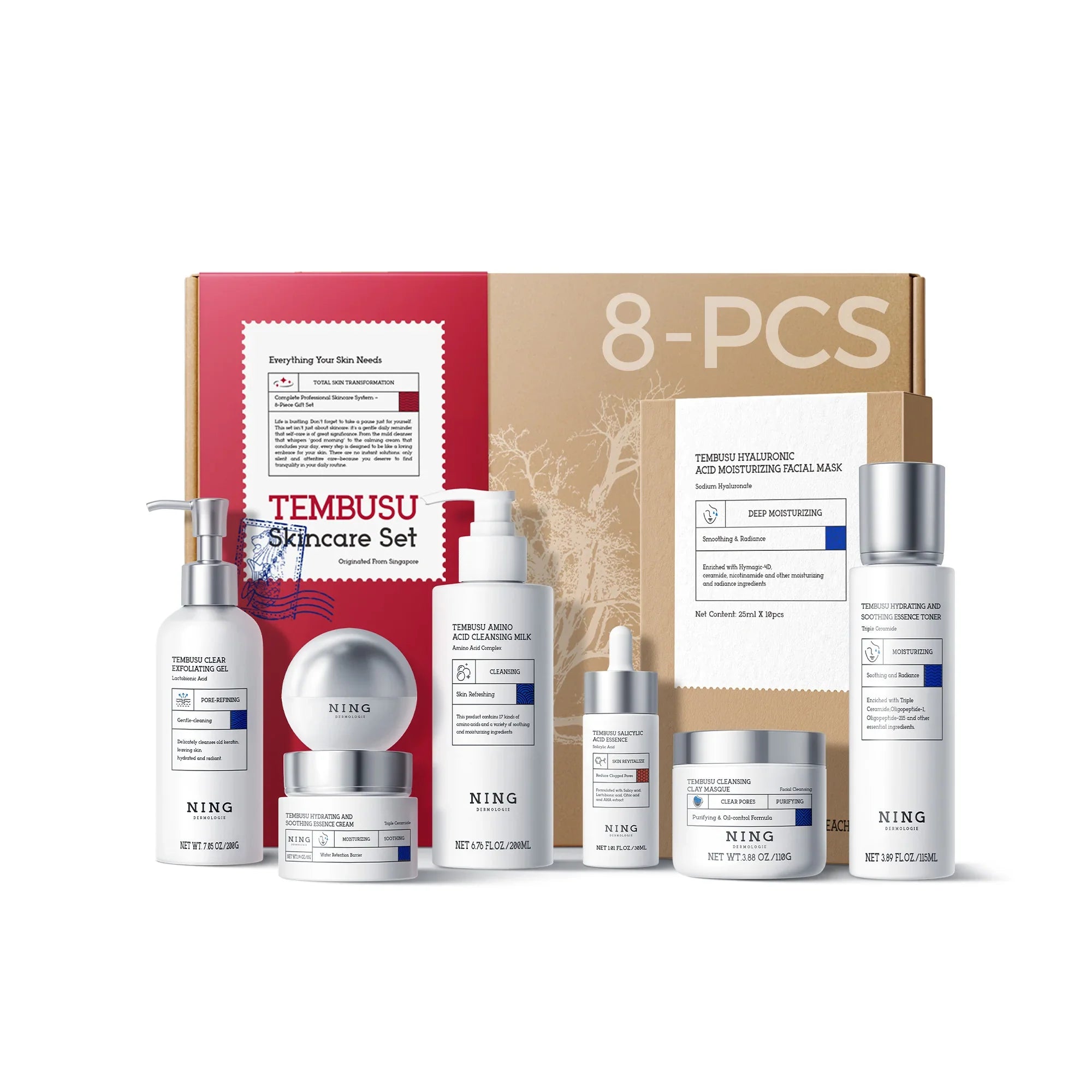
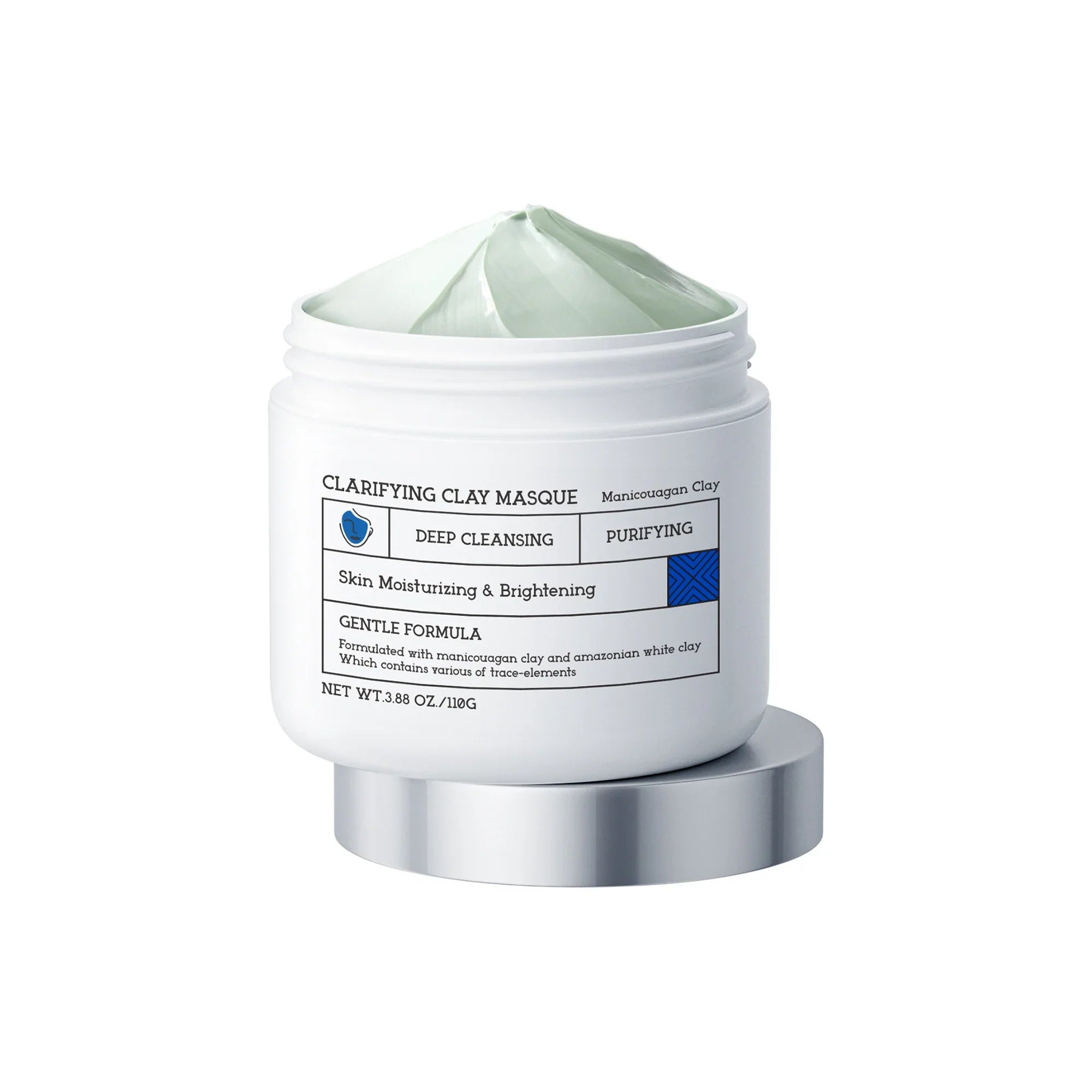
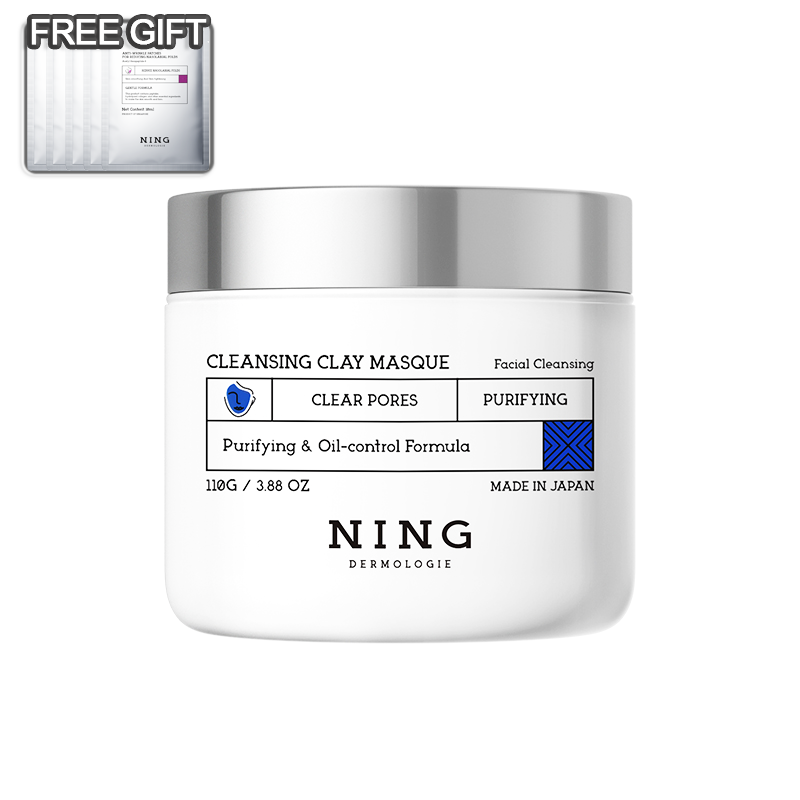
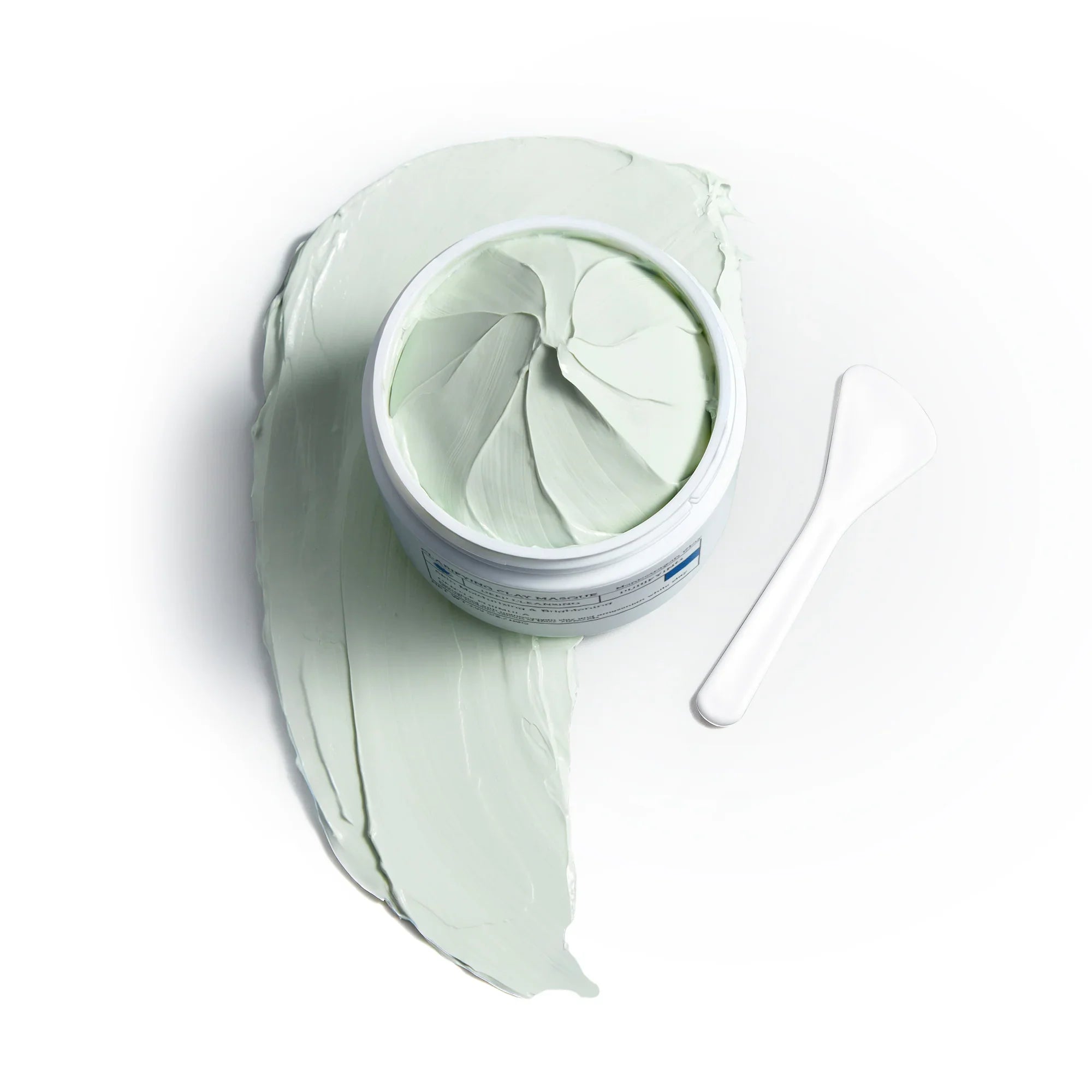
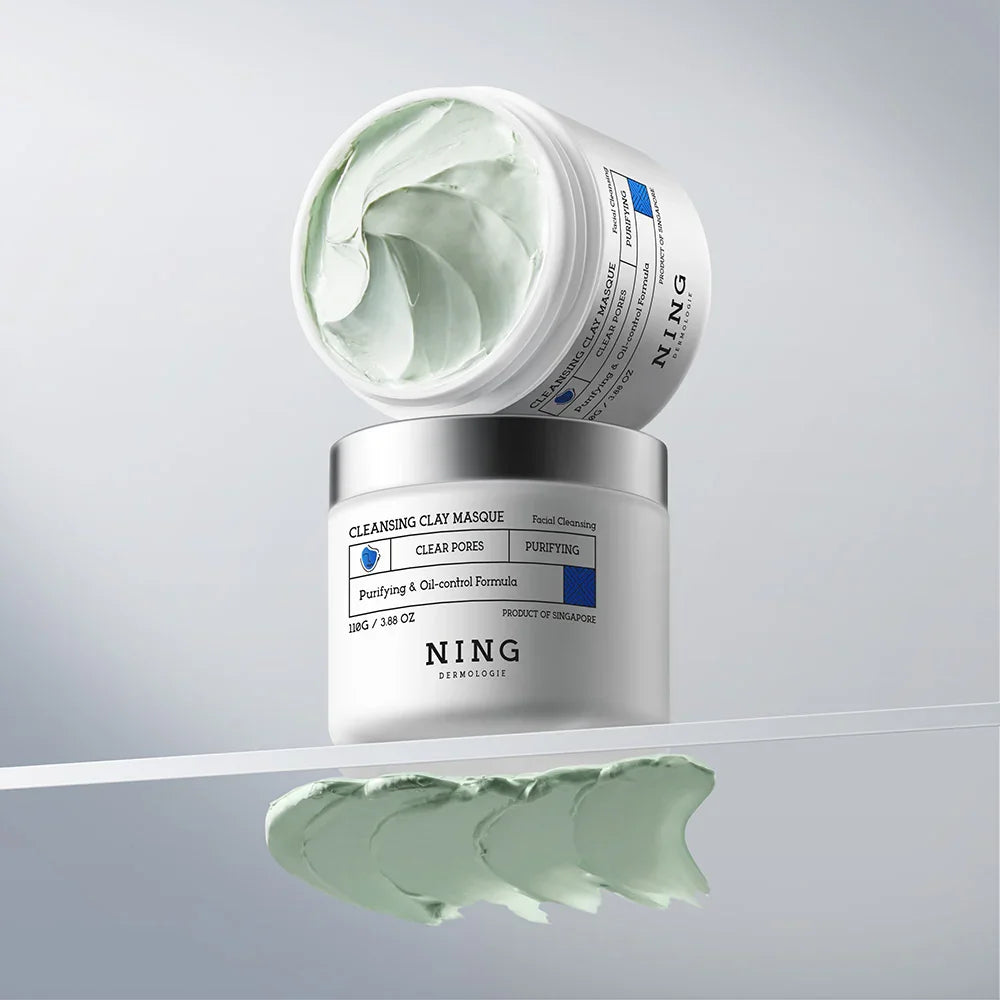
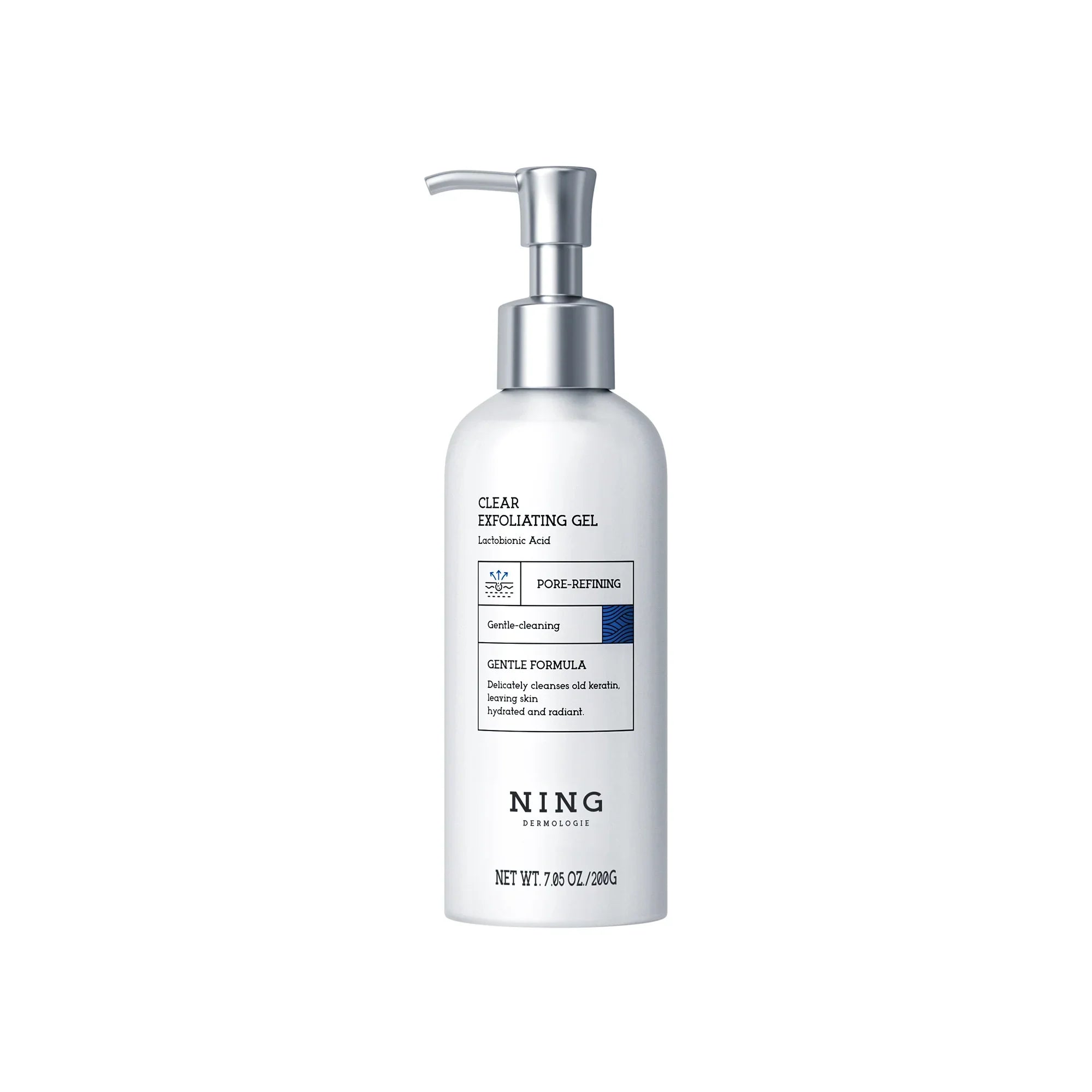
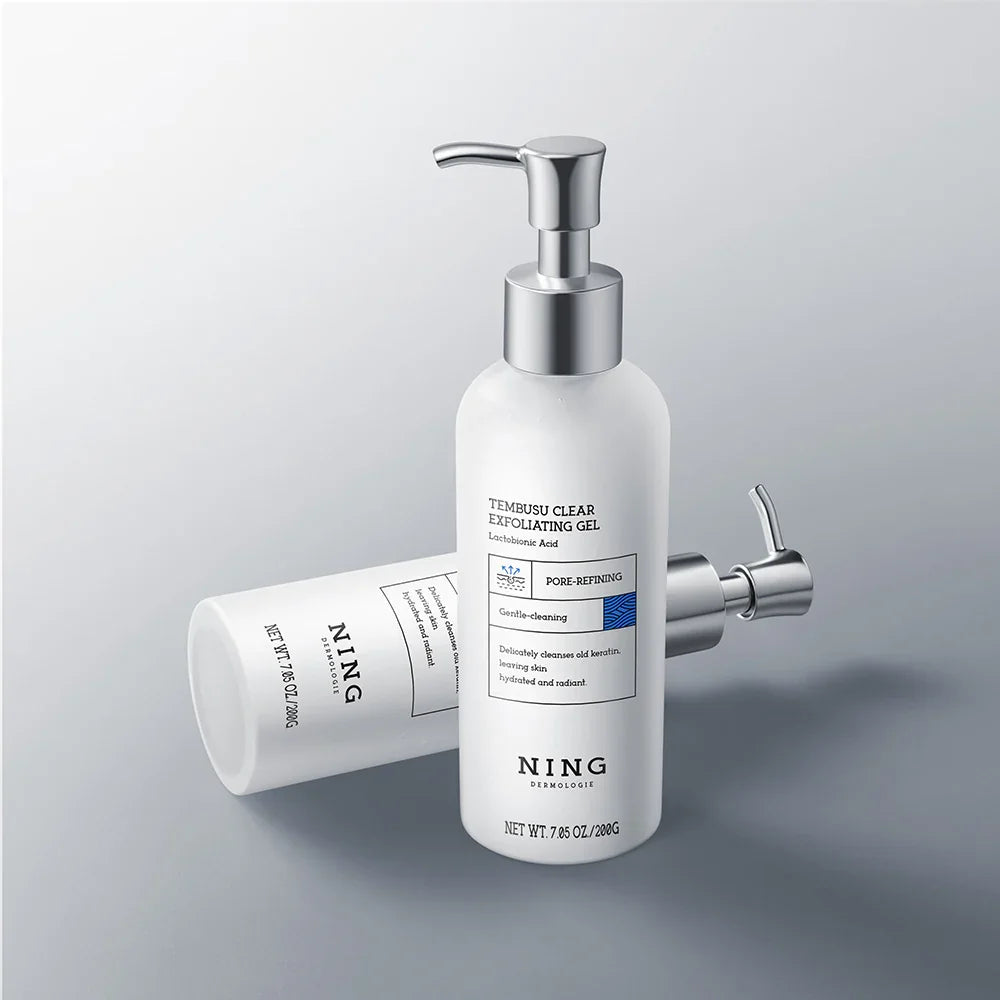
This is where the specialized knowledge comes in. Our philosophy at Ning Dermologie is built on the understanding that robust results should never come at the expense of comfort. When formulating our Ning Dermologie Clay Mask for Face Sensitive Skin, we made a conscious choice to bypass harsher, purely absorbent clays.
We chose a refined kaolin clay and white clay blend as the base—the gentle workhorse—to effectively absorb excess oil without stripping. But the true power lies in the synergistic blend of our key ingredients. We infuse the clay face masks with concentrated aloe vera and nourishing botanical essential oils to ensure that once the dead skin is cleared and excess oil is minimized, the skin is immediately soothed, leaving behind a velvety, soft texture. The mask is formulated to act as both a cleansing mask and a restorative treatment, targeting excess sebum in the t zone while fortifying the entire entire face. This attention to detail is what separates a generic product from the best clay mask for sensitive skin.

The Application Ritual: How to Use Your Clay Mask Wisely
Applying a clay mask on sensitive skin is a ritual that requires precision, not guesswork. A board certified dermatologist would agree: the method is just as important as the product.
-
The Essential Patch Test: Always, always, start with a patch test behind your ear or on your inner arm before applying any new face mask to the entire face.
-
The Thin Layer Rule: Apply only a thin layer of the mask. Thick layers don't make the clay work better; they only increase the risk of over-drying. You should be able to see your skin tone faintly through the mask.
-
Timing is Everything: Unlike the days of letting a mask crack and pull, only leave your clay mask on for 8 to 10 minutes maximum—or even less if it’s a strong blue clay mask. The goal is for the mask to dry but not so fully that it draws out too much moisture.
-
The Gentle Removal: Rinse off with lukewarm or warm water, using soft, circular motions. The small, non-irritating jojoba beads in some formulas act as a gentle exfoliant to lift the dried dead skin cells.
-
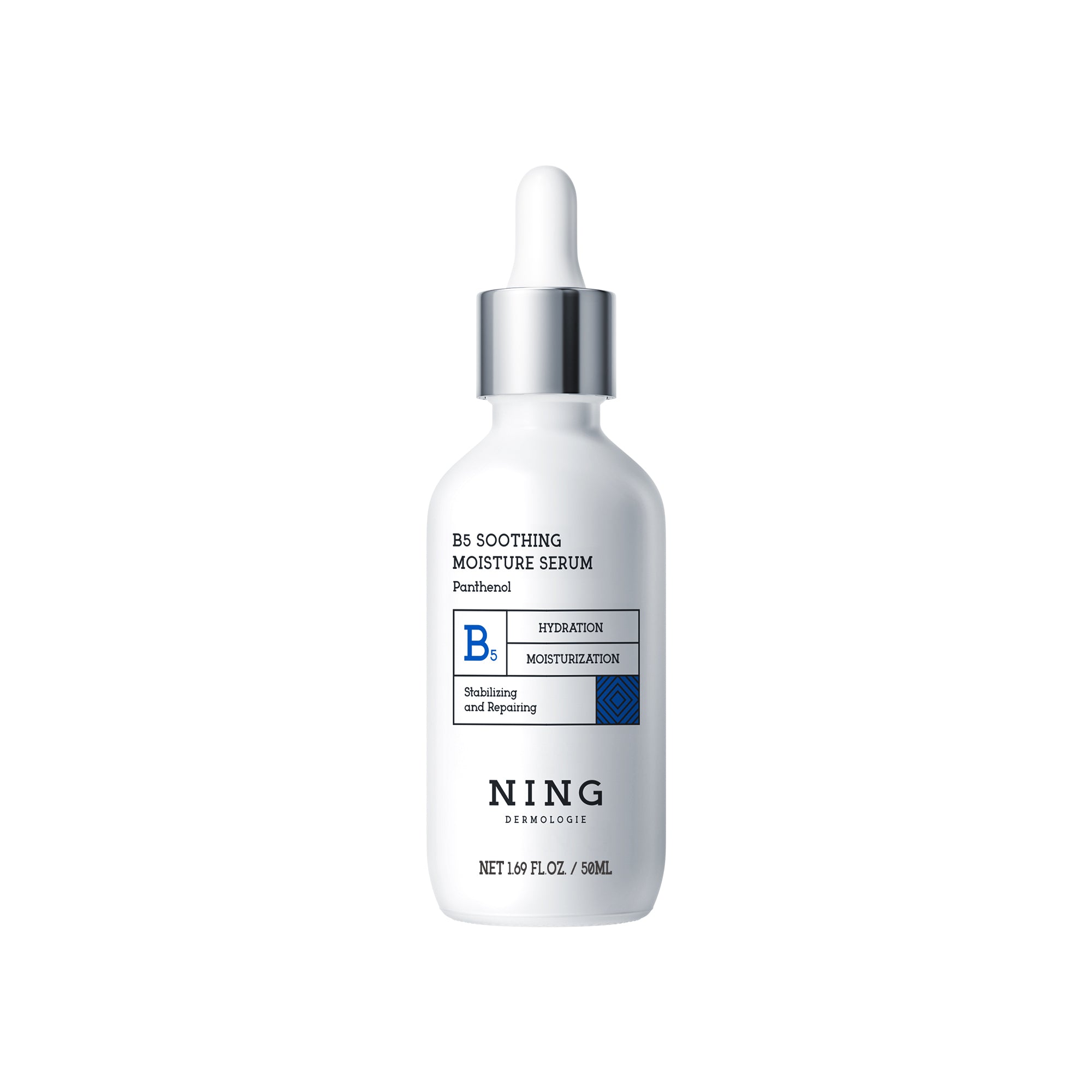
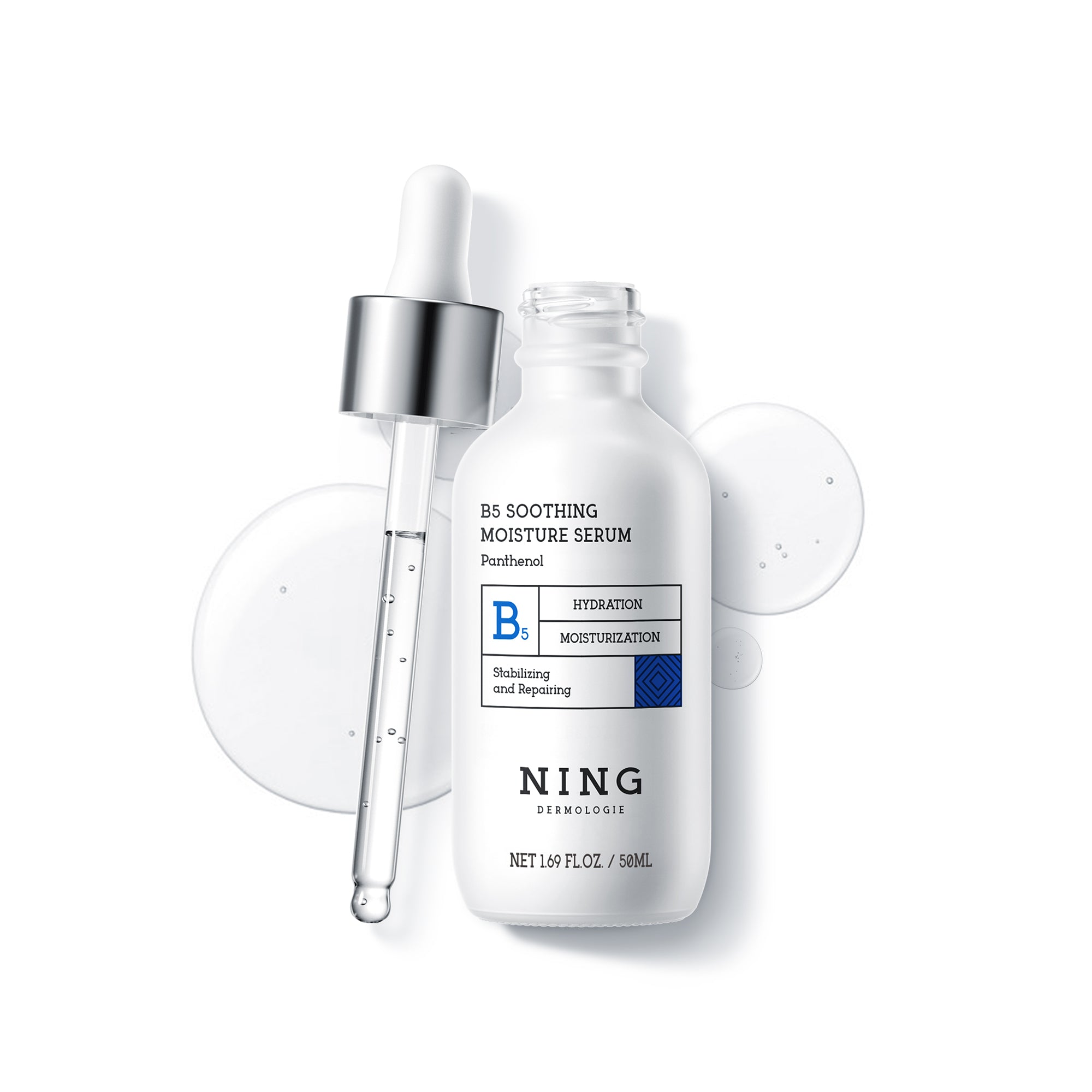
Post-Mask Quenching: Immediately follow up your skincare routine with a soothing serum (like one with Niacinamide) and a rich moisturizer to replenish hydration and support skin elasticity. If you’ve used a gel mask or cooling mask, this step is still vital.
Beyond the Mask: Spot Treatment and Pore Refining
For those stubborn areas, especially the oily t zone, your clay mask can double as a powerful spot treatment.
A dab of a pore refining mask containing tea tree oil (for its anti-bacterial properties) or a minute amount of salicylic acid applied directly to a forming breakout can often stop breakouts overnight without irritating the surrounding sensitive skin. This targeted use allows you to reap the benefits of oil control where you need it most, without exposing the rest of your delicate skin to unnecessary actives. Regular use (1-2 times per week) will visibly reduce pore size and improve your overall skin texture, confirming that clay is one of the most effective things beauty offers for a clear and balanced complexion.
Conclusion: Trusting Your Skin
Finding the best clay mask for sensitive skin is about tuning into your skin's unique language. It’s about choosing gentle warriors like kaolin clay and pink clay, and supporting them with a shield of soothing key ingredients like aloe vera and shea butter. With the right approach and the right product—whether it's the gentle efficacy of Ning Dermologie’s specialized formula or another well-balanced option—you can finally enjoy the deep-cleansing benefits of a face mask without the fear of redness or irritation. Your skin feels smooth, soft, and, most importantly, calm. Remember to patch test, listen to your skin, and enjoy the journey to a beautiful, balanced skin tone.





Share:
Can You Handle the Power Couple? A Deep Dive into Retinol and Vitamin C for Next-Level Skin Radiance
Why Your Vitamin C Serum Turns Brown (And Why Ethylated Ascorbic Acid Is The Solution)