

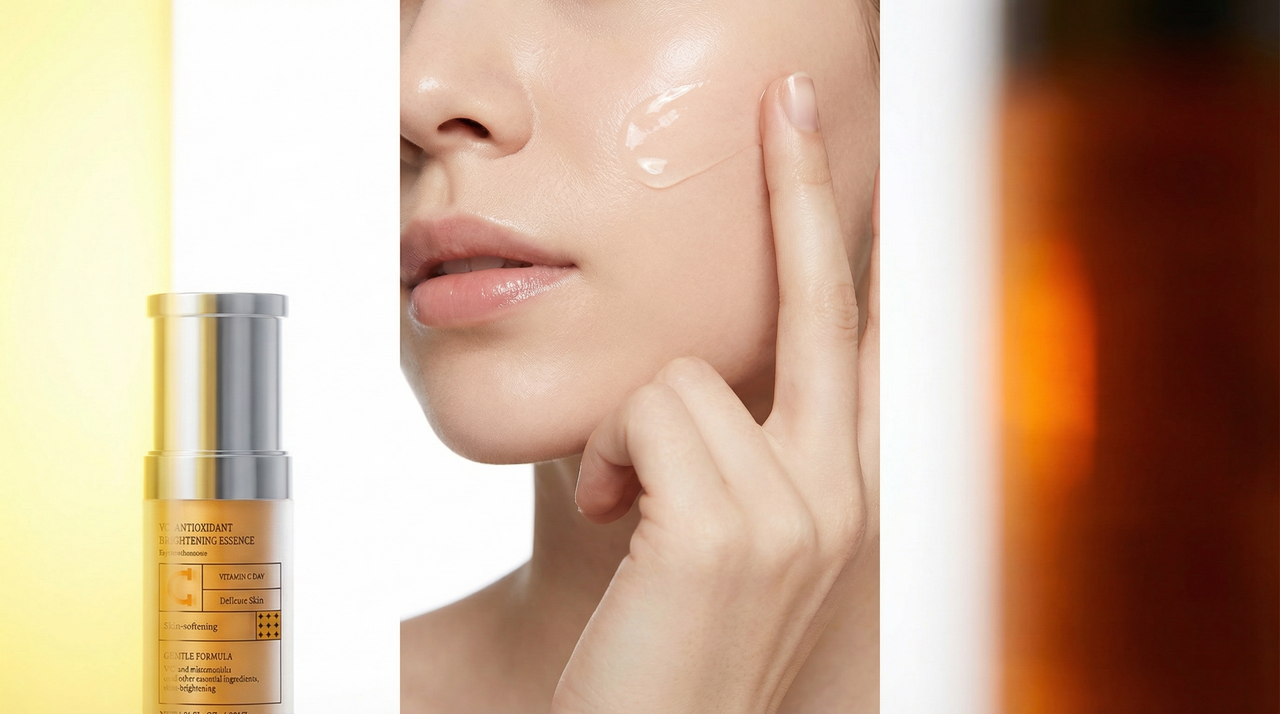

Can You Handle the Power Couple? A Deep Dive into Retinol and Vitamin C for Next-Level Skin Radiance
The world of skincare is constantly throwing around buzzwords, but few combinations generate as much buzz—and confusion—as retinol serum with vitamin C. Dubbed the ultimate power couple, these two active ingredients are renowned for their ability to combat the most common skin concerns, from dull skin and uneven texture to the inevitable visible signs of aging.
But here's the honest truth: the complexity of using them effectively is often simplified by generic marketing copy. If you’re serious about achieving truly healthy, luminous skin, understanding the chemistry, the individual benefits, and the optimal timing of these two titans is essential. It’s the difference between merely applying skincare products and building a targeted skincare regimen that delivers clinically proven results.

Decoding the Powerhouse: What Each Ingredient Brings to the Table
To appreciate the synergy of retinol vitamin c, we must first understand their unique, yet complementary, missions.
Retinol: The Master Architect of Skin Firmness
Retinol, specifically the pure retinol form, is arguably the most extensively studied anti aging ingredient available over the counter. It is a derivative of vitamin A that works on a cellular level to encourage rapid turnover of skin cells. Think of it as a master architect rebuilding your skin.
The core magic of retinol lies in its ability to stimulate collagen production. As we age, our natural collagen production slows down, leading to a loss of skin firmness and the formation of wrinkles and fine lines, especially the notorious crow’s feet. When you apply retinol serum, the retinol helps to communicate with skin cells, encouraging them to act younger. This results in visibly smoother skin texture and a reduction in the depth of wrinkles. For those specifically targeting premature aging, incorporating retinol products into your routine is non-negotiable. It works diligently overnight, clearing away dead cells and revealing a fresher, softer surface.
Vitamin C: The Environmental Shield and Brightener
If retinol is the architect, vitamin C is the indispensable guard and brightener. This powerful antioxidant is crucial for defending the skin from daily threats.
Pure vitamin C, most famously in the form of ascorbic acid, functions primarily as a shield against free radical damage caused by UV radiation and environmental pollution. Applying a vitamin c serum in the morning provides critical protection that even the best broad spectrum sunscreen can’t offer alone.
Beyond defense, vitamin C is a powerhouse for aesthetics. It plays a key role in achieving even skin tone by inhibiting the enzyme responsible for melanin production, thus fading dark spots, age spots, and overall hyperpigmentation. Regular use can dramatically boost skin brightness and promote an enviable skin radiance. For me, personally, a high-quality c serum is the single fastest way to transform dull skin into healthy-looking skin.
The Real Talk: Combined Serum vs. Separate Application
Here is where the original confusion in marketing copy stems from. Can you effectively have a retinol serum with vitamin C in one bottle?
The Chemistry Challenge: Both retinol and ascorbic acid are notoriously unstable. Retinol is sensitive to light and air, and pure vitamin C (ascorbic acid) requires a low pH to be effective. Combining the two high concentrations in a single, stable formula without causing potential irritation or immediate degradation is a significant formulation challenge. While modern labs have found ways (often using stabilized derivatives like Ethyl Ascorbic Acid, which Ning Dermologie features in some of its products, or encapsulated pure retinol), the traditional, expert advice remains: use vitamin c in the morning and retinol products at night.
Why Separate is Often Superior for Skin Health:
-
Time of Day Optimization: Vitamin C serum is designed to fight environmental attackers (daytime), while retinol helps with cellular repair and renewal (nighttime). Applying them separately ensures each ingredient is deployed when it is most effective.
-
Minimizing Potential Irritation: Layering high concentrations of both can be overwhelming, especially for sensitive skin. Spacing them out allows your skin barrier to recover between applications.
-
Ingredient Efficiency: You get the most benefit from each ingredient when it is formulated for maximum stability in its own environment.
Personal Note: I once tried a two-in-one serum that promised everything. It absorbed quickly and had a lovely serum's scent, but the high concentration of both actives together caused significant redness and flakiness on my cheeks—a clear sign of a damaged skin barrier. I quickly returned to using two high-quality, separate products, which is a safer, more predictable approach for most users aiming to improve skin texture.

Navigating the Use: Tips for Sensitive Skin
Introducing two such powerful actives requires a strategic approach, especially if you have sensitive skin or dry skin.
1. The Critical Patch Test and Slow Introduction
Never apply a new retinol or high-concentration c serum product all over your face immediately. Always start with a small patch test behind your ear or on your inner arm. Once cleared, you must use lower concentrations and slowly increase the frequency. Start with retinol just once or twice a week, allowing your skin adjusts fully before moving to every other night. This gradual approach minimizes redness, dryness, and unnecessary potential irritation.
2. The Power of Hydration and the Skin Barrier
Retinol works by speeding up dead cells turnover, which can temporarily compromise the skin barrier, leading to flakiness. This is where emollients and humectants become your best friends.
-
Hyaluronic Acid and Sodium Hyaluronate: Look for serums or hydrating moisturizer products containing hyaluronic acid or its salt form, sodium hyaluronate. These ingredients pull moisture into the skin cells, counteracting the drying effect of retinol and promoting a skin feel that is plump and comfortable.
-
Vitamin E: Often paired with vitamin c in antioxidant serums, vitamin e provides additional emollience and soothing benefits, further protecting the skin barrier and fighting free radical damage.
3. The Unnegotiable Rule: Broad Spectrum Sunscreen
This must be stated clearly: using retinol products makes your skin significantly more vulnerable to sun damage and photo-aging. Regardless of your skincare routine, you must follow up every morning with a broad spectrum sunscreen (SPF 30 or higher). This is the single most important step in preventing premature aging and ensuring the work you put in with your high-tech serum is not undone.

Choosing Your Best Serum (The Ning Dermologie Approach)
When searching for the best serum for your skincare regimen, don’t fall for the marketing fluff.
What to Look For:
-
Clarity on Active Ingredients: Look past generic terms. If the product claims pure vitamin C, ensure it clearly lists ascorbic acid or a highly stabilized derivative like Ethyl Ascorbic Acid (which Ning Dermologieprioritizes). Avoid formulas relying heavily on low-impact, acidic extracts like citrus limon (lemon fruit juice), as these often contribute little active vitamin but increase the risk of irritation.
-
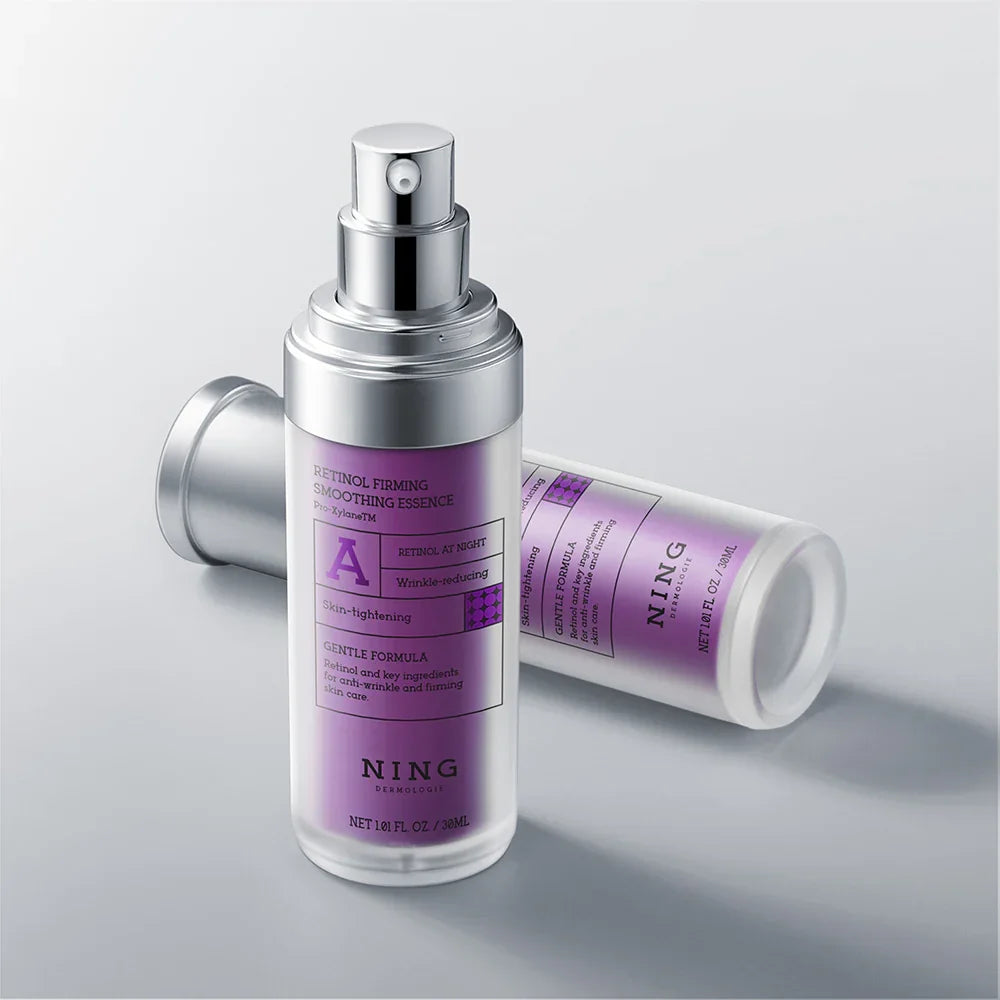
Smart Packaging: High-quality skincare products containing volatile ingredients like pure retinol or pure vitamin C should be packaged in opaque, airless pump bottles or dark glass containers to protect them from light and air. The fluid ounce (fl oz) size is less important than ensuring the formula inside remains potent until the last drop.
-
Absorption and Feel: A good serum should absorb quickly without leaving a heavy, sticky residue, regardless of your skin type.
The Ning Dermologie Perspective
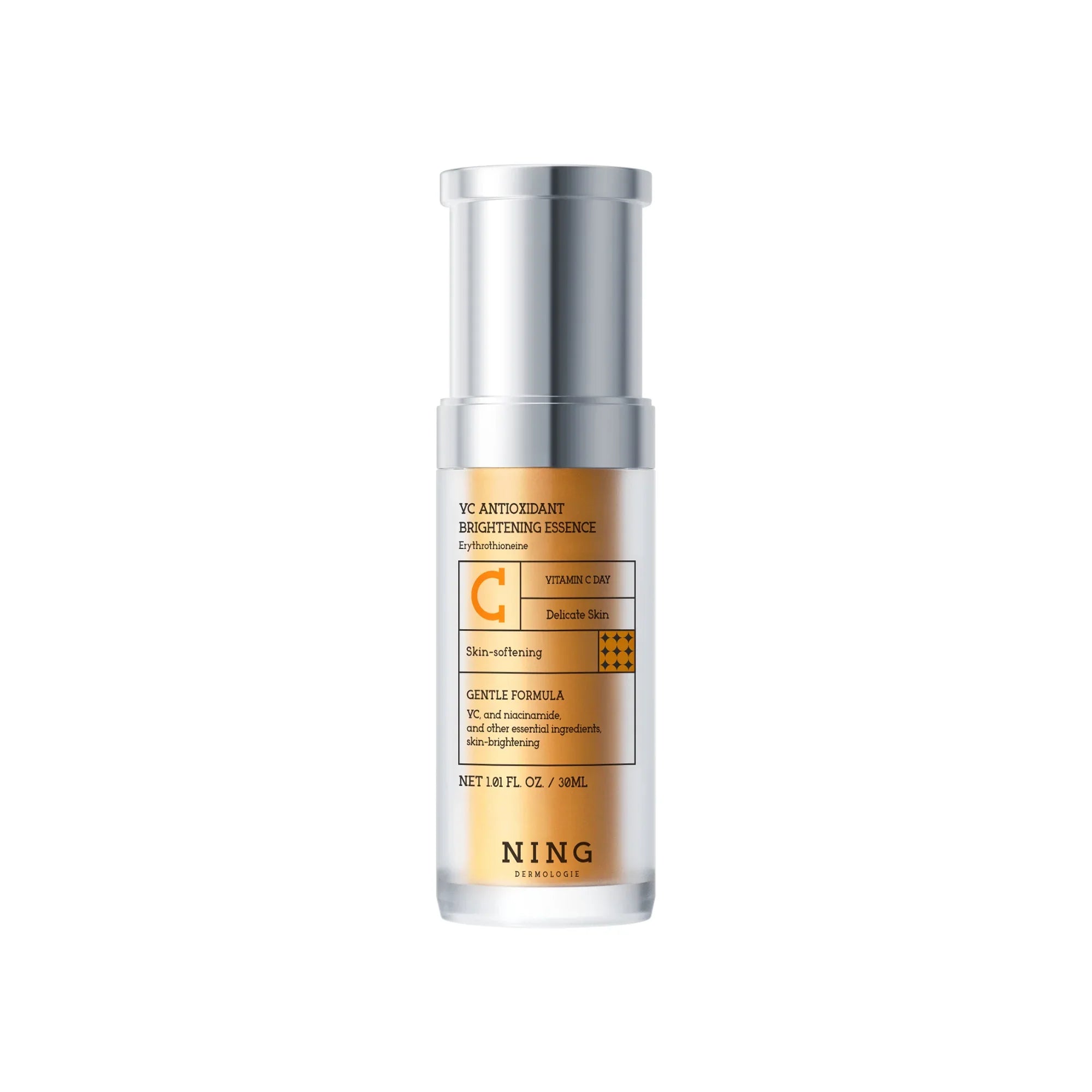
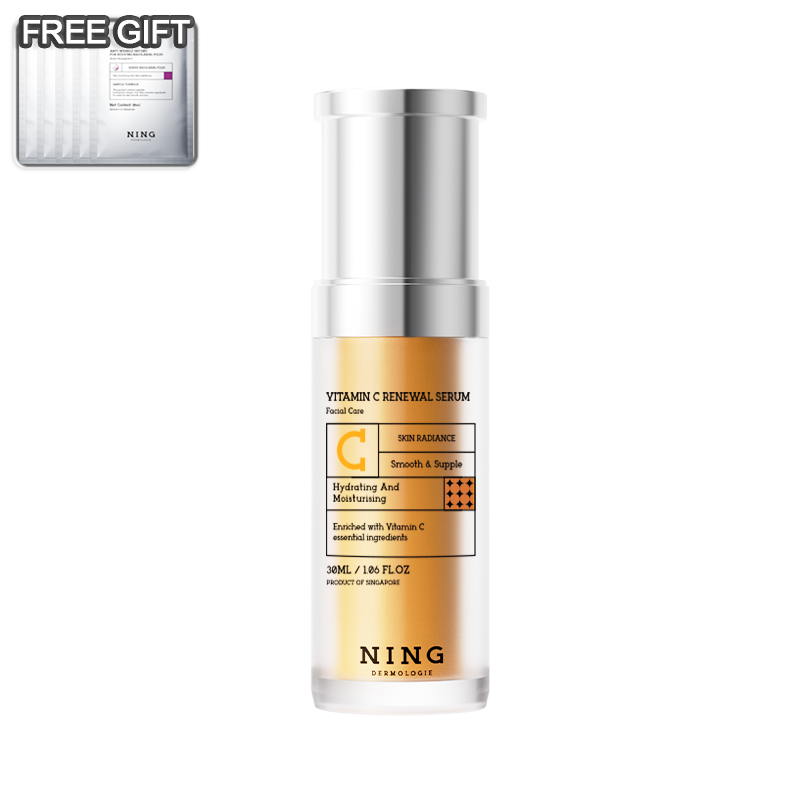
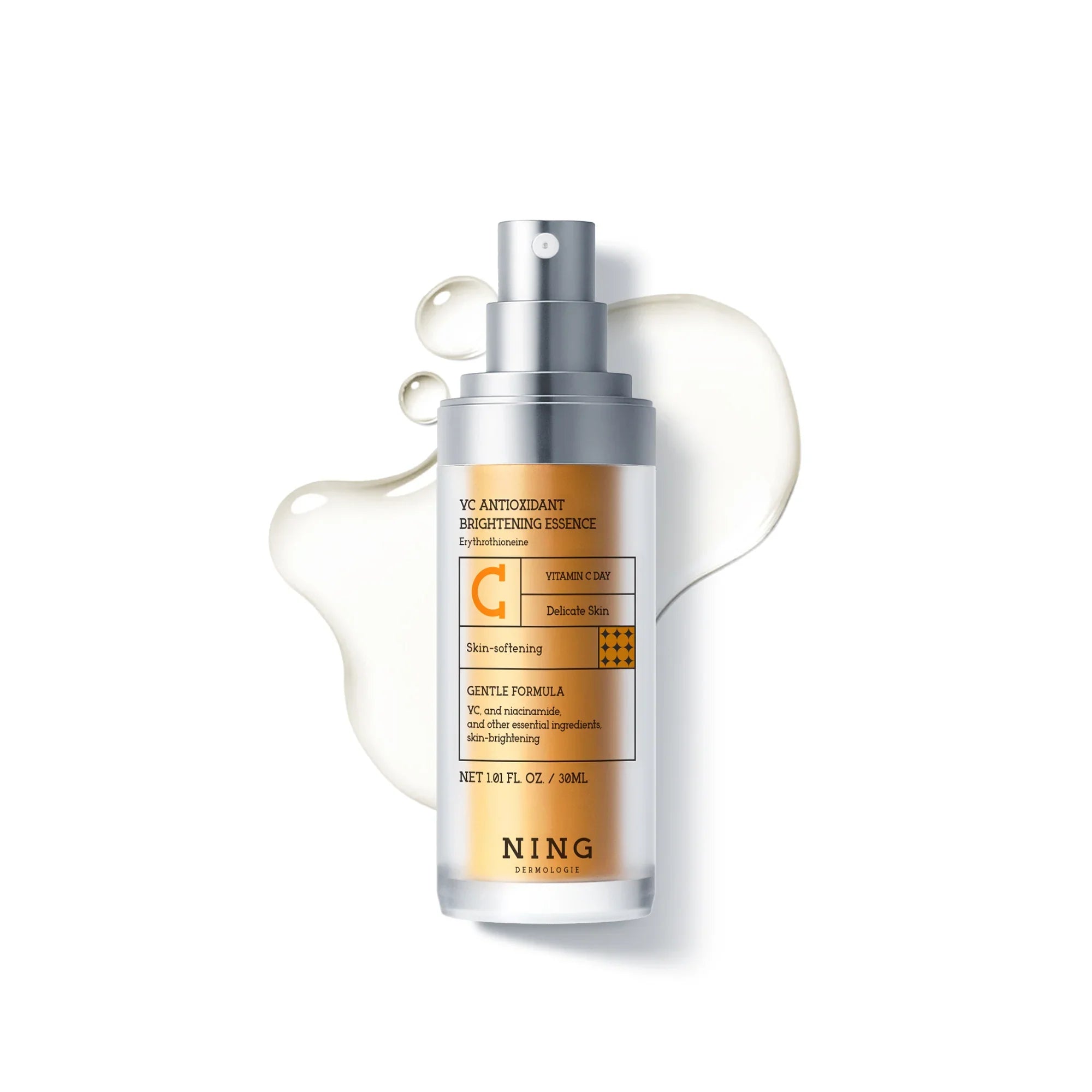
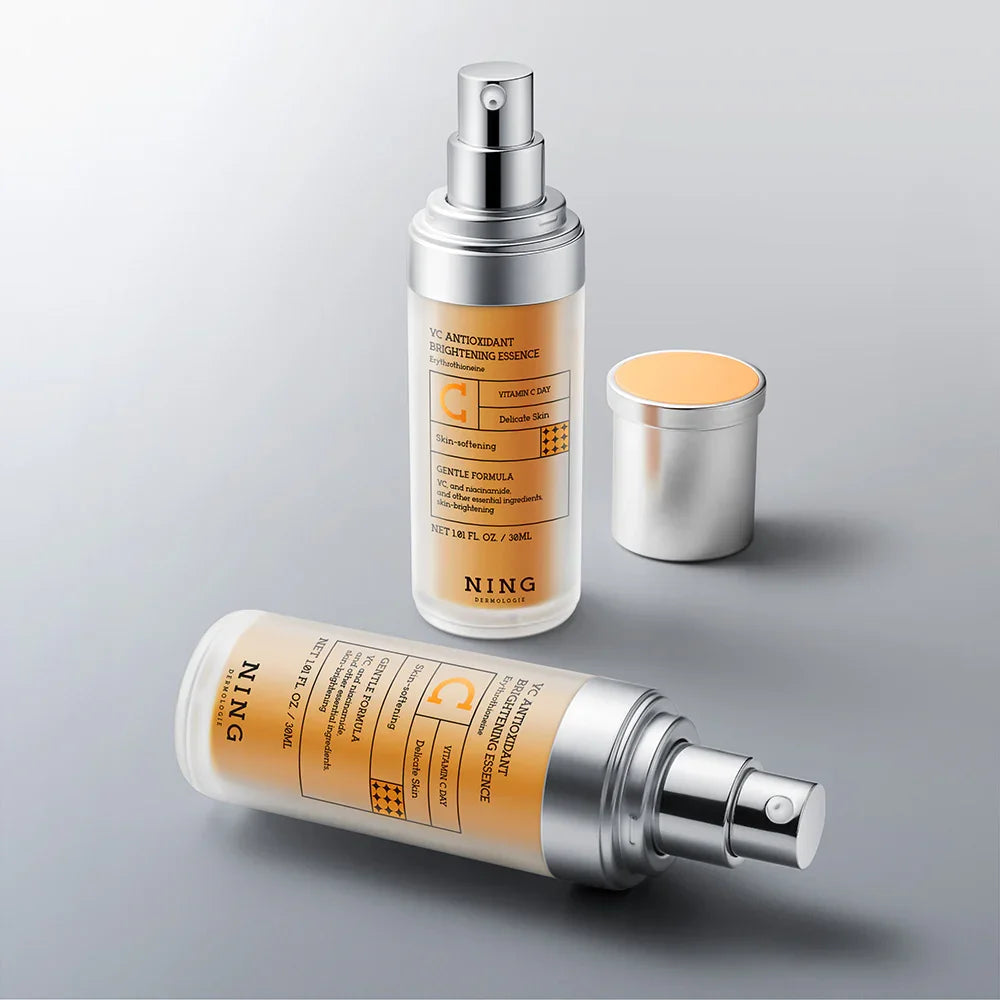
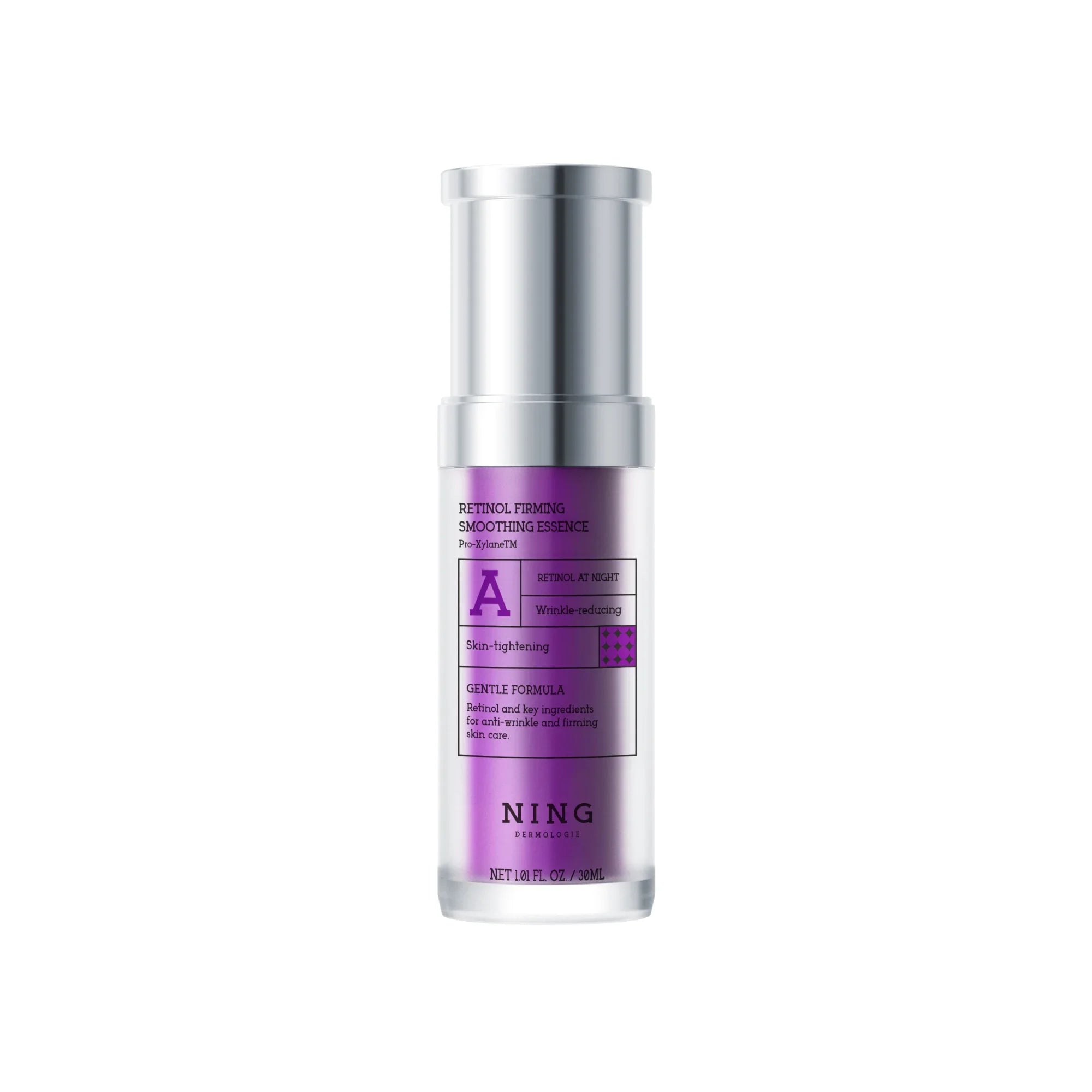
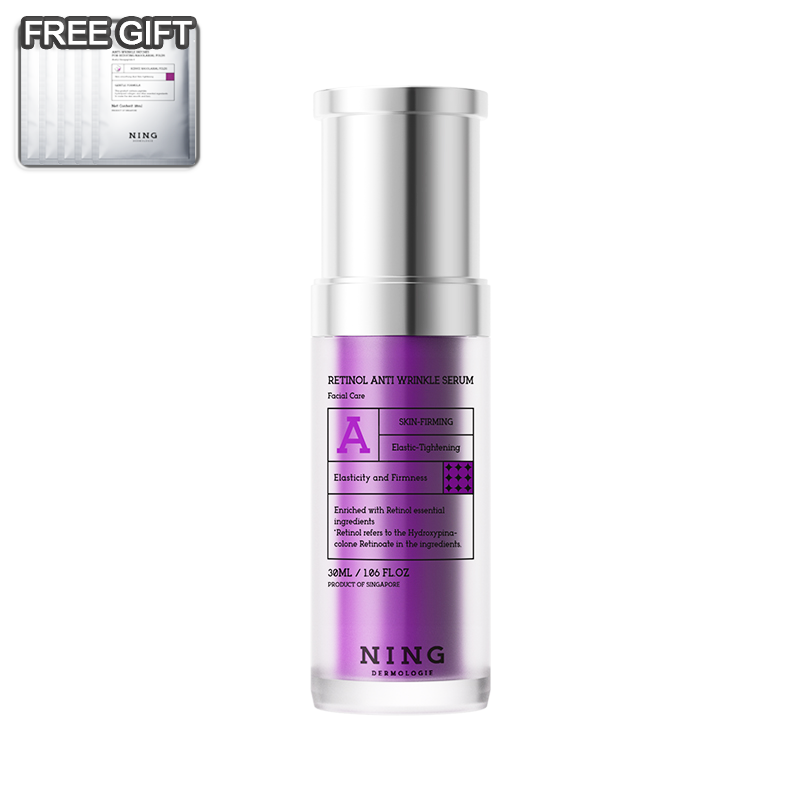
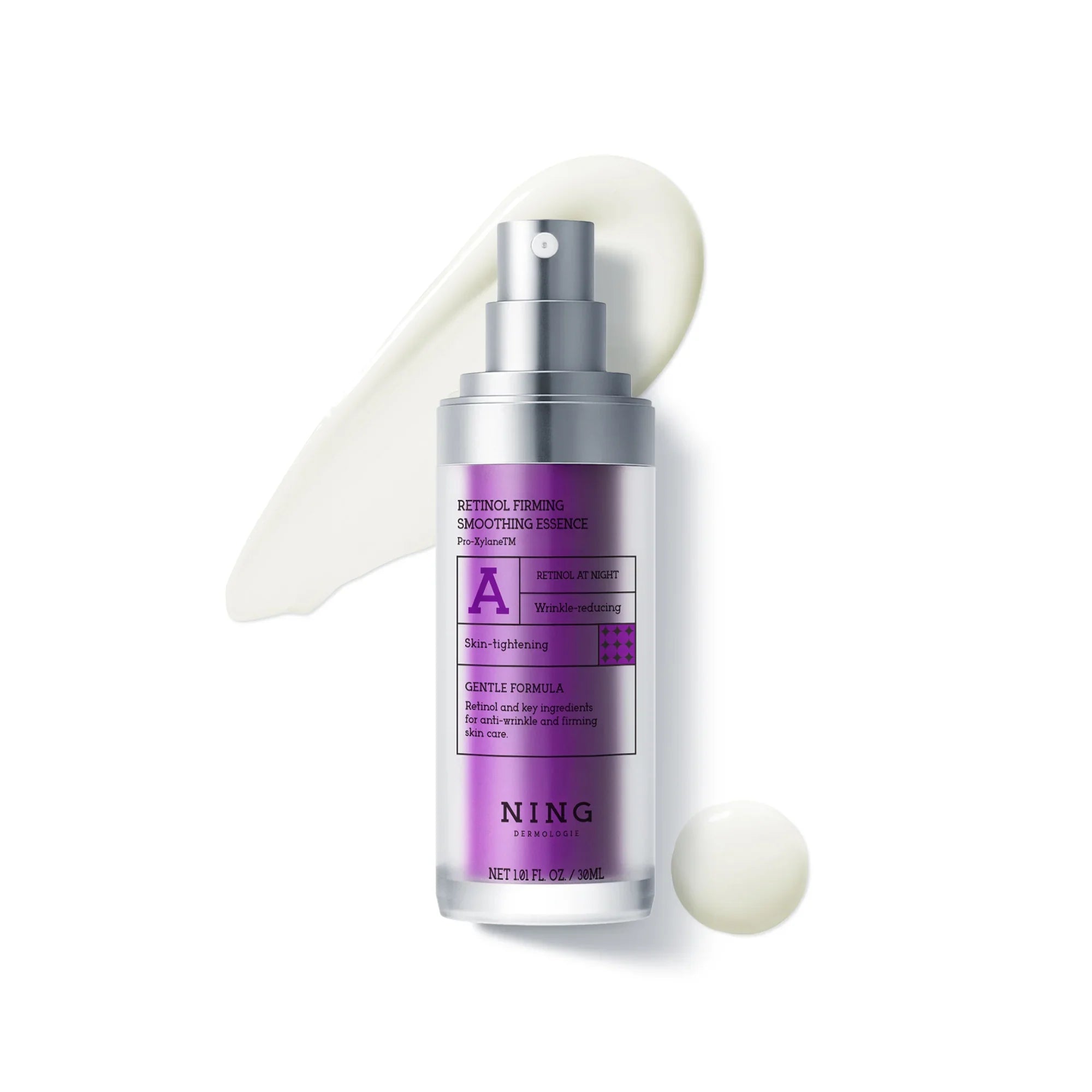
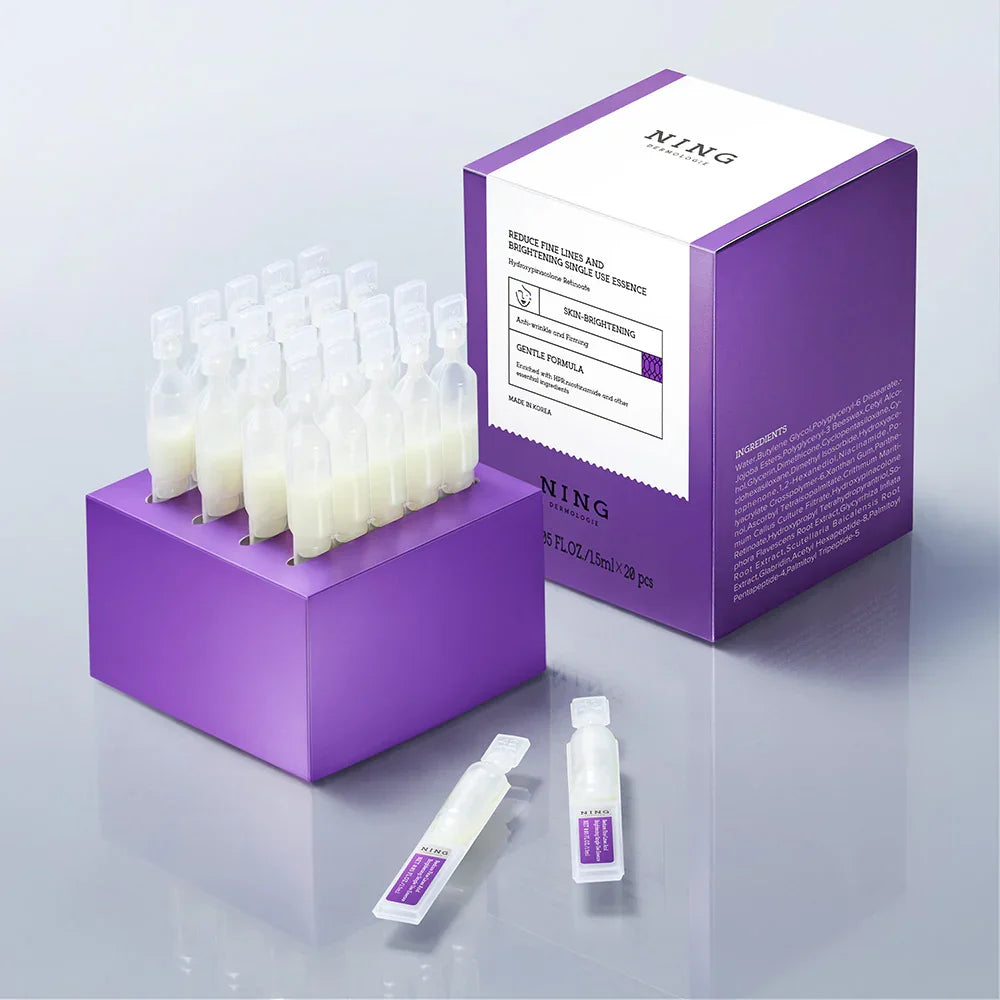
At Ning Dermologie, we focus on efficacious, stable formulations. We understand the user’s desire for the retinol vitamin c benefits, which is why we often recommend a targeted, separate approach for maximum skin health. By using a highly stable c serum (like our Vitamin C with Niacinamide formula) in the morning and a targeted retinol treatment at night, you achieve the full spectrum of benefits without compromising your sensitive skin or facing the instability issues of an aggressive all-in-one product. This combination supports stimulate collagen production and boost skin brightness far more predictably.
Conclusion
A targeted, well-executed skincare regimen featuring retinol and vitamin C is a proven path to combating the signs of aging, achieving a smoother skin feel, and ensuring true skin radiance.
While the promise of a single retinol serum with vitamin C product is alluring, the highest skin health benefits often come from using two excellent, separate serums—one dedicated to antioxidant defense and the other to cellular repair. Be patient as your skin adjusts, stick to your routine, and never skip the broad spectrum sunscreen. Consistency and quality are the keys to seeing a noticeable difference and revealing truly skin soft, firm, and radiant skin. This two-pronged approach is your best serum strategy for achieving truly transformative results.





Share:
Is Your Face Wash Actually Doing Anything? Why It's Time to Ditch the Scrub for a Peeling Gel
The Respite We Deserve: Finding the Best Clay Mask for Sensitive Skin