



You know the frustrating cycle. You wash your face, scrutinize your nose in the mirror, and the blackheads are still there. A few days later, rough skin patches start showing up on your cheeks, and your overall complexion looks dull and exhausted.
Let's get straight to the truth: a quick 10-second splash with water and hypoallergenic soap isn't going to fix this.
When you are dealing with stubborn blackheads, heavy buildup, and a textured surface, your skin is suffocating under its own debris. Your oil glands and sebaceous glands are working overtime, pumping out excess oil production that gets trapped inside your hair follicles. Mix that trapped oil with dead skin cells, and you get blackheads and endless acne breakouts.
You need a targeted, hard-hitting skincare routine that tackles the gunk without destroying your skin barrier. Here is exactly how to do it.

Step 1: The Essential "Melt" (Night Routine)
You cannot wash away oil with just water. Basic chemistry tells us that oil dissolves oil. If you wear broad-spectrum sunscreen (like a solid broad-spectrum SPF or SPF 30), makeup, or just naturally have very oily skin, you must start your evening routine with an oil-based cleanser.
Don't rely on basic face washes alone to break down heavy buildup. Instead of grabbing a standard water-based gel, you need something that physically melts the hardened sebum.
This is where your secret weapon comes in: NING Dermologie Deep Clean Double Action.
Apply this directly onto dry skin. Do not wet your face first. Massage it in circular motions for a full 60 seconds. Pay extra attention to your nose, chin, and forehead. As you massage, the formulation binds to the excess oil, makeup, and pollution deep inside your pores. It breaks down the stubborn plugs better than raw jojoba oil or mineral oil ever could, giving you a professional-level cleanse at home. Add a little warm water to emulsify it into a milky texture, then rinse completely.
Step 2: The Second Cleanse
Now that the heavy lifting is done, you need to clean the actual skin. For this step, a gentle water-based cleanser is perfect.
If you have a compromised barrier, products like the CeraVe Hydrating Facial Cleanser or CeraVe Hydrating Cream-to-Foam Cleanser are solid fallback options. Just lather up gently and rinse. For body acne, stepping into the shower and using a dedicated antibacterial wash on your chest and back can prevent pores from clogging overnight.
Step 3: Chemical Exfoliation (The Game Changer)
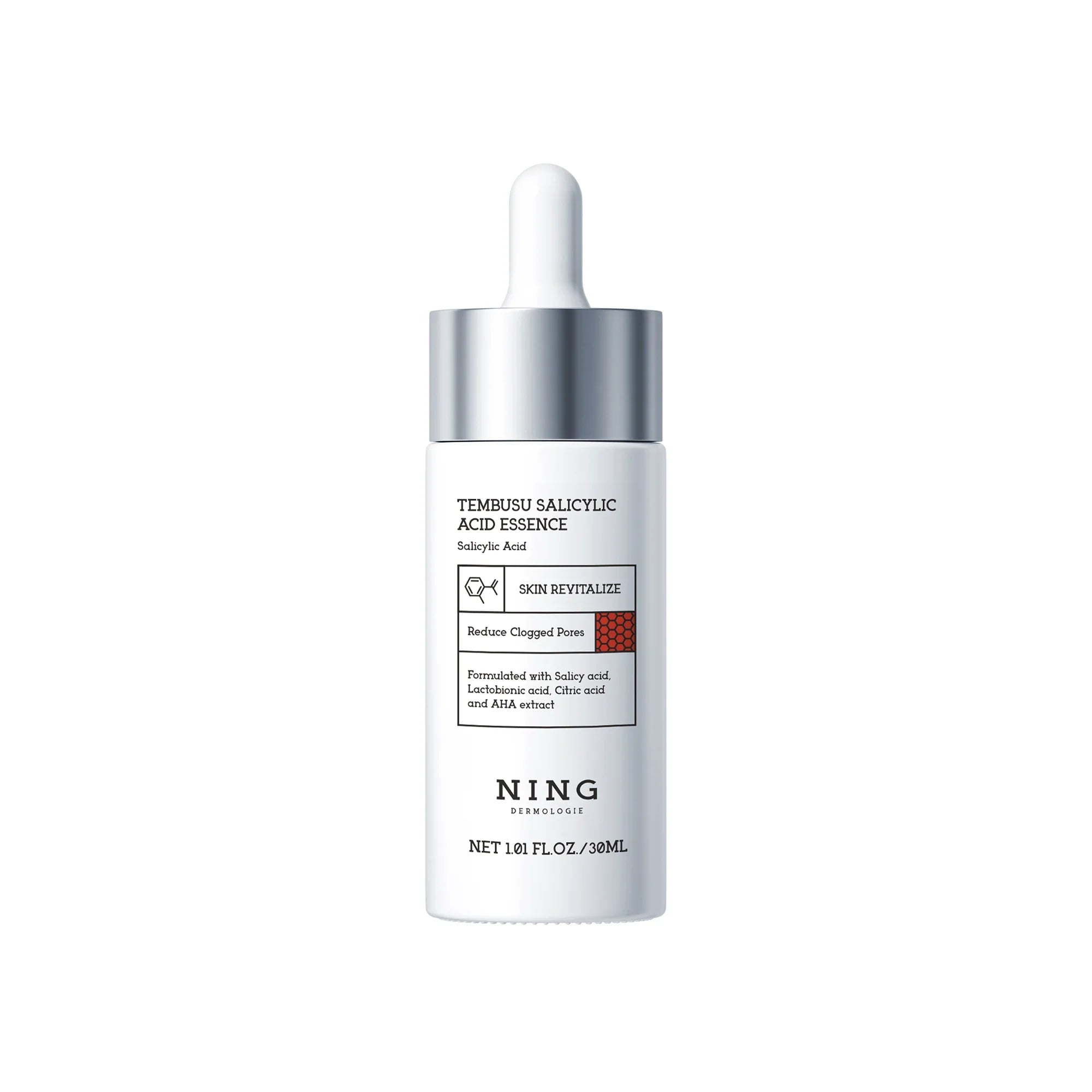
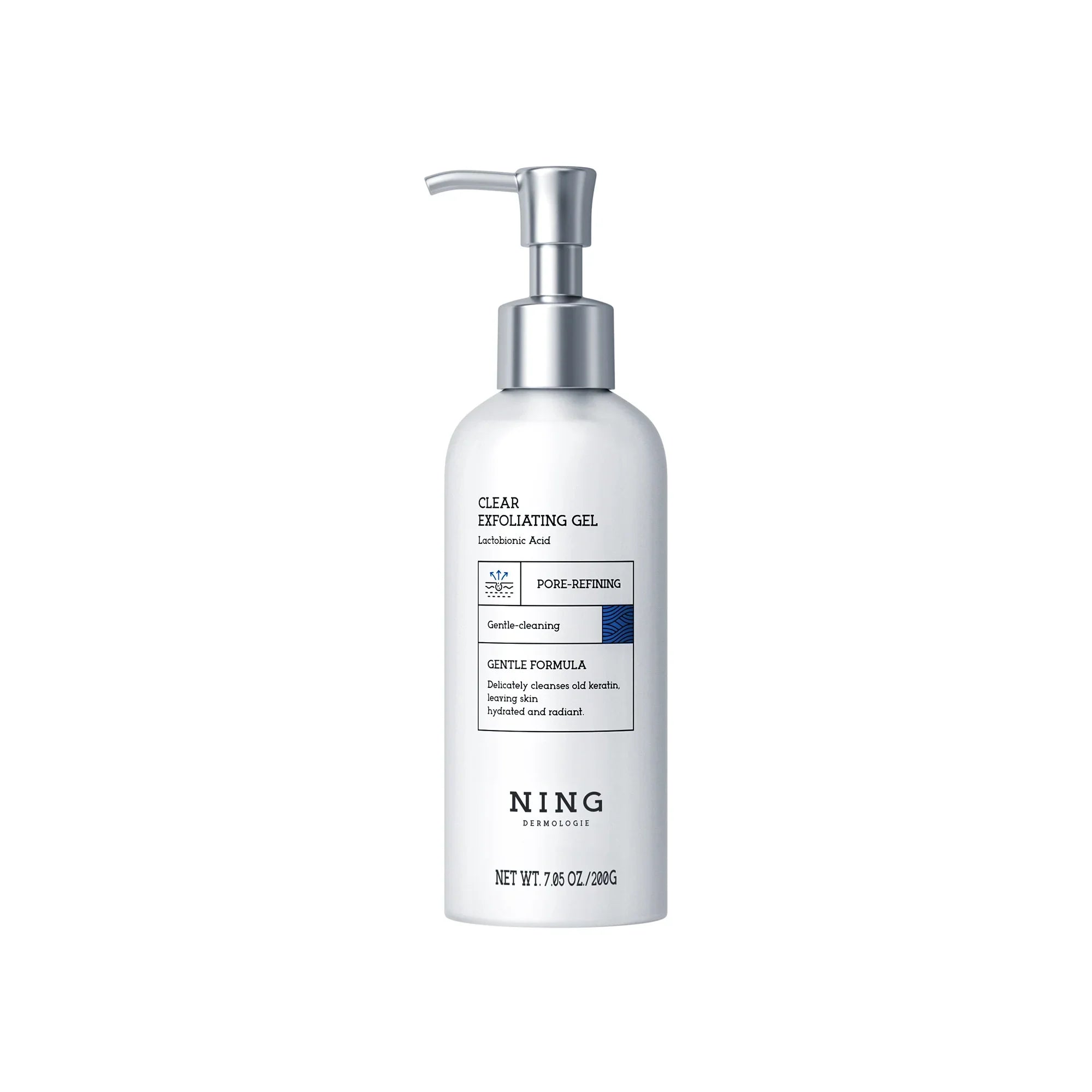
Put down the harsh walnut scrubs. Physical scrubbing tears micro-fissures in your skin barrier and leads to more inflammation. To truly clear blackheads, you need chemical exfoliants—specifically BHA (salicylic acid) and AHA (like glycolic acid or lactic acid).
Salicylic acid is oil-soluble. This means it can actually penetrate inside the pore lining to dissolve the glue holding the buildup together. If you have acne-prone skin, a liquid BHA liquid applied 2-3 times a week is your best treatment option. Apply it on completely dry skin after cleansing. Let it sit and absorb.
For quick spot treatments on active, angry pimples, slap on Starface Hydro-Star Salicylic Acid Patches before bed to flatten them out by morning. Benzoyl peroxide is also great for targeting the acne-causing bacteria directly, but don't mix it in the same layer as your BHA—alternate nights to avoid irritation.
Step 4: Rebuilding Hydration
Exfoliating can lead to water loss and transpired moisture evaporating from your face. If you leave your skin bare, your body panics and triggers even more oil production to compensate.
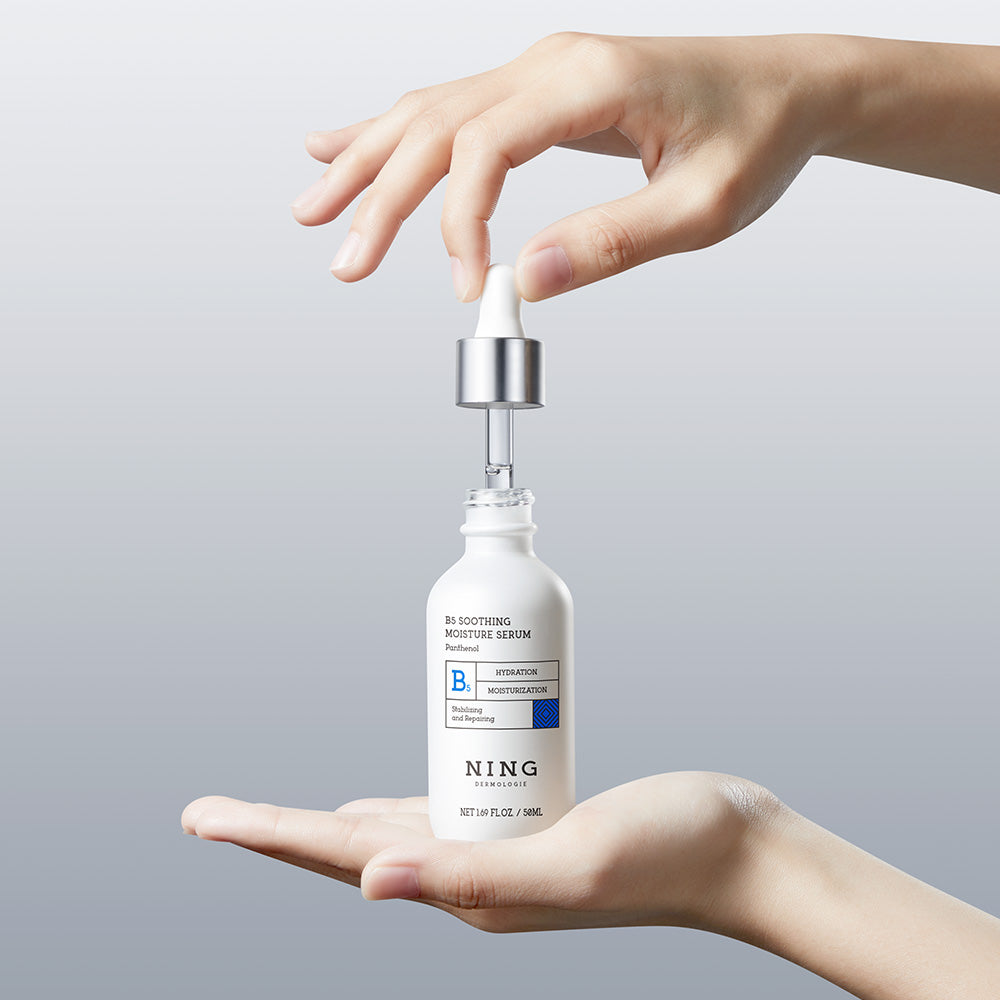
You need to lock in moisture. Look for ingredients like hyaluronic acid to pull water into the skin. If you are looking to upgrade your lineup, you might be tempted by trendy bundles like The Ordinary The Daily Set, a generic Hydrating Skincare Set, or even viral items like the Calcium Multi Balm Stick and the medicube Salmon DNA PDRN Trial Kit. But truthfully, as long as you have a solid Daily Skincare Duo (a hydrating serum and a reliable moisturizer), you are good to go.
If you need a budget-friendly moisture lock, e.l.f. SKIN Holy Hydration! does the trick. Once your pores are clean, your skin can actually absorb a proper Anti Aging Skincare Treatment. Whether you invest in the RoC Retinol Correxion Night Cream (or the full RoC Retinol Correxion Value Set Duo), the active ingredients will finally penetrate properly because the barrier of dead skin is gone.
Body Care: Dealing with Rough, Bumpy Skin Everywhere Else
Buildup doesn't just happen on your face. Let's talk about the rest of your body.
If you have tiny, rough bumps on the back of your arms or thighs, that is likely Keratosis pilaris (often called "strawberry skin"). This happens when keratin builds up in the hair follicles. To fix this, you need heavy-duty exfoliation and moisture. Grab an exfoliating mitt in the shower, but don't scrub raw. Follow up immediately with a specialized moisturizer like CeraVe SA Cream or CeraVe SA Lotion. The alpha hydroxy acids and salicylic acid in these formulas will smooth out the texture over a few weeks.
What about severely cracked skin, or dry, rough, and cracked skin on your feet? The skin on our heels is incredibly thick. You'll need physical tools here. Soak your feet, use a pumice stone or a proper foot file to remove the dead calluses. Then, slather on Dr. Scholl's® Ultra Hydrating Foot Cream or a thick layer of petroleum jelly and shea butter, put on cotton socks, and sleep. (A quick safety note: never use your foot tools on other parts of your body, especially if you have ever dealt with fungal issues like athlete's foot).
When Skincare Tools Actually Help
You've probably seen ads for every gadget under the sun. Do you need them? Not necessarily, but they can enhance your routine.
Using a silicone Face Scrubber can help dislodge surface flakes gently. If you struggle with puffiness, a Stainless Steel Gua Sha Tool, Lymphatic Drainage Face Brush, or Lymphatic Contour Face Brush can stimulate blood flow and help drain fluid. Just remember to use a slip agent (like your serum) when doing Gua Sha so you don't drag and damage the skin.
Knowing When It's More Than Just "Bad Skin"
Sometimes, no amount of deep cleansing works because you are dealing with underlying medical skin conditions.
If your face is constantly red, scaling, or painfully itchy, you might be dealing with Seborrheic dermatitis, Contact dermatitis, or atopic dermatitis. If you look up these conditions in a Dermatology Atlas or browse clinical medical images on Alamy Stock Photo and the Science Photo Library, you will see that they mimic severe acne or extreme dry skin but require totally different treatments.
According to experts at the Cleveland Clinic and the American Academy of Dermatology, inflamed, weeping, or chronic rashes require a doctor's visit. A dermatologist might order an allergy test or blood tests to find the root cause. They might prescribe cortisone creams or steroid creams to calm the immune response.
Also, remember that deep exfoliation makes your skin temporarily highly sensitive—almost like the aftercare required for laser tattoo removal or a clinical laser treatment. Always wear broad-spectrum sunscreen during the day, and keep a good hand cream nearby if your hands get dry from applying strong active ingredients.
Mastering your skin care routines isn't about buying 50 products. It's about using the right ones, in the right order, and letting them do the work. Start your double cleanse tonight, and watch the texture disappear.

Frequently Asked Questions (FAQ)
Q: Can I just scrub my blackheads away with a facial scrub?
A: Skip the scrubs. They just rip up your skin barrier and make inflammation worse. Instead, let a liquid BHA do the work. It sinks right into the pore and melts the gunk without the scraping.
Q: How often should I use the NING Dermologie cleanser?
A: Every single night. Think of the Deep Clean Double Action as your makeup and SPF remover. Massage it onto dry skin to melt the day's buildup, then rinse. It handles the heavy lifting so your second cleanser doesn't have to.
Q: Why does my skin still feel rough after exfoliating?
A: You're probably doing it too much. Blasting your face with acids every day destroys your barrier, leaving it tight and flaky. Drop the exfoliants for a week. Slather on a plain, heavy moisturizer and let your skin heal.
Q: Do I really need tools like a Gua Sha or face brush?
A: Need them? No. But a Stainless Steel Gua Sha Tool feels amazing for morning puffiness. If you use one, always apply a slippery serum first so you don't drag the skin. Keep it far away from active breakouts.
Q: When should I stop home remedies and see a dermatologist?
A: If your skin hurts, bleeds, or stays inflamed after a month of a solid routine, book a doctor. You might be fighting something like seborrheic dermatitis, and no amount of over-the-counter face wash will fix a medical issue.






Share:
How to Choose the Right Moisturizer for Your Specific Skin Type
The "Empty Bottle" Club: Why Customers Keep Reordering NING