



You’ve likely stood in the skincare aisle, staring at a wall of sleek bottles, feeling more like a chemist than a shopper. If you’ve ever slapped on a thick cream only to look like a glazed donut ten minutes later, or used a "light" lotion that left your face feeling like parched parchment, you know that the struggle is real. Finding the Best moisturizer isn’t about the prettiest packaging or the highest price tag; it’s about understanding the unique language of your own skin.
At NING Dermologie, we believe skincare shouldn't be a guessing game. It’s about matching biology with botany. Whether you’re dealing with overactive sebaceous glands or a skin barrier that feels permanently compromised, let’s break down how to choose a moisturizer that actually works.

Step 1: The Truth About Your Skin Type
Before you buy anything, you need to know what you’re working with. Most people misdiagnose themselves. They see a single breakout and assume they have oily skin, or experience winter flakiness and assume they are dry. To get a real reading, try the tissue paper test. Wash your face with a gentle cleanser, wait an hour without applying any product, and then press a piece of tissue to different areas of your face.
- Oily: The tissue shows oil spots from the forehead, nose, and chin (the T-zone) and the cheeks.
- Dry: The tissue stays bone-dry, and your face feels tight or looks dull.
- Combination: Oil on the T-zone, but the cheeks are dry or normal.
- Sensitive: Your skin looks red or feels itchy, often reacting to new products.
As noted by authorities like Harvard Health, your skin type is largely determined by genetics, but environmental factors and your skincare routine play massive roles in how your skin behaves.
Step 2: Thirsty Skin? The Deep Hydrators
If your skin is dry, your oil production is naturally low. You need a Facial Moisturizer that acts as a barrier enhancer, sealing in moisture that would otherwise evaporate. Look for a natural moisturizer rich in fatty acids and "occlusives."
For dry types, we often recommend ingredients like jojoba oil, avocado oils, and safflower oil. These mimic the skin’s natural sebum. Evening primrose and pomegranate oil are also fantastic for mature or very dry skin because they are packed with antioxidants that support skin health.
If you are looking for the Best moisturizer for dry skin, seek out the Revitalizing Oils Facial Moisturizer. It combines clean actives with plant-based ingredients from botanical sources like argan oil to provide a "dewy" finish without the heaviness. When applying anti-agingnight creams, look for those with a USDA Organic Seal to ensure you aren't feeding your skin synthetic fillers.
Step 3: Oily and Acne-Prone? The "Water-First" Strategy
It’s a common myth that oily skin doesn't need moisture. In fact, if you skip your skincare routine, your skin might overcompensate by producing more oil. The key here is hydration, not oil.
You want ultra-lightweight gels or a gel-based moisturizer—sometimes called a Face Jelly. These products use hyaluronic acid and organic aloe to pull water into the skin without clogging pores. If you are currently using acne treatments like benzoyl peroxide, your skin might actually be dehydrated underneath the oil. A Face Lotion that is oil-free but rich in organic tomatoes (rich in lycopene) can help soothe inflammation.
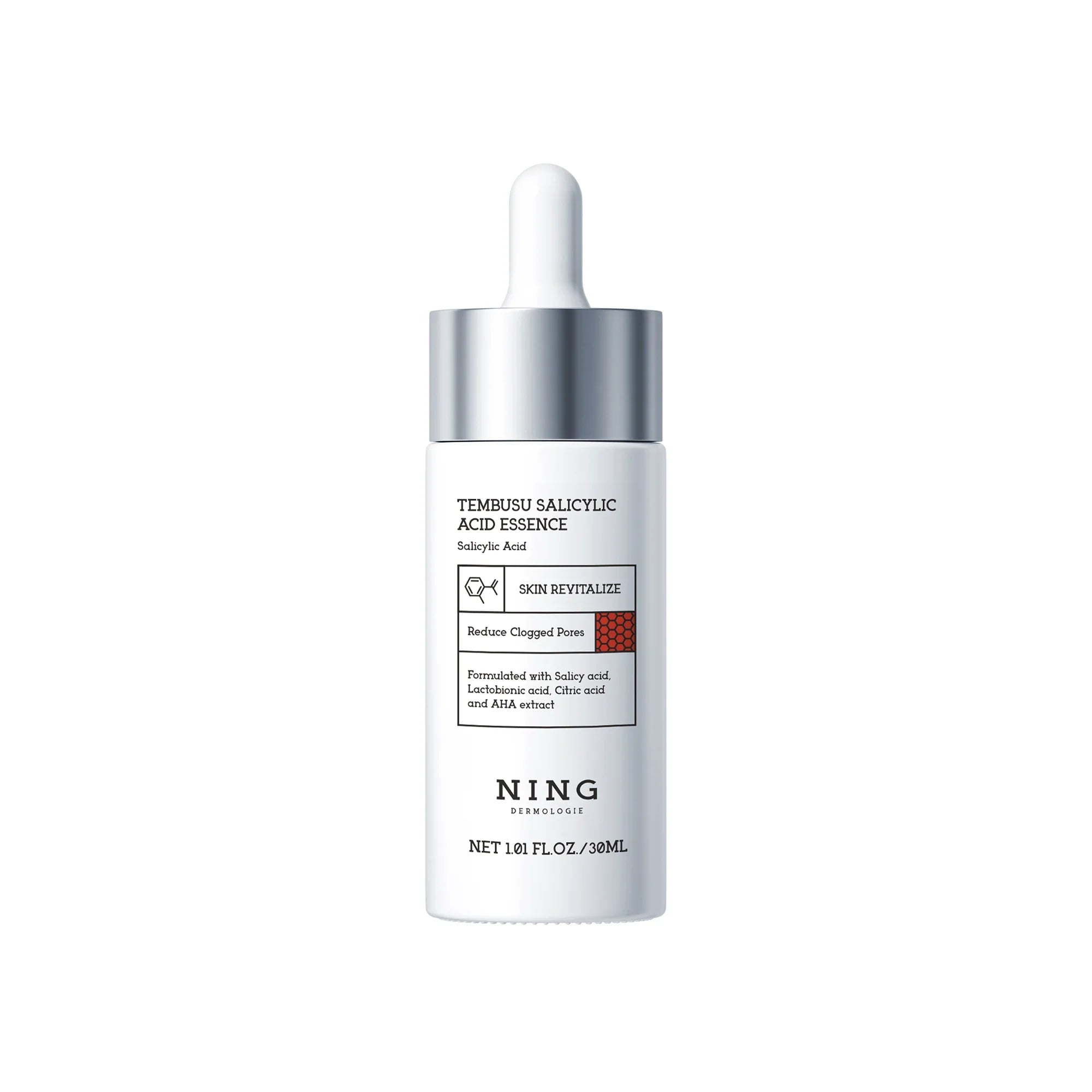
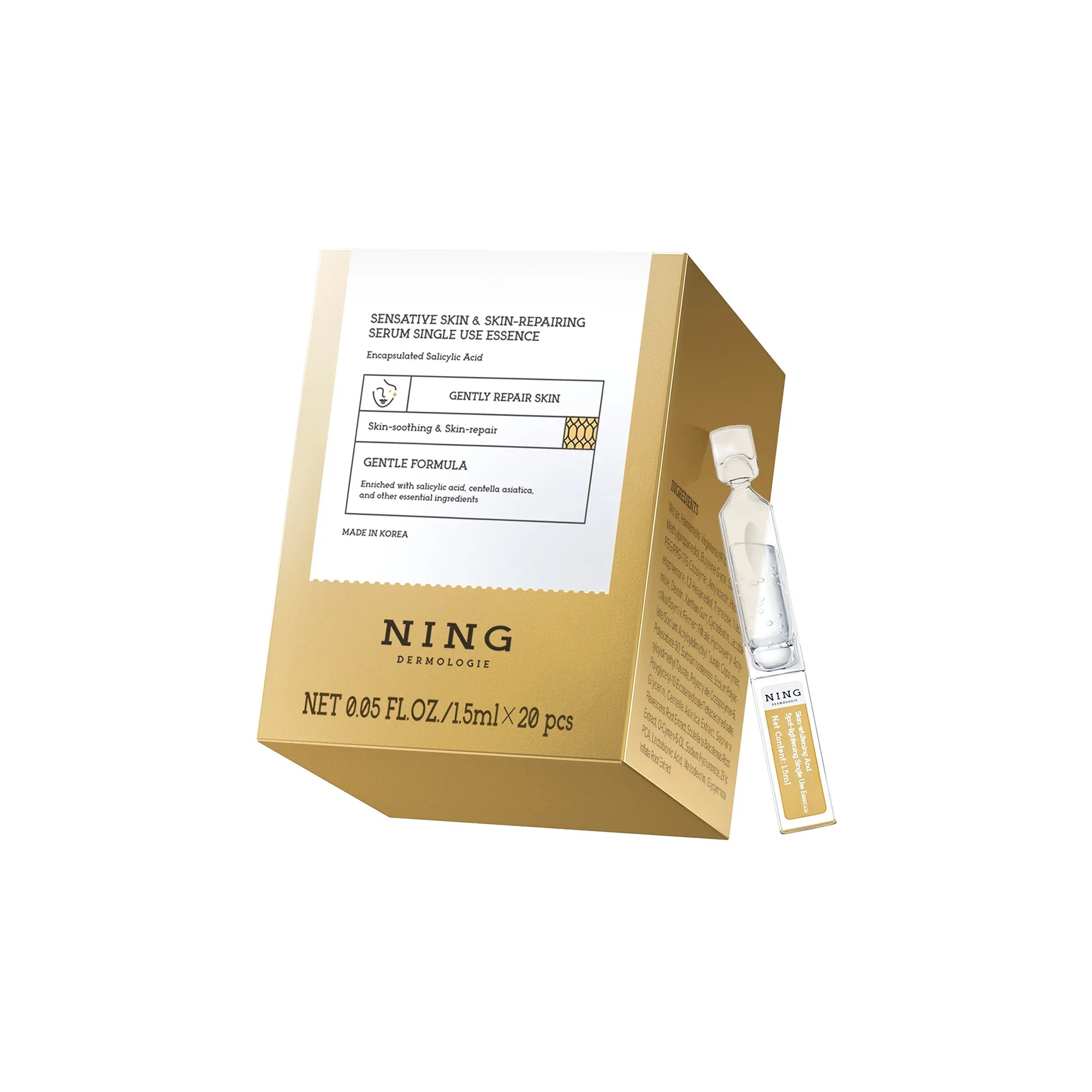
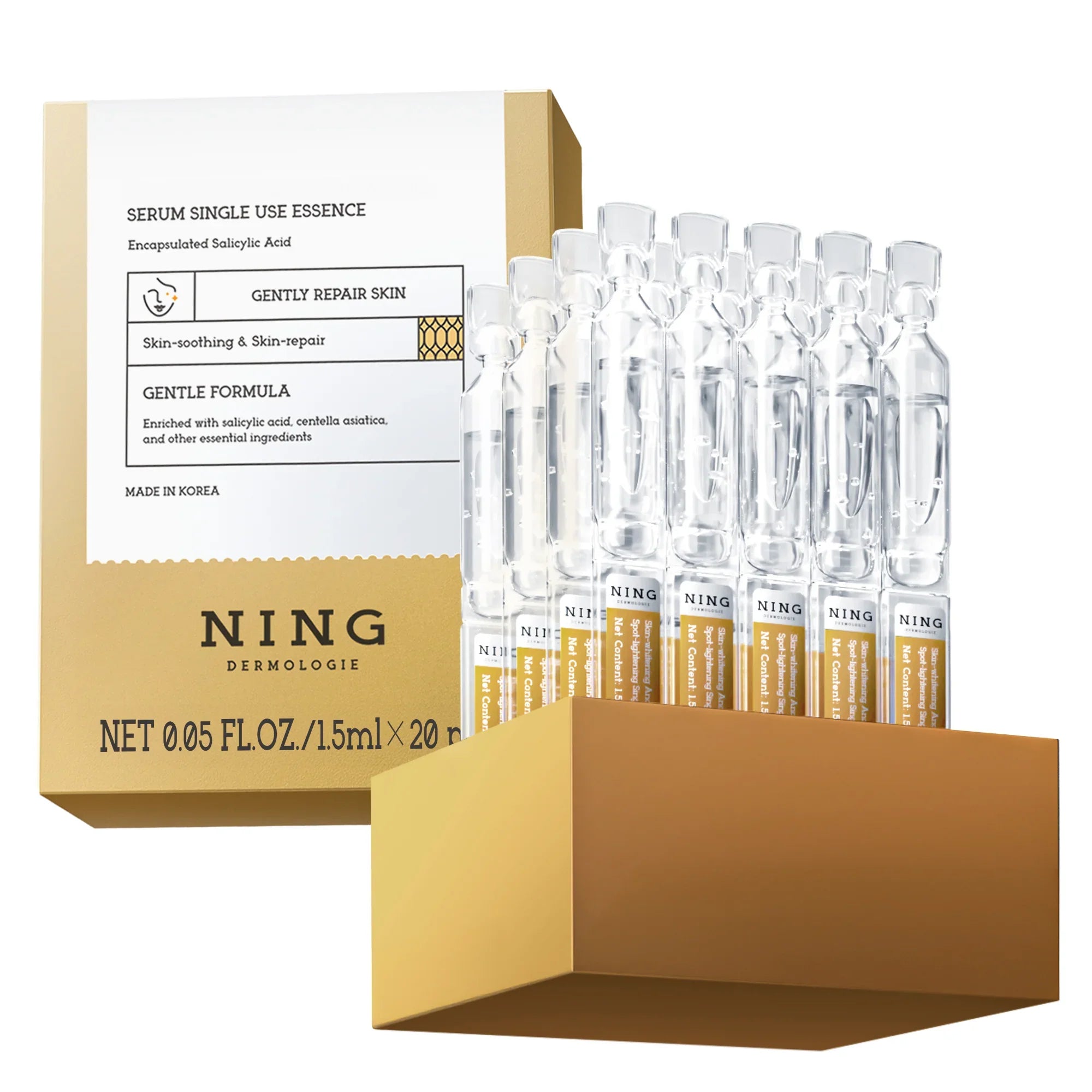
Check out the Daily Essential Facial Moisturizer by Desert Essence for a balanced approach, or explore the NING Dermologie collection for high-performance, non-comedogenic options.
Step 4: Protection is Not Optional
No matter your skin type, your morning skincare routine must include protection against UV rays. Modern moisturizers with sunscreen have come a long way from the chalky pastes of the past.
For daily wear, an SPF 30 is the gold standard. If you have sensitive skin, look for mineral blocks like zinc oxide or titanium dioxide. These sit on top of the skin and reflect light rather than being absorbed. Even an SPF 15 in your Daily Essential Facial Moisturizer is better than nothing, but for those spending time outdoors, higher is better. USA TODAY recently highlighted that sun damage is the number one cause of premature aging, so don't treat this as an "extra" step. It is the foundation.
Step 5: Healing and Specialty Care
Sometimes your skin needs more than just basic maintenance. If you’ve recently undergone a laser treatment or laser tattoo removal, your skin is effectively in a "trauma" state. During this time, a medical doctor like Dr. Mansha Thacker would advise avoiding harsh actives and sticking to a natural moisturizer that focuses on repair.
Organic aloe and pomegranate oil are excellent for post-procedure care because they reduce redness and support the skin barrier. In these cases, you’re looking for a barrier enhancer that creates a protective "second skin" while your own tissue heals.
How to Layer Like a Pro
To get that hydrated glow, the order of operations matters:
- Cleanse: Remove the day's grime.
- Tone/Serum: This is where you use targeted clean actives.
- Moisturize: Apply your Facial Moisturizer while the skin is still slightly damp to lock in that water.
- Protect: Finish with your SPF.
Finding the Best moisturizer for your skin's needs might take a little trial and error. If you’re still unsure, many brands now offer a skincare quiz on their websites to help narrow down the search based on your specific concerns, whether it's fine lines or stubborn shine.
The NING Dermologie Commitment
We believe that what you put on your body is as important as what you put in it. By choosing NING Dermologie, you are choosing formulas that prioritize botanical sources and avoid the "junk" that often leads to irritation. From our Face Jelly to our rich Revitalizing Oils Facial Moisturizer, every product is designed to respect your skin's natural rhythm.

Frequently Asked Questions (FAQ)
Q1: Can I use the same moisturizer for day and night?
You certainly can, but your skin has different goals depending on the sun. During the day, you need protection (like SPF and antioxidants). At night, your skin enters "repair mode," making it the perfect time for heavier, nutrient-dense creams without the sun-shielding ingredients that can sometimes feel heavy.
Q2: My skin is oily; why does it feel tight after washing?
This is a classic sign of a damaged skin barrier. You’re likely using a cleanser that’s too harsh, stripping away necessary lipids. Even if you have active sebaceous glands, your skin can be "dehydrated" (lacking water). Switch to a gentle, pH-balanced wash and a lightweight gel hydrator.
Q3: What exactly are "clean actives" in skincare?
Clean actives are high-performance ingredients—like Hyaluronic Acid or Vitamin C—derived from safe, non-toxic sources. Unlike synthetic shortcuts, these ingredients provide measurable results for skin health without the risk of long-term irritation or hormonal disruption. It’s about getting the "wow" factor without the "ouch" factor.
Q4: Do natural oils like jojoba oil cause breakouts?
Actually, jojoba oil is chemically very similar to human sebum. For many, it "tricks" the skin into thinking it has produced enough oil, which can actually help stabilize oil production. As long as the oil is high-quality and non-comedogenic, it’s often a safer bet than petroleum-based lotions.
Q5: How long does it take to see results from a new moisturizer?
While you'll feel immediate hydration, real changes in skin texture and barrier strength usually take about 28 days. This is the time it takes for your skin cells to turnover completely. Be patient, stay consistent with your routine, and don't swap products every three days!





Share:
How to Use a Clay Mask and Peeling Gel for Smoother, Cleaner Skin
Best Deep Cleansing Routine for Blackheads, Buildup, and Rough Skin