



We’ve all had those "mirror moments" where the lighting is just a bit too honest. You see the clogged pores around your nose, that layer of dull skin that makes you look like you haven't slept since 2022, and a skin texture that feels more like sandpaper than silk. When your skincare routine feels like it's hit a wall, the instinct is to scrub harder. But wait—don't do that.
Achieving that glass-skin glow isn't about aggression; it's about the strategic tag-team of Peeling gels and Clay & Mud Masks. If you’ve been wondering how to actually use these without stripping your face off, you’re in the right place.

The "Congestion" Crisis: Why Your Face Feels "Gunked Up"
Before we dive into the "how-to," let's talk about why your skin gets cranky. Throughout the day, your face is a magnet for oil, pollution, and dead skin cells. When these mix, they create a stubborn plug in your pores. Normal cleansers often just slide over the top.
This is where facial treatments like the NING Dermologie Deep Clean Double Action come into play. Instead of a one-size-fits-all approach, you need a workflow that addresses both the surface debris and the deep-seated oil.
Phase 1: The Gentle Sweep (Peeling Gels)
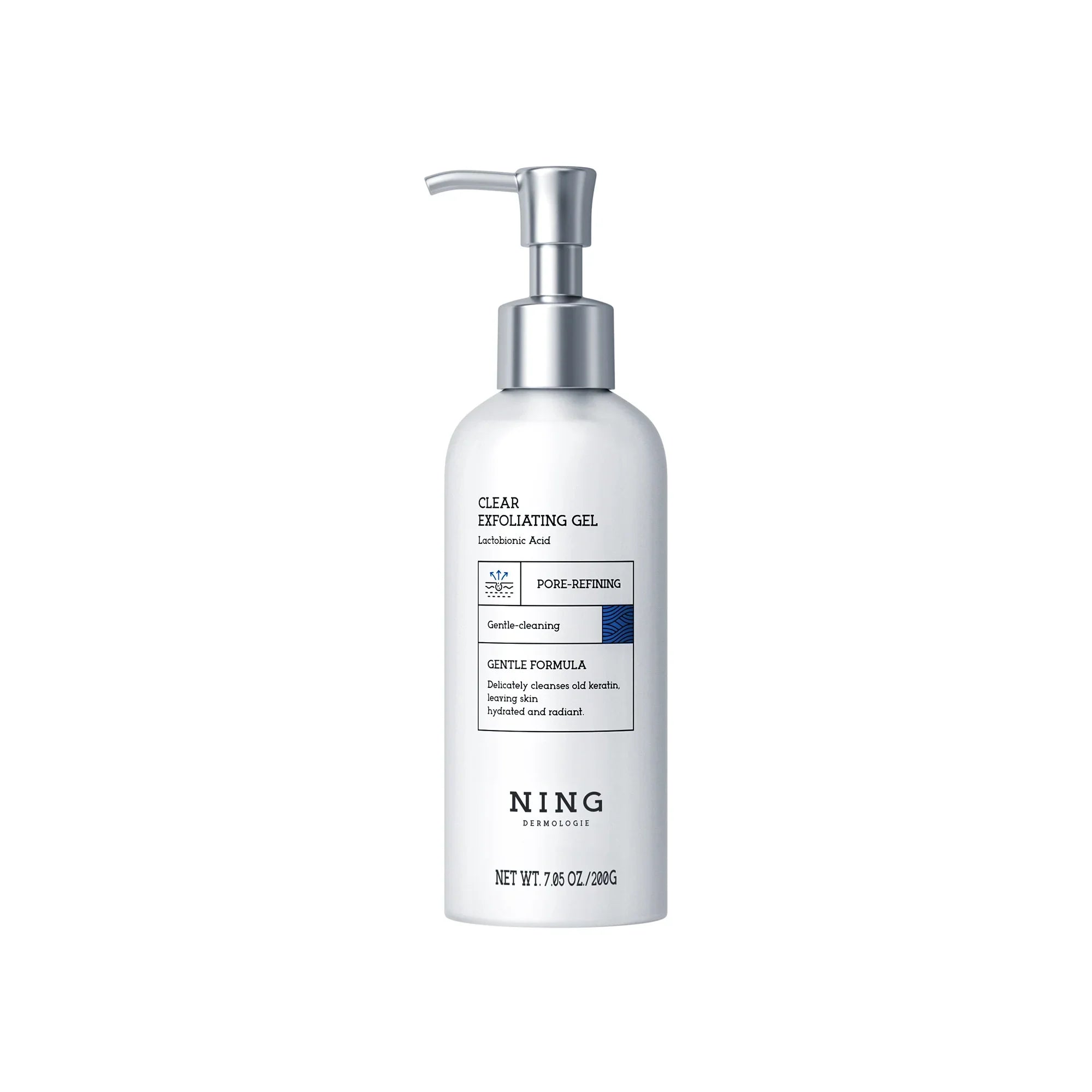
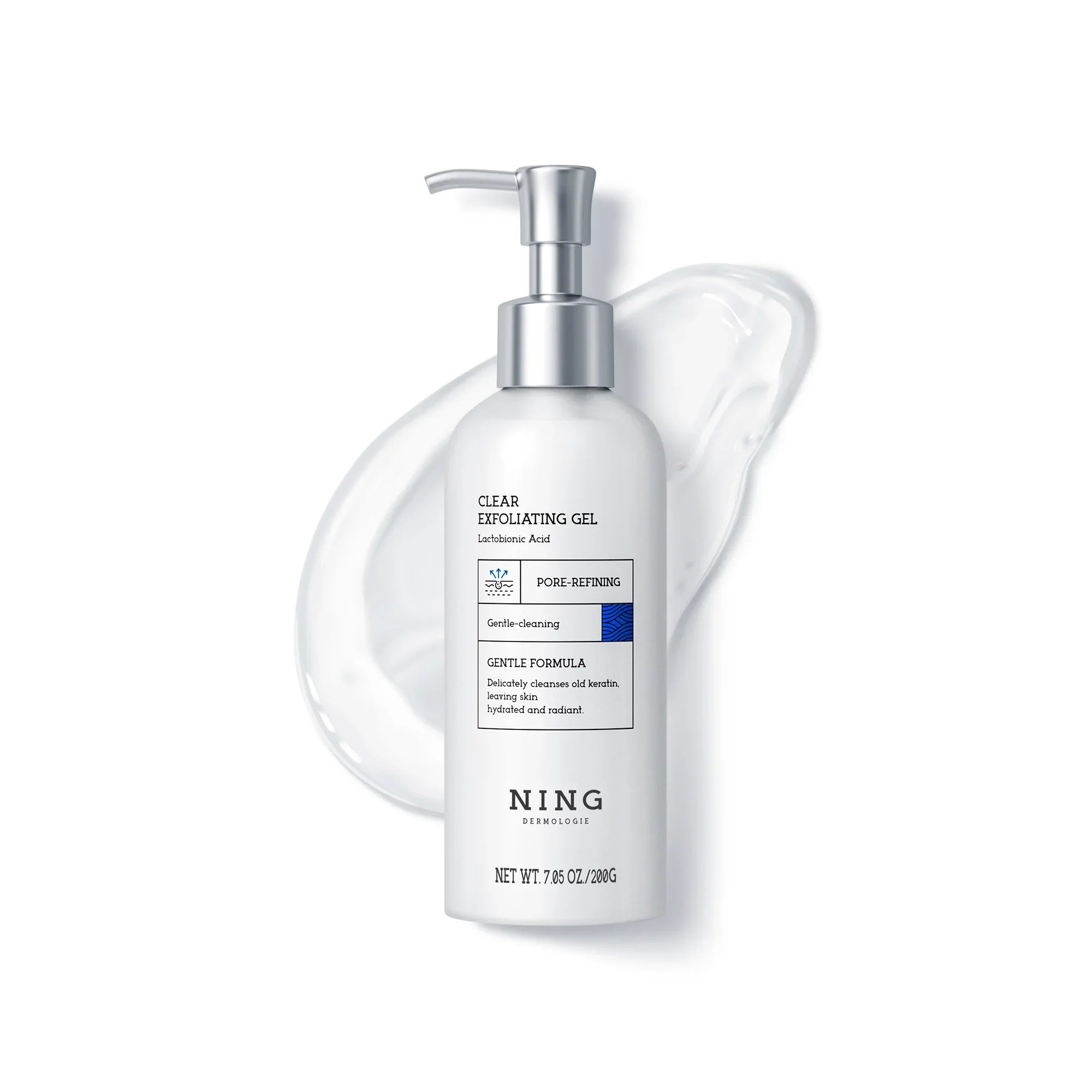
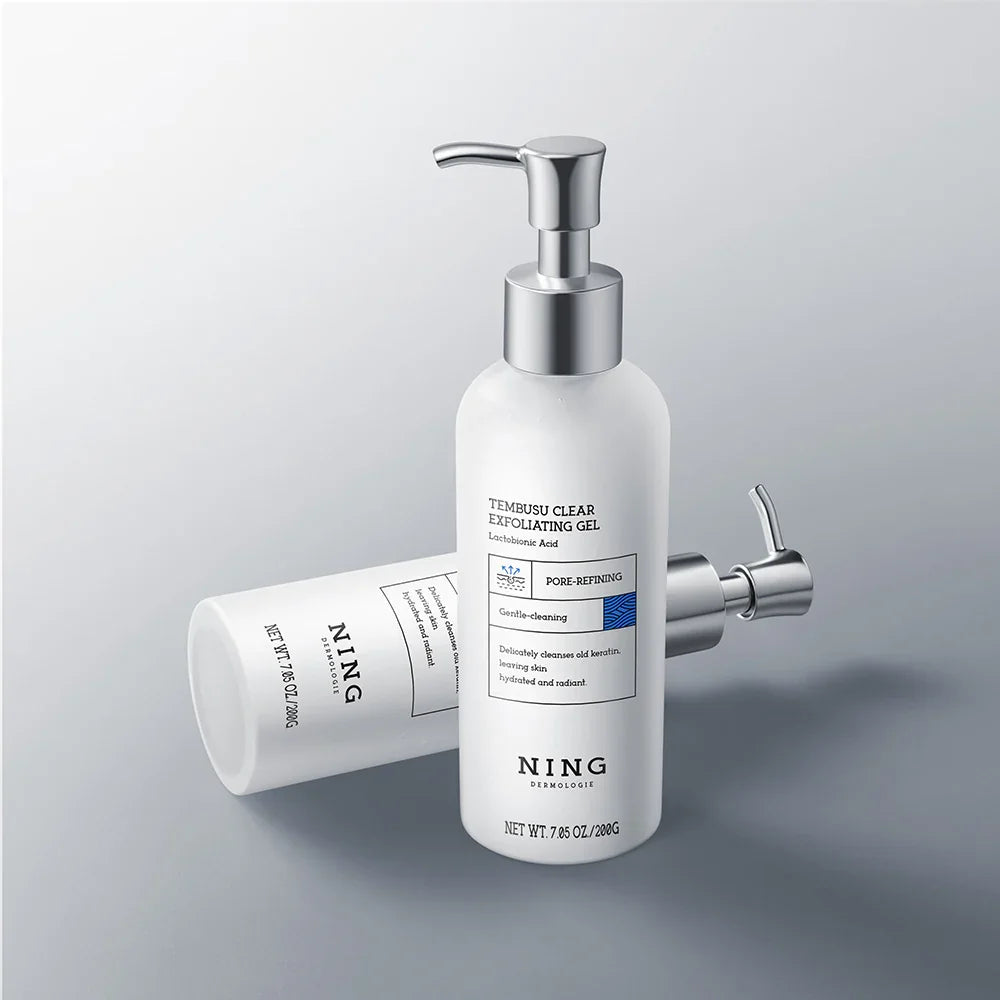
Many people confuse peel-off masks or charcoal peel-off masks with peeling gels. They aren't the same. While a peel-off mask can sometimes be too "rip-and-strip" for sensitive types, a high-quality peeling gel uses exfoliating enzymes and gentle friction to roll away dead skin.
How to use it like a pro:
- Start Dry: This is the mistake everyone makes. Peeling gels work best on clean, dry skin. If your face is wet, the gel can't "grip" the dead cells.
- The Massage: Use circular motions. You’ll start to see little white clumps. Relax—that's not all your skin falling off; it's the product bonding with surface oils and loose cells.
- The Focus: Spend extra time on areas with skin problems like the chin and forehead.
By removing that top layer, you’re essentially "opening the door" for the next step. If you skip this, your clay mask is just sitting on top of dead tissue instead of getting into the pores.
Phase 2: The Deep Vacuum (Clay Masks)
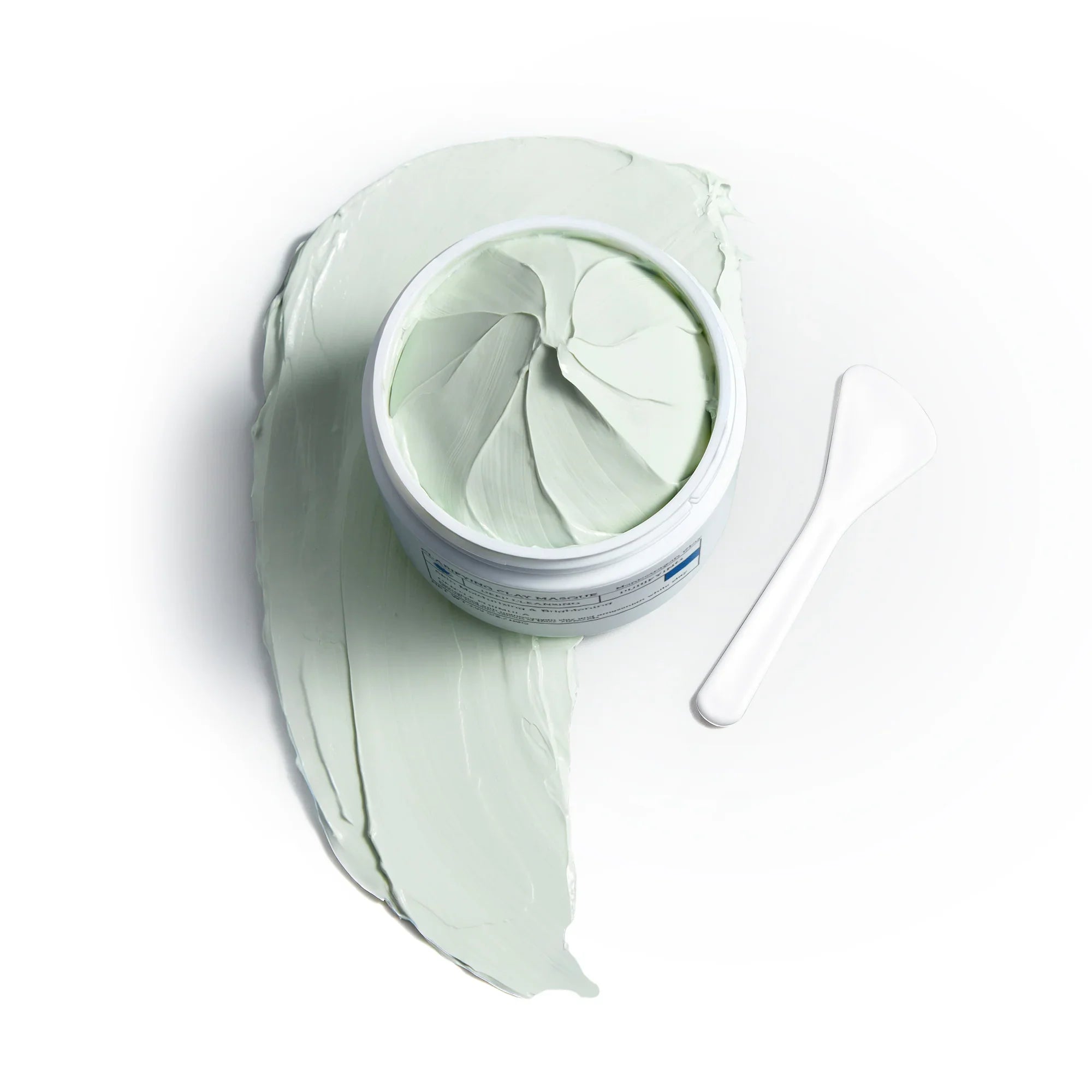
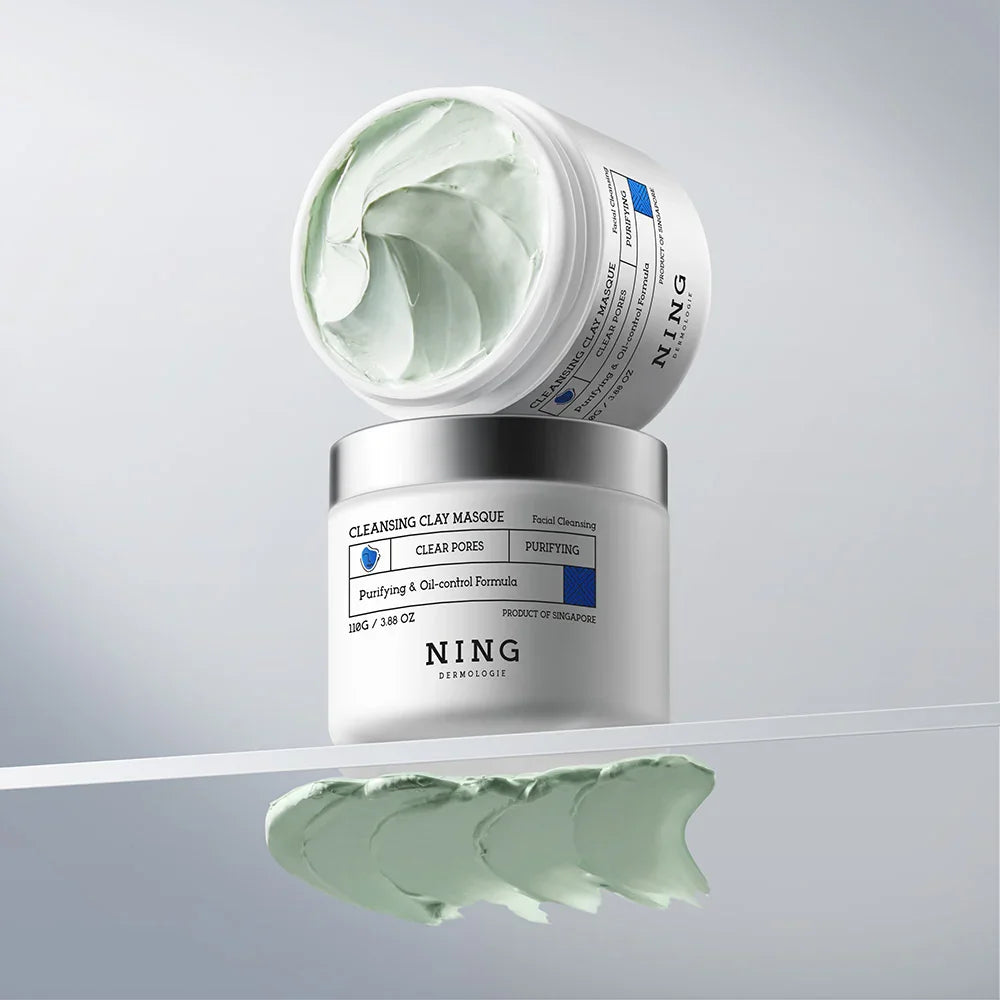
Now that the surface is clear, it’s time for the Clay masks. Whether you prefer kaolin clay (gentler, great for dry skin) or bentonite clay (the heavy lifter for oil), the goal is oil control.
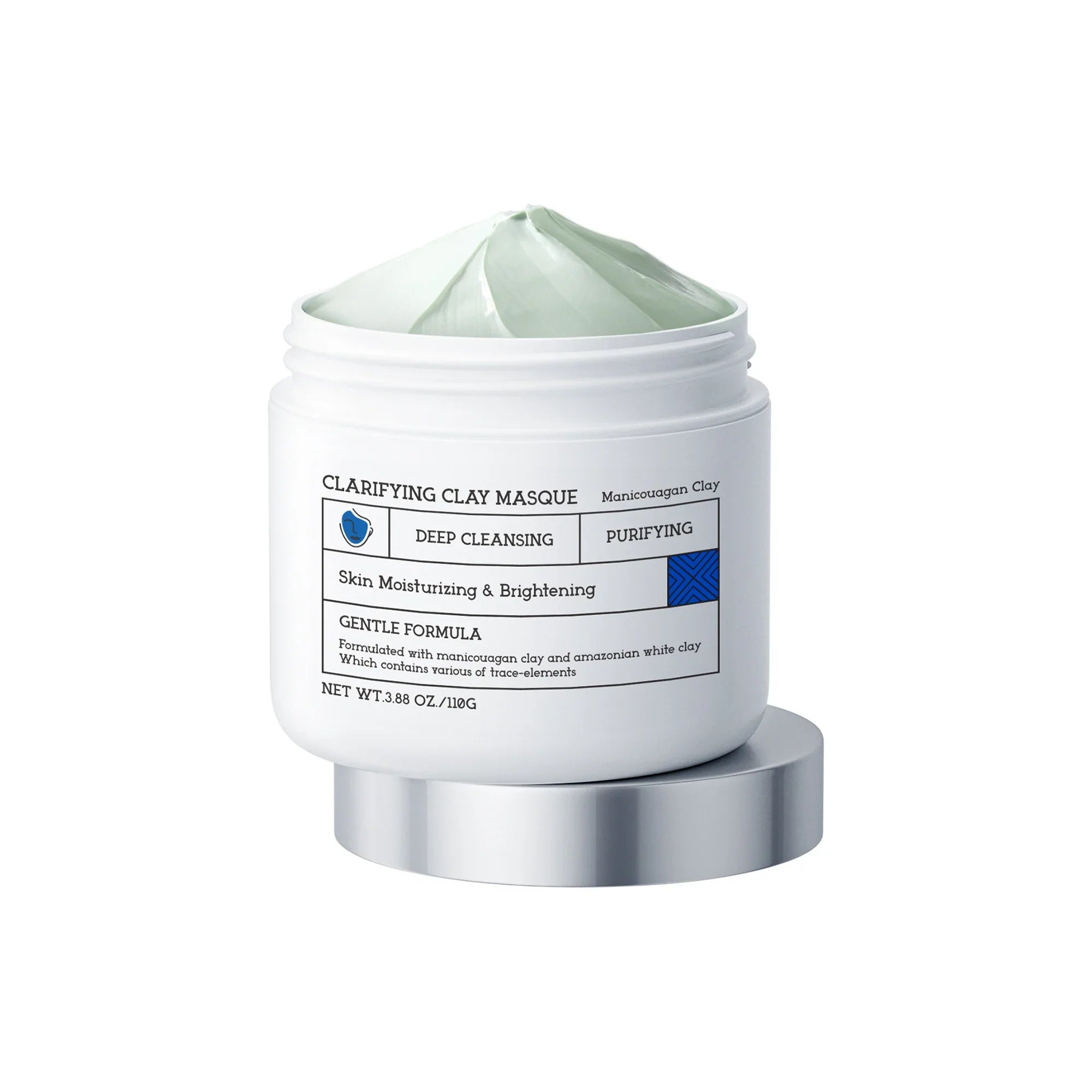
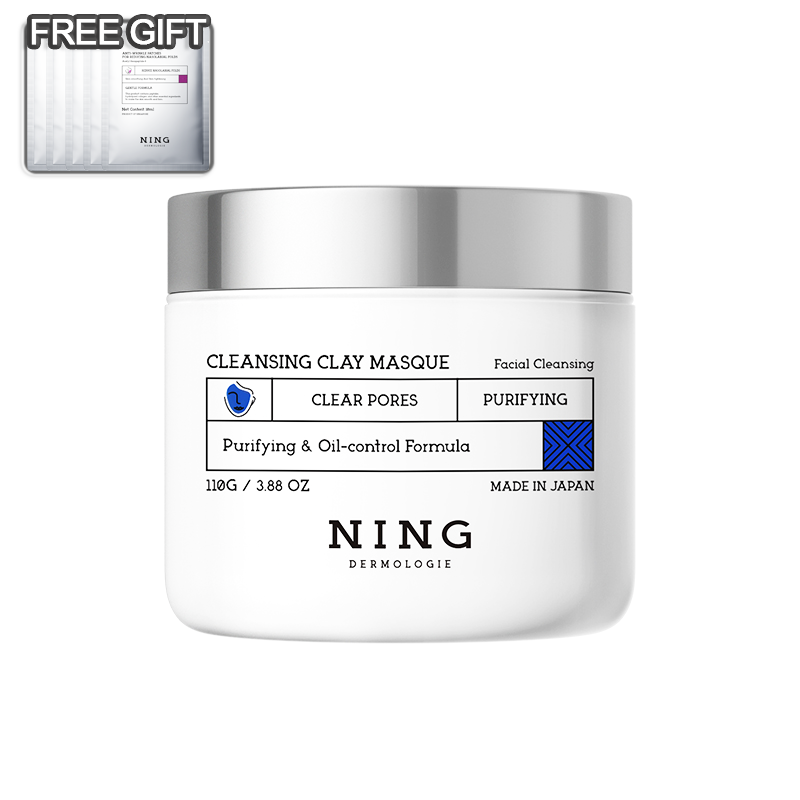
The NING Dermologie Secret: Deep Clean Double Action
The reason we developed the Deep Clean Double Action was to bridge the gap between "clean" and "stripped." Most mud masks leave you feeling like a desert floor. By incorporating aloe vera and hyaluronic acid directly into the clay base, we ensure that while the kaolin clay sucks out the grease, your moisture barrier stays intact.
Pro-Tip on Mask Removal: Stop waiting for your mask to crack! If you can't smile without the mask crumbling, you've waited too long. It should still feel slightly tacky to the touch. Use lukewarm water and a soft cloth for mask removal to avoid irritating the fresh skin underneath.
Beyond the Basics: Chemical vs. Physical Exfoliation
If you’re a veteran of skincare routines, you know about chemical exfoliation. While peeling gels provide a physical "roll," adding ingredients like salicylic acid (a BHA) or glycolic acid (an AHA) provides a deeper chemical "dissolve."
- Alpha Hydroxy Acids (AHAs): Think lactic acid or mandelic acid. These are water-soluble and amazing for Benefits for Glowing Skin and collagen building.
- Beta Hydroxy Acids (BHAs): Specifically salicylic acid. Since it’s oil-soluble, it’s the gold standard for Acne Treatment Masks because it can actually get inside the pore.
If you’re using an exfoliating face mask that combines these, like some Exfoliating Antiaging Masks, you’re getting a two-for-one deal on brightening and pore-clearing.
The Weekly Game Plan: Don’t Overdo It
I’ve seen too many people at the Skin Devotee Facial Studio or reading the Guide to Recherch'e Organics who think "more is better." It’s not.
The "Smoother Skin" Schedule:
- Day 1: Gentle cleanser + Peeling gel + Hydrating Cream Masks.
- Day 3: Deep Cleanse + NING Dermologie Deep Clean Double Action (Clay) + peptide serums.
- Day 5: Optional sheet masks or collating eye masks for a moisture boost.
If you have a specific Baumann Skin Type, you might need to adjust. Not sure what yours is? Take a skin type quiz online or consult Joanna Kula style professional advice to see if your skin prefers Hydrating Gel or Colloid Masks over heavy clays.
Recovery: The "After-Care" is Everything
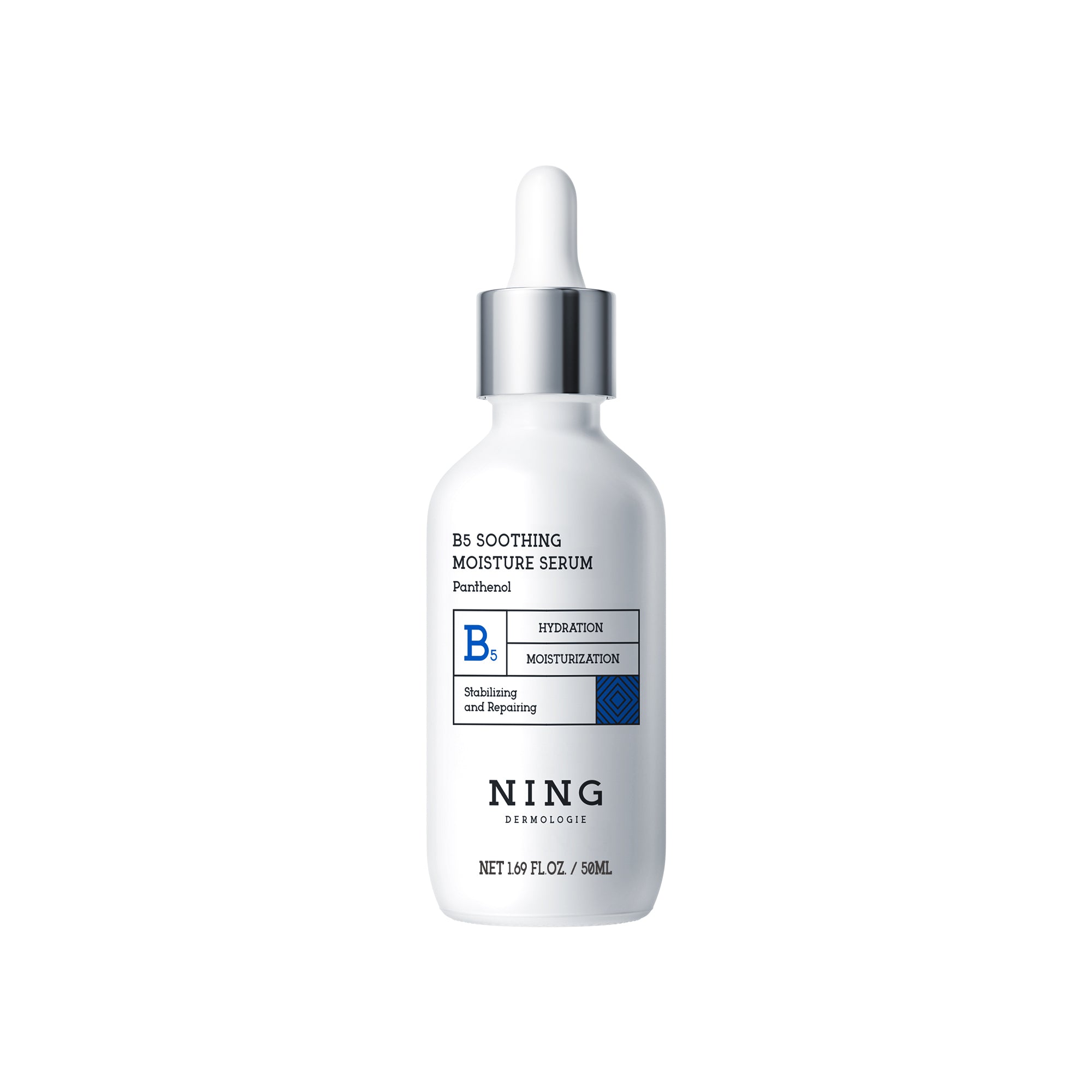
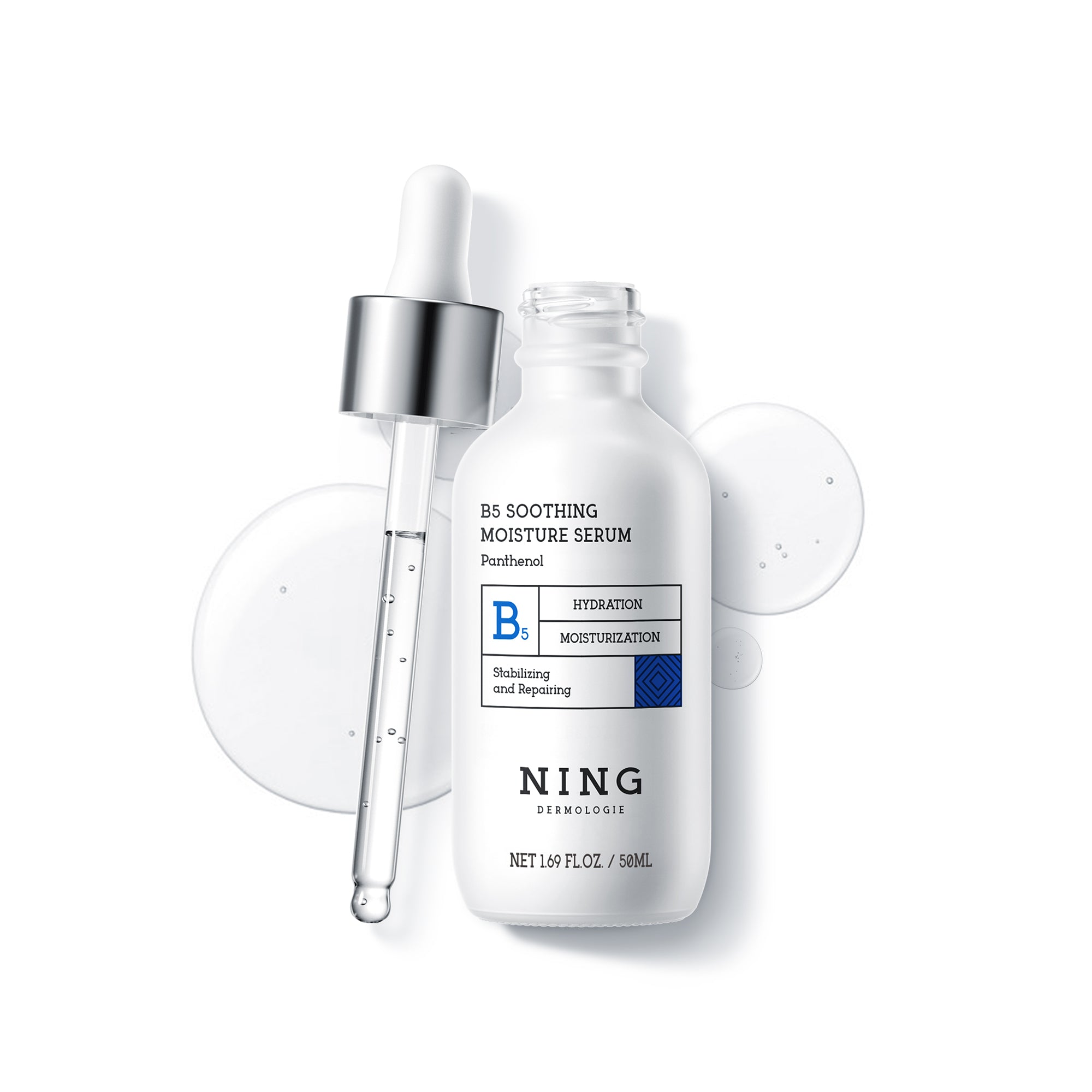
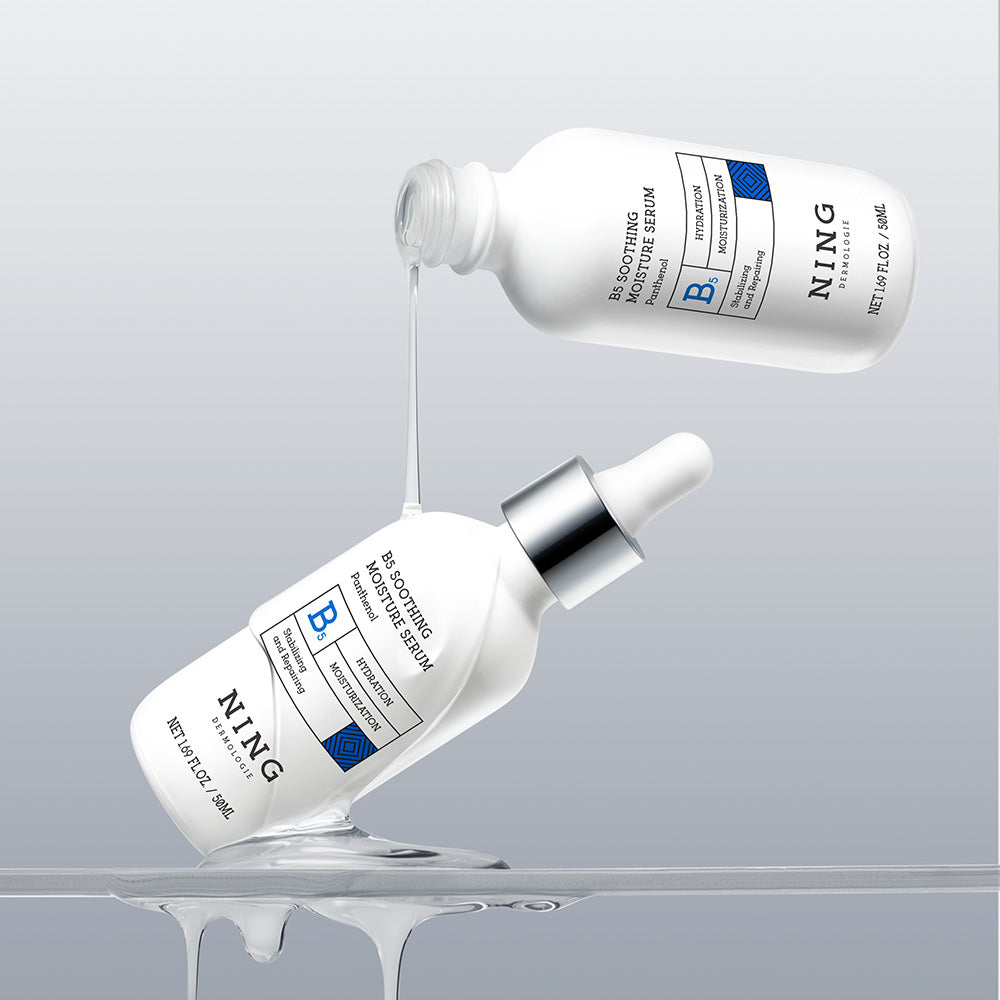
After you’ve used your exfoliating face mask, your skin is vulnerable. This is the perfect time for a gua sha session with some essential oils (carefully diluted!) or a rich hyaluronic acid serum.
If you're looking to stock up on these essentials, sign me up for the NING newsletter. We usually offer 15% off your first order, and our Deep Clean Double Action is consistently in our top 5 Best Selling Product list for a reason—it works without the drama.

Frequently Asked Questions (FAQ)
1. Can I use a peeling gel and a clay mask on the same day?
Technically, yes, but proceed with caution. Use the peeling gel first to clear surface debris, then apply the clay mask only to oily areas like the T-zone. If your skin starts tingling uncomfortably, back off. Always follow up with a heavy dose of hydration to soothe the skin.
2. Why does my skin feel tighter after using a mud mask?
It’s a common trap: if your face feels like it’s about to crack, you’ve left the mask on too long. Clay is a vacuum for oil, but it doesn't know when to stop, so it starts grabbing your skin’s water too. I usually wash it off while it’s still damp to the touch—that's how you get the glow without the "desert" feel.
3. I have active acne; is a peeling gel safe?
Honestly, I’d steer clear of the rubbing motion. If you’ve got angry, red breakouts, friction is your enemy—it just spreads the irritation. Swap the gel for a gentle wash-off mask with salicylic acid or lactic acid. Let the ingredients do the heavy lifting of dissolving gunk so you don’t have to scrub at your skin.
4. How often should I realistically exfoliate?
Don't listen to the "every day" hype—your skin barrier will hate you. For most people, twice a week is the sweet spot. If your face starts looking "fake shiny" (that tight, plastic look) or feels stinging when you apply moisturizer, you’ve definitely overdone it. It’s always better to under-exfoliate than to end up with a raw, compromised face.
5. What’s the difference between a bubble mask and a clay mask?
Bubble Masks use carbonation to create foam that "massages" the surface, which is fun but mostly superficial. Clay & Mud Masks are functional heavy-lifters that physically draw out impurities from deep within the pores. For actual detoxing and texture improvement, clay is almost always the superior choice.





Share:
Inside-Out Beauty: How Lifestyle Impacts Your Skincare Efficacy
How to Choose the Right Moisturizer for Your Specific Skin Type