



The Real Guide to Clay Masks: Finding the One That Won’t Ruin Your Skin Barrier
You know the feeling. You slap on a thick green paste, wait until your face feels like a concrete driveway, and then scrub it off hoping for a miracle. Spoiler alert: that’s probably not helping.
In the world of clay masks, there is a massive difference between "detoxifying" and "stripping."
If you have ever stared at the skincare aisle wondering how to choose the right clay mask without regretting it later, you are in the right place. We aren't just going to list ingredients; we are going to fix your routine. At NING Dermologie, we see too many people destroying their moisture barrier in the name of radiant skin.
Let’s cut through the noise. Here is your ultimate guide to making a clay face mask actually work for you, whether you are an oil slick or a sensitive flower.

Wait, What is Your Skin Type Actually Asking For?
Before you buy anything, stop. Understanding your skin type is the only way this works. If you skip this, you’re just guessing.
- The Grease Pit (Oily Skin): You wash your face, and 30 minutes later, you are shiny again. Your pores look like they are shouting at you. You need a clay mask that acts like a vacuum.
- The Desert (Dry Skin): Your skin feels tight. Maybe it flakes. You might think clay is the enemy. It’s not, but you have to be careful.
- The Drama Queen (Sensitive Skin): You look at a new product and your face turns red. You need a mask for your skin that soothes, not stings.
- The Confused Mix (Combination Skin): Oily T-zone, dry cheeks. The classic struggle.
Identifying these traits is how you decide which clay is right. It’s not about buying the trendiest jar; it’s about skin needs.
Clay 101: Types of Clay and Why They Matter
Not all mud is created equal. Seriously. The mineral count changes everything. Here is the breakdown of clay types so you don't burn your face off.
Kaolin Clay: The Chill One
Think of Kaolin clay (or white clay) as the "starter clay." It’s super fine, soft, and doesn't pull oil aggressively. If you have dry skin or sensitive skin, this is your best friend. It gently exfoliates dead skin cells without that harsh, tight feeling. It’s the best clay for a gentle reset.
Bentonite: The Heavy Hitter
This stuff is powerful. Formed from volcanic ash, Bentonite clay is highly absorbent. It swells when wet and acts like a sponge for excess oil. For oily and acne-prone skin, this is the gold standard to draw out impurities. But be warned: if you have dry skin, this can be too much.
Pink Clay: The Sweet Spot
This is our favorite at NING Dermologie. Pink clay is usually a blend of red and white clays. It’s the perfect middle ground. It cleanses deep enough to improve skin texture but stays gentle enough to purify the skin without causing irritation. If you are looking for a clay mask for face sensitive skin, this is usually the winner.
Green & Blue Clays
Green clay (often French) is rich in minerals and fantastic for oily types who need to boost circulation. Blue clay and yellow clay are less common but offer great detox benefits without being too drying.
Matching the Mask to the Mess (Skin Concerns)
Okay, let's get specific. How skin types influence mask selection is the difference between glowing and red.
For the Shine and Breakouts (Oily/Acne-Prone)
If you are battling blackheads, you want bentonite clay or green clay. These masks help physically pull the gunk out of your pores.
- Pro Tip: Look for formulas that add acids. A clay mask mixed with Salicylic Acid is a game-changer for acne-prone skin. It unclogs while the clay absorbs.
For the Sensitive Souls
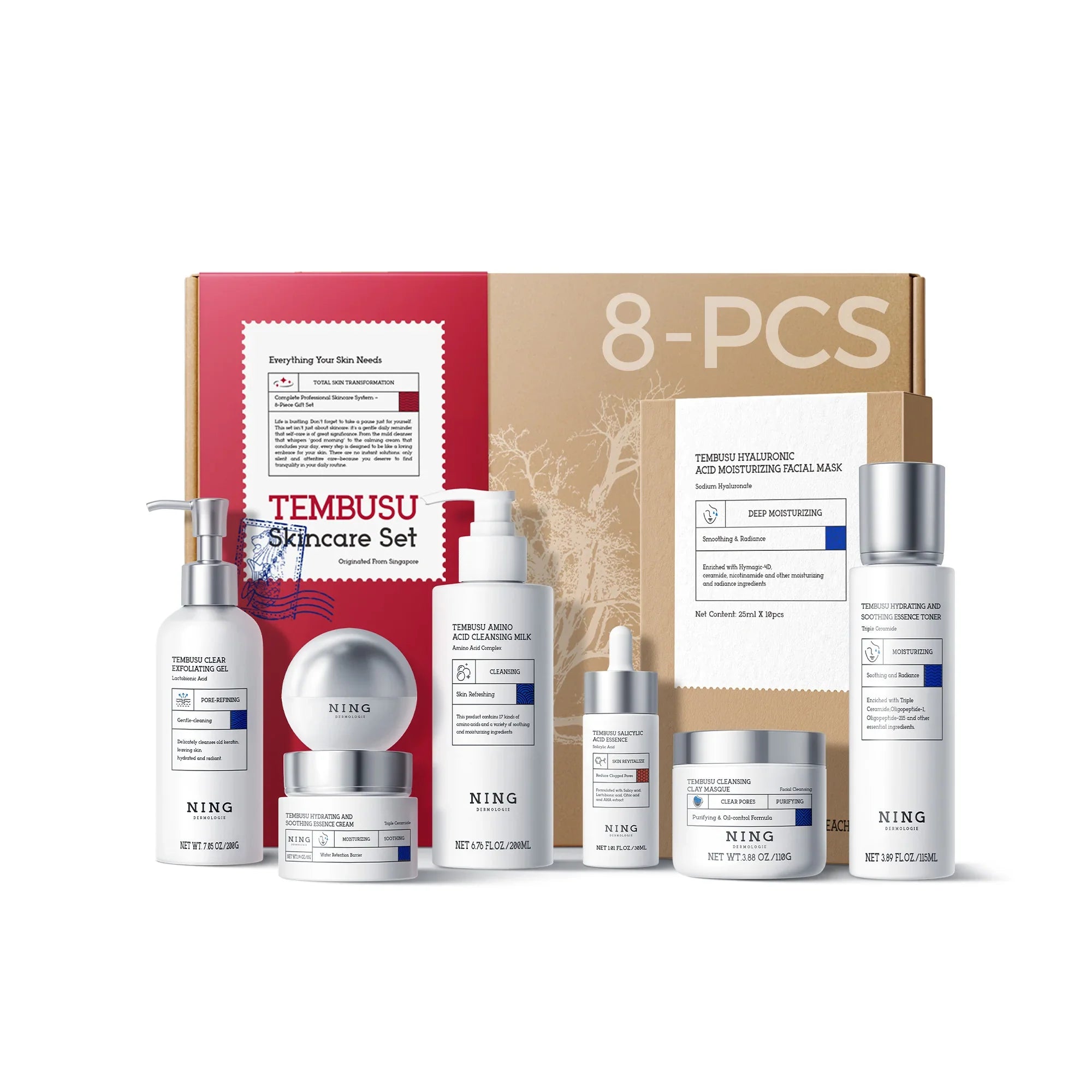
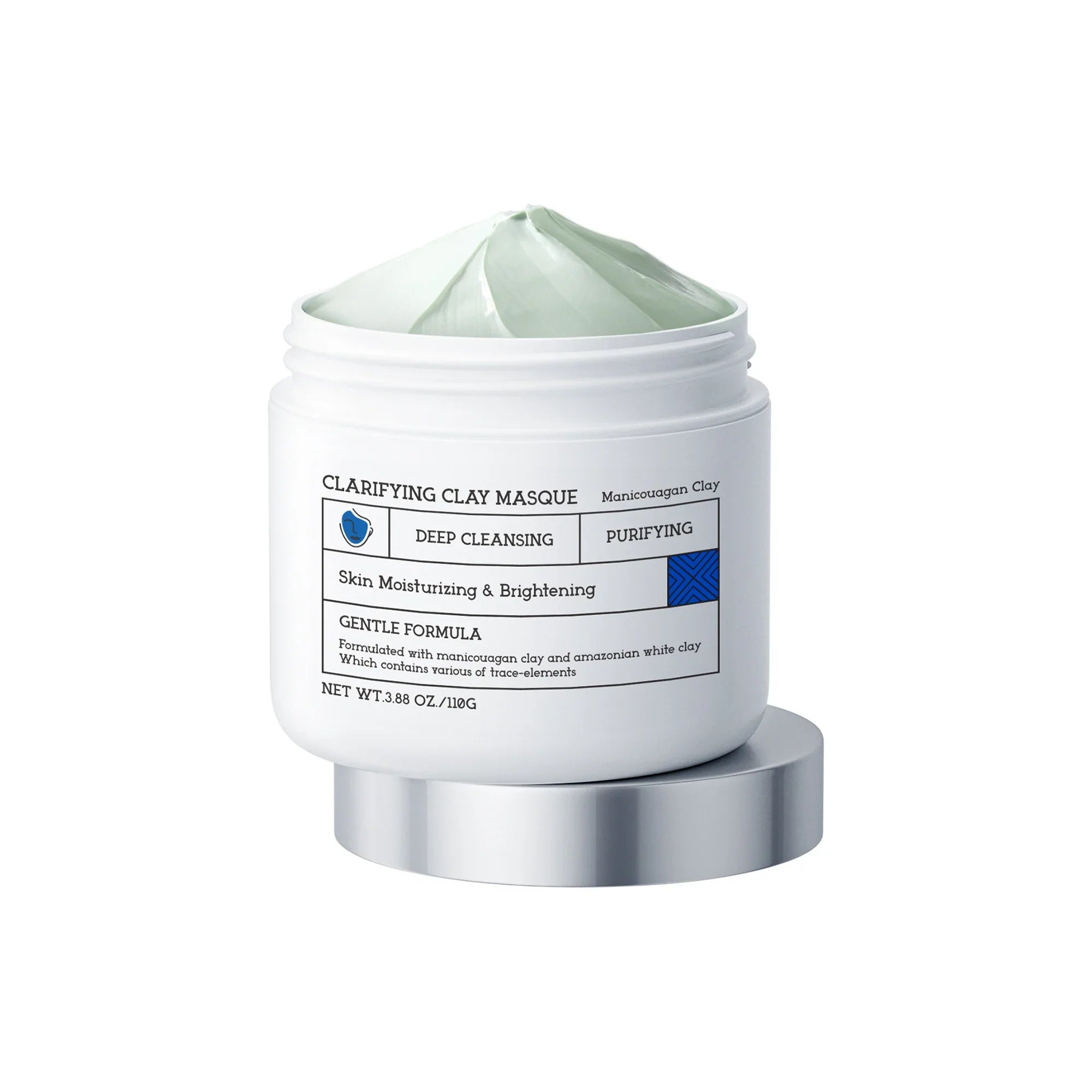
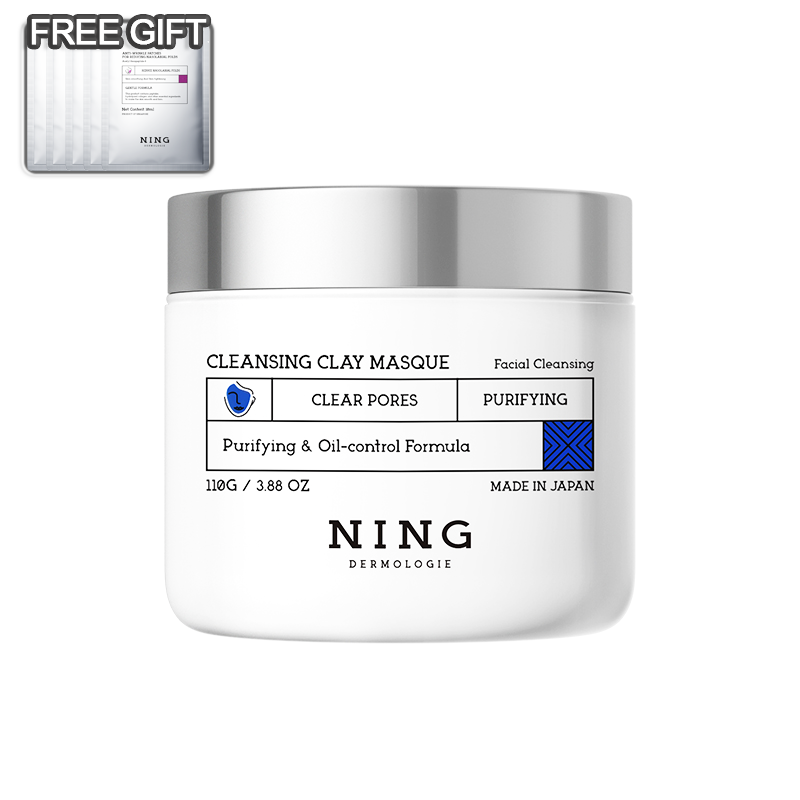
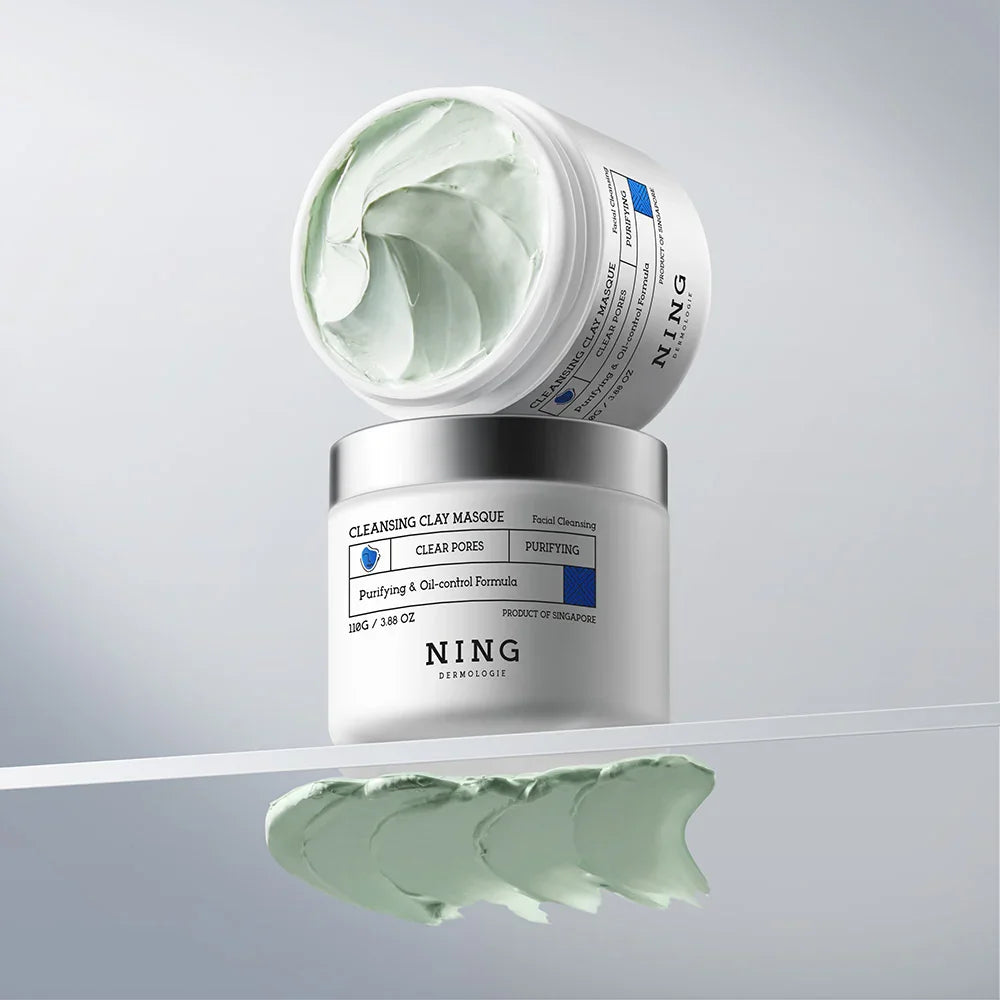
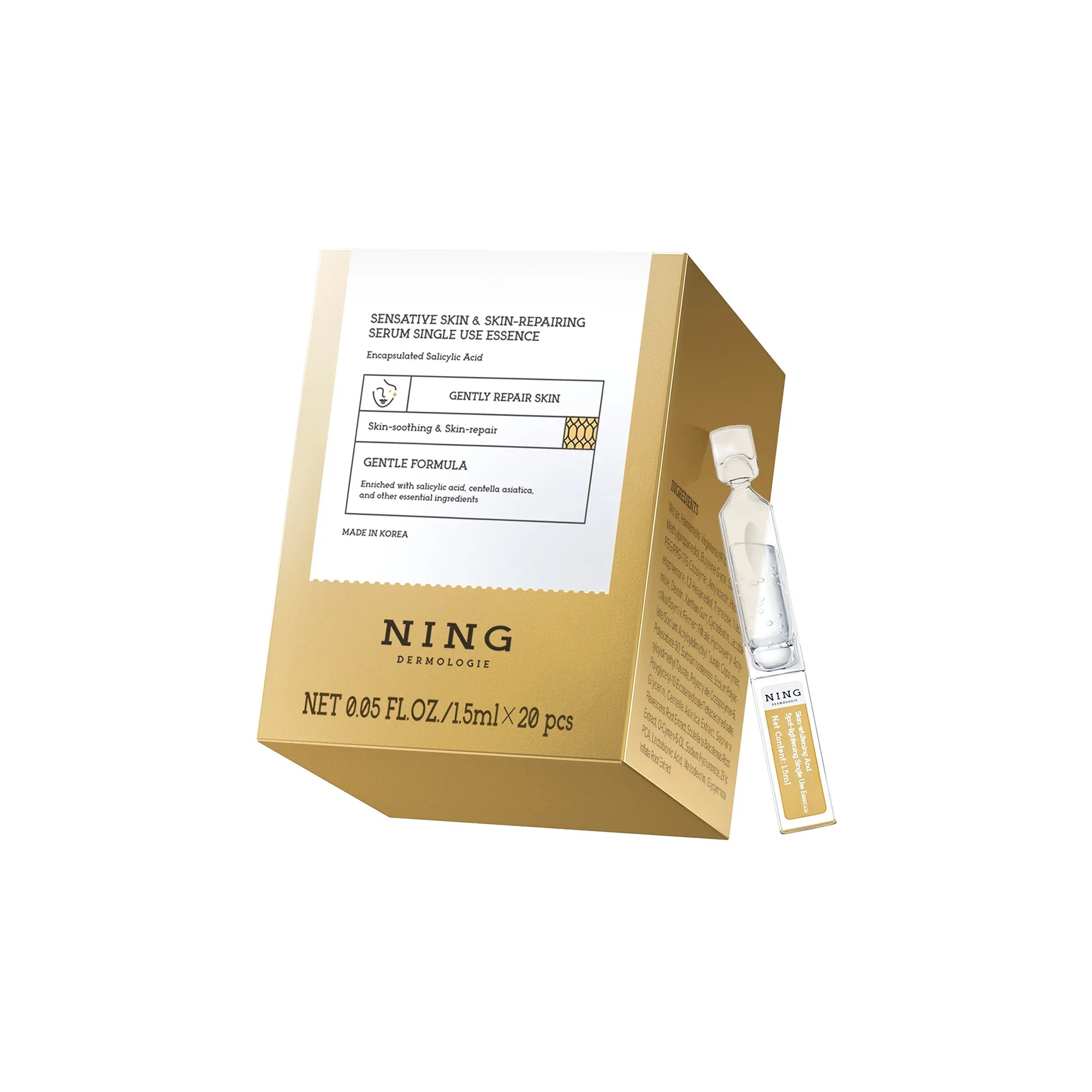
If your skin barriers are fragile, stay away from the heavy-duty stuff. You need a pink clay mask or a specialized formula. We formulated our Clay Mask for Face Sensitive Skin specifically for this. It uses a calming blend that mimics the benefits of clay masks—like cleaning pores—without the sting. It’s proof that a face mask doesn’t have to hurt to work.
For Dry or Dull Skin
Yes, you can use a clay mask. Just pick one loaded with hydrators like Aloe or Glycerin. You want to cleanse and purify the skin, not dehydrate it. Kaolin clay is your go-to here.
How to Actually Use a Clay Mask (You’re Probably Doing it Wrong)
Here is the part most people mess up. Incorporating clay masks into your routine isn't just "slap it on and wait."
The Golden Rule: Never let it dry completely. You know that stage where the mask cracks and your face feels like it can't move? That is bad. When clay gets to that crumbly stage, it starts drawing moisture out of your skin cells (it's called the cutaneous phase). Use a clay mask smartly:
-
Apply a clay mask to clean skin.
-
Wait until it gets sticky or tacky (usually 10 minutes).
-
Wash it off before it cracks.
Timing matters. If you have oily skin, you can maybe get away with 15 minutes. Sensitive skin? 5 to 8 minutes is plenty. Listen to your skin.

Why Bother? The Real Skin Benefits
Why do we keep coming back to mud? Because when you find the best clay masks for your specific issues, the results are legit.
- Pores look smaller: You can't technically "shrink" pores, but clearing the gunk makes them less visible.
- Less Shine: Regular use of clay masks helps train your skin to regulate sebum.
- Smoother Skin: It’s a physical exfoliation. Goodbye, rough patches.
- Radiance: That glowing skin look comes from removing the dead layer on top.
Whether it’s a blue clay mask for detox or a kaolin mask for softness, the right jar changes the game.
The Verdict: Which Clay is Right?
Don't overcomplicate it.
- Oily? Go Bentonite or Green.
- Dry? Go Kaolin + Hydration.
- Sensitive? Stick to Pink Clay or the NING Dermologie Sensitive Formula.
Your skin knows what it needs. Clay works, but only if you respect your barrier.
Frequently Asked Questions (FAQ)
1. Can I use a clay mask every day?
Definitely not. Even for the oiliest skin, daily masking is overkill. It will strip your natural oils and actually cause your skin to produce more oil to compensate. Stick to 1-3 times a week max. For sensitive skin, once a week is plenty.
2. Why does my face get red after a clay mask?
A little pinkness is normal—that’s blood flow (circulation) coming to the surface. It should fade in 20 minutes. But if you look like a tomato or feel burning? You likely compromised your barrier or left it on too long. Wash it off sooner next time or switch to a milder clay like Pink or Kaolin.
3. Do I put the mask on wet or dry skin?
Damp or dry skin is fine, but make sure it is clean. Never apply a mask over makeup or sunscreen. You want the clay to grab the impurities in your pores, not the foundation sitting on top of them.
4. What goes on first: Clay mask or Exfoliator?
The clay mask is an exfoliator. Don't double up on the same day unless you have tough-as-nails skin. Using a scrub and then a clay mask is a recipe for irritation. Pick one treatment per night.
5. Can I spot treat pimples with clay?
Yes! This is a great hack. Dab a tiny bit of bentonite clay or a formulated mask onto a blind pimple overnight. It helps dry it out and bring the inflammation down without drying out your whole face.
6. Does NING Dermologie test on animals?
Never. We believe in clean, ethical beauty. All our products, including our clay masks, are cruelty-free. We test on real people (ourselves mostly!), not bunnies.





Share:
Ultimate Guide to Clay Masks for Deep-Cleansing and Shrinking Pores
Ultimate Guide to Clay Masks for Deep-Cleansing and Shrinking Pores