

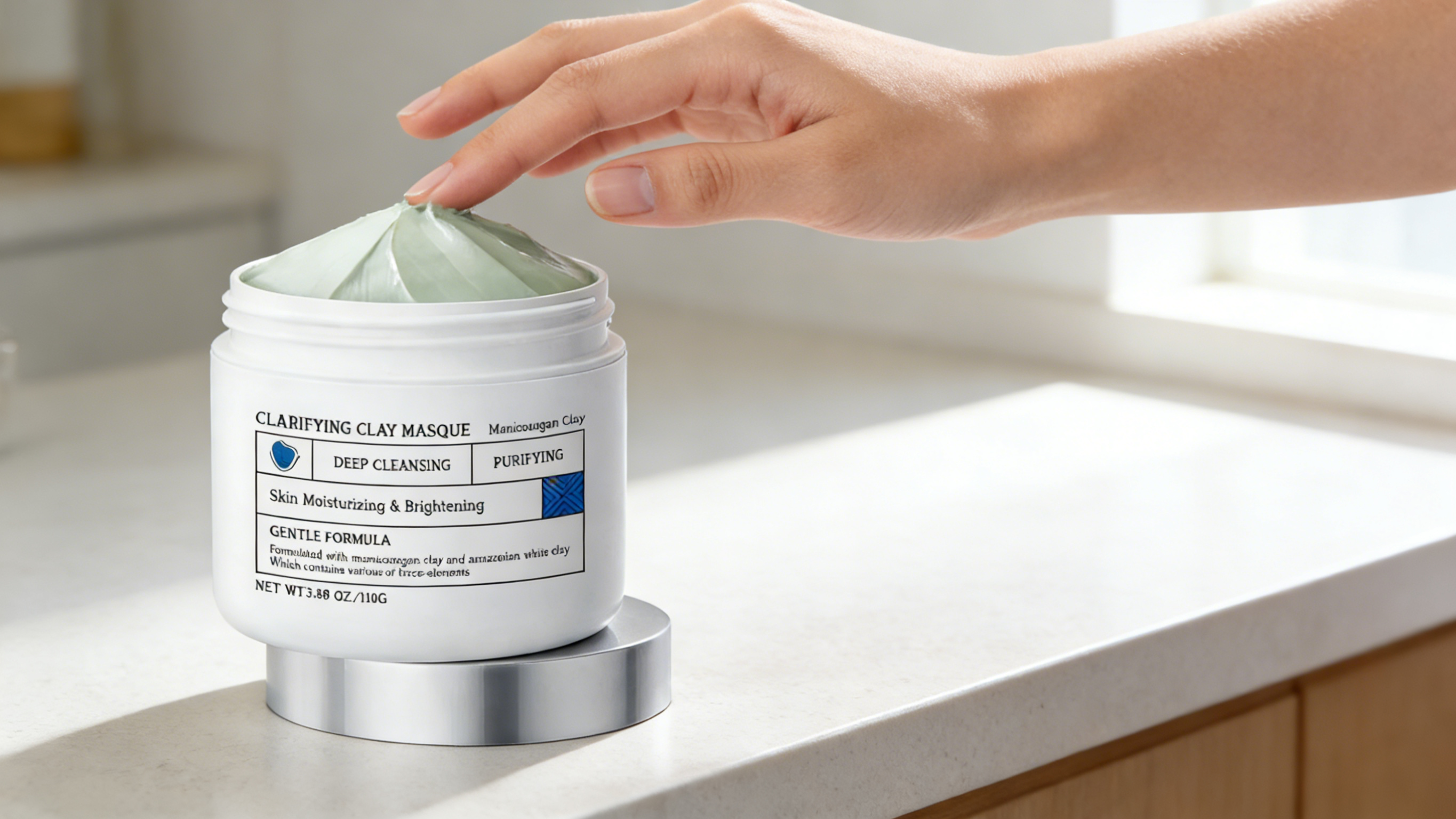

The Ultimate Guide to Clay Masks: Deep-Cleansing Without Ruining Your Face
You know that feeling. It’s 3 PM, you touch your forehead, and your finger comes away shiny. Or maybe you look in the mirror and your pores look like they’re screaming for help.
That is the exact moment you usually reach for a clay mask.
But here is the ugly truth: most people use them wrong. We have all been there. You slather on a thick layer of green mud, wait until it cracks into a desert landscape, and then scrub it off until your skin is raw. You think the pain means it's working.
It doesn’t.
If you want to actually detoxify your skin, shrink those pores, and get that glow without the irritation, you need to stop treating your face like a dirty driveway. This isn't just another generic guide to clay; this is how you actually fix your skincare routine.

How a Clay Face Mask Actually Works (No Science Degree Required)
Forget the marketing fluff for a second. Clay works like a magnet. Literally.
When clay gets wet, it develops a negative electrical charge. Most of the gunk in your skin—bacteria, toxins, excess oil, dead cells—has a positive charge. So, when you put the mask on, the clay binds to the impurities. It sucks them out of the clogged pores like a vacuum.
This deep cleansing action is why a clay face treatment beats a regular face wash any day. It’s physical extraction without the squeezing.
Not All Mud is the Same: Picking Your Weapon
You wouldn't use sandpaper to clean a silk shirt. So why put harsh industrial clay on sensitive skin? Choosing the wrong skin type match is why people breakout.
1. Kaolin Clay (The Gentle One)
If your face freaks out easily or you have sensitive skin, stick to Kaolin. It’s usually white or pink. It’s chill. It absorbs some oil and gently exfoliates dead skin cells, but it leaves your natural moisture barrier alone.
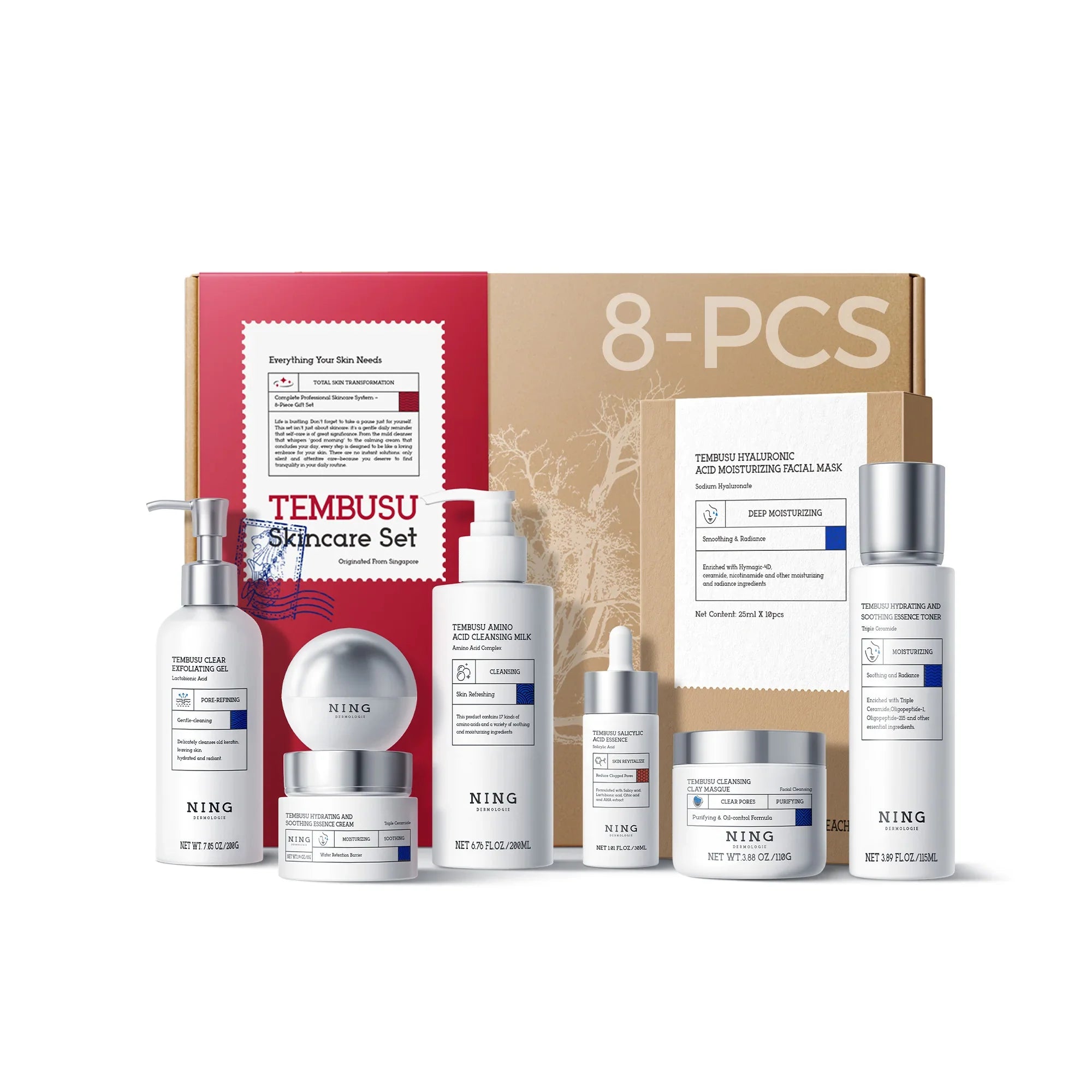
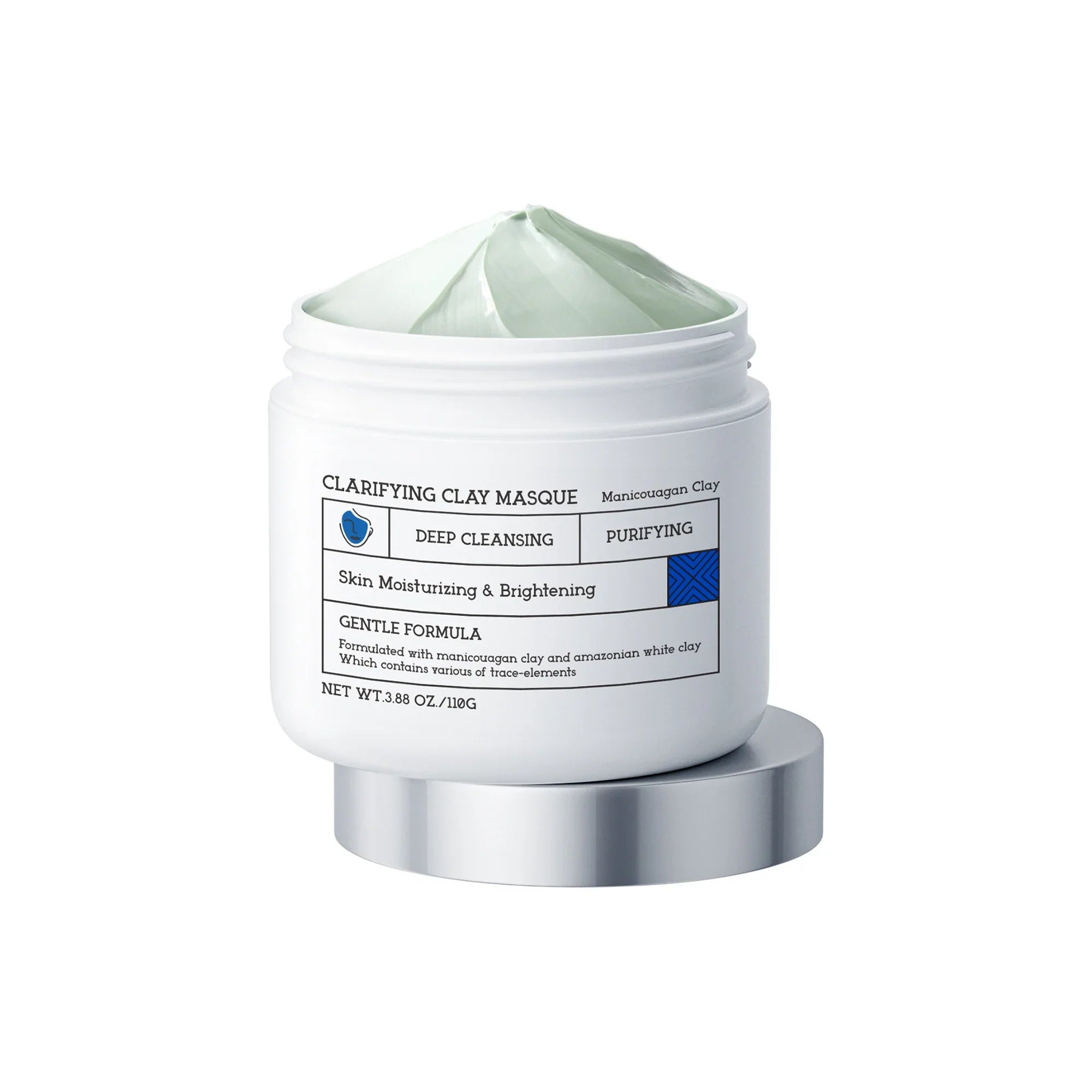
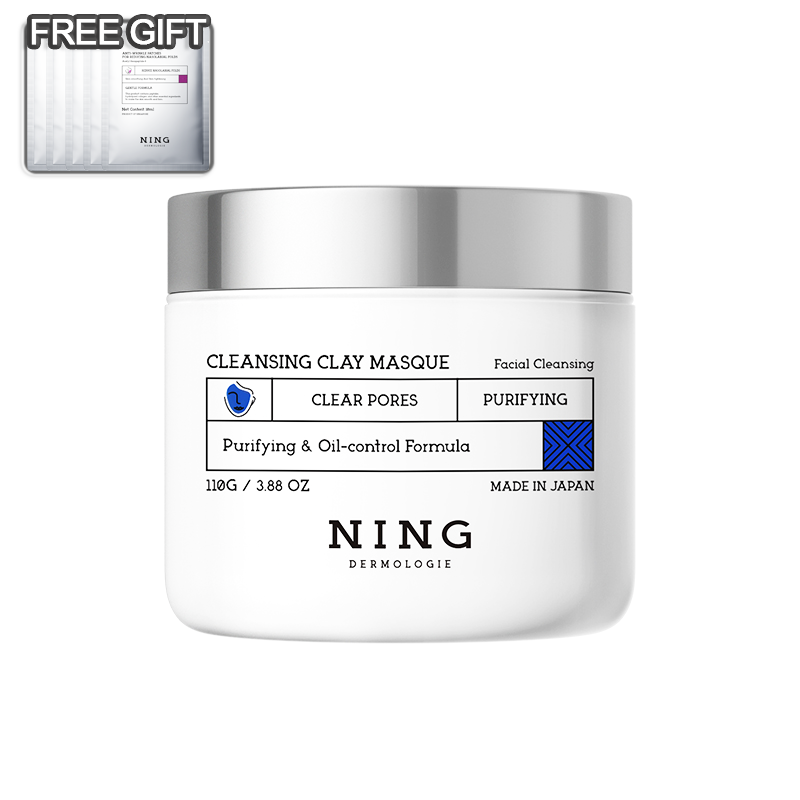
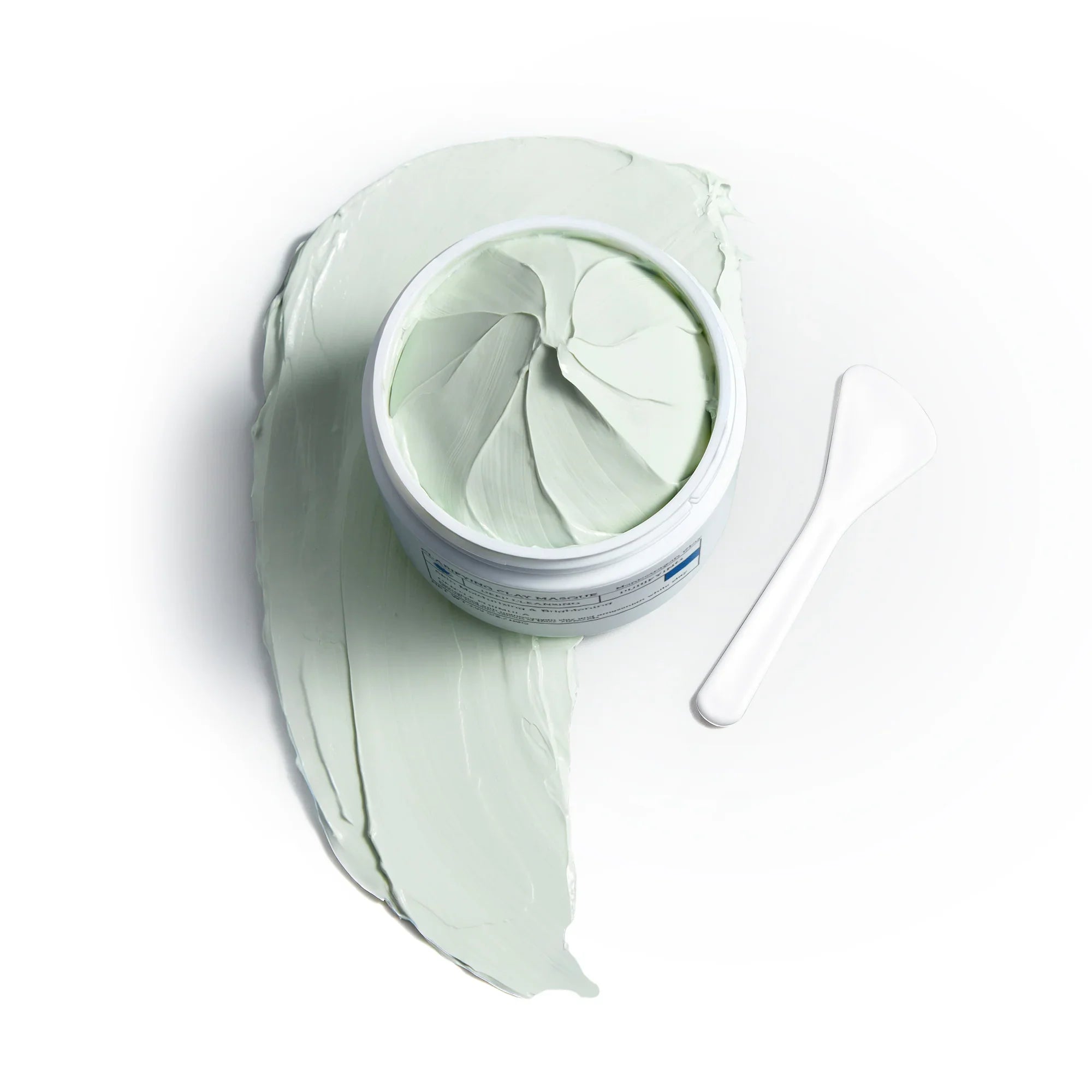
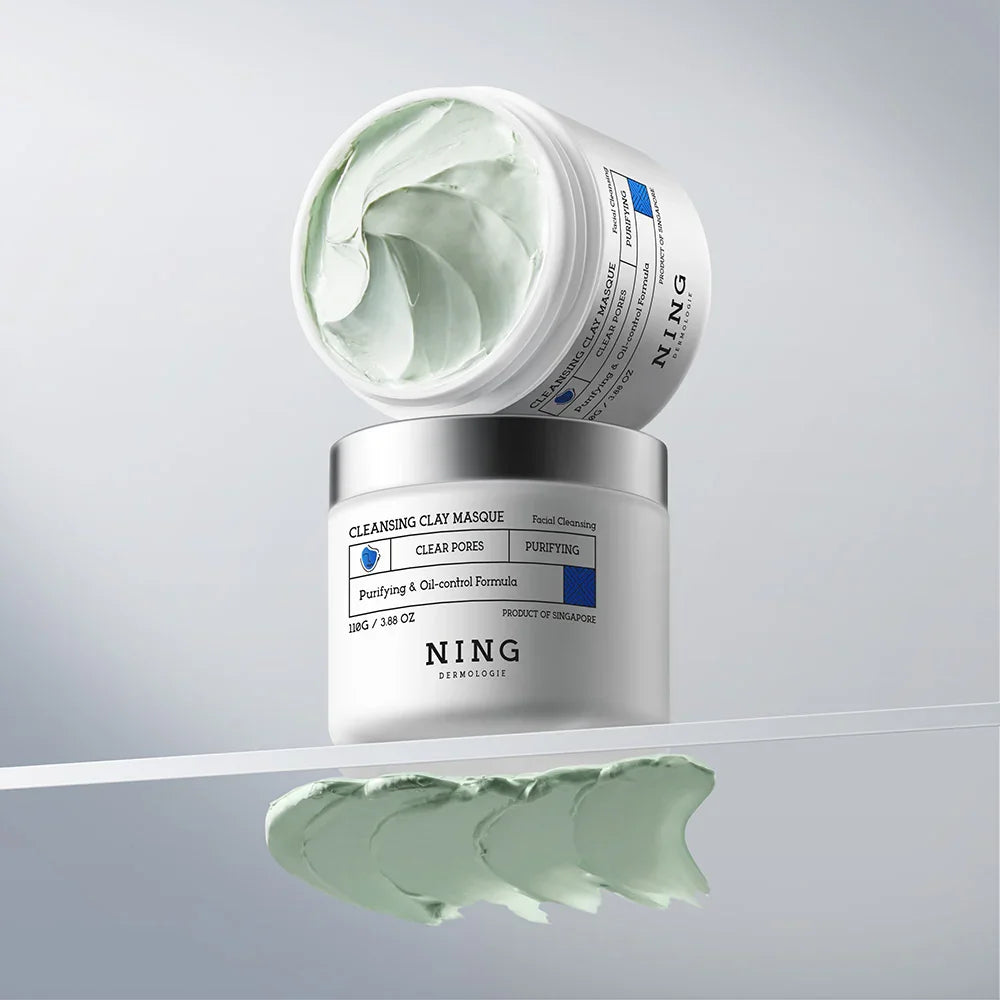
This is exactly why we formulated the NING Dermologie Clay Mask for Face Sensitive Skin using a specialized Kaolin blend. We wanted something that could cleanse deep down but still soothe and nourish rather than strip.
2. Bentonite Clay (The Vacuum)
Got an oil slick on your T-zone? Bentonite clay is your guy. It’s made from volcanic ash and swells up when wet. It is aggressive. It will drink up every drop of excess sebum. Great for oily or acne-prone skin, but use it carefully.
3. French Green Clay (The Detox)
If you feel puffy or dull, this mineral-rich clay boosts circulation. It’s great for detoxification and waking up a tired complexion.

The Rules: How to Apply Clay Masks Without Regret
Okay, pay attention. This is where everyone messes up.
Rule #1: The "Touch Test" Do not let the mask dry completely. Seriously. If it’s cracking and falling off your face in chunks, you’ve left it on too long.
- Wet stage: Skin drinks in the minerals.
- Drying stage: Clay cools and pulls out the dirt. (WASH IT OFF NOW).
- Dry stage: Clay starts sucking moisture out of your actual skin cells.
Wash it off when it’s sticky, not dry. Your face shouldn't itch.
Rule #2: Prep Matters Use a cleanser first. You can't cleanse pores if they are covered in makeup. Get the surface clean so the mask can dig deep.
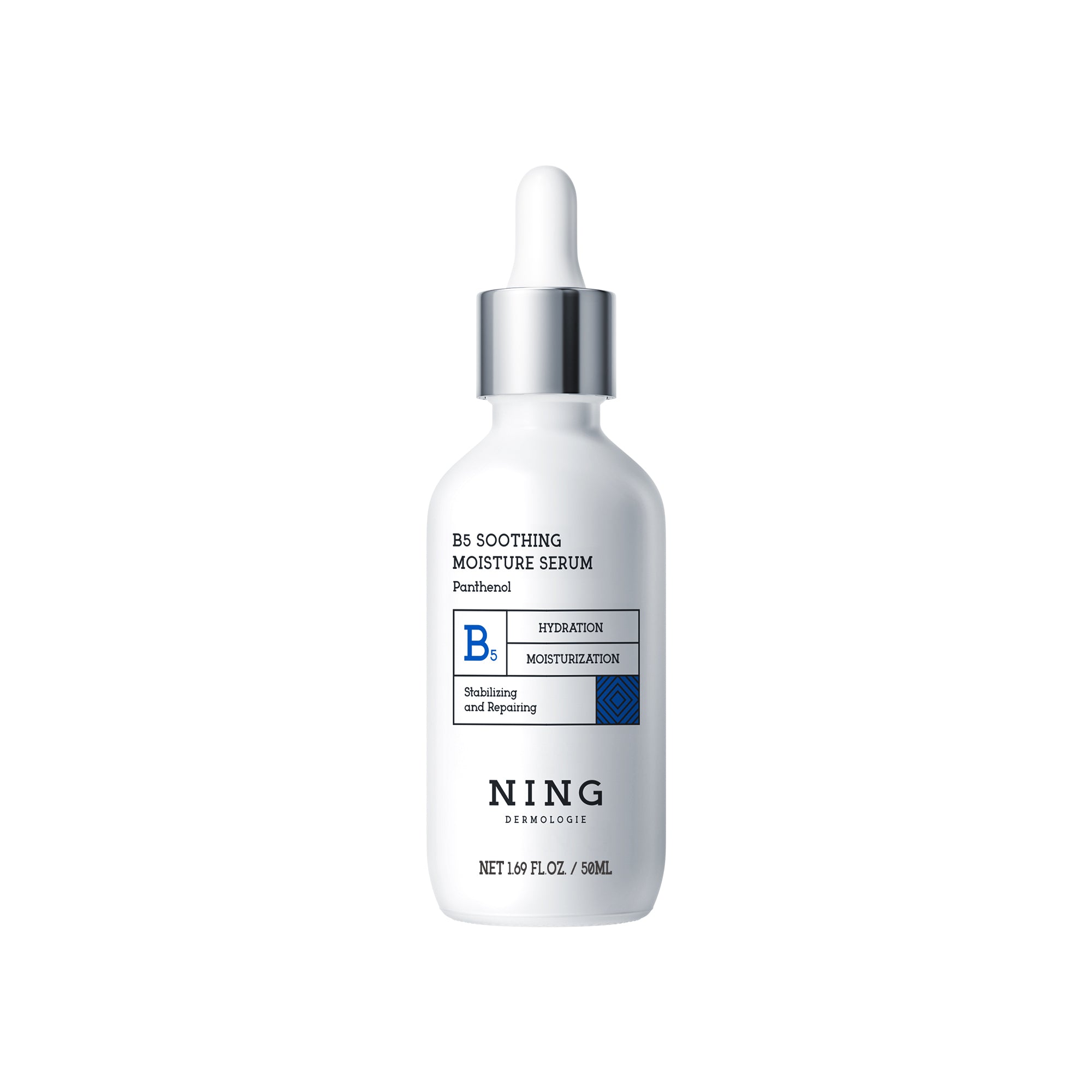
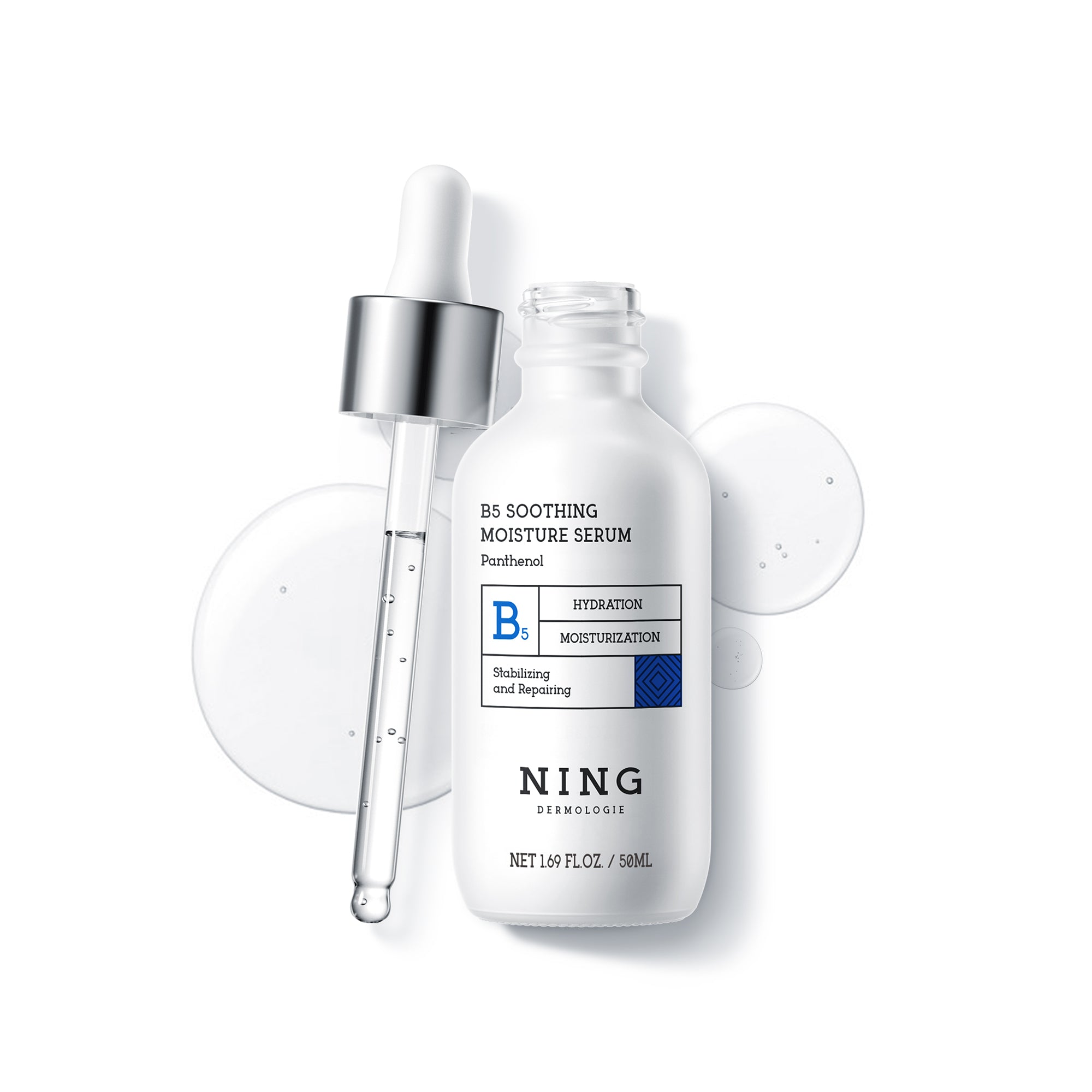
Rule #3: Don't Forget Aftercare As soon as that mask is off, your skin is vulnerable. It needs a drink. Slap on a hydrating toner and a moisturizer immediately. If you skip this, your skin will panic and produce more oil to compensate. Counterproductive, right?
Real Benefits (Why We Do This)
Why bother? Because when you find the best clay masks for your specific needs, the results are instant.
- Pores Look Smaller: When you pull the gunk out, the pore wall relaxes. They shrink back down.
- Less Grease: Regular use trains your skin to stop overproducing oil.
- Better Texture: It exfoliates the rough stuff. Your makeup will sit better.
- Fewer Breakouts: Less oil + less dead skin = less food for acne bacteria.
FAQ: The Stuff You Actually Want to Know
1. Can I use a clay mask every day?
Nope. Don't do it. Even if you have the oiliest skin on earth. You will destroy your moisture barrier. Stick to 1-2 times a week max. If you have dry skin, maybe just twice a month.
2. Why is my face red after?
A little pink is fine—that's just blood flow (circulation is good!). But if you look like a tomato or it burns? You used something too strong, or you left it on until it cracked. Wash it off sooner next time.
3. Does it help with acne?
Yes. Especially salicylic acid infused clays or Bentonite. They dry out active pimples and prevent new ones. Just spot treat if you only have one or two zits.
4. Can I make my own DIY mask?
You can, but be careful with apple cider vinegar. It burns. Professional skincare masks, like ours at NING Dermologie, are pH balanced. We did the chemistry homework so you don't burn your face off in the kitchen.
5. Should I put it on wet or dry skin?
Damp is best. It helps the clay spread thinner and saves you product. Plus, it keeps the clay wet longer, giving you more time for that deep cleansing magic to happen before it dries out.
6. Do clay masks expire?
Yes. If it smells like old gym socks or separates into a weird watery mess, throw it in the trash. Bacteria love wet environments. Don't risk an infection.
Bottom Line
Stop being afraid of clay. It’s one of the oldest, most effective natural ingredients on the planet for a reason. Just stop letting it dry until it hurts.
Find a balance. If you want a mask that respects your skin barrier while doing the dirty work, check out the NING Dermologie Clay Mask for Face Sensitive Skin. Your pores will thank you.





Share:
Clay Mask Wonders: A Comprehensive Guide for All Skin Types
Clay Mask Wonders: A Comprehensive Guide for All Skin Types