

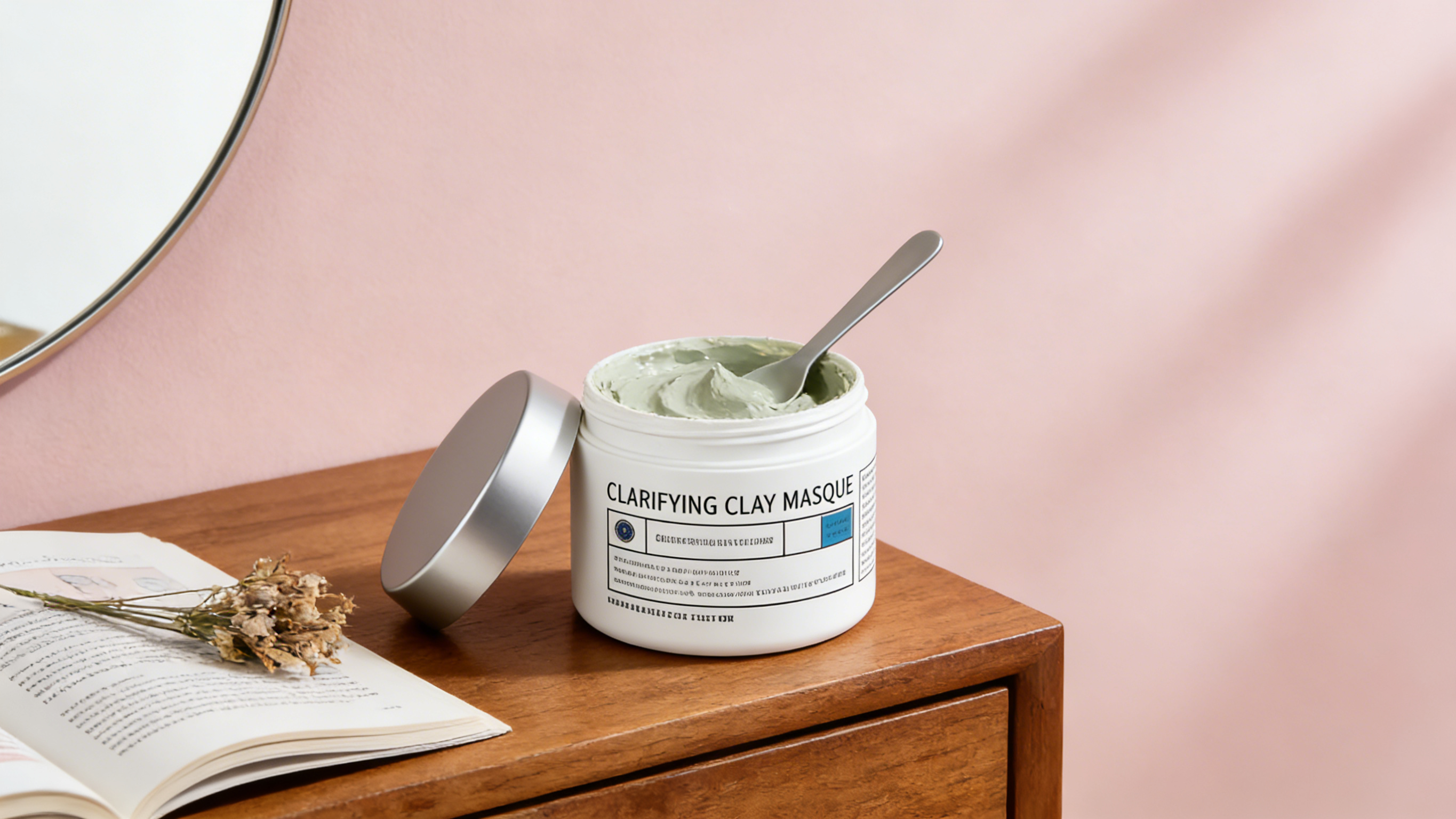

Discover the Magic of Green Clay Masks for Acne-Prone Skin
Acne treatment is draining. When you wake up, you see a new batch of breakouts staring back at you in the mirror. You may have even tried the pricey 10-step routines that promised the moon but only caused irritation, as well as the harsh scrubs and stinging toners.
It’s time to strip it back to basics. It’s time to talk about mud.
Specifically, green clay. This isn't just dirt; it’s a geological powerhouse. For decades, the green clay mask has been the secret weapon in the arsenal of French women and dermatologists alike. If you are struggling to manage acne-prone skin, looking to detoxify your pores, or simply want that elusive glowing skin, understanding the specific mechanics of clay is crucial.
This isn’t a fluff piece about "pampering yourself." This is a deep dive into how the right clay face mask acts as a bio-mechanical tool to physically extract debris, balance sebum, and reset your complexion.

The Geology of Glow: What is Green Clay?
Green clay, often referred to as French green clay (Illite), gets its distinct color from a unique composition of decomposed plant matter—think ancient kelp and algae—and iron oxides. Unlike synthetic ingredients cooked up in a lab, this type of clay is mined directly from the earth.
Why does this matter for your face? Because green clay works on a molecular level.
When you mix this clay with water, it develops a negative electrical charge. Most impurities, toxins, heavy metals, and bacteria sitting in your pores have a positive charge. When you apply a green clay mask, it acts like a magnet. It doesn't just sit on top of your face; it physically binds to the gunk clogging your skin. This is the essence of how a detox face mask operates.
For those with oily skin or acne, this is a game-changer. It absorbs excess oil without needing harsh surfactants (foaming agents) that strip your moisture barrier. It’s nature’s most effective sponge.
Not All Mud is Created Equal: Different Types of Clay
Walking down the skincare aisle can be confusing. You’ll see different types of clay, all promising to save your skin. But if you grab the wrong one, you might end up with a red, flaky mess. Understanding your skin type is the prerequisite to choosing your weapon.
Here is the breakdown of the most common clays and how they compare:
1. French Green Clay (The Heavy Lifter)
- Best for: Oily skin, acne-prone skin, and congested pores.
- The Vibe: Intense, tightening, and highly absorbent.
- Benefit: It is the gold standard to detoxify and absorb excess oil. It draws out impurities from the skin faster than almost any other mineral.
2. Bentonite Clay (The Swelling Sponge)
- Best for: Extremely oily or cystic acne skin.
- The Vibe: Bentonite clay swells when mixed with water. It creates a very strong electrical charge.
- Benefit: It is incredibly powerful but can be drying. It’s often too much for sensitive skin if used undiluted.
3. Kaolin Clay (The Gentle Giant)
- Best for: Sensitive skin, dry skin, or beginners.
- The Vibe: Soft, fine, and creamy. Usually white or yellow.
- Benefit: Kaolin clay is non-comedogenic and gentle. It cleanses without stripping the skin of its natural oils. If you are terrified that a clay mask facial will hurt, start here.
4. Pink Clay (The Balancer)
- Best for: Combination skin or dull complexions.
- The Vibe: A mix of red clay and white kaolin clay.
- Benefit: Pink clay offers the best of both worlds. It helps improve skin texture and adds radiance while being gentle enough for weekly use.
5. Moroccan Clay (Rhassoul)
- Best for: Dry, aging, or congested skin.
- The Vibe: Rich in magnesium and silica.
- Benefit: Moroccan clay is renowned for improving elasticity while cleaning. It leaves the skin feeling soft rather than tight.

How Clay Masks Help Detoxify the Skin
So, what actually happens when you paste this stuff on your face? How do clay masks work?
It comes down to two scientific processes: absorption and adsorption.
-
Absorption: Think of the clay like a sponge. As the mask dries, it soaks up the sebum (oil) sitting on the surface of your skin. This instantly reduces shine and helps control oiliness.
-
Adsorption: This is the magnetic effect we mentioned earlier. The clay attracts particles out of the pore lining. This includes dead skin cells, micro-pollution particles, and hardened sebum (the stuff that turns into blackheads).
By removing dead skin cells and unclogging the backlog of oil, you remove the food source for acne-causing bacteria. This is why regular use of clay masks is often recommended by estheticians for maintaining clear skin. A clay face mask with natural ingredients doesn't just treat the pimple you have today; it prevents the one that was planning to erupt next Tuesday.
The NING Dermologie Approach: Treating Sensitive & Acne-Prone Skin
One of the biggest myths in skin care is that you have to "nuke" acne to kill it. People assume that if it burns, it’s working. This is false.
If you have acne-prone skin, your skin barrier is likely already compromised. Using raw, harsh green clay can sometimes cause "rebound oiliness"—where your skin panics because it's so dry, so it produces even more oil to compensate.
This is why formulation matters.
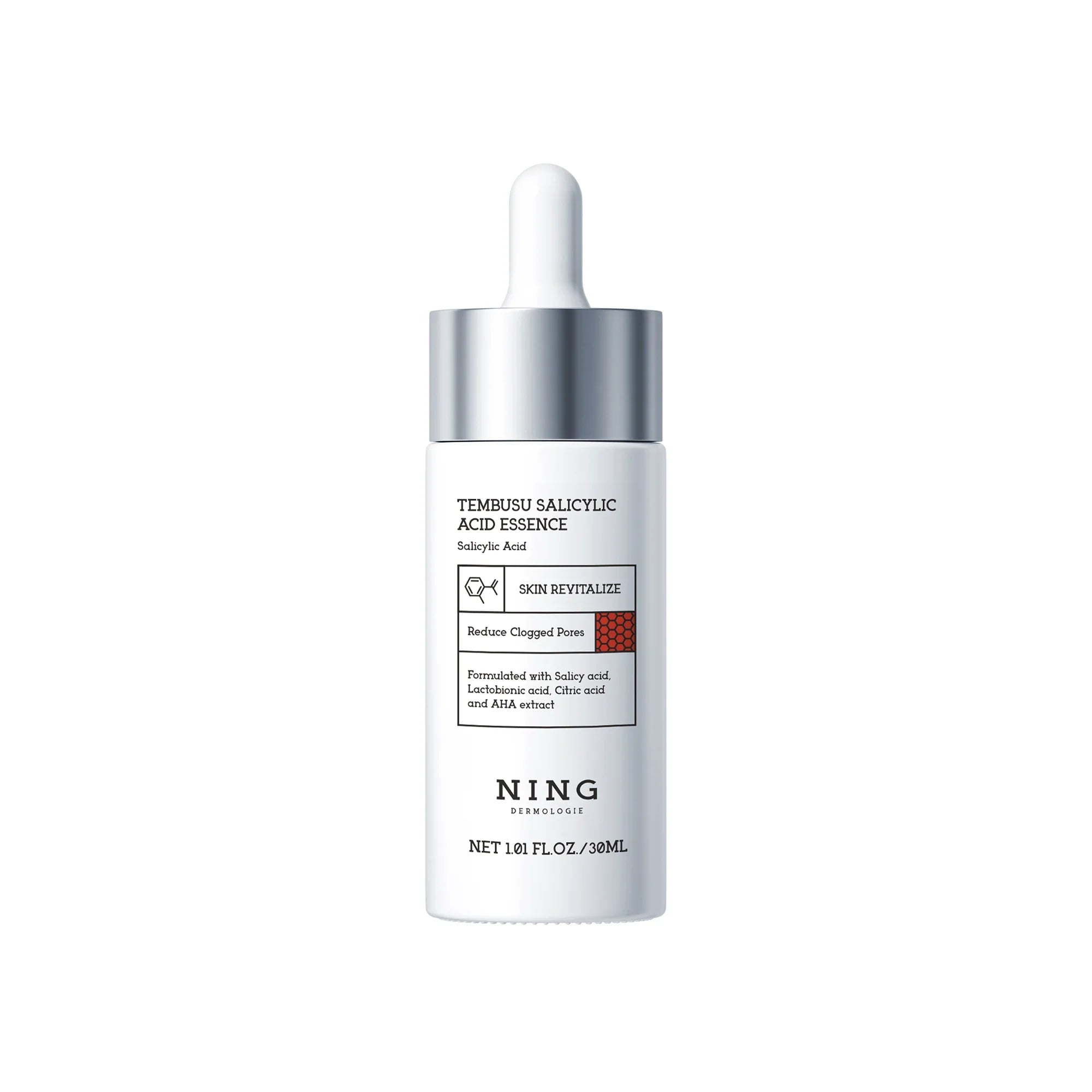
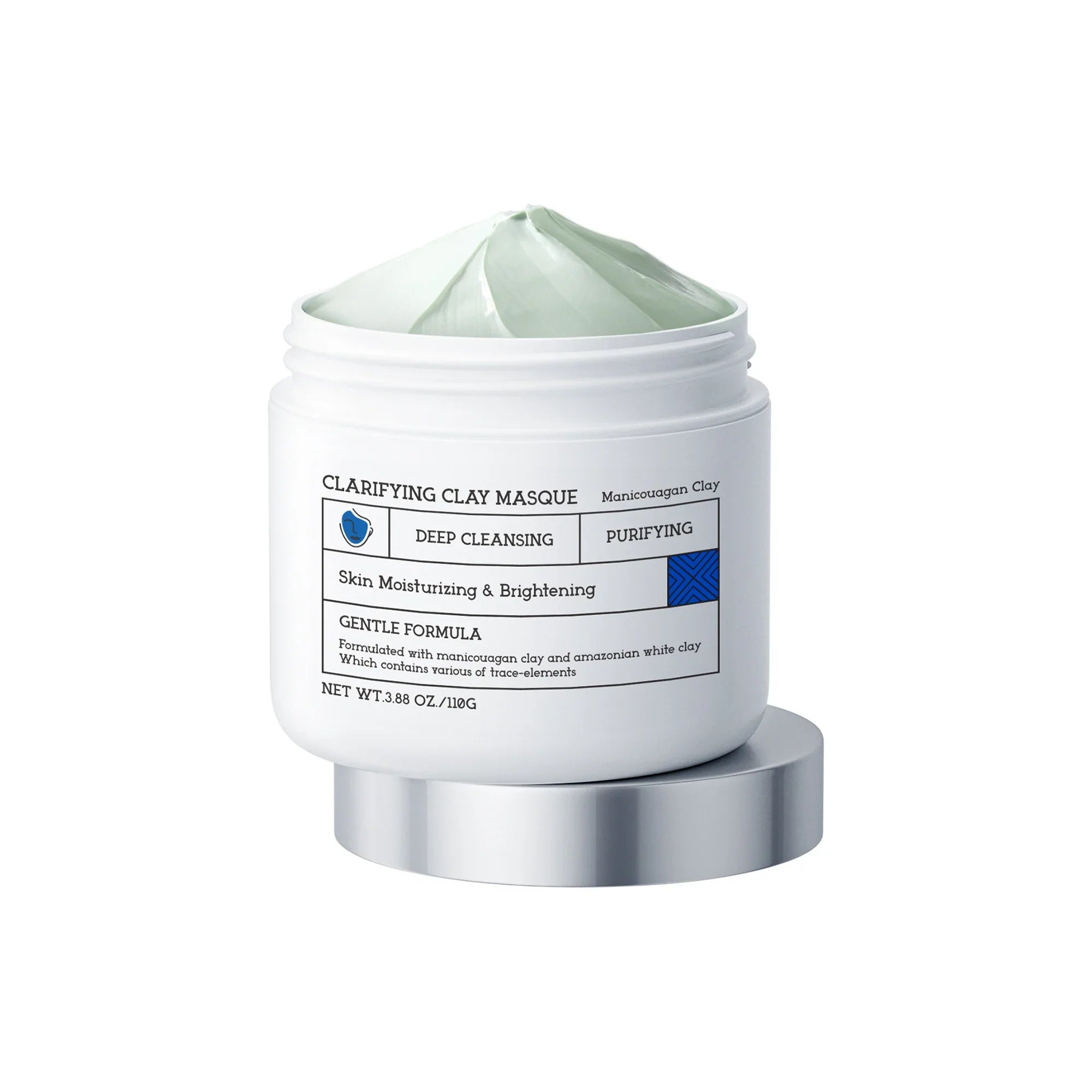
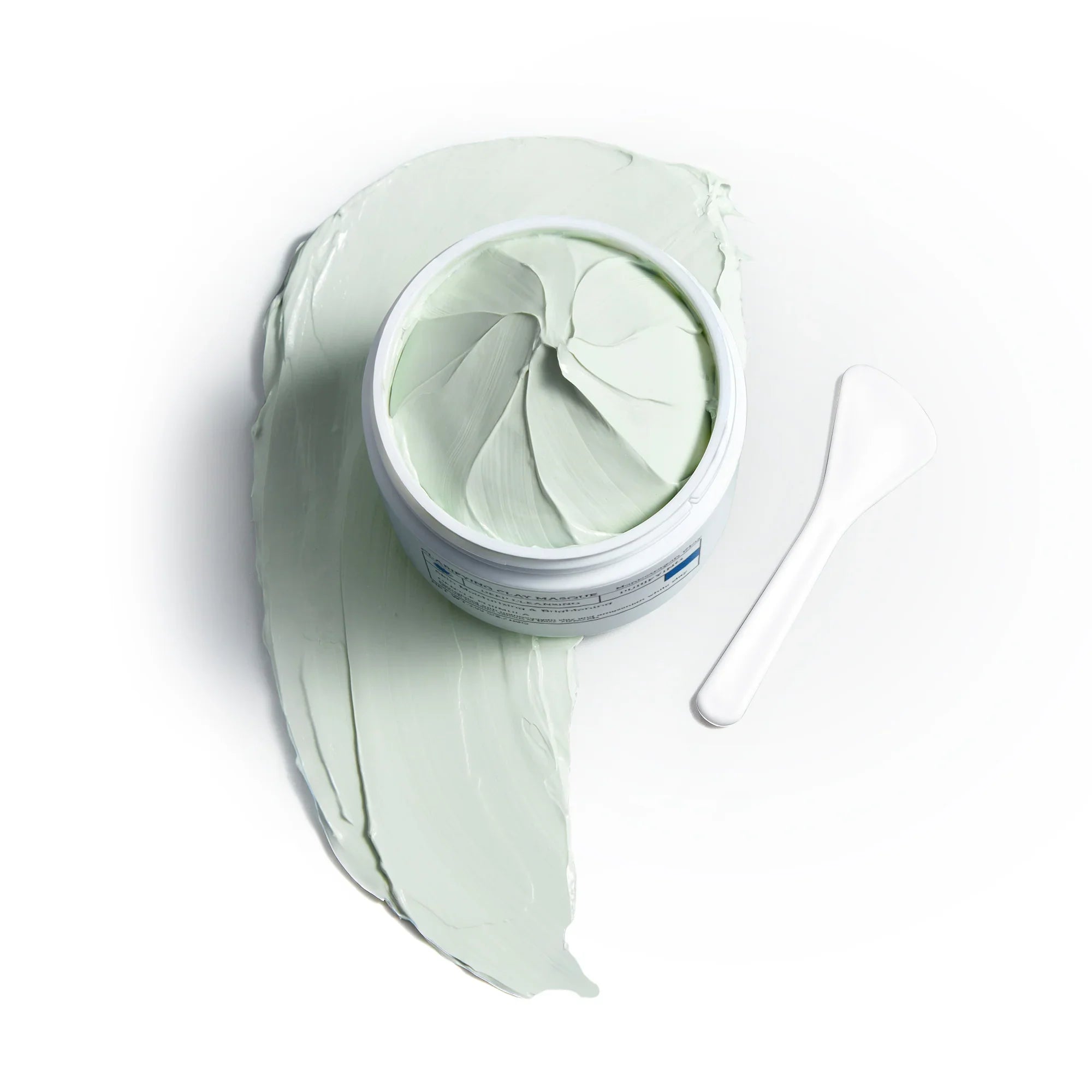
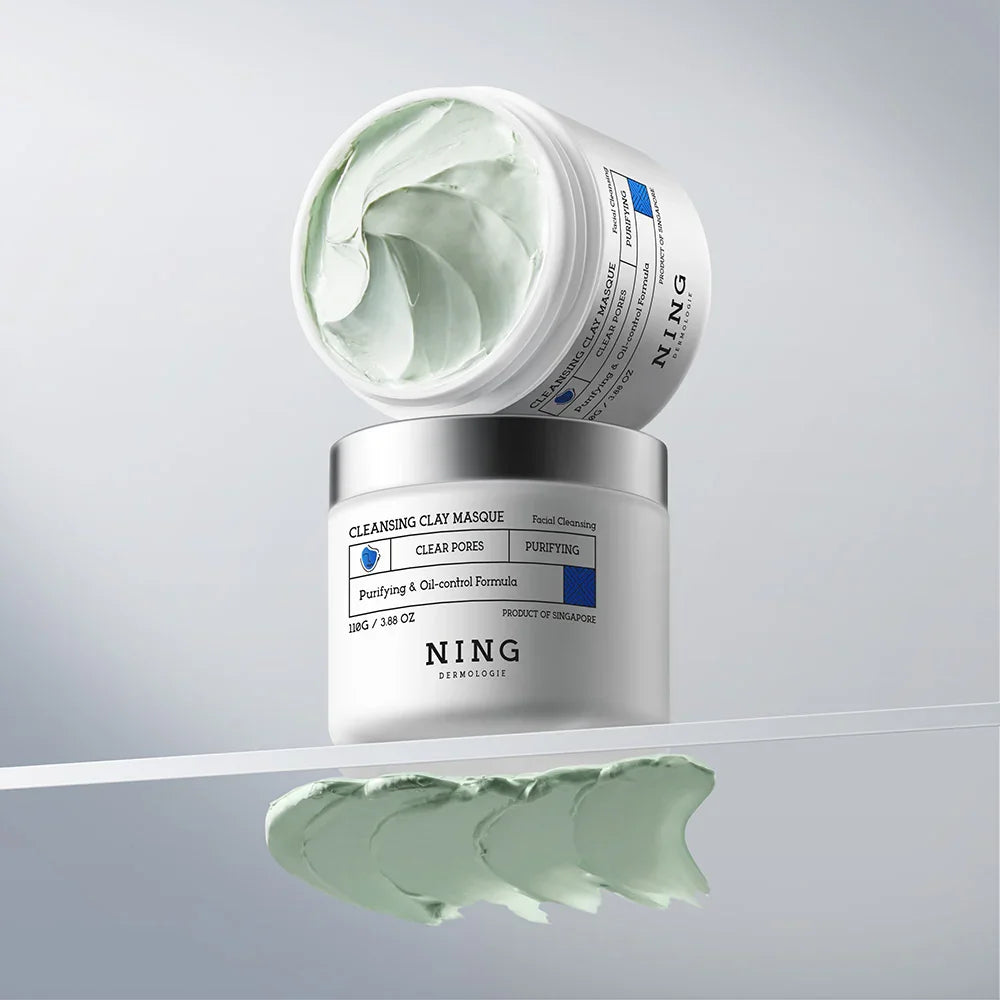
At NING Dermologie, we understand that balance is key. You need the detoxifying power of clay, but you also need soothing agents to keep the skin calm. Our Clay Mask for Face Sensitive Skin was engineered specifically for this dilemma.
We utilize a blend that acts like a magnet for toxins but applies like a soothing cream. By buffering the green clay and kaolin clay with hydration boosters, we ensure that the mask leaves the skin feeling refreshed, not like a cracked desert floor. It is designed to manage oily skin while respecting the delicate nature of sensitive skin.
How to Use a Clay Face Mask Effectively (Don't Make These Mistakes)
You might think applying a mask is foolproof, but there is a technique to it. Bad application is why many people claim clay masks may dry them out.
Step 1: Prep the Canvas
Always start with a clean face. Use a gentle cleanser to remove makeup and surface grime. You want the clay to contact your pores, not your foundation. Warm water helps to slightly soften the plugs in your pores.
Step 2: The Application
Use a clean finger or a brush to apply the mask. The brush is better—it uses less product and prevents bacteria from your hands entering the jar. Apply an even, opaque layer. Focus on your T-zone (forehead, nose, chin) where pores are largest. You can go lighter on the cheeks if you have combination skin.
Step 3: The Timing (Crucial!)
Here is the golden rule: Do not let the mask dry completely. There are three phases of a clay mask:
-
The Damp Phase: The skin drinks in the beneficial minerals.
-
The Start of the Dry Phase: The mask exercises your capillaries and stimulates blood flow as it cools and contracts. This is when it absorbs excess oil.
-
The Crack-Dry Phase: This is the danger zone. The mask draws moisture out of your skin cells, causing dehydration and irritation.
Rinse the mask when it is sticky but firm—usually around 10 to 12 minutes. If it’s crumbling off your face, you’ve waited too long.
Step 4: Removal and Aftercare
Use lukewarm water and gentle circular motions. The granular texture of the clay provides a mild physical exfoliation, removing dead skin as you rinse. Pat dry (don't rub) and immediately apply a moisturizer. Your skin needs hydration right now to seal in that clean feeling.
Frequency of Use for Optimal Results
How often should you indulge? It depending on your skin type.
- Oily and Acne-Prone Skin: You can likely handle using a green clay mask 2 to 3 times a week. This keeps the sebum levels in check and prevents congestion.
- Combination Skin: Once or twice a week is the sweet spot. You might try "multi-masking"—putting green clay on your oily nose and pink clay on your dry cheeks.
- Dry or Sensitive Skin: Once a week or every ten days. Stick to a gentle clay facial mask like the NING Dermologie formula, which is designed not to irritate your skin.
Regular use of green clay creates a cumulative effect. Over time, your pores appear smaller because they aren't stretched out by debris. Your skin texture becomes smoother because you are consistently turning over dead skin cells.
What to Expect: Skin Benefits of Using Green Clay Masks
When you introduce a high-quality face mask for oily or acne skin into your routine, the results occur in stages.
Immediately: Your skin will feel incredibly clean—lighter, almost. The "heavy" feeling of grease is gone. You might see a temporary flush of pink; this is good! It means the mask stimulated circulation, bringing oxygen-rich blood to the surface to strengthen the skin.
After 2-4 Weeks: With regular use of clay masks, active breakouts tend to heal faster. The minerals in the clay (like silica, calcium, and magnesium) help speed up skin repair. You will notice fewer blackheads on your nose.
Long Term: Your oil production normalizes. The green clay mask trains your skin to stop overproducing sebum. You achieve that healthy skin look—matte but not flat, clear but not stripped.
Why Natural Ingredients Matter
Your skin is an organ. It absorbs a percentage of what you put on it. A clay face mask with natural ingredients ensures that while you are pulling toxins out, you aren't putting synthetic preservatives in.
Green clay contains minerals that are vital for skin function. When you use a synthetic mask, you miss out on this nutrient exchange. Whether you choose Moroccan clay, red clay, or the powerhouse French green clay, sticking to earth-derived ingredients is usually the safest bet for acne-prone skin that is already inflamed and reactive.

Final Thoughts: Improving Skin Health with NING Dermologie
Acne can feel like a battle, but you don't need heavy artillery; you need smart strategy. A green clay mask acts as that strategy. It resets the environment of your skin, making it inhospitable for acne bacteria while polishing away the dullness that hides your natural glow.
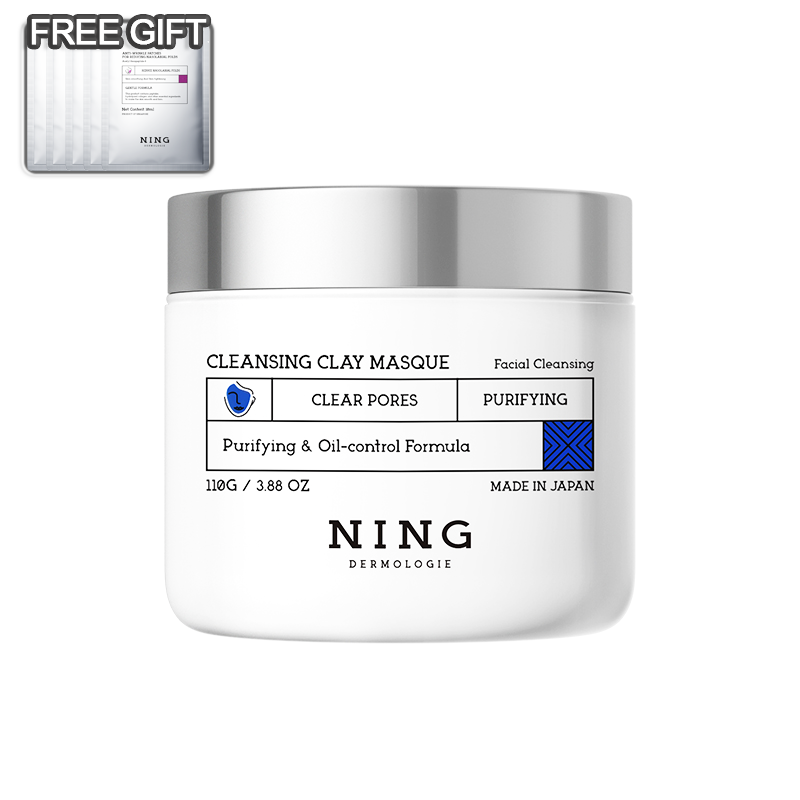
If you are ready to stop fighting your skin and start working with it, consider adding the Clay Mask for Face Sensitive Skin by NING Dermologie to your routine. It harnesses the raw power of clay but delivers it with the gentle touch your reactive skin deserves.
Clearer, glowing skin isn't magic. It's just good geology.
Frequently Asked Questions (FAQ)
1. Can I use a green clay mask if I have sensitive skin?
Yes, but proceed with caution. Pure green clay can be intense. For sensitive skin, look for a blended formula like NING Dermologie’s Clay Mask, which mixes clay with soothing ingredients. Do not let the mask fully dry and crack on your face, as this causes irritation. Use it once a week initially to see how your skin reacts.
2. Will a clay mask shrink my pores permanently?
No product can physically shrink pore size, as that is determined by genetics. However, clay masks work wonders to minimize the appearance of pores. By clearing out the dark oil and dirt (blackheads) stretching the pore open, the pore snaps back to its tightest natural state, making your skin texture look much smoother and more refined.
3. Should I wash my face before or after the mask?
Wash before. You need a clean canvas so the minerals in the clay can penetrate and the clay can adhere to the debris inside the pores. After rinsing off the mask, you do not need to use a cleanser again; simply rinse with water and follow up with a toner and moisturizer to keep your skin feeling hydrated.
4. Can clay masks cause skin purging?
Yes, it is possible. Because a detox face mask draws impurities from deep within the skin to the surface, you might see a few small pimples pop up after the first few uses. This is actually a sign the mask works. It is clearing out deep congestion. This "purge" usually clears up within a week or two of regular use.
5. What is the difference between green clay and bentonite clay?
Green clay (Illite) is fantastic for absorbing oil and mineralizing the skin. Bentonite clay is volcanic ash that swells and is incredibly powerful at drawing out toxins, but it can be drying. Bentonite is often better for spot treatments or very oily skin, while green clay is a great all-over face mask for oily and acne-prone types.
6. Can I leave the mask on overnight as a spot treatment?
Generally, no. Leaving a thick layer of clay on a spot overnight can overly dry the skin, leading to a crusty, irritated patch that is hard to cover with makeup. Instead, dab a tiny amount on the spot and leave it for 20 minutes, then rinse. This creates a safer acne treatment without damaging the skin barrier.





Share:
Best Green Clay Masks for Oily and Combination Skin Types
Best Skincare For Women: Hydrate for Best Facial Skincare