

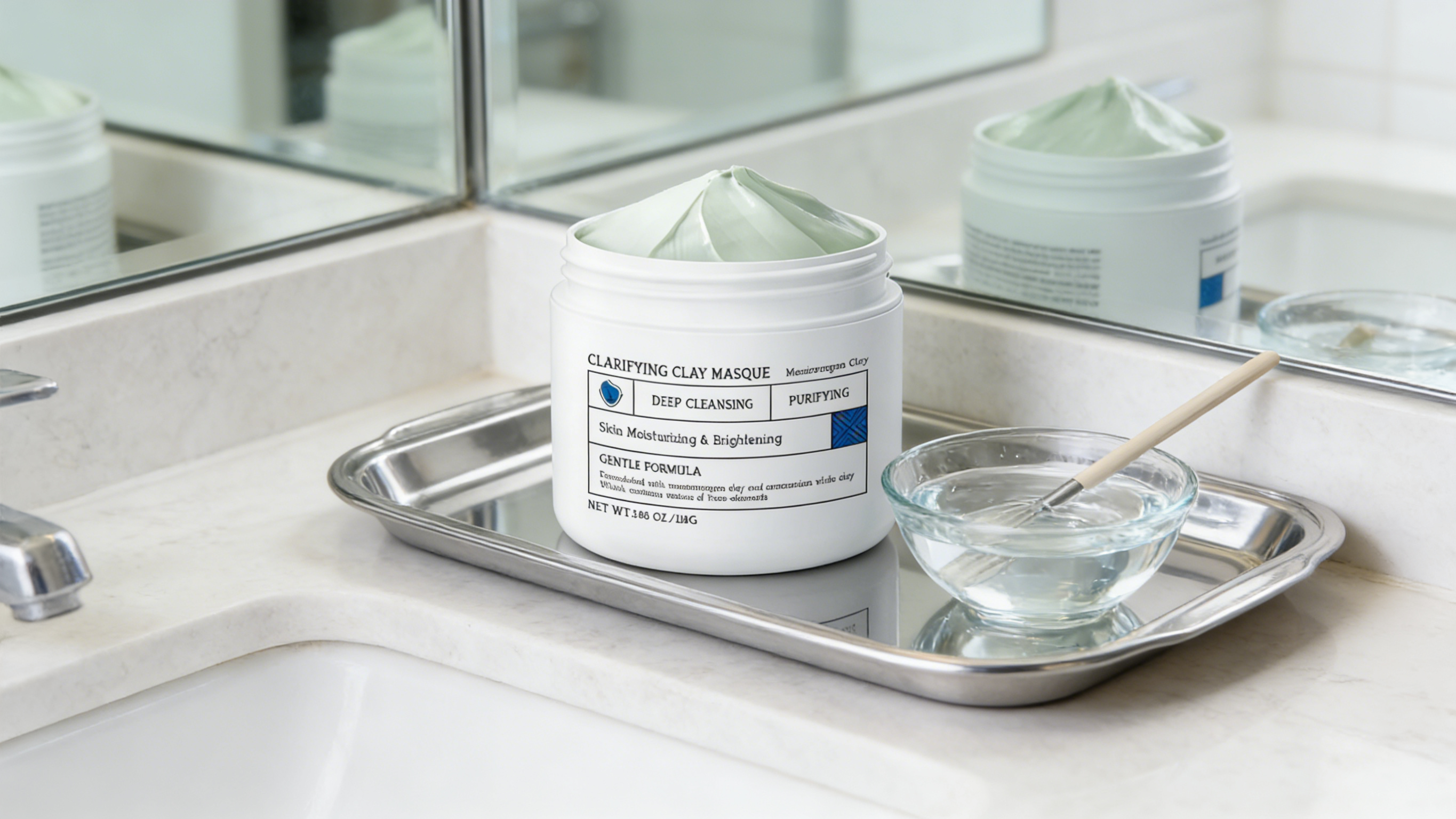

The Ultimate Guide: 8 Best Green Clay Masks for Oily and Combination Skin Types
Let’s be honest: if you have oily or combination skin, you know the struggle. It’s 2 PM, and your T-zone is shining bright enough to guide ships at sea. You want that deep clean feeling, the kind where you can practically feel the gunk being pulled out of your pores. But there’s a fine line between a satisfying detox and turning your face into the Sahara Desert.
That is where the best clay mask comes into play.
We aren’t talking about the drying, cracking masks of the early 2000s. The modern skin care landscape has evolved. Today, we are looking at sophisticated formulas—specifically green clay masks—that balance purification with hydration. Whether you are dealing with clogged pores, acne-prone skin, or just want to reset your skin texture, clay works.
In this guide, we’re cutting through the noise to find the right clay mask for you, breaking down the science of clay powder, and revealing our top picks, including a standout from our own lab at NING Dermologie.

Why Clay? Understanding the "Vacuum" Effect
Before we jump into the 8 best clay masks, it is crucial to understand why you are smearing mud on your face. A face mask made of clay has a magnetic effect. The clay's negative electrical charge attaches itself to the positive charge of pollutants, dead skin cells, and toxins in your pores when it is combined with water.
However, not every type of clay is created equal. Using a heavy-duty bentonite clay on dry cheeks can ruin your moisture barrier, while a gentle kaolin clay might not be strong enough for a congested nose.
Decoding the Colors: Which Clay is Right for Your Skin Type?
- French Green Clay: The gold standard (or green standard) for oily skin. It is rich in minerals and incredibly porous, making it the best clay mask for oily complexions that need serious oil control.
- Bentonite Clay: This is the heavy lifter. It swells when wet and is famous for its ability to cleanse the skin deeply. It’s a staple for acne-prone skin.
- Kaolin (White) Clay: The gentle giant. White clay is less absorbent than green or bentonite, making it best for sensitive skin or dry areas.
- Rhassoul Clay: A Moroccan lava clay that is rich in magnesium. It improves skin texture without stripping oil, often used for mature skin or dry skin types.
- Pink Clay: Usually a mix of red and white clay. It’s the perfect middle ground for combination skin.
- Blue Clay: A rarer find, often used to soothe the skin while detoxifying.
The Top 8 Best Clay Masks for Oily and Combination Skin
We have tested, formulated, and reviewed the landscape to bring you the 11 best contenders (narrowed down to our top 8 here for clarity) that will leave your skin feeling fresh, not stripped.
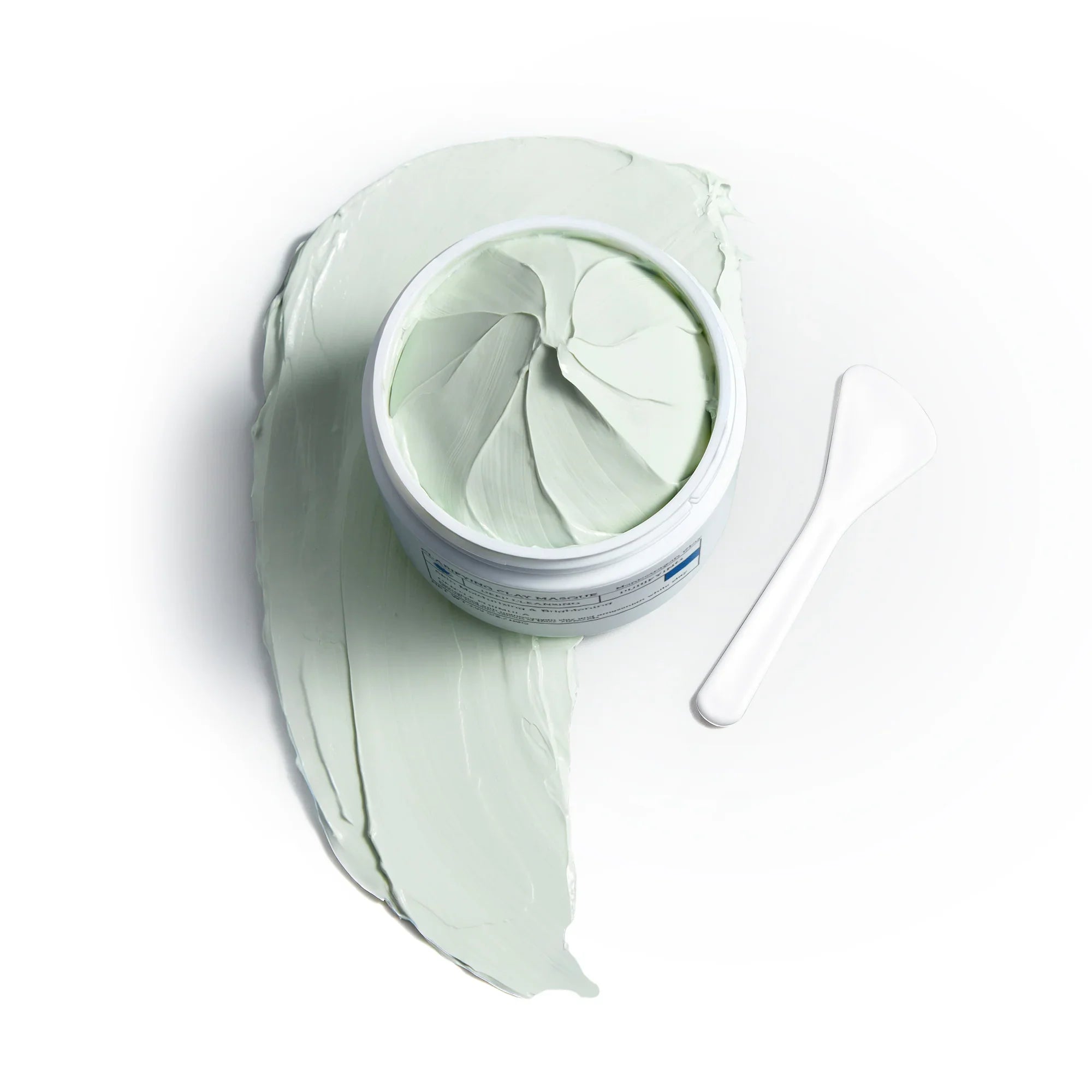
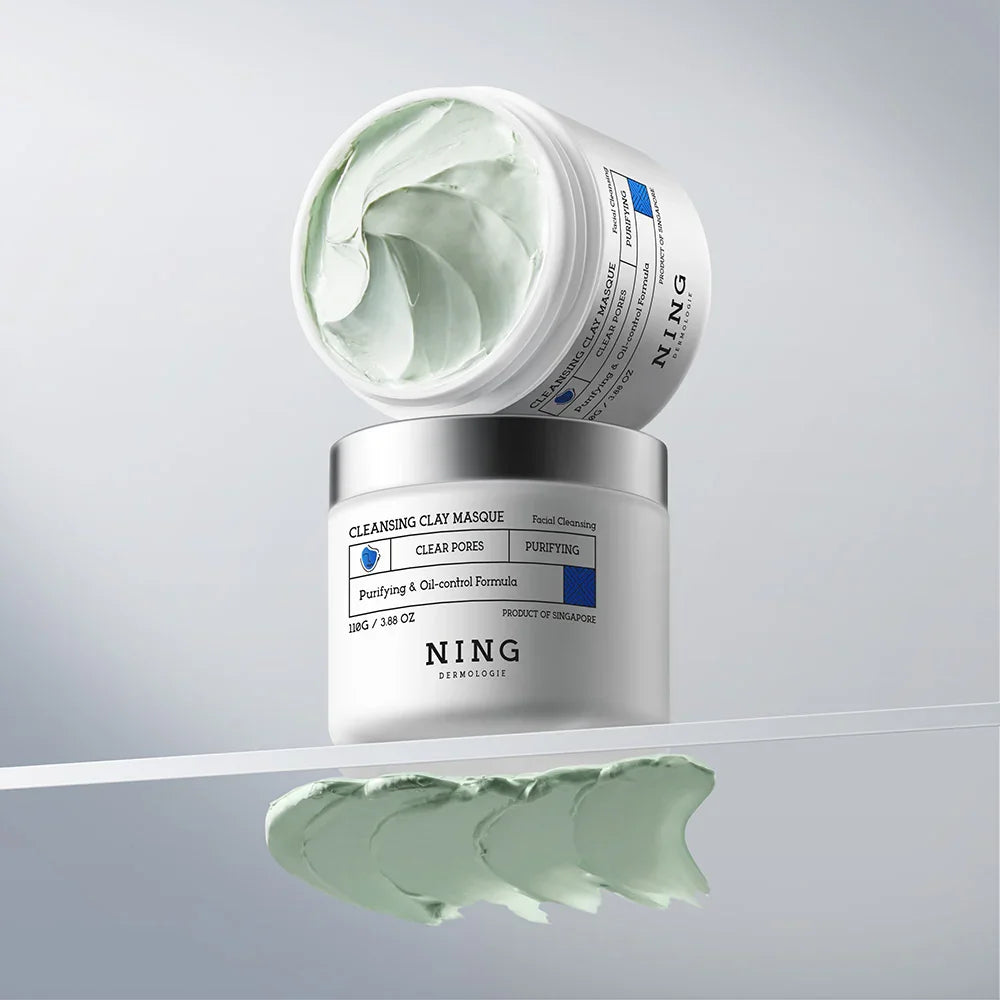
1. NING Dermologie: Clay Mask for Face Sensitive Skin
Best Overall for Balanced Purification
We might be biased, but we designed this specifically because we saw a gap in the market. Usually, a clay mask for oily skin is too harsh, and a mask for sensitive skin is too weak.
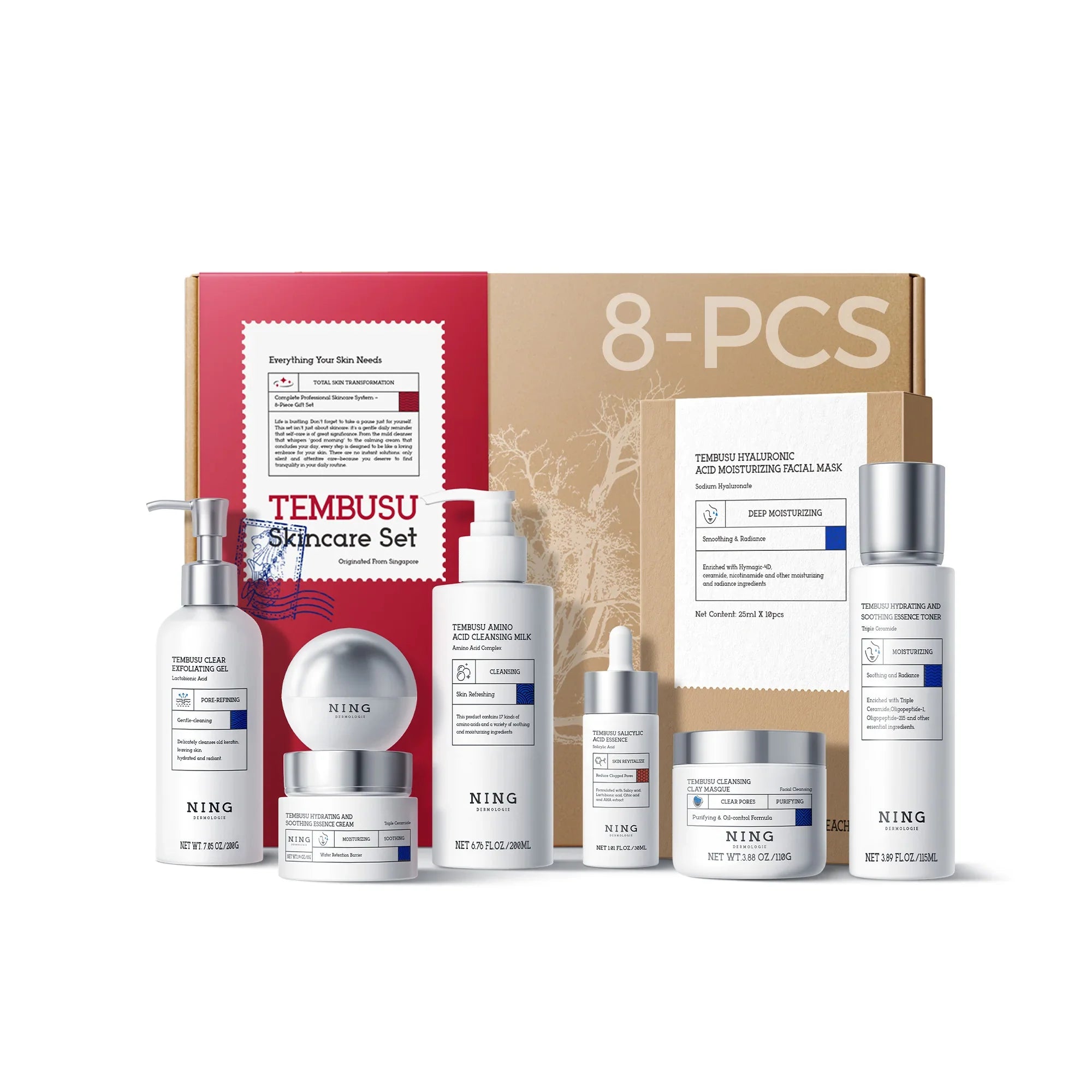
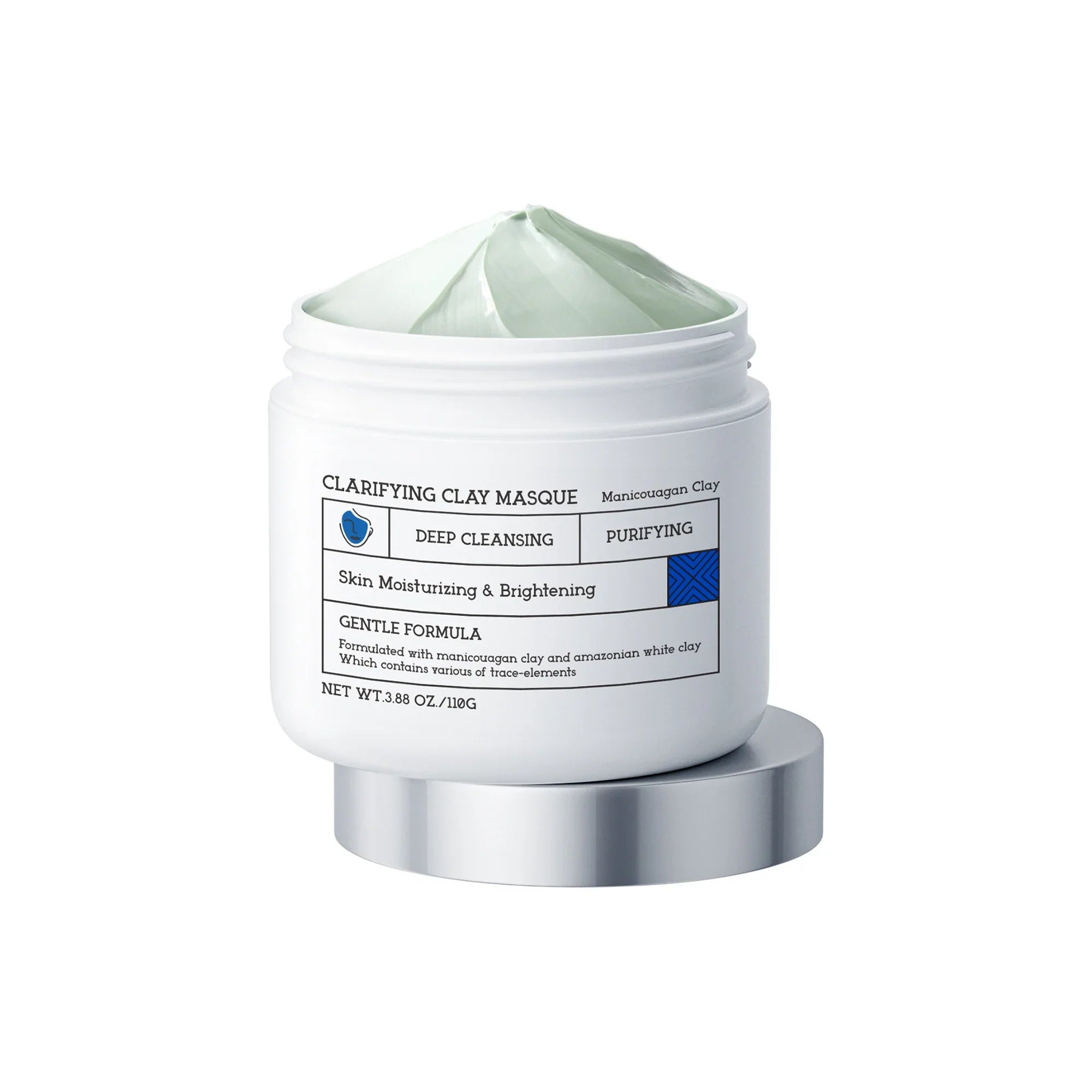
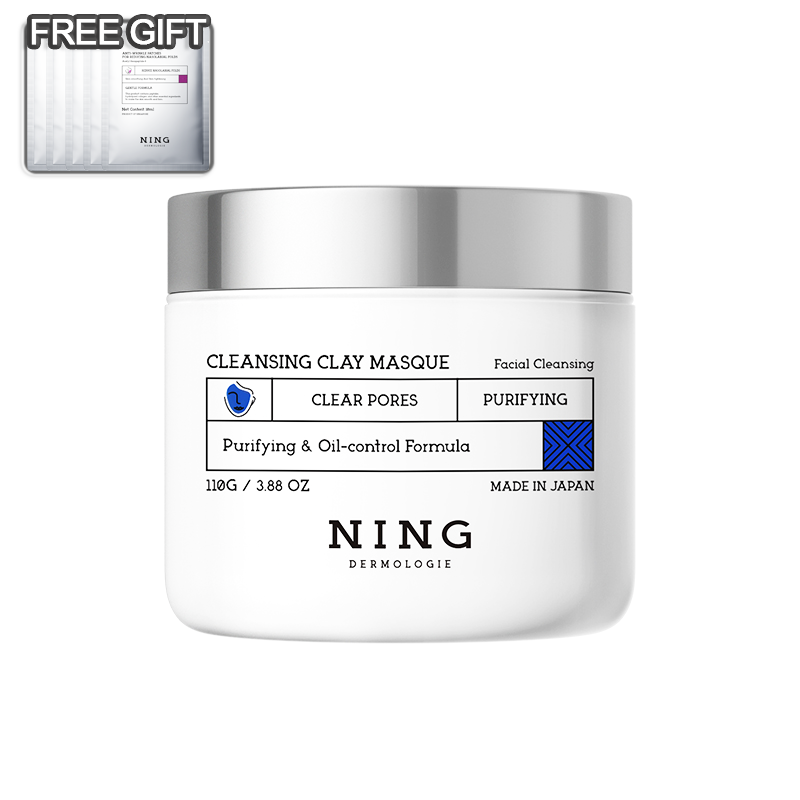
At NING Dermologie, our Clay Mask for Face Sensitive Skin bridges that gap. We utilize a refined blend that acts like a clarifying clay mask for your T-zone but remains soothing enough for delicate cheeks. It targets clogged pores and absorbs excess sebum without the "cracking" effect that hurts your skin barrier. If you have combination skin or acne-prone or sensitive skin, this is your holy grail. It proves that clay works well without being aggressive.
2. Outset Purifying Blue Clay Mask
Best for Gentle Detox
If you are intimidated by potent green clays, the Outset Purifying Blue Clay Mask is a fantastic entry point. Blue clay is fascinating because it focuses on soothing inflammation. While it might not have the aggressive oil-pulling power of French green clay, it excels at refining skin texture. It’s a great purifying mask for days when your skin feels stressed rather than just oily.
3. Volcanic AHA Pore Clearing Clay
Best for Resurfacing Texture
Sometimes, clay isn't enough. This mask combines the absorbent nature of volcanic ash (similar to bentonite clay) with chemical exfoliants (AHAs). This duo works double-time to exfoliate away dead skin while the clay absorbs the oil. It is arguably the best for pores that are stubbornly clogged. However, a warning: because of the acids, sensitive skin types should patch-test this first.
4. The Raw Bentonite Powerhouse
Best for Extremely Oily Skin
For those days when your face feels like an oil slick, nothing beats a mask heavy in bentonite clay. This type of mask pulses as it dries (you can literally feel it). It is the best clay mask for oily skin that is resilient and non-sensitive. It sucks out everything—oil, dirt, bacteria. Just be sure to follow up with a heavy moisturizer, as it can be drying.
5. French Green Clay & Matcha Blend
Best for Oil Control and Antioxidants
A pure green clay mask is excellent, but when mixed with antioxidants like Matcha, it becomes a powerhouse. Green clay masks are unmatched in their ability to tighten pores and mattify the skin. People with oily skin often find this combination helps reduce the oxidation of sebum (which causes blackheads). It’s a classic clay mask for oily concerns.
6. Whipped Kaolin Clay Soufflé
Best for Dry or Sensitive Skin
If you have dry or sensitive skin but still experience occasional congestion, look for a whipped kaolin clay mask. Amazonian white clay is often used here. It sits lightly on the skin, gently lifting impurities without disrupting the lipid barrier. While it’s not the strongest pore cleaner, it will leave your skin soft and calm.
7. Australian Pink Clay Mask
Best for Combination Skin
Pink clay has had a massive moment on social media, and for good reason. Since it is a blend of red and white clay, it manages the "T-zone vs. Cheeks" conflict perfectly. It balances sebum production in the oily areas while hydrating the dry patches. If you are struggling to find a mask for your skin type because your face can't decide if it's oily or dry, try pink clay.
8. Moroccan Rhassoul Clay Paste
Best for Mineral Replenishment
Rhassoul clay is unique because it cleanses physically. It has a slightly grittier texture than clay powder, providing manual exfoliation to scrub away dead skin cells. It’s rich in silica and magnesium, making it great for mature skin that needs a boost in elasticity while clearing out clogged pores.

How to Use a Clay Mask Effectively (Don't Make These Mistakes)
Buying the best clay mask is only half the battle. How you use it determines if your skin looked glowing or irritated.
1. The "Smile Test" Rule There is a common misconception that you need to let a clay face mask dry until it cracks and flakes off. Stop doing this. When clay dries completely, it starts drawing moisture out of your living skin cells, not just the oil. The right clay mask technique is to rinse it off when it is sticky-dry (touch it with a finger; it should not transfer, but it should feel slightly tacky). If you smile and it hurts, you waited too long.
2. Prep the Canvas Always cleanse the skin before applying. You want the clay to work on your pores, not on the layer of makeup or sunscreen sitting on top of your face. Warm water helps soften the hardened oil in pores, allowing the green clay to work deeper.
3. Multi-Masking for Combination Skin If you have variety of skin types on one face (oily nose, dry cheeks), customize! Use a green clay mask or bentonite clay on your T-zone, and a nourishing kaolin clay or NING Dermologie mask on your cheeks. This ensures every skin type gets what it needs.
4. Aftercare is Crucial After rinsing, your skin feels clean, but it needs hydration immediately. Apply a hydrating toner and a moisturizer to seal the barrier. This keeps your skin feeling balanced.
Signs the Clay Mask is Right for You
How do you know if you've found the best skincare match?
- Immediate: Your skin feels clean but not tight or itchy.
- Short term: The next morning, your oil production is balanced (not over-producing to compensate for dryness).
- Long term: Regular use of a clay mask (1-2 times a week) leads to visibly smaller-looking pores and fewer breakouts.
If your skin turns bright red and stays that way for an hour, the mask was too strong (perhaps too much glycolic acid mixed with the clay). If you see no difference in your blackheads, you might need a stronger green clay or bentonite formula.
Final Thoughts: Balancing Your Routine
Although it can be difficult to navigate the world of skin care products, clay masks can be a useful tool in your toolbox. Consistency is essential, whether you go for the calming properties of blue clay, the balanced perfection of our NING Dermologie Clay Mask for Face Sensitive Skin, or the deep-diving power of French green clay.
Recall that the objective is to achieve balance, not to punish your oil glands. You are investing in a clearer, smoother, and more radiant future for your face by adding a high-quality clay mask to your weekly skin care regimen. Your mirror will appreciate the detox, and oily skin will love it.
Frequently Asked Questions (FAQ)
Q1: How often should I use a clay mask for oily skin?
For oily and acne-prone skin, we generally recommend using a mask 2 to 3 times a week. However, listen to your skin. If you start feeling tight or seeing dry patches, scale back to once a week. Over-masking can trigger your skin to produce more oil to compensate for dehydration.
Q2: Can I use a green clay mask if I have sensitive skin?
Yes, but use caution. The intensity of pure French green clay can be quite high. Look for a blend that buffers the clay with calming ingredients, such as the NING Dermologie Clay Mask. Alternatively, to make a buffer for sensitive skin types, combine pure clay powder with yogurt or honey rather than water.
Q3: Does clay actually shrink pores?
In theory, pore size is genetic and cannot be altered indefinitely. On the other hand, pores expand and appear larger when they are packed with oil and dead skin cells. By removing this debris, a clarifying clay mask enables the pore to "snap back" to its smallest size, giving the skin's texture a much smoother, more refined appearance.
Q4: What is the difference between Bentonite and Kaolin clay?
Bentonite clay is like a heavy-duty sponge that expands and soaks up a lot of oil and toxins. This makes it the best clay mask for oily skin. Kaolin clay (white clay) is more like a gentle wipe. It cleans and exfoliates without taking in too much moisture, so it's great for sensitive skin.
Q5: Should I moisturize after using a clay mask?
Absolutely. This is non-negotiable. Even the best clay mask removes some natural oils along with the impurities. To maintain a healthy barrier and that soft skin feeling, apply a moisturizer immediately while your skin is still damp to lock in hydration and prevent rebound oiliness.
Q6: Why does my face turn red after using a clay mask?
A little redness is normal because blood flow increases, especially with red clay or strong masks. But if your skin burns, stings, or stays red for a long time, the mask is probably too harsh or the pH is wrong. If you have sensitive skin, you should use gentler products like pink clay or our special blend for sensitive skin.





Share:
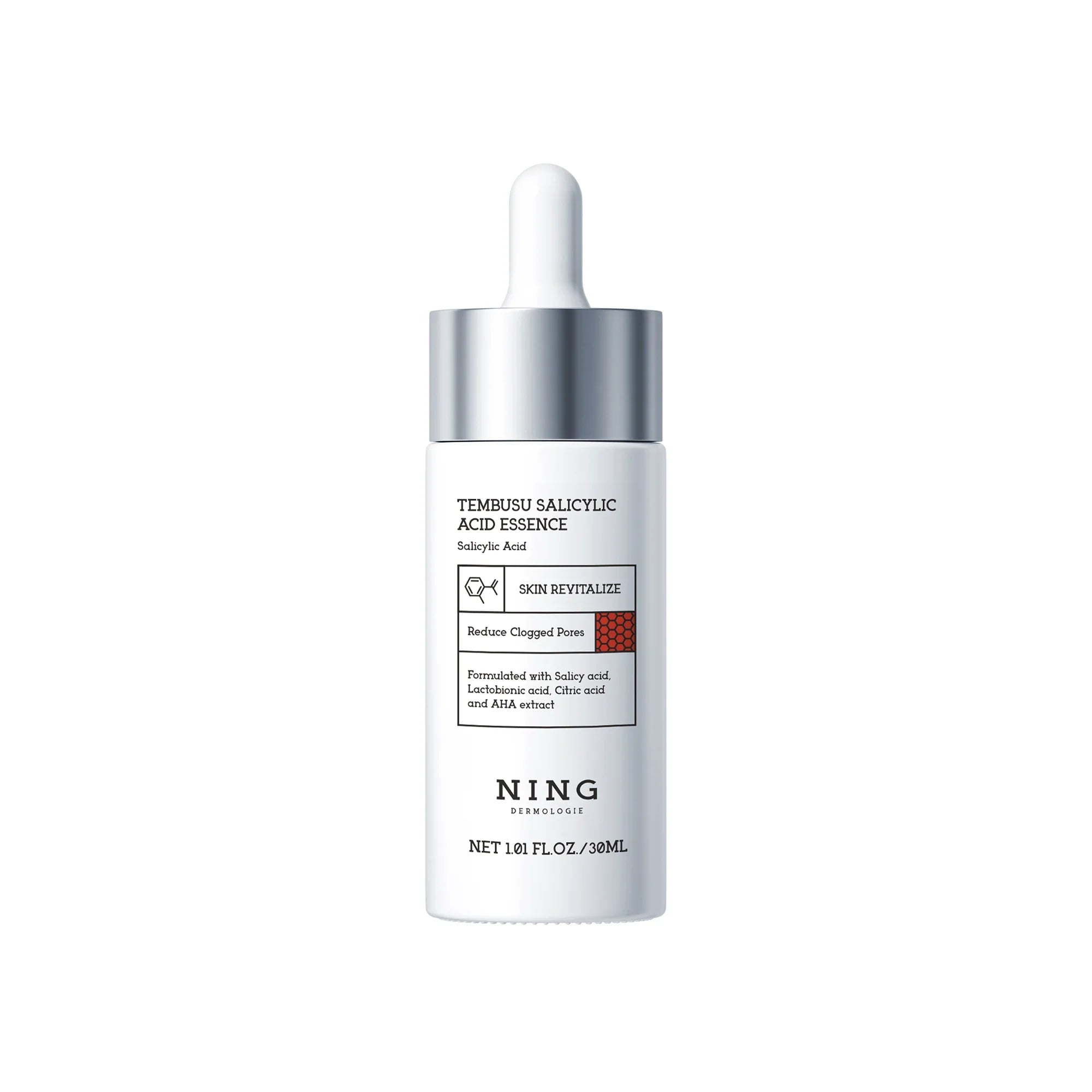
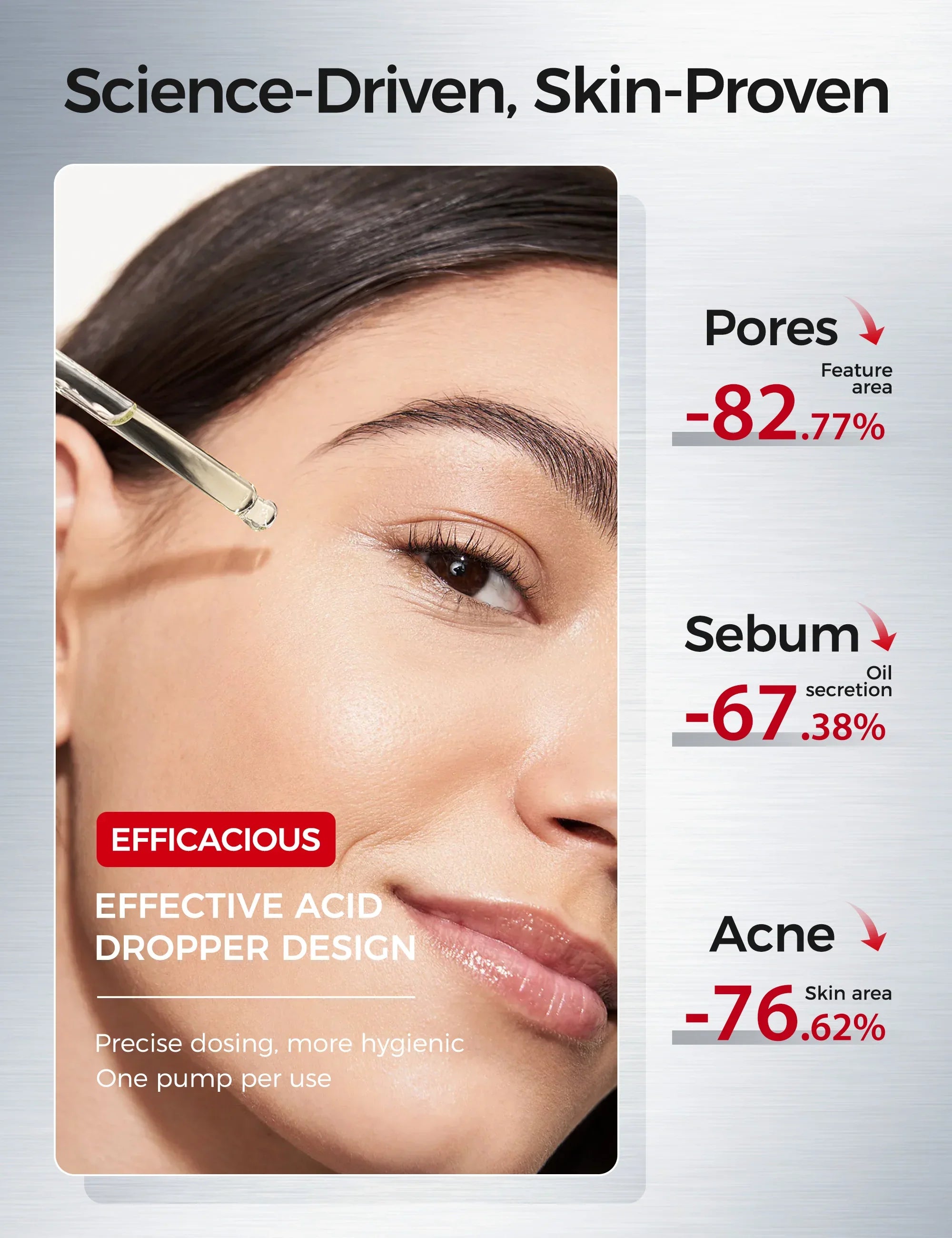
Target Oil and Acne with Powerful Salicylic Acid Formulas
Discover the Magic of Green Clay Masks for Acne-Prone Skin