



How to Target Oil and Acne: The Ultimate Skin Guide to Powerful Salicylic Acid Treatment Products
Description: Struggling with persistent breakouts? Learn how to effectively target stubborn oil and acne using the right salicylic acid approach. Whether you shop Target for acne essentials using drive up or order pickup for convenience, or upgrade to specialized care like NING Dermologie, this is your guide to the perfect product for clear skin.
Let’s be honest for a second. Standing in the skincare aisle—or scrolling endlessly online—can feel like trying to decode a foreign language. You see "clarifying," "purifying," and a dozen other buzzwords promising to fix your face overnight. But if you have oily, acne-prone skin, you know the reality is a lot messier.
You don't need magic. You need chemistry. specifically, you need to understand the heavy lifter of the acne world: Salicylic Acid.
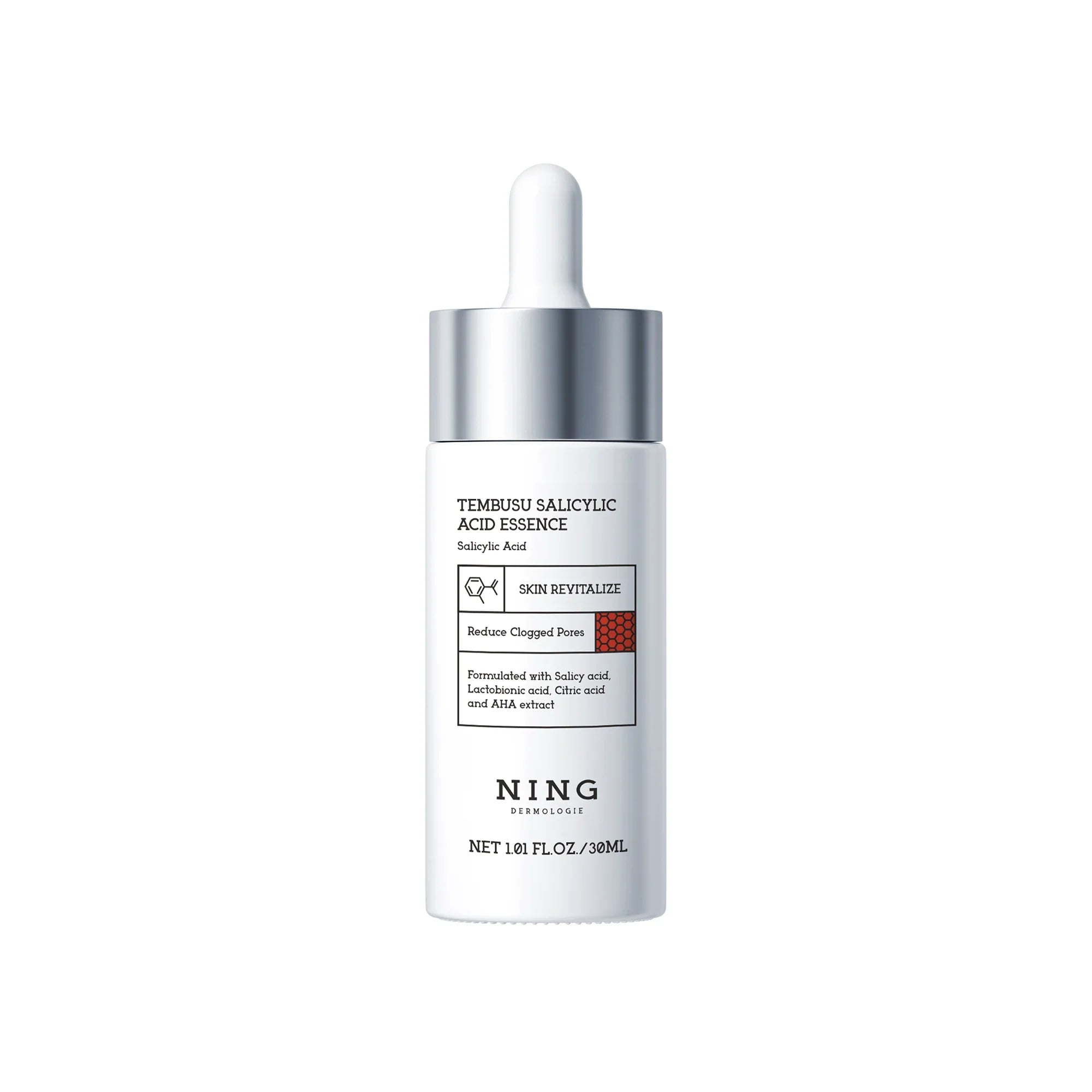
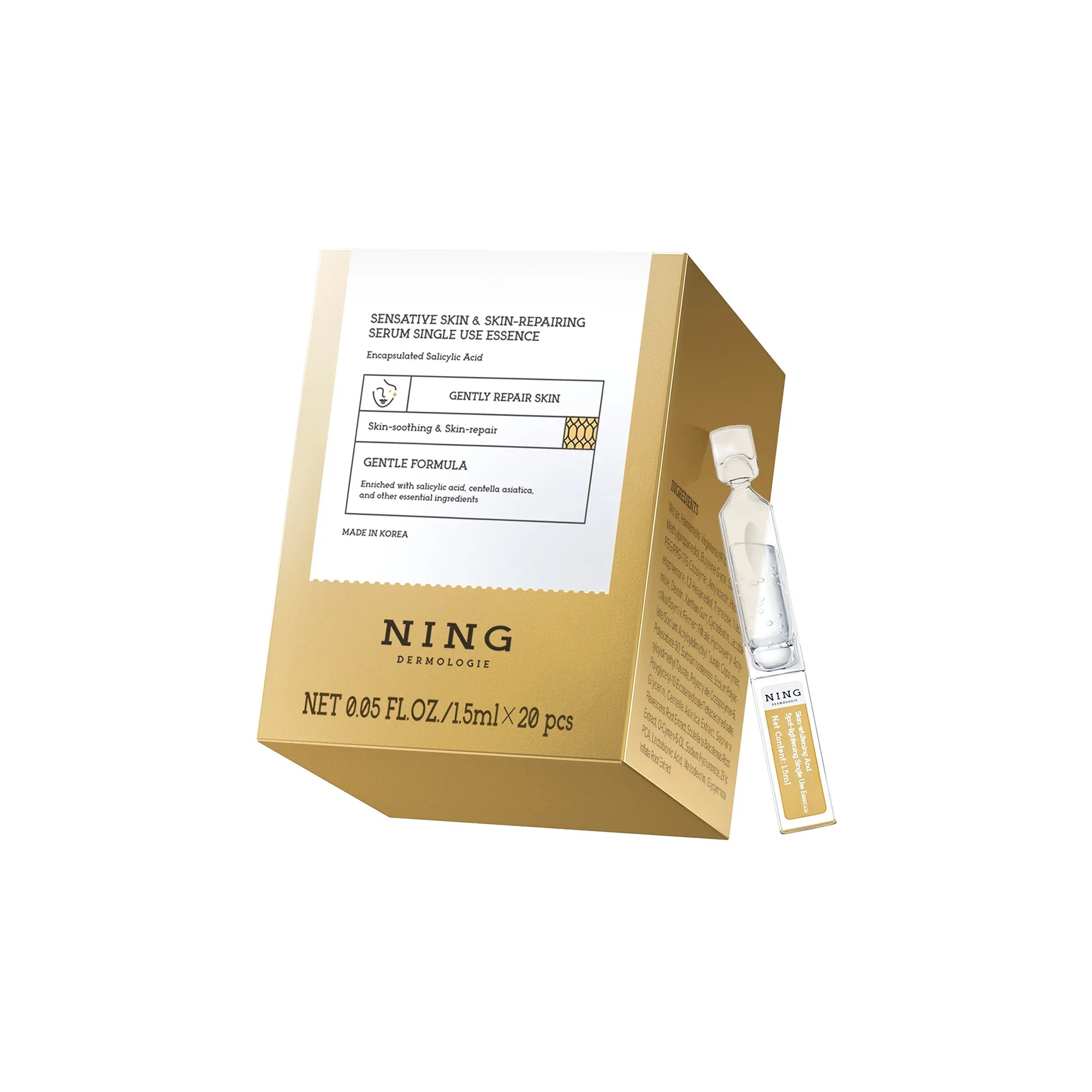
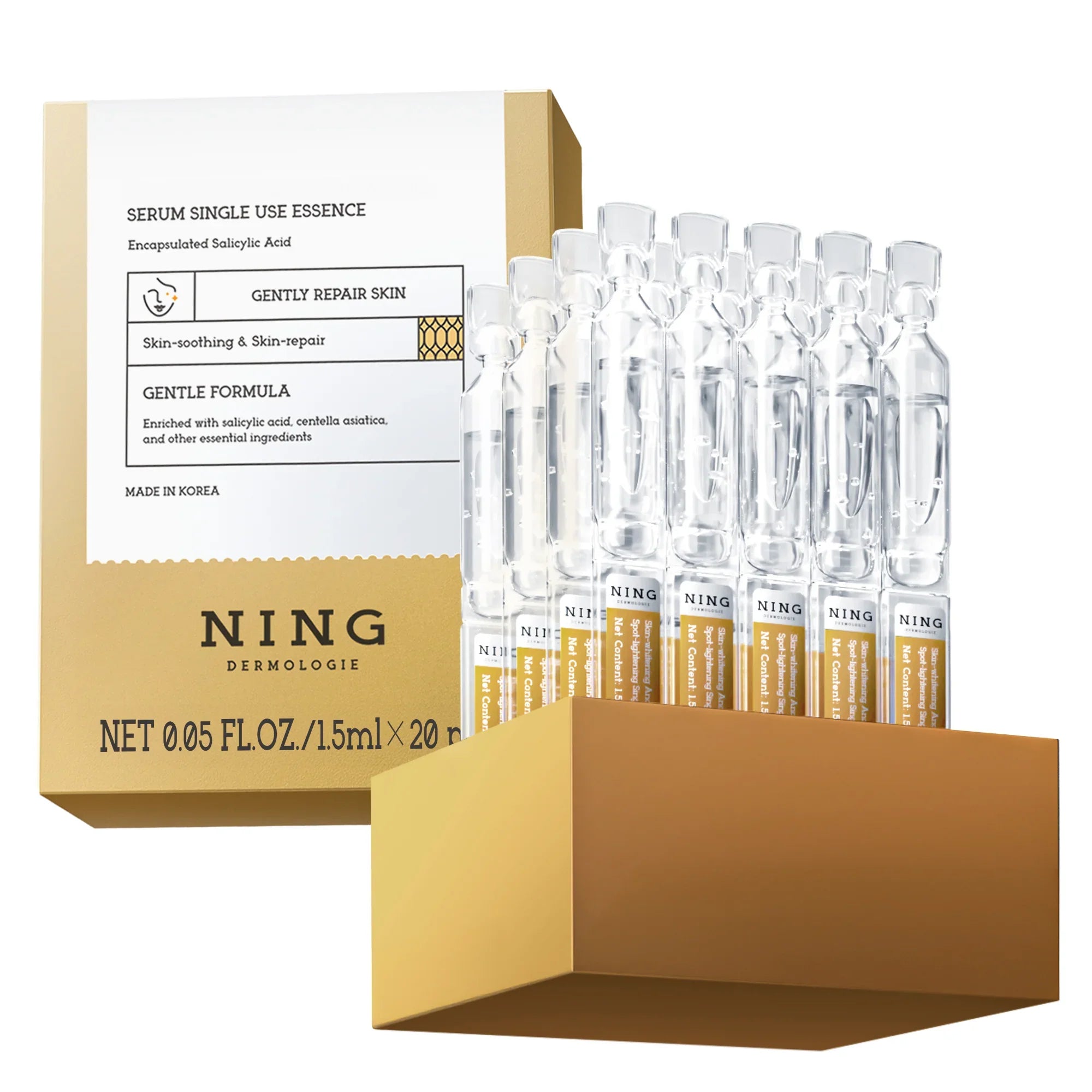
We are going to break down exactly how to build a routine that works. We will look at why you might grab basics when you shop Target for acne supplies (because who doesn't love a drive up or order pickup run?), and why for the real heavy lifting, you might need a more sophisticated formula like the NING Dermologie 2% Salicylic Acid Serum.
This isn't just about drying out a pimple; it's about fundamentally changing how your skin manages oil and prevents future breakout clusters.

Understanding the Salicylic Acid Formula: Why It Works on Your Skin
To treat the problem, you have to understand the enemy. Acne isn't just "dirt." It’s a traffic jam in your pores. Dead skin cells mix with sebum (oil) and create a plug. Bacteria invites itself to the party, inflammation sets in, and voila—you have a zit.
This is where the salicylic acid product category shines.
Salicylic acid is a Beta Hydroxy Acid (BHA). Unlike Alpha Hydroxy Acids (AHAs like glycolic acid) which are water-soluble and work mostly on the surface, BHA is oil-soluble. This is a massive distinction. It means the molecule doesn't just sit on top of your face; it has the unique ability to penetrate through the lipid layers (the oil) and dive deep inside the pore lining.
Once inside, it acts like a microscopic exfoliator, dissolving the "glue" that holds dead skin cells together. It effectively declogs the pipe.
The Concentration Sweet Spot
When you are looking for an effective treatment, percentage matters.
- 0.5% to 1%: Good for very sensitive skin or maintenance in a toner.
- 2%: The Goldilocks zone. This is the standard for maximum efficacy without chemical burns.
This is why products like the NING Dermologie 2% Salicylic Acid Serum are formulated specifically at this concentration. It hits the peak effectiveness for dissolving oil without destroying your moisture barrier.
Choosing the Right Product: Mass Market vs. Specialized Care
We live in a world of convenience. It is incredibly tempting to just shop Target for acne solutions when you are buying toilet paper and groceries. And to be fair, big-box retailers are fantastic for the basics.
If you need cotton rounds, a basic gentle cleanser, or generic pimple patches, by all means, use the drive up or order pickup service. It is a lifesaver for busy schedules. You can get your target essentials loaded into your trunk without unbuckling your seatbelt.
However, when it comes to your active treatment step—the serum that stays on your skin all day or night—generic formulas often fall short.
The Problem with Some Generic Formulas
Many mass-market acne products are loaded with drying alcohols. They give you that tight, "squeaky clean" feeling that we have been brainwashed to think is good. It’s not. It’s actually damaging.
When you strip your skin of all moisture using harsh alcohols, your skin panics. It thinks, "I'm dry! I need to protect myself!" and it responds by overproducing oil. This creates a vicious cycle:
-
You use a harsh product to dry out oil.
-
Your skin dries out.
-
Your skin produces more oil to compensate.
-
You break out again.
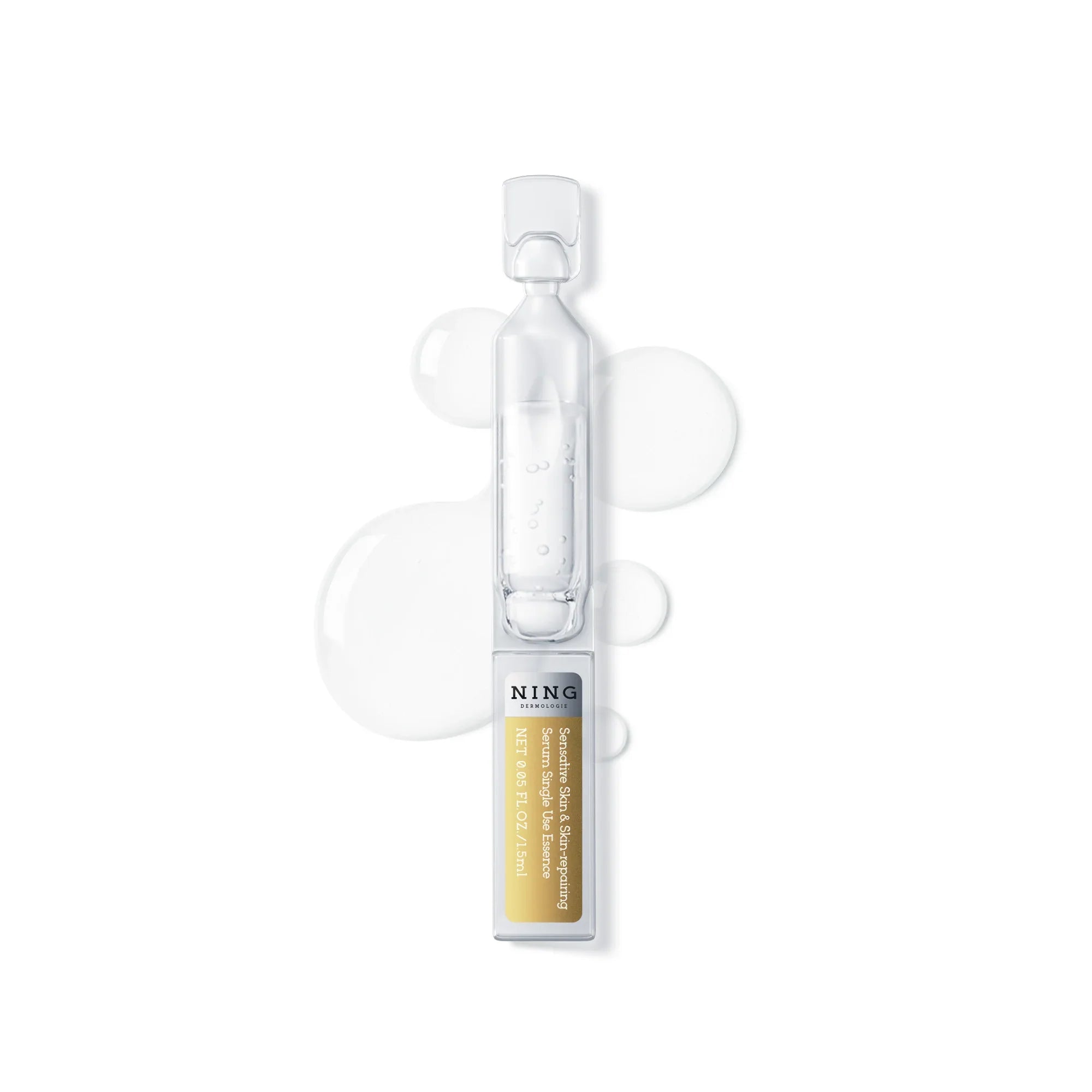
This is where a specialized formula creates a difference. The NING Dermologie 2% Salicylic Acid Serum is designed to deliver the salicylic acid payload while respecting the skin's integrity. It’s not just about nuking the acne; it’s about balancing the ecosystem of your face.

Integrating a Salicylic Acid Product into Your Daily Skin Routine
You have your product. Now, how do you use it without ruining your face? The application is just as important as the ingredient list.
Step 1: The Cleanse
Start with a gentle canvas. You don't need a medicated cleanser if you are using a medicated leave-on treatment. In fact, doubling up can cause irritation. A simple, hydrating cleanser is fine.
Step 2: The Active (The BHA)
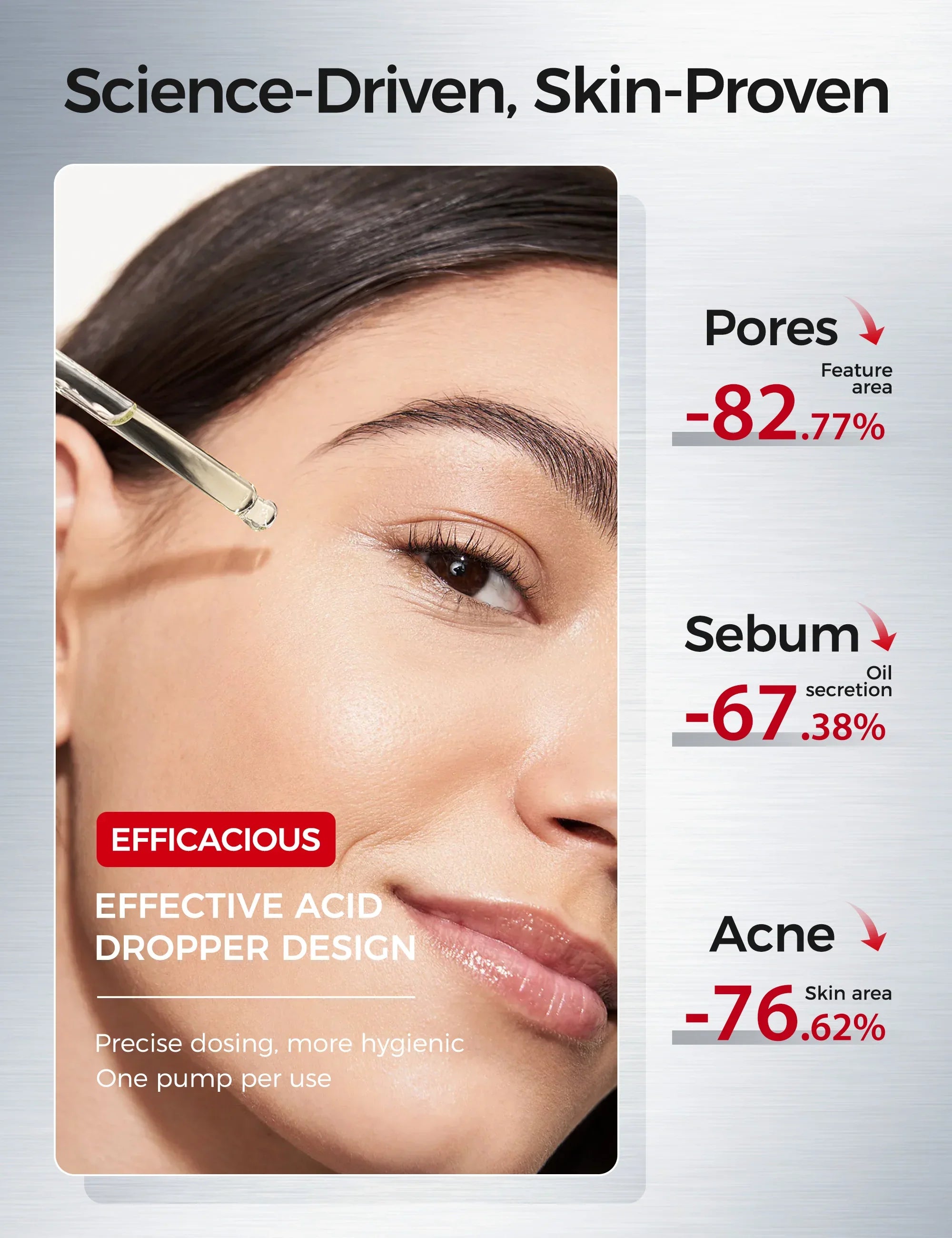
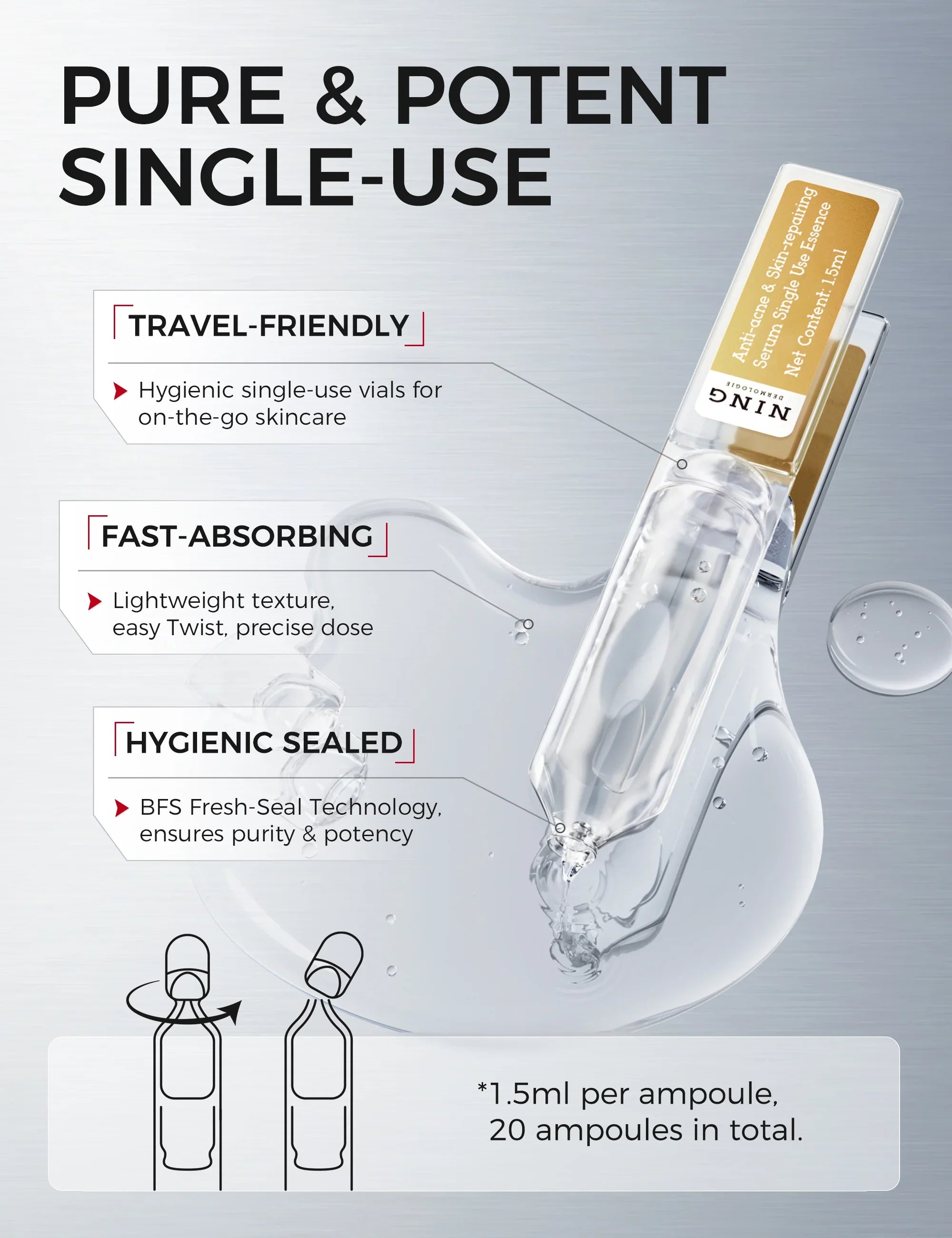
This is where your NING Dermologie serum comes in. Apply it to dry skin. Water can sometimes neutralize acids or change their pH, making them less effective.
- Take a few drops of the 2% Salicylic Acid Serum.
- Press it into the skin, focusing on the T-zone or areas prone to congestion.
- Pro Tip: Don't just rub it in; press it. Let it absorb.
Step 3: The Wait (Optional but helpful)
Give the formula about 60 seconds to do its work before slapping on the next layer.
Step 4: Hydration
This is non-negotiable. Even though salicylic acid treats oil, you must hydrate. A lightweight, oil-free moisturizer seals everything in. If you skip this, your skin barrier will weaken, allowing bacteria to penetrate easier.
Step 5: Sun Protection (Daytime)
BHA can make your skin slightly more sensitive to the sun. If you are applying this in the morning, follow up with SPF. You can easily find great affordable sunscreens when you shop Target for acne and skincare protection.
Targeting Oil Without Stripping the Skin Barrier
There is a myth that people with oily skin don't need moisture. That is dangerously false.
Oily skin is a skin type (genetic); dehydrated skin is a skin condition (lack of water). You can have oily, dehydrated skin. In fact, most people with acne do.
The beauty of a well-formulated product like NING Dermologie's serum is that it targets the sebum inside the pore, but it doesn't act like a solvent on the surface of your face.
If you are using a salicylic acid toner that smells like vodka, stop. You are destroying your acid mantle. Switch to a serum texture. Serums are generally better vehicles for acne treatment because they can hold hydrating ingredients (like hyaluronic acid or glycerin) alongside the salicylic acid. This buffers the irritation.
When to Expect Results (and The "Purge")
You’ve bought the product, maybe you grabbed some supporting items via drive up or order pickup, and you’ve started your routine. Two days later, you see more pimples.
Panic sets in. You want to throw the bottle away.
Stop. Breathe. This is likely "The Purge."
Because salicylic acid speeds up cell turnover, it brings micro-comedones (baby pimples under the surface) to the head faster than usual. What would have been a pimple three weeks from now is appearing today.
How to tell the difference between Purging and Breaking Out:
- Purging: Happens in areas where you usually get acne. The pimples appear and heal relatively quickly.
- Reaction/Breakout: Happens in new areas. The skin looks red, rashy, or itchy.
A purge can last 4 to 6 weeks. It requires patience. Stick with your NING Dermologie routine. Consistency is the only magic bullet in skincare.
Lifestyle Factors: It’s Not Just What You Put On Your Face
While a killer formula is 80% of the battle, the other 20% is lifestyle. You can have the best treatment in the world, but if you are sabotaging your body, the acne will fight back.
1. Pillowcases
Change them. Often. You are rubbing your face on a bacterial petri dish for 8 hours a night.
2. Diet and Inflammation
High-glycemic foods (sugar, white bread) spike insulin, which triggers oil production. You don't have to live on kale, but be mindful of sugar.
3. Stress
Stress releases cortisol. Cortisol tells your sebaceous glands to produce more oil. It’s a cruel joke of nature.
4. Touching Your Face
Stop it. Every time you touch your face, you are depositing dirt and oil.
Why NING Dermologie fits the "Smart Shopper" Profile
We know you are savvy. You know how to use the Target app to find the best deals on cotton pads and organizers. You use drive up or order pickup because you value your time.
Applying that same logic to your skincare means investing where it counts.
Mass-market cleansers wash down the drain—literally. You don't need to spend a fortune there. But a serum sits on your skin all day. It absorbs into your bloodstream. It changes the structure of your epidermis. This is where quality matters.
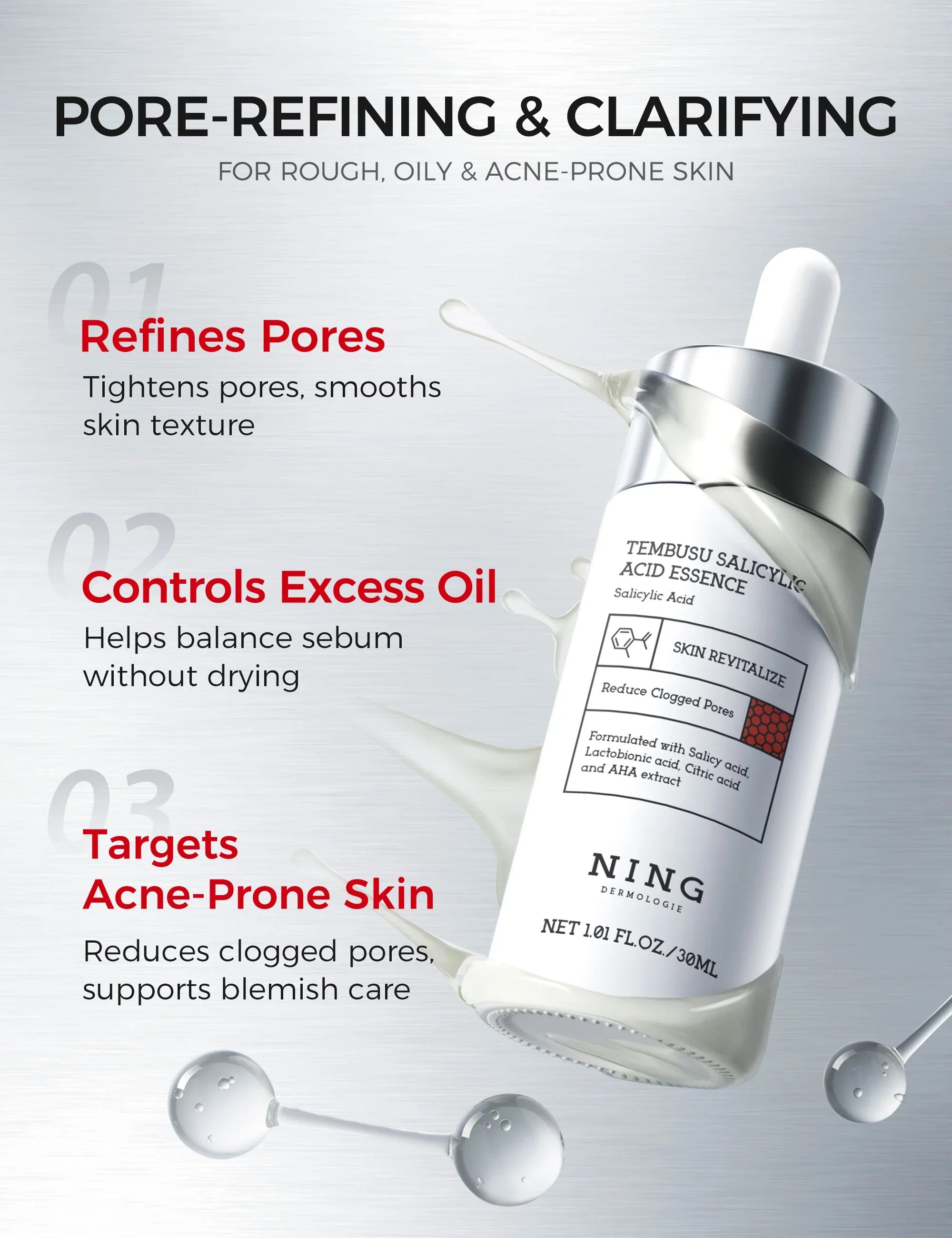
NING Dermologie focuses on clinical efficacy. The 2% Salicylic Acid Serum isn't trying to be a perfume; it's trying to be a solution. It cuts through the marketing noise and the oil to deliver clear results.

Troubleshooting Your Routine
If you aren't seeing results after 6-8 weeks, revisit your application:
- Are you using too much? A pea-sized amount is enough for the whole face.
- Are you buffering too much? If you apply moisturizer before the salicylic acid, it might not penetrate.
- Are you mixing actives? Don't mix Retinol, Vitamin C, and Salicylic Acid all at the exact same time. You will cook your face. Use Vitamin C in the morning, and alternate nights between Salicylic Acid and Retinol.
The Final Verdict on Targeting Acne
Achieving clear skin is a journey, not a sprint. It involves a combination of smart shopping—knowing when to grab basics at Target and when to order specialized treatments—and understanding your own biology.
Don't let oil control your life. By incorporating a high-quality BHA like the NING Dermologie 2% Salicylic Acid Serum, you are giving your pores a fighting chance to breathe.
So, go ahead. Do your weekly run. Shop Target for acne patches and gentle cleansers. Use that drive up or order pickup to save an hour of your day. But when you get home, treat your skin to a formula that actually understands the science of the breakout.
Your clear skin is waiting under the surface; it just needs a little help getting out.
Frequently Asked Questions (FAQ)
1. Can I use salicylic acid every day?
For most people, yes, but start slow. If you are new to the NING Dermologie 2% Salicylic Acid Serum, apply it every other night for the first two weeks. If your skin tolerates it well (no excessive peeling or stinging), you can graduate to daily use. However, if you have naturally dry or sensitive skin, sticking to 3 times a week might be your sweet spot to target acne without irritation.
2. Will salicylic acid make my skin peel?
It might cause mild flaking, especially in the beginning. This is actually the product doing its job—exfoliating dead skin cells. However, you shouldn't look like a shedding snake. If peeling is severe, you are likely using the treatment too often or not moisturizing enough. Scale back frequency and amp up your hydration to balance the oil control.
3. Can I use salicylic acid with Vitamin C?
Technically yes, but it’s risky for sensitive skin. Both are active ingredients with low pH levels. Layering them can cause irritation. A safer bet? Use your Vitamin C serum in the morning to protect against pollution, and use your salicylic acid formula at night to clear out the pores and target congestion accumulated during the day.
4. How long does it take to see results?
Skincare requires patience. While some people see a reduction in oil within a few days, clearing actual acne takes time. You are treating the full lifecycle of a pimple. Expect to see significant changes in 4 to 6 weeks. Stick with your routine, even if it feels like nothing is happening at first. Consistency with your formula is key.
5. Is salicylic acid safe for pregnancy?
Most doctors say that pregnant women should stay away from high levels of salicylic acid. Some people think that low percentages in wash-off products are okay, but leave-on serums are often flagged as a precaution. If you're pregnant or breastfeeding, it's always best to talk to your OB-GYN before using any acne treatment or BHA product.
6. Does salicylic acid help with acne scars?
Salicylic acid is mostly used to treat active breakouts and stop new ones from happening. It can help fade post-inflammatory hyperpigmentation (those dark spots left behind) faster than they would fade on their own, though, because it removes the top layer of skin. For deep, pitted scars, it won't do much, but it’s excellent for smoothing overall texture and tone.





Share:
Shine-Free Glow: Revolutionary Salicylic Acid Serum
Best Green Clay Masks for Oily and Combination Skin Types