

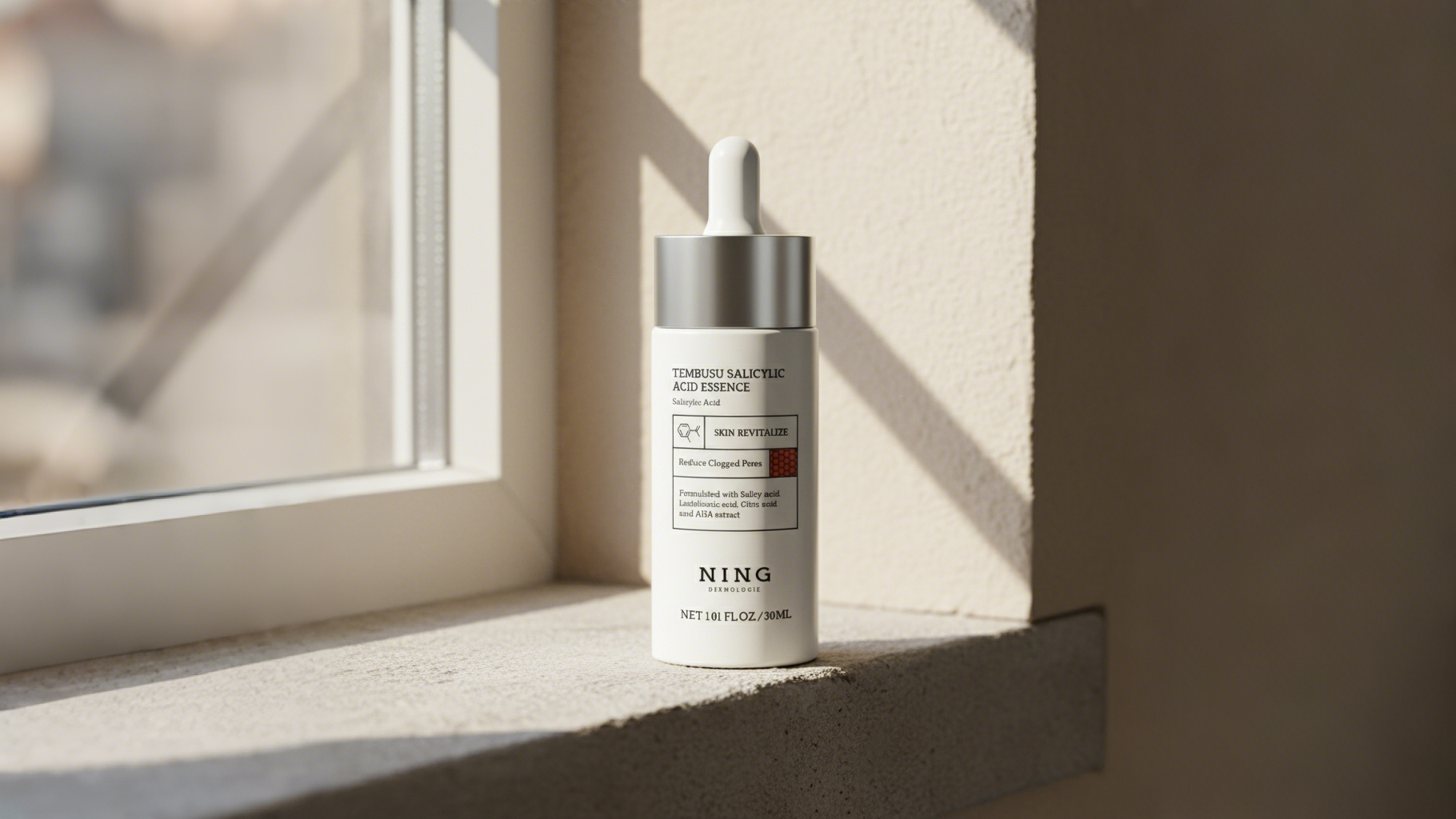

Shine-Free Glow: The Revolutionary Salicylic Acid Serum Your Blemish-Prone Skin Has Been Waiting For
Let’s be real for a second. If you have oily skin or blemish-prone skin, the line between "dewy glow" and "greaseball" is frustratingly thin. You wake up, wash your face, and by lunchtime, you’re blotting your forehead with a napkin. You’ve probably spent hours scrolling through reviews for a miracle cure, maybe even eyeing up the popular Revolution Skincare Targeted Blemish Serum 2%.
But here is the truth: clearing up acne isn't about magic; it’s about chemistry. Specifically, it’s about one superstar ingredient: Salicylic Acid.
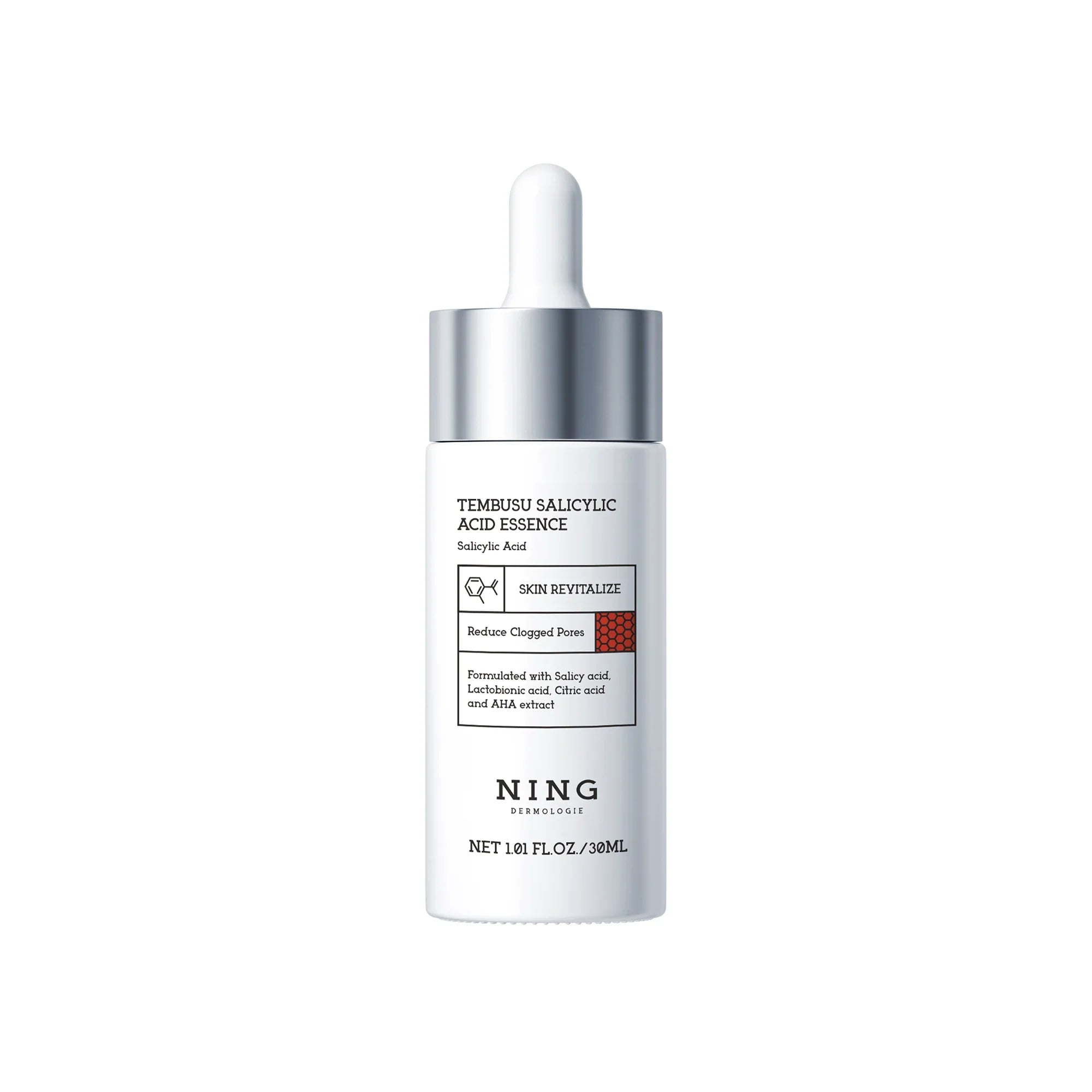
We know how hard it is at NING Dermologie. That's why we've come up with a strong, fast-acting, and effective solution that can compete with well-known brands like Revolution Beauty. Let's talk about how our 2% Salicylic Acid Serum can change the texture of your skin, get rid of those stubborn pores, and give you a smooth, shine-free glow.

The Science of Salicylic Acid: Why It’s a Hero for Blemishes
You need to know what the ingredient is in order to understand why you need this face serum. BHA stands for beta hydroxy acid, and salicylic acid is one of them. Salicylic Acid is oil-soluble, unlike Glycolic Acid and Mandelic Acid, which are AHAs and like water.
Why does that matter? Think of your pores as tiny tunnels. When you have oily skin, those tunnels get jammed with sebum (oil) and dead skin cells. AHAs just scrub the surface, like sweeping the porch. Salicylic Acid, however, has the unique ability to dive deep inside the pore, dissolving the glue that holds that gunk together. It effectively exfoliates the skin from the inside out.
This deep exfoliation is what makes it the ultimate target for:
- Blackheads: It dissolves the oxidized oil plug.
- Whiteheads: It clears the blockage causing the bump.
- Inflammation: It naturally soothes angry, red skin.
If you are looking for a facial serum that actually tackles the root cause of acne, a salicylic acid serum is non-negotiable.
Comparing the Giants: NING Dermologie vs. Revolution Skincare Targeted Blemish Serum 2
We know you’ve done your homework. You’ve likely come across the Revolution Skincare Targeted Blemish Serum 2% Salicylic Acid. It’s a well-known product in the Revolution Skincare lineup. And credit where it's due—Revolution Beauty put BHAs on the map for many people.
However, skincare isn't just about one active ingredient; it’s about the whole formulation. Sometimes, a targeted blemish serum 2 percent strength can be drying if not balanced correctly.
At NING Dermologie, we designed our 2% Salicylic Acid Serum to be tough on acne but gentle on your skin’s sensitivity. While we respect the Revolution Skincare targeted approach, we wanted to elevate the experience. We focus on a lightweight texture that never feels sticky or tacky—a common complaint with cheaper serums. Our formula is designed to be a spot treatment and an all-over preventative measure, ensuring you don't just treat the zit you have, but prevent the one that's coming next week.
Key Ingredients: More Than Just Acid
A great blemish serum needs a support system. You can’t just blast your face with acid and expect a miracle without hydration and soothing agents. That is a recipe for a damaged barrier.
Our Salicylic Acid Serum is packed with synergistic skincare ingredients:
1. 2% Salicylic Acid
This is the gold standard concentration. It’s strong enough to reduce breakouts and exfoliate effectively, but gentle enough for everyday use for most skin types.
2. Hamamelis Virginiana (Witch Hazel Extract)
This is an old-school favorite for a reason. Witch hazel is a natural astringent that helps tighten the look of pores and control oil. But unlike the harsh alcohol-based toners of the past, using the extract in a serum format provides the benefits without the strip-down. It helps soothe the redness often associated with active breakouts.
3. Glycerin
To counter the drying effects of BHA, we include glycerin. It draws moisture into the skin, ensuring your face stays smooth and plump, not flaky.
When you look at the ingredient list of a Revolution Skincare product or our NING Dermologie serum, always look for these balancing agents. They make the difference between a product that works and one that hurts.
How to Build a Routine for Oily and Blemish-Prone Skin
You have the serum, but how do you use it? Throwing a salicylic acid face product onto dirty skin won’t help. Here is a routine optimized for results.
Step 1: The Cleanser
Start with a gentle cleanser. You want to remove surface dirt and makeup. If you have very oily skin, a foaming cleanser is great. Just make sure your face is clean and dry before the next step.
Step 2: The Toner
A toner preps the skin. You might use a hydrating toner or one with Witch Hazel. This balances your pH.
Step 3: The Treatment (The Serum)
This is where the magic happens. Apply a thin layer of the NING Dermologie 2% Salicylic Acid Serum to your face. Focus on the T-zone or areas where you are blemish-prone.
- Pro Tip: You don't need a lot. A few drops cover the whole face. It is fast-absorbing, so you won't be waiting long.
Step 4: Hydrate and Moisturize
Many people with acne skip moisturizer because they fear oil. Big mistake! Dehydrated skin produces more oil to compensate. Use an oil-free, lightweight moisturizer. If you are worried about clogging, look for "non-comedogenic" on the label. This locks in the serum and keeps your barrier healthy.
Step 5: SPF (Morning Only)
Salicylic acid can make your skin sensitive to the sun. Always, always finish with SPF.
Can You Mix Ingredients? (Glycolic, Azelaic, and Mandelic Acid)
We get asked this a lot. "Can I use my Revolution Skincare Glycolic toner with this serum?"
Here is the deal:
- Glycolic Acid (AHA): Great for surface exfoliation and fine lines. However, using it at the exact same time as Salicylic Acid can be irritating. Alternate them. Use Salicylic in the morning (with SPF) and Glycolic at night, or swap days.
- Mandelic Acid: This is a gentler AHA. It pairs better with BHA but still requires caution.
- Azelaic Acid: This is actually a power couple with Salicylic Acid. Azelaic acid is fantastic for redness and post-acne marks. You can often use these together to target both the active pimple and the red mark it leaves behind.

Vegan Skincare and Cruelty-Free: A Sustainable Choice
We believe that glowing skin shouldn't come at a cost to the planet or animals. Just like the Revolution Beauty ethos, NING Dermologie is committed to vegan skincare.
Our serum is 100% vegan and cruelty-free. We do not test on animals, and our formulations are free from animal-derived ingredients. Whether you are using our facial products or looking into skincare tools, you can feel good about what you are putting on your face.
Addressing Different Skin Types
Is this serum suitable for all skin types?
- Oily Skin: Yes, this is your holy grail. It controls the oil, clears the blackhead congestion, and keeps you matte.
- Combination Skin: Absolutely. Apply it specifically to your oily T-zone.
- Dry/Sensitive Skin: Proceed with caution. Salicylic acid is potent. Start by using it 2-3 times a week rather than every day. You might want to buffer it by applying moisturizer first, or look for milder skincare ingredients.
Why NING Dermologie?
There are plenty of options out there, from the Revolution Skincare Targeted Blemish Serum 2 to high-end luxury brands. But at NING Dermologie, we focus on efficacy without the fluff.
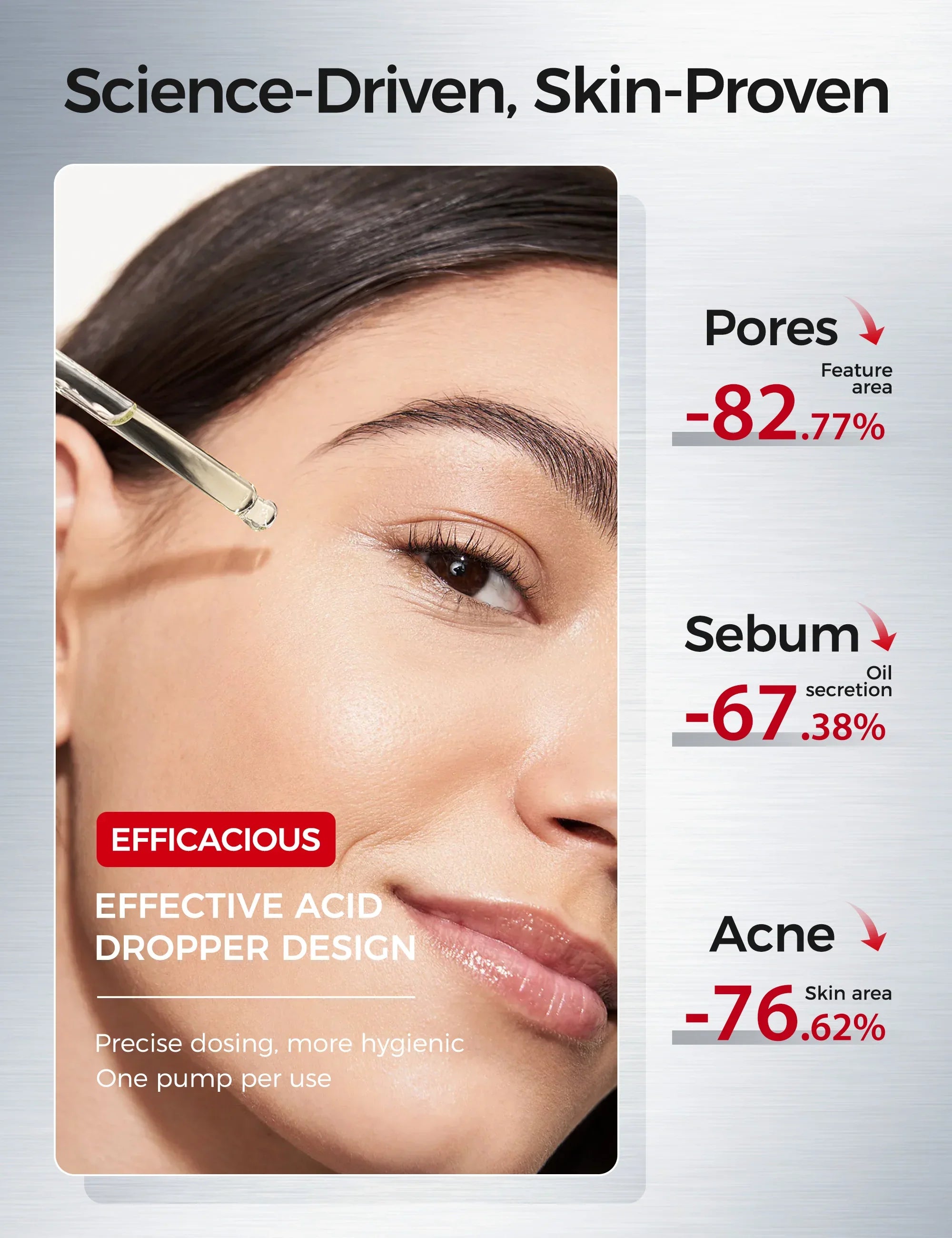
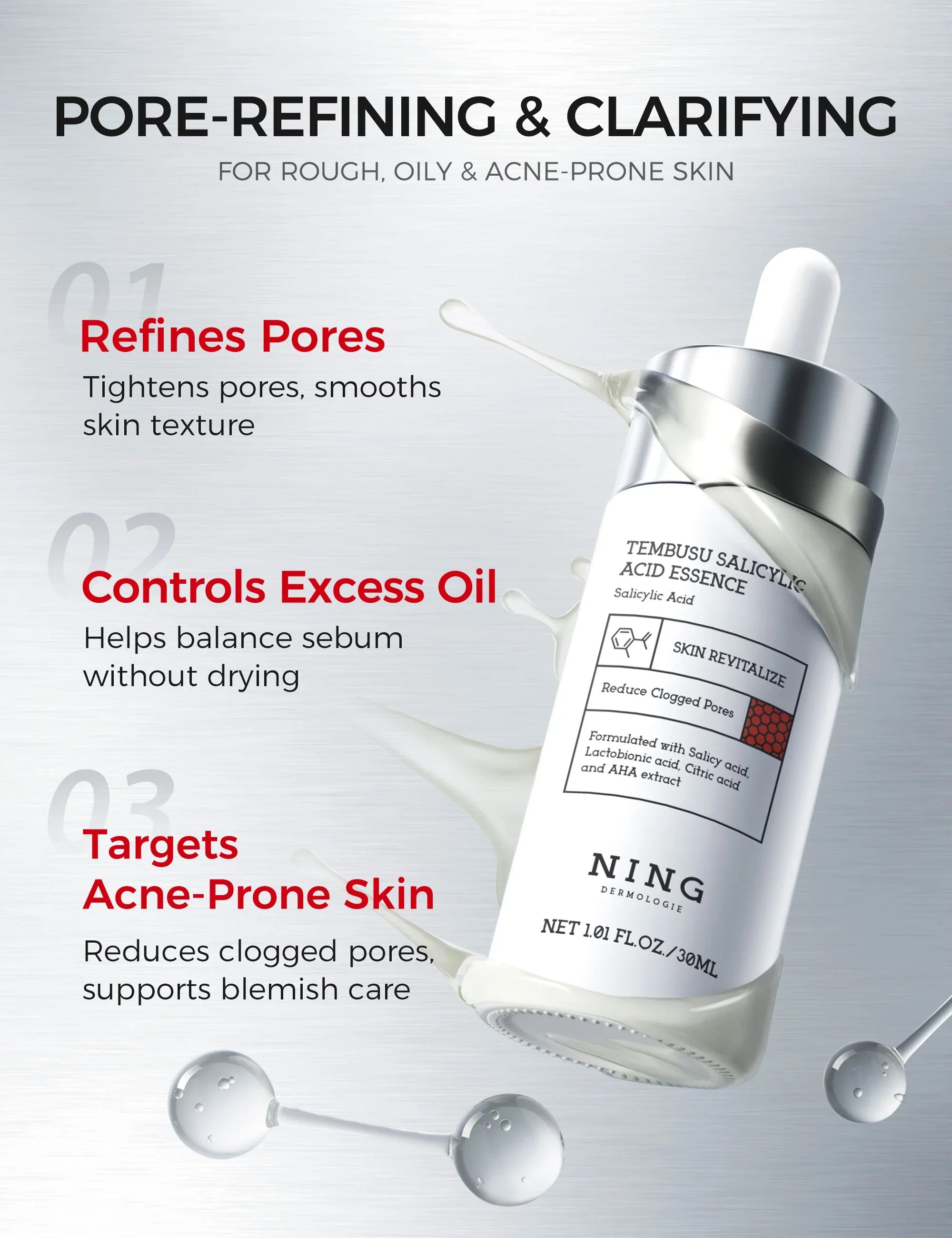
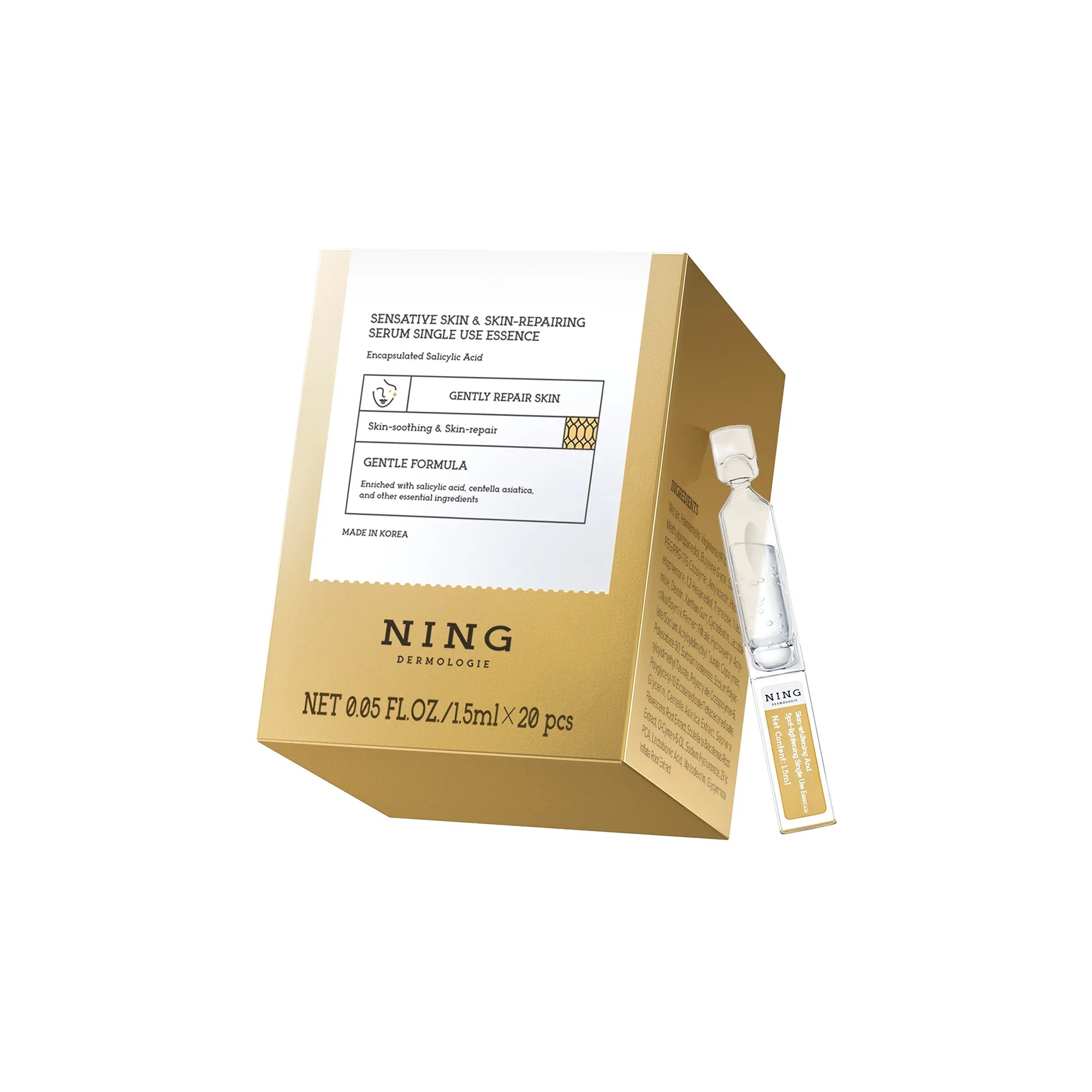
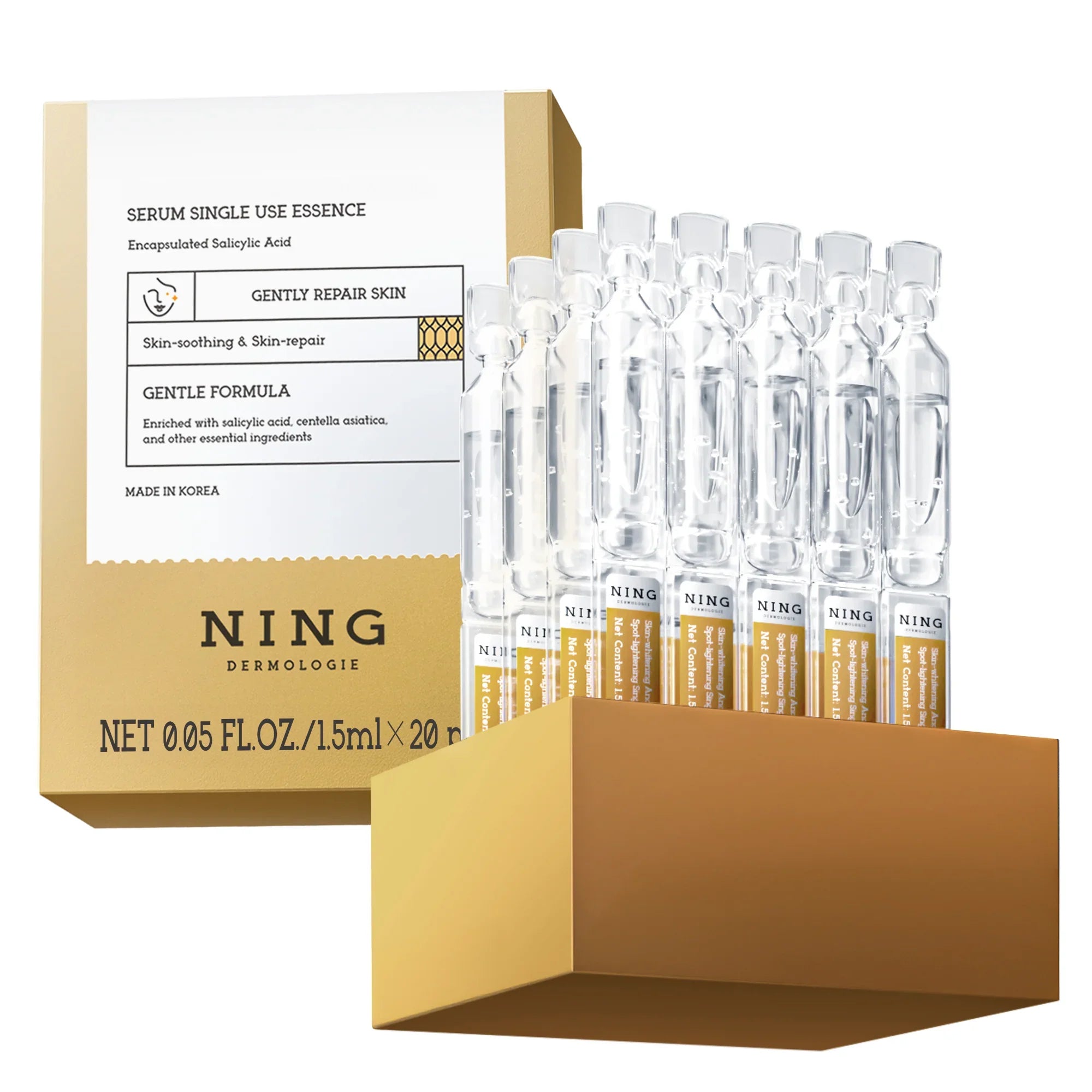
Our 2% Salicylic Acid Serum is designed to address skin problems head-on. It exfoliates the skin, clears pores and blackheads, improves skin texture, and helps reduce the appearance of fine lines over time. It is oil-free, vegan, and packed with extract benefits to keep irritation low.
If you are ready to say goodbye to congested skin and hello to a shine-free glow, it’s time to add this serum to your shelf.
Frequently Asked Questions (FAQ)
1. Can I use the 2% Salicylic Acid Serum every day?
Yes, for most people with oily skin or skin that is prone to breakouts, it is gentle enough to use every day. But if you've never used BHAs before, start with 2–3 times a week so your skin can get used to it. If you see any dryness or peeling, use less. Always pay attention to your skin!
2. Is this serum suitable for dry or sensitive skin?
It was made mostly for oily skin, but people with dry skin can use it as a spot treatment for breakouts that happen from time to time. Do a patch test first if your skin is sensitive. We suggest putting it on top of a moisturizer (buffering) to lower the risk of irritation while still getting the benefits for fighting blemishes.
3. How does this compare to the Revolution Skincare Targeted Blemish Serum?
Both serums utilize 2% Salicylic Acid to target blemishes. The formula from NING Dermologie focuses on calming plants like Witch Hazel and moisturizing Glycerin to stop the "tight" feeling that comes with many acne treatments. Our texture is light and made to soak in quickly without leaving a sticky residue.
4. Can I use this serum with Vitamin C or Retinol?
If you mix Salicylic Acid with Retinol or Vitamin C in the same routine, it can irritate your skin. You should use Vitamin C in the morning and Salicylic Acid at night, or switch between your Retinol and Salicylic Acid serum every other night.
5. Will this serum help with blackheads?
Absolutely. Salicylic Acid is oil-soluble, meaning it penetrates deep into the pore lining. It dissolves the mix of sebum and dead skin cells that create blackheads. With consistent use, you will see a significant reduction in existing blackheads and fewer new ones forming.
6. Do I really need to wear sunscreen when using this?
Yes! Exfoliating acids like Salicylic Acid remove the top layer of dead skin cells, revealing fresh, new skin underneath. This new skin is more susceptible to UV damage. To prevent dark spots and sun damage, applying a broad-spectrum SPF 30 or higher every morning is crucial.





Share:
Stop Guessing: The Realist’s Guide to the Best Skincare Gift Sets (2026 Edition)
Target Oil and Acne with Powerful Salicylic Acid Formulas