

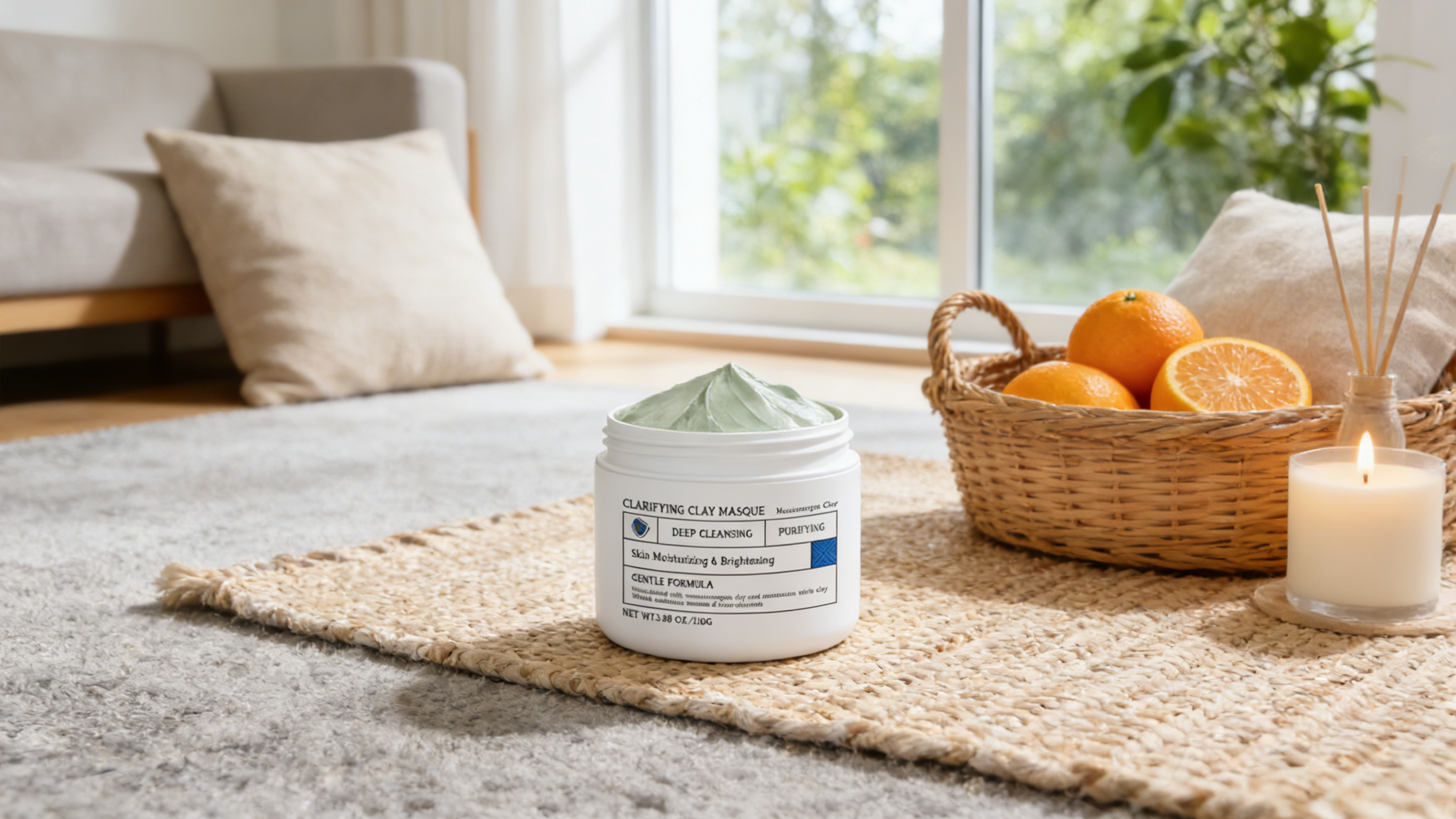

Discover the Top 10 Clay Face Masks for Radiant Skin in 2025
Let’s be honest: for a long time, using a clay mask felt like a punishment. You would plaster a thick, grey sludge onto your face, wait until it hardened into a cement-like shell, and then scrub your red, irritated skin raw trying to get it off. The result? Sure, your pores looked smaller for five minutes, but your skin barrier was screaming.
Thankfully, the landscape of skincare has shifted. The face masks of 2025 are nothing like those drying torture treatments of the past. Today, the best clay mask formulations are sophisticated hybrids. They don't just act as a vacuum cleaner for your pores; they hydrate, soothe, and respect your skin's microbiome.
Whether you are battling acne-prone skin, dealing with an oily T-zone, or possess ultra-sensitive skin that turns red at the mere sight of a product, there is a perfect clay mask out there for you.
In this guide, we are going to break down the top 10 clay face masks for radiant skin in 2025, debunk some myths about ingredients, and show you exactly how to achieve that glowing skin without the "cracked pavement" feeling.

The Evolution: Why Masks of 2025 Are Different
Before we jump into our top picks, it is vital to understand what makes a clay mask is best for your specific needs. In the past, traditional clay masks relied heavily on aggressive absorption. They stripped everything—oil, dirt, and your natural moisture.
The clay masks of 2025 have gotten smarter. They pair absorbent clays with buffering ingredients. You will see ingredients like aloe vera, centella asiatica, and hyaluronic acid mixed right in. This means the clay draws out the gunk, but the other ingredients keep your skin comfortable.
Decoding the Type of Clay
Not all mud is created equal. The effectiveness of your mask depends entirely on the type of clay used in the jar.
-
Kaolin Clay (White Clay): This is the gentle giant. A kaolin clay mask is fantastic for sensitive skin or dry skin types. It has mild absorption properties, meaning it cleans clogged pores without leaving your face feeling tight.
-
Bentonite Clay: The heavy lifter. A bentonite clay mask swells when wet and acts like a magnet for toxins. It is the best for oily skin but can be too intense if used daily.
-
Pink Clay: Usually a mix of red and white clays (often Australian pink clay). It balances skin tone and is great for dullness.
-
Green Clay & Volcanic Ash: These are deep cleaners, excellent for a purifying mask experience.
Top Picks: The 10 Best Clay Masks of 2025
We have tested dozens of formulas to bring you this list. These top clay masks cover every skin type, from the grease-prone to the delicate.
1. Best Overall & Best for Sensitive Skin: NING Dermologie Clay Mask
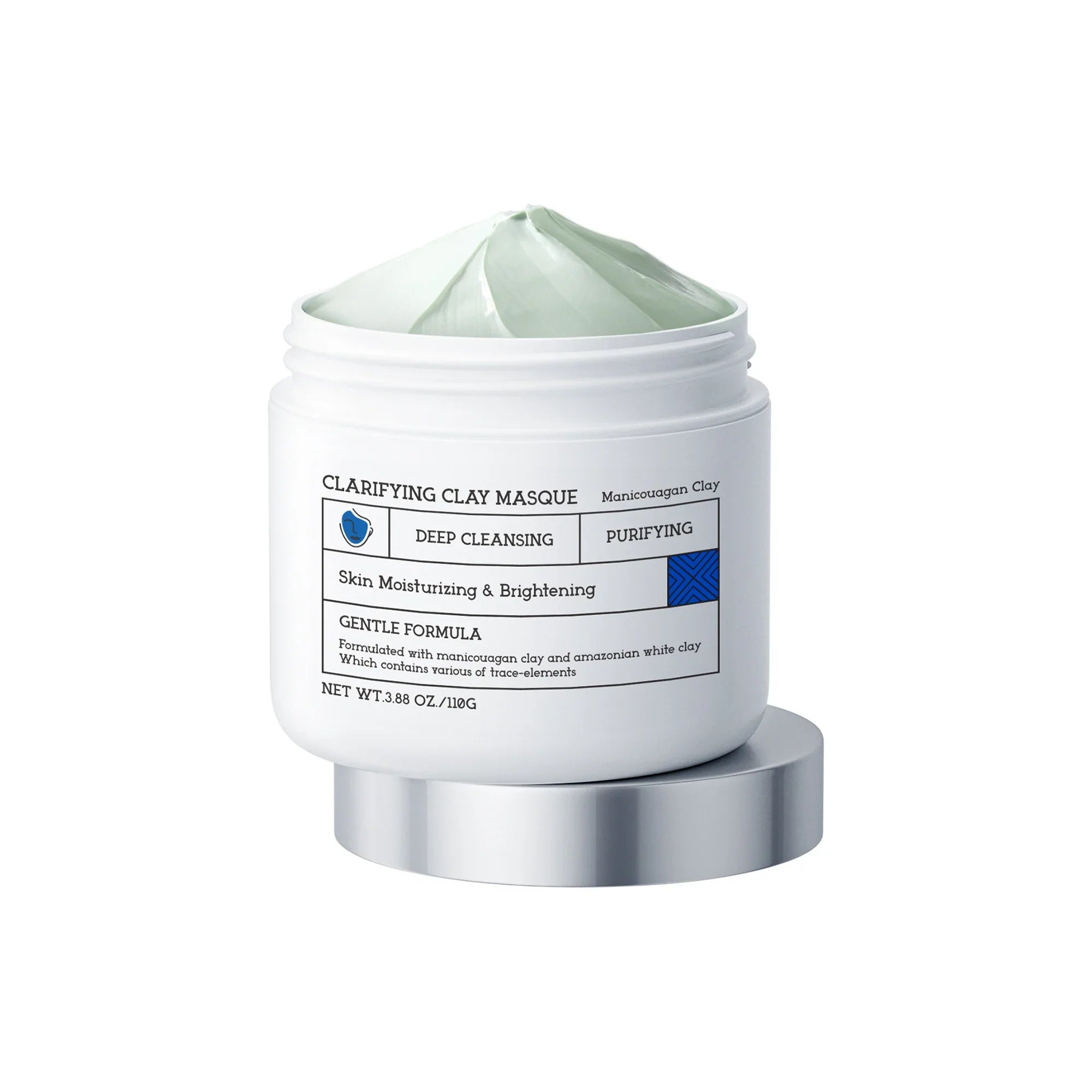
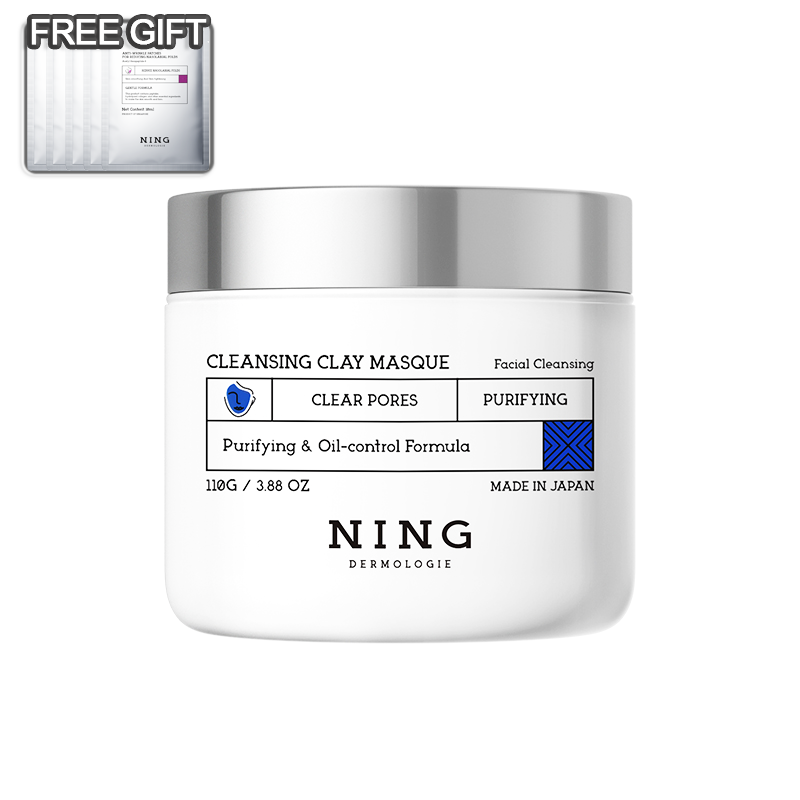
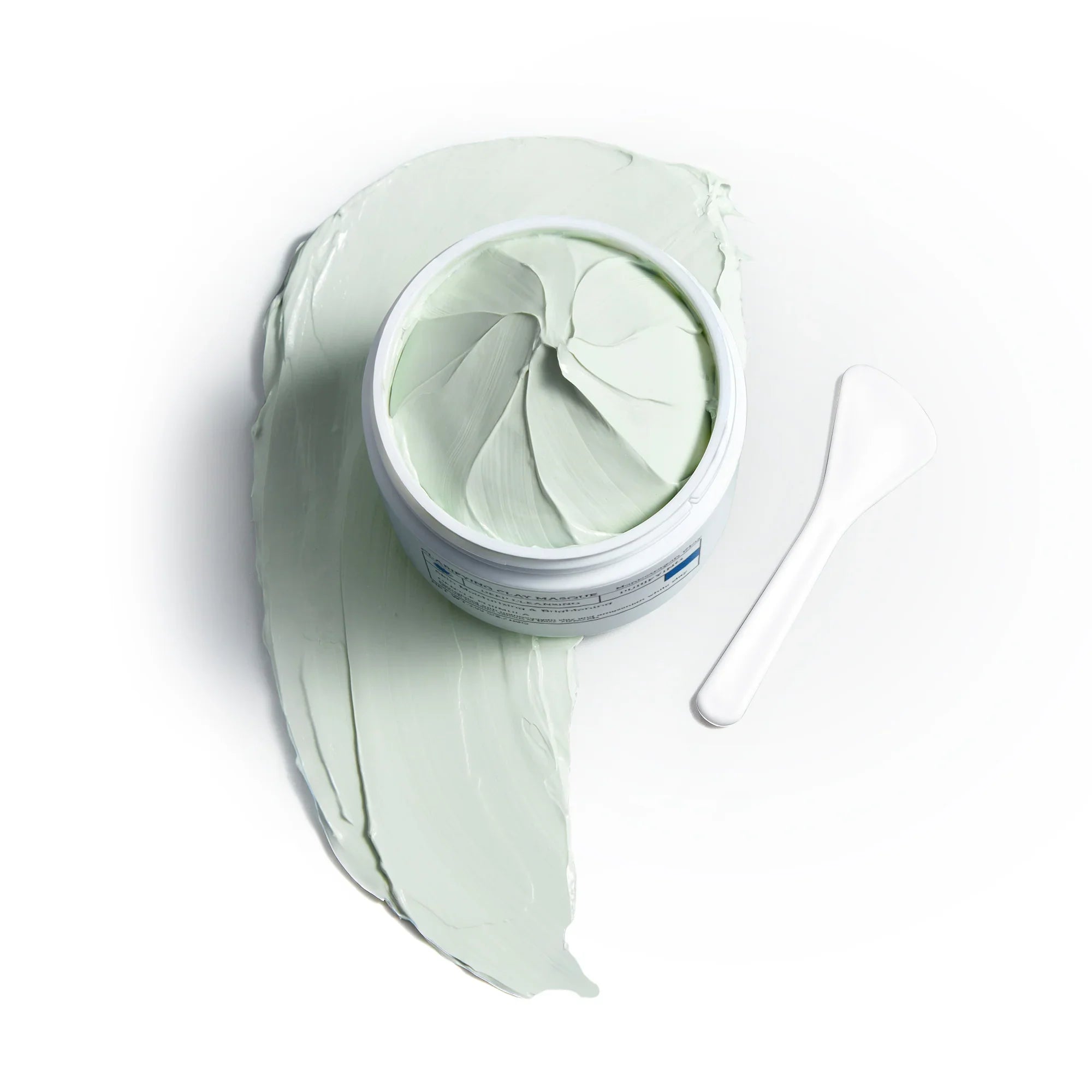
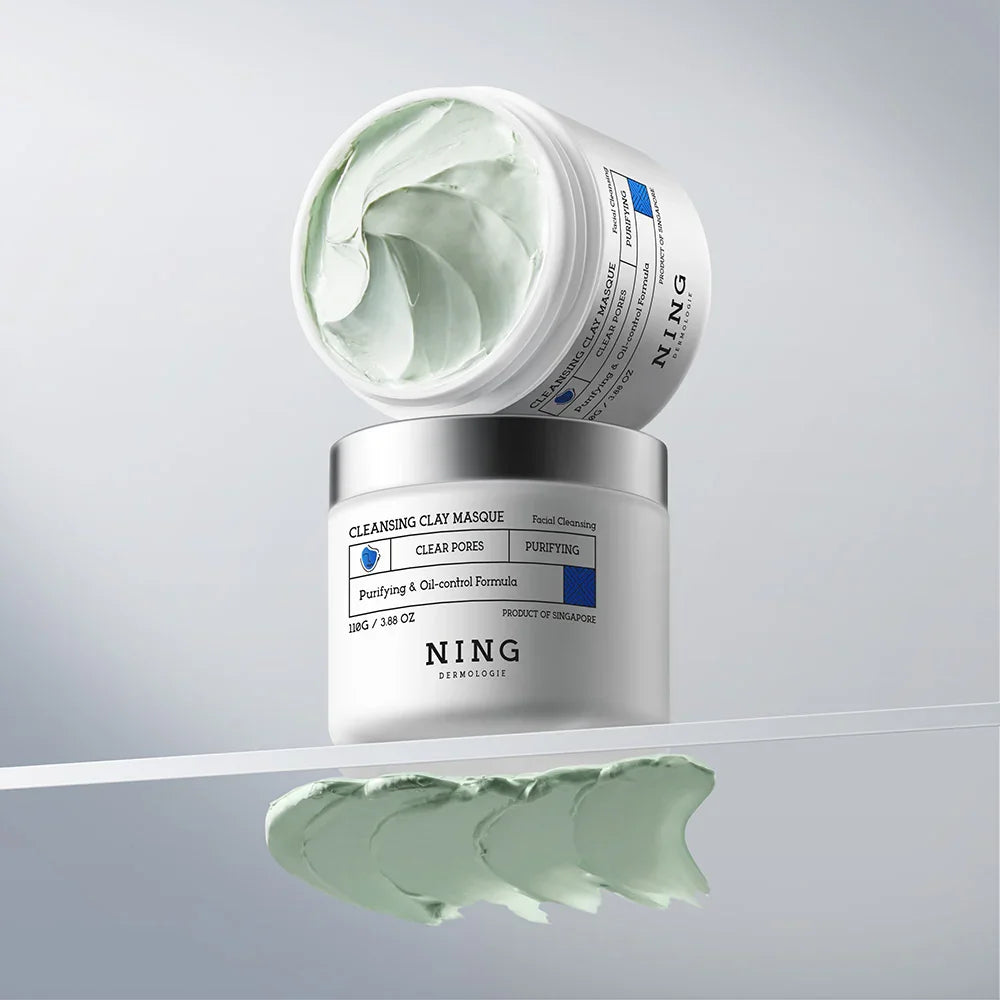
The Star of 2025. If you have ever been afraid to use a clay product because of sensitivity, this is the game-changer you have been waiting for. The NING Dermologie Clay Mask for Face Sensitive Skin redefines what a purifying mask can be.
Most brands treat sensitive skin as an afterthought, but NING Dermologie puts it first. This formula uses high-grade kaolin clay to gently lift impurities but balances it with soothing botanicals that repair the barrier while you mask. It doesn't dry down to a hard crack; it stays relatively soft, ensuring your skin feel remains supple, not stripped. It effectively targets clogged pores without the sting.
- Best for: Sensitive, Combination, and Dry Skin.
- Why we love it: It proves you don't need pain to see results. It leaves skin feeling clean yet hydrated.
2. Best for Oily Skin: Aztec Secret Indian Healing Clay
A cult classic that remains relevant in 2025. This is 100% natural calcium bentonite clay. It is incredibly strong—often called the "world's most powerful facial." You mix it with apple cider vinegar yourself.
- Why it works: It pulses on your face as it dries. For oily skin and severe congestion, few things clear pores better.
- Warning: Do not use this if you are prone to redness or have a compromised barrier.
3. Best Luxury Splurge: Fresh Umbrian Clay Purifying Mask
If you want a spa experience at home, this is a top contender. It uses Umbrian clay, which is proprietary to the brand. It has a high mineral content that helps balance skin tone.
- Best for: Normal to Combination skin looking for a smooth skin finish.
4. Best K-Beauty Option: Innisfree Super Volcanic Pore Clay Mask 2X
Korean skincare is always ahead of the curve. This super volcanic pore clay mask uses volcanic clusters from Jeju Island. It offers a cooling sensation and includes AHA (lactic acid) to gently exfoliate dead skin cells while the clay absorbs oil.
- Key Benefit: It’s a volcanic AHA pore clearing clay powerhouse that tackles texture and pores simultaneously.
5. Best Clinical Formula: SkinCeuticals Clarifying Clay Masque
For those who want a dermatologist-grade option. SkinCeuticals clarifying clay combines high-quality earth clays with a hydroxy acid blend (Malic, Lactic, Tartaric, Citric, and Salicylic). It effectively exfoliates while lifting oil.
- Target: Acne-prone skin that needs chemical exfoliation alongside physical absorption.
6. Best for Uneven Skin Tone: Sand & Sky Australian Pink Clay
This mask made pink clay famous. It is marketed to tighten pores and brighten the complexion in just 10 to 15 minutes. It’s brilliant for "city skin"—dull, tired, and exposed to pollution.
- Result: Instantly glowing skin and tighter-looking pores.
7. Best Drugstore Pick: L'Oreal Paris Pure Clay Mask
You don't always need to spend a fortune. This pure clay line offers decent results for the price point. It utilizes charcoal and three types of clays to magnetize dirt.
- Note: It can be quite drying, so follow up with a heavy moisturizer.
8. Best for Textural Issues: Kiehl's Rare Earth Deep Pore Cleansing Masque
Another legend in the industry. It uses Amazonian White Clay (a form of Kaolin) to detoxify. It’s slightly more drying than the NING Dermologie option but very effective for the T-Zone.
- Verdict: A solid pore clay mask for reliable weekly maintenance.
9. Best for Dry Skin: Origins Clear Improvement Charcoal Mask
While technically a charcoal mask, it uses China Clay as a base. It’s effective, though we recommend it mostly for spot treating the nose and chin rather than full face application if you are very dry.
10. Best Multitasker: GlamGlow Supermud Clearing Treatment
This is a clarifying clay mask on steroids. It contains a blend of six acids. It stings, it tingles, and it works. It’s a spot treatment hero for stubborn pimples.
Matching the Mask to the Skin Type
Choosing the right clay mask isn't about picking the prettiest packaging. It is about chemistry. Here is a breakdown to help you find the perfect clay mask.
Best for Sensitive Skin
If your skin turns pink when you touch it, stay away from straight Bentonite. You need a kaolin clay mask that is buffered with emollients. This is why we keep recommending the NING Dermologie mask. It is formulated specifically to clean out pores without triggering inflammation. Using a mask that is too harsh can lead to a broken barrier, which ironically causes more acne. A good sensitive skin mask should leave skin feeling calm, not tight.
Best for Oily and Acne-Prone Skin
For acne-prone skin, you are fighting two battles: excess sebum and bacteria. A bentonite clay mask or a formula containing sulfur is your ally here. These ingredients dry out active pimples and soak up the oil slick. However, consistency is key. Using a purifying mask twice a week is better than doing a harsh treatment once a month. Look for ingredients like salicylic acid (BHA) mixed into the clay base, which penetrates deep into the pore lining to dissolve glue-like sebum.
Best for Uneven Skin Tone and Dullness
If your concern isn't acne but rather a lackluster complexion, look for pink clay or masks infused with Vitamin C or Turmeric. These clay masks can be used to stimulate circulation. When you rinse them off, you often see immediate brightening. A clarifying clay mask that also contains mild AHAs (like the volcanic aha pore clearing clay mentioned earlier) will help slough off dull surface cells, revealing the fresh skin underneath.
How to Use Clay Masks Effectively in 2025
There is a right way and a wrong way to mask. If you are letting the mask crack into a desert landscape on your face, you are doing it wrong.
1. Prep is Everything
Never apply a mask to a dirty face. Cleanse first. Applying a clay face mask over makeup or sunscreen just pushes dirt deeper. For best results, use a warm towel on your face for 30 seconds before application to soften the debris in your pores.
2. The Application
Apply an even layer. You don't need an inch of product—just enough to cover the skin so you can't see your skin tone through it.
- Pro Tip: Multi-masking is a great technique for combination skin. Use a strong clay mask for oily zones (T-zone) and a hydrating or kaolin clay mask (like NING Dermologie) on your cheeks.
3. The 10-Minute Rule (The Touch Test)
Most instructions say 10 to 15 minutes, but your environment matters. If you live in a dry climate, it might dry faster. The Golden Rule: Rinse the mask off when it is sticky to the touch, not rock hard. When the mask is wet, the clay absorbs beneficial minerals. As it starts to dry, it stimulates blood flow and cools. But when it dries completely? It starts drawing moisture out of your skin cells. This leaves your skin parched and can cause dehydration lines.
4. Removal and Aftercare
Use lukewarm water. Hot water strips oils; cold water doesn't dissolve the clay well. Use a muslin cloth if needed, but be gentle. Once the mask is off, your pores are open and your skin is prepped. Immediately—within 60 seconds—apply a hydrating toner or serum. This locks in the water and keeps your skin texture plump. If you want smooth skin, never skip the moisturizer after a mask.
Common Myths About Clay Masks
Myth 1: The harder it dries, the better it works. False. As mentioned, fully dried clay damages the lipid barrier. It creates micro-fissures in the skin. The best clay mask works without cementing your face.
Myth 2: You should mask every day. Please don't. Even the gentle NING Dermologie mask is powerful. Using a clay purifying mask daily will trigger your skin to overproduce oil to compensate for the dryness, leading to more clogged pores. 1-3 times a week is the sweet spot for masks of 2025.
Myth 3: All clay is the same. Comparing white clay to green clay is like comparing a chemically gentle exfoliant to sandpaper. They serve different purposes. Knowing your type of clay is the first step to clear skin.

Conclusion: Achieving Radiant Skin in 2025
The journey to clear pores and glowing skin doesn't require a ten-step routine or expensive spa visits. It requires understanding your skin barrier and choosing the right tools.
The 8 best clay masks (and the other two bonus picks) we listed above represent the best of what the market offers right now. But if we had to pick the best overall clay mask that balances efficacy with safety, we keep coming back to the NING Dermologie Clay Mask for Face Sensitive Skin. It embodies the philosophy of modern skincare: effective results without the aggressive side effects.
Whether you choose a K-beauty volcanic aha pore clearing clay or a classic traditional clay mask, remember to listen to your skin. If it feels tight, hydrate. If it feels congested, purify.
Here is to smooth skin, invisible pores, and a healthy barrier in 2025.
Frequently Asked Questions (FAQ)
1. Can I use a clay mask if I have very dry skin?
Yes, but you must be selective. Avoid bentonite clay, which is highly absorbent and can leave dry skin feeling parched. Instead, look for a kaolin clay mask or formulas enriched with oils and glycerin. The NING Dermologie mask is an excellent example of a clay product that purifies without stripping essential moisture. Always follow up immediately with a rich moisturizer to seal the barrier.
2. How often should I use a clay mask for acne-prone skin?
For acne-prone skin, consistency beats intensity. Use a purifying mask 2 to 3 times a week. Using it more often can dehydrate the skin, triggering the sebaceous glands to produce even more oil to compensate, which leads to more breakouts. If you are using a strong mask like Aztec Secret, once a week is likely sufficient.
3. Should I steam my face before using a clay mask?
Yes, steaming is beneficial. It warms up the sebum trapped in your pores, softening the debris and allowing the clay mask to absorb impurities more effectively. You don't need a machine; pressing a warm, damp washcloth against your face for a minute before application works perfectly. Just make sure the water isn't scalding hot.
4. What is the difference between a clay mask and a charcoal mask?
Both are designed to detoxify, but they work slightly differently. Clay masks (like Kaolin or Bentonite) absorb oil and minerals to treat the skin surface and just below. Charcoal is carbon that acts like a magnet to trap dirt and toxins. Many masks of 2025 actually combine both charcoal and clay to maximize the deep-cleaning effect for clogged pores.
5. Why does my face get red after using a clay mask?
Mild redness can occur because clay stimulates blood circulation (vasodilation) as it dries and cools. However, if your skin burns, stings, or stays red for more than 30 minutes, it’s a sign of irritation or an allergic reaction. This often happens if you let the mask dry too hard or if it contains too many acids. Switch to a gentler option like a pink clay or white clay mask.
6. Can I leave a clay mask on overnight as a spot treatment?
Generally, no. Clay masks are not designed for overnight use. Leaving a clump of clay on a pimple overnight can over-dry the spot, causing the skin to flake and potentially scarring the area. It is better to use the mask for the recommended 10 to 15 minutes, rinse it off, and then apply a dedicated pimple patch or spot treatment designed for overnight wear.





Share:
Unmask the Secret to Smooth Skin: Best Clay Masks for Pore Care
Discover the Top 2026 Skincare Sets for Every Skin Type