



Unmask the Secret to Smooth Skin: The 8 Best Clay Masks for Pore Care
Let’s be real for a second. We have all stood in front of a mirror, zoomed in way too close, and stared at our pores. Whether it’s that stubborn "strawberry nose" texture or just a general feeling of congestion, the struggle for smooth skin is universal.
For years, the skincare industry told us that to get clear pores, we had to suffer. We were taught that a face mask needed to sting to work, and if a clay mask didn't crack into a thousand dry desert pieces on your face, it wasn't doing its job.
I’m here to tell you that’s a lie.
The best clay mask isn't the one that hurts; it's the one that balances power with gentleness. You've come to the right place if you want to remove blackheads, draw out impurities, and thoroughly cleanse your skin without compromising your skin barrier. Today, we'll delve deeply into the world of clay, examine the top 8 clay masks available, and explain why NING Dermologie could be the revolutionary addition to your routine.

Why Clay? Understanding the Power of Earth
Before we look at the specific jars and tubes, let's talk about the ingredient itself. Clay is essentially a vacuum for your face. It is a natural clay material that, when wet, develops an electrical charge that physically attracts toxins, heavy metals, and sebum (that’s the science word for excess oil).
When you apply a clay face mask, it acts as a magnet. It pulls the gunk out of your clogged pores, leaving them looking smaller and feeling tighter. This deep pore cleansing action is vital because regular cleansers often just wash the surface. Clay masks help go deeper.
However, the type of clay matters immensely.
- Bentonite Clay: This is the heavy lifter. It swells when wet and is incredibly porous. It’s the best clay for sucking up oil, but it can be harsh.
- Kaolin Clay (White/Pink Clay): The gentle giant. It cleanses without stripping, making it suitable for sensitive skin and dry skin.
- Charcoal: Often paired with clay, this adds an extra layer of detox mask power.
The Top 8 Best Clay Masks for Pore Care
We have tested, scrubbed, and rinsed to bring you a list of the top clay masks that actually deliver on their promises. Whether you are battling acne, dull skin, or just want a facial mask for a Sunday night reset, here is the breakdown.
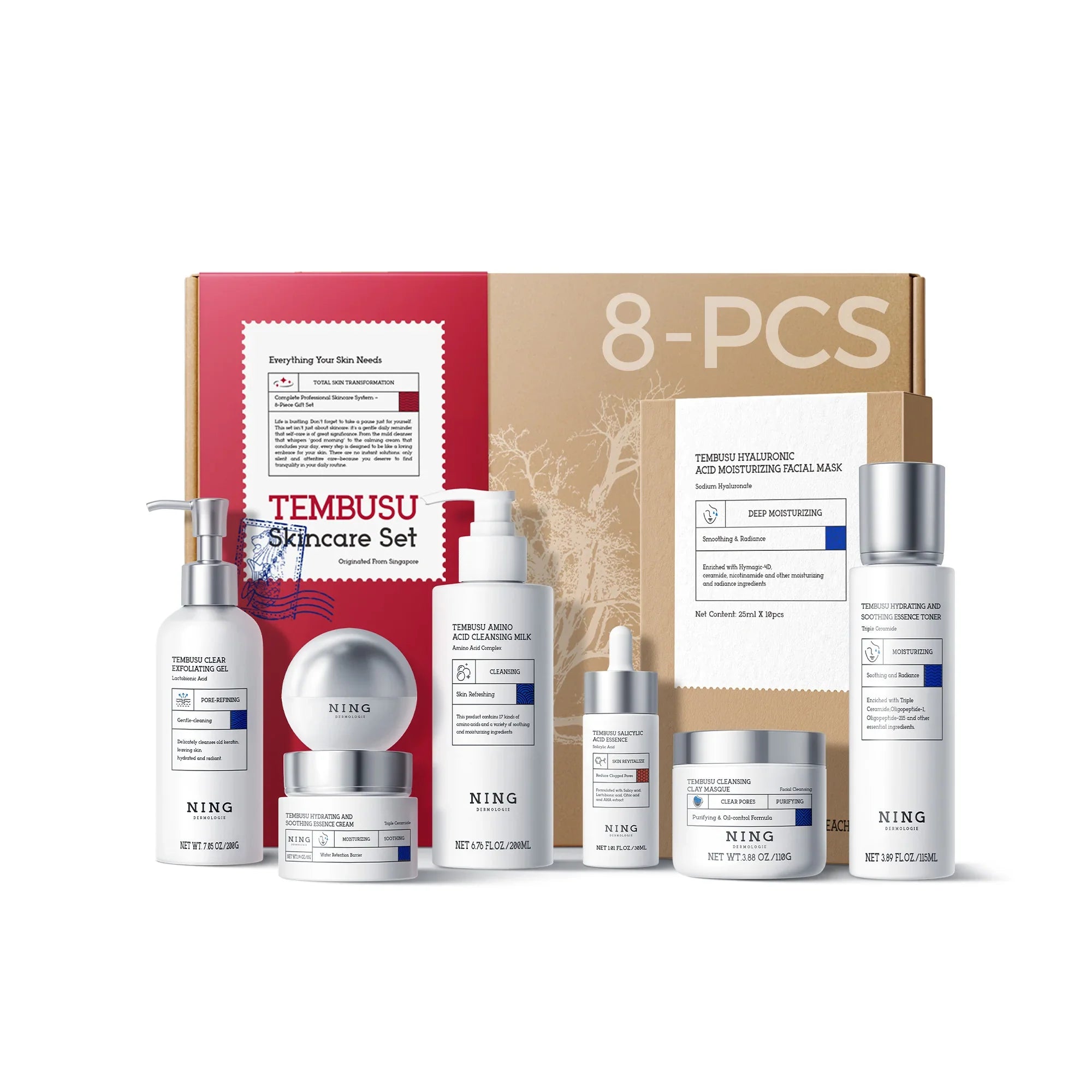
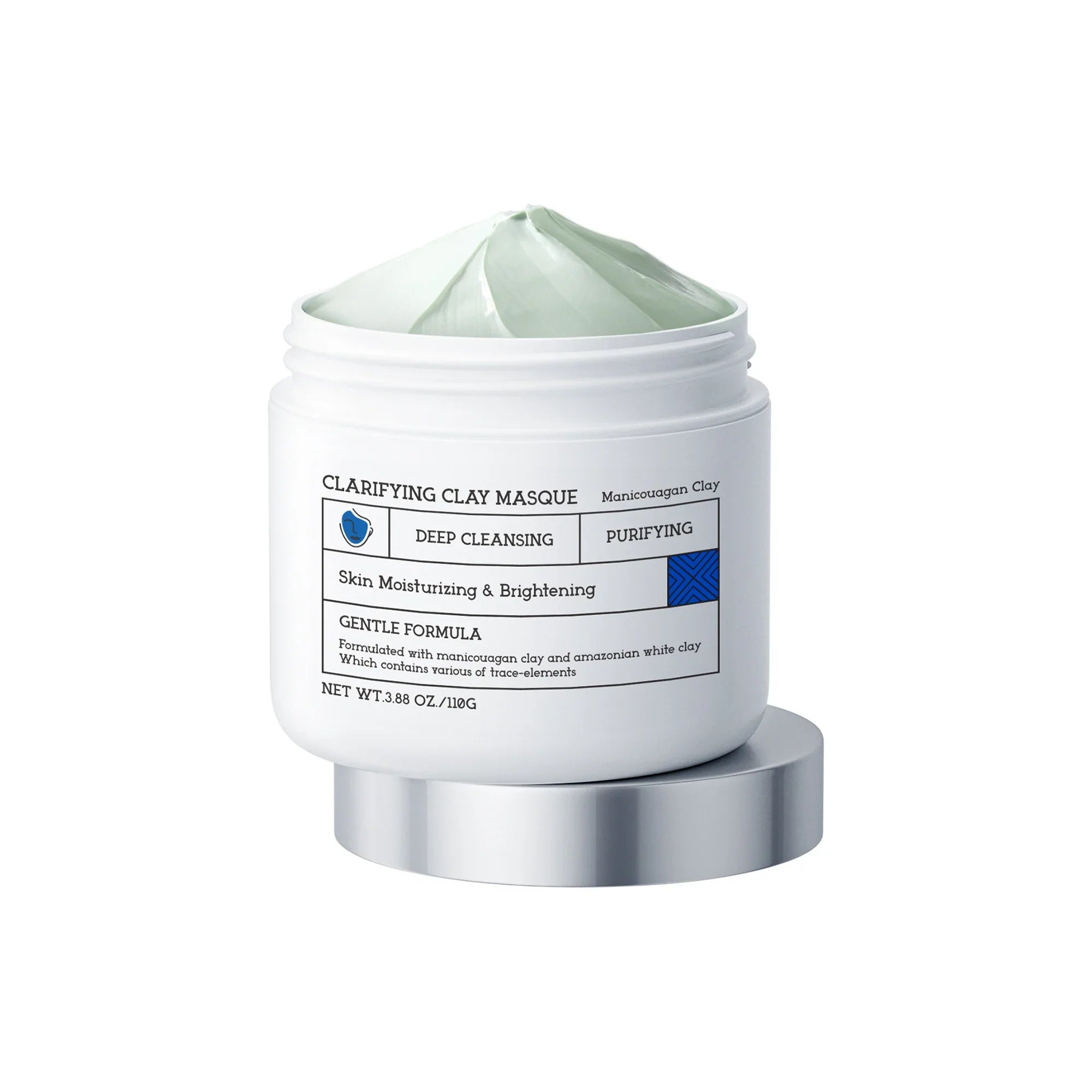
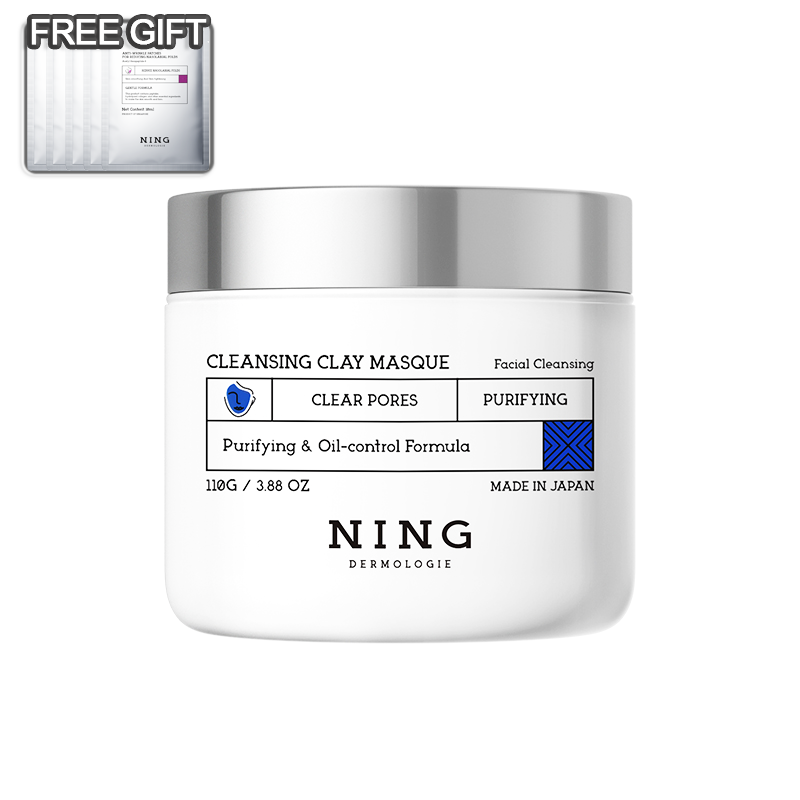
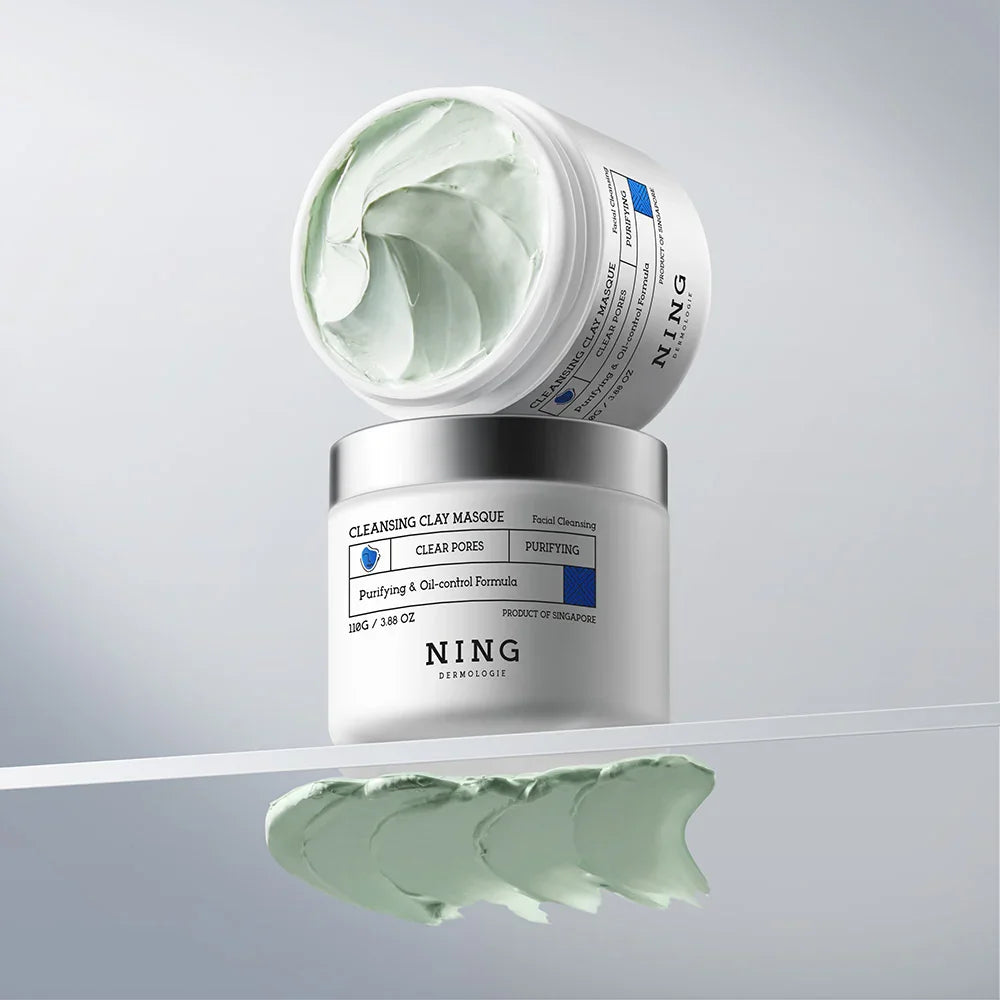
1. The Best Overall: NING Dermologie Clay Mask for Face Sensitive Skin
Target: Sensitive, Dry, and Combination Skin
If you have ever been afraid to use clay because you hate that tight, itchy feeling afterward, this is the best clay mask for you. At NING Dermologie, we realized that most purifying mask options on the market were too aggressive. They cleaned the pores but ruined the skin barrier.
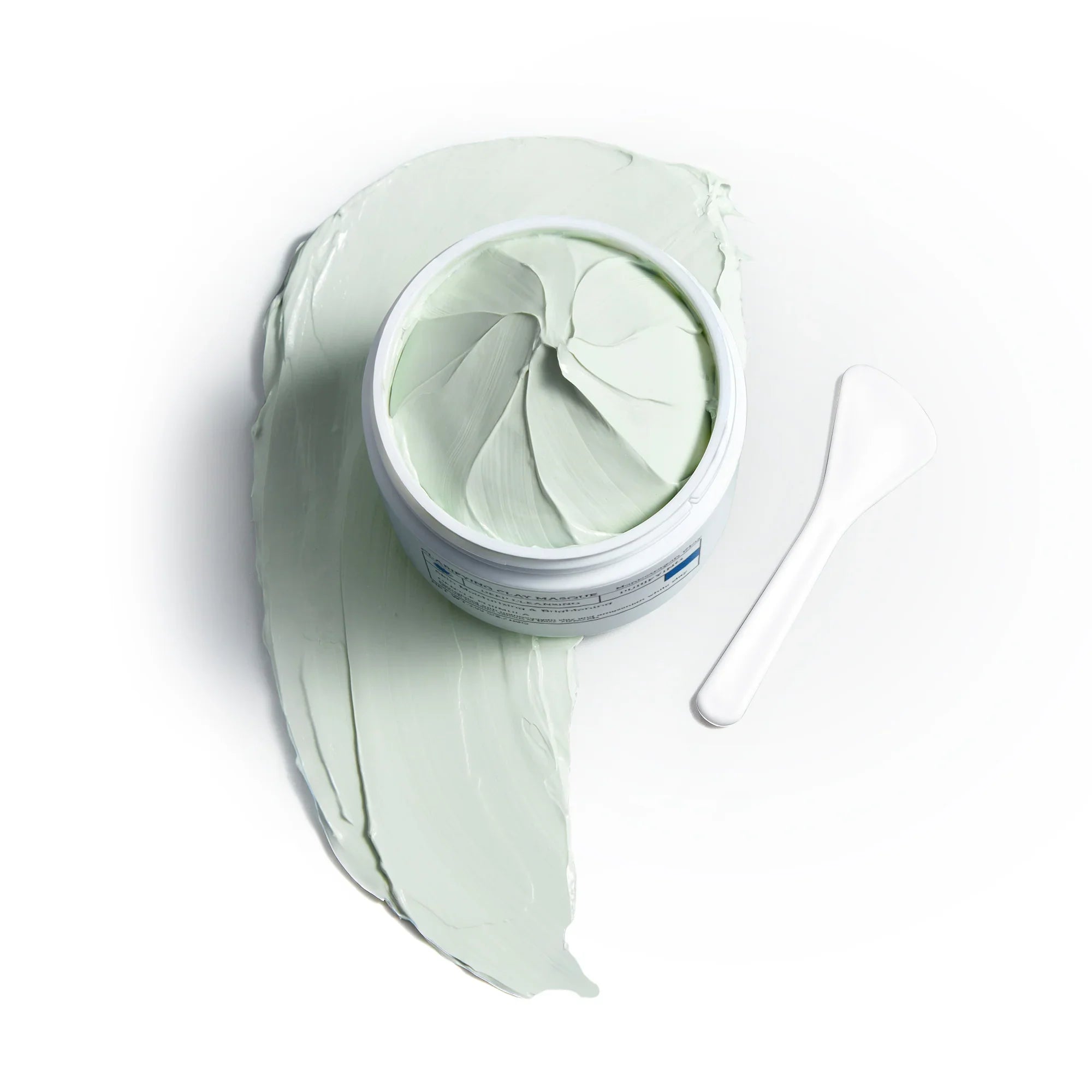
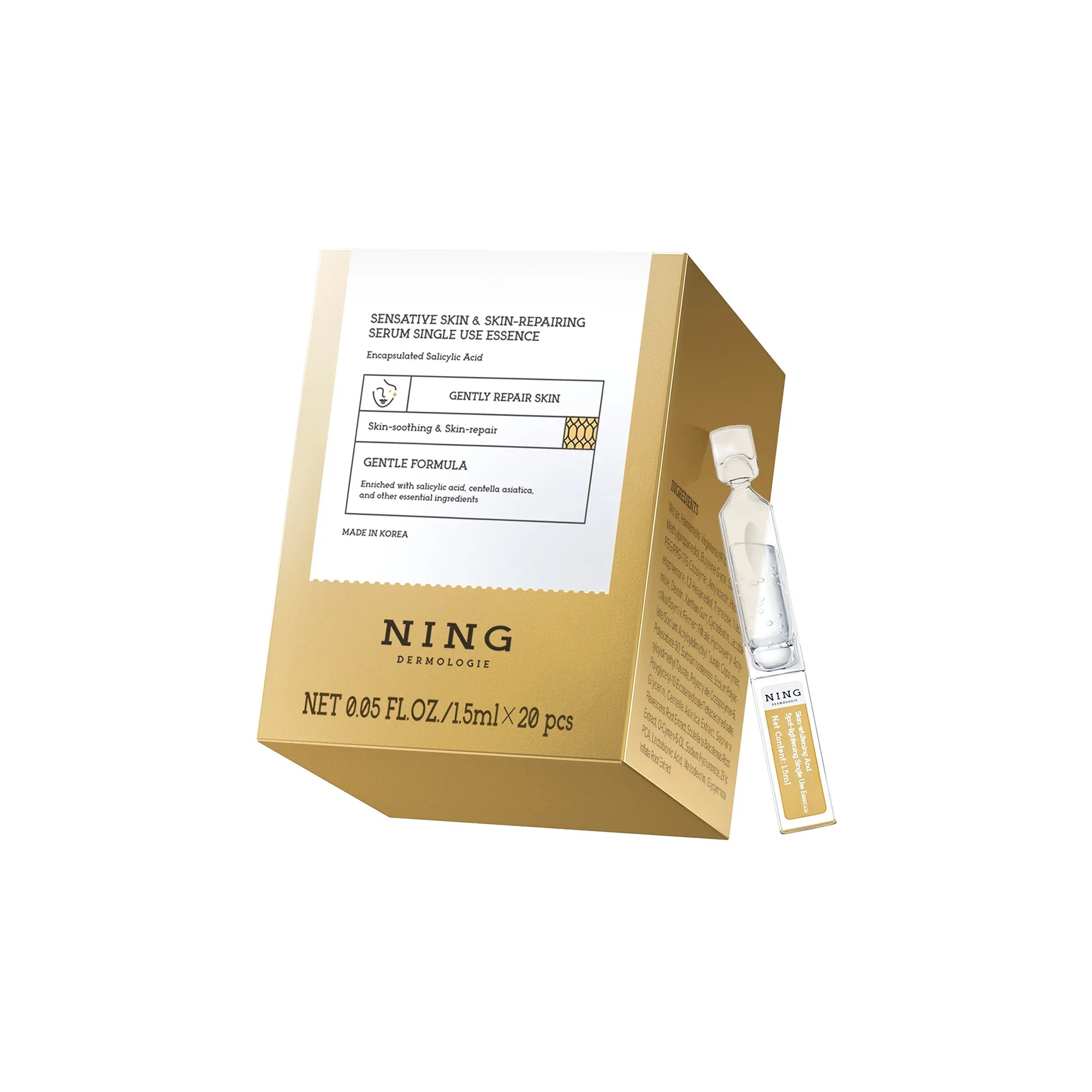
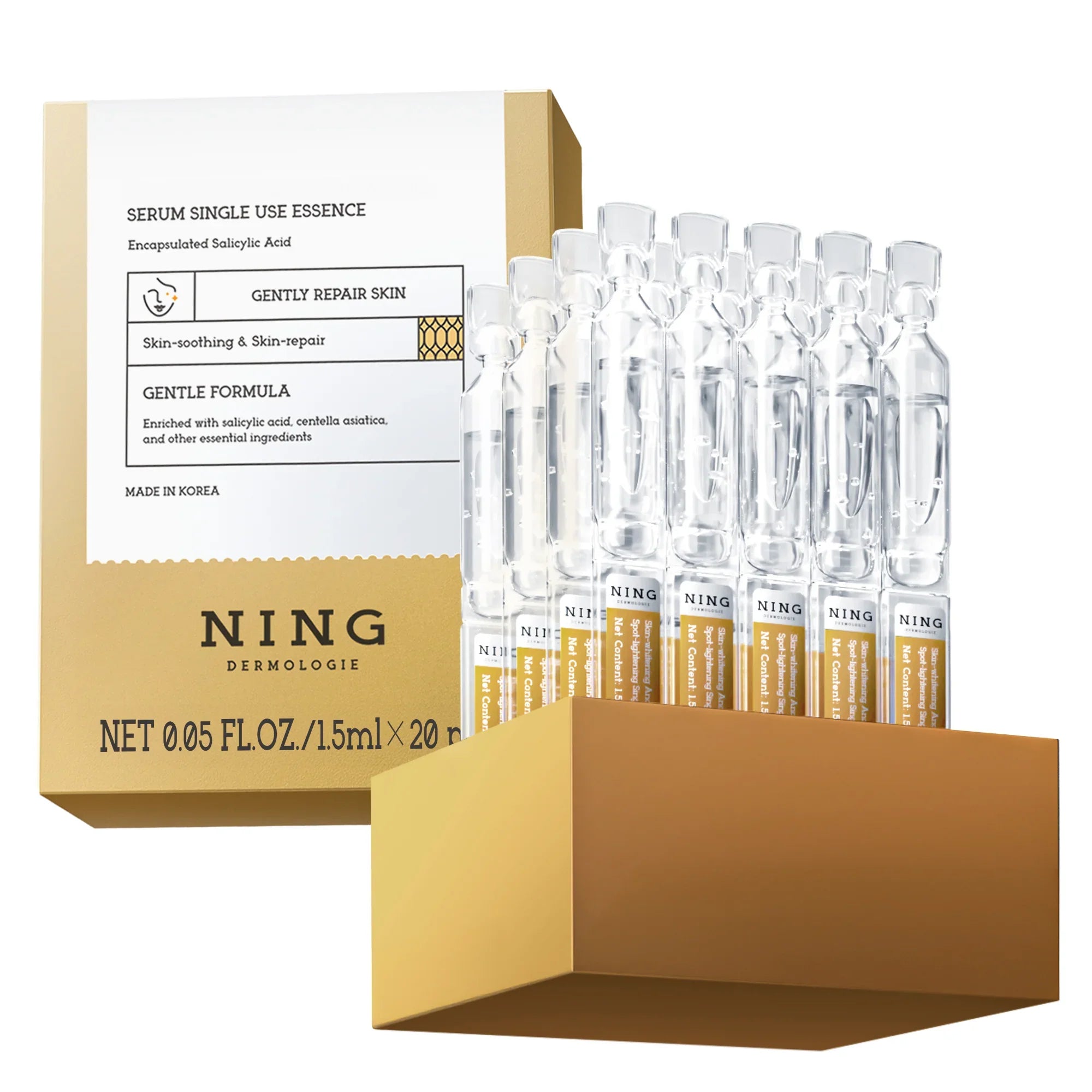
Our Clay Mask for Face Sensitive Skin is different. It uses a sophisticated blend of Kaolin clay and hydrating botanicals. It manages to draw out impurities and minimize pores while keeping the skin hydrated. It doesn't crack. It doesn't sting. It simply leaves your skin feel soft, clean and smooth. It is proof that deep cleansing doesn't have to mean "stripping."
2. The Heavy Hitter: Aztec Secret Indian Healing Clay
Target: Extremely Oily Skin
You have probably seen this tub. It is 100% natural calcium bentonite clay. It is a DIY project—you have to mix clay with apple cider vinegar yourself. It is intense. For severe acne-prone skin, this pulsating mask really works to cleanse deeply. However, be warned: it will leave your skin parched if you don't moisturize immediately. It is a traditional, no-frills clay face mask.
3. The Splurge: SkinCeuticals Clarifying Clay Masque
Target: Aging and Oily Skin
If budget isn't an issue, the Skinceuticals clarifying clay is a dermatologist favorite. It combines kaolin clay and bentonite clay with hydroxy acids to gently exfoliate dead skin cells. It’s excellent for deep pore cleansing and addressing enlarged pores caused by aging. It’s effective, but definitely on the pricier side of the spectrum.
4. The K-Beauty Star: Innisfree Super Volcanic AHA Pore Clearing Clay Mask 2X
Target: Congested, Dull Skin
Korean beauty knows pores. The Innisfree super volcanic AHA pore mask uses volcanic ash from Jeju Island. This is arguably a volcanic AHA pore clearing clay mask powerhouse. It offers a cooling sensation and uses physical scrubbers (walnut shells) alongside the clay. It helps refine pores and exfoliate dull skin simultaneously. If you like a mask that feels active, the super volcanic aha pore clearing formula is a strong contender.
5. Best for Detox: Origins Clear Improvement Active Charcoal Mask
Target: City Dwellers / Pollution Exposure
This is a classic charcoal mask. Charcoal acts like a magnet to clear pores of environmental toxins. If you live in a city with high pollution, using this mask once a week can keep your complexion bright. It’s a dedicated detox mask that pairs well with oily skin, though it might be a bit drying for some.
6. Best for Dry Skin: Charlotte Tilbury Goddess Skin Clay Mask
Target: Dry/Dehydrated Skin
Can dry skin use clay? Yes, but you need a formula rich in oils. This mask uses Spanish clay and sweet almond oil. It doesn't dry down fully, meaning it nourishes while it cleans. It’s less about acne and more about achieving glowing skin and smooth skin. It makes the pores look smaller by plumping the surrounding skin.
7. The Acne Warrior: The Ordinary Salicylic Acid 2% Masque
Target: Active Breakouts / Blackheads
This isn't just a clay mask; it's a chemical exfoliant. By combining clay with Salicylic Acid (BHA), it penetrates the pore lining to dissolve the glue holding dead skin cells together. It is arguably the best for acne and specifically targeting blackheads. However, because of the acid, sensitive skin types should patch test first.
8. The Budget Friendly: L'Oreal Paris Pure-Clay Mask
Target: Combination Skin
You can find this at the drugstore. It uses traditional clay blends (Montmorillonite, Kaolin, Ghassoul). It does a decent job of absorbing excess oil without breaking the bank. It’s a solid entry-level clay face product if you are just starting your journey to minimize pores.
How to Choose Based on Your Skin Type
Navigating the aisle of jars can be confusing. Here is the cheat sheet to finding the best natural fit for your face.
For Oily and Acne-Prone Skin
You produce more sebum, which traps dirt and bacteria. You need a clay mask for oily skin that contains bentonite clay or charcoal. These ingredients are aggressive oil-absorbers. Using a purifying mask 2-3 times a week can help control shine and prevent the appearance of pores from stretching out. A clarifying clay mask is your best friend here.
For Dry and Sensitive Skin
This is where NING Dermologie shines. If your skin feels tight or gets red easily, avoid pure bentonite. Instead, look for white clay (Kaolin) or pink clay. These are finer and less absorbent of water, meaning they take the oil but leave the moisture. The best clay mask for you contains soothing botanicals like aloe or chamomile. Clay masks aren’t supposed to hurt. If it burns, wash it off.
For Combination Skin
You have an oily T-zone (forehead, nose, chin) and dry cheeks. You might try "multi-masking"—using a clay mask like NING Dermologie on your cheeks and a stronger volcanic aha pore clearing clay on your nose. This ensures every skin zone gets exactly what it needs.

How to Use Clay Masks Effectively (Don't Make These Mistakes!)
Even the best clay product can fail if used incorrectly. Here is how to maximize that deep cleansing effect.
1. Prep is Key Don't just slap mud on a dirty face. Cleanse your skin first with warm water. The warmth helps soften the hardened oil (sebum) in your pores. You want a clean canvas so the clay draws out impurity from deep down, not just surface dirt.
2. Don't Wait for the "Crack" This is the biggest myth in skincare. Do not wait until the mask is flaky and cracking off your face. When the clay dries completely to the point of cracking, it starts drawing moisture out of your skin cells, causing dehydration and irritation.
- The Sweet Spot: Wash it off when it is sticky but starting to dry (usually 10-15 minutes). This ensures the mask works to absorb oil without damaging your barrier.
3. Removal Matters Use lukewarm water and a soft muslin cloth. Don't scrub aggressively. Gently massage the mask off. This helps to gently exfoliate dead skin cells that the clay has loosened.
4. The Post-Mask Ritual After using a mask, your pores are clear, but your skin is vulnerable. Immediately apply a hydrating toner and a moisturizer. NING Dermologie users often report their skin looked brighter immediately, but locking in that hydration is key to keeping skin texture soft.
The Verdict: Achieving the Glow
Incorporating a clay mask into your routine is one of the fastest ways to improve skin tone and texture. Whether you are dealing with clogged pores, excess oil, or just want that spa-day feeling, there is a jar out there for you.
While heavy hitters like the Innisfree super volcanic aha pore or the Skinceuticals clarifying clay have their place, we believe skincare should be kind. That is why NING Dermologie focuses on efficacy without irritation. We want you to love your ritual, not dread it.
Remember, consistent use is better than sporadic intense use. Using a mask once or twice a week will yield better results than doing a harsh peel once a month. With the right product, you can unmask the secret to smooth skin and finally say goodbye to pore anxiety.
Your favorite clay mask is waiting. Why not start with one that treats your skin with the respect it deserves?
Frequently Asked Questions (FAQ)
1. How often should I use a clay mask?
For most people, using a clay mask once or twice a week is the sweet spot. If you have very oily skin, you might get away with three times. However, for sensitive skin, start with once a week. Overusing clay masks can strip your moisture barrier, leading to more oil production as your skin tries to compensate. Listen to your skin; if it feels tight, cut back.
2. Will clay masks make my acne purge?
Sometimes. Because clay draws out impurities from deep within the skin, it can bring underlying congestion to the surface. This is known as "purging." It typically clears up within a week or two, revealing clearer skin. However, if you experience irritation or a rash, stop using this mask immediately. A good purifying mask should eventually reduce breakouts, not cause them long-term.
3. Can I use a clay mask if I have dry skin?
Absolutely. The idea that clay is only for oily skin is outdated. You just need the best clay mask for your type. Look for kaolin clay or formulas infused with oils and hyaluronic acid, like the NING Dermologie mask. These masks help clean pores without leaving your skin parched. Always follow up with a thick moisturizer.
4. What is the difference between Bentonite and Kaolin clay?
Think of Bentonite clay as a heavy-duty vacuum—it is highly absorbent and swells when wet, making it perfect for acne-prone skin and very oily skin. Kaolin clay (often white or pink) is more like a gentle broom. It effectively cleans and absorbs mild oil but is much softer, making it suitable for sensitive skin and ensuring your skin feel remains balanced.
5. Should I put the mask on my whole face?
Not necessarily. If you have combination skin, your cheeks might be dry while your T-zone is oily. You can apply a charcoal mask or pore-refining mask only to your nose, chin, and forehead. This technique, called multi-masking, ensures you treat clogged pores where they exist without drying out the delicate areas of your face.
6. Do clay masks actually shrink pores?
Technically, you cannot change the physical size of your pores (that is genetic). However, clay masks help minimize the appearance of enlarged pores. When a pore is filled with oil and dirt, it stretches open and looks darker (a blackhead). By deep pore cleansing and removing that gunk, the pore snaps back to its tighter shape, making skin texture look refined and smooth skin easier to achieve.





Share:
Dermatologist-Approved: Best Clay Masks for Delicate Skin Types
Discover the Top 10 Clay Face Masks for Radiant Skin in 2025