


Dermatologist-Approved: Best Clay Masks for Delicate Skin Types (And How to Stop Ruining Your Barrier)
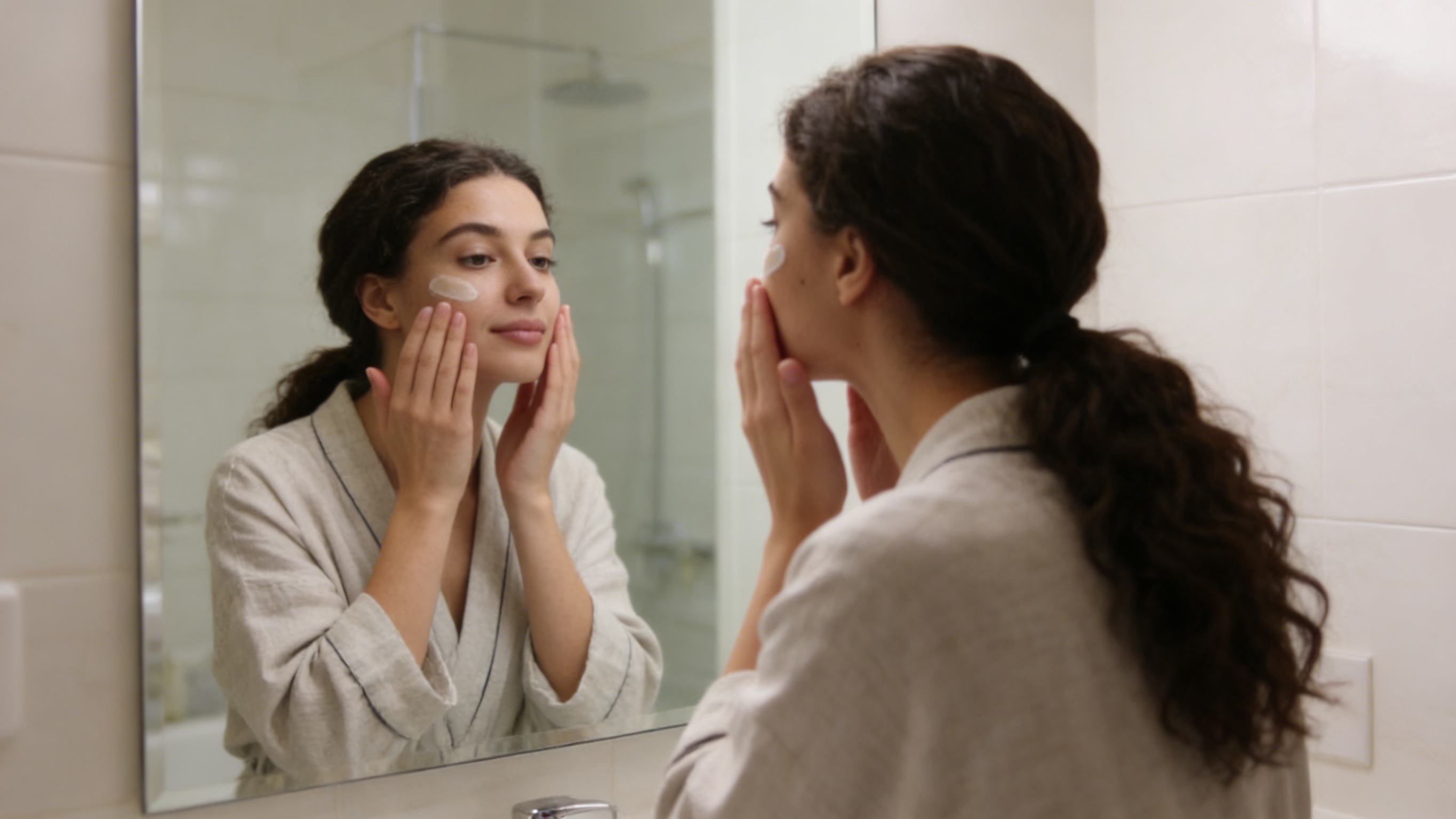
Let’s get real for a second. If you have sensitive skin, the skincare aisle is a minefield. You are promised glowing skin and clear pores, but half the time, you end up with a face that feels like it’s been sunburned.
We see it all the time. You scroll through Instagram, see someone peeling a face mask off their nose to reveal a forest of gunk, and you think, "I need that." So you grab the first pore clearing clay mask you find.
Fast forward twenty minutes: your face is red, tight, and throbbing.
Why does this happen? Because most masks for every skin type are actually designed for the oily, resilient skins of the world. They aren’t built for you. But does that mean you have to live with clogged pores just because your skin is finicky? Absolutely not.
I’m going to walk you through exactly how to fix this. As the team behind NING Dermologie, we have spent years obsessing over formulations. We know what a board-certified dermatologist would tell you behind closed doors: most people are using the wrong mask for your skin.
Here is the no-nonsense guide to finding the best clay masks without destroying your face.

Understanding Your Skin Type (Ignore the Marketing Fluff)
You can’t fix a problem if you don’t know what you’re working with. Marketing terms like "normal" or "combination" are vague. Let’s look at how your skin actually behaves in the wild.
The "Ouch" Factor: Identifying Sensitive Skin
Sensitive skin isn't just a label; it’s a physical sensation. If you wash your face and it immediately feels two sizes too small, that’s your barrier crying for help. If you try a new product and get stingy, red patches? Sensitive. For you, the best clay masks for every sensitive situation are ones that soothe first and clean second. You need white clay or kaolin clay. Anything else is just asking for trouble.
The Grease Trap: Characteristics of Oily Skin
Oily skin is resilient. It’s thick. You wake up shiny. Your makeup slides off by noon. You produce legitimate excess oil. For this skin type, bentonite clay is your best friend because it acts like a vacuum. A clarifying clay mask works wonders here because your skin can actually handle the heavy lifting required to clear pores.
The Desert: Recognizing Dry Skin
Dry skin is tricky. It feels rough. It looks dull. People with dry skin often think they are banned from using clay. That is a total myth. You absolutely can use a clay face mask, but the rules are different. You need hydrating masks that use just a touch of clay to exfoliate dead skin cells without stripping away the tiny bit of oil you do have.
The Chemistry of Clay: Not All Mud Is Created Equal
This is where the magic happens. To pick the right face mask, you have to look at the ingredient deck. The type of clay is the difference between a spa day and a chemical burn.
1. Kaolin Clay (The Gentle Choice) Think of Kaolin as the polite guest at a party. It cleans up the mess without breaking the furniture. Usually found as white clay or pink clay, it is the mildest option. It sits on the surface and gently blots excess oil. It doesn’t suck the life out of your cells. This is the cornerstone of any mask for your skin type if you lean sensitive or dry.
2. Bentonite Clay (The Powerhouse) This stuff is intense. When you mix it with water, it swells up like a sponge. It has a strong electrical charge that literally pulls toxins and sebum out of pores. It is hands down the best for oily skin. But for sensitive skin? It can be too much. It’s the sledgehammer when sometimes you just need a scalpel.
3. Volcanic Ash & Charcoal These are the deep cleaners. Volcanic AHA Pore Clearing Clay products are popular for a reason—they work fast. They chemically and physically exfoliate the skin. Great for acne-prone skin types that need a hard reset, but tread carefully if your skin barrier is compromised.
Best Clay Masks for Every Skin Type: Our Honest Takes
We’ve tested hundreds of formulas. We know what works. Here is how to navigate the noise and find the mask works for you.
Top Picks for Oily Skin & Acne-Prone Skin
If you are battling the shine, you want a clarifying clay mask. You need something that dries down and signals "I’m working."
- The Goal: Absorb excess oil and kill the bacteria causing the acne.
- The Strategy: Look for bentonite clay combined with salicylic acid. This combo is the best for acne because it hits the pimple from two angles: unclogging the pore and drying it out.
- Recommendation: A robust pore clearing clay is essential here. Just don't overuse it. Even oily and acne-prone skin can get dehydrated.
Recommended Masks for Dry Skin
If you are dry, step away from the cracking mud. You want a cream mask that happens to have some clay in it.
- The Goal: Refine pores without creating flakes.
- The Strategy: Look for "creamy" or "mousse" textures. Hydrating masks can be used effectively if they contain glycerin or oils.
- Top Tip: Don't let it dry completely. Wash it off while it's still tacky.
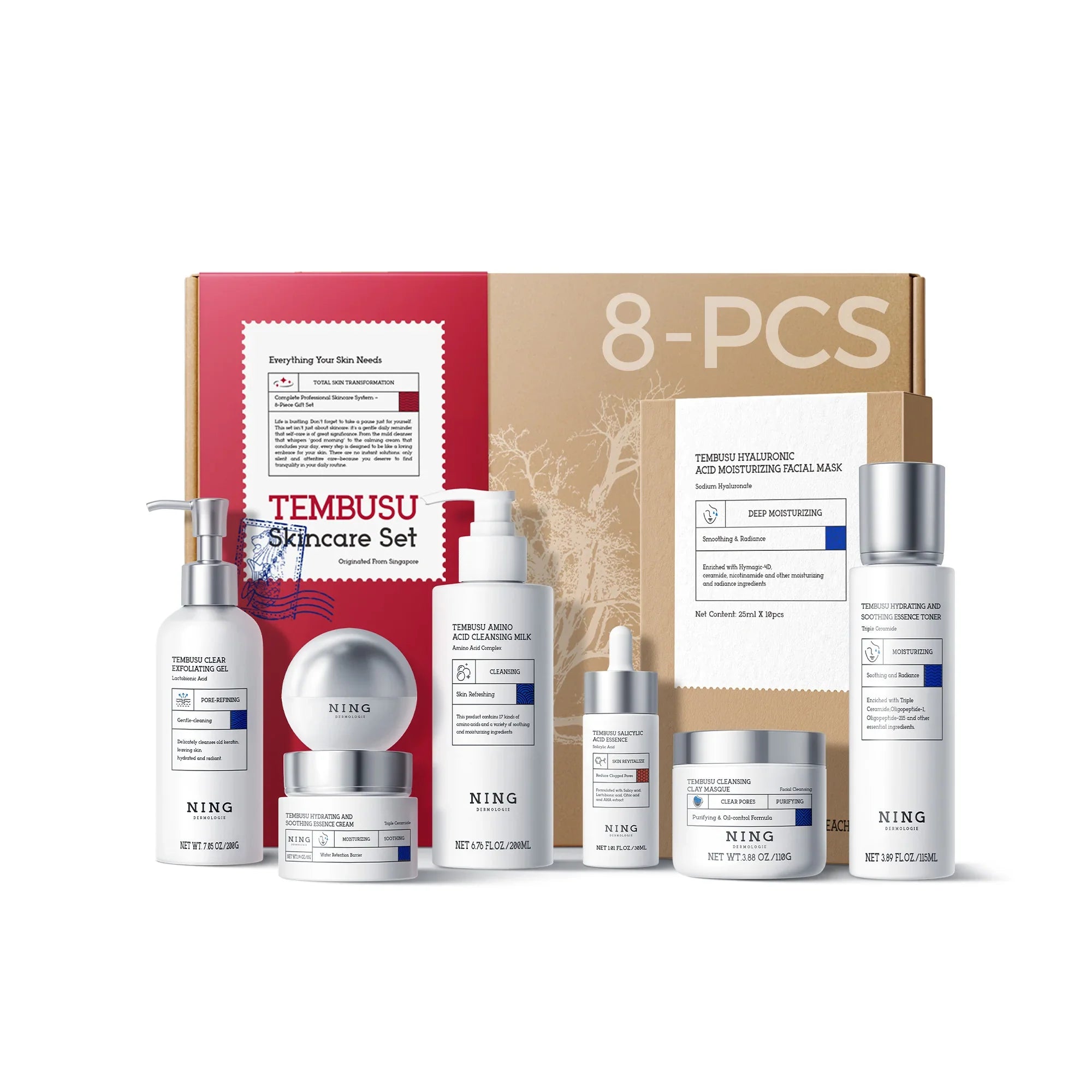
The Holy Grail for Sensitive Skin: NING Dermologie
Okay, here is where we get biased, but for good reason. We got tired of seeing "gentle" masks that were full of fragrance and alcohol. So, we made our own.
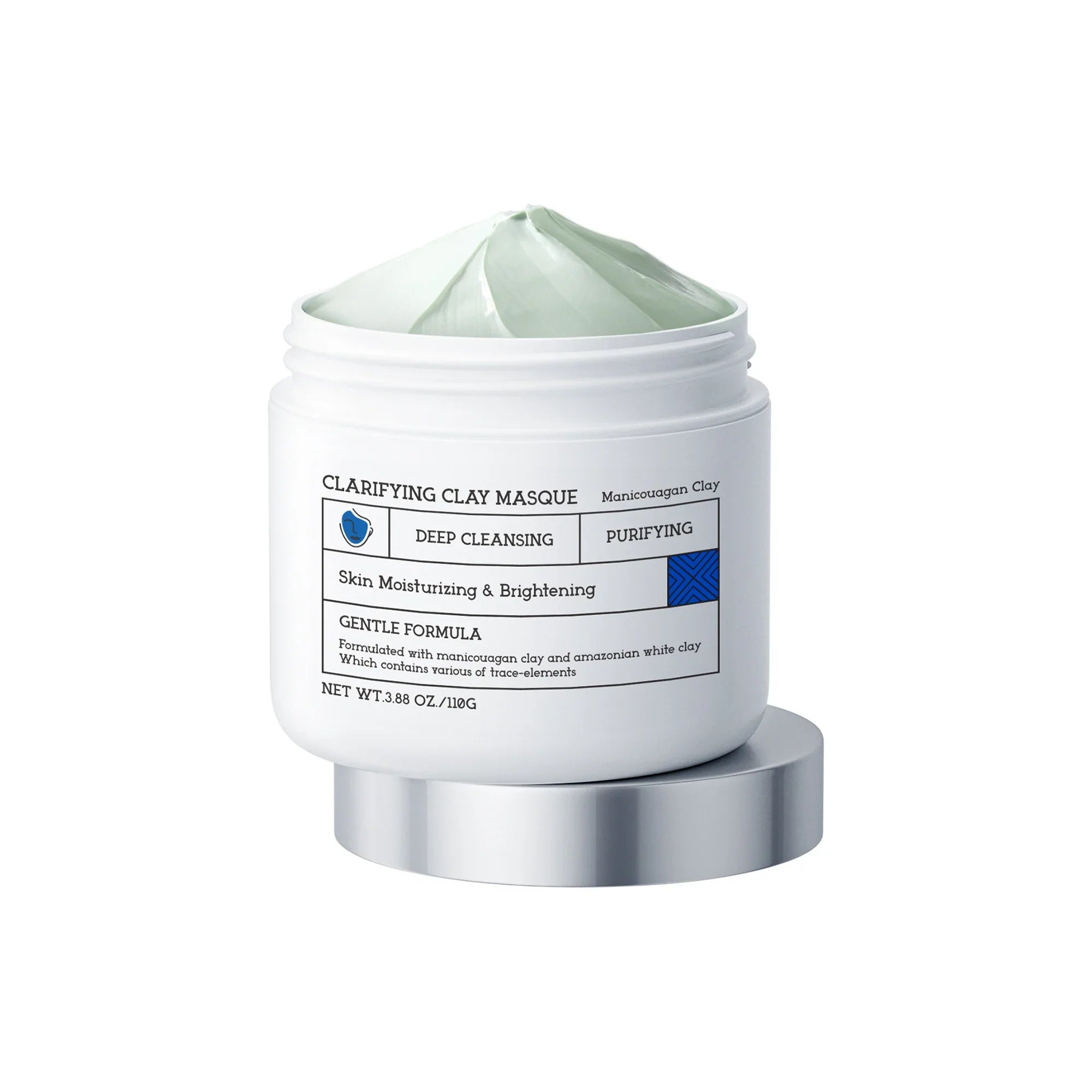
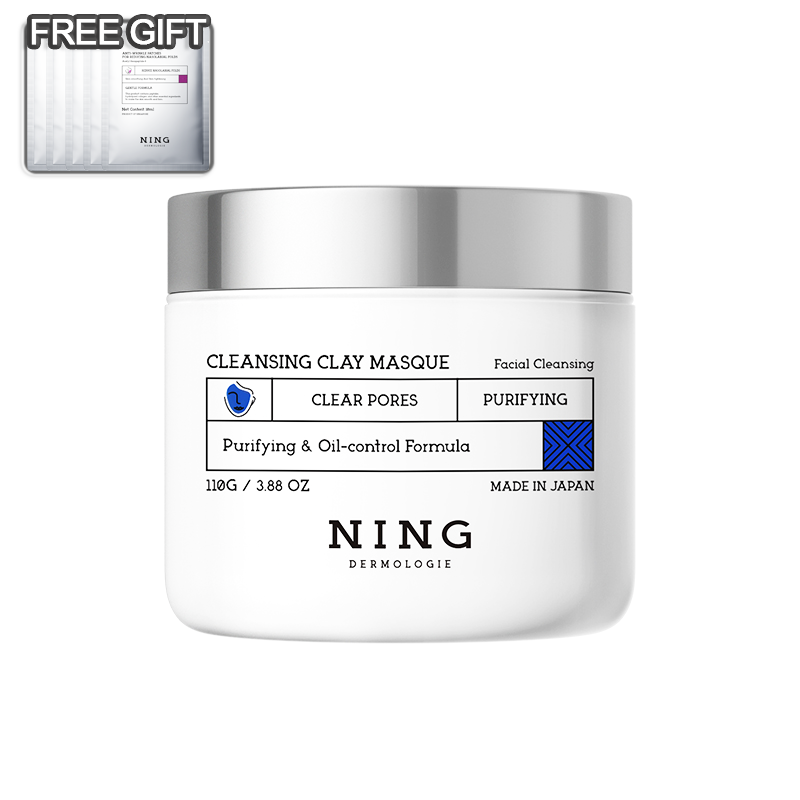
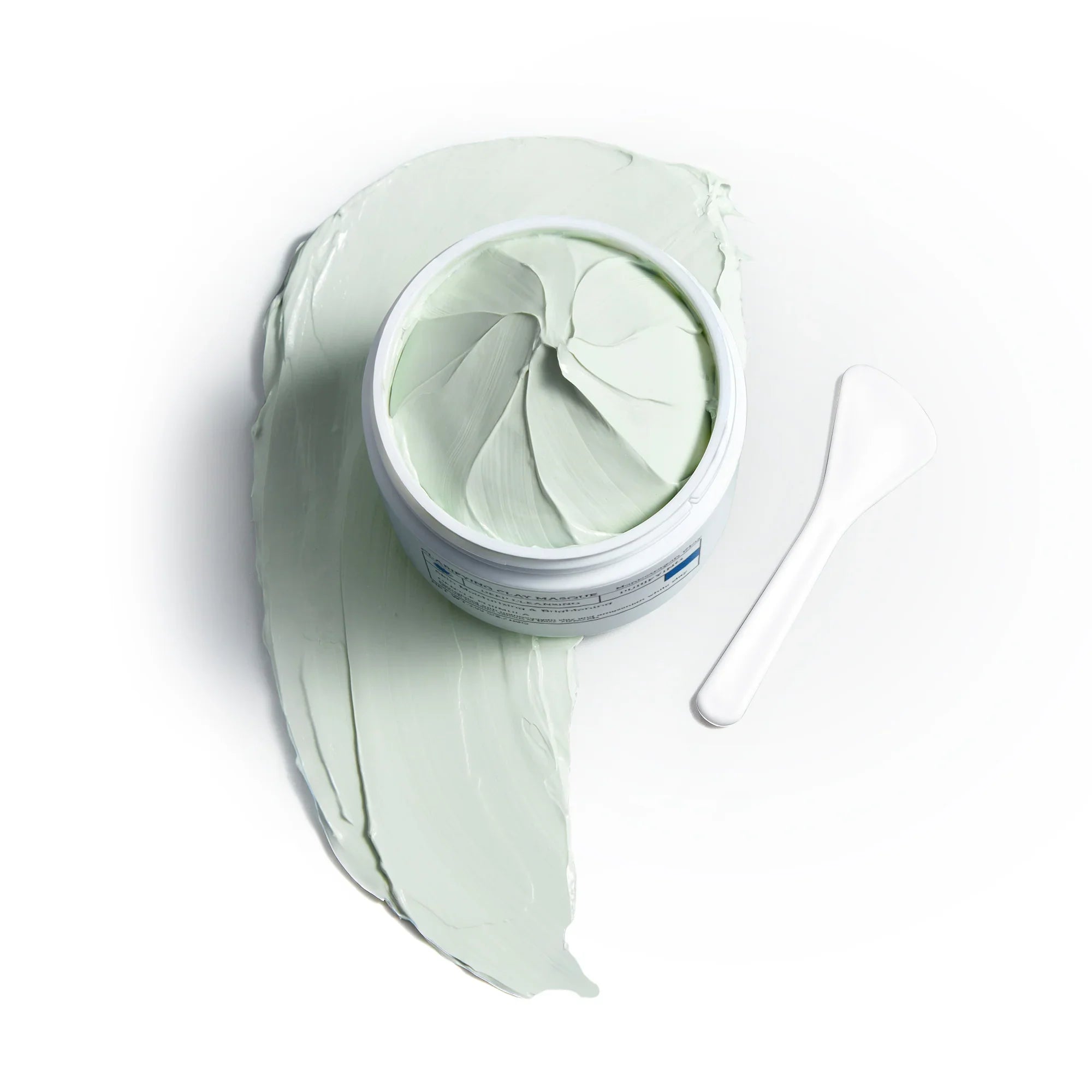
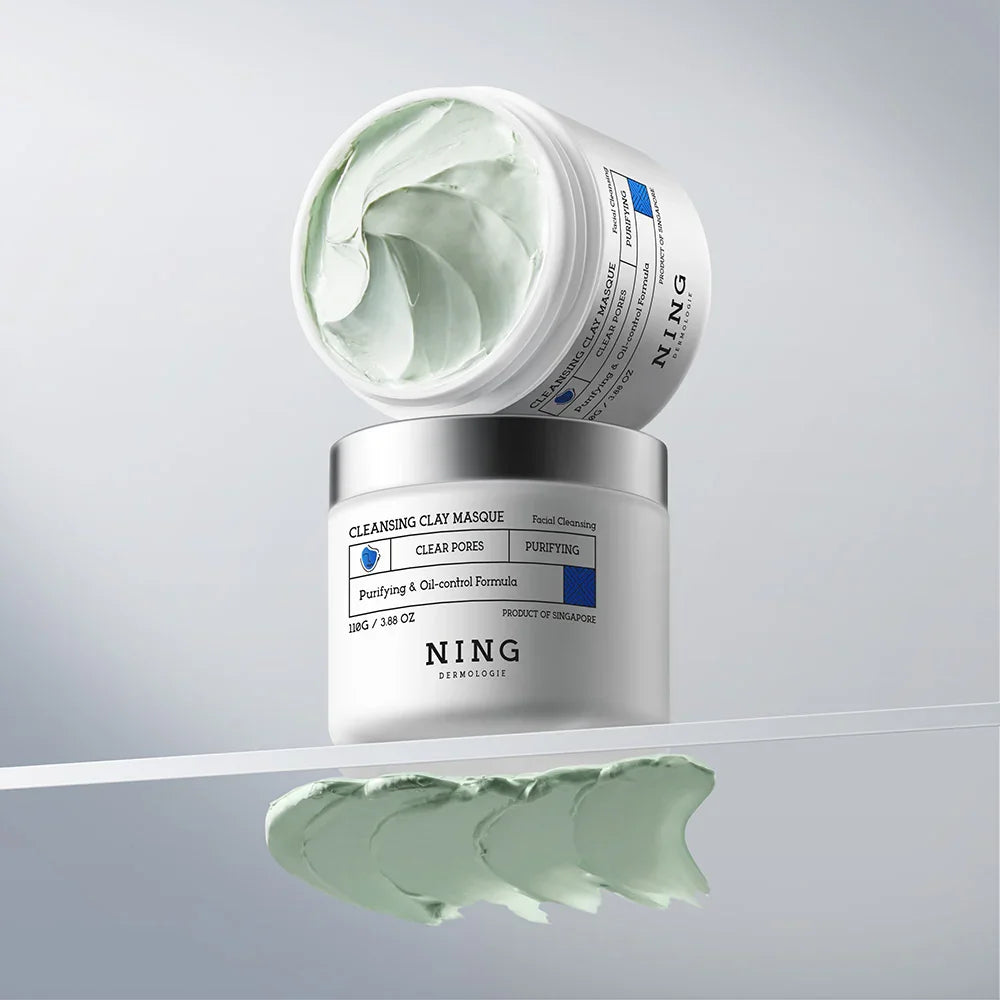
Our Clay Mask for Face Sensitive Skin is an anomaly. It doesn't act like a traditional mask.
- The Formula: We used premium Kaolin clay as the base. It’s soft. It’s silky.
- The Difference: Most masks strip your barrier to clean it. Ours supports the skin barrier while lifting impurities.
- The Result: You get that clear pores look, but your skin feel is plump and calm. It’s the best clay mask for people who are scared of clay masks.
- Why It Works: It tackles skin concerns like redness and dullness simultaneously. It helps even skin tone without the burn.
How Clay Masks Actually Clear Clogged Pores (The Mechanics)
There is a lot of bad science out there. Here is the truth about how a pore clearing clay mask functions.
It’s not magic; it’s capillary action. When you put wet clay on your face, it starts to dry. As the water evaporates, it creates a suction effect. This pulls liquid (your oil) and debris out of the pore.
Simultaneously, the texture of the clay acts as a mild physical exfoliant. When you rinse it off, you are buffing away the dead skin cells that act as lids on your pores. Remove the lid, remove the oil, and boom—clear pores.
But here is the catch: if you leave it on until it cracks into a desert landscape on your face, the capillary action goes too far. It starts pulling essential water out of your living skin cells. That leads to dull skin and irritation.
Using a Clay Mask Effectively: You’re Probably Doing It Wrong
I cannot stress this enough: technique is everything. You can have the best face mask in the world, but if you misuse it, you will hate it.
Step 1: The Prep Start with a clean face. Warm water is your friend here—it helps soften the hardened oil in your pores.
Step 2: The Application Apply an even layer. Focus on the T-zone. If you have combination skin (oily nose, dry cheeks), only put the clay face mask on your nose and chin. Multimasking is not just a trend; it’s logic.
Step 3: The Timing (Crucial) Ignore the box if it says 20 minutes.
- Oily Skin: 10-12 minutes.
- Sensitive Skin: 5-8 minutes.
- The Rule: Rinse when it starts to feel sticky, before it turns white and flaky.
Step 4: The Aftermath Rinse with lukewarm water. Pat dry. Then—and this is vital—flood your skin with hydration immediately. This helps maintain skin elasticity and keeps the skin hydrated.
Clarifying vs. Hydrating: Combining Treatments
Can you use a clay mask and other treatments together? Yes, but be smart.
If you use a clarifying clay mask (like Volcanic AHA Pore Clearing Clay) to fix congested skin, your skin is in a vulnerable state immediately after. It is clean, but it is naked.
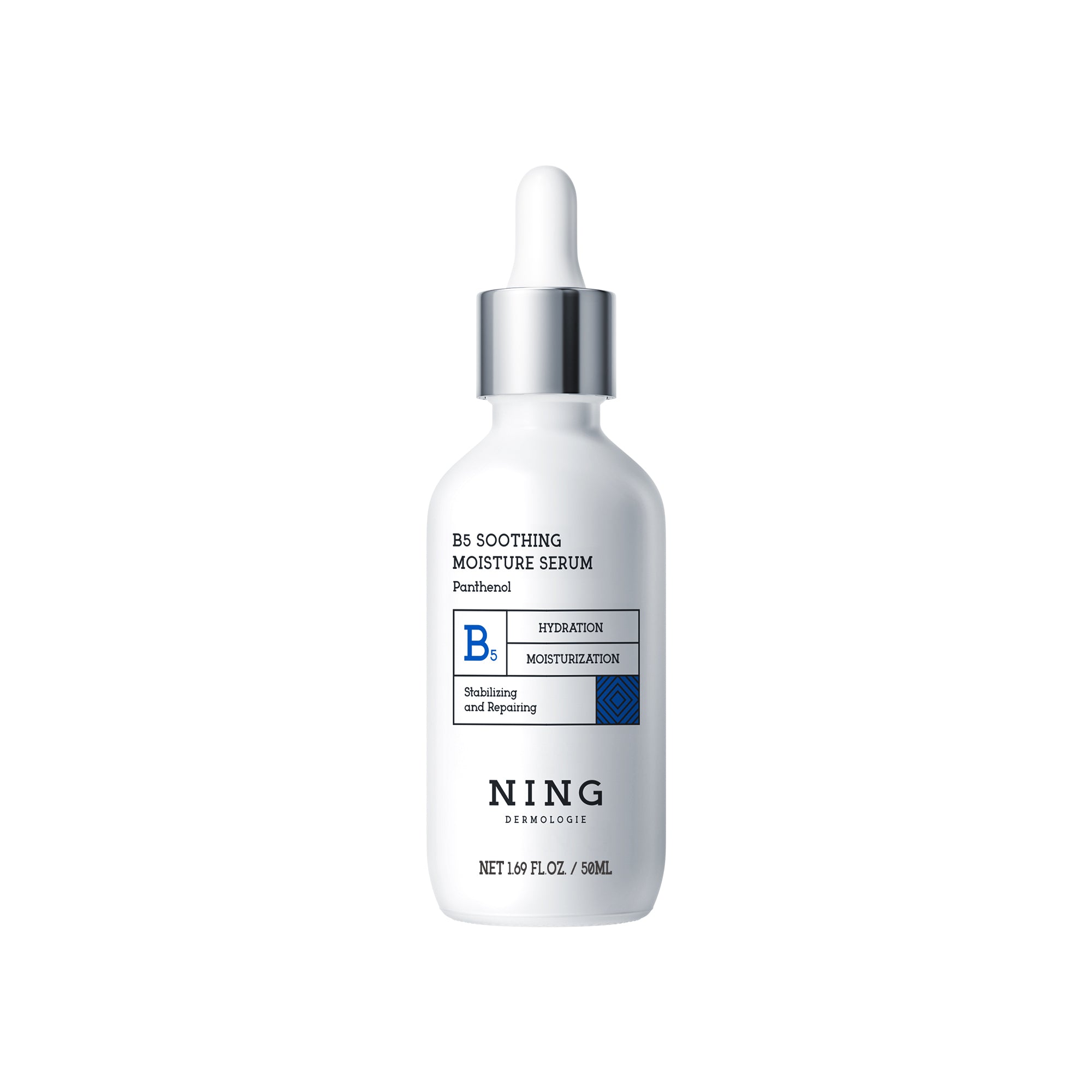
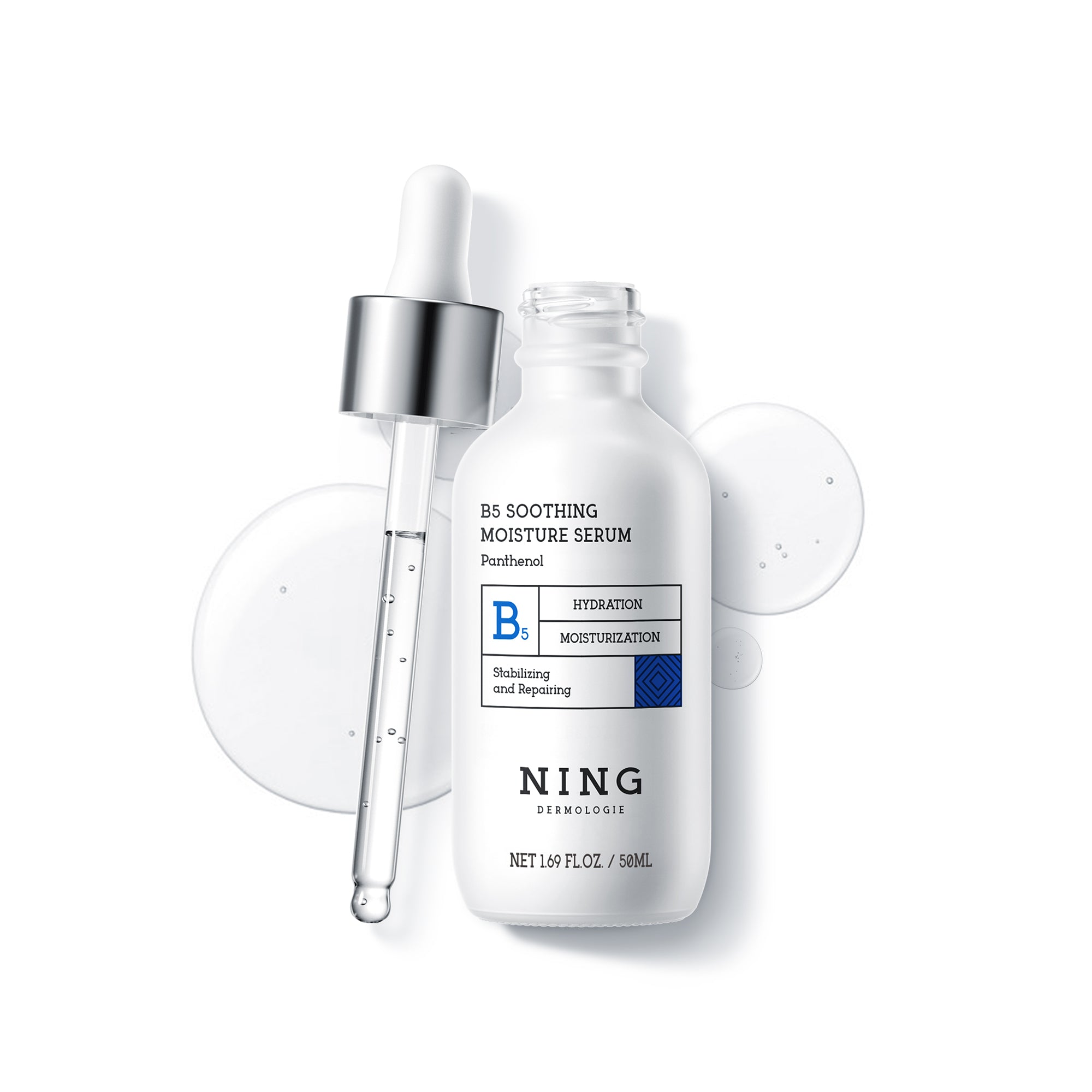
- Do: Follow up with a hydrating serum or a soothing mask.
- Don't: Slap on a strong retinol or vitamin C right after. That is a recipe for a chemical burn.
For dull skin, using a clay mask to gently exfoliate dead skin cells primes your face perfectly for a hydrating mask or a rich night cream. This "sandwich method" is how you get that glass-skin look.

The Verdict: How to Choose the Best Clay Masks
At the end of the day, the best clay masks for every person reading this will be different.
- If you are an oil slick by 10 AM, go for bentonite clay.
- If you just want a deep clean but have acne-prone skin, look for charcoal or specific acne-prone skin types formulas.
- But if you are one of the millions with delicate skin, stop gambling.
You need something designed to respect your biology. That is why we stand by our Clay Mask for Face Sensitive Skin. We formulated it to be the mask for your skin—the one that actually makes you look forward to your skincare routine, rather than dreading the sting.
Radiant skin isn't about scrubbing your face into submission. It’s about balance. Find the mask type that fits your life, use it wisely, and your skin will thank you.
Frequently Asked Questions (FAQ)
1. Can I really use a clay mask if my skin is super dry?
Yes, but you have to be picky. Most traditional clay masks will hurt you. You need a mask for your skin type—specifically one loaded with oils or glycerin alongside the clay. Only put it on your nose or chin where you actually have visible pores, and skip your dry cheeks entirely. Wash it off fast. If your skin feels tight afterwards, you left it on too long.
2. How often should I use a mask for acne-prone skin?
For oily and acne-prone skin, we usually suggest 2 or 3 times a week. You want to control the excess oil without stripping your face raw. If you are using other drying acne meds (like benzoyl peroxide), cut the mask usage down to once a week. It’s a balancing act. If your skin looks red, back off.
3. Why do people say "Don't let the mask dry"?
Because it ruins your skin. There are three phases of a clay mask: damp (skin absorbs beneficial minerals), starting to dry (mask cools and stimulates blood flow), and dry (mask draws moisture from skin). You want to rinse during phase two. If it cracks, it’s actively dehydrating you and can cause skin texture issues.
4. Is Kaolin or Bentonite better for me?
Think of it like this: Kaolin clay is a broom; Bentonite clay is a vacuum. If you have sensitive skin or dry skin, stick to Kaolin (the broom). It’s gentle. If you have heavy oily skin, you need Bentonite (the vacuum) to really absorb excess oil. Using the wrong type of clay is the #1 reason people have bad reactions.
5. Can a clay mask replace my exfoliator?
Kind of. Removing a clay face mask does physically exfoliate dead skin cells, so you generally don't need to use a harsh scrub on the same day. It helps improve skin smoothness instantly. However, for deep issues like cystic acne, you might still need chemical exfoliants—just don't use them at the exact same time as the mask.
6. Will this actually shrink my pores?
Let’s be honest: pore size is genetic. You can't shrink them permanently. However, a pore clearing clay mask cleans out the gunk inside them. When a pore is empty, it looks smaller. When it’s full of oil and dirt, it stretches out and looks huge. So yes, consistent use will minimize the appearance of pores, giving you that glowing skin look.





Share:
Top-Rated Clay Masks to Minimize and Tighten Pores in 2025
Unmask the Secret to Smooth Skin: Best Clay Masks for Pore Care