

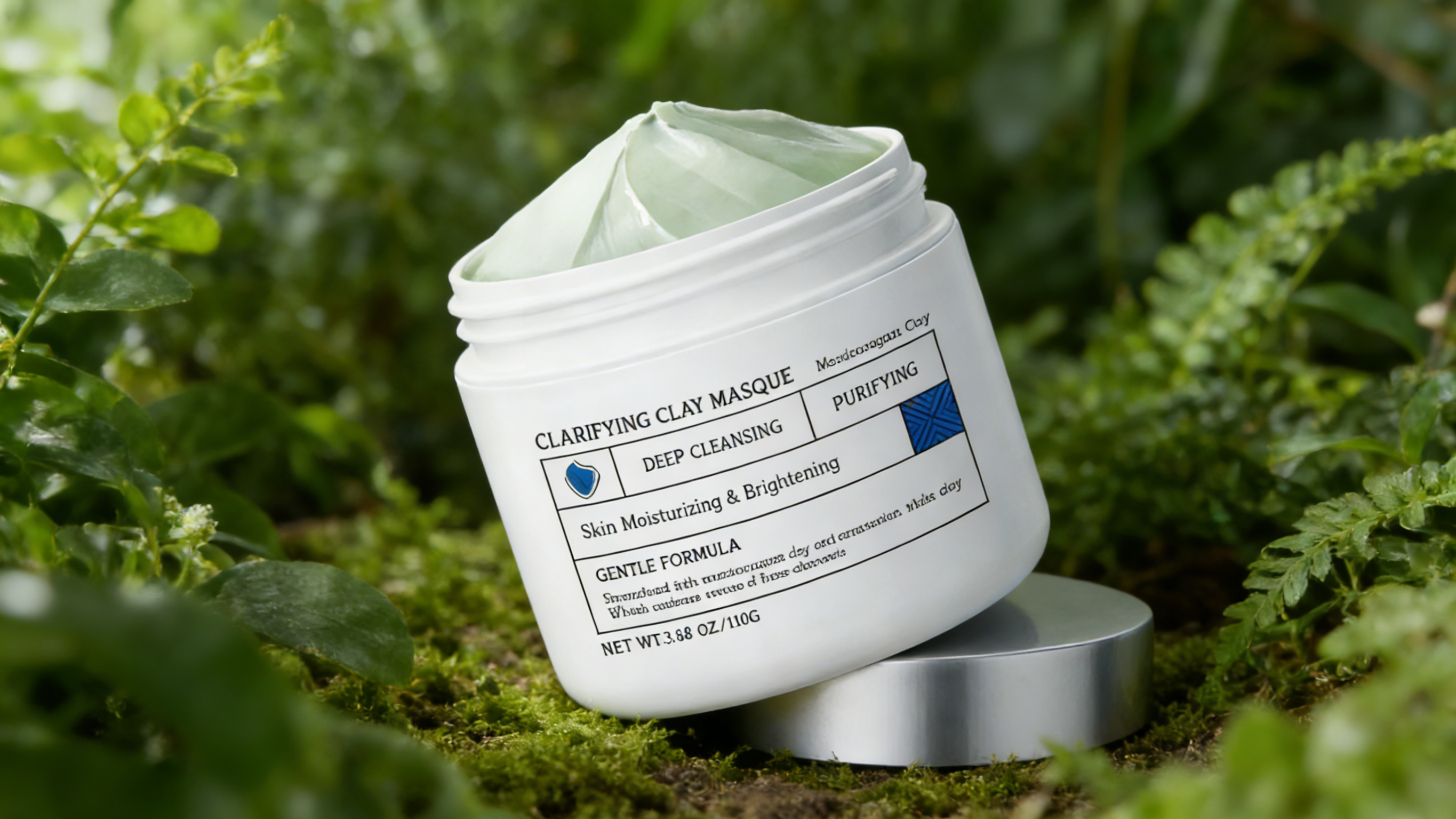

8 Best Clay Masks of 2025: Top-Rated Formulas to Minimize Pores and Detox Skin
Let’s be real: there is something oddly satisfying about seeing the gunk out of my pores after a long week. We’ve all been there—staring in the mirror at the "strawberry seeds" on our nose, wishing for a magic eraser.
In 2025, the skincare game has changed. No longer do clay masks leave your face cracked, dry, and feeling like the Sahara Desert. The masks of 2025 are sophisticated, blending powerful absorption with barrier-repairing ingredients. Whether you are battling clogged pores, excess oil, or dullness, the best clay mask for your routine shouldn't just strip your skin; it should reset it.
After testing dozens of jars and tubes, I’ve compiled the 8 best clay masks to help minimize pores and refine skin texture. This is your guide to getting clearer skin, from cult favorites to lesser-known clean beauty brands like NING Dermologie.

The Science: Why Clay Works on Pores
Before we dive into the list, let's talk about the mechanism. How does a seemingly simple face mask actually clear pores?
It comes down to the type of clay. Think of clay as a magnet. Kaolin clay (white clay) and bentonite clay (made from volcanic ash) work by adsorbing. When the clay is wet, it gets an electric charge and acts like a vacuum, sucking up toxins, sebum, and other things that are stuck in your pores.
However, not all clays are created equal:
- Bentonite Clay: The heavy lifter. It swells when mixed with water and provides a powerful deep cleansing effect. It’s often the best clay for oily and acne-prone skin.
- Kaolin Clay: The gentle giant. Often called white clay, it is less absorbent than bentonite, making it the best clay for sensitive skin or dry skin.
- Volcanic Ash/Clay: Rich in sulfur and minerals, great for a detox mask effect.
The 8 Best Clay Masks for Clogged Pores in 2025
I have broken these down by skin type and specific concerns so you can find your perfect match.
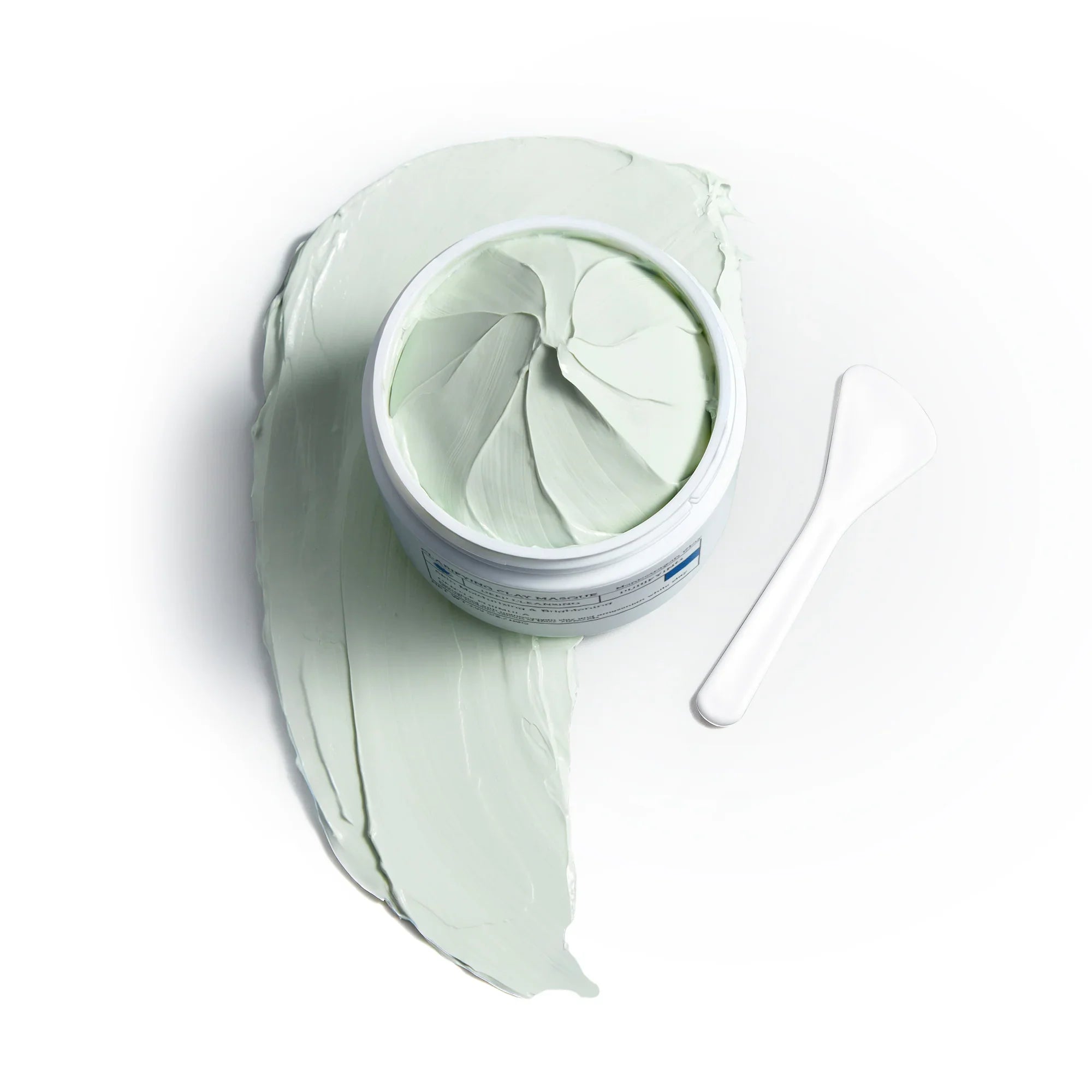
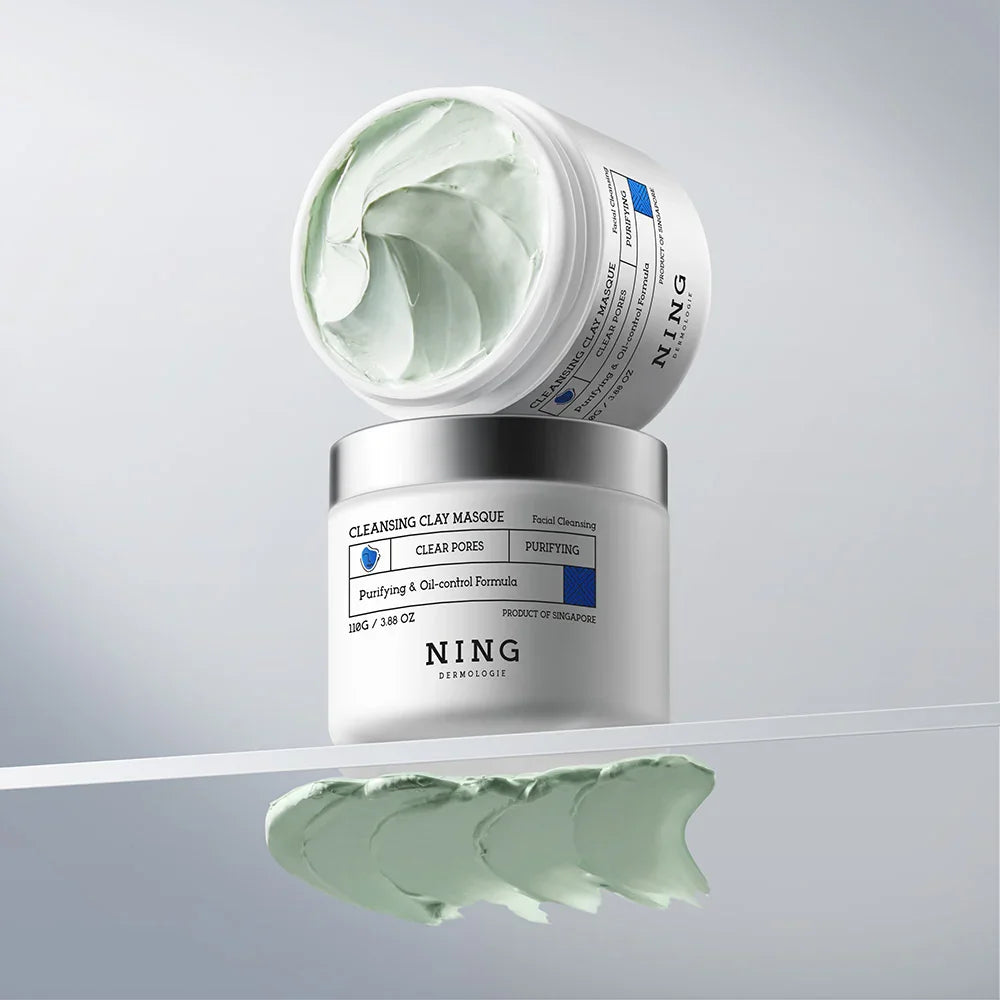
1. Best for Sensitive Skin: NING Dermologie Clay Mask
Best For: Sensitive skin, redness, and barrier protection.
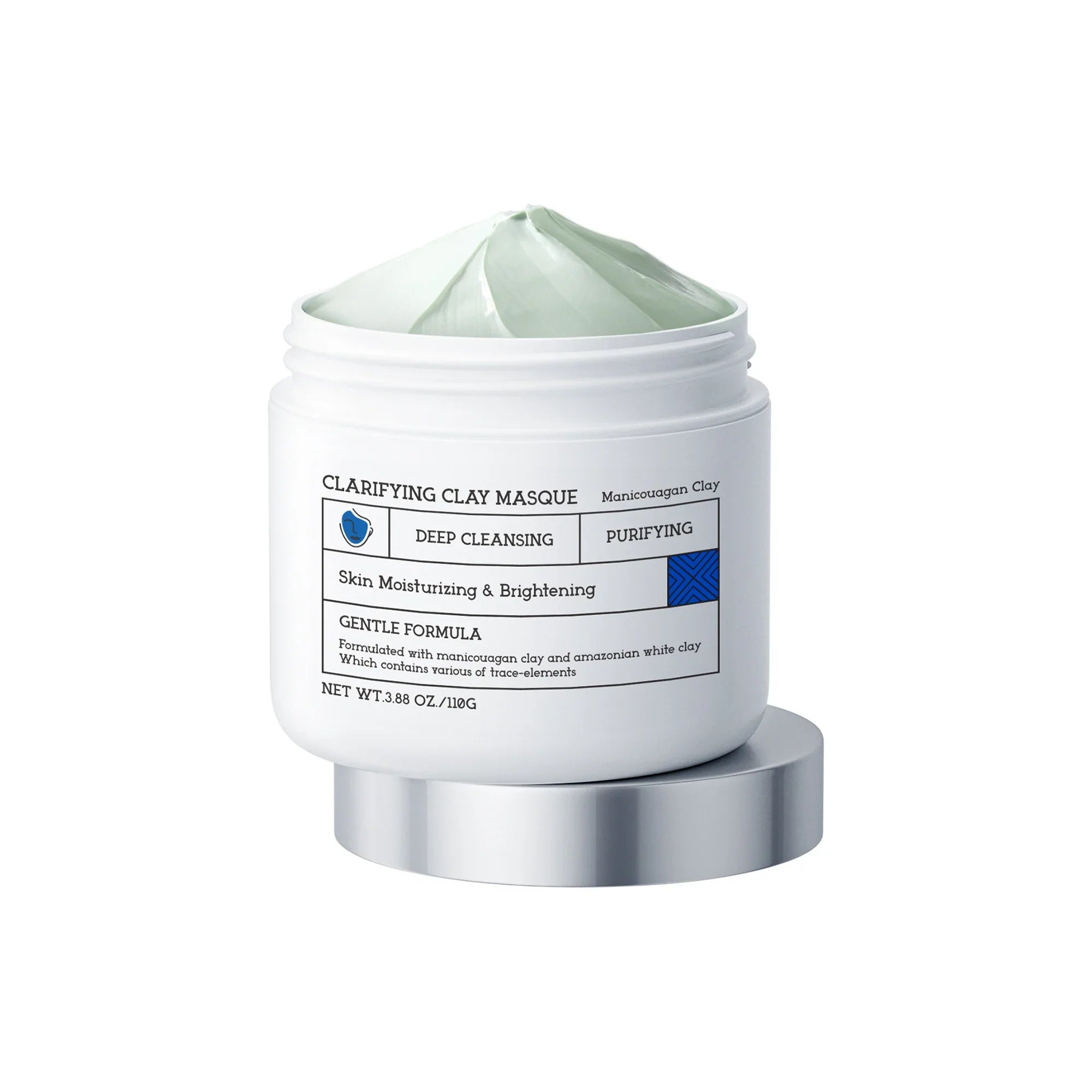
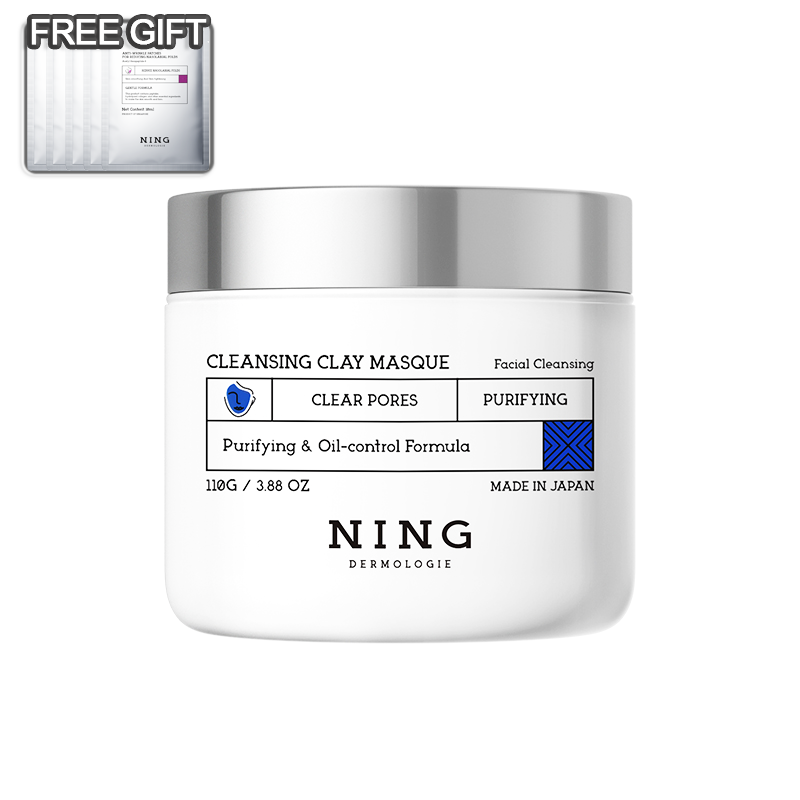
If you have ever avoided clay masks because they leave your skin parched or red, this is the game-changer you’ve been waiting for. NING Dermologie has formulated a Clay Mask for Face Sensitive Skin that defies the "clay dries you out" stereotype.
Most masks for clogged pores are too aggressive for delicate skin barriers. This formula uses a specialized blend of gentle clays that manage to absorb excess oil without stripping the skin's natural moisture factor. It’s a clarifying clay mask that actually soothes while it works.
My Experience: When I applied this, it felt creamy, almost like a whipped moisturizer. It didn't crack or flake off in chunks. After rinsing, my skin feeling was soft and pliable, not tight. It effectively helped minimize pores around my nose without causing that dreaded "sting." For anyone who thought clay masks aren’t for them due to sensitivity, this is the best clean option I've found this year.
- Key Ingredients: Gentle Kaolin blend, soothing botanicals.
- Shop Here: Clay Mask for Face Sensitive Skin
2. Best Overall for Congestion: Caudalie Instant Detox Mask
Best For: Clogged pores and a "snatched" look before an event.
You have probably seen this on TikTok, and for once, the hype is real. The Caudalie Instant Detox Mask is a powerhouse using pink clay (a mix of red and white clay) to tighten and purify. It is incredibly effective at removing dead skin cells and giving you that immediate "tight" look—in a good way.
Why it works: It contains coffee extract, which helps with microcirculation. You can literally see the oil spots appearing on the mask as it dries, which is gross but satisfying. It’s one of the top face masks of 2025 for a reason.
3. Best Splurge: SkinCeuticals Clarifying Clay Masque
Best For: Oily skin and acne-prone skin that needs a clinical touch.
If you are looking for a board-certified dermatologist favorite, this is often it. The SkinCeuticals Clarifying Clay mask combines high-quality earth clays with a hydroxy acid blend (AHA/BHA) to gently exfoliate dead skin cells while decongesting.
The Verdict: It is pricey, yes. But it serves as a dual-action product: a peel and a pore clay mask in one. It helps refine pores and leaves skin tone looking significantly brighter. If you have the budget, it’s the best splurge for maintaining a clear complexion.
4. Best K-Beauty Clay: Innisfree Volcanic AHA Pore Clearing Clay Mask
Best For: Blackheads and robust oily skin.
K-beauty knows pores. The Volcanic AHA Pore Clearing Clay uses volcanic clusters from Jeju Island. This is a heavy-duty detox mask. It has a cooling sensation and contains small scrubbing particles to physically exfoliate when you rinse it off.
Note: This is a strong mask for oily skin. If you have dry skin, stick to the NING Dermologie option mentioned above. But for enlarged pores and heavy grease, this volcanic clay works wonders.
5. Best Hydrating Clay: Outset Purifying Blue Clay Mask
Best For: Dry skin or combination skin.
The Outset Purifying Blue Clay Mask is fascinating because it focuses on hydration as much as detoxification. It uses Blue Clay, which is milder. This mask is designed to clear pores without the crunch. It leaves skin hydrated, making it one of the face masks of 2025 that bridges the gap between a spa facial and a deep cleanse.
6. Best for Acne: Kiehl's Rare Earth Deep Pore Cleansing Masque
Best For: Acne-prone skin and large, visible pores.
A classic that remains on the list of the best year after year. This uses Amazonian White Clay to aggressively hunt down excess oil. It’s incredibly thick and creamy. I usually recommend this as a spot treatment or a T-zone mask rather than a full face mask if you are prone to dryness. It is arguably the best for pores that are visibly stretched by sebum.
7. The Budget "DIY" Feel: Aztec Secret Indian Healing Clay
Best For: Deep cleansing on a budget (and body usage).
This is 100% pure calcium bentonite clay. It is a powder that you mix with apple cider vinegar or water. It is the strongest bentonite clay mask on the market.
Warning: It pulsates. Literally. Your face will throb as it dries. It is excellent for a monthly heavy-duty detox, but do not use this if you have sensitive skin, as it will leave your face red for about an hour. It’s the best clay mask for sheer power per dollar.
8. Best for Texture: Sand & Sky Australian Pink Clay
Best For: Brightening and skin texture.
This mask put Australian Pink Clay on the map. It’s fantastic for combination skin. It manages to absorb excess oil while tightening the appearance of pores instantly. It also comes with a little brush, which makes you feel like an aesthetician in your own bathroom.
Choosing the Right Clay Mask for Your Skin Types and Concerns
Not all mud is good mud. To avoid ruining your skin barrier, you need to match the type of clay to your specific skin needs.
For Oily or Acne-Prone Skin
You want the heavy hitters. Look for bentonite clay or green clay. These ingredients are highly absorbent. A mask for oily skin needs to pull oil out deep from the follicle.
- Top Pick: Volcanic AHA Pore Clearing Clay or Kiehl's.
For Dry Skin
Yes, you can still use clay! But you need cream masks that incorporate clay rather than pure clay pastes. Look for kaolin clay mixed with glycerin, aloe, or oils. The goal is to clear pores without creating micro-cracks in your skin.
- Top Pick: Outset Purifying Blue Clay Mask.
For Sensitive Skin
This is the trickiest category. Traditional clay masks are often too alkaline for sensitive faces. You need a pH-balanced formula that uses botanicals. You want a purifying mask that feels soothing, not tightening.
- Top Pick: NING Dermologie Clay Mask for Face Sensitive Skin. This formula ensures you get the detox benefits without the irritation, leaving skin feeling clean but comfortable.

How to Apply Clay Masks Correctly (Don't Make These Mistakes)
I once spoke to a board-certified dermatologist based in New York who told me the number one mistake people make is letting the mask dry completely until it cracks.
Here is the Pro Protocol:
-
Cleanse First: Always apply your clay face mask to clean, dry skin. You don't want to trap dirt under the mask.
-
Don't Wait for the Crack: If the mask is crumbling off your face, you have left it on too long. This draws moisture out of the skin, not just oil. Rinse it off when it is sticky-dry (about 80% dry).
-
Multi-Masking: If you have a T-zone that is oily but dry cheeks, use a bentonite clay mask on your nose and a face cream or hydrating mask on your cheeks.
-
After-Care: A pore clay mask opens the way for serums. Immediately after rinsing, while your skin is damp, apply a hydrating toner and moisturizer. This ensures your skin looked plump, not stripped.
-
Frequency: Using a clay mask 1-2 times a week is standard. Any more, and you risk damaging your moisture barrier.
Final Thoughts: The Best Skincare Investment of 2025?
In the world of best face masks, clay remains a staple for a reason: it works. Whether you are dealing with blackheads or just want to minimize pores before a date, there is a jar out there for you.
If you are looking for that perfect balance of efficacy and gentleness, specifically for sensitive skin, I cannot recommend the NING Dermologie mask enough. It proves that clean beauty doesn't have to compromise on results.
For 2025, let's leave clogged pores behind and embrace a routine that keeps our skin feeling balanced, fresh, and clear.
Frequently Asked Questions (FAQ)
1. Can I use a clay mask if I have very dry skin?
Yes, but be selective. Avoid pure bentonite clay, which is very drying. Instead, look for masks made of "white clay" or kaolin that have moisturizing ingredients like glycerin, aloe vera, or hyaluronic acid. The NING Dermologie mask and the Outset mask are two great examples. You could also try washing the mask off after only 5 to 8 minutes instead of the full 15 to get the detox benefits without getting dry.
2. Do clay masks actually shrink pore size permanently?
No, the size of your pores is determined by your genes. Clay masks can make pores look smaller, though. Blackheads are pores that are full of oil and dead skin. They look bigger because they stretch out. The pore walls can go back to their normal size after clearing out the debris and opening the pores. This makes them look smaller and tighter.
3. Should I use a clay mask before or after showering?
You should use it before your shower but after washing your face. Or, even better, use it after a hot shower when the steam has softened the oil in your pores, making it easier for the clay mask to pull out dirt. Just make sure to rinse it off with warm water, not hot water, so you don't hurt the skin barrier.
4. How often should I use a mask for clogged pores?
Two to three times a week is usually safe for oily skin. Don't go more than once a week if you have dry or sensitive skin. Overuse of clay masks can cause your skin to produce more oil to make up for the dryness, which can result in more breakouts. Pay attention to your skin and cut back on the frequency if it feels tight or itchy.
5. What is the difference between Bentonite and Kaolin clay?
Bentonite clay is highly absorbent and is derived from volcanic ash. It works well for extremely oily or acne-prone skin because it swells when wet. Kaolin clay is typically white or pink, softer, and finer. It is the best clay mask for dry, normal, or sensitive skin that needs a mild detox because it absorbs less oil than bentonite.
6. Can clay masks cause skin purging?
Yes, it is possible. Because clay draws impurities from deep within the skin to the surface, you might see a few pimples pop up the day after using a powerful detox mask. This is usually a sign the mask is working to clear congestion. However, if you experience redness, burning, or a rash, that is irritation, not purging, and you should stop using the product immediately





Share:
Unlocking the Secrets of Clay Masks for Radiant Skin
Dermatologist-Approved: Best Clay Masks for Delicate Skin Types