

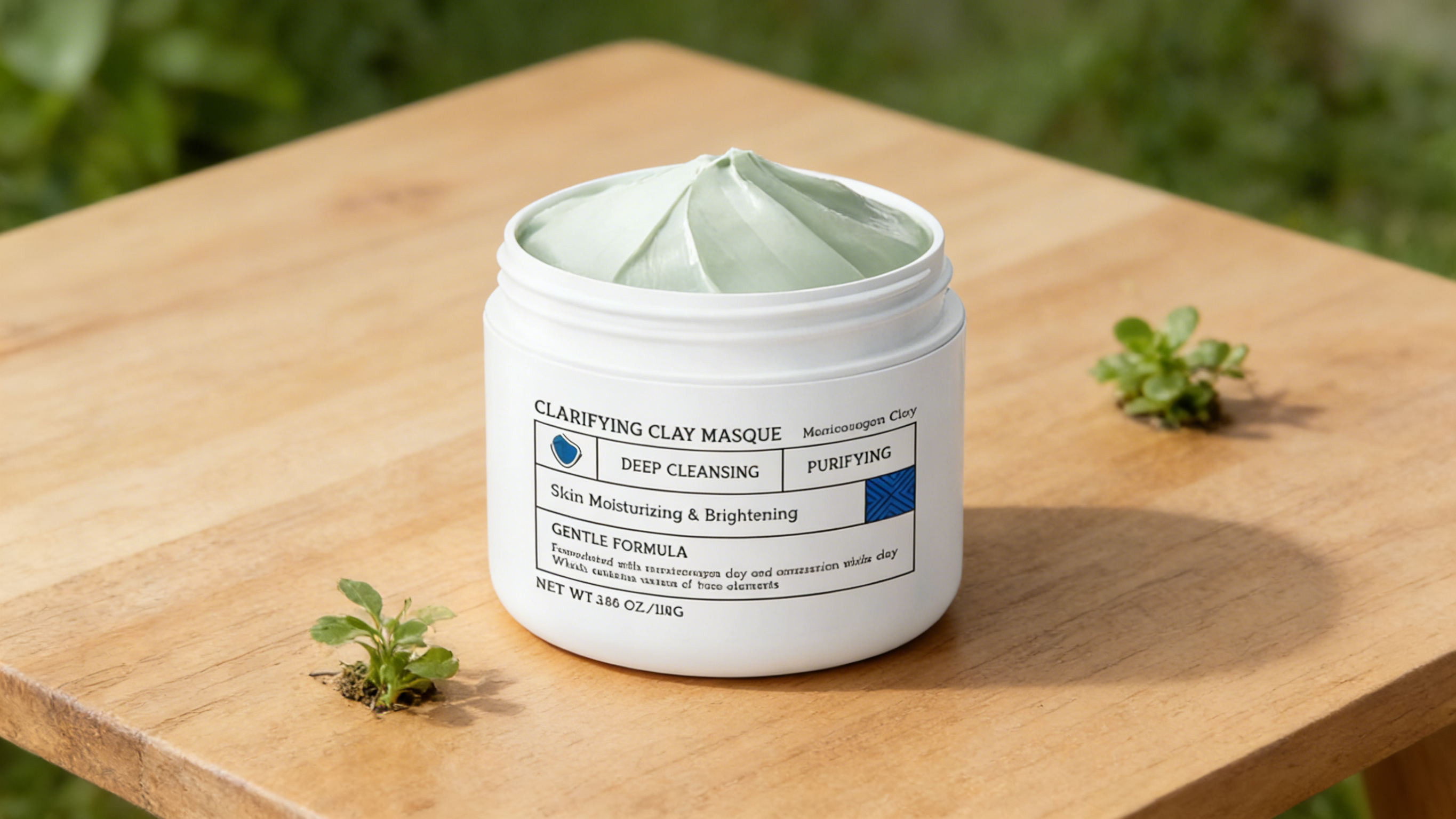

Unlocking the Secrets of Clay Masks for Radiant Skin: A Real-Talk Guide
Let’s be honest for a second. In the vast, sometimes overwhelming world of skincare, few products are as misunderstood as the humble clay mask. We’ve all seen the movies: the protagonist with a thick, cracking green crust on their face, cucumbers on their eyes, relaxing at a spa. It looks iconic. But in real life? That cracking sensation often leads to redness, irritation, and a compromised moisture barrier.
If you have been trying to unlock radiant skin but finding yourself dealing with dryness instead, you aren't alone. The power of clay is undeniable, but it is a double-edged sword. Used correctly, it’s a detoxifying powerhouse. Used incorrectly, it’s a moisture vampire.
At NING Dermologie, we believe in skincare that respects your skin’s integrity. Today, we are going deep—beyond the fluff—to explore the magic of clay masks, how to choose the right clay mask for your specific biology, and why a Clay Mask for Face Sensitive Skin might just be the holy grail you’ve been missing.

The Science: How Clay Masks Work (Beyond the Hype)
To understand why clay masks help, we need to look at the geology. Clay isn't just "mud." It is a mineral-rich substance that carries a negative electrical charge. Most toxins, heavy metals, and free radicals in our skin carry a positive charge.
When you apply a clay face mask, you are essentially initiating a microscopic game of tug-of-war. The clay is like a magnet. It sticks to the dirt, pollution particles, and extra sebum on your skin and physically pulls them away when you rinse.
This process not only cleans the skin, but it also helps to get rid of toxins in the environment. You are making it easier for your other skincare products, like serums and moisturizers, to get deeper into your skin by getting rid of dead skin cells and clearing up congestion. This is the main way that helps you get a glowing complexion.
However, here is the catch: some clays are too strong of a magnet. They don't just take the bad stuff; they strip your natural oils, leaving you with that "squeaky clean" feeling that is actually a scream for help from your moisture barrier.
Types of Clay: Finding Your Perfect Match
Not all mud is created equal. Depending on your skin type, picking the wrong geological ingredient can spell disaster. Let’s break down the most common types of clay used in face masks so you can stop guessing.
1. Bentonite Clay: The Heavy Lifter
Bentonite clay is composed of aged volcanic ash. It is the vacuum cleaner of the clay world. It swells when mixed with water and has incredibly strong absorption properties.
- Best for: Extremely oily or acne-prone skin.
- The Risk: For many, especially those with sensitive skin, bentonite is too aggressive. It can absorb excess oil so efficiently that it leaves the skin dehydrated and red.
2. French Green Clay: The Mineral Powerhouse
Often mined from bedrock in France, French green clay (or sometimes just called green clay) gets its color from decomposed plant matter and iron oxides. It is fantastic at boosting circulation and toning the skin.
- Best for: Oily to combination skin types looking to improve skin texture.
- The Verdict: While effective, pure French green clay can still be drying if used too frequently or left on too long.
3. Kaolin Clay: The Gentle Giant
This is where NING Dermologie focuses its expertise. Kaolin clay (often white or pink) is the finest and gentlest of the clays. It has a lower absorption rate than bentonite, meaning it pulls out impurities without stripping the skin of its essential oils.
- Best for: Sensitive or dry skin, and anyone prone to redness.
- Why we love it: It allows you to exfoliate the skin and detoxify the skin without the harsh side effects. It provides a smooth skin feel immediately after rinsing.
The Magic of Clay Masks for Different Skin Conditions
The "one size fits all" approach doesn't work in skincare. Your roommate's routine might break you out, and your holy grail might do nothing for them. Here is how to tailor the use of clay to your specific skin conditions.
For Acne-Prone Skin and Oily Skin
Clay masks are a useful tool if you're fighting breakouts and shine. Sebum control is the aim here. You can absorb the extra oil that feeds acne-causing bacteria by wearing a mask made of bentonite or green clay.
- Pro Tip: Don't just slap it all over. Use it as a spot treatment on active breakouts to dry them out overnight, or strictly on your T-zone. This targets the acne-prone skin areas without dehydrating your cheeks.
For Dry, Dull, or Sensitive Skin
This is the group that usually runs away from clay. And for good reason—most commercial masks are too harsh. However, avoiding clay means missing out on its exfoliating benefits. If you have dry or sensitive skin, you need a product that balances detoxification with hydration. A hydrating clay mask typically blends gentle clays (like Kaolin) with soothing botanicals.
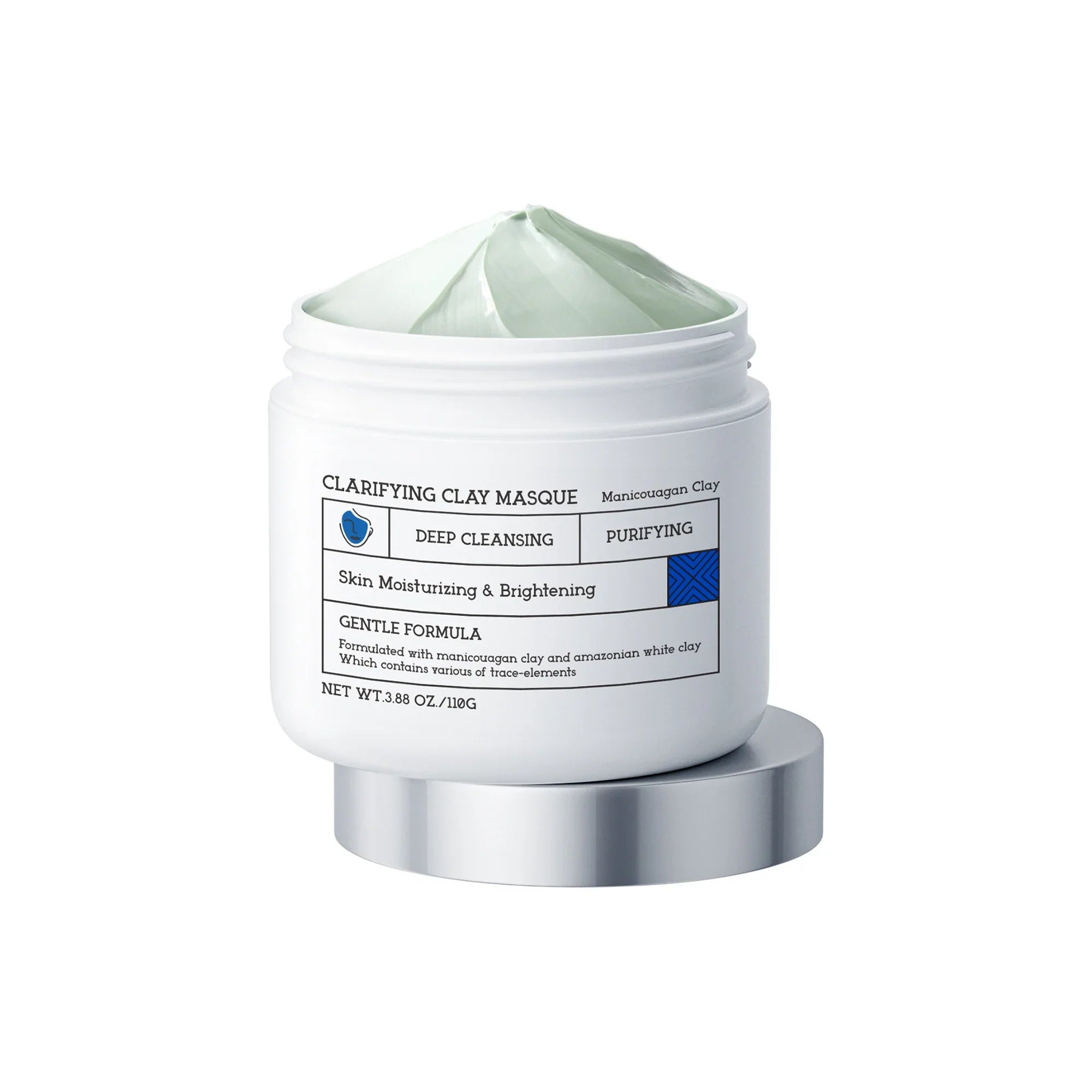
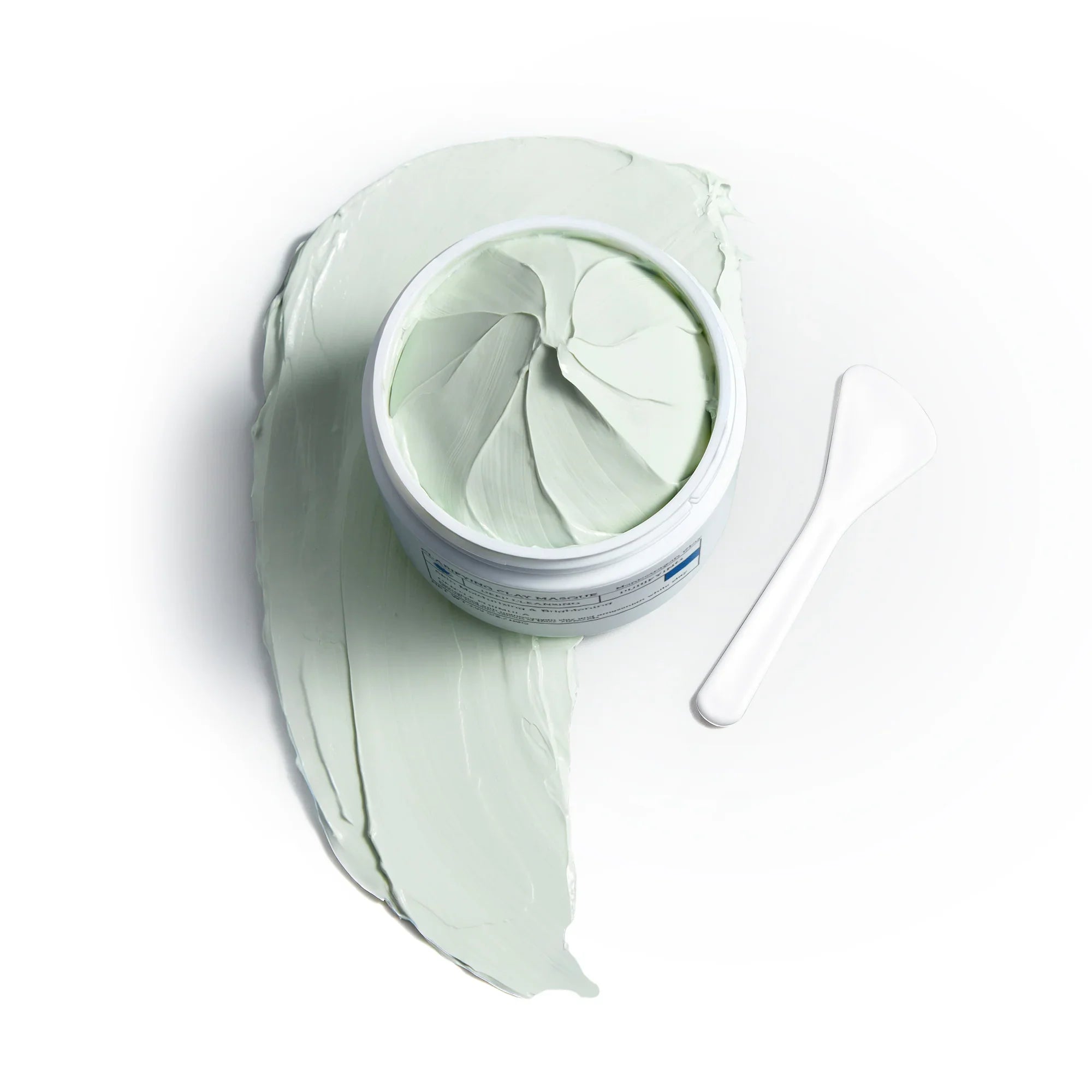
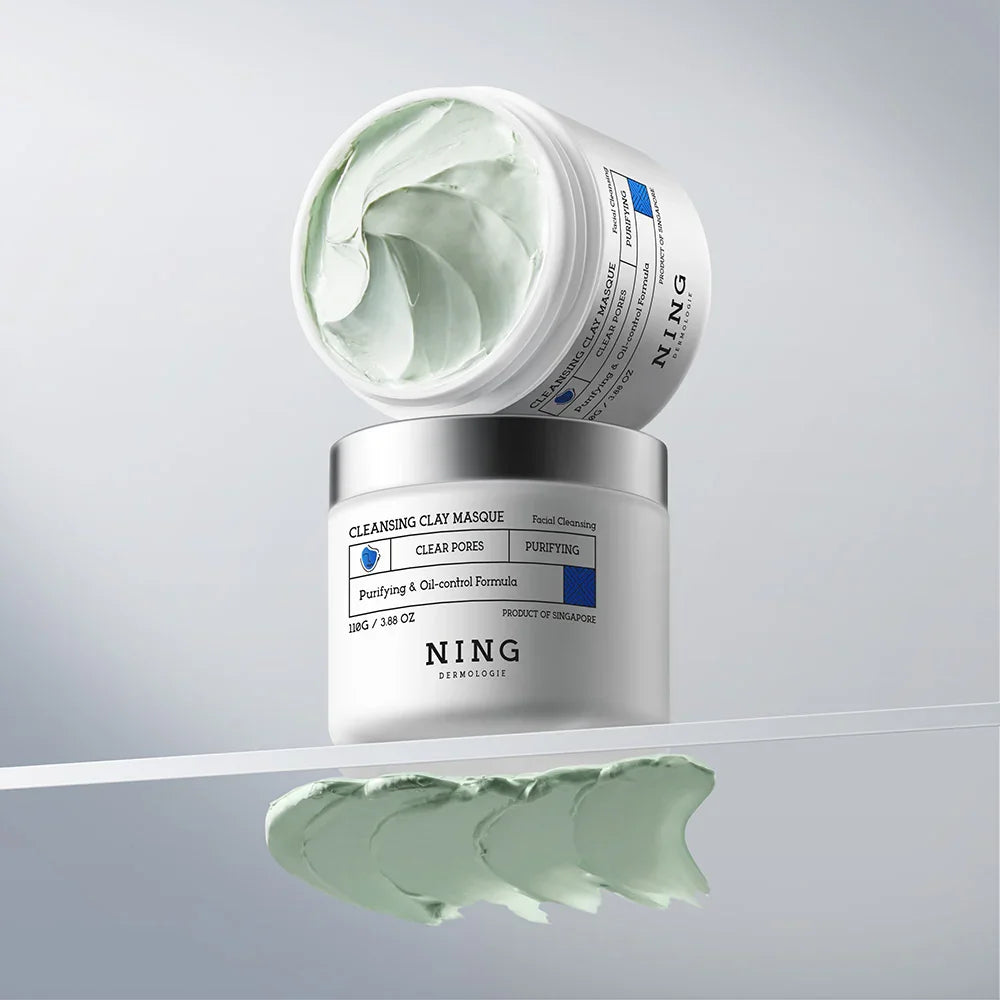
- The NING Solution: Our Clay Mask for Face Sensitive Skin was engineered specifically for this dilemma. We utilize high-grade, ultra-fine clay that acts as a buffer. It manages to draw out impurities while depositing soothing minerals, leaving the skin soft, not tight. This helps reduce redness and supports skin health rather than compromising it.
The "Drying" Myth: Hydration and Balance
There is a pervasive myth that if a clay mask doesn't burn, it's not working. This is false. Irritation is not efficacy; it's damage.
To unlock radiant skin, we must respect the balance of hydration. When a clay mask dries completely on your face (to the point where it cracks when you smile), it causes a phenomenon called "cutaneous pulsation." It essentially sucks the moisture out of the living cells on your skin's surface.
The Role of Clay in Hydration
Wait, can clay be hydrating? Yes and no. The clay itself absorbs, but a well-formulated clay mask product contains humectants (like glycerin or aloe) alongside the clay. This is why NING Dermologie emphasizes formulation over raw ingredients. A raw clay powder mixed with water is harsh. A formulated creamy clay mask is a treatment. It helps improve skin hydration levels by removing the dead cell barrier that blocks your moisturizer from working.
How to Use a Clay Mask Correctly (Stop Cracking Your Face!)
To truly reap the benefits of clay masks and avoid irritated skin, you need to change your application ritual. Here is the protocol we recommend to our clients for a radiant complexion:
Step 1: Prep and Cleanse
Never apply a mask to a dirty face. You want the clay to work on your pores, not the layer of makeup sitting on top. Cleanse the skin thoroughly with a gentle wash. Leave your skin slightly damp—damp skin is more permeable and allows the mask to spread more evenly.
Step 2: The Application
Apply a thin, opaque layer. You don't need a mountain of product. Focus on congested areas. If you are using our Clay Mask for Face Sensitive Skin apply it evenly across the face, avoiding the immediate under-eye area.
Step 3: The "Touch Test" (Crucial!)
This is where everyone gets it wrong. Do NOT wait for the mask to dry and crack.
- Phase 1 (Wet): The mask delivers beneficial minerals.
- Phase 2 (Sticky/Tacky): The mask stimulates blood flow and cools the skin. This is when you rinse.
- Phase 3 (Dry): The mask draws out moisture from the skin surface. Rinse off the mask when it is still slightly sticky to the touch. This usually takes 8–10 minutes, depending on the humidity of your room.
Step 4: Rinse and Hydrate
Use lukewarm water and gentle circular motions. This provides a secondary, physical exfoliation to gently exfoliate the skin. Pat dry—don't rub. Immediately follow up with a moisturizer or facial oil to seal in the hydration. This step is non-negotiable if you want to maintain the skin's moisture balance.
Choosing the Right Clay Mask for You
Navigating the aisle of clay mask products can be dizzying. To simplify it: look at the ingredient list.
If the first ingredient is Bentonite and you have dry skin, put it back. If you see high concentrations of alcohol or synthetic fragrances, put it back—these are common triggers for redness.
For those seeking to unlock a healthy glow without the drama of irritation, we invite you to try NING Dermologie's approach. We formulated our Clay Mask for Face Sensitive Skin to be the bridge between deep cleansing and barrier repair. It uses premium clays that gently exfoliate and detoxify, blended with soothing agents that ensure your skin feel is soft and supple, never stripped.
Whether you have combination skin, oily skin, or highly reactive skin, integrating a high-quality clay mask into your skincare routine once or twice a week can be transformative. It’s about working with your skin, not against it.

onclusion: The Path to Glowing Skin
The magic of clay masks isn't magic at all—it's consistent, smart skincare. By understanding the types of clay, listening to your skin's needs, and using the product correctly (remember: don't let it crack!), you can banish dullness and congestion.
Regular use of clay masks can refine pores, improve skin texture, and give you that radiant skin you’ve been chasing. It’s time to stop fearing the clay and start using it to your advantage.
Ready to reset your skin? Explore the gentle power of NING Dermologie and discover what a balanced, non-drying clay mask can do for you.
Frequently Asked Questions (FAQ)
1. How often should I use a clay mask?
We suggest using a clay mask once or twice a week for most skin types. You might be able to do it up to three times if your skin is very oily, but don't go overboard. Once a week is usually the best time for sensitive skin types to use the NING Dermologie Clay Mask to clean their skin without breaking down their moisture barrier. Consistency is important; using it regularly will give you better results than using it only sometimes with harsh treatments.
2. Should I wash my face before or after a clay mask?
Always wash your face before applying the mask. You need a clean canvas so the clay can interact directly with your pores to draw out impurities. If you apply it over makeup or sunscreen, you're just wasting product. After the mask, rinse with water. You generally don't need to use a cleanser again after the mask; just follow up with your toner and moisturizer to hydrate.
3. Why does my face turn red after using a clay mask?
Clay masks can cause mild redness because they increase blood flow to the surface of the skin (vasodilation), which is actually good for skin health. But if your skin feels hot, burns, or stays red for more than 30 minutes, the mask might be too strong or you left it on for too long. Our Clay Mask for Face Sensitive Skin is made with gentler ingredients that calm the skin while they clean it to lower this risk.
4. Can clay masks cause breakouts (skin purging)?
Yes, this can happen, and it's actually a sign the clay masks work. Because clay pulls congestion, dead skin cells, and sebum to the surface, it can temporarily trigger a breakout as deep impurities are cleared out. This is known as "purging." It typically clears up within a week or two, revealing a clearer, radiant complexion underneath. Stick with your routine!
5. Is a clay mask good for dry skin?
Yes, but you need to pick the right clay mask. Stay away from pure bentonite clay because it dries out skin. Instead, look for clay masks that are "creamy" or made with Kaolin clay and oils or aloe vera. These clay masks will gently remove dead skin and dullness without drying out the skin. Always use a heavy moisturizer right after rinsing to keep the moisture in.
6. Can I spot treat with a clay mask?
Yes! This is a great way to take care of combination skin. You can put a stronger oil-absorbing mask on your T-zone (forehead, nose, and chin) where you have more oil and bigger pores, but not on your cheeks, which are drier. Or, use a dab of clay mask directly on a pimple overnight to help dry it out and reduce inflammation. It’s a versatile way to use the power of clay.





Share:
The Science Behind Clay Masks: A Deep Dive into Skin Health
Top-Rated Clay Masks to Minimize and Tighten Pores in 2025