

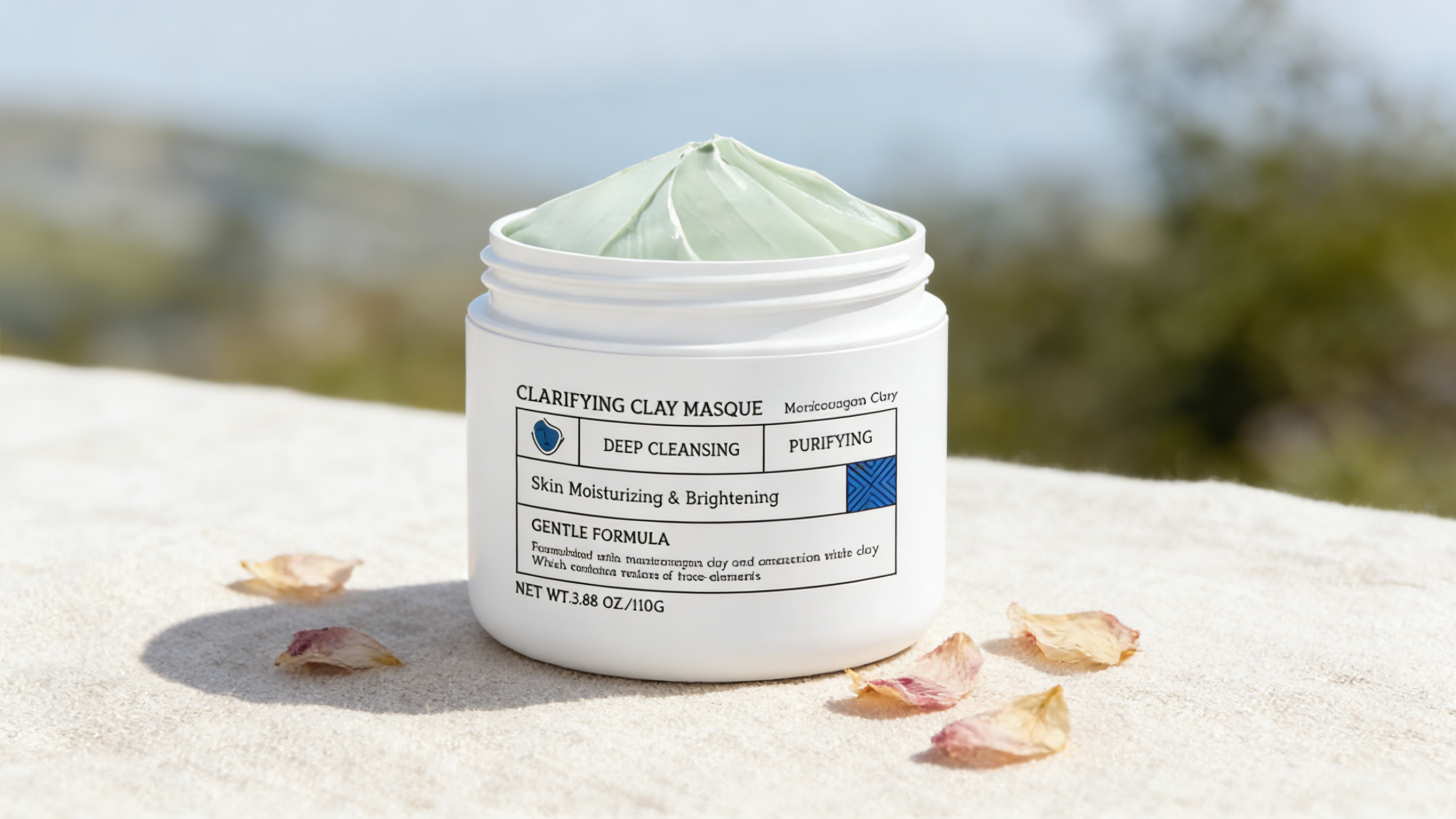

The Science Behind Clay Masks: A Deep Dive into Skin Health
In the crowded world of skincare, trends come and go, but the clay mask remains a constant. It is one of the oldest cosmetic treatments in human history, used by ancient cultures from Mesopotamia to Egypt. But why has this humble earth ingredient survived centuries of innovation? It isn’t magic; it’s chemistry.
At NING Dermologie, we believe in formulating products based on evidence, not just tradition. You need to know how clay works in order to get the best results. Putting mud on your face isn't enough; knowing the difference between bentonite clay, white clay, and other types of clay can make the difference between having glowing skin and having a damaged skin barrier.
This guide will walk you through exactly how clay masks work, the mineral composition that drives their effectiveness, and how to choose the right clay for your specific skin concerns.

What is Clay? Understanding the Mineral Composition
We need to look at the raw material to understand the science behind these masks. Clay is a natural substance made up of tiny minerals that form over thousands of years as rock deposits break down. These aren't just dirt; they are complex structures rich in silica, calcium, iron, and magnesium.
The primary clay mineral groups used in skincare—kaolinite, smectite, and illite—have specific physical structures that determine how they interact with your skin.
The Mechanism: Adsorption and Absorption
This is where the science behind clay masks gets interesting. Clay masks work through two distinct processes:
-
Absorption: Think of a sponge. As the clay dries, it soaks up liquids. This is how a face mask pulls excess sebum (oil) and water from the skin's surface.
-
Adsorption: Think of a magnet. Many clay types, particularly bentonite, carry a negative electrical charge. Most impurities from the skin—toxins, heavy metals, and bacteria—carry a positive charge. When you apply the mask, the clay acts like a magnet, binding these positively charged impurities to itself. When you rinse the mask off, the impurities go down the drain with it.
This dual action allows a clay face mask to detoxify the skin deeper than a standard cleanser ever could.
Different Types of Clay: Not All Mud is Created Equal
One of the biggest mistakes people make is assuming all clay masks are the same. They aren't. The mineral composition dictates the "pulling power" of the mask. Using a high-strength industrial vacuum on a delicate carpet would damage it; similarly, using a high-absorption bentonite clay mask on dry, sensitive skin can cause irritation.
Here is the breakdown of the most common clay types:
1. Bentonite Clay (The Heavy Lifter)
Bentonite is a type of absorbent swelling clay consisting mostly of montmorillonite. It is formed from volcanic ash.
- Best for: Oily skin, acne-prone skin, and congested pores.
- The Science: Bentonite clay has an incredibly strong negative charge and high absorption capacity. When mixed with water, it swells and creates a porous sponge. It is the gold standard for removing oil from the skin and unclogging pores.
- Note: Because bentonite is so powerful, it can be drying if left on too long.
2. White Clay / Kaolin Clay (The Gentle Giant)
White clay, or kaolin clay, is composed of the mineral kaolinite. It has a lower absorption capacity compared to bentonite.
- Best for: Sensitive skin types, dry skin, and normal skin.
- The Science: Kaolin clay is chemically neutral and has a very fine, soft texture. It gently cleanses and exfoliates without stripping the skin of its natural oils. It doesn't have the intense "pulsing" or tightening effect of other clays, making it perfect for maintaining skin health without irritation.
3. French Green Clay (The Detoxifier)
Often found in sea mud, French green clay gets its color from decomposed plant matter and iron oxide.
- Best for: Oily or combination skin.
- The Science: This clay is excellent at stimulating blood circulation and tightening pores. It falls somewhere between bentonite and white clay in terms of strength.
4. Rhassoul Clay (The Mineralizer)
Mined in Morocco, Rhassoul clay is unique because it is rich in magnesium and potassium.
- Best for: Dull, dry, or aging skin.
- The Science: While it absorbs oil, it is renowned for its ability to rejuvenate the skin and improve skin elasticity.

The Science Behind How Clay Masks Purify Skin
So, what happens when you apply these minerals to your face? The benefits of clay masks happen in three phases.
Phase 1: The Damp Phase The skin drinks in the beneficial minerals (calcium, magnesium, silica) from the damp clay. This is where skin healing and nourishment occur.
Phase 2: The Start of the Dry Phase As the mask begins to dry, it exercises your capillaries and stimulates blood flow as the clay cools and contracts. The clay bond with the skin tightens, and the clay mineral structure begins the process of adsorption, pulling impurities from the skin and dead skin cells out of the follicles.
Phase 3: The Dry Phase (The Risky Area) This is a very important time for the safety of a clay mask. If the mask dries all the way through and cracks and flakes, it starts to pull moisture out of the skin cells, which can make the skin dry and irritated. The goal is to rinse before this stage.
By removing the top layer of dead cells and pulling out the oxidized oil (blackheads), clay masks promote healthier skin by encouraging cell turnover. This leads to improved skin texture, a more even skin tone, and a clearer complexion.
Choosing the Right Clay for Your Skin Type
At NING Dermologie, we often see customers damaging their skin barrier by using the wrong product. You must align the clay mineral intensity with your skin concerns.
Managing Acne and Oily Skin
If you struggle with excess shine and frequent breakouts, your goal is skin purification. A bentonite clay mask is your best ally here. The mask benefits include sucking out the excess sebum that feeds acne bacteria.
- Protocol: Use once or twice a week. Look for formulas that combine bentonite with soothing ingredients to prevent redness.
The Solution for Sensitive or Dry Skin
For years, people with sensitive skin were told to avoid clay. That is outdated advice. You just need a white clay base. If you have sensitive skin, redness, or are prone to dryness, a pure bentonite mask will be too harsh. You need a product that focuses on balance.
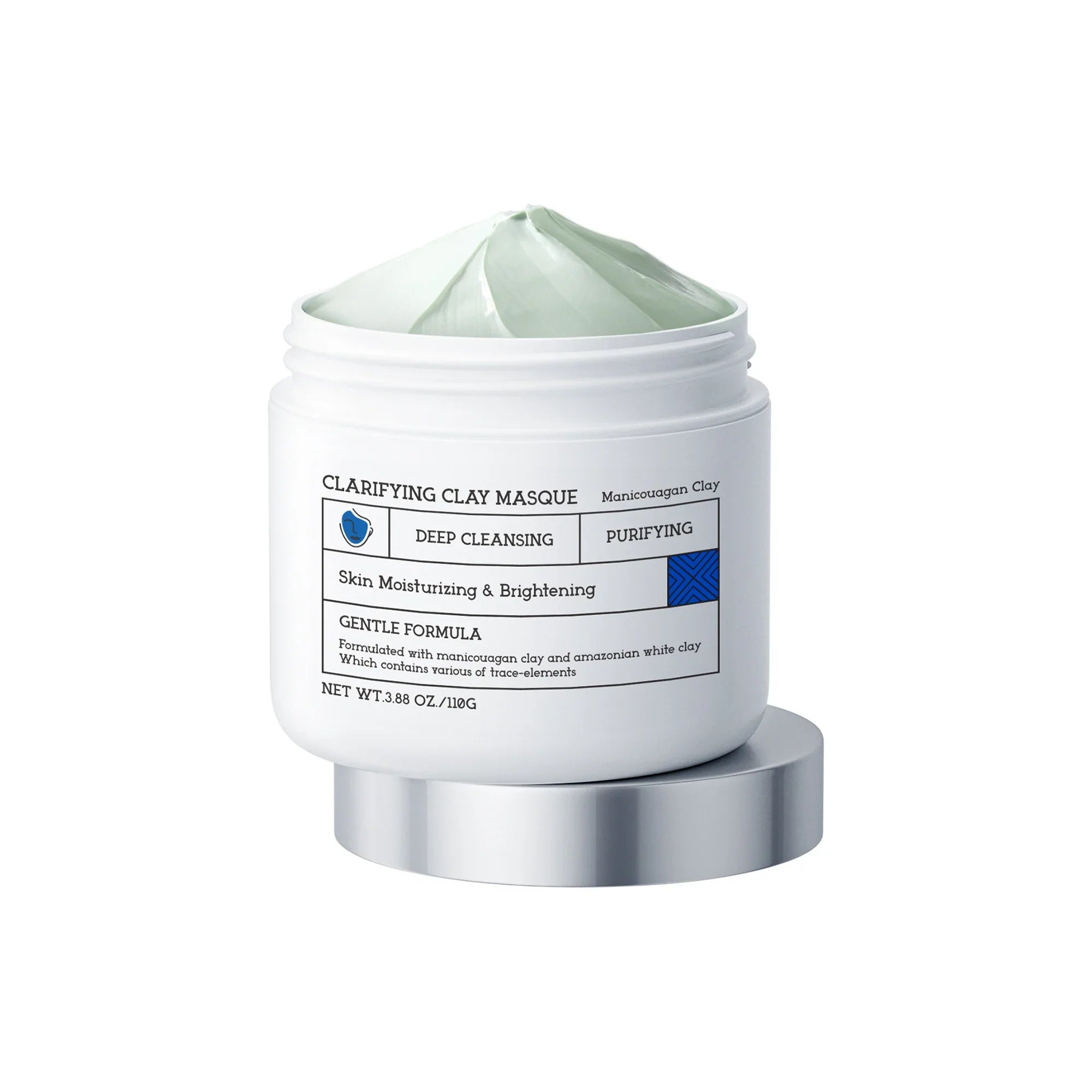
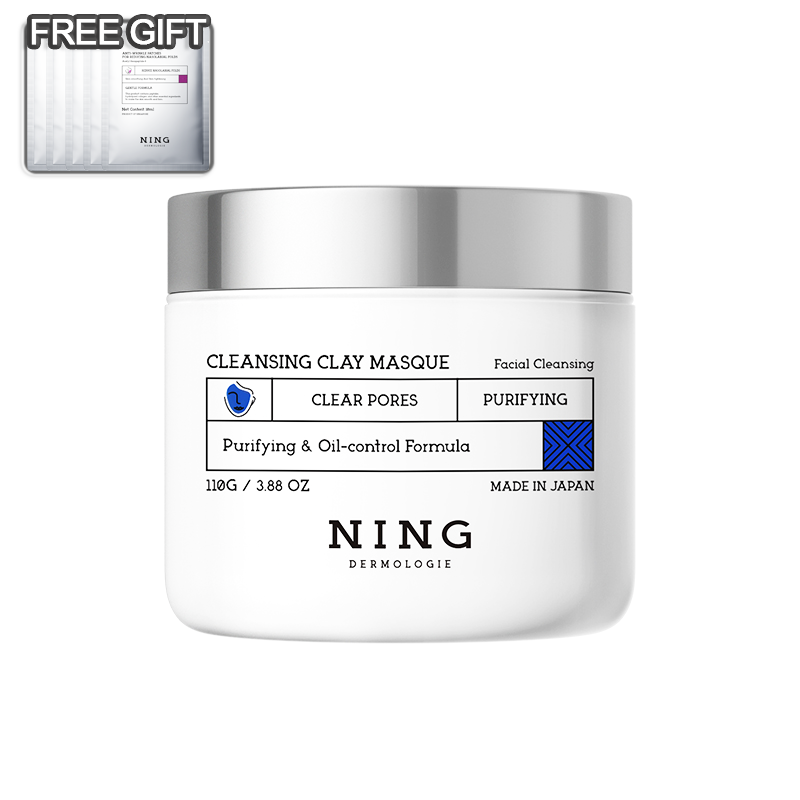
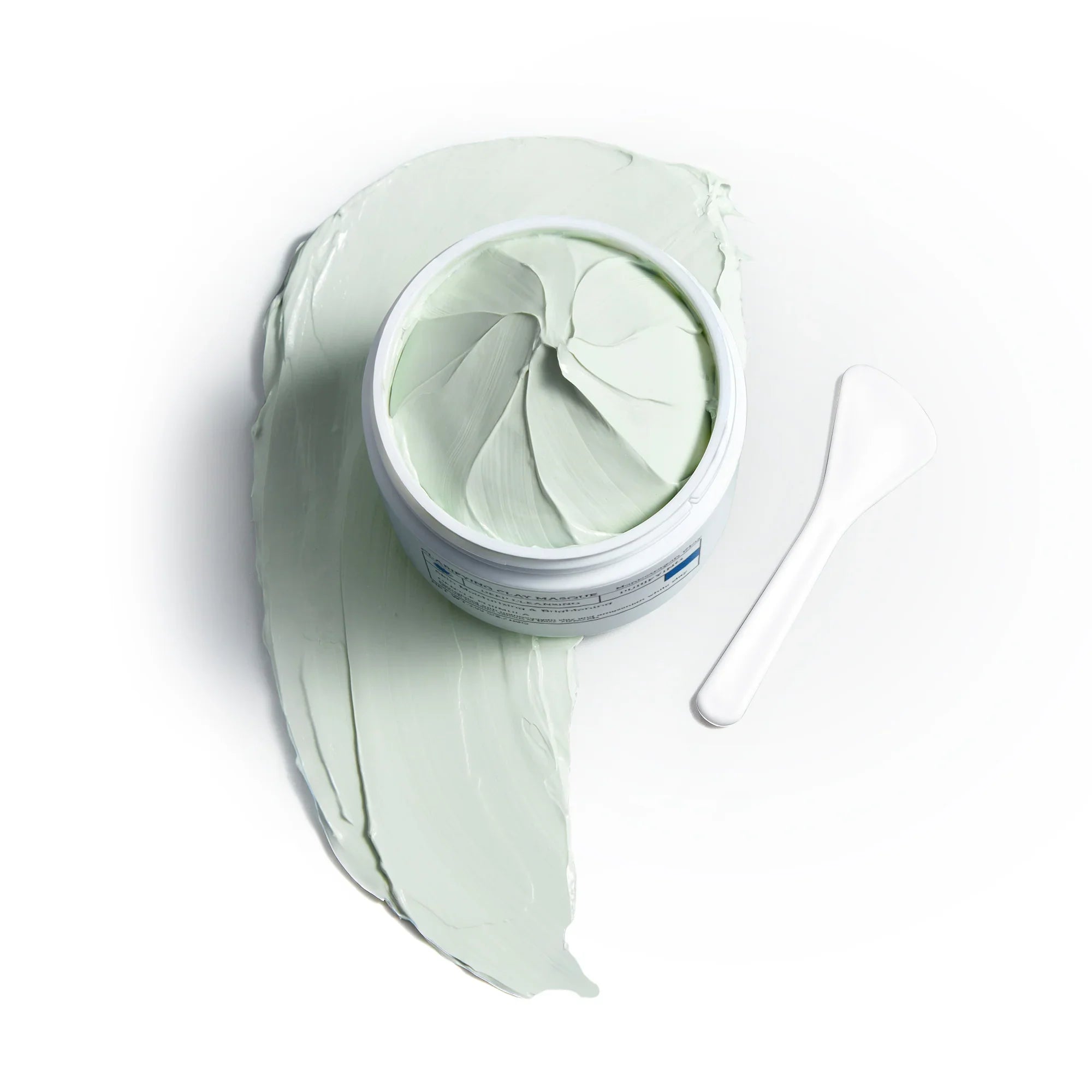
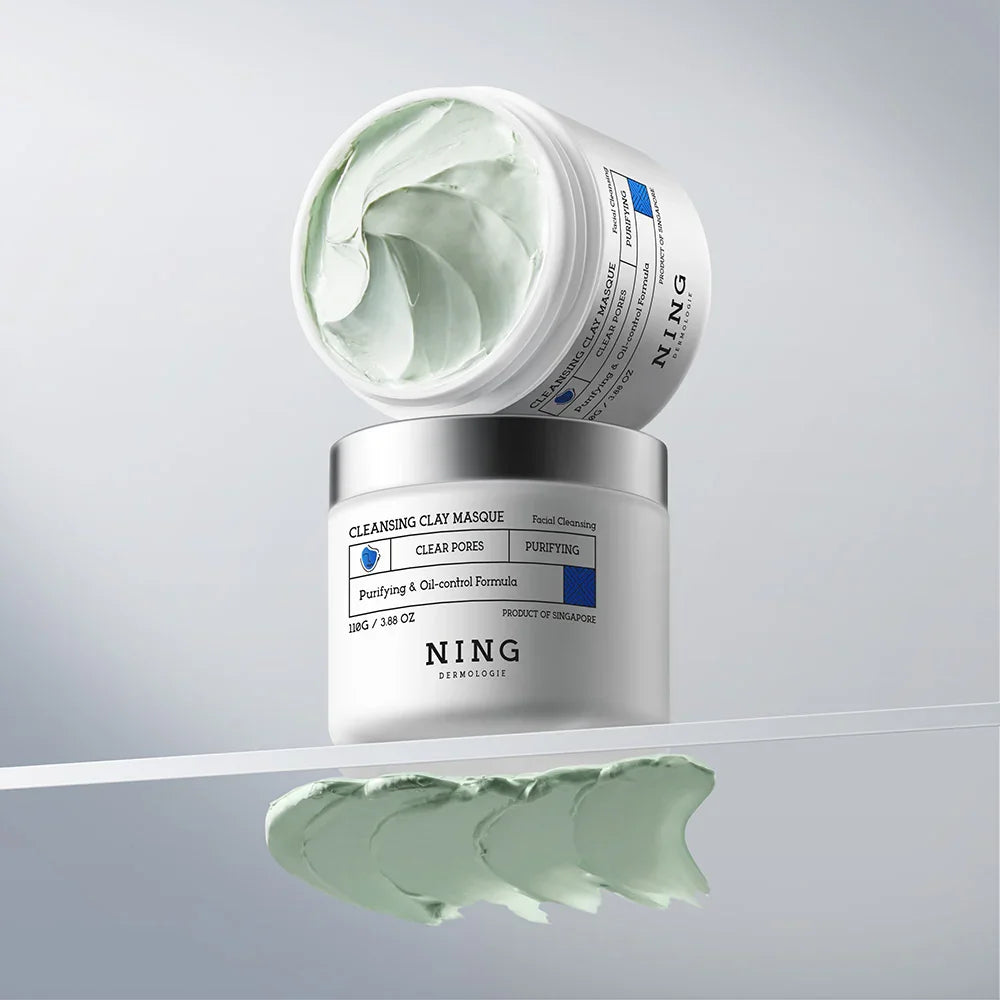
This is why we developed the Clay Mask for Face Sensitive Skin. Unlike generic drugstore masks that dry into a hard cement, our formula utilizes high-grade, ultra-fine white clay (Kaolin). It provides the deep clean you need to remove environmental pollutants and impurity buildup, but it is fortified with hydrating botanicals.
- Why it works: It allows you to detoxify the skin and remove dead skin cells while leaving the skin barrier intact. The result is skin feeling refreshed, soft, and calm, not tight and itchy.
Oily or Combination Skin
You can "multi-mask" if your T-zone is oily but your cheeks are dry. Put a stronger bentonite clay on your nose and forehead, and a softer clay face mask on your cheeks. This makes sure that you are promoting skin health in all areas without making the delicate ones too dry.
Mask Benefits: Beyond Deep Cleaning
While cleaning pores is the primary function, the clay mask benefits extend further when used as part of a consistent skincare routine.
-
Improved Skin Texture: Taking off the mask in person is a mild way to exfoliate. The clay powder's gritty texture (even when wet) smooths out rough spots on the skin.
-
Product Absorption: By removing the layer of dead skin cells and oxidized oil, your serums and moisturizers can penetrate deeper. Using a clay mask creates a clean canvas for the rest of your skincare products.
-
Pore Appearance: While you cannot physically shrink a pore size (which is genetic), clay masks can help minimize their appearance. When a pore is full of oil and dirt, it stretches open. By emptying the pore, the clay face mask allows it to snap back to its natural size.

Best Practices: Using a Clay Mask Safely
To ensure healthier skin and avoid irritation, follow these clinical best practices.
1. Don't Wait for the Break As I said before, don't let the clay dry all the way. You should rinse it off when it starts to get lighter in color but still feels a little sticky.
2. Don't use metal tools. Use a glass, wood, or plastic bowl and spoon if you are mixing your own clay powder with water or apple cider vinegar. When you use metal tools on clay, they can sometimes mess with its negative charge, which could make it less effective.
3. Hydrate Immediately Even the gentlest white clay removes some oils. Always follow up with a hydrator. If you are using the NING Dermologie Clay Mask for Face Sensitive Skin, you will notice it is less stripping than others, but locking in moisture is still key to a healthy skin barrier.
4. Frequency Matters
- Oily Skin: 2-3 times a week.
- Dry/Sensitive Skin: 1 time a week, or once every 10 days.
Conclusion: Rejuvenate Your Skin with Science
The science behind how clay masks operate is a blend of physics and chemistry that nature perfected long before labs existed. Whether you are using a bentonite clay mask to fight acne or a white clay mask to gently brighten dullness, these earthy ingredients are powerful tools.
Clay masks are a versatile addition to any regimen. They gave us basic, effective care. You can get clearer skin and purify your skin without hurting its health if you know the clay mineral profiles and pick the right clay.
For those ready to experience the benefits without the harsh side effects, we invite you to try the NING Dermologie difference with our specialized formula for sensitive skin.
Frequently Asked Questions (FAQ)
1. How often should I use a clay face mask?
The frequency depends entirely on your skin type. For oily skin or acne-prone skin, using a mask 2 to 3 times a week can help control sebum. However, for dry or sensitive skin, once a week is sufficient. Over-using clay masks can strip the skin of its natural oils, damaging the barrier. Listen to your skin—if it feels tight or sensitized, reduce the frequency.
2. Can I use a clay mask if I have sensitive skin?
Yes, absolutely. The idea that sensitive skin types cannot use clay is a myth. The key is choosing the right clay. Don't use pure bentonite clay because it's very strong. Choose white clay (kaolin) instead. You can find it in the NING Dermologie Clay Mask for Face Sensitive Skin. It is gentle, doesn't dry out the skin, and gets rid of dirt and other impurities without making the skin red or irritated.
3. Why does my face pulse when using a bentonite clay mask?
That "pulsing" sensation is normal, particularly with bentonite clay. The mask tightens the skin and gets blood flowing to the surface as it dries and shrinks. This extra blood flow helps the skin heal and look younger. If the feeling changes to burning or stinging, though, wash it off right away. This means that the product is too strong for your barrier.
4. Should I apply the clay mask to wet or dry skin?
To get the best results, put your clay face mask on skin that is clean and dry (or a little damp). You want the clay minerals to directly touch the oils and dirt on your skin. If your face is soaking wet, the mask may slide off or dilute, reducing its absorption capacity. Always cleanse your face first to remove surface makeup and grime before masking.
5. Do clay masks expire?
Yes, skincare products do go bad. After opening, a pre-mixed wet clay mask usually lasts 6 to 12 months. This is because bacteria can grow in the water. If you keep dry clay powder dry, it will last a lot longer (years). Check the PAO (Period After Opening) symbol on your jar every time. To make sure a clay mask is safe, throw it away if it smells bad, changes color, or comes apart a lot.
6. Will a clay mask cause my skin to purge?
It is possible. Because clay masks work by pulling deep-seated congestion and dead skin cells to the surface, you might see a few breakouts initially. This is known as "purging" and is actually a sign of skin purification. It typically clears up within a week or two, revealing healthier skin. If breakouts persist longer than that, the product might just be clogging your pores or irritating your skin





Share:
Post-Workout Skincare: The Best Sets for Gym Goers and Athletes
Unlocking the Secrets of Clay Masks for Radiant Skin