

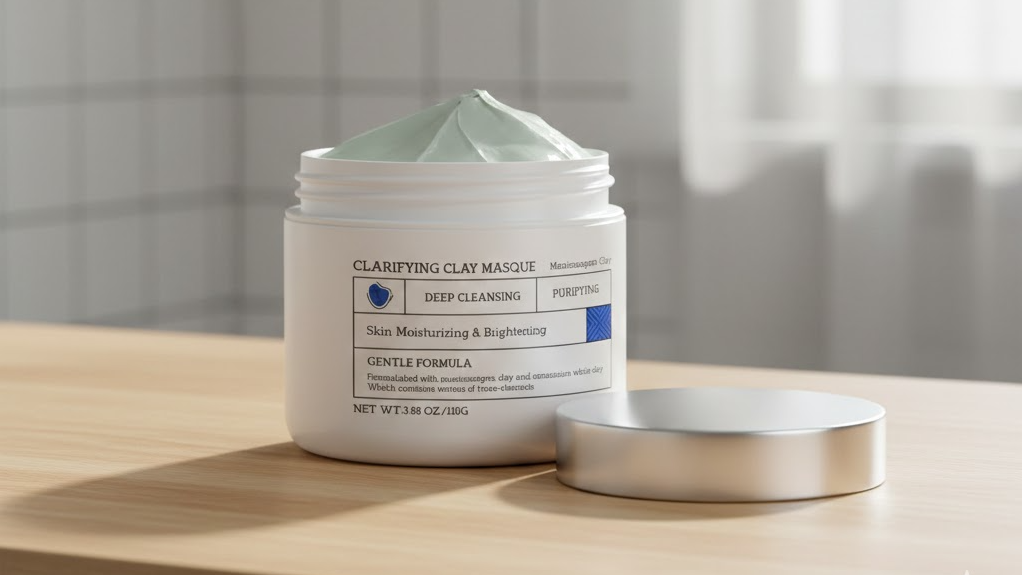

Discover the Top Clay Masks for Skin Rejuvenation: The 8 Best Clay Masks of 2025
Let’s get real for a second. We have all done it. You buy a clay mask, slather it on thick, and wait until your face feels like the Sahara Desert. You think the tightness means it's working. You think that cracking sensation is just the clay mask pulling out the bad stuff.
It’s not.
If your face hurts, you’re doing it wrong.
For years, I avoided the clay face mask aisle because I thought they were just harsh moisture vacuums designed for teenagers with grease-slicked skin. I was wrong. The best clay mask isn't about stripping your skin raw; it’s about a reset. It's about pulling the gunk out of clogged pores without wrecking your barrier.
In 2025, the game has changed. We aren't just dealing with basic mud anymore. We have formulations that mix kaolin clay with hydrating oils, bentonite clay with acids, and textures that feel like whipped cream rather than wet cement. Whether you have dry skin, sensitive skin, or straight-up oil slicks, there is a jar of mud out there with your name on it.
I’ve tested dozens. My sink is a mess. But I’ve found the top pick contenders. Here is everything you need to know to find your favorite clay and the 8 best clay masks that are actually worth the hype.

The Science of Mud: Why Put Dirt on Your Face?
Why do we do this? Why do we pay money to put literal earth on our faces?
Because it works.
At its core, a clay mask is a sponge. But it’s a smart sponge. When wet, clay draws impurities through a process called adsorption (yes, with a 'd'). Think of clay molecules like tiny magnets. They have a negative electrical charge. Most of the junk in your pore—bacteria, heavy metals, excess sebum—has a positive charge.
Opposites attract.
When you apply the paste, the clay physically lifts the debris and dead skin cells away from the skin's surface. This is why it’s the ultimate detox mask. It doesn't just sit there; it interacts with your biology.
But here is the catch: not all clay is created equal.
If you use a heavy-duty industrial vacuum on a silk rug, you’ll ruin the rug. The same goes for your face. Using a high-strength purifying mask meant for oily skin on delicate, dry skin is a recipe for disaster. You end up with redness, flaking, and an angry complexion.
Decoding the Ingredients: Know Your Mud
Before you buy, look at the label. The type of clay matters more than the fancy branding on the front.
- Kaolin Clay (White Clay): The gentle one. If you have sensitive skin or dry skin, this is your best friend. It absorbs oil but doesn't suck the life out of your cells. It’s often the kaolin clay base for hydrating masks.
- Bentonite Clay: The heavy lifter. Made from volcanic ash, this stuff swells when wet. It is powerful. It is the best clay mask ingredient for acne-prone skin and very oily skin. It dives deep into clogged pores.
- French Green Clay: The mineral bomb. Great for circulation and exfoliating dead skin cells.
- Rhassoul Clay: The balancer. Rich in magnesium and silica, great for skin texture issues.
- Pink Clay: The hybrid. Usually a mix of red and white clays, perfect for combination skin.
The 8 Best Clay Masks of 2025: My Honest Reviews
I’m picky. I don't like fragrance that makes my eyes water, and I hate masks that take 20 minutes to scrub off. I looked for effectiveness, skin feel after rinsing, and value. Here are the best face masks that made the cut.
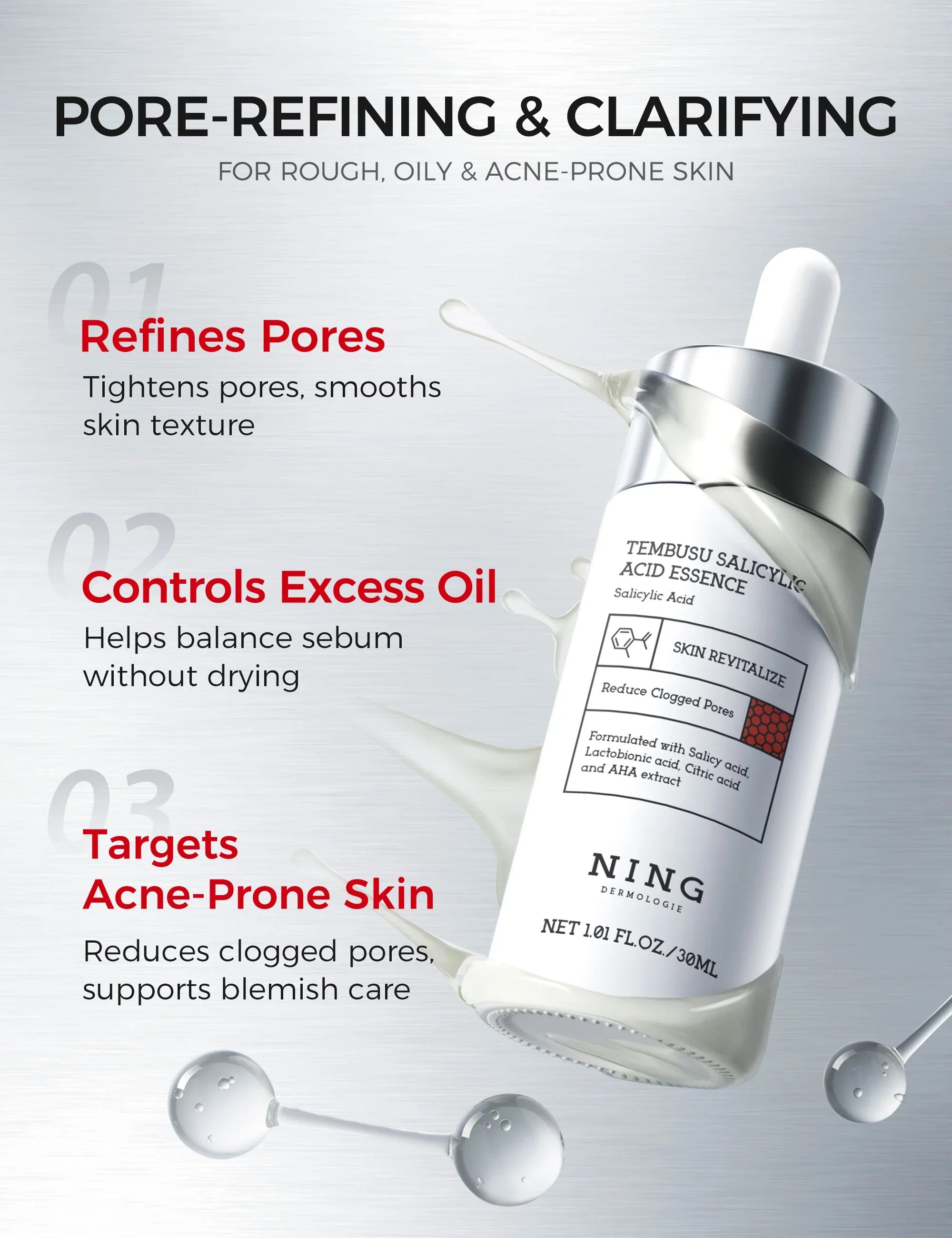
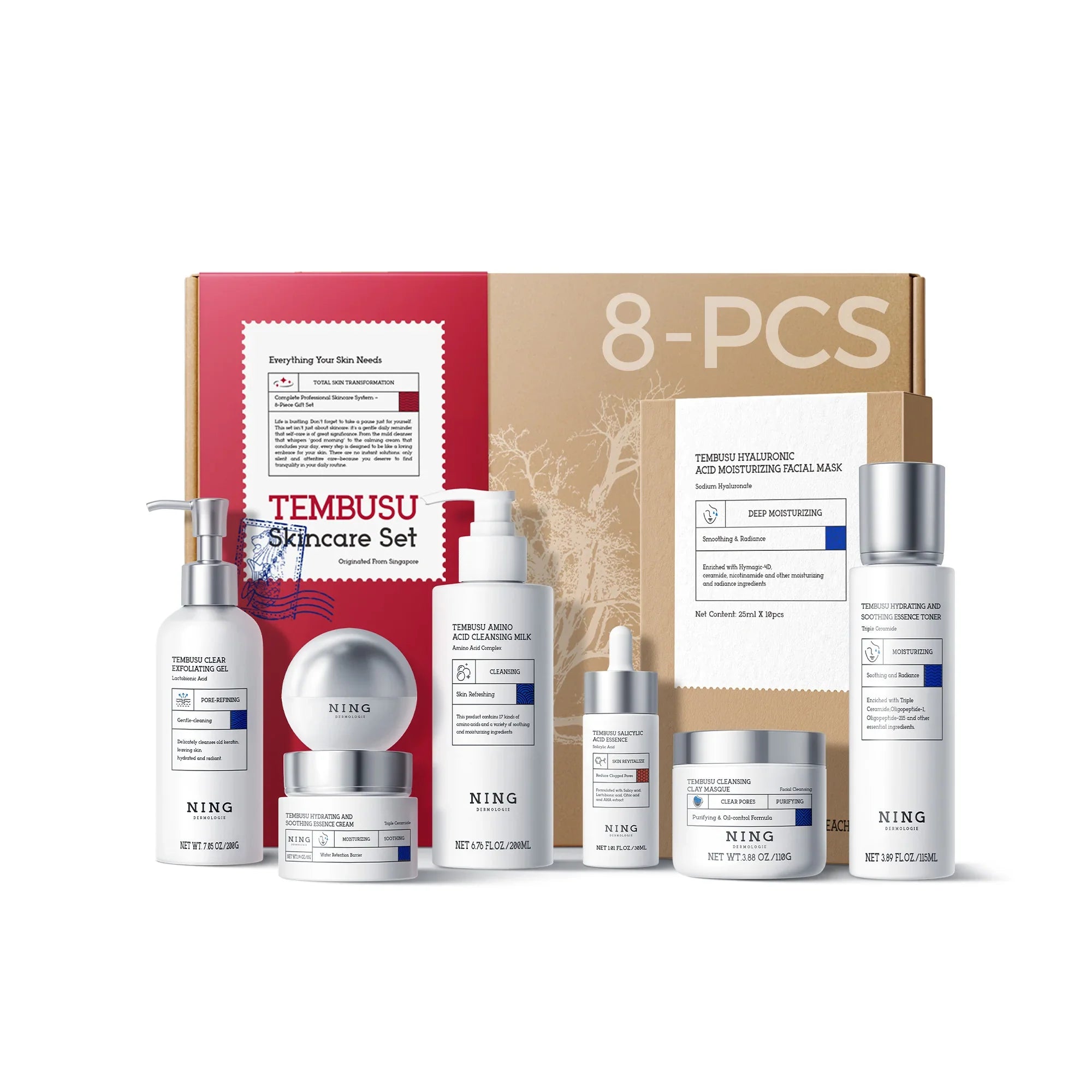
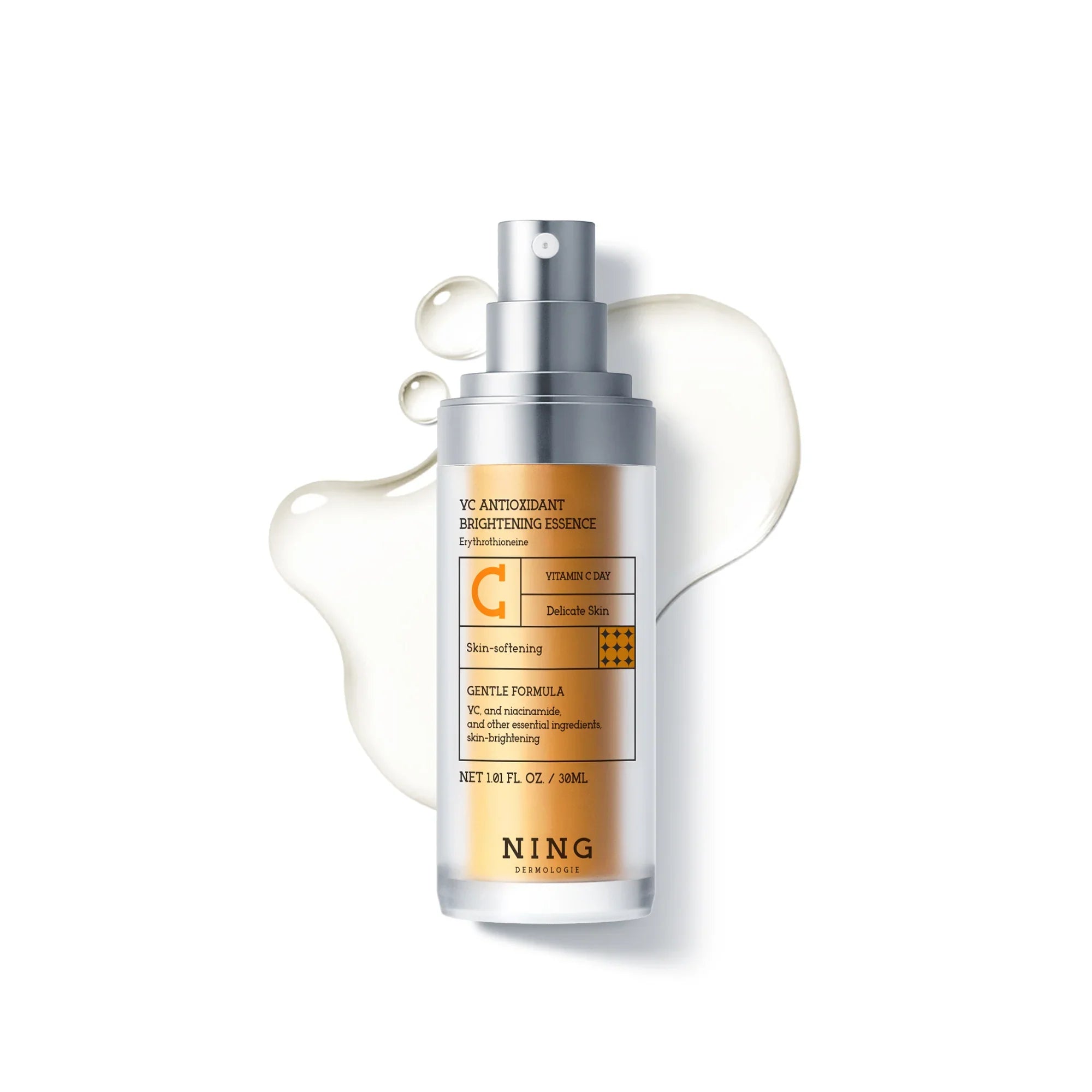
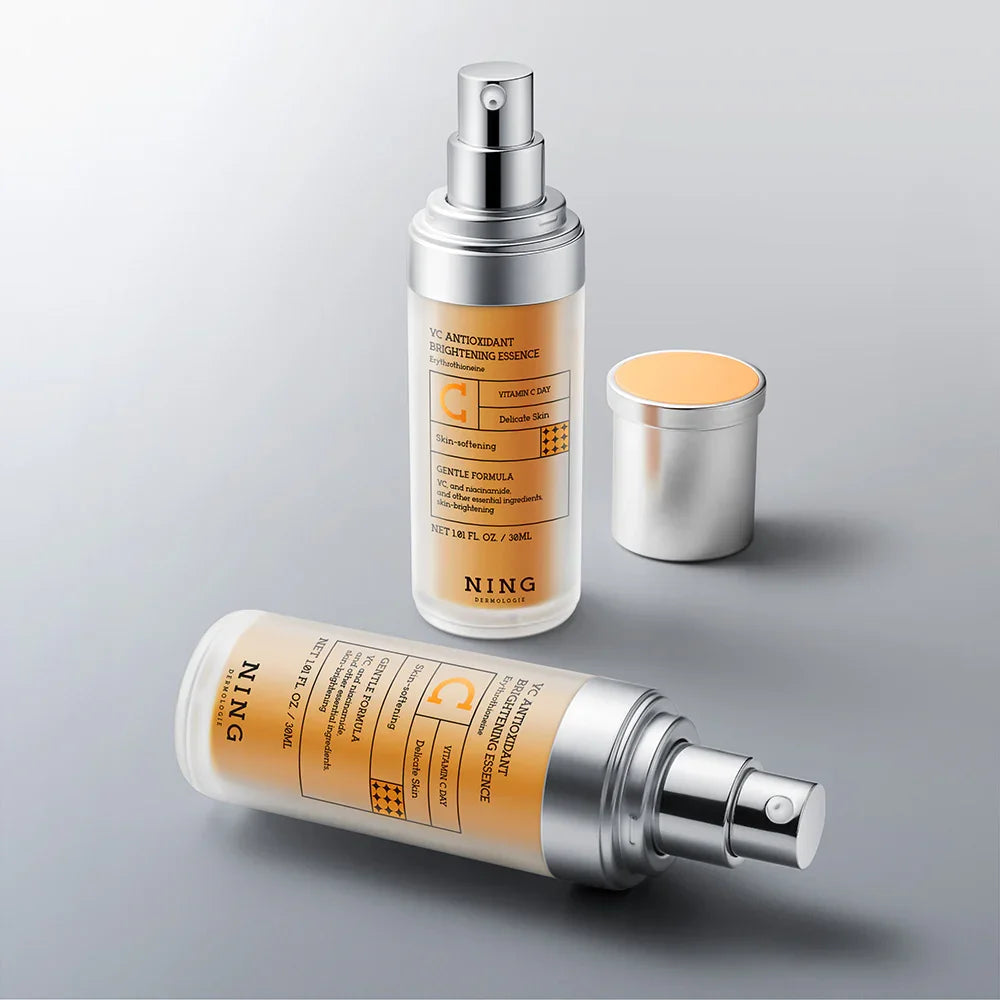
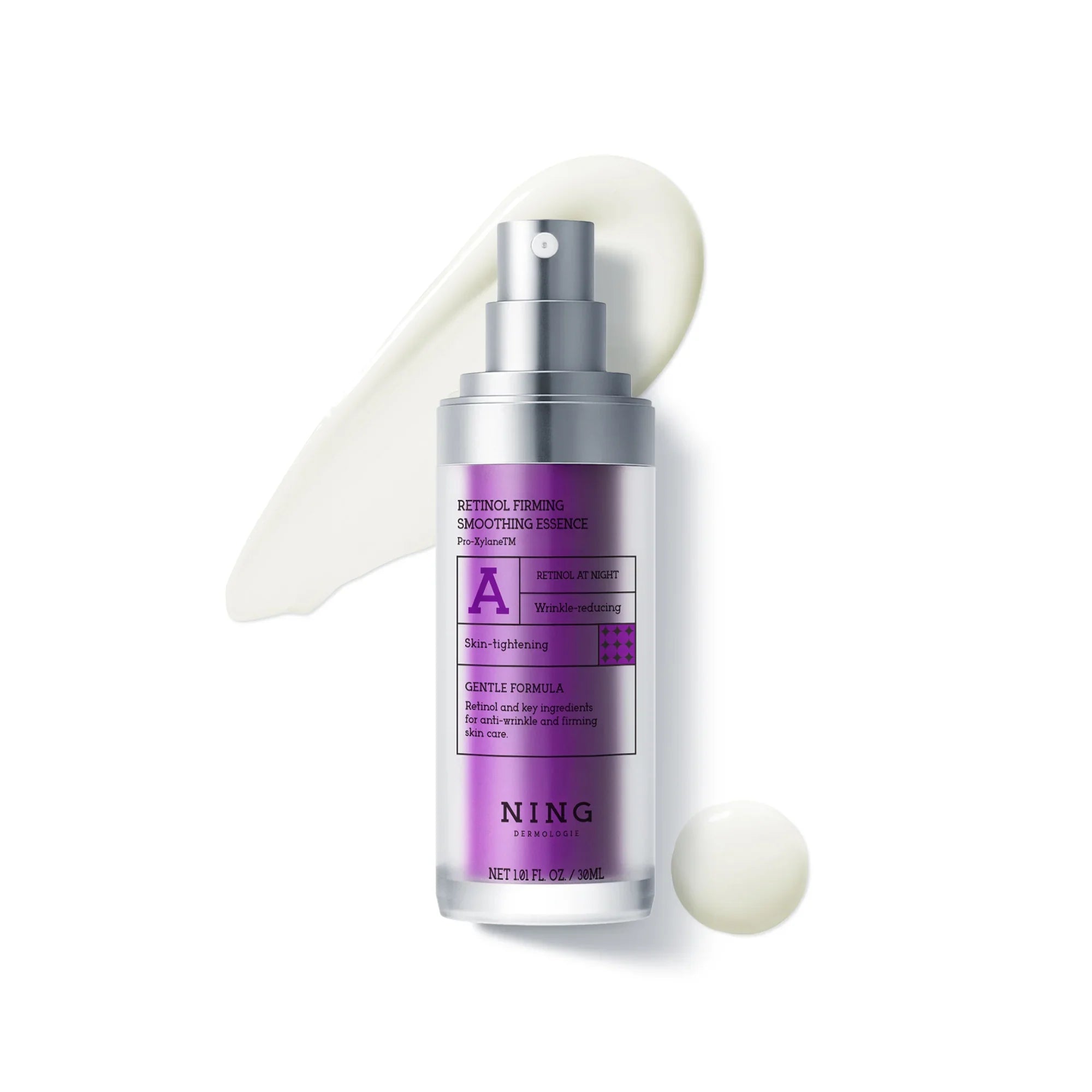
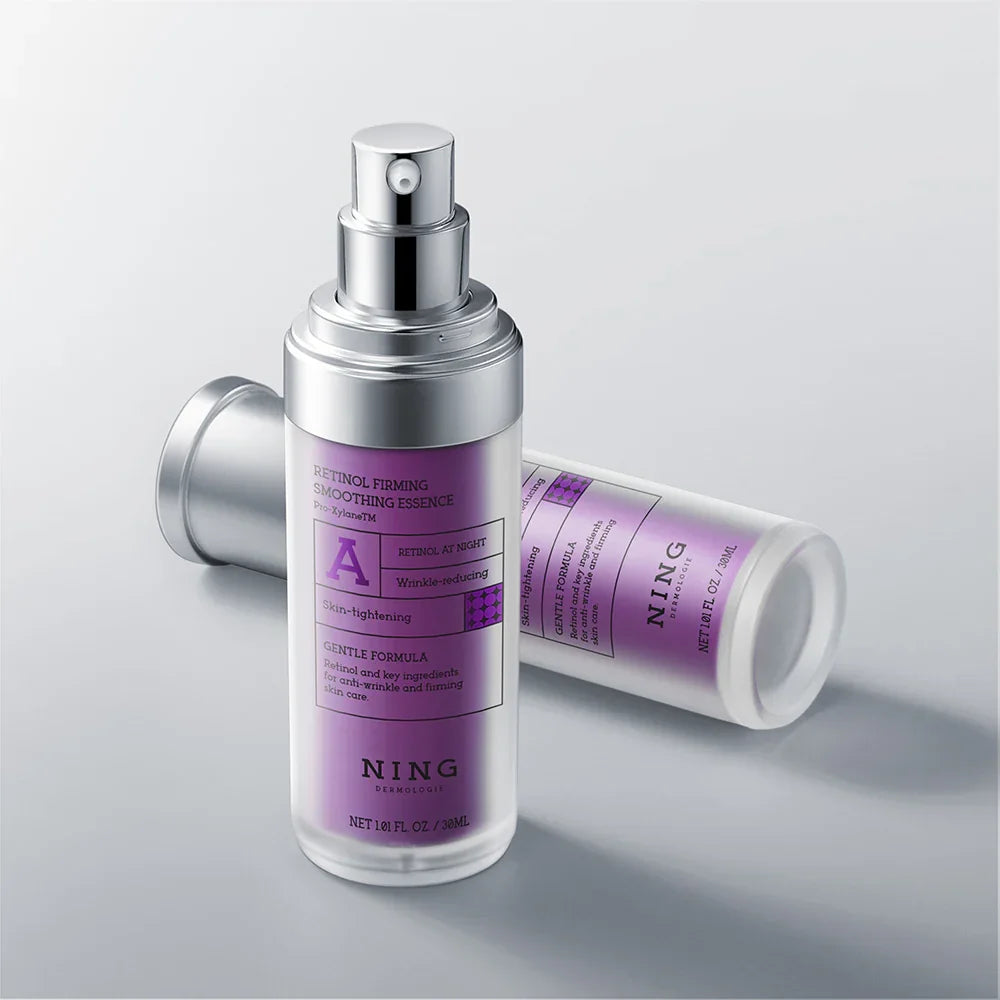
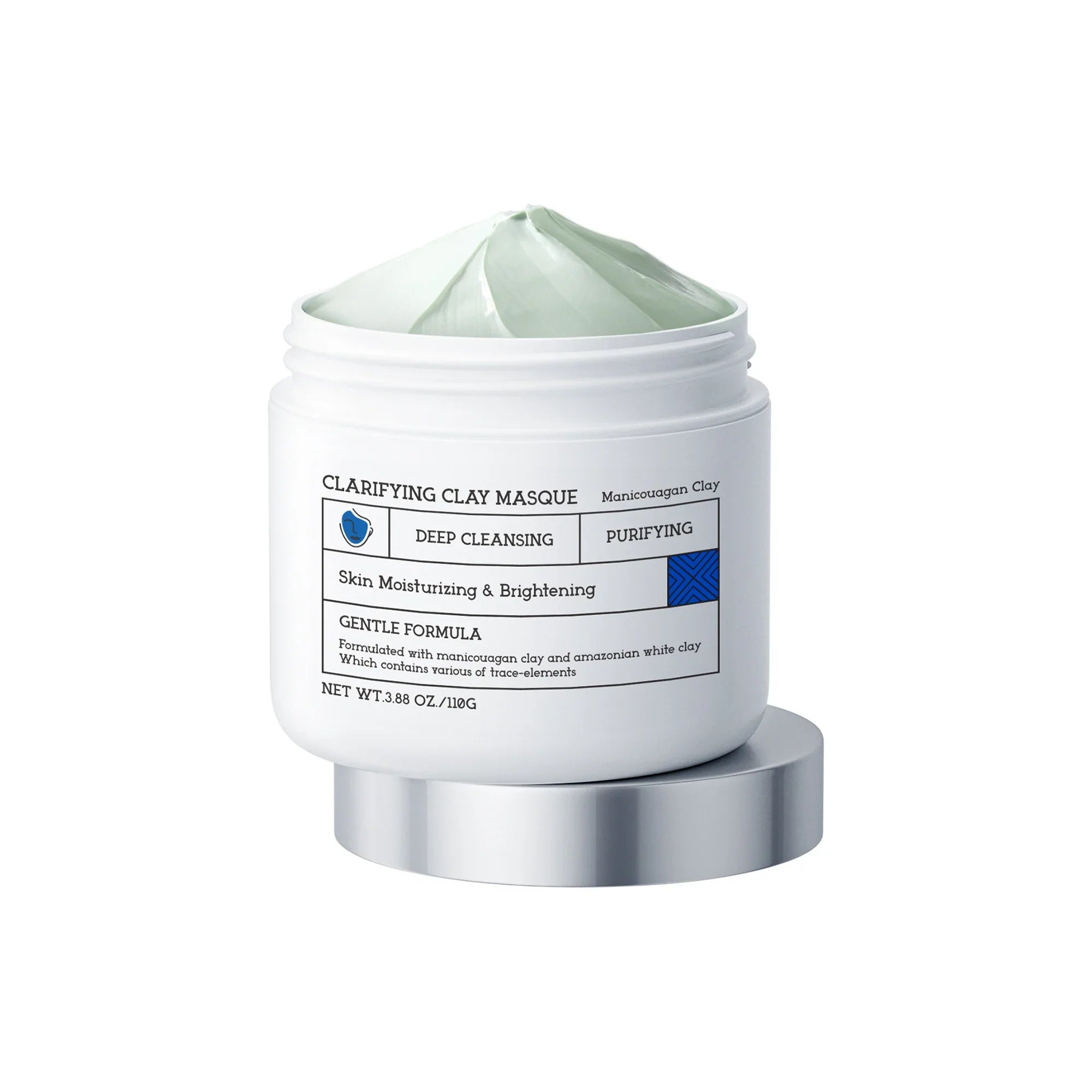
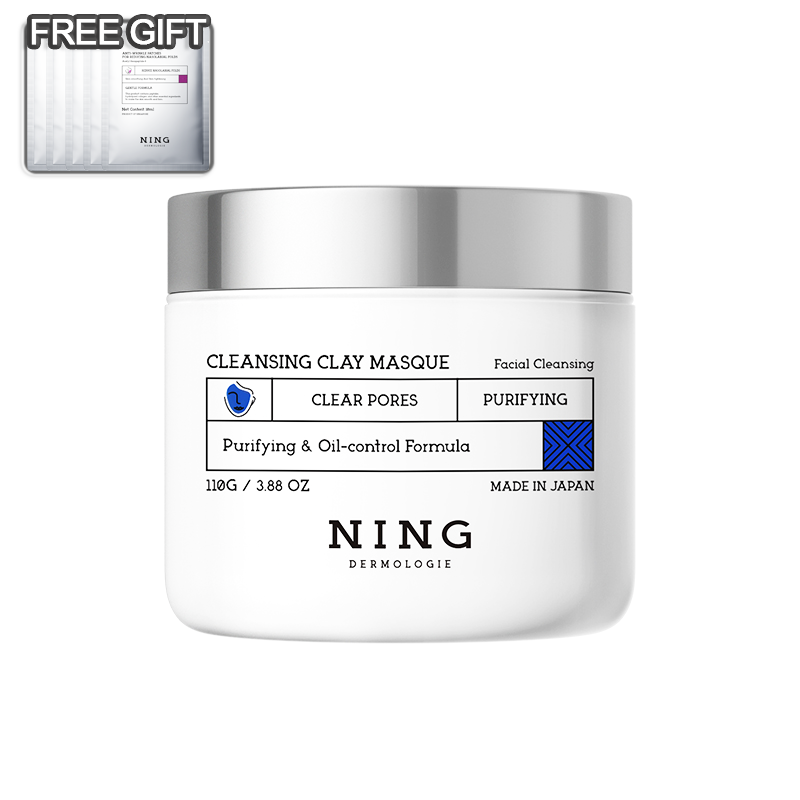
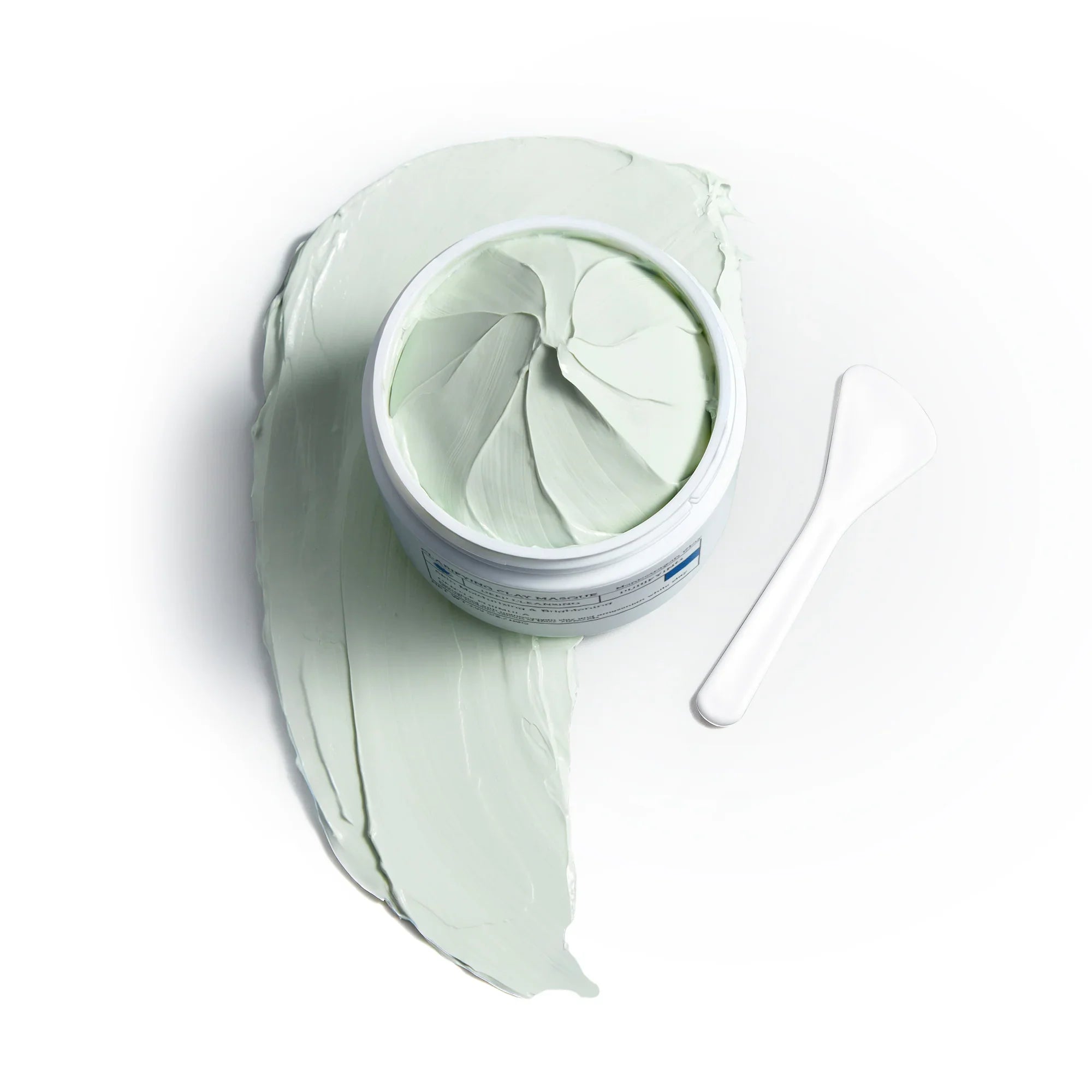
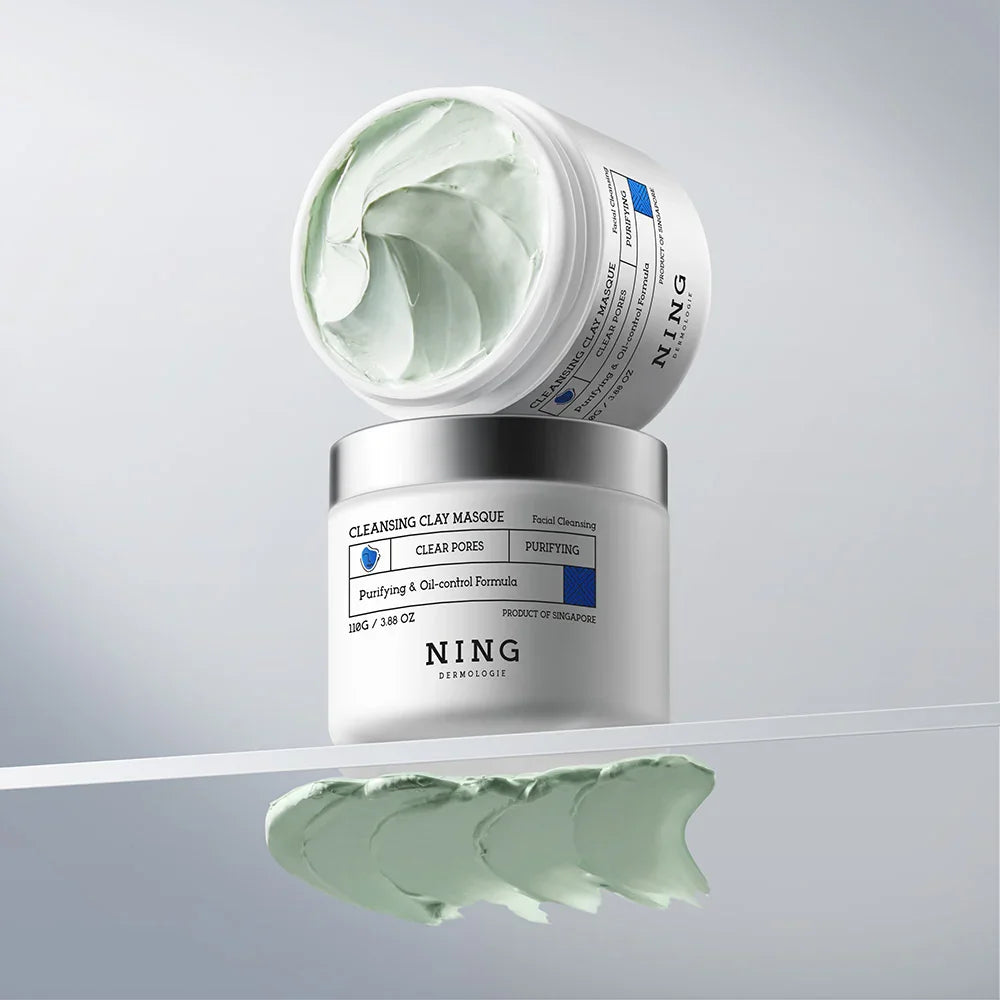
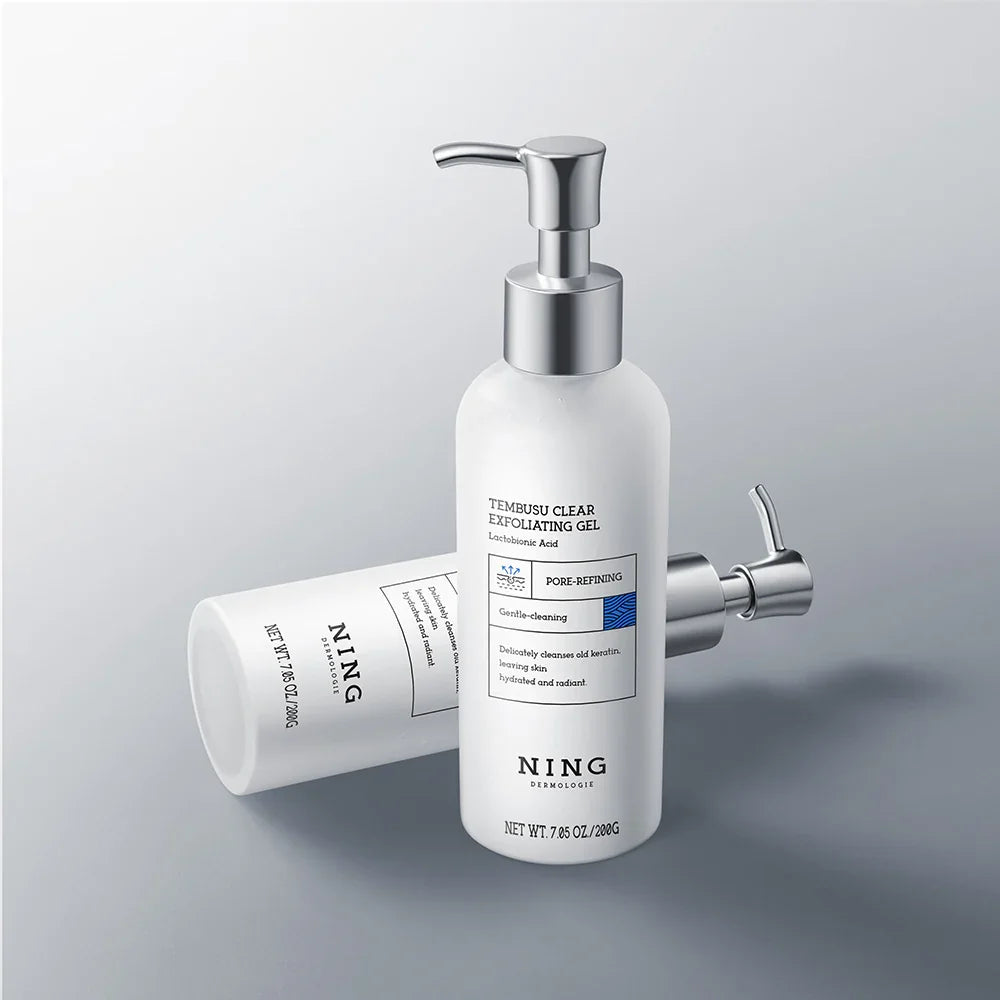
1. The Savior for Sensitive Faces: NING Dermologie
Product: Clay Mask for Face Sensitive Skin
Let's start with a personal favorite. If you have sensitive skin, you probably think clay masks are the enemy. Usually, you’d be right. Most are too harsh.
NING Dermologie is different.
Their Clay Mask for Face Sensitive Skin is formulated specifically for people who turn red just looking at a skincare product. It functions as a purifying mask, yes, but it prioritizes the barrier. It doesn't dry down to that uncomfortable, cracking stage.
Why it’s a top pick: It tackles clogged pores and uneven skin without the sting. It uses a very fine grade of clay that lifts impurities while soothing agents keep inflammation down. After rinsing, my skin feels clean but surprisingly bouncy, not tight. It’s the best overall for anyone who wants a detox mask but is scared of irritation. It proves you can have clearer skin without the pain.
2. The Cult Classic: Fresh Umbrian Clay Purifying Mask
This one is pricey, but I get the hype. The fresh Umbrian clay comes from a specific spot in Italy, and it feels incredibly silky. It’s a multitasker. You can use it as a full face mask, a daily wash, or a spot treatment.
I found it particularly good for combination skin. It balances the T-zone without wrecking your cheeks. The smell is earthy, not perfumed. It leaves skin soft, really soft. Is it the best splurge? Probably. If you have the budget, it’s a lovely experience.
3. The Texture Fixer: Volcanic AHA Pore Clearing Clay
Sometimes, clay isn't enough. You need acids.
Masks that combine volcanic pore clay mask elements with AHAs (Alpha Hydroxy Acids) are targeted at dull skin and uneven skin texture. The clay handles the oil; the acid eats the glue holding dead skin cells together.
The result? Glass skin.
Be careful, though. This is an active treatment. If you use this, you will see a difference in skin texture after one use, but don't overdo it. It’s powerful. It’s one of the best clay masks for every person dealing with roughness, but skip it if you have open wounds or severe eczema.
4. The "Japanese Ritual" Choice: Tatcha The Clarifying Clay Mask
Tatcha The Clarifying Clay Mask is fascinating because it warms up. Literally. When you rub it on, it generates heat to help open the pore. It uses Kucha clay from Okinawa, which is richer in minerals than standard mud.
It also has little konjac beads in it. When you wash it off, those beads gently scrub your face. It’s a sensory experience. It leaves skin smooth and polished. It’s a solid contender for best overall if you like a spa-like vibe.
5. The Heavy Duty Detox: Amazonian White Clay
If your face is an oil slick by noon, you need this. Amazonian white clay is famous for a reason. It is aggressive in the best way.
It is the best for acne and extreme congestion. It targets clogged pores with ruthless efficiency. However, I have to warn you: if you have dry patches, keep this away from them. This is for the shiny zones only. It’s a classic clarifying clay mask that does exactly what it says on the tin.
6. The Drugstore Gem: Charcoal & Bentonite
You don't need to spend $50. Go to the drugstore and look for a simple tube containing kaolin and bentonite mixed with charcoal. Charcoal acts like a booster shot for absorption.
These are popular clay masks for teenagers, but they work for adults too. They are basic, no-frills, and get the job done for acne-prone skin. Just make sure to moisturize heavily afterward.
7. The Hydration Hero: Whipped Pink Clay
Pink clay is trendy for Instagram, but it’s also functional. It’s usually a mix of Red and White clay. It’s much less drying than Green or Grey clay.
Look for "whipped" textures. These formulas often whip oils into the clay face mask, meaning the mask sits on top of the skin comfortably. It’s the best clay mask choice for dry skin that still gets occasional breakouts. It manages to soothe the skin while cleaning it.
8. The Color Corrector: Green Clay Paste
Old school French Green Clay is fantastic for angry, red bumps. It pulls blood to the surface (which helps healing) and dries out whiteheads. It’s a specific tool for specific days. I don't use it all over, but as a spot treatment clay mask, it’s unbeatable.
Buying Guide: How to Choose Without Wasting Money
Walking into a beauty store is overwhelming. There are hundreds of jars. How do you pick?
1. Ignore the Front, Read the Back. Marketing lies. Ingredients don't.
- Oily Skin? Look for "Bentonite," "Charcoal," or "Sulfur." You want a mask that says purifying mask or detox mask.
- Dry Skin? Look for "Kaolin," "Aloe," "Glycerin," or "Hyaluronic Acid." You want words like "Hydrating," "Nourishing," or "Soothing."
- Sensitive Skin? Look for minimal ingredient lists. The shorter, the better. Avoid fragrance. Seriously. Fragrance in a mask is the number one cause of stinging. Go for something like NING Dermologie.
2. Consider Your Lifestyle. Do you have 20 minutes to lie down? Or do you have 5 minutes while brushing your teeth? Some clay masks work in 3 minutes. Others need 15. If you are busy, a quick-dry kaolin clay mask is better than a slow-acting enzymatic mud.
3. Texture Preferences. Do you like a thick paste? A creamy lotion? A mousse? I prefer creamy masks because they are easier to wash off. Scrubbing hard dried mud off your face is bad for skin texture. You want something that rinses clean with splash of water.

Mastering the Application: You're Doing It Wrong
I mentioned this earlier, but let’s drill it in. The way you use clay masks determines the result.
The Golden Rule: The Sticky Test. There are three phases to a clay mask's life on your face:
-
The Damp Phase: The skin drinks in the good minerals.
-
The Dry-ish Phase: The mask exercises your capillaries and cools the skin. It starts to shrink slightly.
-
The Desert Phase: The mask is cracking. It is now stealing water from your skin.
Rinse it off in Phase 2. Touch your face. Is the clay slightly sticky? Does it come off on your finger, but isn't wet? That’s the moment. Rinse it now. Do not wait for the crackle.
Prep Matters. Put the mask on clean skin. Even better? Put it on after a shower when the steam has softened the gunk in your pore. This makes it easier for the clay draws mechanism to work.
Multi-Masking is Smart. Your forehead might be oily, but your cheeks might be dry. Why treat them the same? Put a strong bentonite clay mask on your T-zone. Put a gentle clay mask for face sensitive skin (like NING's) on your cheeks. Customized skincare always wins.
Aftercare. You just pulled oil out of your skin. You need to put something back. Immediately after toweling off, apply a toner and a moisturizer. Your skin feels clean now, but it’s naked. Dress it in hydration. This prevents your skin from panicking and producing more oil to compensate.
Conclusion: It's Time to Embrace the Mud
Finding the best clay mask isn't rocket science, but it does require listening to your skin. Stop attacking your face with harsh products just because a TikTok influencer told you to.
If you are dealing with congested skin, a good clay face mask is a non-negotiable part of your routine. It resets your canvas. It makes your pores look smaller (because they are empty). It makes your makeup sit better.
For me, the standout this year is NING Dermologie. It bridged the gap. It proved that masks for clear skin don't have to hurt. It allows people with sensitive skin to finally join the club.
So, go ahead. Get muddy. Just remember to wash it off before you can’t move your face.
Frequently Asked Questions (FAQ)
1. Can I use a clay mask every day?
Please don’t. I know the "clean" feeling is addictive, but daily use destroys your moisture barrier. For oily skin, 2-3 times a week is the max. For dry skin, once a week is plenty. If you overdo it, your skin will rebel by producing even more oil.
2. What happens if I leave the mask on too long?
You know that tight, itchy feeling? That’s dehydration. Leaving a clay mask on until it flakes causes redness and irritation. It can actually suck the water out of your healthy skin cells, leaving you looking duller than before. Rinse it while it's still tacky.
3. Do clay masks actually shrink pores?
Technically, no. Pores are not muscles; they don't open and close. However, clay masks help minimize the appearance of pores. When a pore is full of dirt and oil, it looks stretched out and dark. When you clean it out with clay, it looks smaller and tighter. It’s a visual trick, but a good one.
4. Is stinging normal?
A little tingle? Maybe, if there are acids involved. Burning? No. If your face feels like it’s on fire, wash it off immediately. That is your skin screaming for help. You likely have sensitive skin and are using a product that is too strong. Switch to a kaolin clay base mask immediately.
5. Should I moisturize after a clay mask?
Yes, 100%. Always. Clay draws out oil, which is great, but it can leave the skin surface lacking protection. Rehydrating immediately balances the skin feel and ensures you get the glow without the dryness.
6. Can men use these masks?
Skin is skin. Clay masks don't care about your gender. In fact, men often have oilier skin and larger pores due to higher testosterone levels, making clay masks incredibly beneficial for them. So yes, steal your partner's mask (or buy your own).





Share:
Skincare Evolution: Must-Have Sets for the 2026 Beauty Enthusiast
From Detoxification to Glow: Clay Mask Benefits Explained