

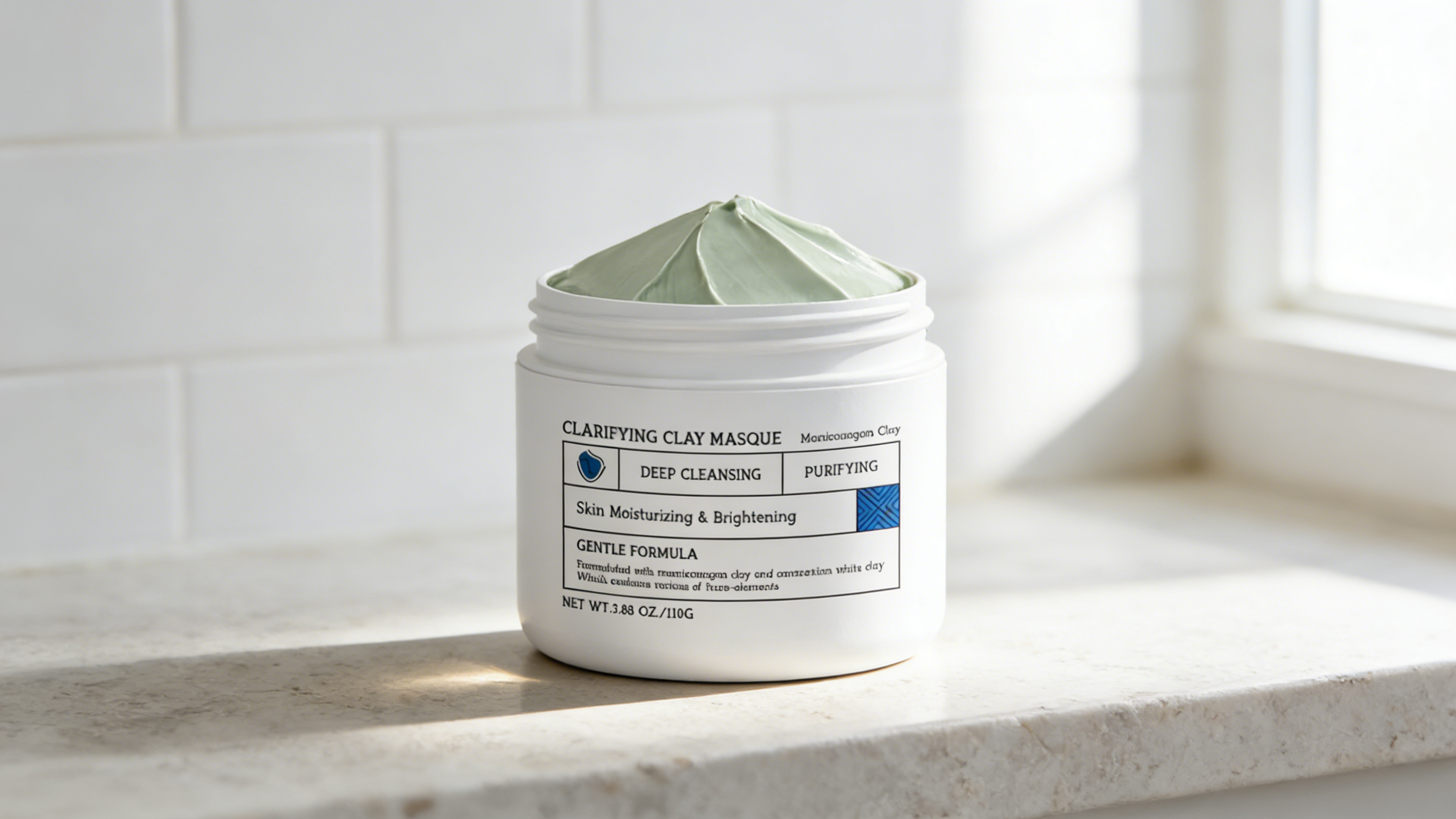

From Detoxification to Glow: Clay Mask Benefits Explained
You know that feeling when your face just feels... heavy? Maybe it’s the humidity, a stressful week, or just living in a city, but sometimes a regular face wash doesn't cut it. You need a reset.
This is usually the moment we reach for a jar of mud.
Clay masks are practically ancient history in the world of beauty, and for good reason. They work. But there is a massive difference between a strategic skin detox and just drying out your face until it hurts. At NING Dermologie, we see this happen constantly: people buy the strongest tub of clay they can find, nuke their moisture barrier, and wonder why their skin freaks out.
Let’s fix that. Here is the lowdown on how to actually use these things to get that clear, radiant look without the regret.

What is Actually Happening When You Use a Clay Mask?
It’s not magic; it’s molecular.
Think of clay as a magnet. Most dirt, bacteria, and excess oil on your face carry a positive electrical charge. Clay—specifically types like bentonite clay or kaolin—usually has a negative charge. When you slather that wet mask on, it literally pulls the gunk out of your pore to stick to the clay.
This is how clay masks work. They create a vacuum effect. As the mask sits there, it’s busy trying to detoxify the skin by drawing out the debris that your cleanser missed. It’s physically lifting impurity particles and absorbing sebum (the oil your skin makes).
The result? Your pores look smaller (because they aren't stuffed full), and your skin texture feels smoother.
The "Bentonite vs. Kaolin" Showdown
If you take one thing away from this, let it be this: different types of clay act differently. Picking the wrong one is why some people hate clay masks.
1. Bentonite Clay: The Vacuum Cleaner
Bentonite is a type of clay formed from old volcanic ash. It is intense. If you have super oily skin or you are battling a bad breakout, bentonite clay may help. It swells when mixed with water and acts like a sponge for oil.
- The sensation: It pulses. You can actually feel your face tightening as it dries.
- Who it's for: People who look in the mirror by noon and see a grease slick.
2. Kaolin Clay: The Gentle Polisher
Kaolin clay is one of the softest options out there. It’s usually white or pink. It doesn’t pull quite as hard as bentonite, which is a good thing if your face gets red easily.
- The sensation: Creamy, soothing, and soft.
- Who it's for: Dry, sensitive, or "normal" skin types.
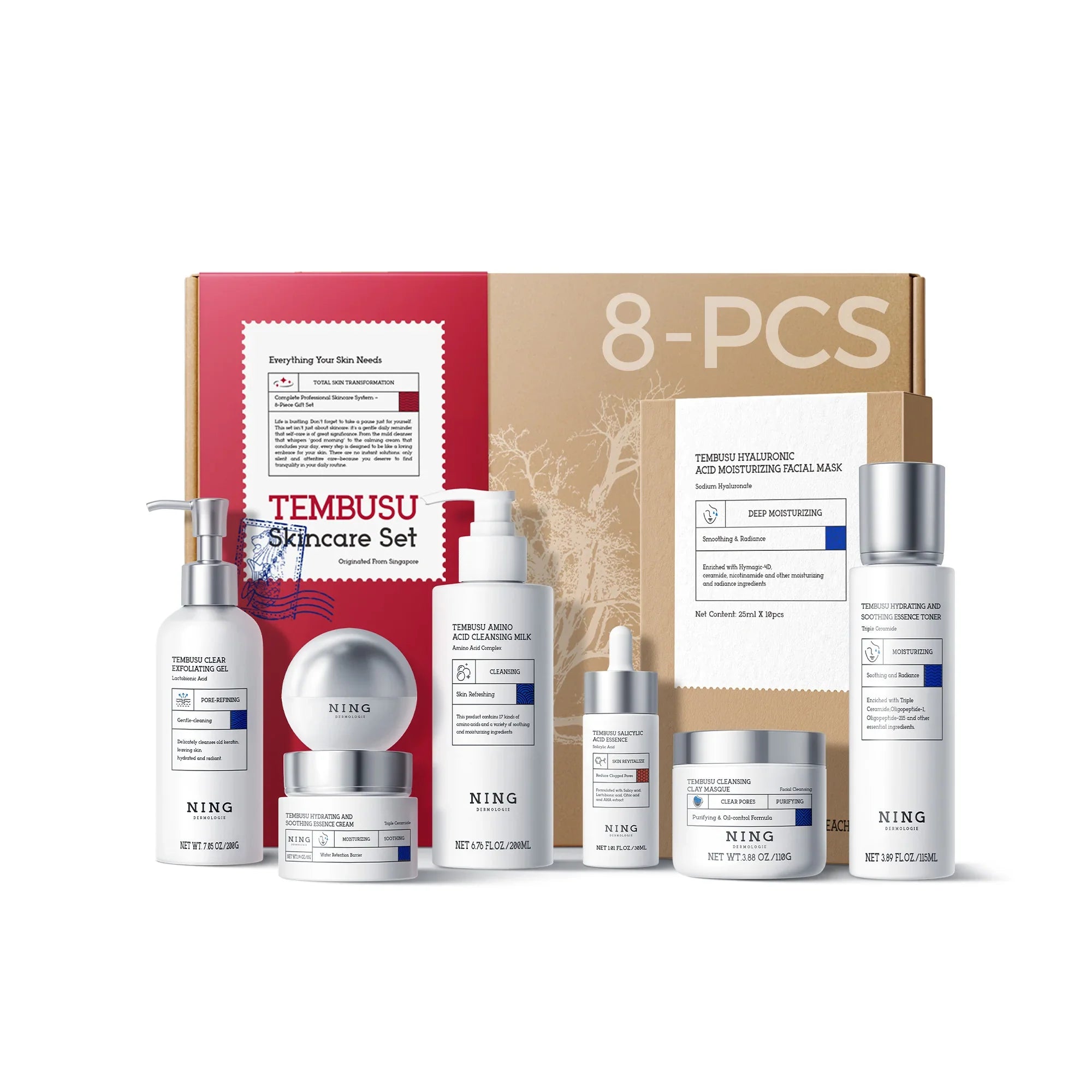
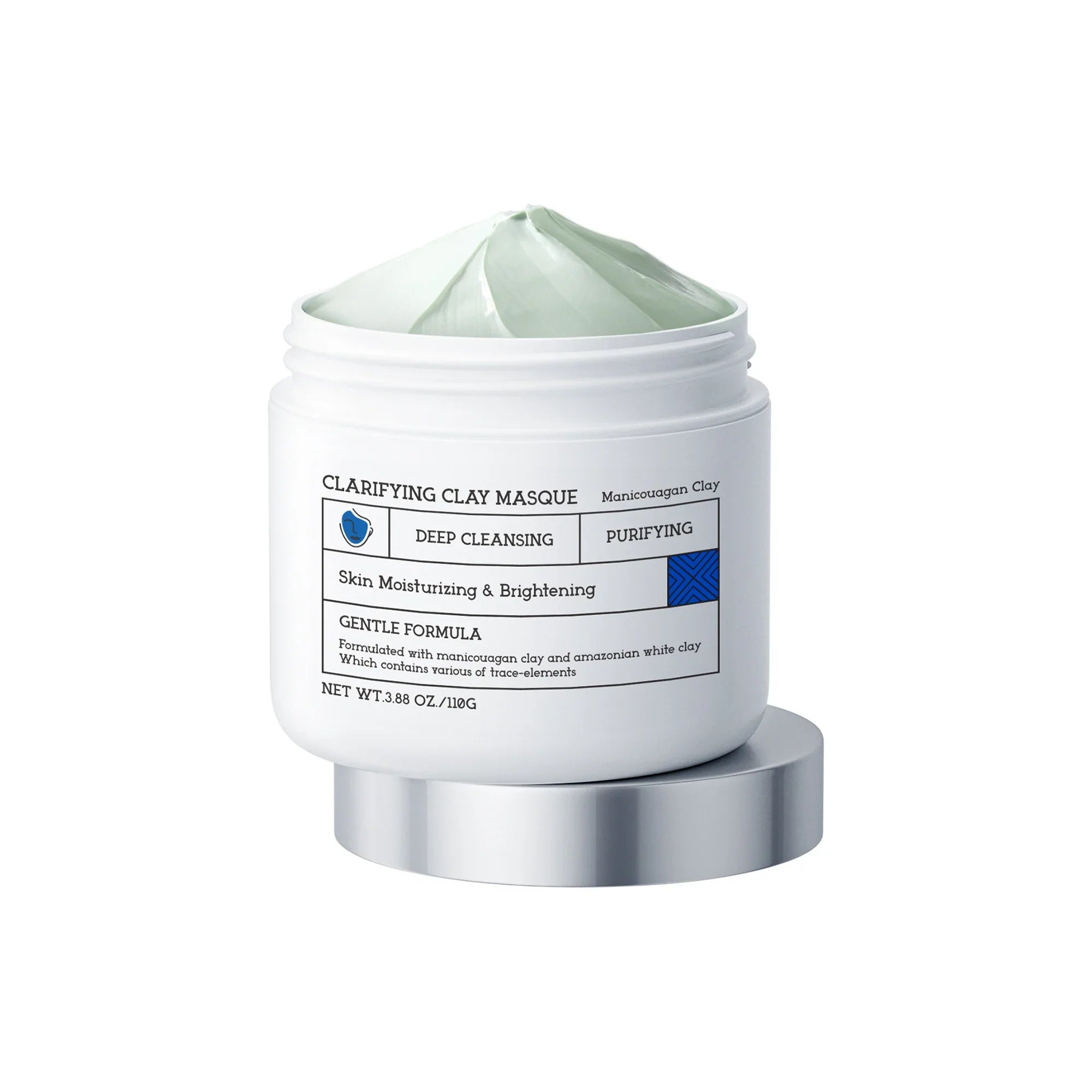
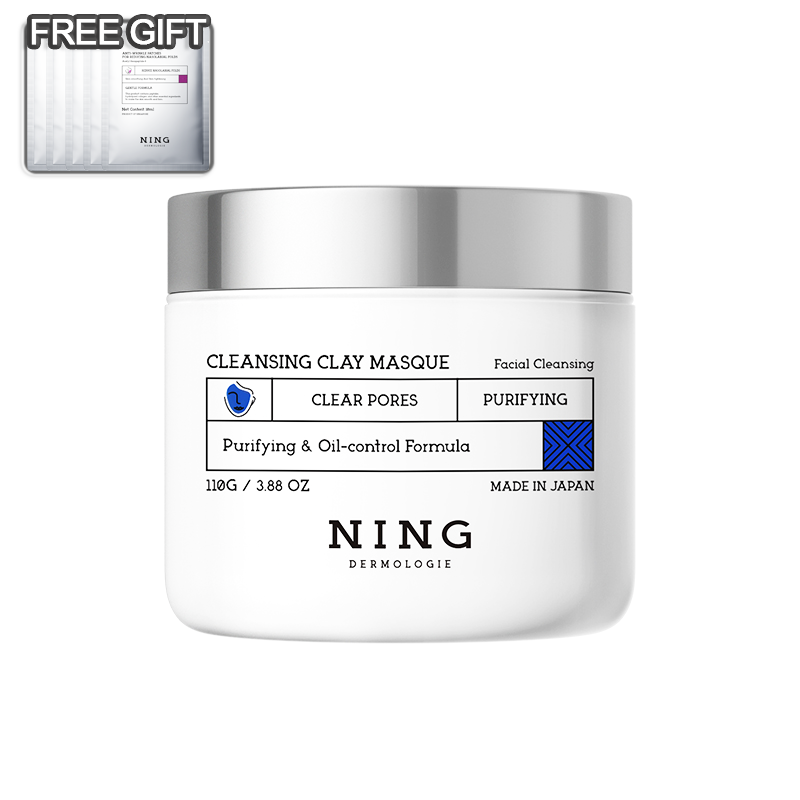
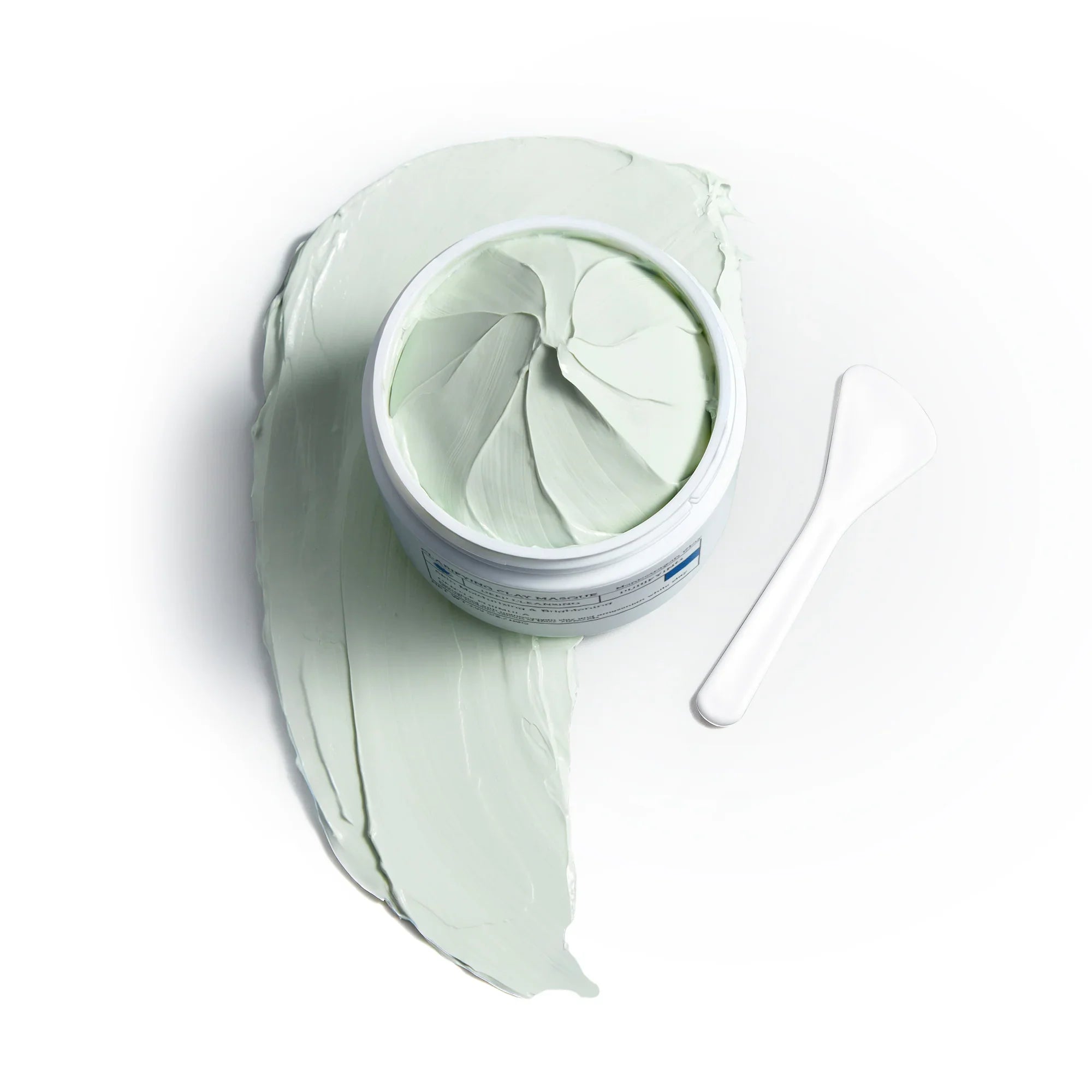
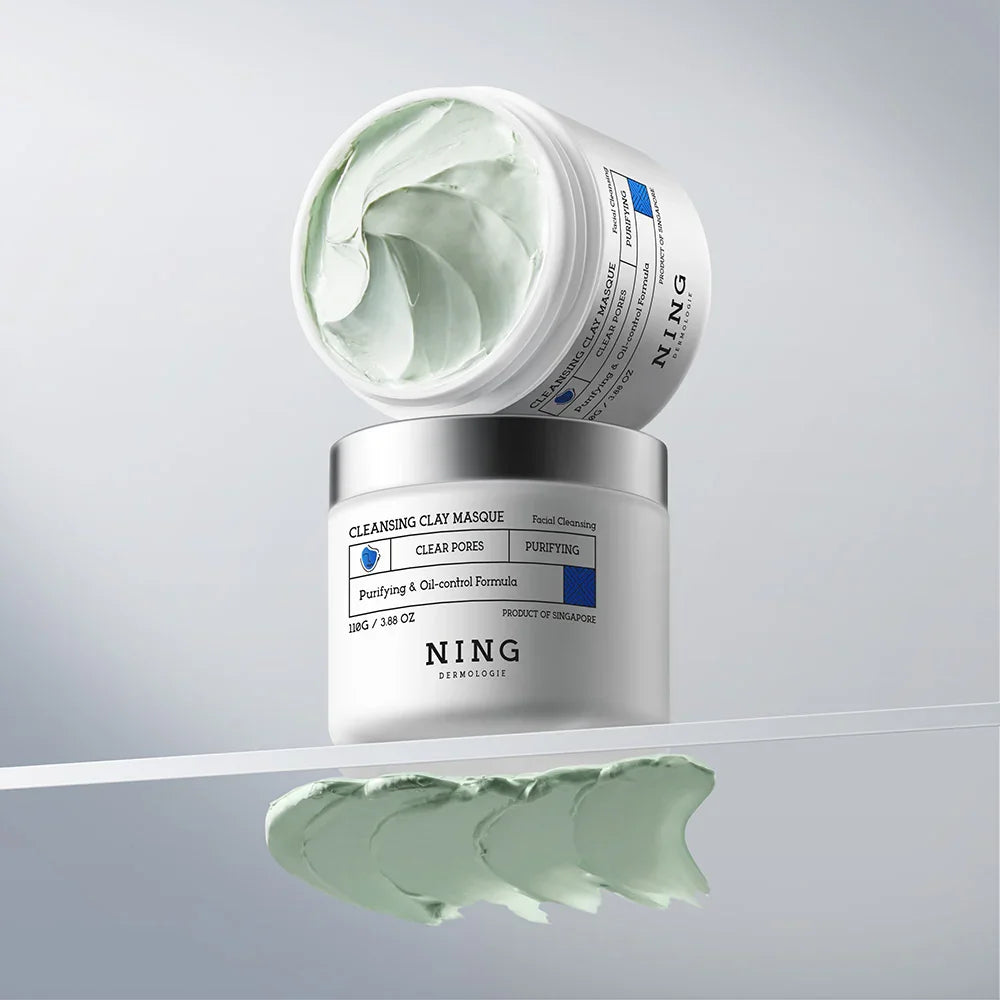
- Our take: This is the hero ingredient in our Clay Mask for Face Sensitive Skin. We chose kaolin clay because it manages to detoxify and clean out pores without stripping away the skin’s natural oils. It leaves you soft, not crispy.
Why Bother? The Real Clay Mask Benefits
Aside from looking fun in selfies, why add this step?
It’s a reset for oily skin. For oily skin types, clay is known as the best way to control shine. It doesn't stop oil production permanently (nothing can), but it absorbs excess oil sitting in the deeper layers of your skin. Regular use keeps the shine manageable.
It helps with the acne battle. Acne loves a clogged pore. By using clay masks to help clear out the traffic jam of dead skin and oil, you starve the acne bacteria. We have found that bentonite is particularly good for this. It helps prevent mild forms of acne by keeping the environment on your face clean and less hospitable to bacteria.
Nutrients, not just stripping. Good mud does double duty. While it takes away the bad stuff, it gives back minerals. Clay masks may deliver silica, calcium, and magnesium. These impart nutrients to your skin, which helps with that glowing complexion everyone wants.
How to Apply a Clay Mask (Without Ruining Your Skin)
There is a huge misconception that you need to let the mask dry until it cracks and flakes off.
Please, stop doing this.
If a clay face mask dries to the point of cracking, it has started sucking moisture out of your living skin cells. That causes irritation and itchiness.
Here is the NING Dermologie rulebook for how to apply a clay mask:
-
Start Clean: Wash your face first.
-
Don't hold back: Apply a decent layer. You shouldn't see your skin through the mud.
-
Watch the Clock: 10 to 15 minutes max.
-
The Touch Test: Touch the mask. Is it sticky but not wet? That’s your exit cue. If it’s crumbling, you waited too long.
-
Rinse Gently: Use lukewarm water. Don't scrub.
Incorporating It Into Your Routine
You don't need to do this daily. In fact, you shouldn't.
- Oily folks: You can use a clay mask maybe 2 times a week.
- Sensitive/Dry folks: Once a week is plenty. Maybe even once every 10 days.
Think of it as a weekly deep clean for your skin health. You are sweeping out the dust so your other products—serums, moisturizers—can actually penetrate and work better. If you have combination skin, try "multi-masking." Put the strong bentonite stuff on your oily nose and a gentle kaolin mask on your dry cheeks. It’s the best way to cater to specific skin needs.

Are There Risks?
Sure. If you use a product that is too harsh, or leave it on too long, you will get dry and red.
Also, skin detox is a real process. Sometimes, drawing out impurities brings a pimple to the surface that was hiding underneath. It’s annoying, but it’s actually a sign the detox is working. Just stick with it, keep moisturizing, and your skin will clear up.
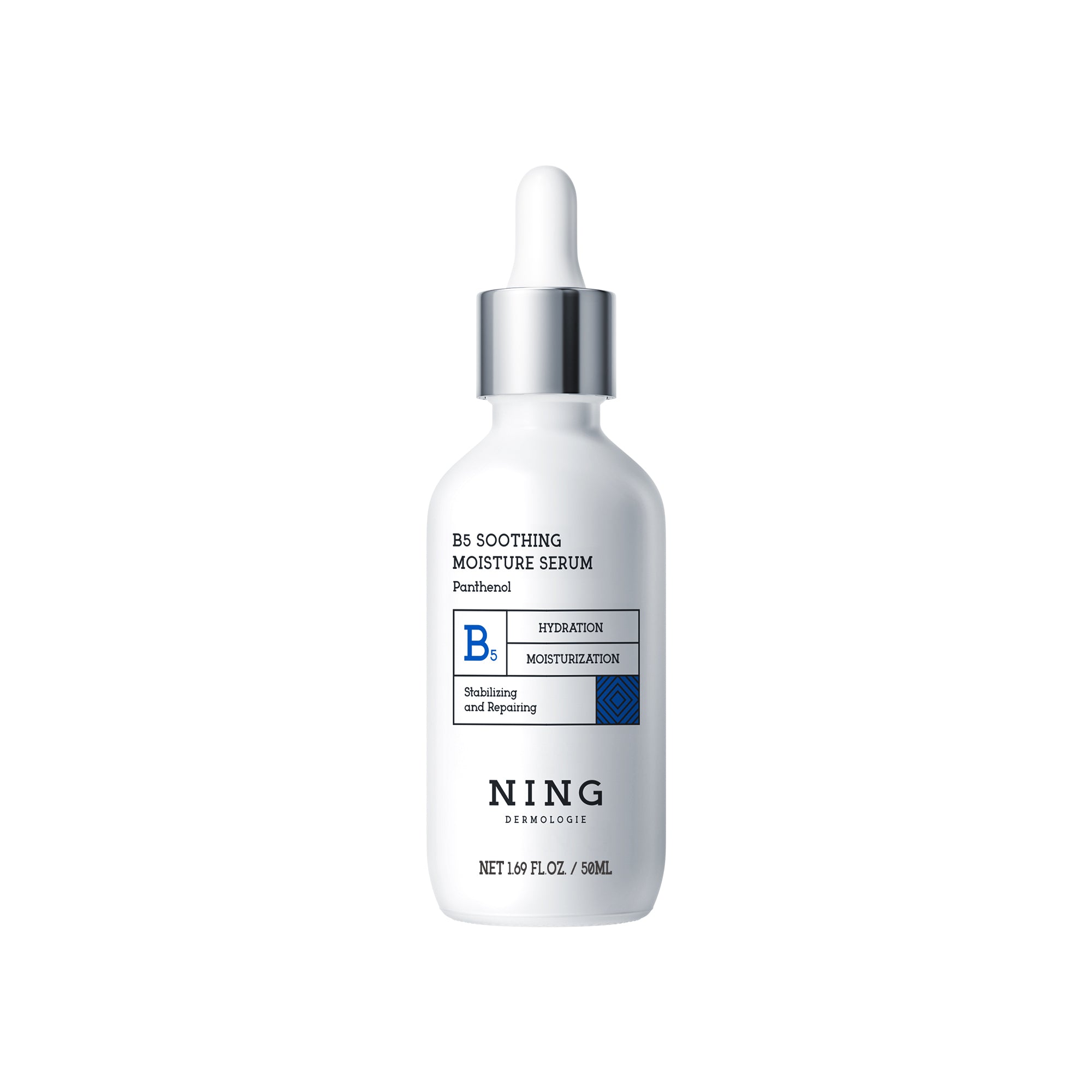
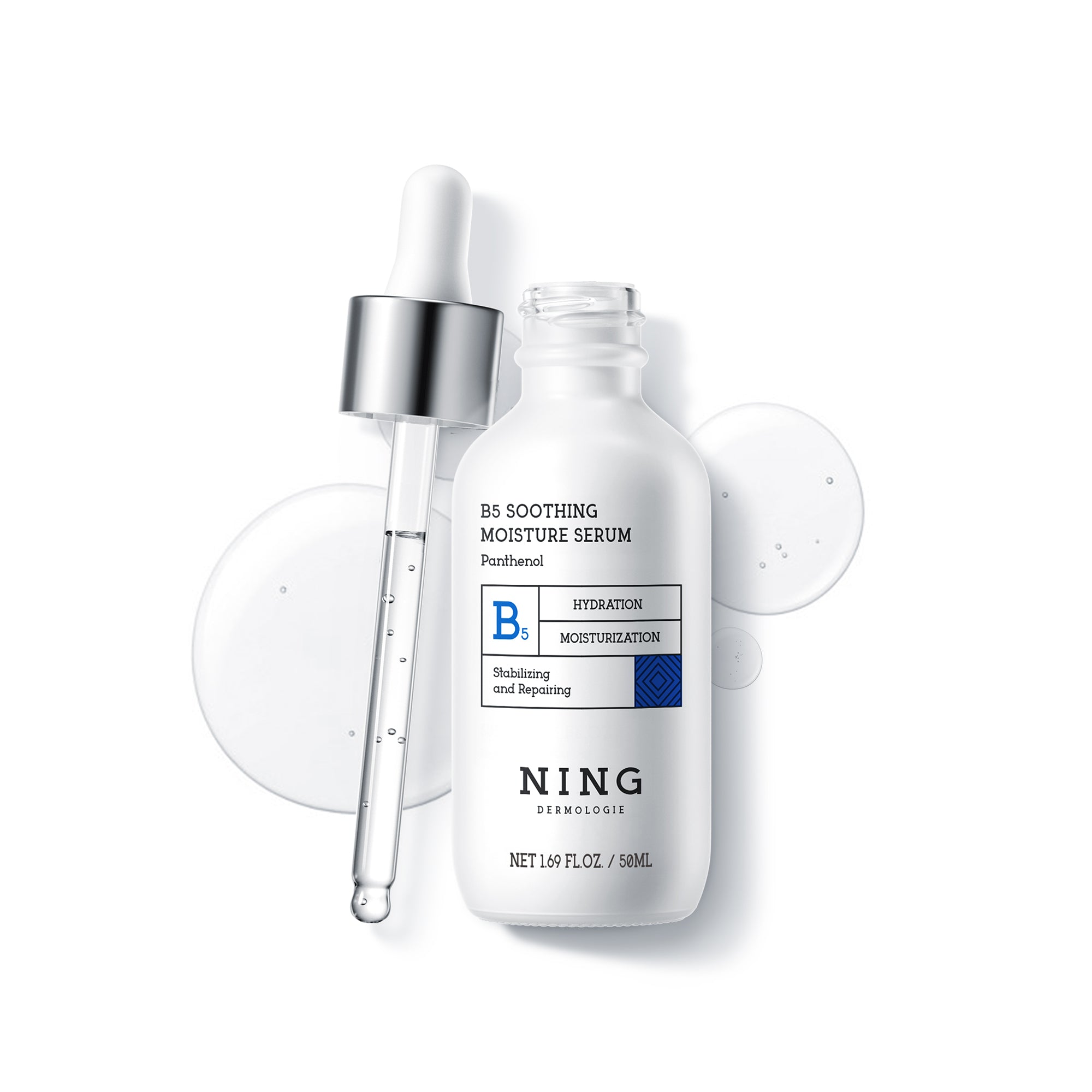
Always do a patch test if you are prone to reactions. And always, always follow up with moisturizer. You just cleaned out your pores; now you need to protect them.
Frequently Asked Questions (FAQ)
1. How often should I actually use a clay mask?
It depends on your face. For oily skin, you can use a clay mask once or twice a week safely. If you have dry or sensitive skin, once a week is the limit. Listen to your skin—if it feels tight or looks red after rinsing, dial it back. You want to improve skin health, not stress it out.
2. Can I sleep in a clay mask?
No. Never. Clay masks work by absorption. If you leave one on overnight, it will absorb all the natural moisture from your skin, leaving you dehydrated and potentially irritated. 15 minutes is all you need for the clay to draw out excess oil and gunk.
3. Will clay masks shrink my pores?
Pore size is genetic, so you can't physically shrink them permanently. However, clay masks clean the gunk out of the pore. A clean pore looks much smaller and tighter than a clogged one. So visually? Yes, they help refine skin texture and make pores look invisible.
4. Why does my face turn red after a mask?
A little pinkness is normal. Bentonite clay stimulates blood flow as it tightens (that pulsing feeling). It’s bringing blood to the surface to help detoxify. But if it burns or stays red for an hour? It’s too harsh for you. Switch to a gentler kaolin clay formula like the one from NING Dermologie.
5. Clay vs. Mud: Is there a difference?
Basically, yes. Clay (like kaolin or bentonite) is a mineral that dries and absorbs oil. It’s for deep cleaning and acne. "Mud" is usually water-based and hydrating. If you want a skin detox and oil control, go with clay. If you just want hydration, go with mud.
6. I have dry skin—can I still use clay?
Yes, but be careful. Avoid pure bentonite. Look for masks labeled for sensitive skin that use kaolin clay and have added hydrators like aloe or glycerin. Our Clay Mask for Face Sensitive Skin is specifically built to clean impurities without making dry skin feel like sandpaper.





Share:
Discover the Top Clay Masks for Skin Rejuvenation
Battle Acne with These Powerful, Blemish-Fighting Clay Masks