



Battle Acne with These Powerful, Blemish-Fighting Clay Masks
Let’s be real for a second: waking up to a new, angry red bump on your face can ruin your whole morning. We’ve all been there. You have a big meeting, a date, or just a Tuesday, and suddenly your skin decides to revolt.
Acne is stubborn. It’s frustrating. And trying to fix it often feels like a guessing game. You scrub, you peel, and sometimes you just make it worse. But if there is one weapon in the skincare arsenal that has stood the test of time, it’s the clay mask.
However, not all masks are created equal. In the crowded world of skincare, grabbing the wrong tub of mud can lead to dry, flaky disaster zones rather than the clear skin you’re chasing. Today, we aren’t just talking about generic goop. We are diving deep into how to strategically use a clay face mask to combat acne, unclog those stubborn pores, and finally get that glow back without destroying your skin barrier.
If you are tired of the cycle of breakout after breakout, read on. It’s time to clarify exactly how to banish that blemish for good.

The Science of the Clog: Why Acne Happens
To win the war, you have to know the enemy. Acne isn't just "dirty skin." It is a complex traffic jam happening inside your pores.
Your skin naturally produces oil (sebum) to keep itself hydrated. But when you have oily skin or combination skin, your oil glands can get a little overzealous. This excess oil mixes with dead skin cells that haven't shed properly. This sticky mixture gets trapped inside the hair follicle.
Boom. You have clogged pores.
Once a pore is clogged, it becomes a five-star hotel for acne-causing bacteria (C. acnes). These bacteria feast on the oil, multiply, and cause inflammation. This is what leads to the redness, the swelling, and the eventual whitehead or painful cyst.
This is where a face mask—specifically a clay one—enters the chat. Unlike a basic face wash that just cleans the surface, a mask is formulated to sit on the skin and go to work on deep-seated impurities.
How Clay Masks Combat Acne (The Magnet Effect)
Think of a clay mask as a vacuum cleaner for your face, but much gentler. Clay ingredients, particularly bentonite clay and kaolin clay, are negatively charged. Most impurities, toxins, and bacteria on your skin are positively charged.
When you apply the wet clay to your face, it binds to the gunk. As the mask dries, it physically draws out impurities from the pore. It absorbs that excess sebum like a sponge.
Regular use of a clarifying mask helps to:
- Clear pores of deep blockage.
- Minimize the appearance of pores (clean pores look smaller!).
- Exfoliate the surface layer of dead skin.
- Prevent the formation of future blemishes.
But here is the catch—and it is a big one.
The "Crackle" Effect: When Masks Go Wrong
Have you ever used a mud mask that dried down so hard you couldn't move your face? It cracks, it itches, and when you wash it off, your face is beet red.
That is the old-school way of treating acne, and frankly, it’s outdated.
Many best face masks for acne on the market are too aggressive. They strip your skin of all its natural oils, not just the excess. When your skin gets too dry, it panics. To compensate for the dryness, your oil glands go into overdrive, producing even more oil. This leads to—you guessed it—more breakouts.
For those with sensitive skin or even acne-prone skin that is easily irritated, using a harsh "instant detox mask" can actually damage your moisture barrier. This is where the right formulation makes all the difference.
The NING Dermologie Solution: Power Meets Gentle Care
We realized that most people fighting acne are also fighting irritation. You shouldn't have to choose between clearing a pimple and keeping your skin comfortable.
This is the philosophy behind NING Dermologie. We believe in effective acne treatment that respects the skin's biology.
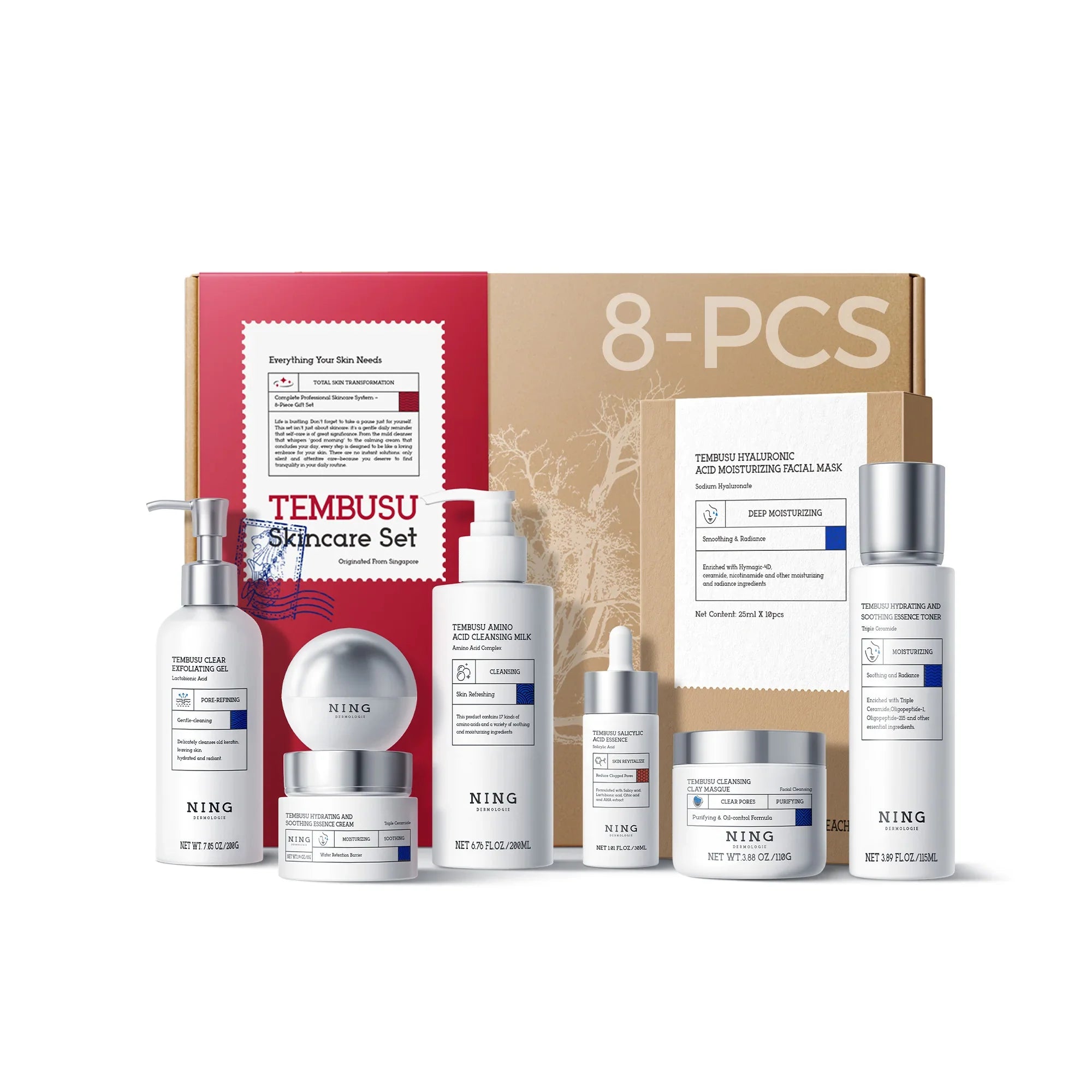
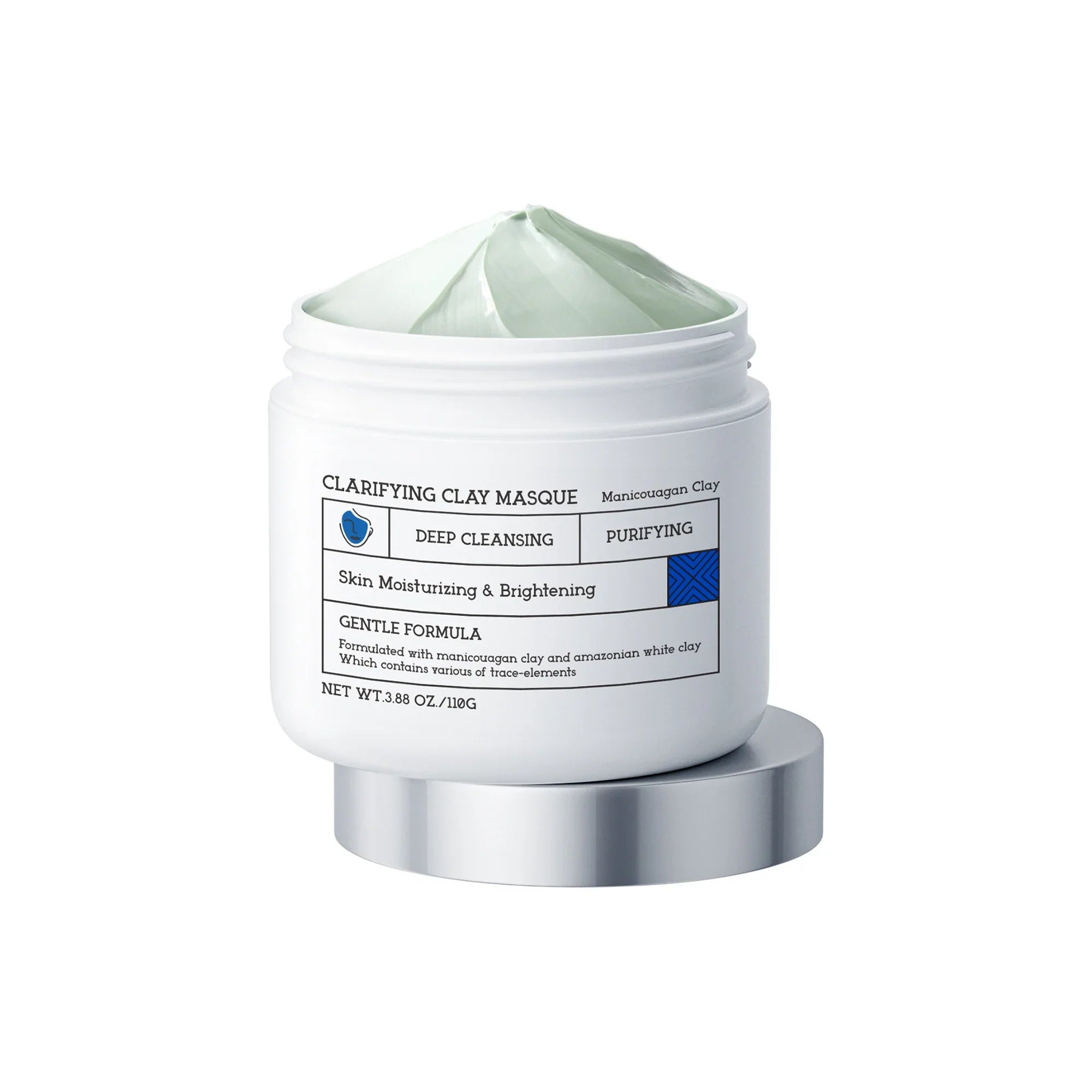
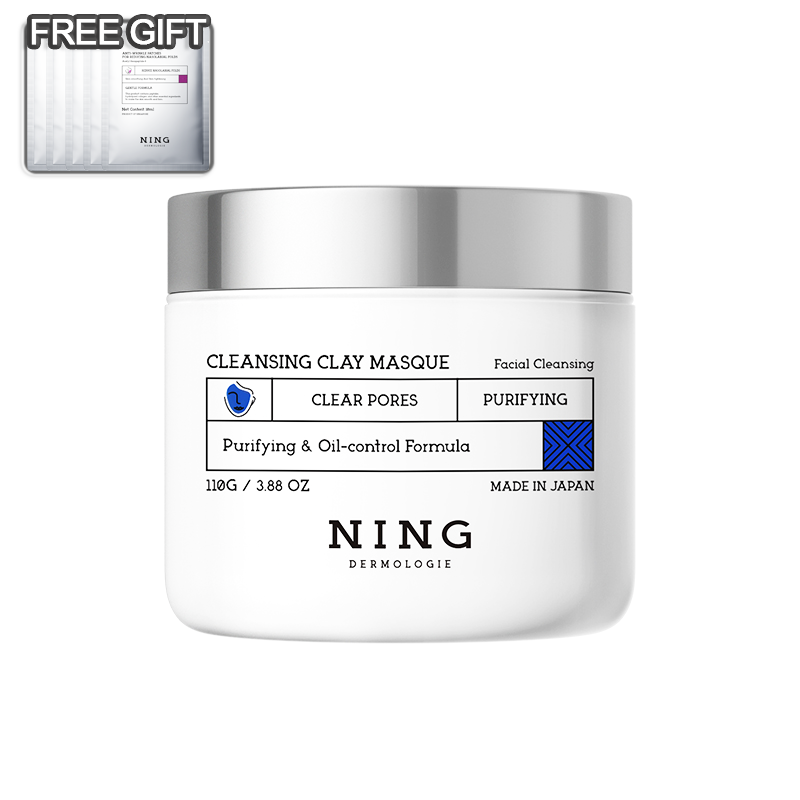
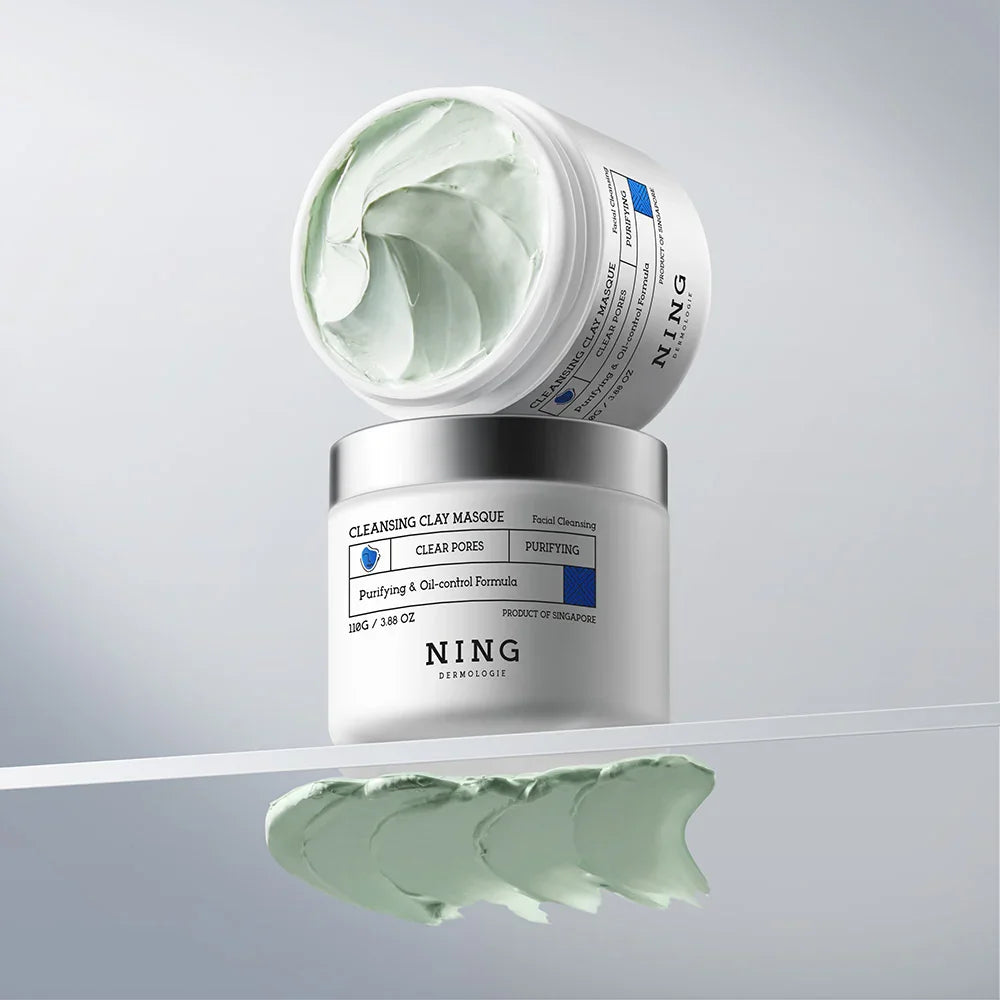
Our star player? The Clay Mask for Face Sensitive Skin.
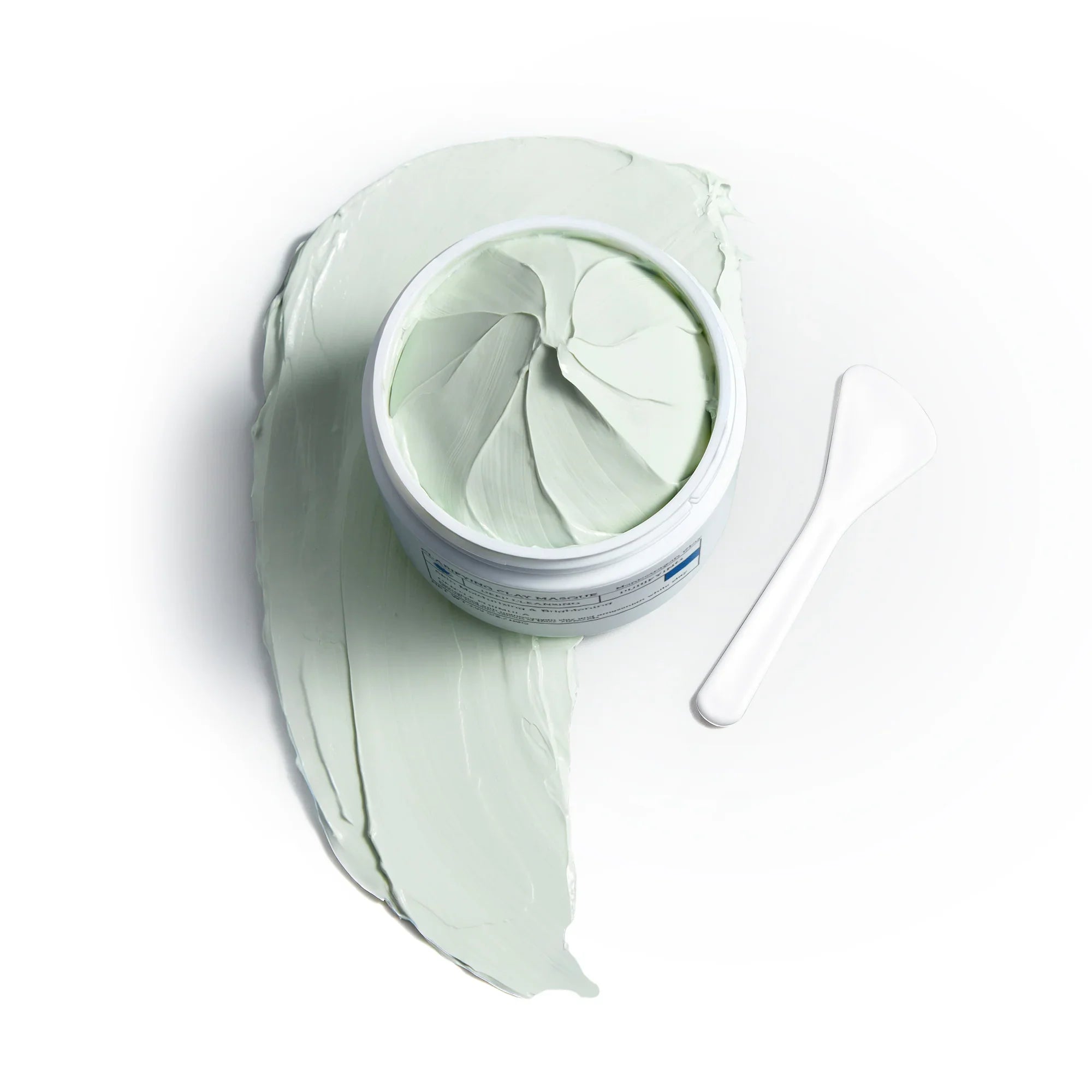
Unlike a generic tub of bentonite that leaves you feeling like the Sahara Desert, our mask is crafted to be a powerful antioxidant powerhouse that soothes while it clarifies. We utilize a blend of premium clays that absorb excess oil without stripping the skin.
Why It’s Different
We formulated this specifically for the tricky balance of sensitive or acne-prone skin.
- It Soothes: We packed it with calming botanicals to reduce redness and irritation instantly.
- It Hydrates: Yes, a clay mask can hydrate. Ingredients like glycerin and aloe vera ensure your skin stays soft, not tight.
- It Clarifies: It effectively pulls out impurities and clogs, helping to combat acne without the "ouch" factor.
If you have been afraid to use a purifying mask because of past bad experiences, NING Dermologie is the reset your routine needs.

Key Ingredients to Look For in an Acne Mask
When you are scanning the aisle (or the internet) for the best acne mask, ignore the flashy marketing claims. Turn the bottle over and look at the ingredient list. Here are the heavy hitters you want to see.
1. The Clays: Kaolin, Bentonite, and Amazonian White Clay
- Kaolin Clay: The gentle giant. It acts as a mild exfoliant and absorber. It’s perfect for sensitive skin because it doesn't draw out oil as aggressively as others.
- Bentonite Clay: This is calcium bentonite clay, often derived from volcanic ash. It’s highly absorbent. Great for very oily skin, but can be drying if not balanced with oils.
- Amazonian White Clay: Often found in "rare earth" masks, this helps purify and detox the skin surface.
- Kaolin and Bentonite: Many masks combine kaolin and bentonite clay to get the best of both worlds—strong absorption with a smoother texture.
2. Sulfur: The Smell of Success
Sulfur is an unsung hero in the acne world. A sulfur mask is incredibly effective at drying out active pimples and killing bacteria. It also acts as a keratolytic, meaning it helps break down dead skin cells that cause blockages. Yes, it has a distinct smell, but the results on a stubborn breakout are worth it.
3. Salicylic Acid (BHA)
Salicylic acid is oil-soluble, meaning it can penetrate through the oil inside your pores to clean them out from the inside. A mask formulated with BHA offers a chemical exfoliation alongside the physical clay action. It’s the gold standard for blackheads and whiteheads.
4. Charcoal
Charcoal masks are everywhere. Activated charcoal acts like a magnet to draw out toxins and dirt. It’s excellent for an instant detox mask effect, especially if you live in a polluted city.
5. Soothing Agents: Aloe Vera and Tea Tree Oil
If you are blasting your face with clay, you need a cushion. Aloe vera calms inflammation. Tea tree oil is a natural antiseptic that helps fight bacteria while providing a cooling sensation.
Incorporating a Clay Mask into Your Routine
You have the mask. Now, how do you use it without ruining your face? Here is a dermatologist-approved approach to using a clay face mask.
Step 1: The Prep
Start with a clean canvas. Use a gentle face wash to remove makeup and surface grime. You want the clay to touch your skin, not your foundation. Damp skin is usually best for application as it helps the mask spread evenly.
Step 2: Application (Full Face vs. Multi-Masking)
If you are oily all over, apply an even layer across your face. However, if you have combination skin (oily T-zone, dry cheeks), you don't need to punish your dry areas. Apply the clay mask only to your forehead, nose, and chin. On your cheeks, you might opt for a hydrating gel mask or a soothing cream. This technique is a game-changer for maintaining balance.
Step 3: The Timing (Crucial!)
Do not wait for the mask to crack and crumble. I repeat: do not let it dry completely. When a clay mask dries to the point of cracking, it is actually drawing moisture out of your skin cells, leading to dehydration and irritation. Rinse it off when it is sticky-dry (usually 10-15 minutes). It should feel tacky to the touch, not like dry pavement.
Step 4: Aftercare
Rinse with lukewarm water (hot water creates more redness). Pat dry—don't rub. Immediately follow up with a toner and a moisturizer. Your pores are open and clean; you need to seal in hydration to prevent the skin from overproducing oil again.
Advanced Tactics: Spot Treatments and Frequency
Using Clay as a Spot Treatment
Got a massive zit right before an event? Use your NING Dermologie mask as an overnight spot treatment. Dab a tiny amount directly onto the blemish and let it sit. The clay and actives will work all night to reduce swelling and dry out the infection. By morning, the pimple is usually significantly flatter and less angry. This is often more effective than harsh alcohol-based spot treatments.
How Often Should You Mask?
- Oily Skin: You can likely handle a mask twice a week.
- Dry/Sensitive Skin: Stick to a mask once a week.
- Acne-Prone Skin: Listen to your skin. If you feel tight, back off.
Regular exfoliation via masks prevents the buildup of dead skin cells and oil, but over-doing it destroys the skin barrier. Balance is key.
Mud Mask vs. Peel-Off Mask vs. Sheet Mask
With so many types of mask options, why choose clay/mud?
- Peel-off mask: These are satisfying to peel, but they often rip out tiny hair filaments and can be traumatic for sensitive skin. They rarely deep clean the pore.
- Sheet masks: Great for hydration and brightening, but they don't unclog pores. They push serum into the skin.
- Mud Mask / Clay Mask: The only true option for removal of impurities. Whether it’s a sulfur mask, a purifying mask, or a mud mask, these are the workhorses for acne treatment.
Signs You Are Over-Exfoliating
We all want results fast. But scrubbing your face raw helps no one. If you are using AHAs and BHAs (like glycolic or salicylic acid) in your toner, be careful using a clay mask on the same night. Signs of trouble include:
- Stinging upon application.
- Excessive redness that lasts hours.
- Shiny, tight skin (that plastic wrap look).
- New, tiny bumps (irritation breakouts).
If this happens, switch to a hydrating routine and pause the actives. A soothing gel mask might be needed to repair the damage.

Achieving Clearer Skin with NING Dermologie
Combating acne is a marathon, not a sprint. It requires patience, consistency, and the right ingredients. By incorporating a high-quality clay mask into your weekly ritual, you are helping your skin reset.
You are removing the dead skin cells and oil that cause the blockage. You are soothing the inflammation. You are taking 15 minutes for yourself to decompress while your skincare does the heavy lifting.
If you are ready to stop the cycle of irritation and breakouts, it’s time to switch to a formula that understands your skin. Try the Clay Mask for Face Sensitive Skin by NING Dermologie. It’s tough on acne, but kind to your face. Because clear skin shouldn't have to hurt.
Frequently Asked Questions (FAQ)
Q1: Can I use a clay mask if I have dry skin?
Absolutely, but you need to be picky. Avoid harsh charcoal masks that strip oil. Find a mask that has clay and hydrating ingredients like glycerin, aloe vera, or hyaluronic acid. In general, kaolin clay is safer for dry skin than bentonite clay. Also, only use it once a week and make sure to moisturize right after rinsing. Don't let the mask harden all the way on your face.
Q2: Will a clay mask make me purge?
It is possible. When you first start using a clarifying mask, you may experience a brief increase in breakouts (purging) because it draws deep impurities to the surface. In fact, this indicates that the pore-clearing product is effective. However, the breakouts may be a reaction to an ingredient rather than purging if they are inflamed, itchy, or occur in areas where you don't typically get acne.
Q3: Can I leave a clay mask on overnight?
Generally, no. A full-face clay mask left on overnight will suck the moisture out of your skin, leading to severe dehydration and potential irritation. The only exception is using it as a tiny spot treatment on a specific active pimple. For full-face application, 10 to 15 minutes is the sweet spot for the best acne results without the damage.
Q4: Is a sulfur mask better than a clay mask for acne?
They often work together! Many acne masks combine clay (to absorb oil) and sulfur (to kill bacteria and exfoliate). Sulfur is particularly good for red, inflamed acne and fungal acne. If your main issue is just clogged pores/blackheads, straight clay or salicylic acid might be better. If you have angry, red bumps, a mask containing sulfur is a powerful choice.
Q5: Should I exfoliate before or after a clay mask?
It depends on the mask. If your clay mask contains physical scrubs or acids (AHAs/BHAs), it is the exfoliator—so don't double up. If it’s a plain clay mask, using a gentle face wash beforehand is enough. You want the clay to draw out impurities from the pores, so starting with clean skin is essential. Over-exfoliating causes irritation, so be gentle.
Q6: Does NING Dermologie help with acne scars?
While our Clay Mask for Face Sensitive Skin is primarily designed to combat acne and clear existing breakouts, it helps indirectly with scarring. by preventing new breakouts and reducing inflammation (redness), it minimizes the trauma to the skin that causes scars in the first place. For existing dark spots, ingredients that brighten and exfoliate (like those in our mask) can help fade marks over time.





Share:
From Detoxification to Glow: Clay Mask Benefits Explained
Soothe and Purify: Sensitive Skin-Friendly Clay Masks You Need to Try