

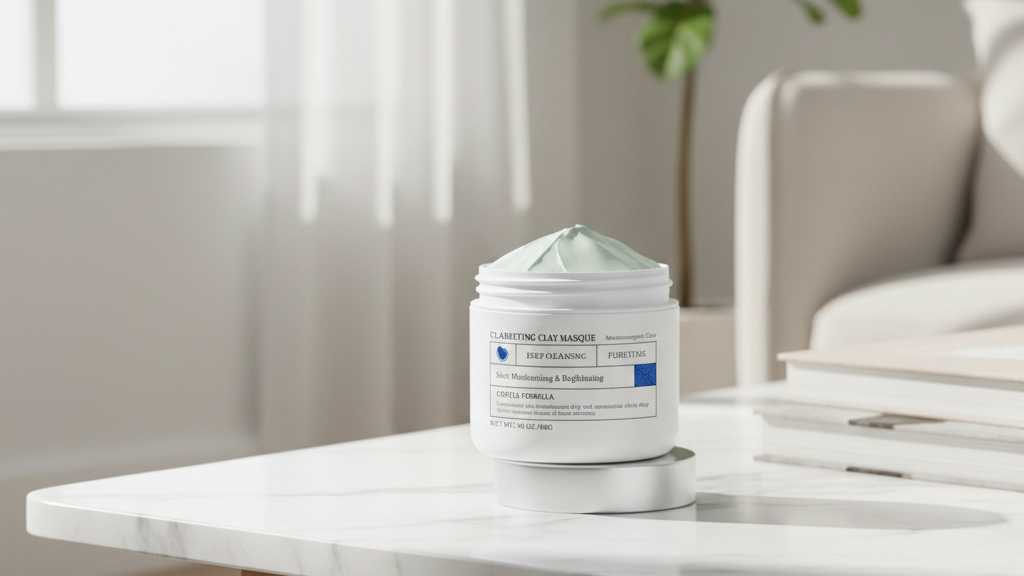

Soothe and Purify: Sensitive Skin-Friendly Clay Masks You Need to Try
If you have reactive, easily irritated skin, the phrase "clay mask" might trigger a specific memory: a tight, cracking face, a stinging sensation, and looking like a tomato after rinsing. For years, the skincare industry told us that if it doesn't burn, it's not working.
That is a lie.
Especially for sensitive skin, the goal isn't to strip your face into submission; it's to soothe and purify. You can have deeply clean pores without sacrificing your moisture barrier. In fact, the right clay mask can be the most calming step in your weekly ritual.
At NING Dermologie, we believe in a different approach. We don’t fight your skin; we work with it. Let’s dismantle the myths about clay, explore why skin types matter, and introduce you to a routine that will change how you view detoxification.

Why the Best Clay Mask Must Soothe, Purify, and Respect Sensitive Skin
Understanding how a facial mask interacts with your biology is key. Your skin creates sebum (oil) to protect itself. When we use harsh products to strip that oil away entirely, the skin panics and produces even more excess oil. It’s a vicious cycle that leads to clogged pores, inflammation, and yes, even more acne.
The best clay mask for sensitive skin functions differently. Instead of acting like a vacuum cleaner that sucks up everything good and bad, it acts like a magnet. It uses a process called adsorption. The clay sits on the surface and gently lifts impurities from the skin, environmental toxins, and surface grime, while leaving your essential hydration intact.
Whether you are dealing with blackheads, dullness, or just want to minimize the appearance of pores, the vehicle you use matters. A purifying blue clay mask or a gentle white clay formula can clarify the complexion while delivering minerals back into the dermis. This is how you achieve smooth skin that feels bouncy, not brittle.
Decoding Types of Clay: Kaolin, Bentonite, and Finding the Best Overall
Not all mud is created equal. The most common mistake people make is grabbing a pot of generic "deep clean" mud without checking the ingredient list. Here is the breakdown of type of clay and how they affect different skin types:
The Gentle Giant: Kaolin Clay
For sensitive skin and dry skin, Kaolin clay is the gold standard. It has a lower absorption rate than other clays, which sounds like a bad thing, but it’s actually a superpower. It creates a clay mask feels creamy and soft. It gently removes impurity build-up without disrupting the skin's natural pH. If you are prone to redness, a kaolin clay base is non-negotiable.
The Heavy Lifter: Bentonite Clay
Bentonite clay acts like a sponge. It swells when mixed with water and pulls fiercely. While this is fantastic for extremely oily skin or a robust acne-prone skin type, it can be too aggressive for delicate barriers. A mask with 100% bentonite will often leave sensitive skin feeling tight and dehydrated. However, when formulated correctly—blended with soothing agents—bentonite clay can still be used sparingly to clear pores.
The Balancers: Pink and Blue Clays
Pink clay is often a mix of red and white clays, marketed as a "middle ground" for combination skin. It’s a decent option, but at NING Dermologie, we prefer the efficacy of a purifying blue clay mask. Blue clay often contains minerals that help oxygenate the skin, bringing life back to dull skin while offering the detox power needed to unclog pores.
The NING Dermologie Approach to Soothe and Purify
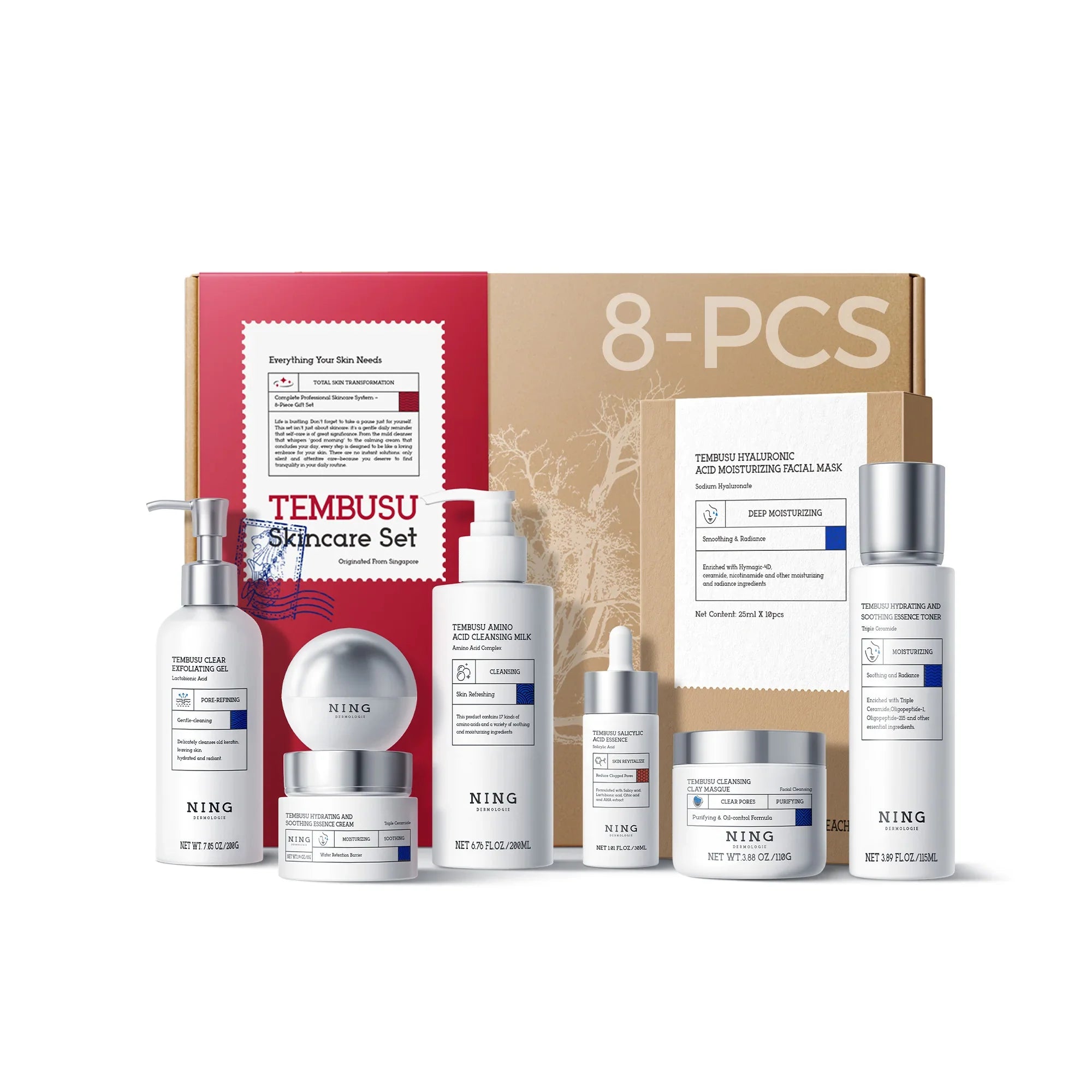
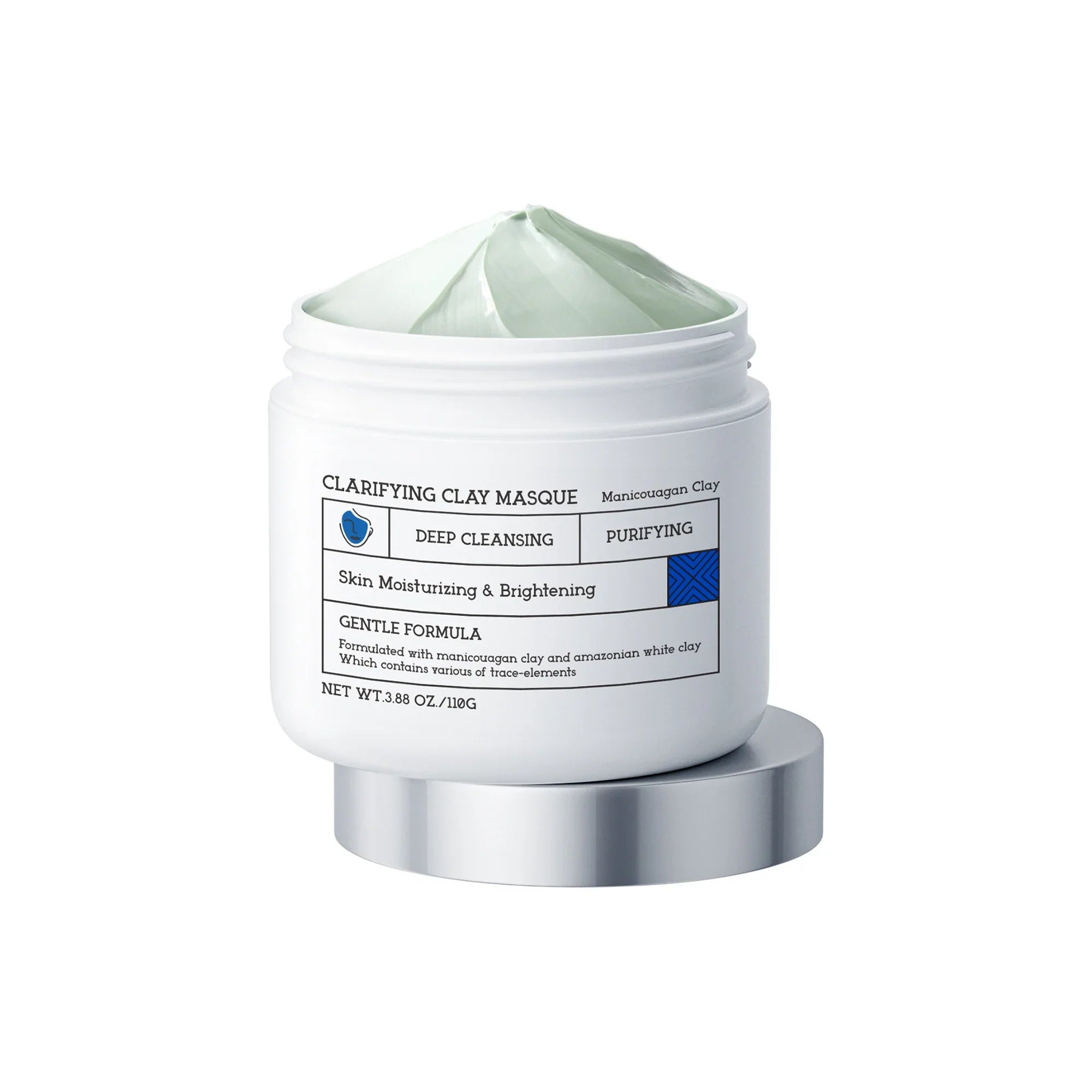
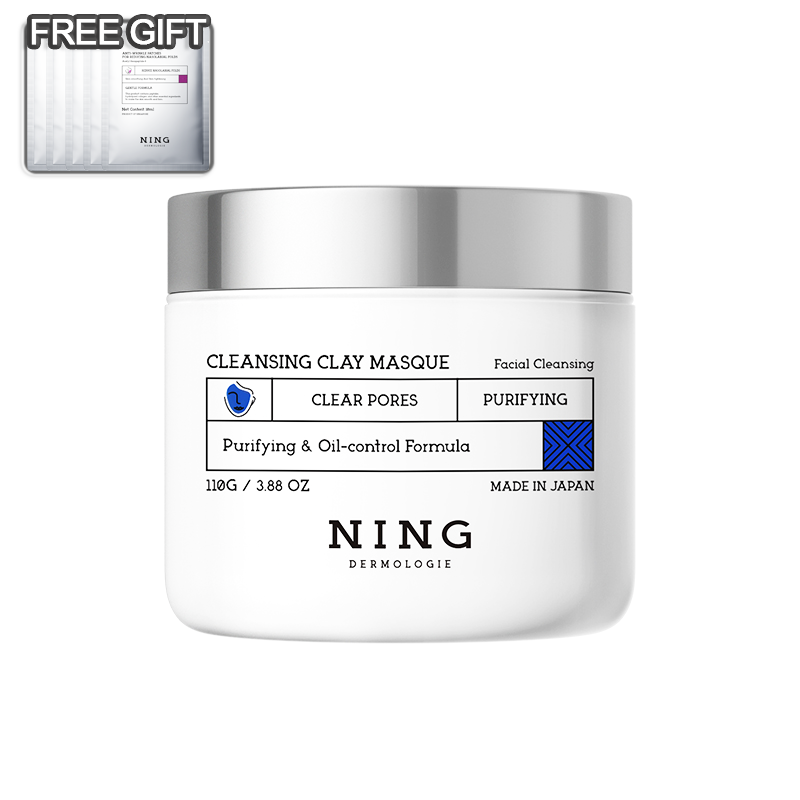
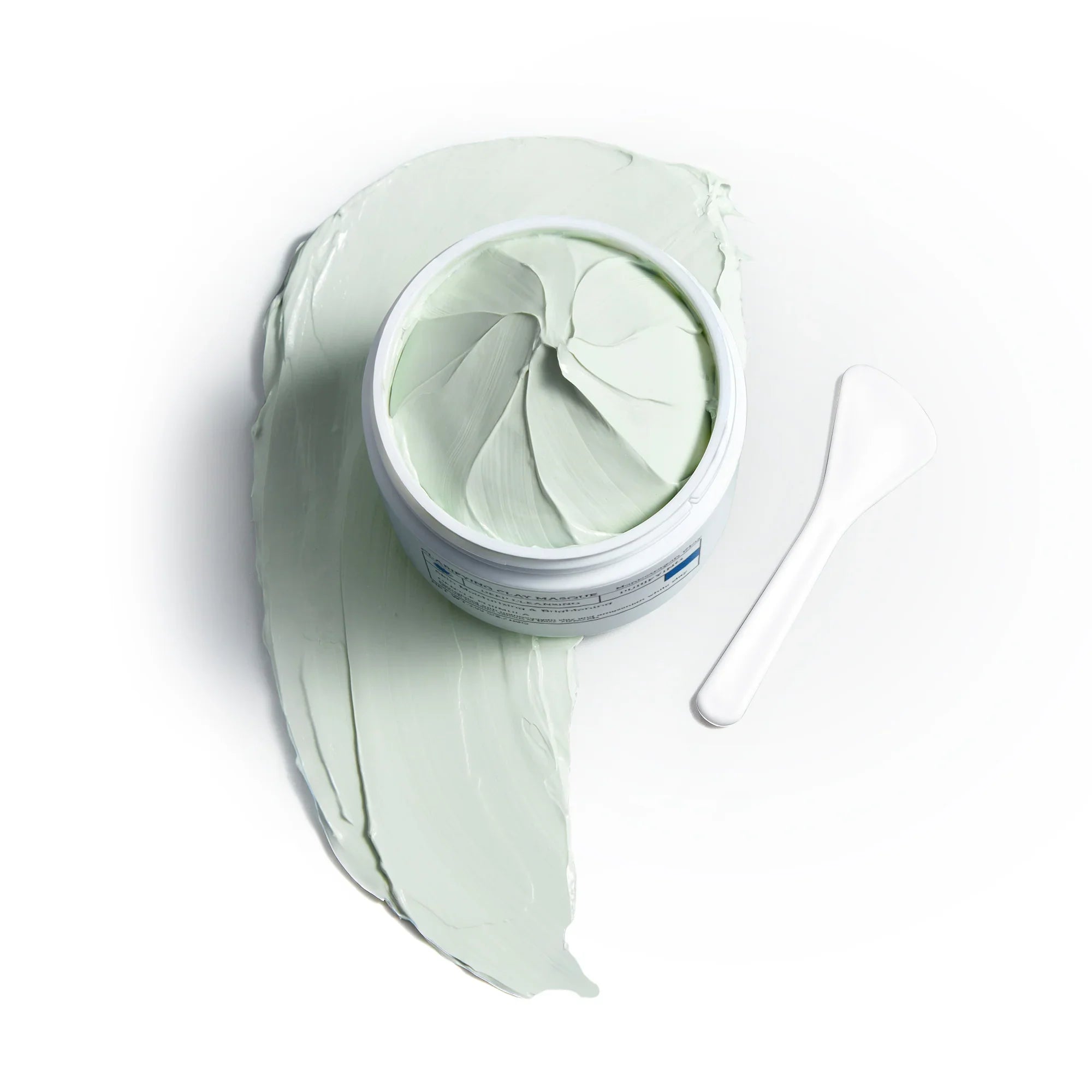
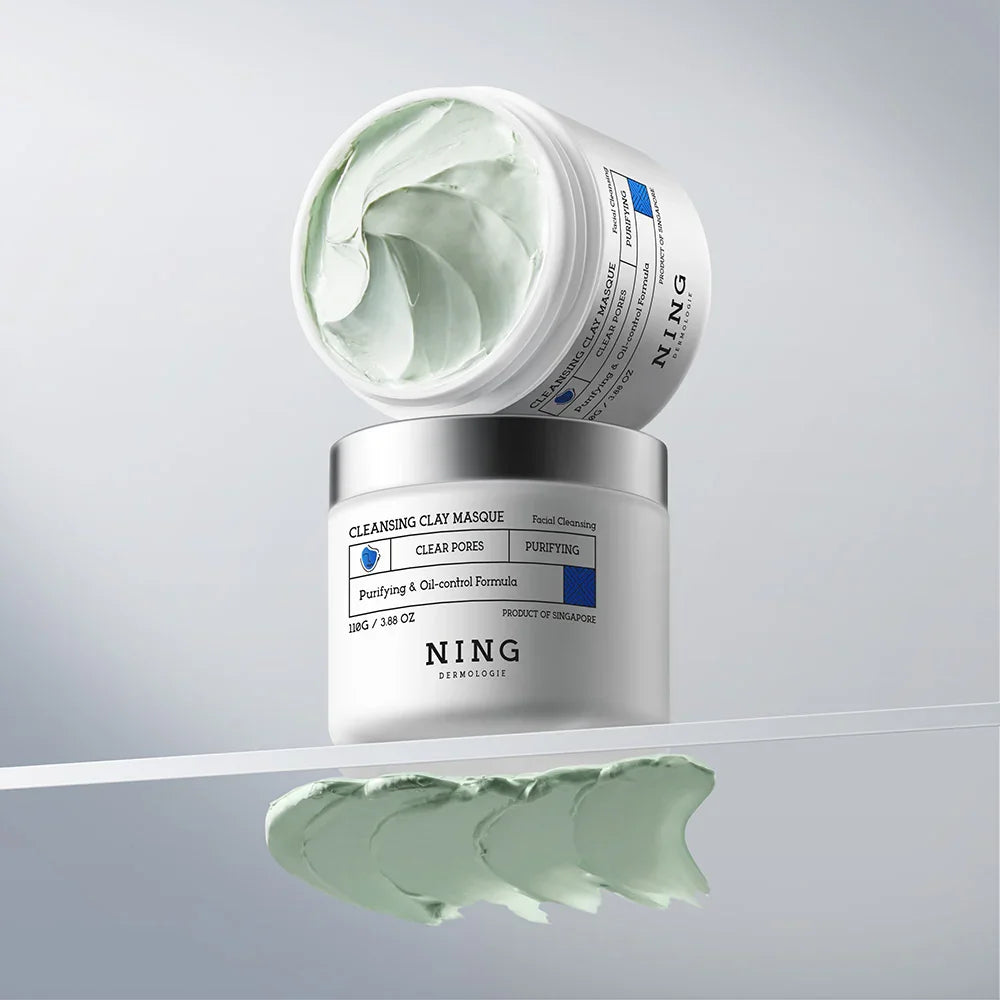
We formulated our hero product, the Clay Mask for Face Sensitive Skin, specifically to address the dilemma of the "scared user." We knew our community wanted the clarifying effects of clay masks—the clear pores, the even skin tone—but couldn't tolerate the harshness of drugstore brands.
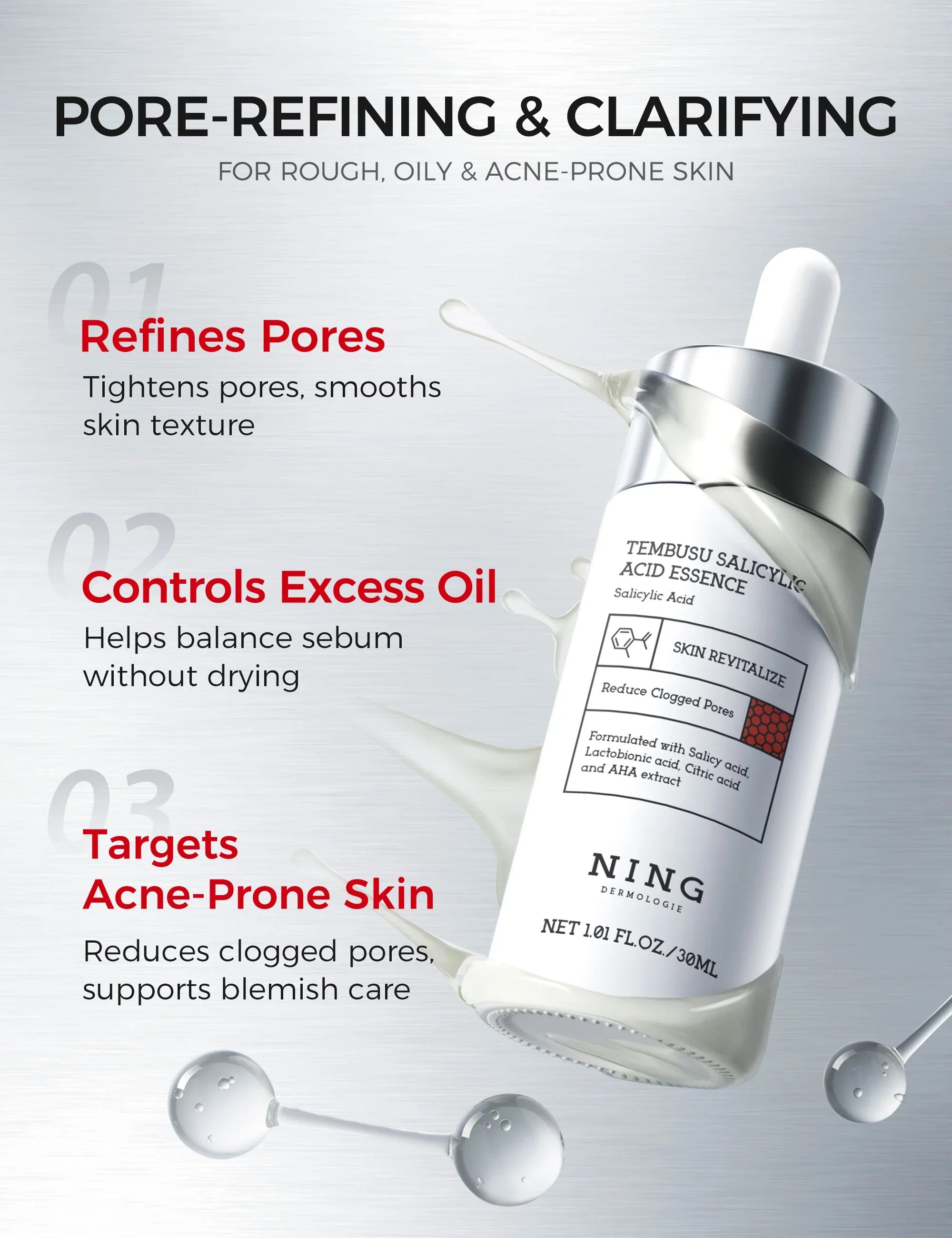
Our formula relies on a sophisticated blend. We utilize high-grade Kaolin to ensure the mask glides on and stays comfortable. But we didn't stop there. To truly detoxify and prevent acne, we incorporated a thoughtful dose of Salicylic acid.
Wait, acid on sensitive skin? Yes.
Here is the secret: Salicylic acid is oil-soluble. It dives deep into the pore lining to dissolve the glue holding dead skin cells together. In low concentrations, combined with the soothing nature of clay, it exfoliates without scrubbing. This combination allows you to exfoliate and purify simultaneously. It targets blackheads and acne inflammation while the clay base calms the surface redness. This balance makes it the best clay mask for those who need results but fear reactions.
How Clay Masks Work on the Skin: Adsorption vs. Absorption
Let's get technical for a moment to understand why your skin feels clean but not stripped with our product.
-
Absorption: This is when a substance soaks up another substance (like a sponge). Bentonite clay creates a strong electrical charge that absorbs water and oil.
-
Adsorption: This is when particles stick to the outside of the substance. Kaolin clay excels here.
When you apply a clarifying clay masque, as it dries (but not fully dries!), it creates a mild suction. This suction draws out impurities and excess sebum. If you have enlarged pores, this removal of debris physically reduces the stretching of the pore wall, making pores look smaller.
For acne-prone skin, this is vital. Bacteria thrive in low-oxygen environments blocked by oil. By clearing that blockage, you detoxify the environment, making it harder for pimples to form. The result is healthy-looking skin that breathes.
Application Rituals: Preventing the "Dry Out My Skin" Panic
Even the best clay product can fail if used incorrectly. The biggest myth in skincare is that you need to let a clay mask dry until it cracks and flakes off your face.
Please, stop doing this.
When a mask dries to the cracking point, it is no longer pulling out toxins; it is pulling out water from your skin cells. It causes capillary breakage and extreme dehydration. Here is the NING Dermologie approved ritual to soothe and purify:
-
Prep: Start with a clean, dry face. Use a gentle cleanser to remove makeup.
-
Apply: Apply an even layer of our Clay Mask for Face Sensitive Skin. Focus on the T-zone or areas with congested skin. You don't need a thick layer; just enough to cover the skin.
-
Time it: For sensitive skin, 8 to 10 minutes is the sweet spot.
-
The Touch Test: Touch the mask. It should feel sticky or tacky, like the glue on the back of a post-it note. It should not be crumbly.
-
Rinse: Use lukewarm water. Hot water strips oils; cold water doesn't emulsify well. Gently massage in circles to get a little physical exfoliation as you rinse.
-
Aftercare: Immediately apply a hydrating toner and a rich face cream.
Addressing Specific Skin Concerns: Acne, Oil, and Dullness
The Battle Against Blackheads
Blackhead formation is stubborn. It is essentially oxidized oil stuck in a pore. A single application of a charcoal mask or clay mask won't fix it forever. Consistency is key. Using a purifying clay mask twice a week keeps the oil flow moving so it doesn't harden. Our formula with Salicylic acid is particularly the best for acne and blackheads because it dissolves that oxidized plug over time.
Managing Oily and Combination Skin
If you have oily skin or an oily T-zone with dry cheeks (combination skin), you might think you need the strongest bentonite mask available. However, oily skin types often suffer from surface dehydration. If you strip the oil, your skin produces more. Using a kaolin and bentonite blend helps balance this. You get the oil control without the rebound effect.
Revitalizing Dull Skin
Dull skin is often just a layer of dead skin cells and gray pollution sitting on your face. A detox mask lifts this veil. The mild exfoliating properties of clay improve skin texture, revealing the fresh cells underneath. After rinsing, you will notice an immediate brightness. Your skin tone looks more even, and your makeup will apply smoother.
Common Misconceptions: Does a Clay Mask Dry Out My Skin?
We hear this question daily: "Will this mask dry out my face?"
The honest answer is: It depends on the formula and the user. A raw, DIY mask made of apple cider vinegar and powder? Yes, that will likely destroy your barrier. But a cosmetically elegant formulation like NING Dermologie’s Clay Mask for Face Sensitive Skin is designed to hydrate as it purifies.
We include humectants that hold water against the skin even while the clay draws out the gunk. We avoid high levels of alcohol and artificial fragrances that usually cause that stinging sensation.
Another misconception is that sensitive skin should avoid exfoliation entirely. False. Sensitive skin creates dead skin cells too. If you don't remove them, they trap heat and bacteria. You just need controlled exfoliation. A clarifying clay is safer than a gritty scrub which creates micro-tears in the skin.
Choosing the Best Clay Mask for Your Needs
To summarize, here is how to navigate the aisle (or our website) to find what mask is best for acne, aging, or sensitivity:
- Best Overall for Sensitivity: Look for "Kaolin" as the first or second ingredient, paired with calming botanicals.
- Best for Acne-Prone Skin: Look for "Salicylic Acid" or "Willow Bark" listed alongside the clay.
- Best for Oily Skin: A blend of kaolin and bentonite clays offers the best absorption without the crash.
- Best for Dullness: Purifying blue clay mask or pink mask options often contain minerals that brighten.
At NING Dermologie, we essentially bottled the balance between all these needs. We wanted a mask effective enough for a teenager with breakouts but gentle enough for a 40-year-old managing rosacea concerns.
Why NING Dermologie is the Top Clay Mask Choice
When we developed our product, we tested it on faces that usually turn red just by looking at a skincare bottle. We found that the love this mask factor came from the "skin feel" after rinsing.
Most people are used to their skin feeling tight—like it's a size too small for their face—after a detox mask. Our users reported their skin feels clean, soft, and surprisingly hydrated. This is the skin health revolution we are aiming for.
We also prioritized texture. Some natural blue clay masks or charcoal mask products can be gritty or difficult to wash off, requiring harsh scrubbing with a washcloth. Ours rinses away milky and smooth, ensuring you don't irritate the skin you just spent 10 minutes soothing.

Maximizing Results: The Multi-Masking Technique
For those with combination skin, you can get creative. You don't have to treat your whole face the same way.
- T-Zone: Apply a slightly thicker layer of the purifying clay mask here to tackle the excess oil and blackheads.
- Cheeks: Apply a thin layer, or mix the clay with a drop of facial oil before applying to the drier cheek area.
This ensures you are targeting the pores without drying out the parts of your face that are thirsty for moisture. This technique helps minimize the look of pores in the center of the face while keeping the perimeter glowing.
Conclusion: Embrace the Ritual
Incorporating a clay mask into your routine shouldn't be a chore, and it definitely shouldn't be painful. It is a moment to pause. When you apply the NING Dermologie Clay Mask for Face Sensitive Skin, you are pressing reset on your skin.
You are telling your skin that it is safe to let go of the impurities from the skin. You are effectively helping to clear pores, soothe inflammation, and hydrate the barrier all at once. Whether you have acne-prone skin, dry skin, or just tired skin from a long week, the earth provides the solution.
Don't let the fear of dryness keep you from the deep clean you deserve. Choose the right ingredients, time your application, and always moisturize. Your pores will thank you.
Frequently Asked Questions (FAQ)
1. How often should I use a clay mask on sensitive skin?
For sensitive skin types, less is more. We recommend starting with once a week. Monitor how your skin feels the next day. If there is no redness or tightness, you can increase to twice a week during humid months or when your skin feels particularly congested. Consistency is better than intensity—using it regularly once a week yields better long-term results than using it daily for a week and damaging your barrier.
2. Can I use a clay mask if I have active acne breakouts?
Yes, absolutely. In fact, a clarifying clay mask is one of the best treatments for active breakouts. Our formula with Salicylic acid helps to reduce inflammation and kill bacteria inside the pore. However, be gentle when applying and rinsing. Do not scrub the active acne lesions. Let the chemical properties of the mask do the work to soothe and purify the infection without physical irritation.
3. Will this mask make my skin purge?
"Purging" can happen when you introduce ingredients like Salicylic acid that speed up cell turnover. It brings underlying congestion to the surface faster. If you see small whiteheads appear in areas where you usually break out, this is normal and usually subsides within two weeks. It means the mask is effectively working to unclog pores. However, if you break out in new areas or experience itching, discontinue use.
4. Should I leave the mask on overnight for better results?
No! Never leave a clay mask on overnight. As the water evaporates from the clay, it begins to draw moisture out of your skin (the phase called "capillary action"). Leaving it on for hours will result in severe dehydration, redness, and potential irritation. Stick to the recommended 8-10 minutes to draw out impurities without compromising your skin health.
5. Can I use Vitamin C or Retinol after a clay mask?
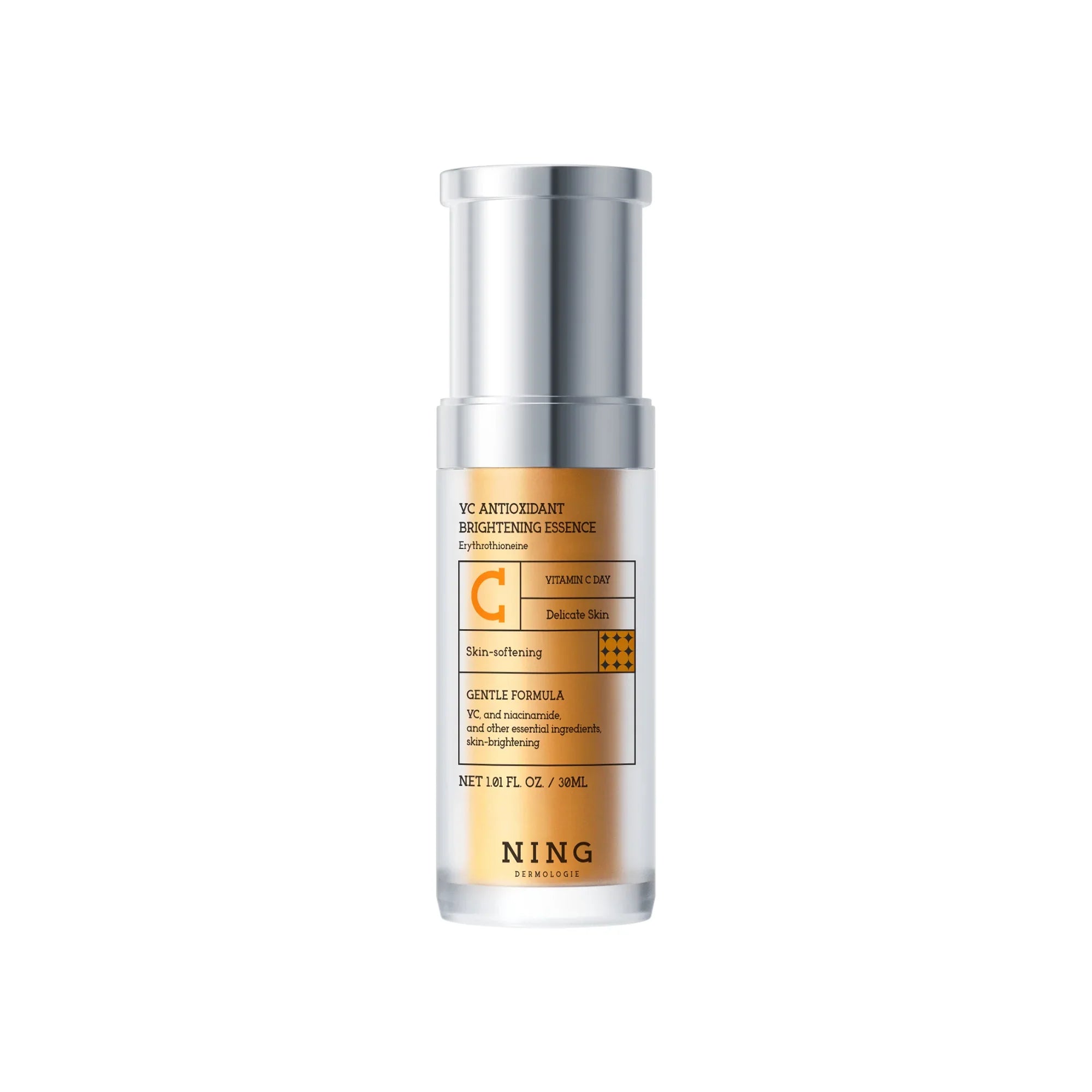
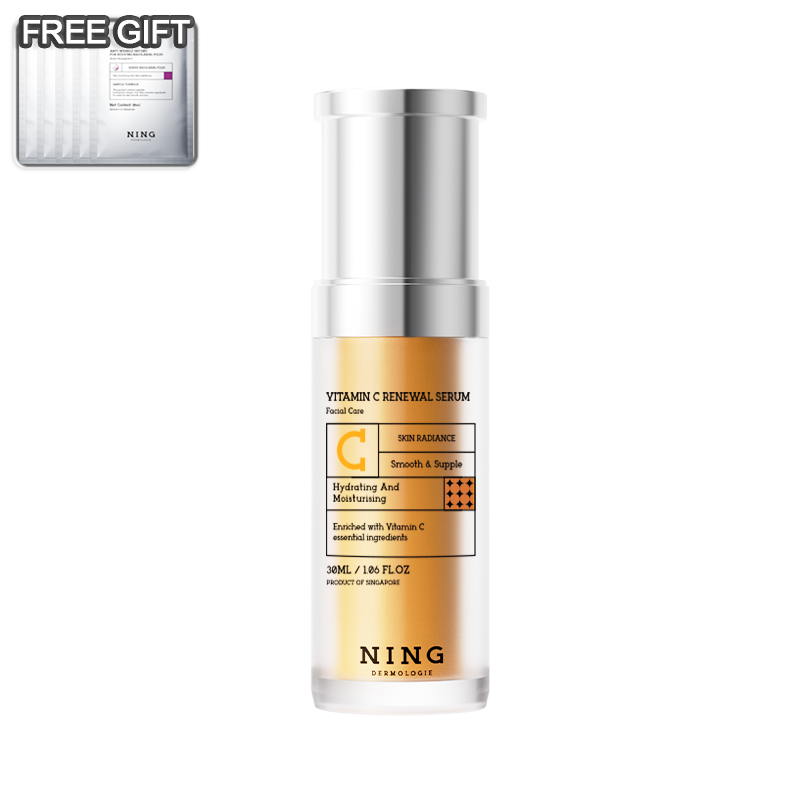
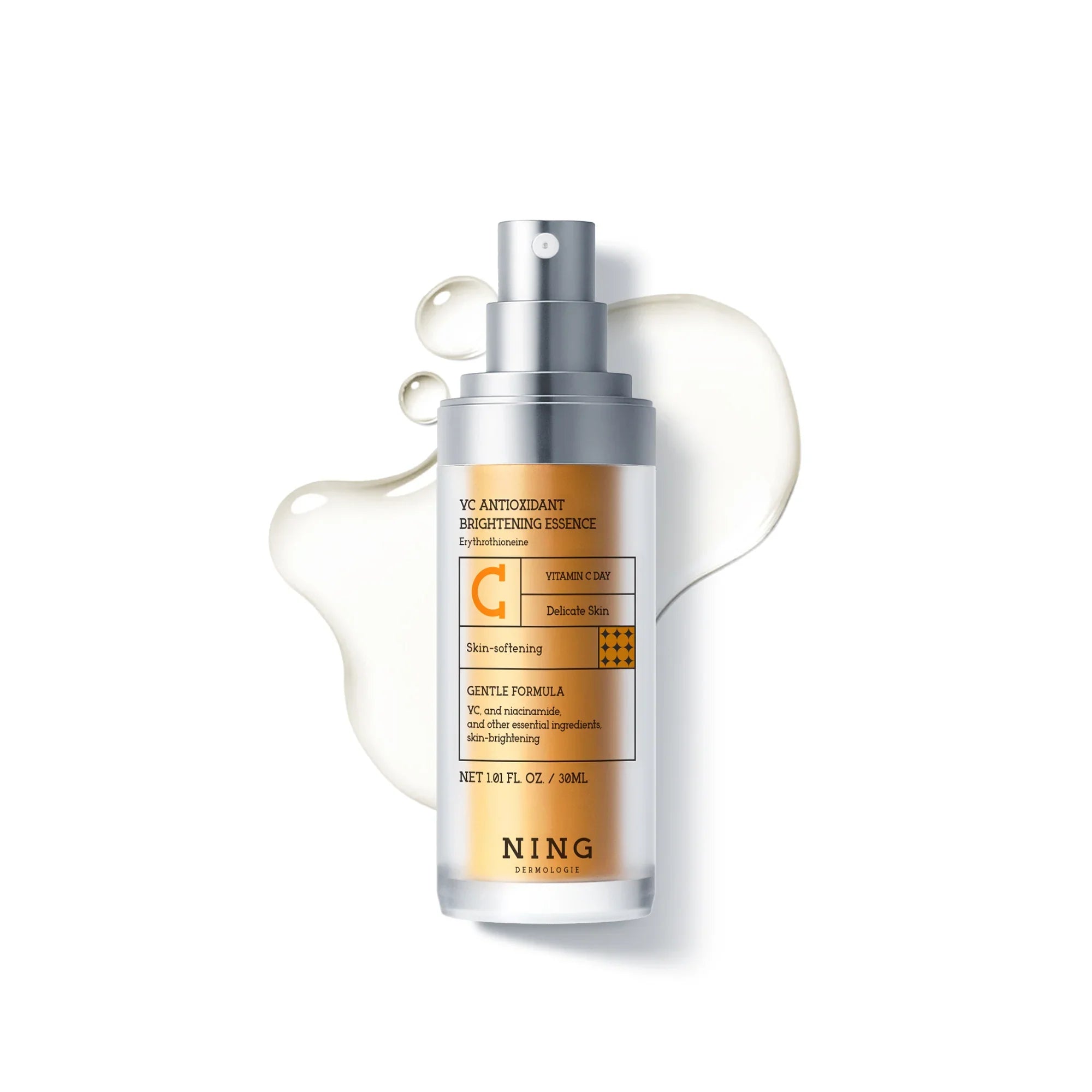
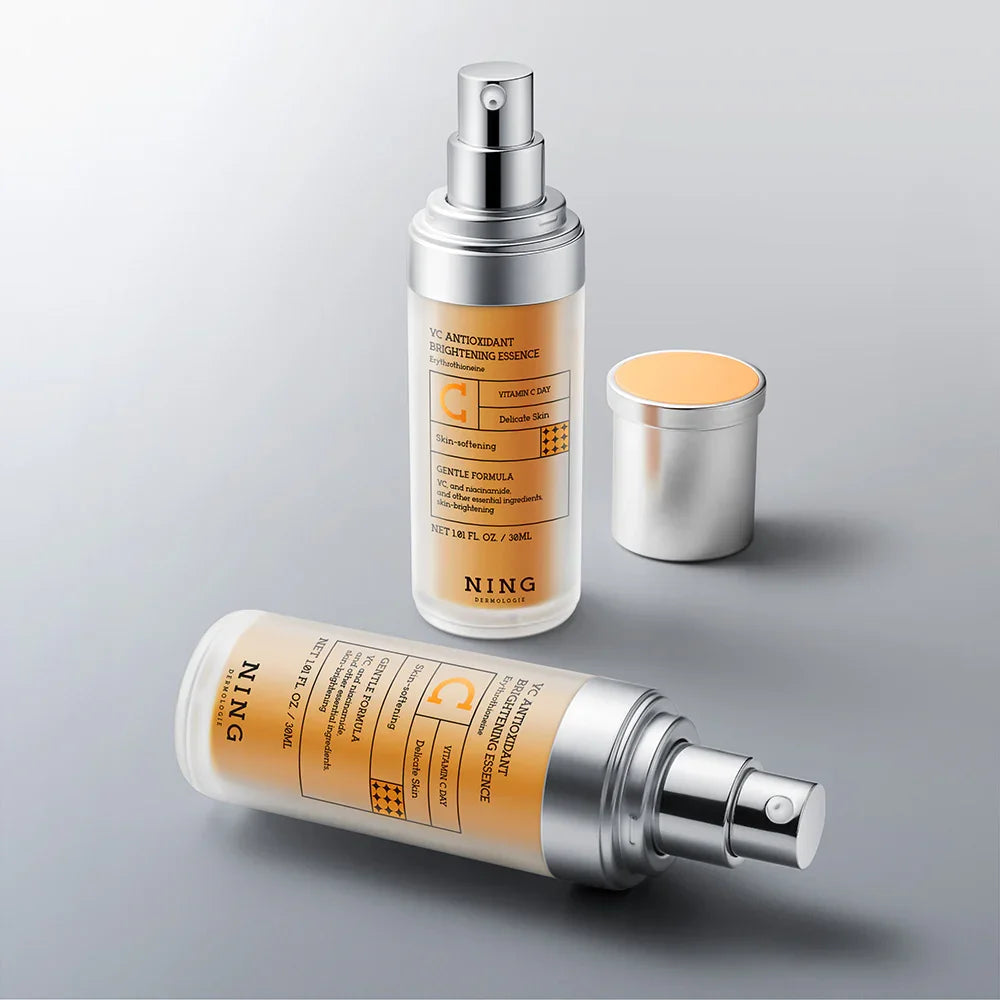
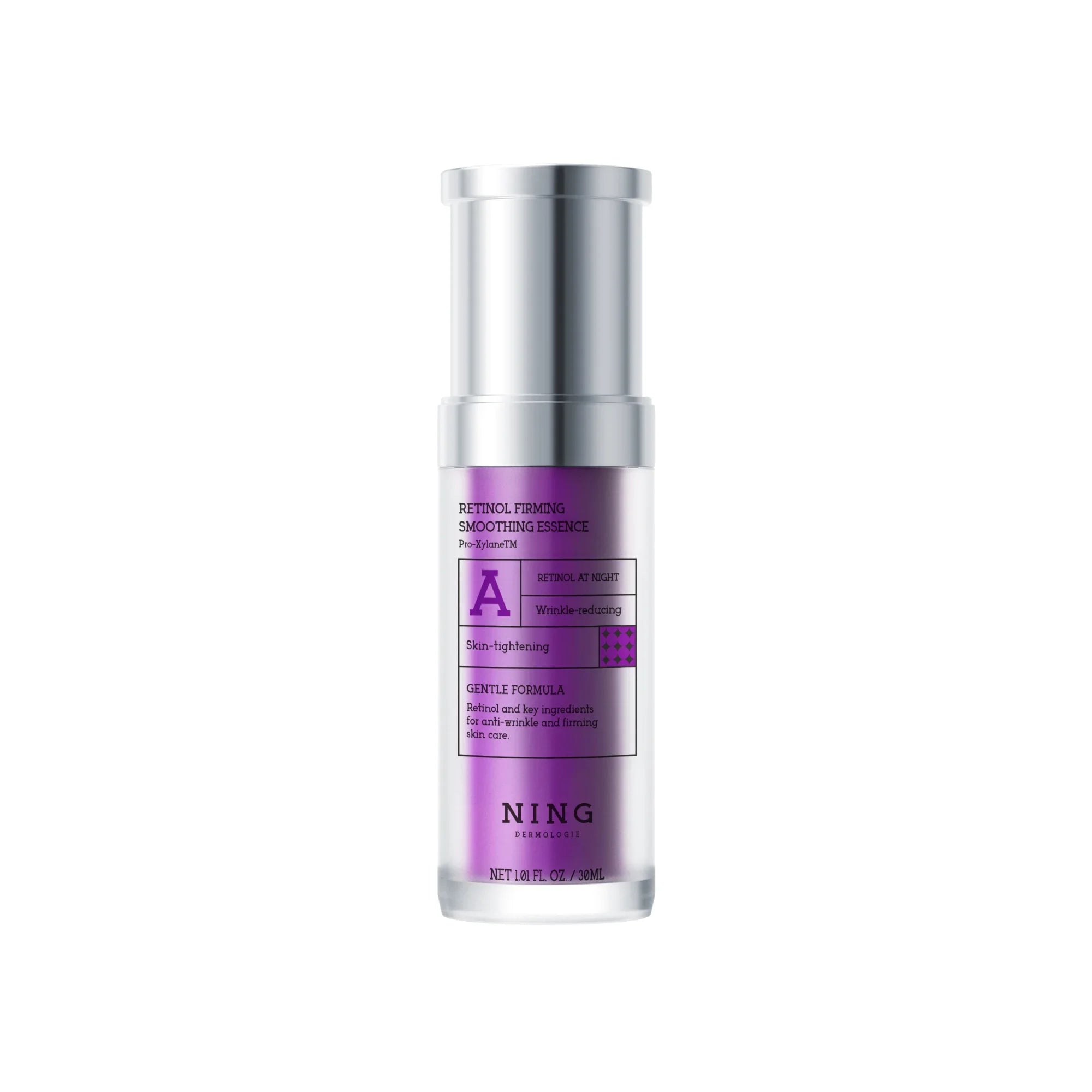
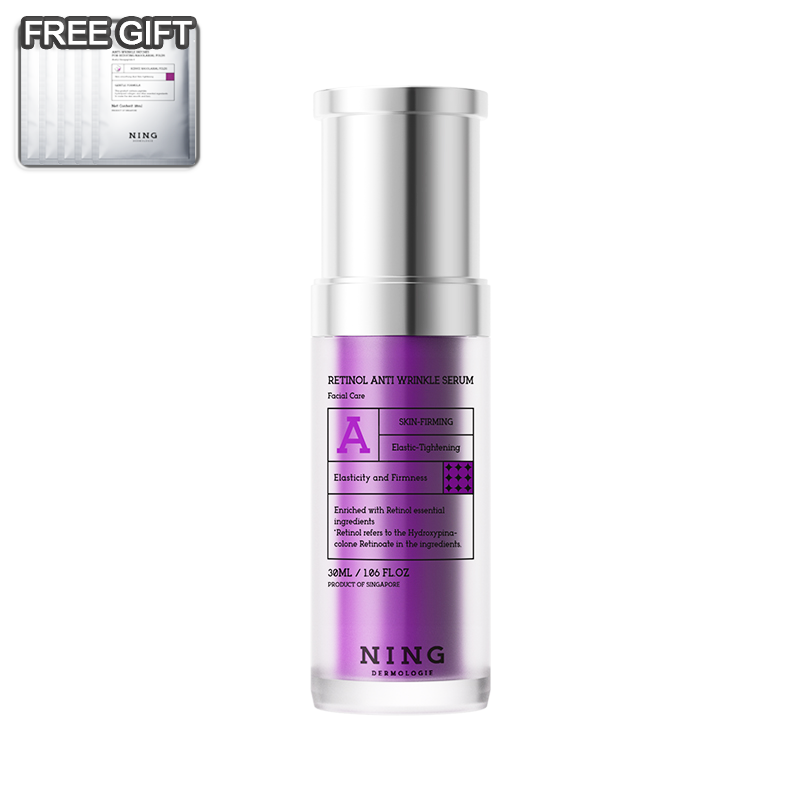
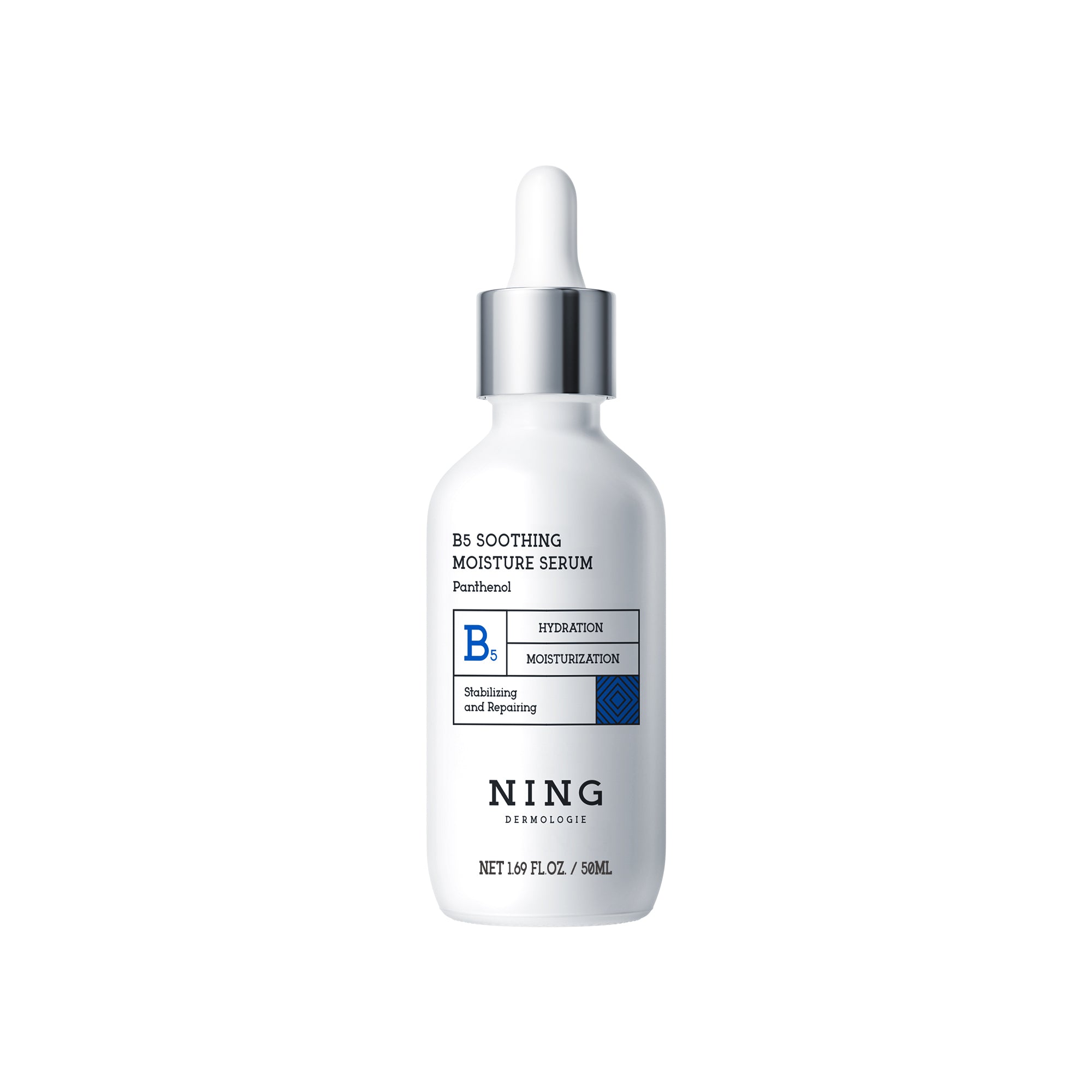
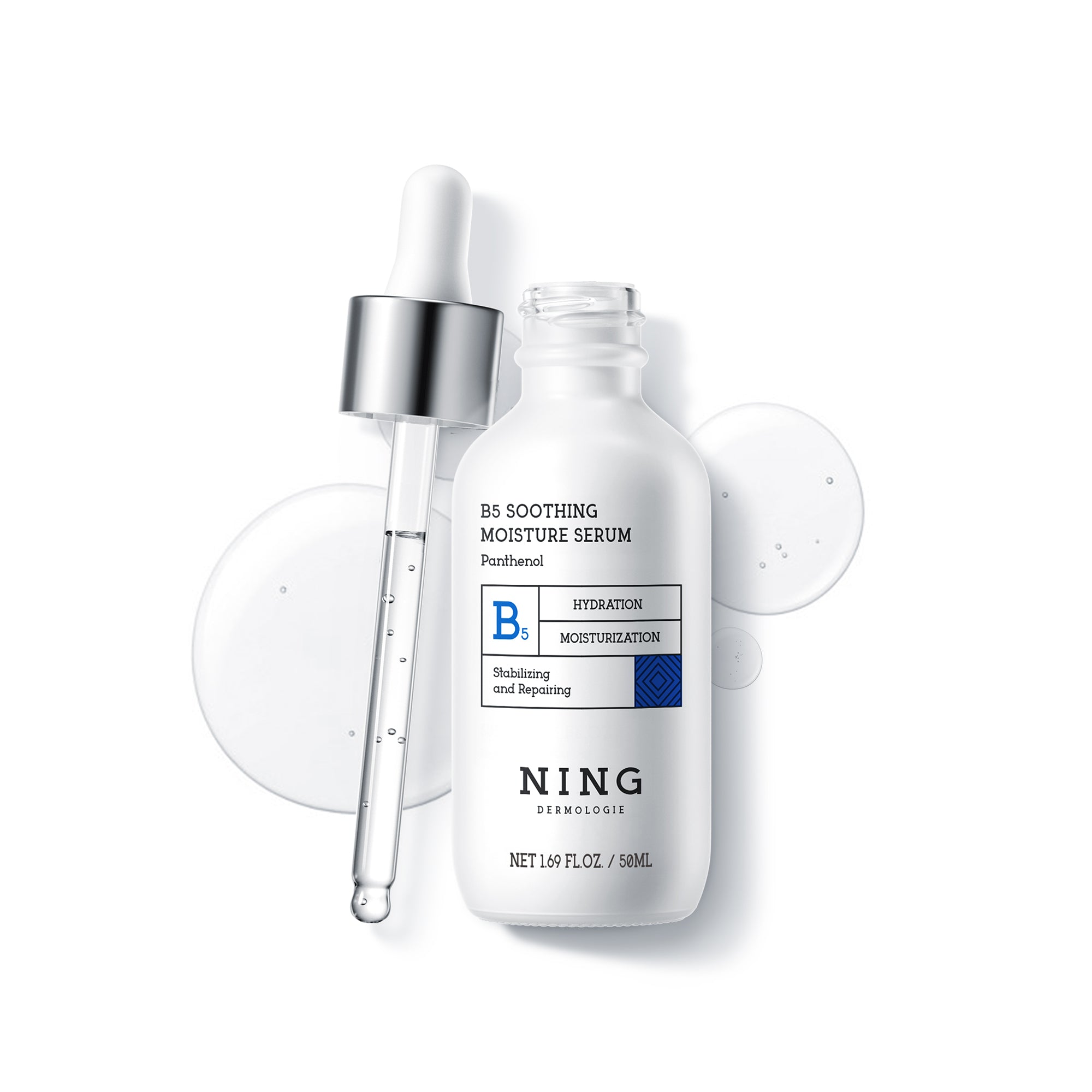
For sensitive skin, we advise caution. A clay mask (especially one with exfoliating acids) is a form of active treatment. Following it immediately with strong actives like high-strength Retinol or Vitamin C might be too stimulating and cause stinging. We suggest using your clay mask on "recovery nights" where you follow up with a hydrating toner, Hyaluronic acid, and a soothing face cream to prioritize barrier repair.
6. Is this mask suitable for dry skin that still has blackheads?
Yes. This is a very common skin profile. You likely have "surface dryness" but oil deep in the pores. Our Clay Mask for Face Sensitive Skin is excellent for this because Kaolin clay is non-stripping. It targets the blackhead and excess oil specifically without depleting the natural oils on the dry surface of your skin. Always apply moisturizer immediately while skin is still damp to lock in hydration.





Share:
Premium Skincare Collection Gift Sets
The Ultimate Guide to DIY Detoxifying Clay Masks at Home