

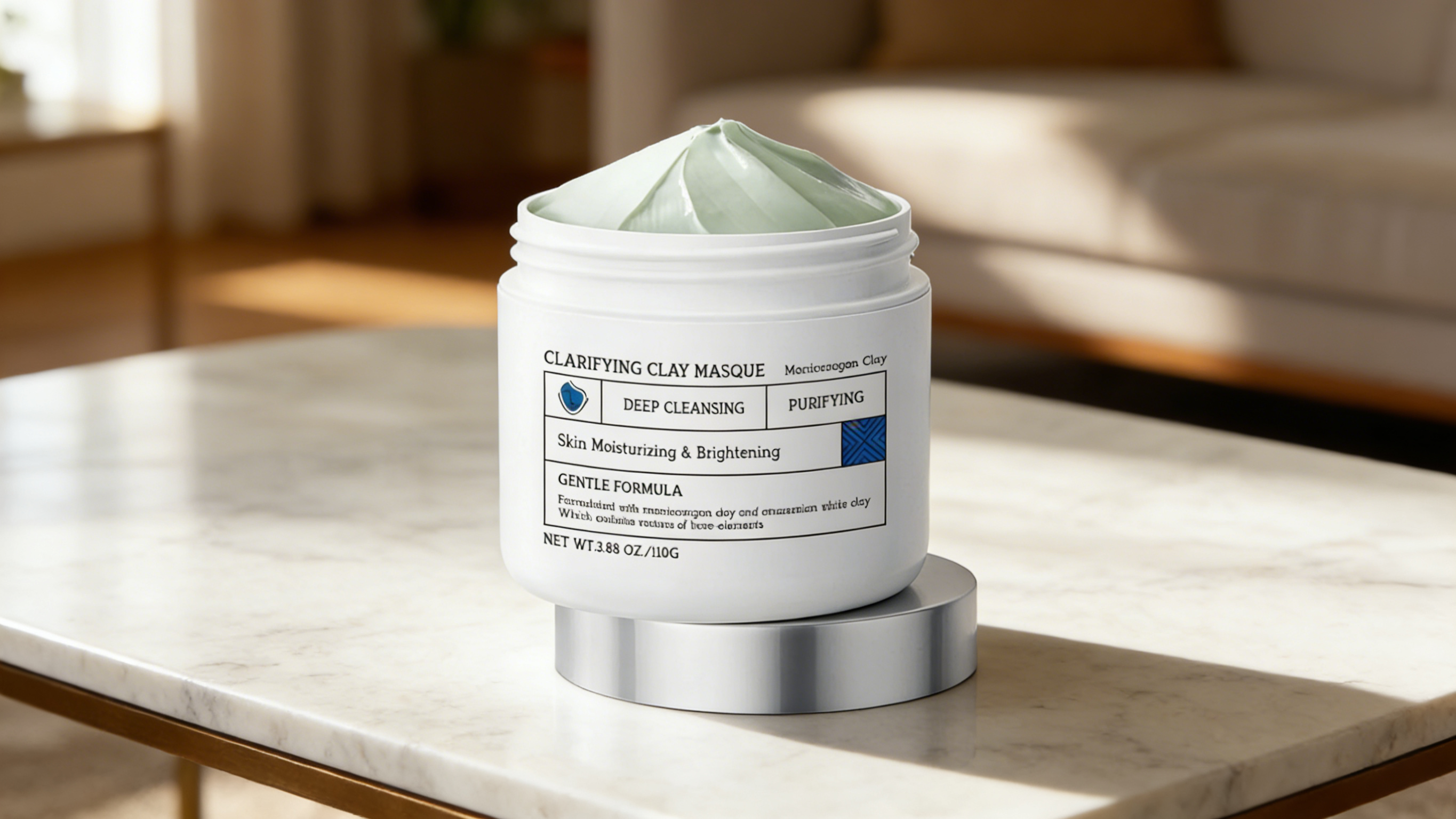

The Ultimate Guide to DIY Detoxifying Clay Masks at Home
There is a distinct feeling you get after a long week—your skin feels heavy, congested, and frankly, a bit dull. While we spend our days formulating clinical-grade products at NING Dermologie, we aren't immune to the primal satisfaction of playing kitchen chemist. There is something undeniably therapeutic about opening the pantry, grabbing a jar of powder, and whipping up a DIY detoxifying clay mask right next to your coffee maker.
But here is the thing about homemade face masks: simple doesn't always mean foolproof.
In fact, after years in the skincare industry, I’ve seen more people wreck their moisture barrier with a poorly mixed mask recipe than I care to count. Internet recipes often lack the nuance of chemistry. They tell you to mix "clay and water" but forget to mention that hard tap water can mess with the minerals, or that letting a bentonite clay mask crack on your face is actually damaging your skin, not "tightening" it.
If you are ready to get your hands dirty (literally) and learn the actual science behind a DIY face mask, you are in the right place. We are going to break down how to detoxify your pores without stripping your face raw, explore the best clay mask recipe for your specific skin type, and discuss why a clay mask is the reset button your complexion is begging for.

The Science of "Gunk": How Clay Actually Works
Let’s skip the marketing fluff. Why do we use a mud mask? It’s not just because it looks cool in selfies.
It comes down to an ionic exchange. Think of cosmetic clays—specifically detoxifying clay varieties like Bentonite or Montmorillonite—as microscopic sponges with a negative electrical charge. Most of the debris clogging your pores (bacteria, toxins, heavy metals, and excess oil) carries a positive charge.
When you mix the clay with liquid and apply it to your face and neck, that wet clay acts like a magnet. It binds to the positively charged gunk. Then, when you wash it off, the impurities go down the drain with the mud. This is why a clay face mask is superior to a basic face wash for deep cleaning; it’s physically pulling debris out of the follicular wall.
A Note on "The Pulse"
If you use a strong bentonite clay, you might feel a weird throbbing sensation. Don't panic. That is the clay contracting as it dries, which stimulates cutaneous blood flow. It’s basically a workout for your capillaries, and it’s a big reason why you look flushed but radiant after you rinse.
Picking Your Powder: Not All Clays Are Created Equal
If you grab the wrong bag of dirt, you’re going to have a bad time. I’ve seen people with dry, sensitive skin try to use full-strength Green Clay and end up red and peeling for days. You need to match the types of clay to your specific skin concerns.
1. Bentonite Clay (The Vacuum Cleaner)
This is volcanic ash. It’s the heavy hitter. It swells up like a sponge when wet and is incredibly absorbent.
- Best for: Oily skin, severe congestion, and acne-prone skin.
- The Catch: It has a high pH (alkaline). If you mix this with plain water, it can disrupt your skin's acid mantle. You need an acidic mixer (like vinegar) to balance it.
2. Kaolin Clay (The Soft Blanket)
Usually white or pink. It’s fine-grained and doesn’t suck the life out of your skin. It gently polishes and absorbs just enough oil to leave you matte but not dehydrated.
- Best for: Sensitive skin or dry types.
- Our Take: This is the baseline we often look at for gentle formulations, similar to the philosophy behind our Clay Mask for Face Sensitive Skin. It effectively cleanses without the drama.
3. French Green Clay (The Mineral Shot)
This stuff is literally green because of the decomposed plant matter (phytonutrients) and iron oxides. It’s fantastic for circulation.
- Best for: Normal to oily skin that looks tired or sallow.
4. Dead Sea Mud (The Hydrator)
Okay, technically a mud, not a dry clay. It’s rich in magnesium and salt. Unlike dry clays that suck moisture out, Dead Sea mud can actually help improve skin barrier function.
- Best for: Anti-aging and rough texture.
The "Do Not Do This" List
Before we get to the mixing, we need to set some ground rules. These are the things most blog posts won't tell you, but any formulator at NING Dermologie would scream if they saw you doing.
-
Drop the Metal Spoon: Seriously. Put it back in the drawer. Bentonite clay is reactive. If you use a metal spoon or a metal bowl, the clay starts reacting with the metal ions immediately, which reduces its ability to grab toxins from your face. Use wood, glass, or plastic.
-
Stop Using Tap Water: If you live in an area with hard water, the minerals in the tap water can interfere with the clay. Use distilled water or floral water (like rosewater).
-
The "Cracked Earth" Fallacy: You know that feeling when the mask gets so dry you can’t move your face without it cracking? That is bad. Mask dries = skin dies (okay, not dies, but it gets damaged). When the clay gets that dry, it starts absorbing water from your skin cells. You want to remove the mask when it’s sticky, not dusty.
3 Masterclass DIY Clay Mask Recipes
Ready to mix? Here are three skincare recipes that go beyond the basic "add water" advice. These are balanced to ensure your easy DIY session is actually effective.
Recipe 1: The "Volcano" Detox (For Deep Congestion)
This is the classic detox face mask. We call it the volcano because of how it fizzes when you mix it.
What you need:
- 1 tbsp Bentonite clay
- 1 tbsp Raw Apple Cider Vinegar (ACV)
- 1 drop Tea tree essential oil (Optional, for acne)
The Method: Dump the clay in a glass bowl. Pour the ACV on top. Watch it foam—that’s the acid neutralizing the alkaline clay. Mix it with a wooden stick until the lumps are gone. It should look like a smooth mousse.
Why it works: The ACV brings the pH down to roughly 5.5, which matches your skin. The tea tree oil kills bacteria. This acts as a powerful scrub for your pores.
Recipe 2: The "Sunday Morning" Soothe (For Sensitive Faces)
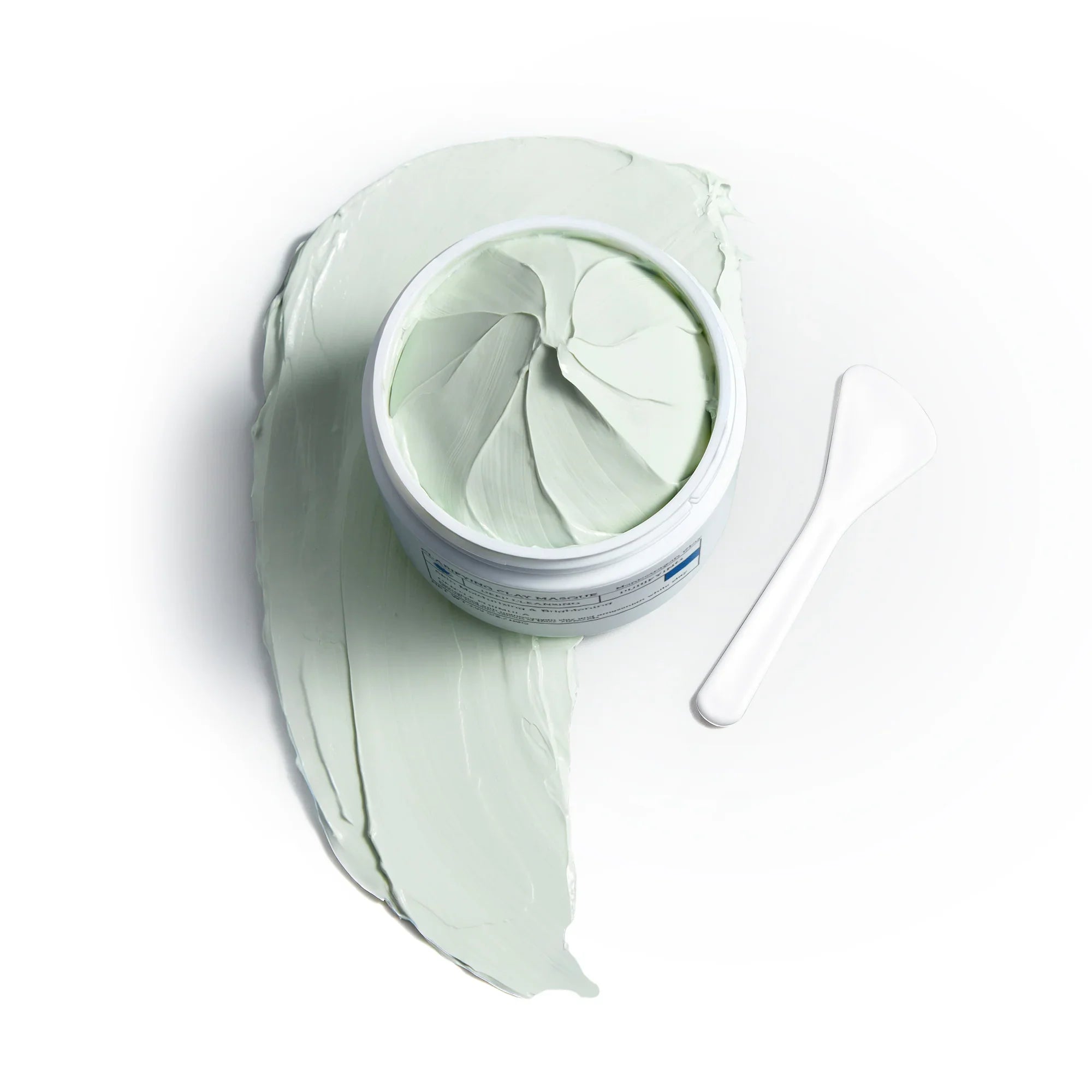
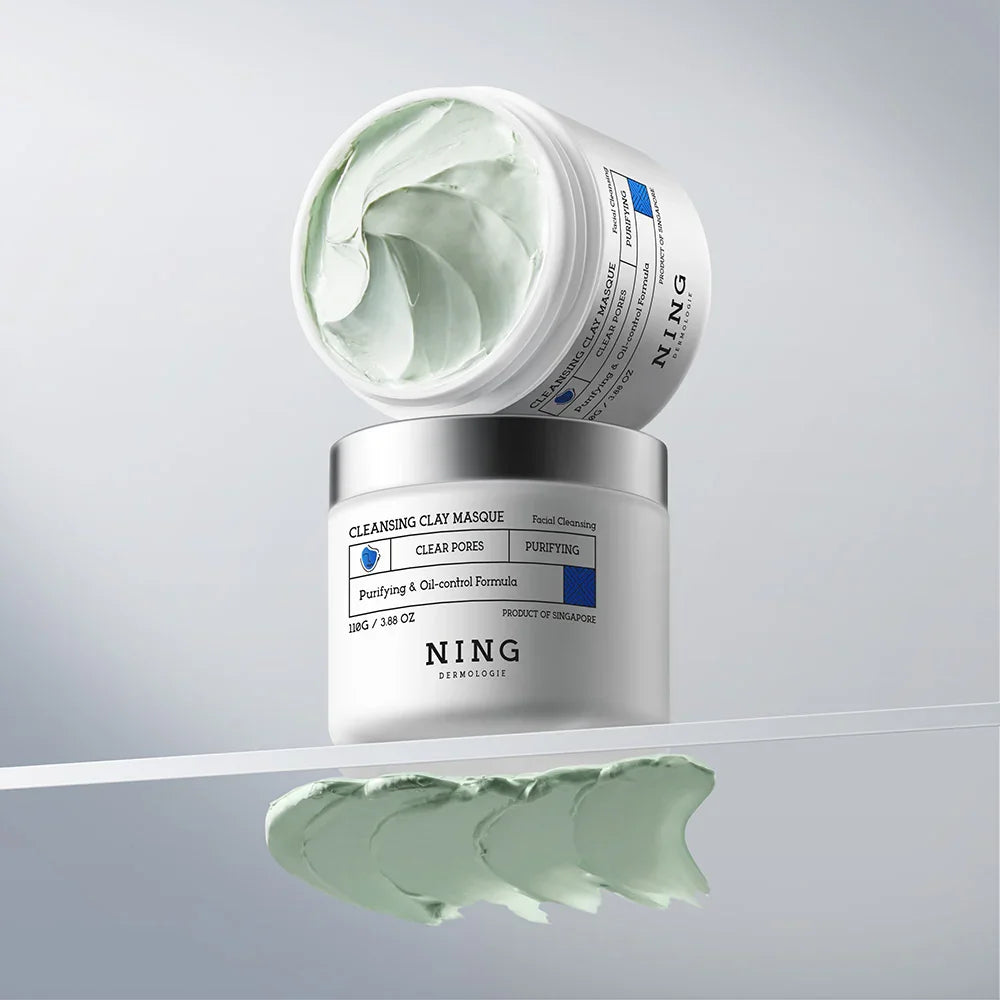
If the first recipe sounds too intense, or if your skin gets red easily, try this. It mimics the texture of a professional product like our Clay Mask for Face Sensitive Skin.
What you need:
- 1 tbsp White Kaolin clay
- 1 tsp Honey (Raw is best)
- 1 tsp Aloe Vera Gel
- A splash of Rosewater or Chamomile tea
The Method: Mix the clay and liquids first. Then fold in the honey. Honey is a humectant, meaning it grabs moisture and holds it to your skin.
Why it works: You get the gentle cleaning of the clay face mask, but the honey and aloe vera buffer the skin, preventing dryness. It leaves your skin soft and plump.
Recipe 3: The Texture Fixer (Exfoliating Mud)
This is a DIY mud mask hybrid designed to physically smooth out rough patches.
What you need:
- 1 tbsp French clay or Dead Sea mud
- 1 tsp Yogurt (Unsweetened)
- 1 tsp Finely ground oatmeal
The Method: Mix everything into a paste. The lactic acid in the yogurt eats away dead cell glue, while the oatmeal physically buffs the skin when you rinse.
Why it works: It’s a double whammy of chemical and physical exfoliate action. Perfect for natural skincare lovers who want instant smoothness.
How to Customize Your Brew
The beauty of making natural products is customization. Once you have your base clay mask recipe, you can play with additives.
- Essential Oils for Skincare: Be careful here. Add essential oils sparingly. One drop is usually enough for a single face application. Lavender essential oil is great for calming; Tea Tree is great for breakout control.
- Oils for Moisture: If you have dry skin, add a few drops of Jojoba or Rosehip oil into the clay. This creates an emulsion that is much more forgiving on the skin barrier.
- Liquids: Don't limit yourself to water. Green tea (antioxidants), milk (lactic acid), or even carrot juice (Vitamin A) can replace the water in your mask recipe.

The Application Ritual (Do It Right)
You’ve mixed your fresh ingredients. Now, how do you get it on your face without making a mess of the bathroom?
-
Prep: Tie your hair back. Cleanse your face. Warm water is best here to soften the oil in your pores.
-
Apply: Use a flat foundation brush or your fingers to paint a thick layer. Don't be stingy. A thin layer dries too fast. Avoid the eyes and lips—the skin there is too thin for detoxifying properties of clay.
-
Wait: Set a timer for 8 to 10 minutes.
-
Touch Test: Touch the mask. Is it tacky? Good. Is it flaking off? You waited too long.
-
Removal: This is crucial. Do not just splash water; you'll be scrubbing forever. Soak a washcloth in warm water and hold it against your face for 30 seconds to re-hydrate the clay. Then, gently wipe it away.
-
Aftercare: Rinse off with warm water to get the last bits. Your skin is now essentially "naked." You need to put a barrier back on immediately. Apply your toner, face serum, and a heavy moisturizer right away.
When to Call in the Pros
Look, we love a good DIY recipes session. But there are limits.
Kitchen cosmetics are great for immediate use, but they lack stability. You can't put a homemade mud mask in a jar and expect it to be good next week. It will grow bacteria that you can't see.
Also, achieving the perfect texture with raw ingredients is hard. It’s often gritty. If you want the benefits of clay but hate the mess, or if you have super reactive skin that can't handle raw apple cider vinegar, that is when you switch to professional skincare products.
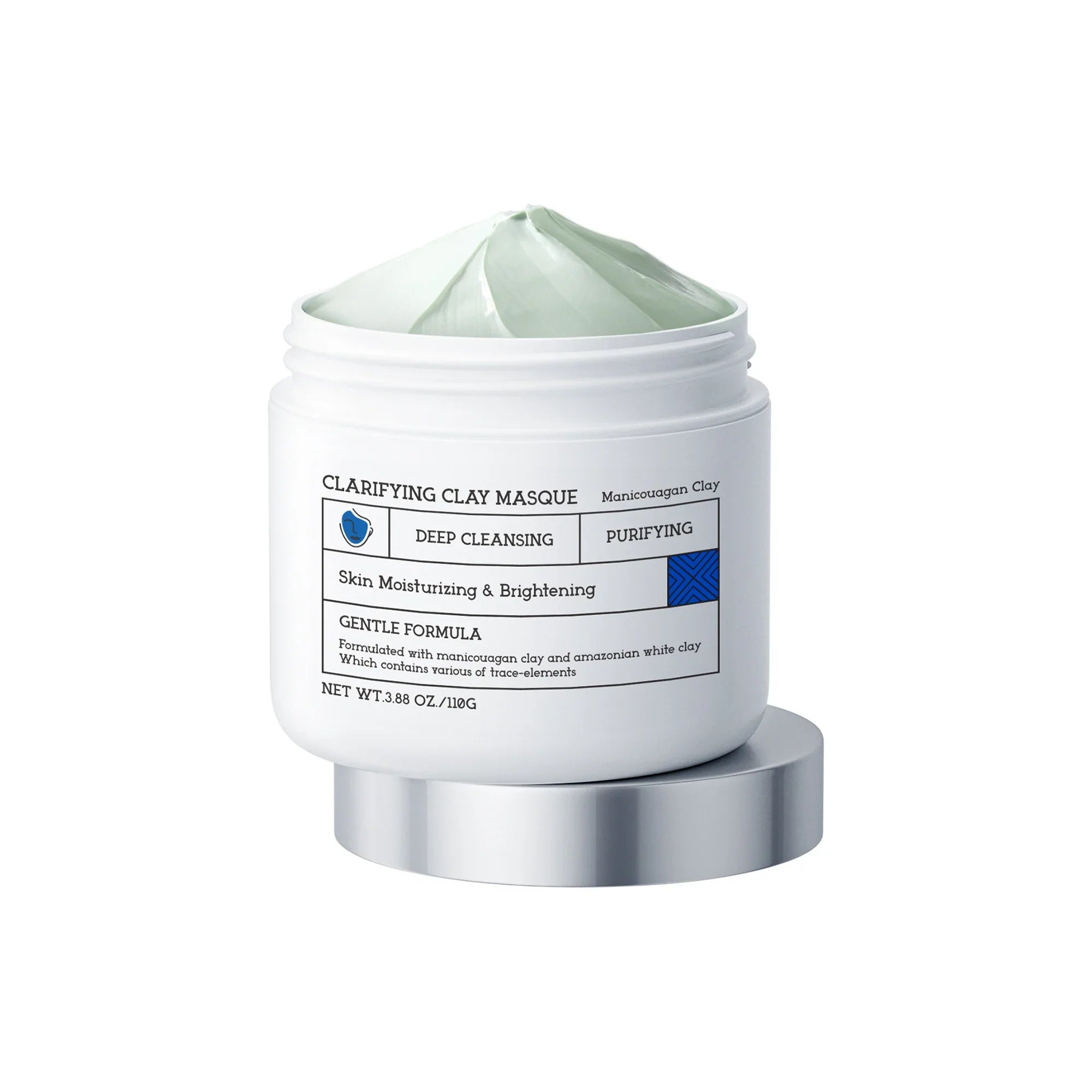
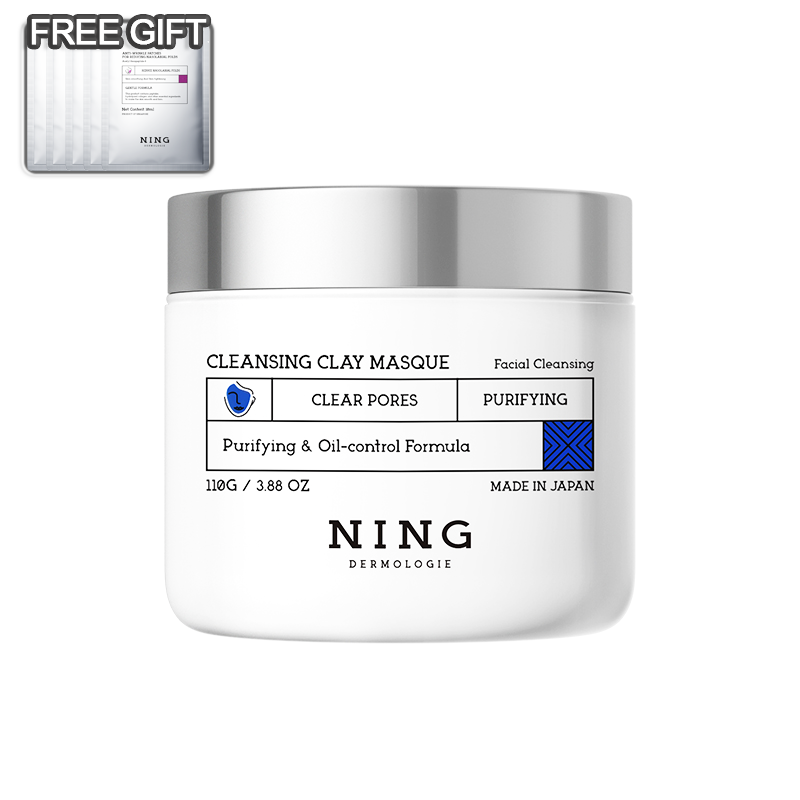
Formulations like the Clay Mask for Face Sensitive Skin from NING Dermologie are designed to give you that deep clean without the risk of irritation. We balance the clays with lab-tested soothing agents so you get the detox without the dehydration.
Final Thoughts: Consistency is Key
Whether you are mixing up mask ideas in your kitchen every Sunday or using a pre-made tube, the secret to beauty products is routine. A detoxifying clay mask used once won't fix a year of bad habits. But used weekly, it keeps your pores clear, your texture smooth, and your skincare routine effective.
So go ahead, grab that jar of bentonite, find your wooden spoon, and treat your skin to a fresh start.
Frequently Asked Questions (FAQ)
1. Can I save my leftover DIY mask for later?
No, absolutely not. Because your diy face mask contains water and fresh food ingredients (like yogurt or honey) but zero preservatives, it is a bacterial time bomb. Even in the fridge, mold can start growing within 24 hours. Always make enough for just one session and toss the rest. It’s safer to mix a fresh batch every time.
2. How do I know which essential oils are safe?
When you add essential oils, stick to the classics: Lavender, Tea Tree, and Chamomile. Avoid "hot" oils like Cinnamon, Oregano, or Lemongrass on your face, as they can cause chemical burns. And always, always dilute them in the clay mix—never apply them neat. If you have sensitive skin, skip the oils entirely.
3. My face gets really red after a clay mask. Is that bad?
It depends on the red. A light pink flush is normal—that’s the clay mask stimulating blood flow (vasodilation). It should fade in 30 minutes. However, if your skin is bright red, stinging, or hot to the touch, you’ve irritated your barrier. This usually means the mask was too alkaline (did you forget the vinegar with the bentonite?) or you left it on until it cracked.
4. Can I use a clay mask if I have dry skin?
Yes, but you have to be smart about it. Skip the Bentonite and go for White Kaolin clay. Instead of mixing it with water, mix it with milk, yogurt, or add a few drops of facial oil. This turns the mask recipe into a creamy, hydrating treatment rather than a drying one. Limit use to once every 10 days.
5. Why shouldn't I use a metal bowl?
It sounds like a myth, but it’s chemistry. Bentonite clay is negatively charged. Metal carries a charge that can interfere with the clay's magnetic pull. While using a metal spoon once probably won't ruin the mask completely, it does make the detoxify process less effective. Stick to wood, ceramic, or glass to get the full benefit.
6. Do I really need Apple Cider Vinegar? Can't I just use water?
If you are using Bentonite clay, yes, you really should use ACV. Bentonite is alkaline (pH 8-9). Your skin is acidic (pH 4.5-5.5). Water creates a lumpy, high-pH mud that dries out your skin. The vinegar reacts with the clay to create a smooth, pH-balanced mousse that is much gentler on your face. For other clays like Kaolin, plain warm water is fine.





Share:
Premium Skincare Collection Gift Sets
Soothe and Purify: Sensitive Skin-Friendly Clay Masks You Need to Try