


DIY vs. Store-Bought: The Pros and Cons of Building Your Own Skincare Routine
We've all been there. You are in the middle of a brightly lit beauty aisle, maybe at Sephora or a local store, looking at a wall of skin care products. There are hundreds of bottles that promise to make your skin glow, stop aging, and keep it hydrated for days. It is overwhelming.
Then, you open social media and see a viral video of someone whisking up a DIY beauty mask in their kitchen using honey, yogurt, and oatmeal. They claim it is the best skincare they have ever used. Suddenly, you are torn. Should you invest in scientifically formulated store-bought skincare, or should you head to the kitchen and make your own skincare?
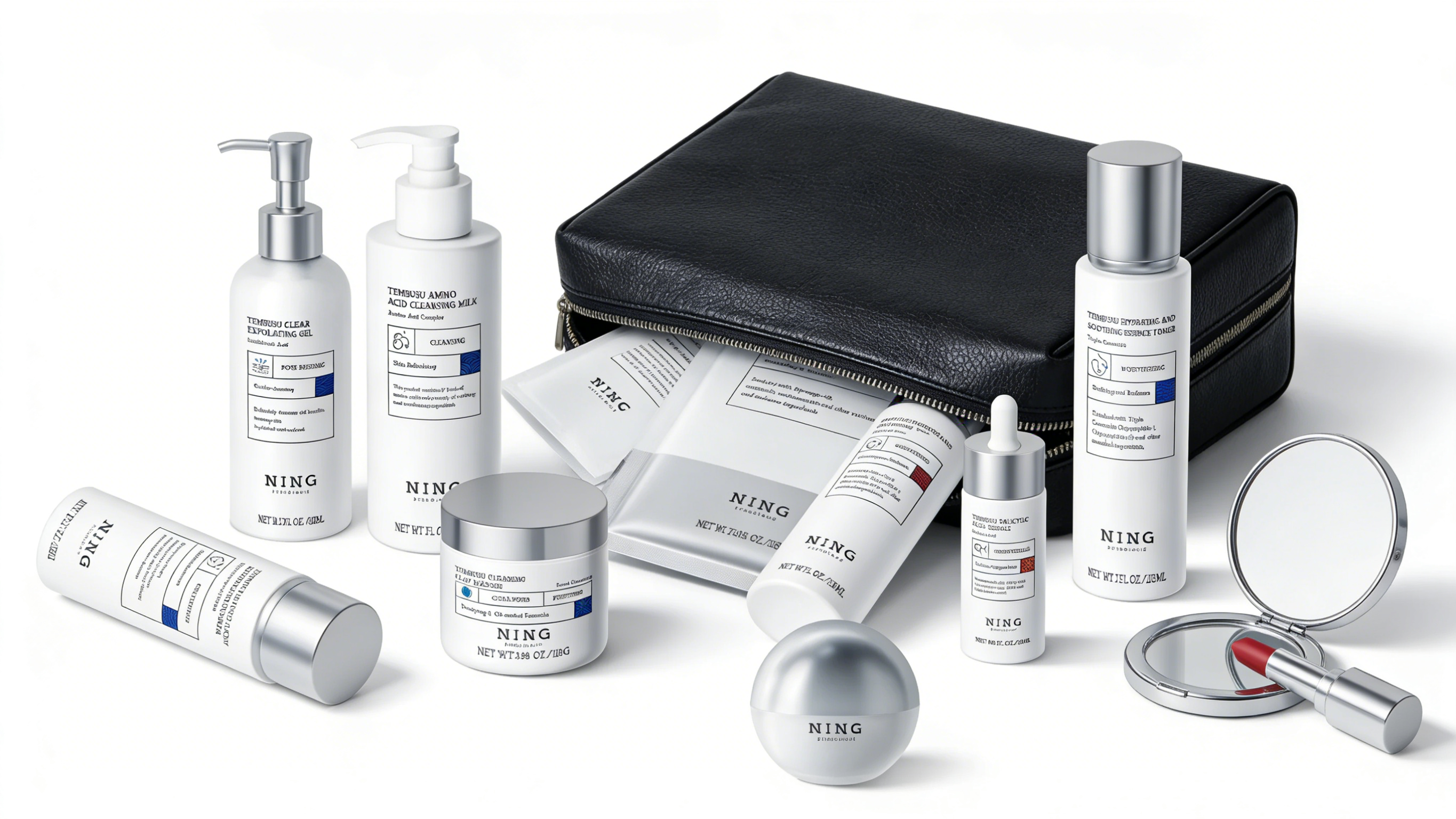
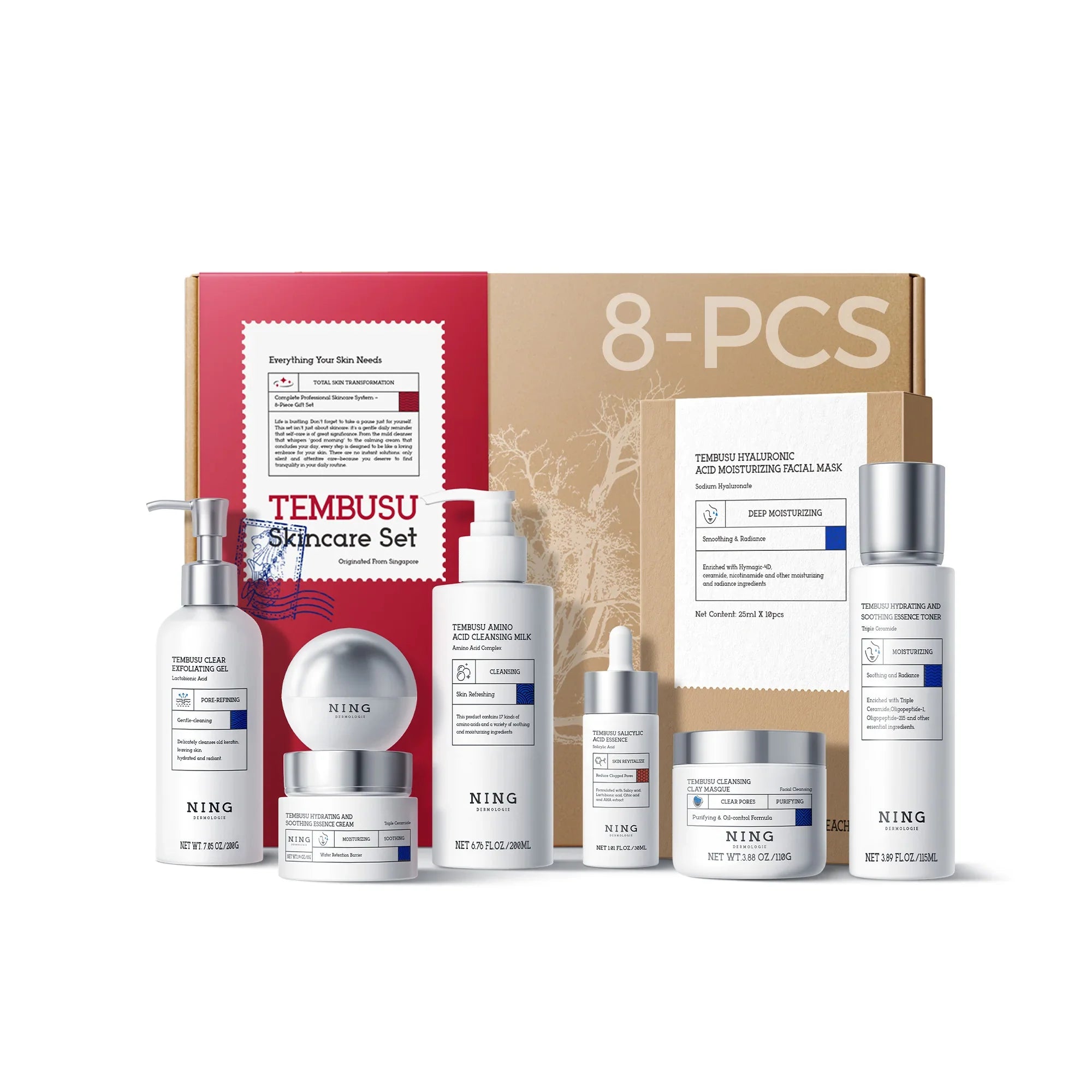
The debate of DIY vs. Curated isn't just about price; it is about safety, efficacy, and ultimately, results. Whether you are battling acne, trying to soothe sensitive skin, or looking to brighten a dull complexion, the path you choose matters. Let’s break down the pros and cons of DIY skin care versus professional store-bought options, and look at why a curated approach, like the TEMBUSU 8-Step Routine Skincare Set from NING Dermologie, might be the holy grail you have been searching for.

The Allure of the Kitchen Chemist: Understanding DIY Skincare
What is a Skincare Routine when you make it yourself? For many, DIY skincare represents ultimate control. When you make a product at home, you know exactly what is in the jar. There are no hidden chemicals, no unpronounceable additives, and usually no fragrance that might irritate your skin.
The Upside: Why Choose DIY?
The biggest draw of making your own skincare products is the customizable nature of the ingredients. If you have dry skin, you might reach for heavy oils. If you are prone to inflammation, you might crush up aspirin for a spot treatment (though dermatologists often advise against this!).
DIY offers a sense of empowerment. You can tailor a scrub using coconut oil and sugar to exfoliate your legs, or mix essential oils like tea tree into a carrier oil for a pimple treatment. For lip balm or simple body butters, DIY recipes can be fantastic, cost-effective, and fun. It feels like a return to natural products and ancient home remedies.
The Downside: The Hidden Dangers of DIY Beauty
However, there is a harsh reality to making my own DIY face creams. Skincare is chemistry, not cooking.
The most significant risk with DIY products is the lack of a preservative system. Water-based products (like a toner or aloe gel) are breeding grounds for bacteria and mold within days if not properly preserved. A preservative isn't a "toxic ingredient"; it is a safety belt. Without it, that natural skincare potion could cause a severe infection.
Furthermore, formulating is difficult. Getting oil and water to mix into a luxurious cream requires emulsifiers and precise heating phases. DIY skincare products often lack stability. They might separate, oxidize, or spoil quickly because they have a very short shelf life.
Additionally, "natural" doesn't always mean safe. Lemon juice and baking soda are common ingredients in homemade beauty products, but they can damage your skin's acid mantle, which can cause burns and make your skin more sensitive. Essential oils are potent and can cause chemical burns if not diluted correctly. You might think you're making a skin care routine just for you, but you could be making a recipe for dermatitis.
Store-Bought Skincare: The Science of Consistency
On the other side of the spectrum, we have store-bought skincare. These are the products you buy off the shelf, from a simple cleanser to a high-tech serum.
Why Dermatologists Lean Towards Store-Bought
When you ask for dermatologist recommendations, they almost rarely suggest kitchen concoctions. Why? Because commercial items and products undergo scientific testing.
Store-bought skincare products are formulated by chemists who understand molecular weight, pH balance, and active ingredient stability. If you buy a retinol cream or a peptide serum for signs of aging, the formulation ensures that the active ingredients penetrate the skin rather than just sitting on top of it.
Brands like NING Dermologie invest heavily in research to ensure their products work best for specific skin types. They use broad-spectrum SPF in their sunscreen to protect your skin from UV rays, something you simply cannot make at home reliably. You can't DIY a verified SPF rating!
The Limitations of the Aisle
However, the store-bought world isn't perfect. It can be confusing. Mixing different products from different brands can sometimes lead to reactions. For example, using a strong acid toner from Brand A followed by a retinol form Brand B might destroy your barrier. This is where the "Curated Set" becomes the hero of our story.
The Case for the Curated Set: Enter NING Dermologie
If DIY is too risky and buying random store-bought bottles is too confusing, what is the solution? The answer lies in a professionally curated skincare routine.
This is where NING Dermologie bridges the gap. We understand the desire for plant-based, cruelty-free, and natural ingredients, but we also respect the need for clinical efficacy.
We developed the TEMBUSU 8-Step Routine Skincare Set to take the guesswork out of your daily regimen. Instead of you trying to figure out which serum plays nicely with which moisturizer, we have done the work for you.
Why a Set Works Better Than Random Selection
-
pH Balance Synergy: Each step in the TEMBUSU set prepares the skin for the next. The cleanser doesn't strip the skin, allowing the toner to balance the pH, which then allows the serum to penetrate deeper.
-
Targeted Results: This set is designed to nourish, hydrate, and brighten. It targets fine lines and dullness without you needing to play chemist.
-
Comprehensive Care: It covers everything from the oil cleanser step (essential for removing makeup and sunscreen) to the final layer of protection.

Breaking Down the Routine: DIY vs. NING Dermologie
Let's look at the specific steps in a routine and compare the pros and cons of DIY versus a formulated product like TEMBUSU.
1. Cleansing
- DIY: Often involves raw oils (like olive or coconut oil) or harsh soaps. While the oil method is popular, raw oils can be comedogenic, clogging pores in the T-zone and causing hormonal breakouts to worsen.
- NING Dermologie: Our cleansers are formulated with emulsifiers. They grab the dirt and oil but rinse away clean with water, leaving no residue. You get the gentle nature of an oil cleanser without the breakout risk.
2. Toning
- DIY: Apple cider vinegar is the go-to here. But the pH varies wildly, and it can smell pungent and irritate sensitive skin.
- NING Dermologie: Our toners use controlled botanical extracts to soothe and prep the skin, ensuring hydration levels are boosted immediately after washing.
3. Treatments (Serums)
- DIY: This is nearly impossible to do well at home. You cannot stabilize Vitamin C or effectively mix peptides in a kitchen bowl.
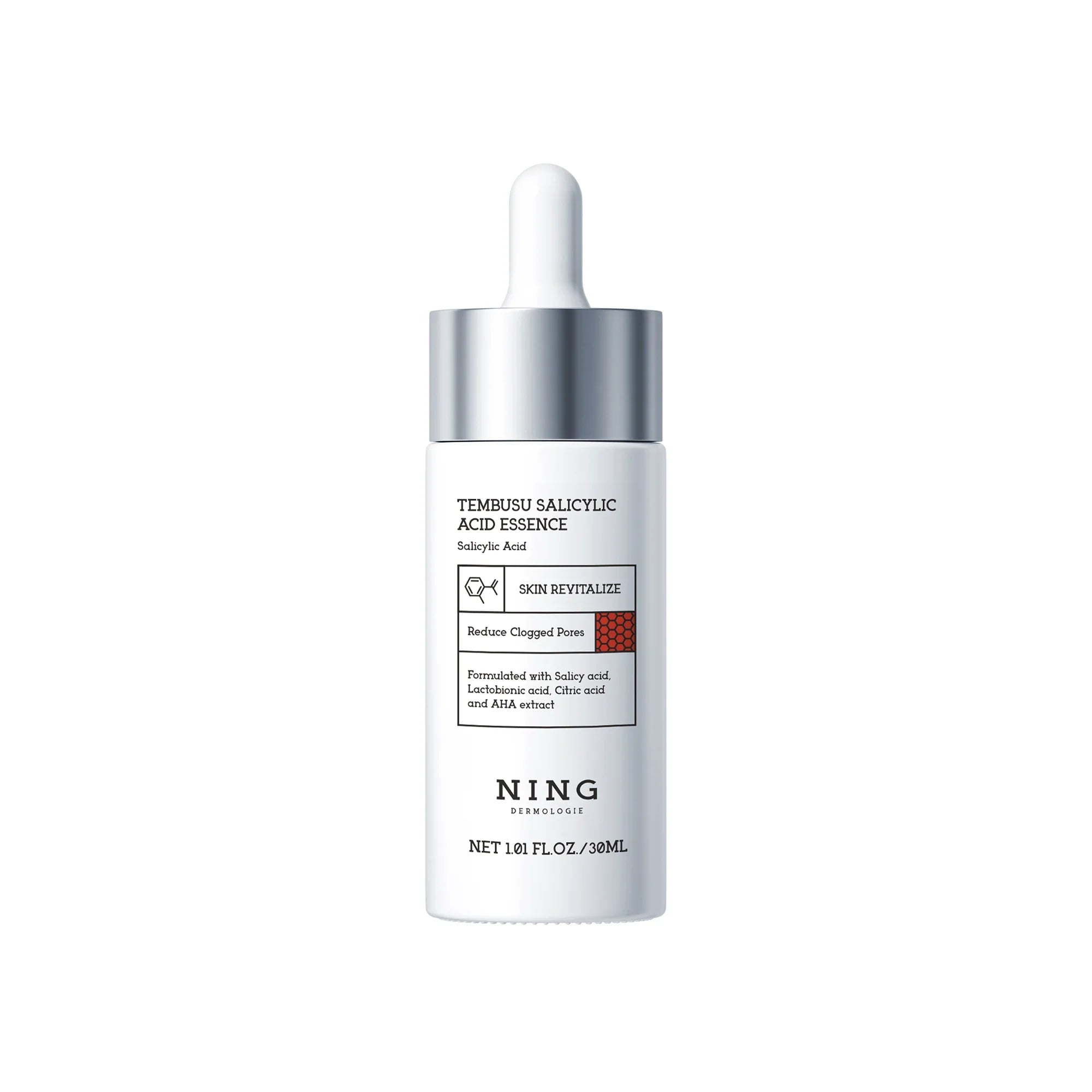
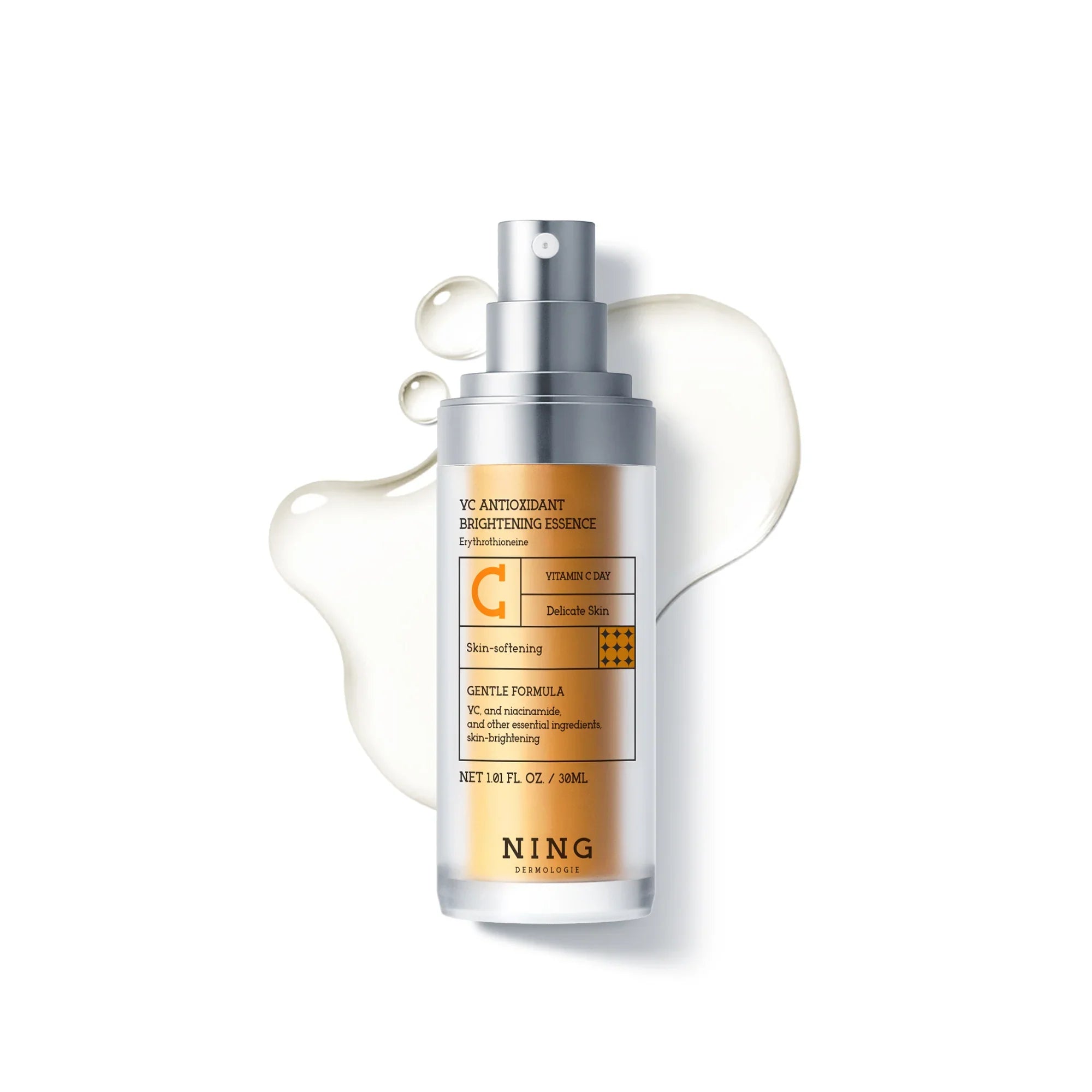
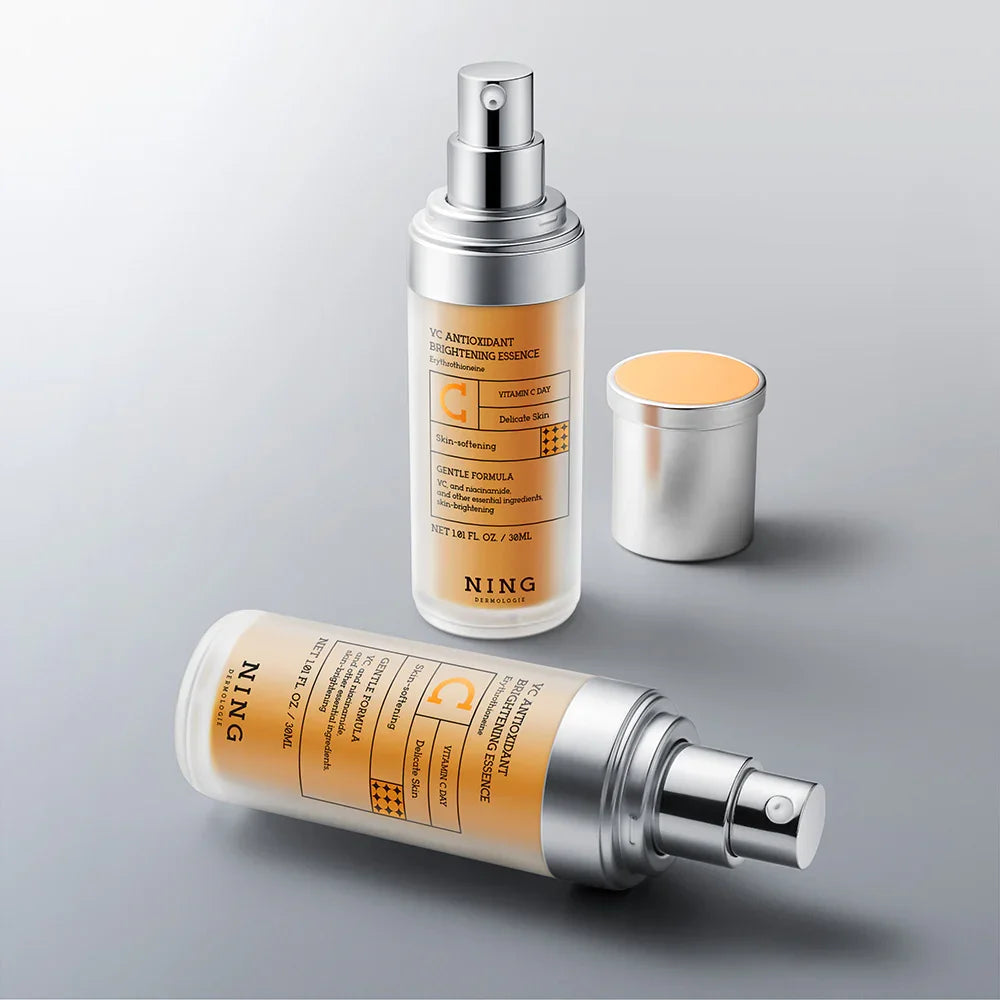
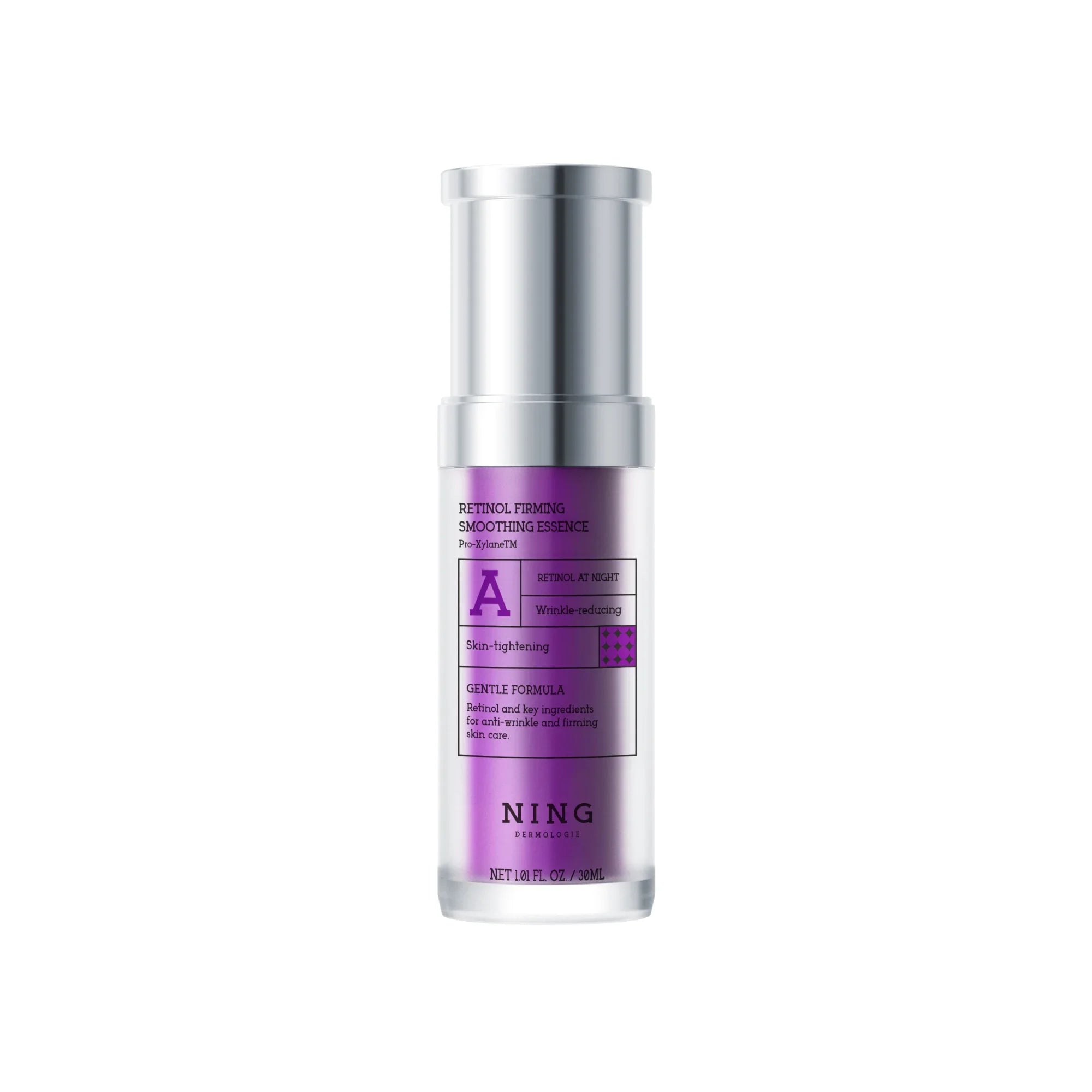
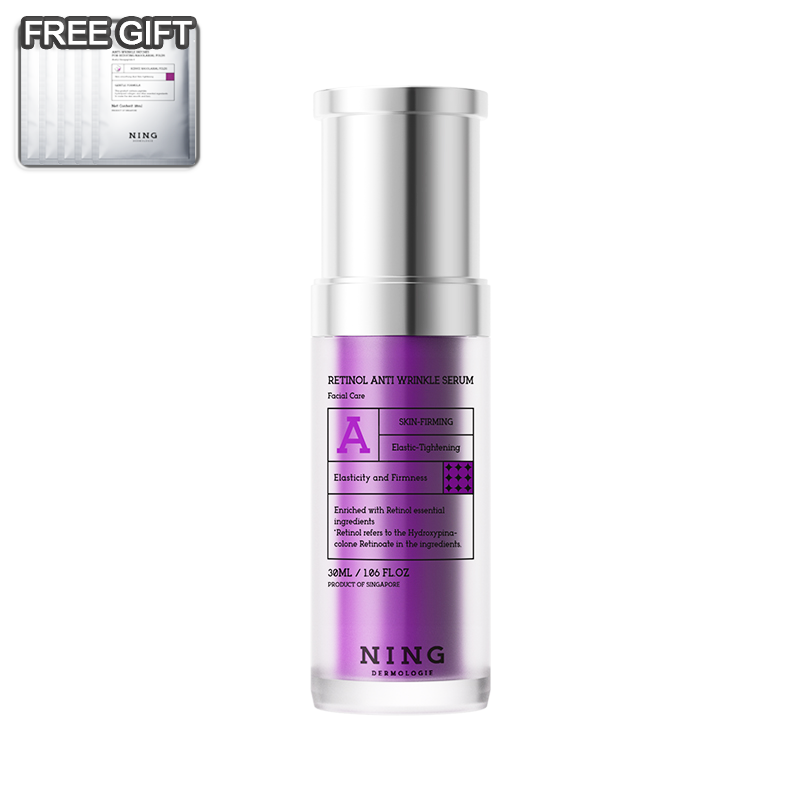
- NING Dermologie: This is where the magic happens. Our serums deliver concentrated actives to address skin concerns like dark spots (tan) or wrinkles. We use proven ingredients that offer noticeable results.
4. Moisturizing
- DIY: Shea butter or oils. These sit on top of the skin (occlusive) but rarely add water (hydration).
- NING Dermologie: A good moisturizer needs humectants (to draw water in), emollients (to smooth), and occlusives (to seal). Our formulas combine these for a texture that feels luxurious, not greasy.
Making Your Decision: What Fits Your Lifestyle?
When you are trying to decide what fits your life, consider your time and your goals.
Choose DIY if:
- You are making simple body products like a foot scrub.
- You have a deep knowledge of ingredients and hygiene.
- You want to make a fresh mask for immediate use (one-time use).
Choose Store-Bought (specifically NING Dermologie) if:
- You want anti-aging results that require clinical actives.
- You have acne, rosacea, or sensitive skin that needs precise, safety-tested formulas.
- You want convenience and consistency.
- You want glowing skin without the risk of chemical burns from essential oils.
The Verdict
While making your own products can be a fun weekend hobby, your daily face care requires reliability. Your skin is your body's largest organ, and it defends you against the world. It deserves a skincare routine that is stable, safe, and effective.
By opting for a curated set like the TEMBUSU 8-Step Routine, you aren't just buying bottles; you are buying a dermatologist-approved strategy. You get the botanical benefits of ingredients like rare plant extracts, but with the high-tech delivery systems of modern science.
Don't let the pros and cons paralyze you. If you want healthy skin that looks radiant for the long haul, trust the experts to handle the formulation so you can enjoy the results.
Frequently Asked Questions (FAQ)
1. Can I combine DIY products with my NING Dermologie routine?
Yes, but be careful. A DIY skincare body scrub is usually fine, but avoid using homemade facial peels or highly acidic mixtures (like lemon juice) alongside professional products. The TEMBUSU 8-Step Routine Skincare Set is made to work together. Adding unstable DIY ingredients could change the pH balance or make things itch. If you want to use a fresh avocado mask every now and then, make sure to wash it off well before you start your evening NING Dermologie routine. This will help the active ingredients get into your skin better.
2. Is coconut oil better than a store-bought moisturizer?
Generally, no. While coconut oil is natural, it is highly comedogenic, meaning it clogs pores easily, leading to acne and blackheads, especially in the T-zone. Store-bought options from NING Dermologie are formulated to be non-comedogenic. They provide hydration using sophisticated ingredients that penetrate the skin barrier rather than just sitting on the surface like heavy oils do. For the face, a formulated moisturizer is always the safer, more effective choice for healthy skin.
3. Why is shelf life important in skincare?
Shelf life dictates how long a product is safe to use. DIY products often lack a preservative system, meaning bacteria and mold can grow within days, even if you can't see them. This can lead to severe skin infections. Preservatives in store-bought skin care products are safe and help the products last longer on the shelf. This keeps them effective and free of bacteria for months. With NING Dermologie, you can trust that the product is as fresh and active on day 30 as it was on day 1.
4. Are natural ingredients in DIY always safe for sensitive skin?
No. "Natural" does not mean hypoallergenic. Essential oils, cinnamon, and citrus juices are common in DIY beauty recipes but are major triggers for sensitive skin. They can cause contact dermatitis or chemical burns. NING Dermologie uses natural ingredients that have been refined and tested to remove impurities and allergens. We utilize the power of nature (like Tembusu extract) but formulate it to be gentle enough for delicate skin types while still delivering effective skin care.
5. Can I make my own sunscreen at home?
Absolutely not. This is dangerous. You cannot verify the SPF level of a DIY mixture of zinc oxide and oil. It creates a false sense of security, leading to severe sunburns and long-term UV damage. Sunscreen requires rigorous lab testing to ensure it provides broad-spectrum SPF protection. Always rely on products undergo scientific testing, like those found in professional lines, to protect your skin from cancer and premature aging.
6. What makes the TEMBUSU 8-Step Set better than mixing different brands?
Mixing brands is a guessing game. You might layer ingredients that deactivate each other (like Vitamin C and Retinol) or double up on exfoliants, damaging your barrier. The TEMBUSU 8-Step Routine Skincare Set is a personalized skincare routine in a box. We have ensured that the pH levels, active ingredients, and textures work in perfect harmony. It eliminates the risk of incompatibility, saving you money and saving your skin from stress, offering the best skincare experience.





Share:
Best Skincare For Women: Hydrate for Best Facial Skincare
DIY Green Clay Mask Recipes for Glowing Skin