

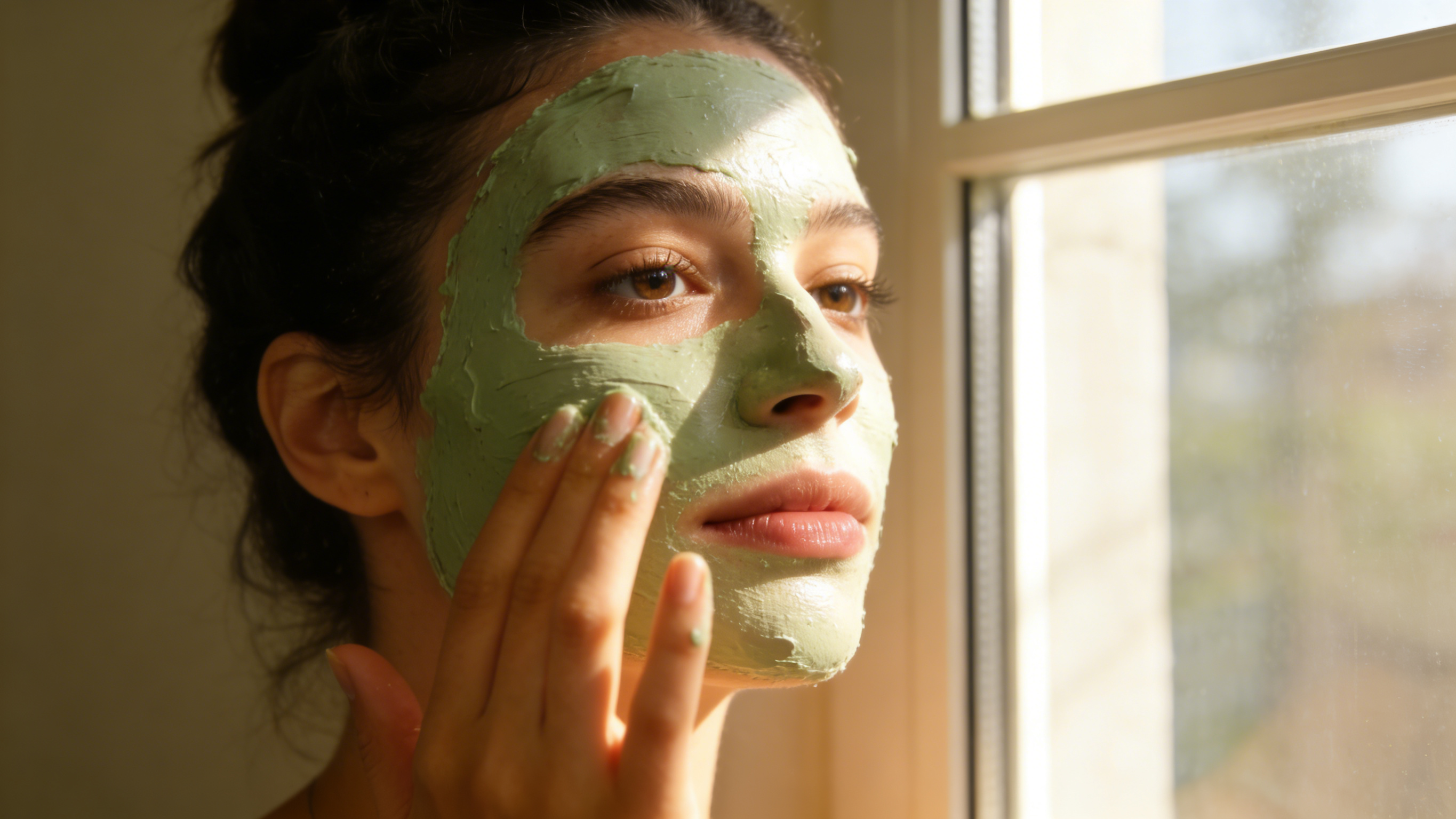

The Earth’s Best-Kept Secret: Why a Green Clay Mask is Your Skin’s New Best Friend
Let’s be honest: the skincare world is loud. Between the 10-step routines and the "miracle" chemicals launched every week, we often forget that some of the most effective solutions have been sitting in the earth for millennia. If you’ve ever looked in the mirror and felt like your skin was just... tired—congested pores, a stubborn oily sheen, or that dullness that no amount of coffee can fix—it’s time to talk about the green clay mask.
But we’re not just talking about any mask. We’re talking about a shift toward eco-friendly personal care that respects your skin barrier as much as it respects the planet. At NING Dermologie, we believe that skincare shouldn’t be a trade-off between power and purity.

What Exactly is a Clay Mask (And Why the Hype)?
At its core, a clay mask is a mineral-rich treatment derived from natural earth deposits. But don't let the simplicity fool you. Whether it’s French green clay, bentonite clay, or kaolin, these natural ingredients work through a fascinating process called adsorption.
Unlike a regular face wash that just cleans the surface, a clay face mask acts like a microscopic vacuum. It carries a negative electrical charge, which allows it to bind to positively charged toxins, heavy metals, and excess oil trapped deep within your pore structure. When you remove the mask, you aren't just washing off mud; you’re literally lifting away the environmental stressors of modern life.
The Mineral Profile: More Than Just "Mud"
We get our French green clay and kaolin in a way that is good for the environment, and we always choose natural ingredients. Our products don't use harsh synthetics that hurt the environment. By choosing our Clay Mask for Face Sensitive Skin, you are supporting eco-friendly personal care practices that focus on long-term skin health and a smaller carbon footprint.
A Deep Dive into French Green Clay
If there were a hierarchy of face masks, French green clay (also known as illite or montmorillonite clay) would be sitting on the throne. This specific clay gets its vibrant color from decomposed plant matter—think ancient kelp and algae—and iron oxide.
What sets the French green clay mask apart is its incredible ability to absorb sebum. It is the best clay for anyone struggling with oily skin or an acne-prone complexion. It doesn't just sit there; it draws out impurities and provides a deep cleansing experience that leaves the clay face looking visibly tighter and more radiant.
Why "Eco-Friendly" Matters in Your Skincare Routine
We’ve all seen the plastic-heavy, chemical-laden skincare products that dominate big-box stores. But natural skincare is moving toward a more sustainable future. Choosing an eco-friendly clay mask means:
- Ethical Sourcing: Ensuring the mineral-rich deposits are harvested without destroying local ecosystems.
- Biodegradability: Unlike synthetic microbeads, clay returns to the earth without clogging waterways.
- Minimalist Packaging: Brands like NING Dermologie prioritize recyclable materials to reduce the environmental impact of your personal care habits.
Identifying Your Skin Type: Which Clay Works for You?
Not all clay face masks are created equal. Using the wrong skin type logic can dry out your skin or cause a breakout.
1. Oily and Acne-Prone Skin
You need the heavy hitters. Bentonite clay (made from volcanic ash) and French green clay are the best choices. They go after clogged pores and too much oil with a lot of force, and they also protect against the bacteria that cause blemishes.
2. Dry or Mature Skin
Look for kaolin clay or rose clay. These are much gentler and won't strip your skin barrier. They help exfoliate dead skin cells without the harshness, focusing on anti-aging and revitalizing the skin.
3. Sensitive Skin: The NING Dermologie Solution
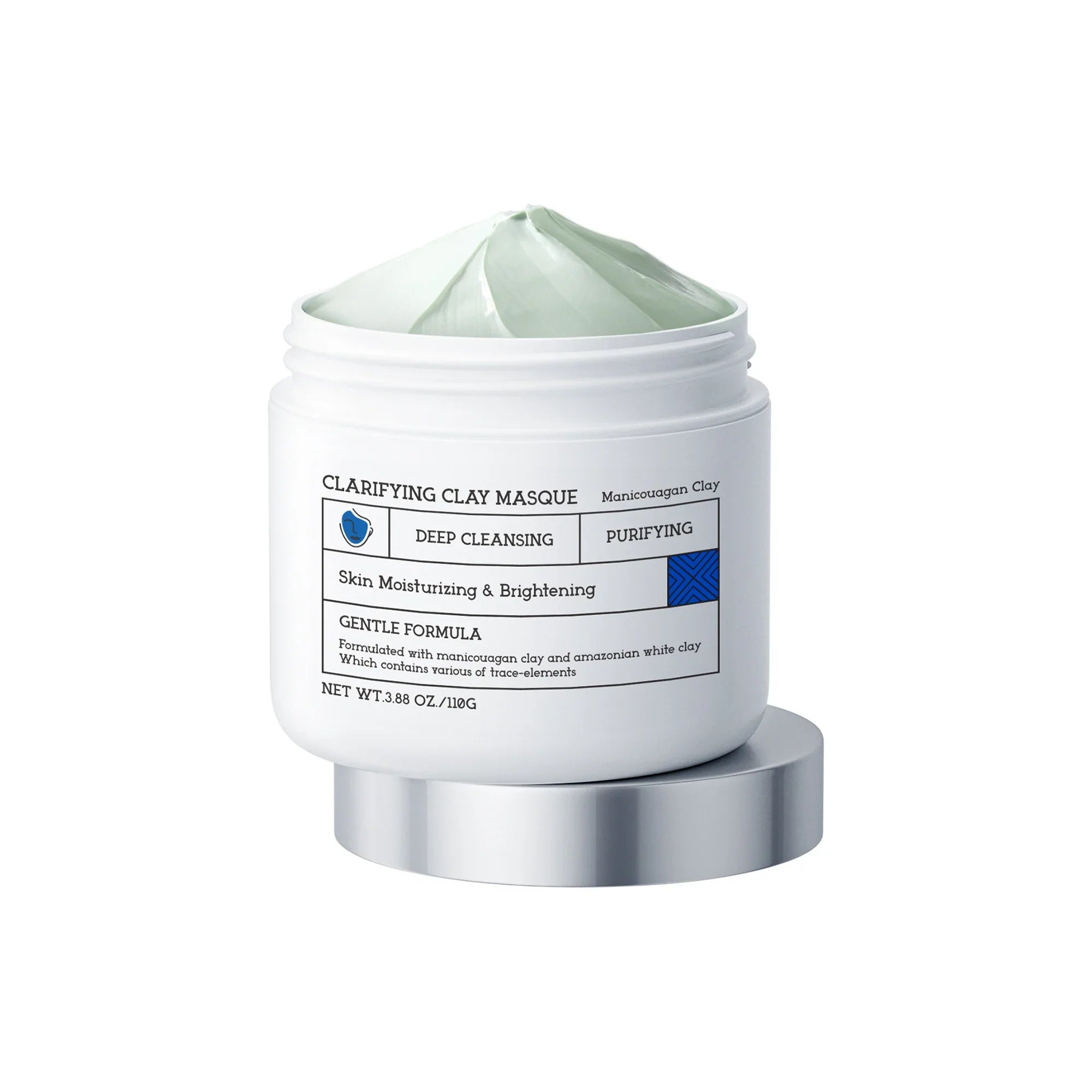
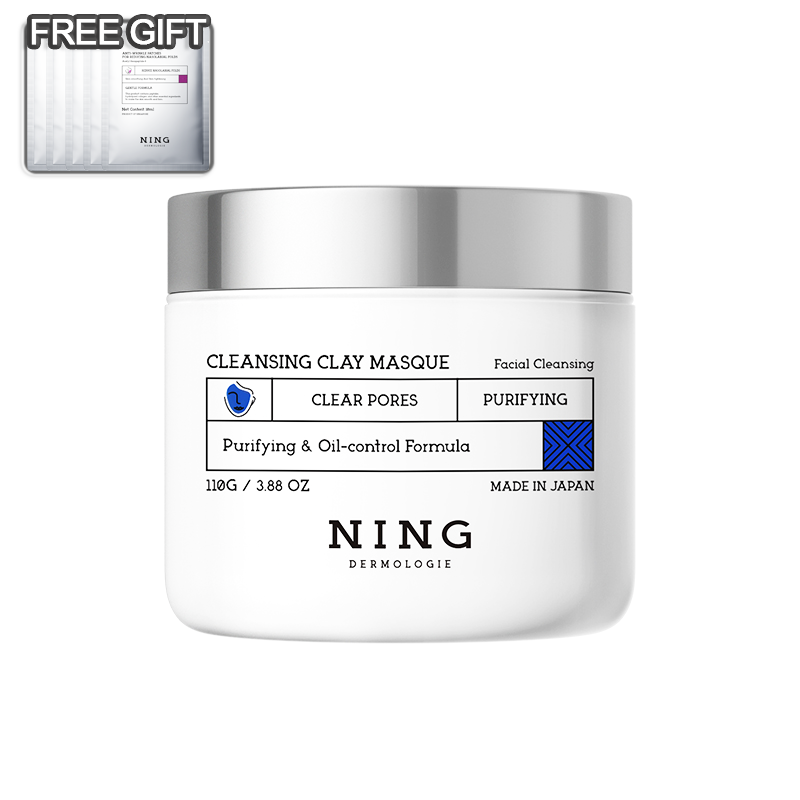
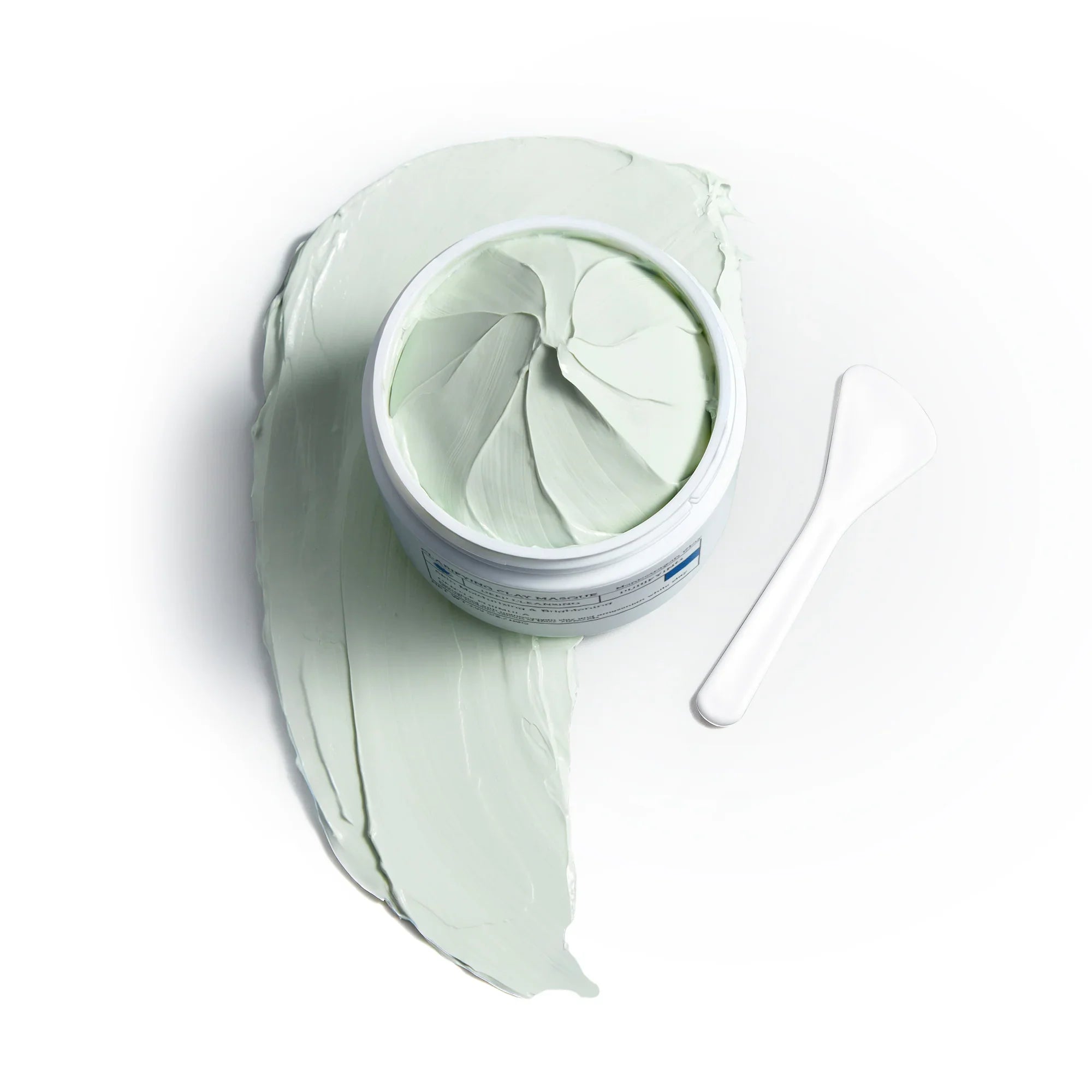
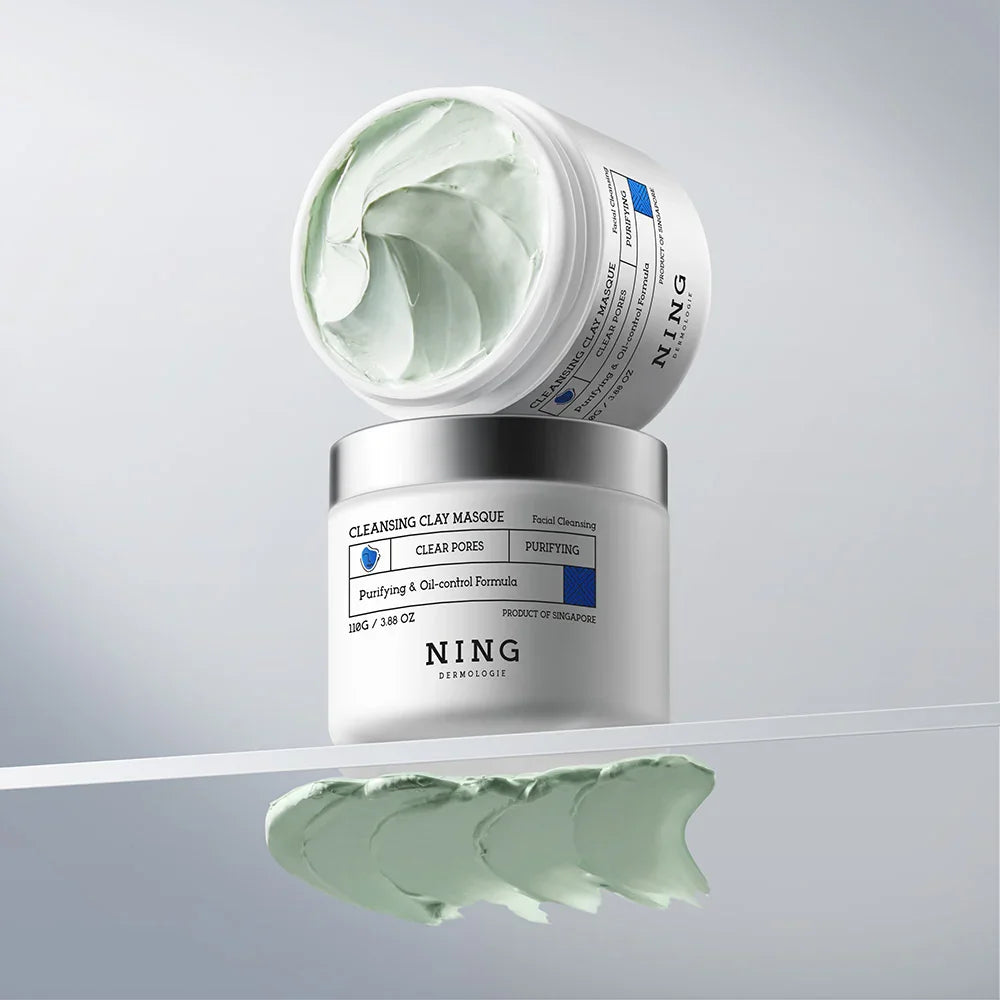
This is where most people get scared. Traditional clay face masks can feel too "tight." However, our Clay Mask for Face Sensitive Skin is specifically formulated to purify without stripping. We've added soothing ingredients to the clay mask to make sure you get glowing skin without the redness.
The Ultimate Clay Mask Benefits
Why should you incorporate using clay face masks into your regular skincare?
- Detoxify & Purify: It’s a weekly detox for your face, removing pollutants that daily cleansers miss.
- Exfoliation: As you wash it off, the grit gently moves away dead skin cells, resulting in a softer texture and brighten skin.
- Pore Cleansing: It minimizes the appearance of pores by keeping them clear of debris.
- Anti-inflammatory: Natural minerals help calm skin concerns like redness and irritation.
- Brighten Complexion: By boosting circulation, a green clay mask promotes radiant skin.
How to Apply Like a Pro: Skincare Tips
To maximize the skincare benefits, follow this routine:
-
Prep: Use a gentle face wash to remove makeup.
-
Application: Apply an even layer. Don't go too thick—you want it to dry evenly.
-
The "Golden Rule": Do not wait for the mask to crack and crumble. If it's bone-dry, it's starting to suck moisture out of your skin. Remove it while it still feels slightly tacky.
-
Rinse: Use lukewarm water and a soft cloth.
-
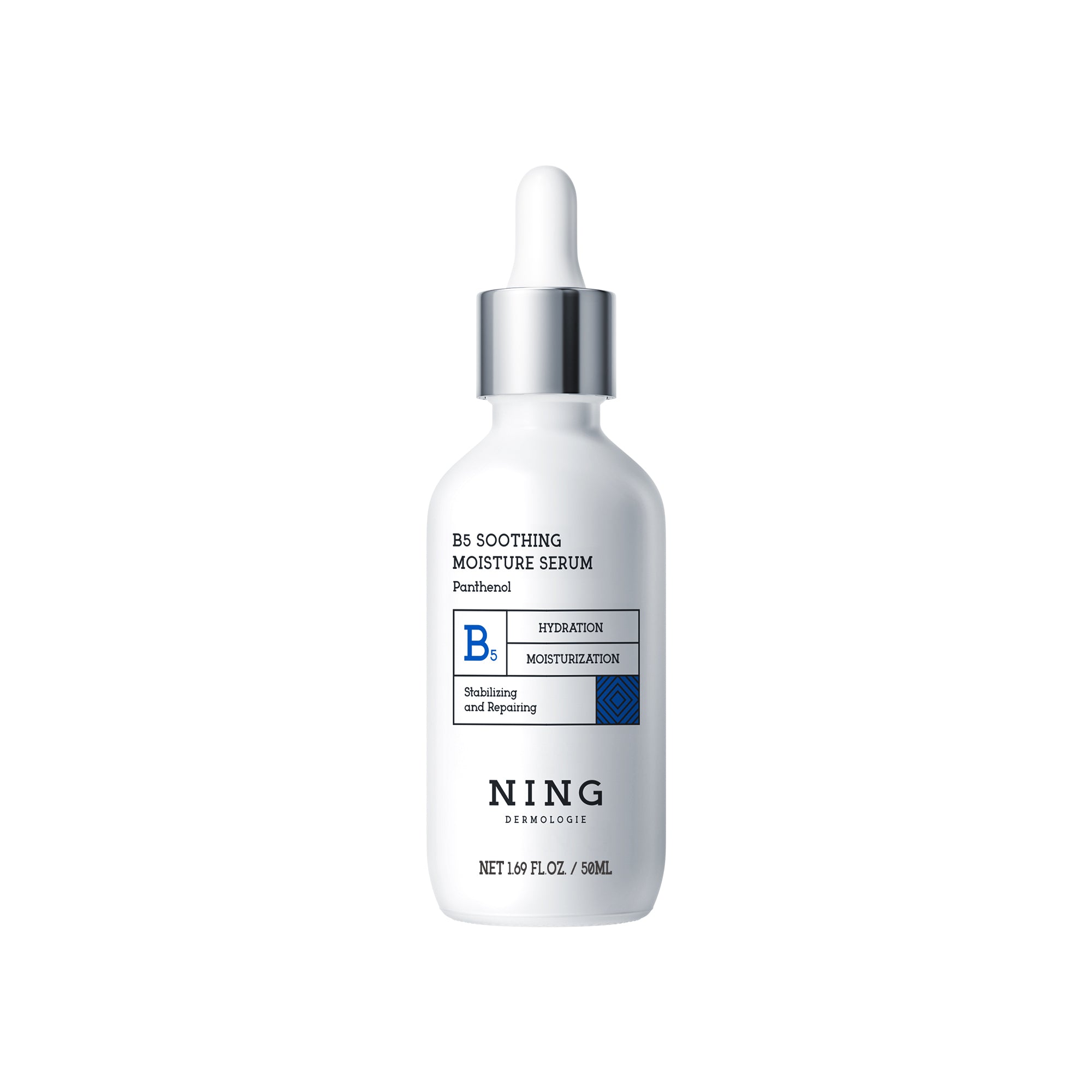
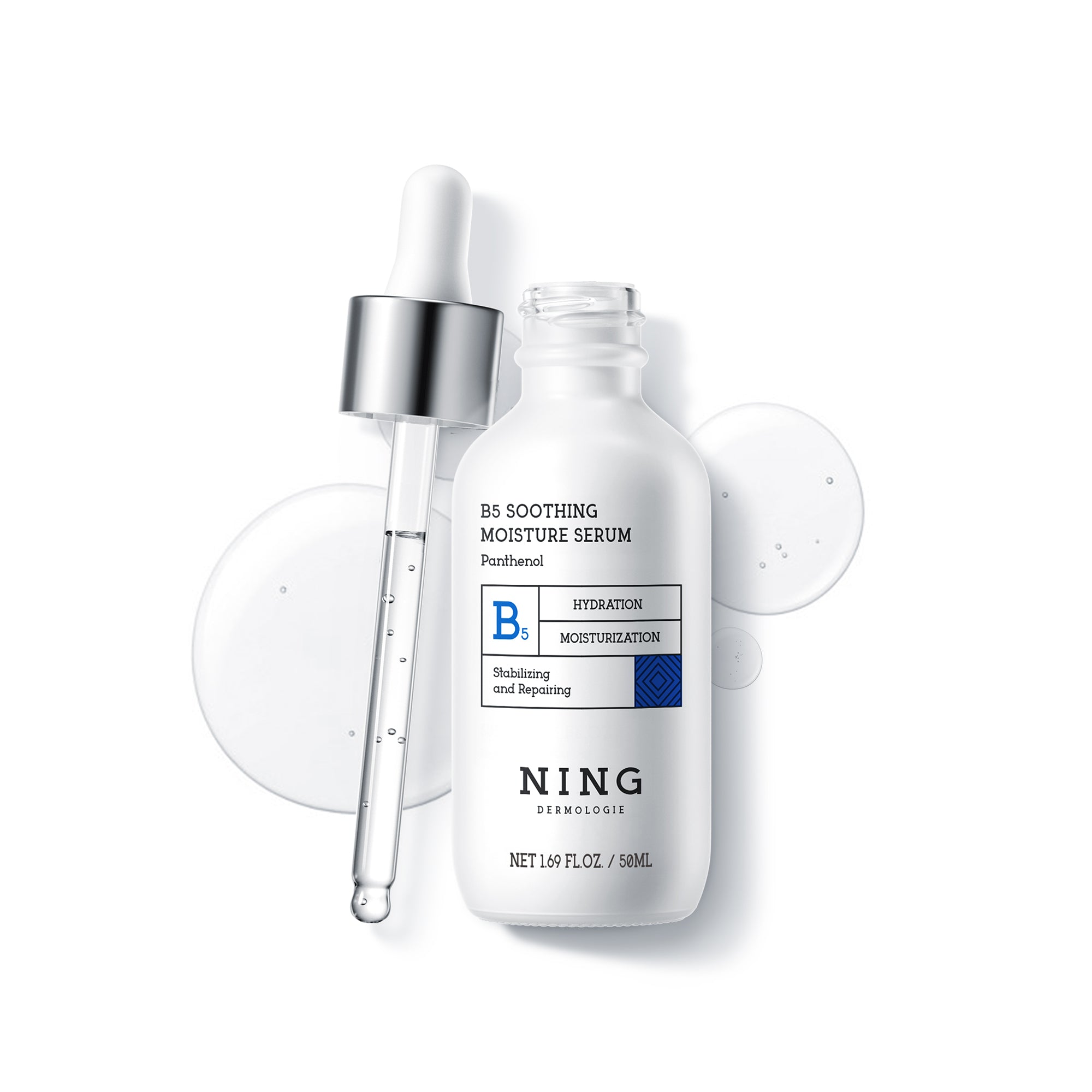
Restore: Always follow up with a serum and a rich moisturizer to lock in the benefits of clay.

The NING Dermologie Commitment
We don't believe that "one size fits all" at NING Dermologie. Our green clay face masks are full of vitamins and natural ingredients that help with uneven texture and fine lines. We care about the environment and know that having beautiful, glowing skin shouldn't hurt the planet.
Our Clay Mask for Face Sensitive Skin is a deep-cleansing solution that respects your delicate skin barrier, whether you're dealing with a sudden breakout or just want to keep your skin healthy.
Frequently Asked Questions (FAQ)
1. How often should I use a green clay mask?
If you have oily skin or are prone to acne, you should use a clay mask two to three times a week. We do recommend once a week, though, if your skin is sensitive or dry. Too many clay face masks can make you dehydrated. Always pay attention to your skin type. If it feels tight or flaky, cut back on how often you use it to keep your skin barrier healthy.
2. Can a clay mask really help with large pores?
While you cannot physically change the size of your pores (that's genetic!), a green clay face mask is incredibly effective at pore cleansing. When pores are filled with excess oil and dead skin cells, they appear larger and darker. By using French green clay to draw out impurities, the appearance of pores becomes much smaller and more refined, giving you a softer texture.
3. Why does my face feel warm or tingly during use?
A slight tingling is normal! This is often the clay's mineral-rich profile (like magnesium and iron oxide) stimulating blood flow to the surface of your clay face. This "revitalizing" effect helps purify and detoxify. However, if you feel a burning sensation, remove the mask immediately. For those with reactive skin, our Clay Mask for Face Sensitive Skin is designed to minimize this irritation.
4. Is French green clay better than bentonite clay?
It all depends on what your skin needs. Bentonite clay is a great choice for skin that is prone to severe acne because it detoxifies and absorbs a lot of oil. French green clay (illite) has more minerals and is better for fighting inflammation and aging. People often think that this is a more "elegant" way to take care of your skin because it cleans without being as harsh or drying as pure bentonite.
5. Should I moisturize after using a clay mask?
Absolutely. Even the best clay mask will remove some natural oils. To prevent your skin from over-compensating by producing more oil, you must apply a moisturizer or serum immediately after. This "traps" the skincare benefits and ensures your skin stays radiant and hydrated. Skipping this step can lead to an uneven texture and eventually more breakouts due to a compromised barrier.
6. Are NING Dermologie masks eco-friendly?
Yes! At NING Dermologie, sustainability is at the heart of everything we do. We always use natural ingredients and get our French green clay and kaolin in a way that is good for the environment. Our products don't have any harsh chemicals that are bad for the environment. By choosing our Clay Mask for Face Sensitive Skin, you are supporting eco-friendly personal care practices that focus on long-term skin health and a smaller carbon footprint.
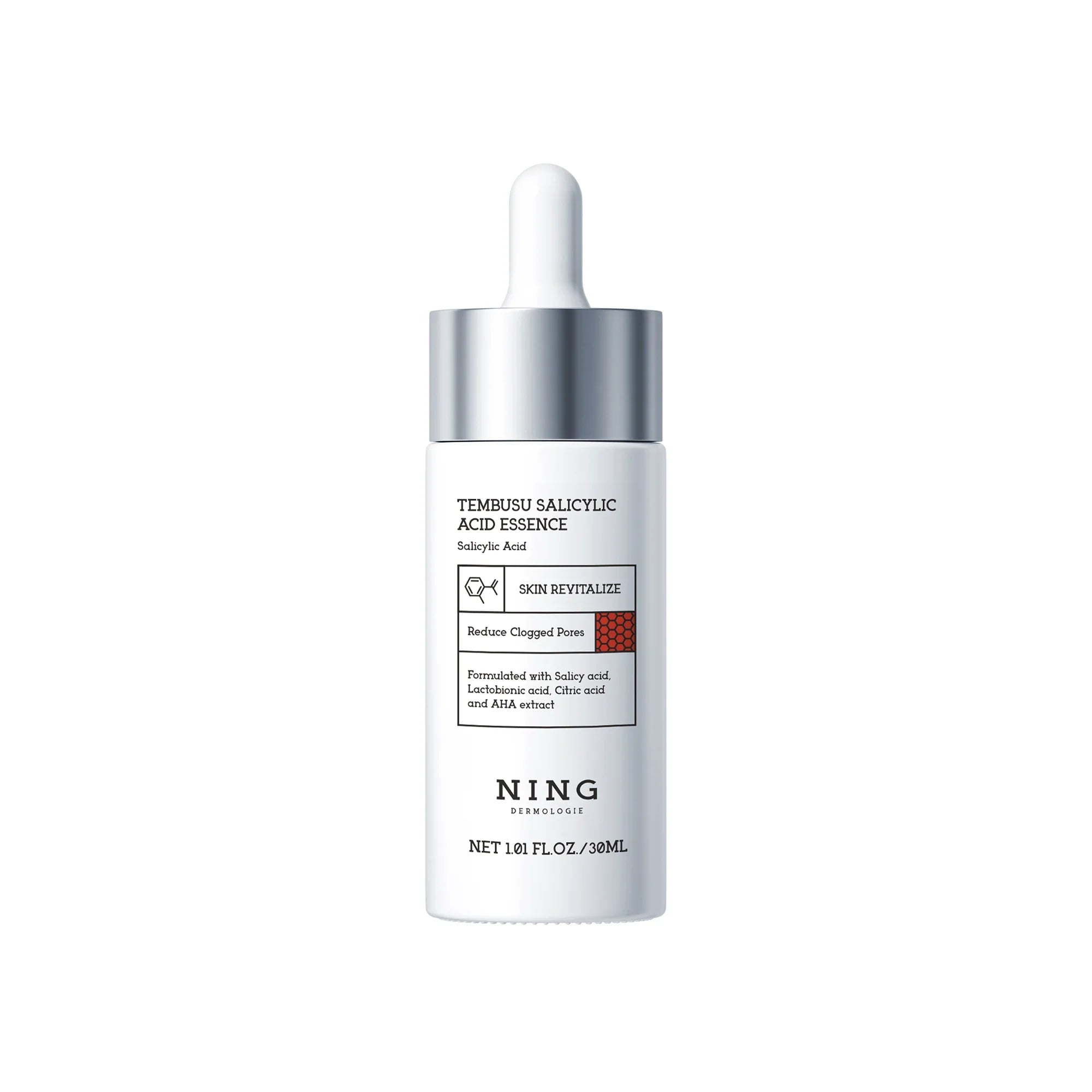
Ready to transform your ritual? Experience the deep cleansing power of the earth. Explore our Clay Mask for Face Sensitive Skin and discover how NING Dermologie brings the benefits of clay directly to your door—sustainably.





Share:
Achieve Flawless Skin with These Must-Try Clay Masks of 2025
How to Use Green Clay Masks for Detoxifying and Tightening Pores