



How to Use Green Clay Masks for Detoxifying and Tightening Pores: The Realist’s Guide
Let’s be honest: there is nothing quite as satisfying as seeing your pores physically clearer after a good skincare session. If you are battling an oily T-zone, congestion, or just the grimy feeling of city living, a clay mask is often the first line of defense. But we have all been there—you buy a tub of green clay, slather it on, wait until it cracks like a desert floor, and then scrub it off only to find your face red, raw, and irritated.
It doesn’t have to be that way.
Green clay is a powerhouse, but it is misunderstood. It is the heavy lifter of the skincare world. When used correctly, it can act like a magnet for gunk; used incorrectly, it’s a moisture vampire. This guide cuts through the marketing fluff to explain exactly how to use green clay masks for detoxifying and tightening pores, how to respect your skin type, and why a natural clay approach might be the reset button your skincare routine needs.

Understanding Clay and Its Types: It’s Not Just Mud
Before you start painting your face green, you need to understand what you are putting on it. Clay is a mineral-rich substance harvested from the earth. In the context of a face mask, clay works by drawing out toxins, sebum (oil), and debris from deep within the follicle.
The Science of Absorption
Think of clay masks as a sponge. When mixed with water (or formulated into a cream), the clay swells and creates a matrix that traps impurities. As the mask dries, capillary action pulls the liquid—along with dissolved oils and dirt—from your skin into the clay. This is why clay masks can help reduce the appearance of pores; when the gunk is gone, the pore snaps back to its tighter, natural size.
Different Types of Clay for Different Needs
Not all mud is created equal. Choosing the right clay is the difference between a glow and a breakout.
- French Green Clay: This is the star of the show. It gets its green color from decomposed plant matter (phytonutrients) and iron oxides. Green clay contains a high volume of minerals and is highly absorbent. It is the "vacuum cleaner" of clays, making it ideal for oily skin and acne-prone skin.
- Bentonite Clay: Often formed from volcanic ash, bentonite clay is also a powerhouse. It swells massively when wet and is known for its electrical charge—clay has a negative charge that bonds to positively charged toxins. It’s excellent for deep detoxing but can be very drying.
- Kaolin Clay (White Clay): Kaolin clay is one of the mildest options. Also known as White China Clay, it is a skin softening clay that gently cleanses without stripping. It is often the base for masks designed for dry or sensitive skin.
- Rhassoul Clay: A Moroccan clay that is rich in magnesium. It’s a great middle-ground type of clay that cleanses while conditioning.
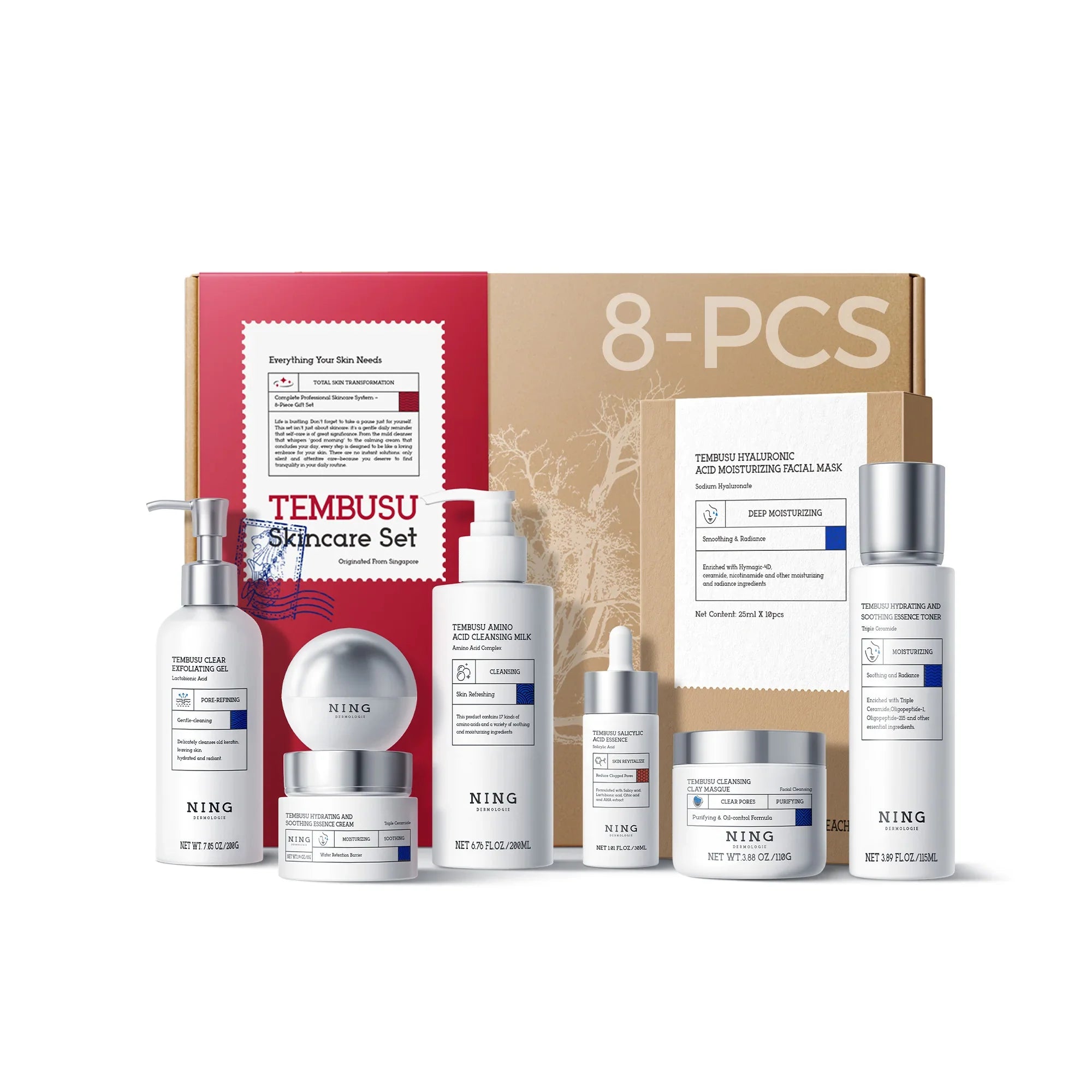
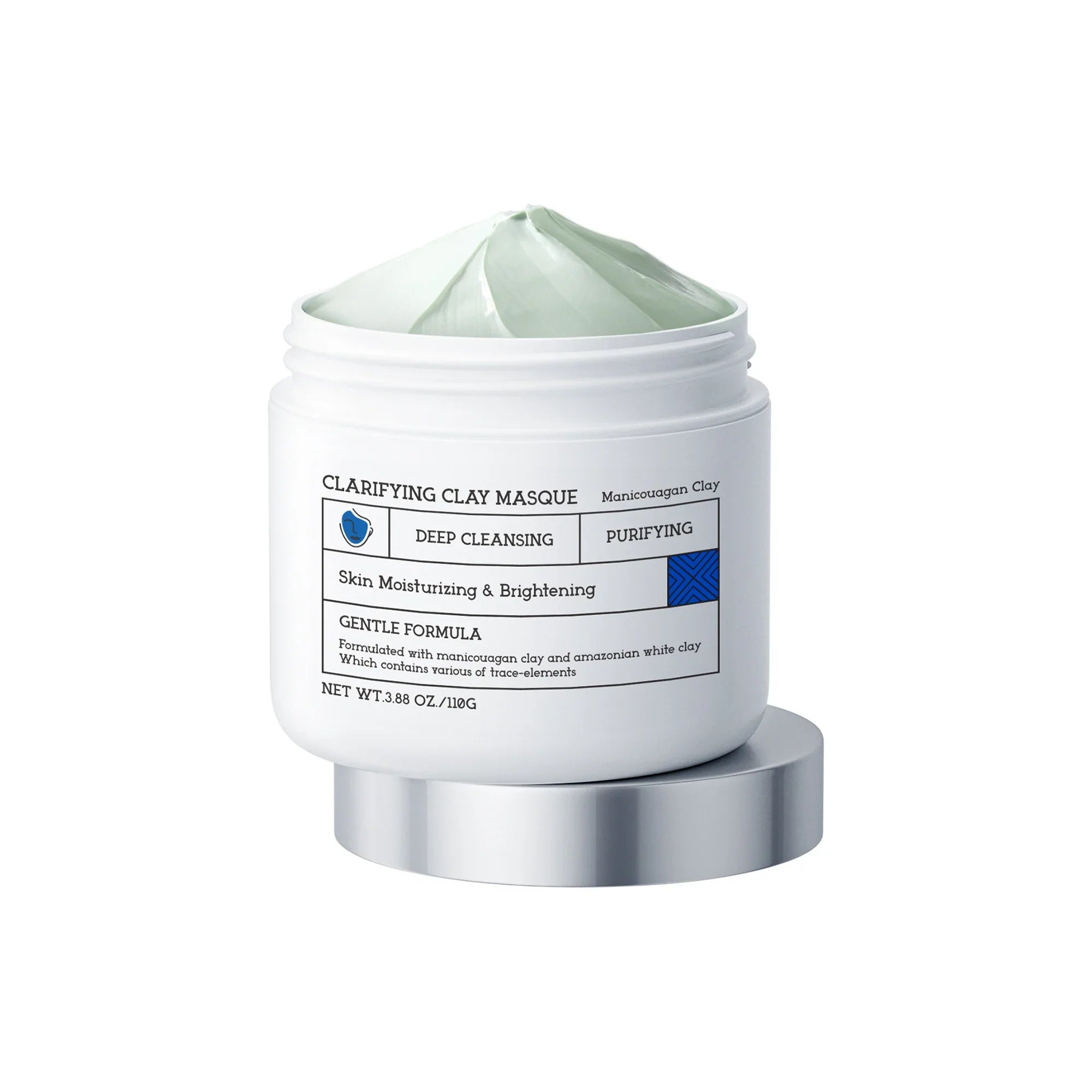
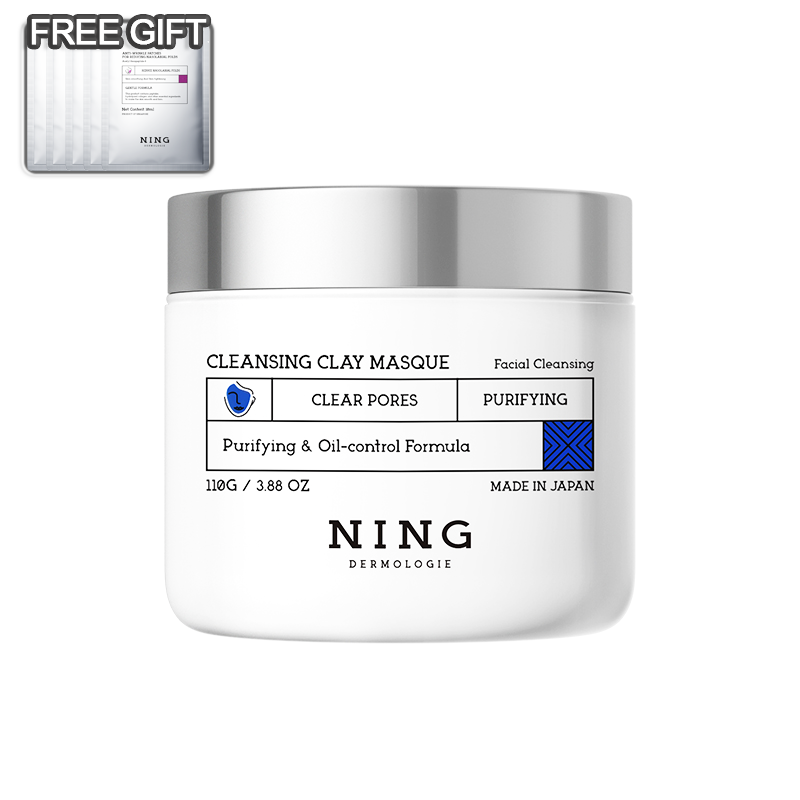
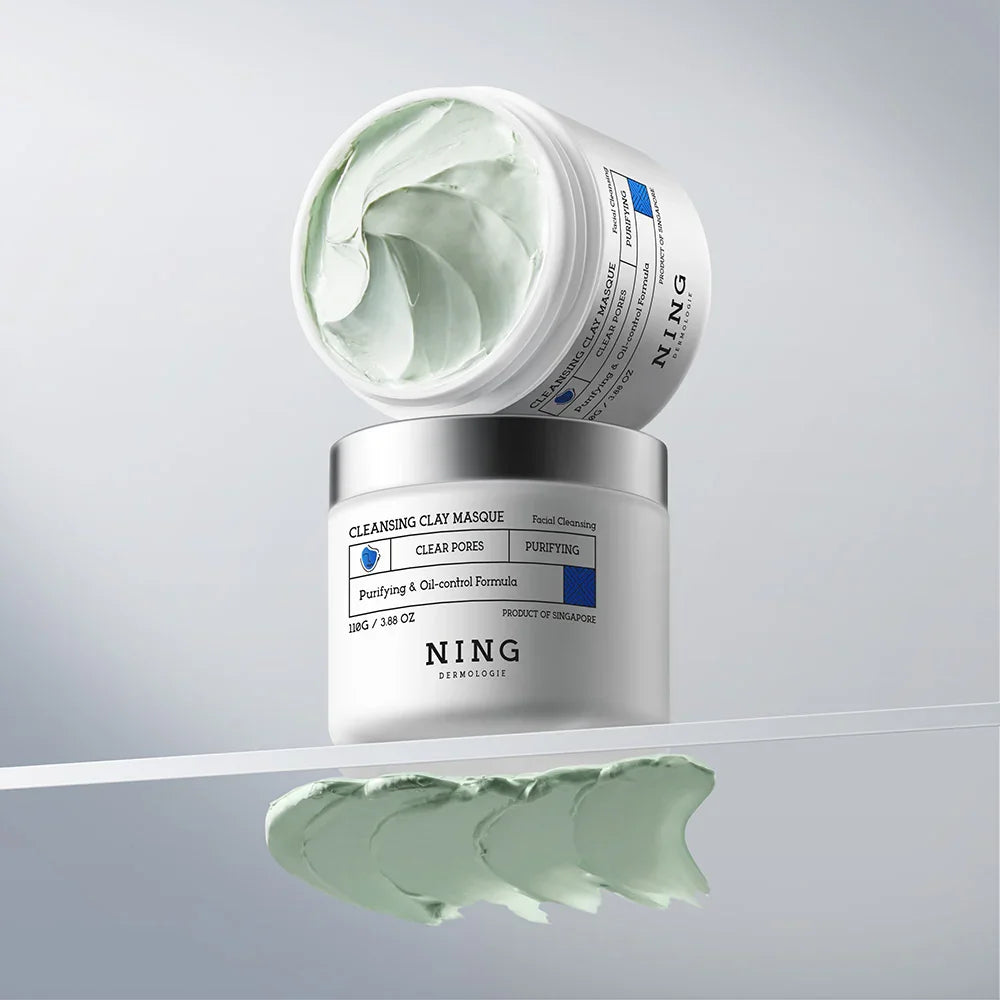
If you have sensitive skin but want the detox power of stronger clays, you don't have to give up. Modern formulations, like NING Dermologie’s solutions, often blend these clays or buffer them with soothing botanicals. For example, the Clay Mask for Face Sensitive Skin is designed to give you that deep clean without the "ouch" factor.
The Specific Benefits of Natural Clay Masks
Why do we keep coming back to natural clay? Because the skin benefits are visible almost immediately.
Deep Detox and Oil Control
If you have excess oil, green clay is your best friend. It doesn't just wipe oil off the surface; it pulls it from the pore. Regular use can help regulate sebum production over time, meaning you aren't just treating the symptom, you're managing the cause.
Exfoliation and Texture
Clay gently exfoliates. The texture of a powder mask or even a smooth paste has a mild abrasive quality. When you remove the clay, you are also buffing away dead skin cells. This prevents dead skin from trapping oil, which is the primary cause of clogged pores and breakouts.
Improving Skin Tone
By stimulating circulation (you might feel a pulsing sensation as the mask tightens) and removing dull surface cells, a clay face mask leaves the skin tone looking brighter and more even.
French Green Clay vs. Other Clays: Why Go Green?
French green clay specifically stands out because of its mineral complexity. While white clay is polite and bentonite clay is intense, green clay strikes a balance of being nutrient-dense while highly absorbent.
However, because green clay can help dry out active pimples and absorb massive amounts of oil, it is traditionally marketed towards teenagers or those with severe acne. This has given it a bad reputation among those with dry skin or sensitive skin.
Here is the secret: You can use green clay on drier skin types, but you have to be smarter about the formulation. You shouldn't use raw, aggressive clay powder mixed only with water if you are prone to redness. Instead, look for a balanced clay face mask like the one from NING Dermologie, which buffers the absorption with hydration, ensuring the skin feeling after rinsing is soft, not tight.

How Clay Masks Work for Your Skin (The "Don't Crack" Rule)
This is the most important section of this guide. If you learn nothing else, learn this: Never let the mask dry completely.
There are three phases to a clay mask:
-
The Damp Phase: The skin drinks in the beneficial minerals from the green clay mask.
-
The Start of the Dry Phase: The mask exercises its capillary action, stimulating blood flow and cooling the skin. This is when the clay masks work their magic.
-
The Dry Phase: The mask turns chalky and cracks. At this point, it draws out moisture (water), not just oil. This causes dehydration and irritation.
You want to wash the mask off during Phase 2. If it’s crumbling off your face, you’ve waited too long.
Step-by-Step: Properly Apply Clay Masks
To get the benefits of using a facial mask without the irritation, follow this routine.
1. Preparation
Start with a blank canvas. Cleanse your face to remove makeup and surface grime. Applying a mask to slightly damp skin can help it spread more evenly and prevents it from drying too fast.
2. Application
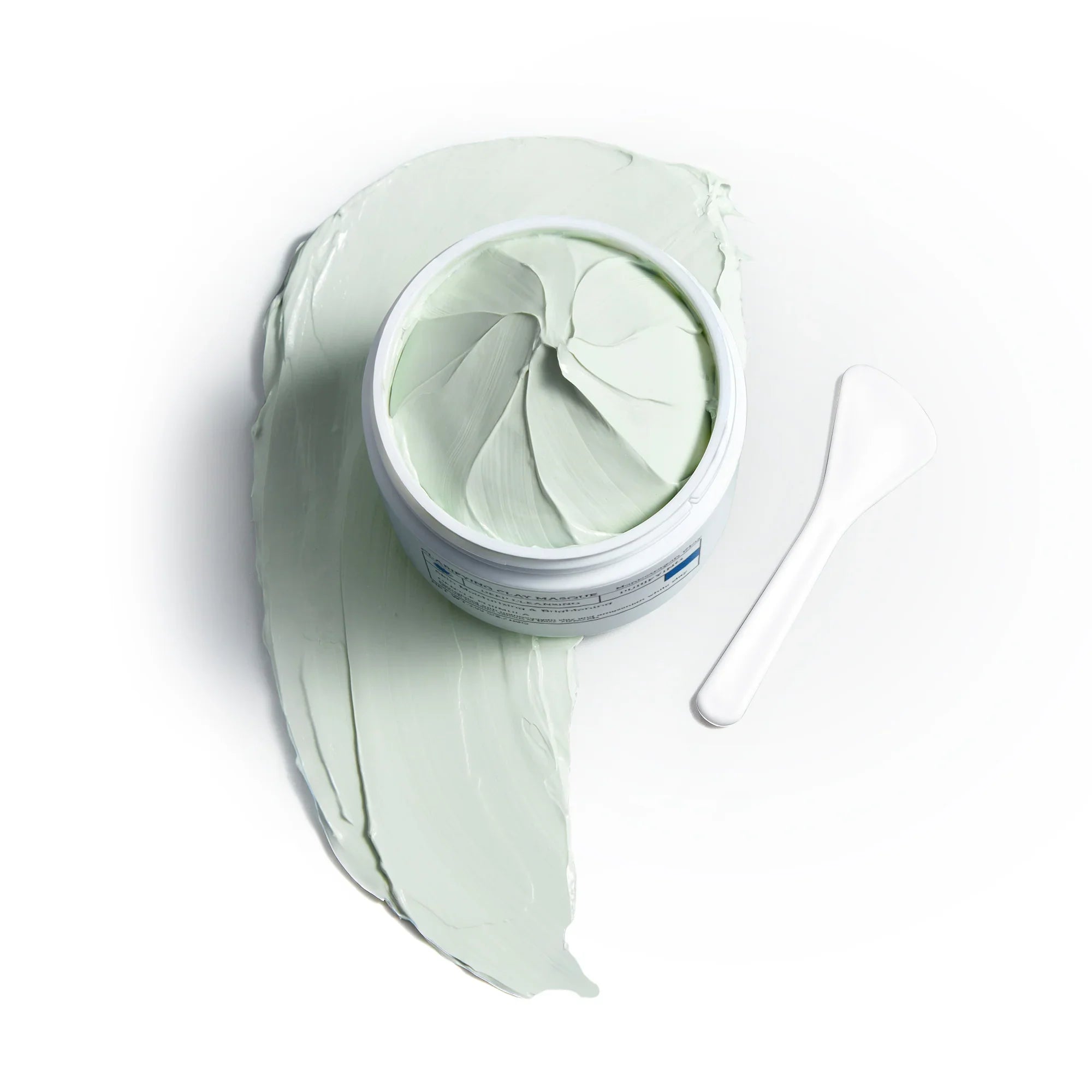
Whether using a powder mask you mix yourself or a ready-made tube, apply a generous layer. Do not be stingy. You want an opaque layer so the edges don't dry out instantly.
- Tools: Use clean fingers or a mask brush (or face mask brush). A brush helps you get an even application and wastes less product.
- Placement: Focus on your problem areas. If you have combination skin, you might only need to apply the mask to your T-zone (forehead, nose, chin) and avoid the cheeks.
3. The Wait
Let the mask sit. Usually, 10 to 15 minutes is standard, but watch the mask, not the clock.
- Pro Tip: If you want to keep the mask on longer for the mineral benefits but it’s drying too fast, spritz your face with a facial mist or water. This keeps the clay active without letting it strip your barrier.
4. Removal
Remove the clay gently. Do not scrub aggressively. Splash warm water on your face to rehydrate the clay until it’s soft again. Then, use a wet washcloth or circular motions with your fingers to rinse it away. Pat your face dry—don't rub.
5. Aftercare
Your pores are now clean, but your skin is naked. You must follow up immediately with a hydrating toner and a moisturizer to replenish the barrier. Clay masks are often followed by a hydrating serum in a professional skincare routine.
Incorporating Clay Masks into Your Skincare Routine
Frequency: How Much is Too Much?
Clay has been used for centuries, but our modern skin barrier is fragile.
- Oily Skin / Acne-Prone Skin: You can likely handle using a green clay mask 2 times a week.
- Combination Skin: Once a week, or use "multi-masking" (green clay on the nose, kaolin clay on the cheeks).
- Dry or Sensitive Skin: Proceed with caution. Use a gentle, formulated product like NING Dermologie's Clay Mask for Face Sensitive Skin once a week or once every two weeks. Clay masks for your skin type should be nourishing, not just stripping.
Complementary Products
To maximize the skin benefits, pair your mask with compatible ingredients.
- Before: A gentle BHA cleanser can help clear the path for the clay.
- After: Avoid harsh acids (like high % Glycolic acid) or Retinol immediately after a strong clay mask if your skin is sensitive. Stick to Hyaluronic Acid, Ceramides, or Squalane.
DIY Clay Mask Recipes vs. Formulated Products
If you are buying raw green clay powder, you become the chemist. Here is how to mix it safely.
The "Kitchen Chemist" Detox:
- 1 tbsp French Green Clay
- 1 tbsp Apple Cider Vinegar (with mother) or Water.
- Note: The vinegar helps balance the pH, as clay is known to be alkaline.
The Soothing Mix (For Drier Skin):
- 1 tbsp Green Clay or White Clay
- 1 tsp Mask with Honey (Manuka is best).
- A few drops of Jojoba oil.
- Mix with rose water instead of tap water.
The "I Don't Have Time" Solution: DIY is fun, but messy. Consistency is key in skincare, and you are more likely to use a clay mask if it's ready to go. This is where NING Dermologie shines. We have taken the guesswork out of the ratio. Our formulation ensures that while the green clay contains the detoxifying properties you want, the added soothing agents prevent the dreaded "tight face" feeling. It is gentle enough for regular use but strong enough to keep pores clear.
Troubleshooting: When Clay Goes Wrong
If you use green clay and your face turns bright red and pulses, that is actually normal—to an extent. The increased blood flow is part of the "healing" process. However, if it burns or itches, wash it off immediately.
If you find clay strips the skin too much, try:
-
Switching to a kaolin and bentonite clay blend.
-
Leaving the mask on for only 5 minutes.
-
Applying a thin layer of facial oil before the mask (this acts as a buffer).

Conclusion: A Clay Face is a Happy Face (If You Do It Right)
Green clay is not a trendy gimmick; it is a fundamental skincare tool. Whether you are fighting city pollution, hormonal breakouts, or just want that "squeaky clean" feeling, green clay can help.
The key to success is listening to your skin. Talk about clay as a tool, not a weapon. Do not try to punish your oily skin into submission by drying it out. Instead, treat it with a balanced approach. Whether you choose a raw DIY route or a sophisticated formula like NING Dermologie's Clay Mask for Face Sensitive Skin, the goal is the same: healthy, breathable, refined skin.
Incorporating a clay face mask into your weekly ritual is one of the best things you can do for your pore health. Just remember: keep it damp, keep it consistent, and always moisturize after.
Frequently Asked Questions (FAQ)
1. Can I use a green clay mask if I have dry skin?
Yes, but be careful. Raw green clay is very strong. For dry skin, look for a formulated mask containing hydrating ingredients like aloe or oils mixed with the clay. Alternatively, choose a gentler option like Kaolin or the NING Dermologie Clay Mask for Face Sensitive Skin. Only apply it to your T-zone or areas where you have visible congestion, and never let it dry completely.
2. How often should I use a green clay mask?
For skin that is oily or prone to acne, managing extra oil once or twice a week is usually enough to keep the moisture barrier safe. Once a week or every ten days is enough if your skin is dry or sensitive. If you use clay masks too often, your skin may make more oil to make up for the dryness, which can cause more breakouts.
3. Why does my face get red after using a clay mask?
Mild redness is often due to "cutaneous vasodilation." The clay increases blood flow to the skin's surface as it dries and contracts. This supplies the cells with nutrients and oxygen. It should go away in half an hour. However, the mask is too harsh for your skin type or you left it on for too long if the redness is accompanied by burning, stinging, or peeling.
4. Should I wash my face before or after a clay mask?
Wash your face before applying the mask. You need a clean canvas so the clay can interact directly with your pores rather than sitting on top of makeup or surface dirt. You do not need to use a cleanser after the mask; simply rinse with warm water. Using a cleanser afterwards might strip your skin of necessary oils.
5. Can green clay really shrink pores?
Technically, pore size is genetic and cannot be permanently changed. However, green clay can minimize the appearance of pores. When pores are clogged with oil and dead skin, they stretch and look larger. By deep cleaning and removing this debris, the clay allows the pore to snap back to its smallest natural size, making skin look smoother and more refined.
6. What is the difference between green clay and bentonite clay?
Green clay (often French Green Clay) is mineral-rich (plant matter/iron oxides) and is fantastic for absorption and oil control. Bentonite (volcanic ash) swells more when wet and has a strong negative electrical charge that binds to toxins. Bentonite is often considered more intense for "detoxing," while green clay is superior for oil absorption and mineralizing the skin. Both are great for oily skin types.





Share:
Eco-Friendly Green Clay Masks: Sustainable Skincare Options
Clear Skin Ahead: Salicylic Acid Serum for Acne-Free Days