

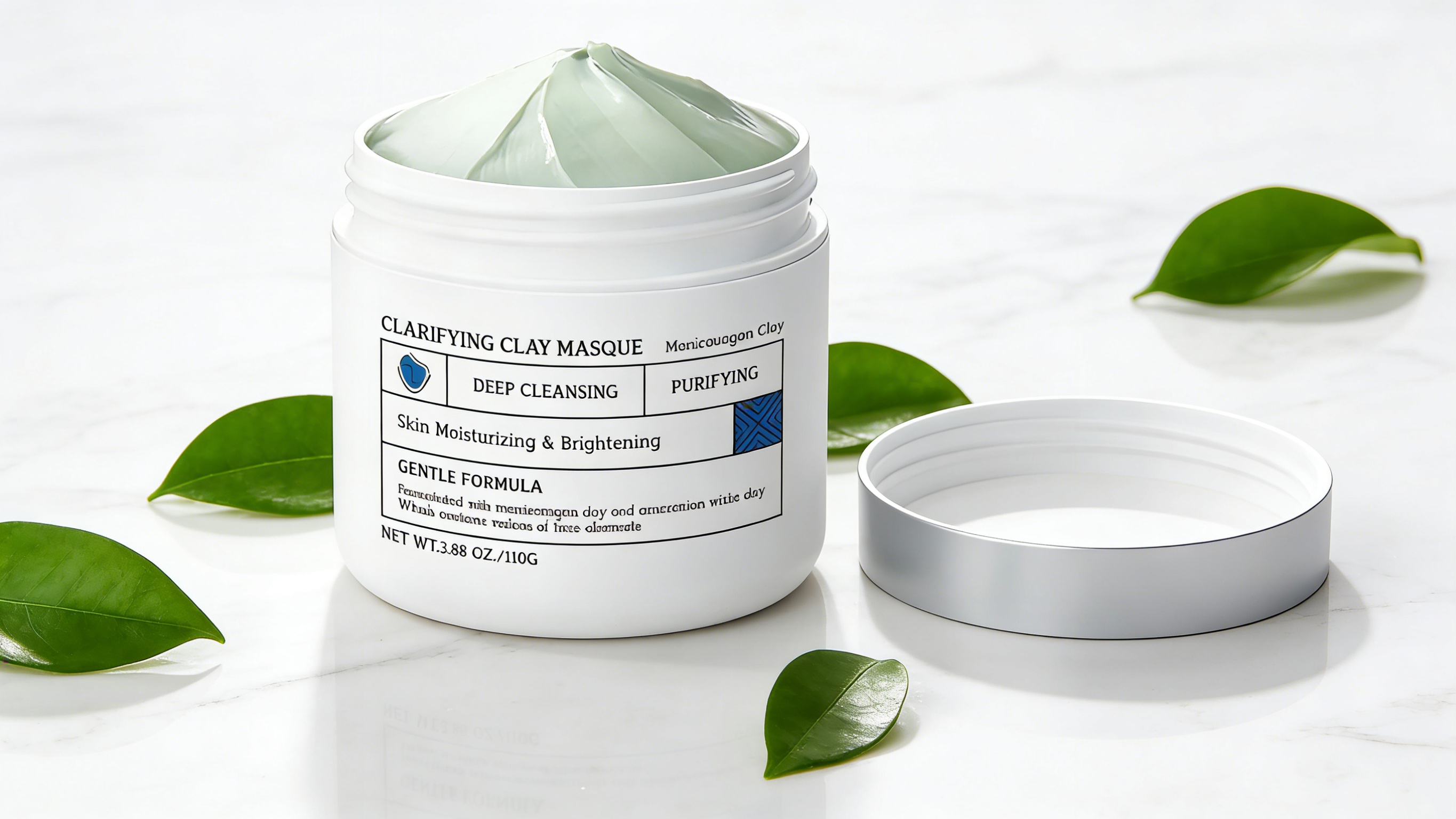

Expert-Approved Clay Masks: Revitalize Your Skin and Clear Pores
There is something incredibly satisfying about applying a thick, cool layer of mud to your face. It’s a ritual. But for many of us, that ritual ends with a face that feels like cracked pavement and skin that screams for moisture.
If you have been hunting for the best clay masks to tackle a clogged pore or a stubborn blackhead without wrecking your barrier, you aren't alone. The narrative that a face mask needs to sting to work is outdated. Whether you are battling oily skin, managing sensitive skin, or just want to refine your skin texture, the right earth-based ingredients can be a game-changer.
At NING Dermologie, we believe in the power of gentle efficacy. We’ve analyzed the landscape of skin care, consulted with experts, and tested countless formulas to bring you this definitive guide. We are diving deep into the 8 best clay masks—including our own favorite for reactive skin types—and breaking down exactly how to use them to clear pores effectively.

Understanding the "Magic" Mud: How a Clay Mask Works
Before we list the products, we need to talk about the "how." A clay mask acts primarily as an absorbent. Think of it like a magnet or a sponge. When wet clay sits on your skin, it binds to the sebum (oil) and environmental gunk sitting in your pores. As the water evaporates and the mask dries, it lifts that debris away.
However, not all mud is created equal. The type of clay you choose dictates whether your skin feels refreshed or ravaged.
The Heavy Hitters vs. The Gentle Giants
- Bentonite Clay: This is the powerhouse. Composed of aged volcanic ash, bentonite clay is highly absorbent. It swells when mixed with water and is fantastic for oily skin types that need a serious detox mask. It pulls out toxins and creates that "pulsing" sensation.
- Kaolin Clay (White Clay): If Bentonite is a vacuum, Kaolin clay is a gentle broom. It’s a fine, soft white powder that is much milder. It helps cleanse pores without stripping natural oils, making it the traditional clay of choice for dry or sensitive skin.
- Rose Clay: Often a mix of Kaolin and iron oxides, pink clay or rose clay is excellent for brightening. It boosts skin tone and improves circulation while being gentle enough for delicate areas.
- Umbrian Clay: A proprietary ingredient found in some luxury masks, Umbrian clay is known for its high mineral content and acidity-balancing properties.
Using the wrong one is why some people hate clay. If you have dry skin types and use raw Bentonite, you will likely damage your moisture barrier. Conversely, if you have severe congestion, a mild pink clay might not be strong enough to deep cleans pores.
Top 8 Best Clay Masks for Every Skin Concern
We have curated a list of the top clay masks on the market, categorized by their specific strengths. From high-end splurges to our top pick for sensitivity, here is what you need to know.
1. Best Overall for Sensitive Skin: NING Dermologie Clay Mask
Best for: Sensitive skin, redness, and barrier protection.
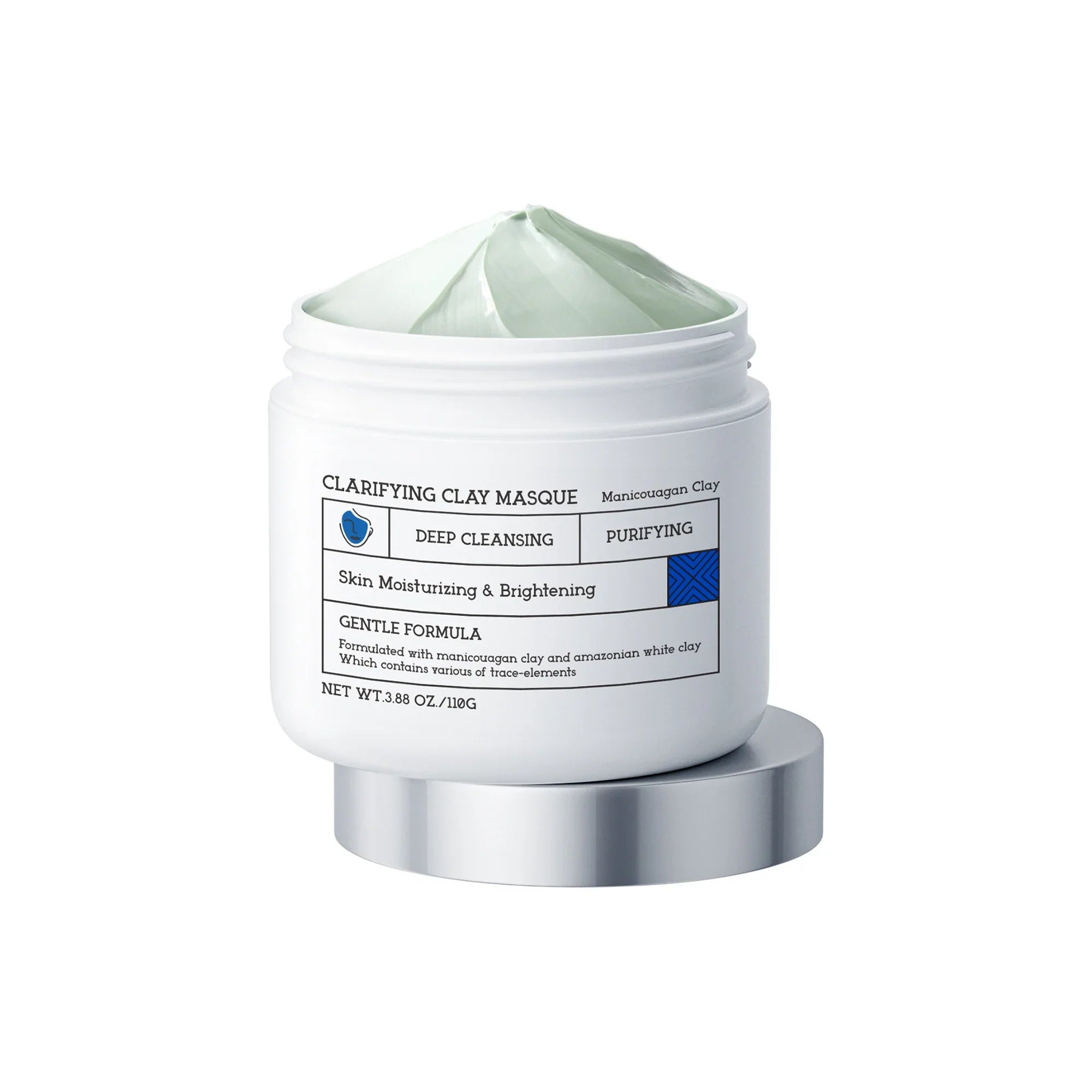
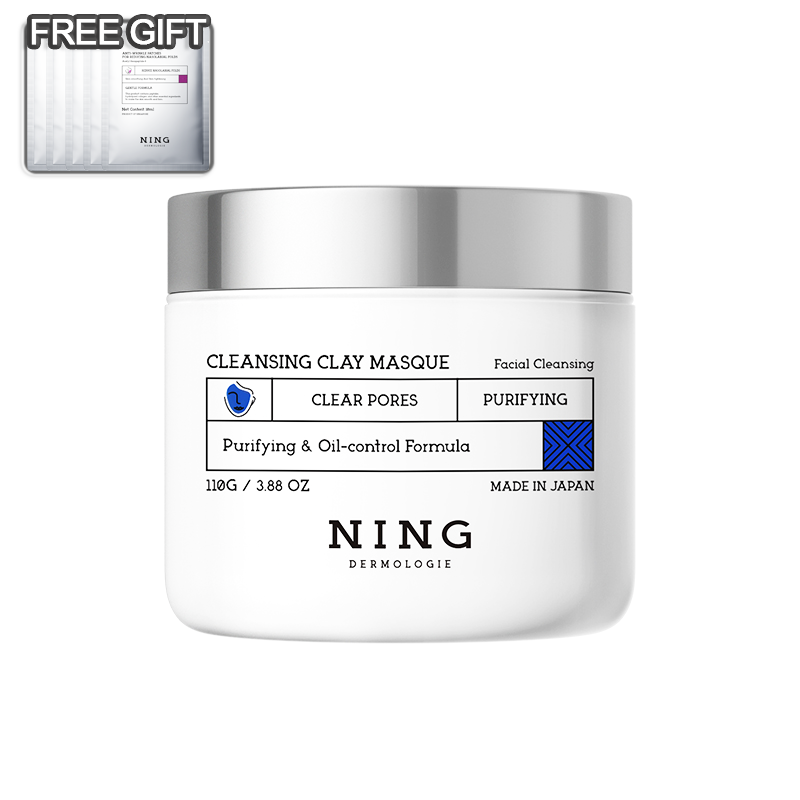
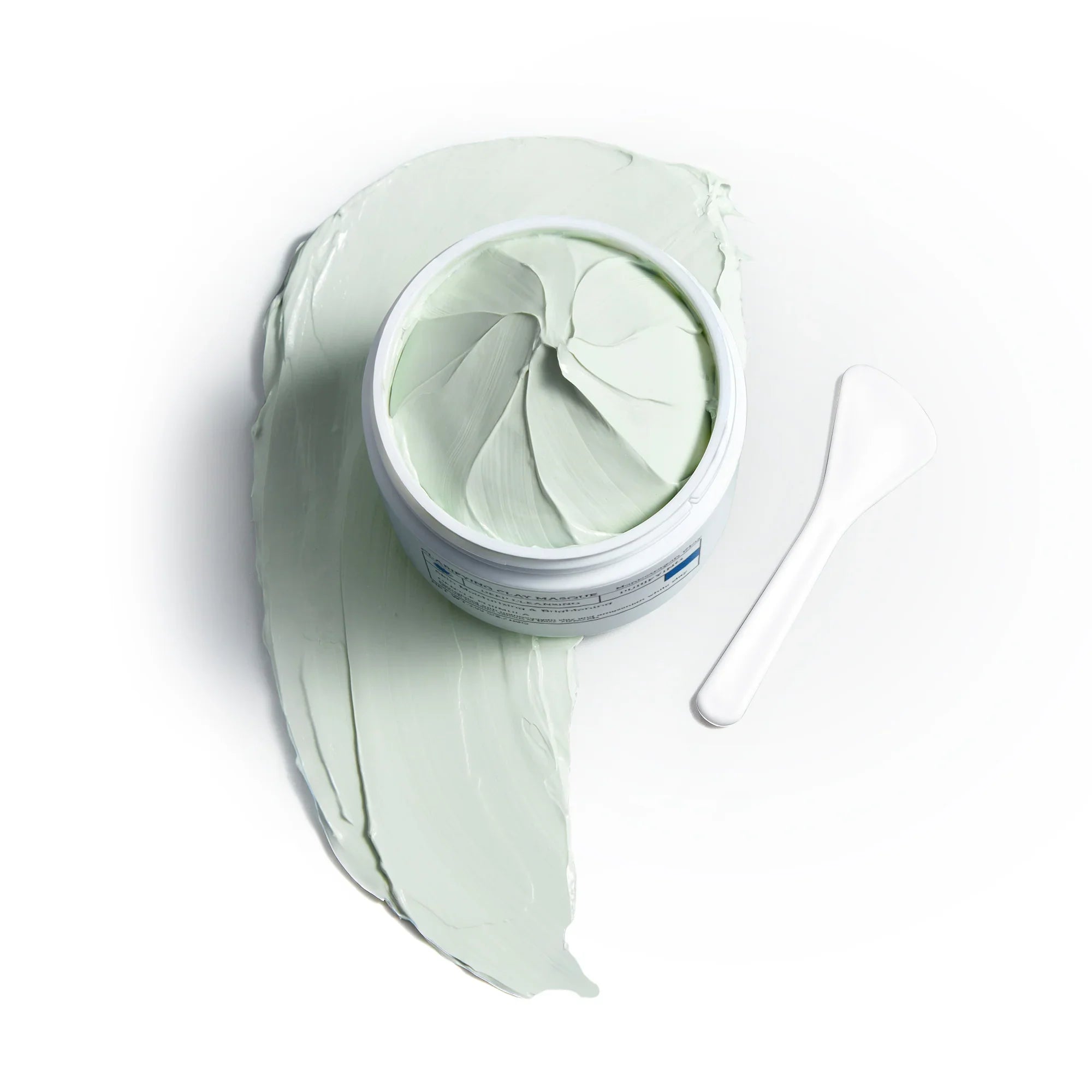
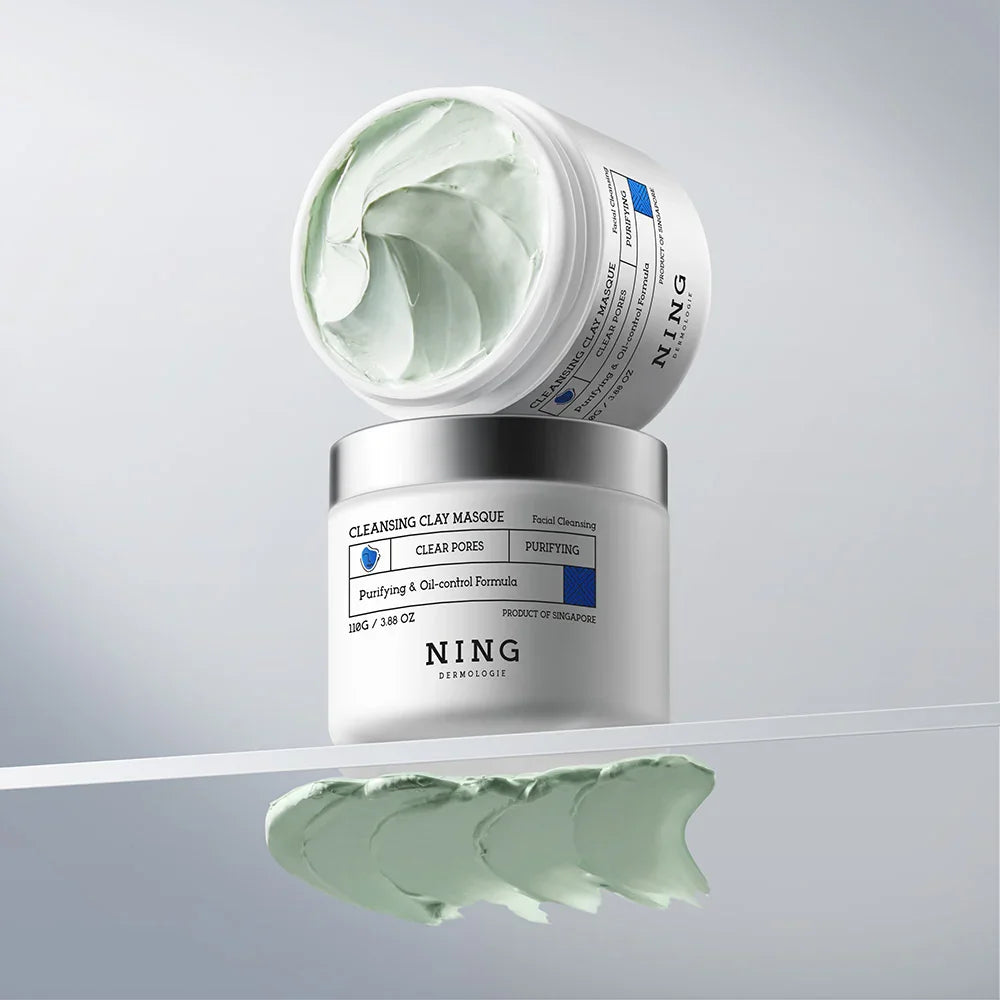
If you have ever been afraid that a clay mask will leave your face red and stinging, this is your solution. At NING Dermologie, we formulated our Clay Mask for Face Sensitive Skin to break the stereotype that "effective" means "harsh."
Most clarifying clay mask formulas rely heavily on drying alcohols. We went a different route. By utilizing high-grade Kaolin clay blended with soothing botanicals, this mask gently lifts impurities from clogged pores while keeping the skin hydrated. It doesn't crack into a desert landscape on your face. Instead, it stays creamy, allowing the clay draws out gunk while soothing inflammation. It is arguably the best clay mask for sensitive skin because it respects your skin's microbiome.
2. Best for Oily Skin: Skinceuticals Clarifying Clay
Best for: Oily skin, excessive shine, and mixed congestion.
This is a heavyweight champion often recommended by a board-certified dermatologist. The Skinceuticals Clarifying Clay mask combines high-quality earth clays with a blend of hydroxy acids. It exfoliates dead skin cells while it absorbs oil. It is intense, but if your pores look enlarged due to excess sebum, this works wonders. It’s a non-drying mask relative to its strength, but we still suggest limiting it to once a week.
3. Best Charcoal Mask to Clear Pores: Active Charcoal Blends
Best for: City dwellers and deep blackhead removal.
Sometimes clay needs a partner. An active charcoal mask to clear impurities uses the porous surface area of charcoal to trap toxins. When you find a formula combining Bentonite clay with activated charcoal, you get a double-action effect. This type of charcoal mask to clear pores is ideal for the T-zone (forehead, nose, chin). It acts as a purifying mask, physically pulling the "plug" out of the pore.
4. Best for Uneven Skin Tone: Turmeric & Rose Clay Hybrids
Best for: Dullness and hyperpigmentation.
If your primary concern isn't just acne but also a lackluster complexion, look for a rose clay mask fortified with Vitamin C or Turmeric. These ingredients work to brighten skin tone while the clay provides a mild physical exfoliation. After rinsing, the skin feel is polished and radiant rather than tight.
5. Best Volcanic Option: Volcanic AHA Pore Clearing Clay
Best for: Rough texture and dead skin.
Certain K-beauty clay masks utilize volcanic clusters (scoria) from islands like Jeju. A volcanic AHA pore clearing clay mask is a powerhouse for re-texturizing. The volcanic elements physically scrub the surface, while Alpha Hydroxy Acids (AHAs) dissolve the glue holding dead skin cells together. It effectively cleanse pores and leaves the skin texture baby soft.
6. Best Detox Mask: The Umbrian Clay Purifier
Best for: Angry, reactive breakouts.
Umbrian clay is unique because of its high mineral content. A mask using this ingredient is often marketed as a detox mask. It is fantastic for calming down a sudden breakout without using harsh chemicals like benzoyl peroxide. It balances the skin's pH and reduces the look of pores by calming the inflammation around them.
7. Best Budget Friendly: Amazonian White Clay
Best for: Combination skin and general maintenance.
You don't always need to spend a fortune. Masks featuring Amazonian white clay are widely available and effective. These are generally straightforward formulas that do exactly what they say: remove oil and dirt. They are great for "multi-masking" (using this on your oily nose and a hydrating mask on your dry cheeks).
8. Best Hydrating Clay: Cream-Based Formulas
Best for: Dry skin types who still want deep cleaning.
Yes, dry skin can have clogged pores too. Look for a clay face mask that has a whipped, mousse-like texture. These usually contain lipid-rich oils (like jojoba or squalane) mixed with the clay. The mask feels incredibly soft and ensures that while the clay draws out impurities, the oils replenish the barrier.
Detailed Guide: How to Use Clay Masks Properly
Even the best clay masks can fail if used incorrectly. In fact, user error is the number one reason people experience irritation. Here is how to incorporate them into your skin care routine like a pro.
The Golden Rule: Don't Let It Crack
There is a misconception that a clay mask needs to dry until it crumbles off your face. This is wrong.
There are three phases to a clay mask:
-
The Damp Phase: The skin drinks in the beneficial minerals.
-
The Start of the Dry Phase: The mask exercises your capillaries and stimulates blood flow as it cools and contracts. This is when it cleanse pores.
-
The Dry Phase: The mask draws out moisture from the skin itself, causing dehydration and irritation.
You want to remove the mask during phase two—when it is sticky but not flaky. This ensures you get the cleanse pores benefit without the damage.
Frequency Matters
- Oily Skin / Acne-Prone Skin: You can likely handle using a clay mask two to three times a week.
- Combination Skin: Focus on the T-zone twice a week.
- Sensitive Skin / Dry Skin: Stick to a gentle option like the NING Dermologie Clay Mask for Face Sensitive Skin once a week or even once every ten days.
Preparation and Aftercare
To get the best overall results, apply your mask to clean, dry skin. After you remove the mask with lukewarm water (never hot!), your pores are open and your skin is receptive.
Immediately follow up with a hydrating toner and a moisturizer. Since the mask works by removing oil, you must replace that protective layer to keep the skin hydrated. If you are using a charcoal mask to clear stubborn congestion, you might use a BHA (salicylic acid) toner afterward, but be cautious—this is only for tough skin. For most, hydration is key.

Addressing Specific Skin Concerns
Clay Masks for Blackheads
A blackhead is essentially an oxidized plug of oil and dead skin. A clay mask helps by absorbing the top layer of oil, making it easier for the plug to loosen. For chronic blackheads, consistency is key. Using this mask regularly prevents the oil from building up in the first place, keeping the appearance of pores minimized.
Clogged Pores and Acne
For acne-prone skin, bacteria thrives in anaerobic (oxygen-free) environments—like a blocked pore. By uncorking the pore, clarifying clay mask formulas introduce oxygen and create an environment where acne bacteria cannot survive. If you have active, inflamed pimples, look for a mask containing sulfur or tea tree oil alongside the clay.
Large Pores
Can you actually shrink pores? Technically, no. Pore size is genetic. However, you can make pores look smaller. When a pore is full of gunk, it stretches out. When you empty it with a pore-refining mask, it snaps back to its tightest natural shape. This creates a smoother skin look and better makeup application.
Why NING Dermologie Stands Out
In a market flooded with “clay masks” that promise the world but deliver irritation, we stick to science and comfort. We know that sensitive skin types often feel left out of the deep-cleaning conversation.
Our formula proves you don't need pain for gain. By choosing high-quality ingredients and leaving out the harsh additives, we provide a facial mask that feels like a spa treatment, not a punishment. Whether you are dealing with hormonal breakouts or just city pollution, using a mask shouldn't be a gamble.
If you are ready to transform your skin texture and see a clearer reflection, try the Clay Mask for Face Sensitive Skin. It might just be the best skincare decision you make this year.
Frequently Asked Questions (FAQ)
1. Can I use a clay mask every day?
No, we generally advise against it. Even the best clay masks are absorbent by nature. Using them daily can strip your moisture barrier, leading to your skin overproducing oil to compensate—which ironically causes more clogged pores. For most people, using a clay mask 1-3 times a week is the sweet spot. If you have very oily skin, you might get away with more frequent spot treatments, but full-face application daily is usually too drying.
2. Do clay masks actually remove blackheads?
Yes, but patience is required. A clay mask works by absorbing the excess sebum that acts as the "glue" holding the blackhead together. While a single application might not rip out deep-rooted blackheads like a pore strip (which can be damaging), regular use of a purifying mask loosens them over time. This makes them naturally exfoliate away or become easily removable during extraction, leading to a clearer skin look.
3. Which clay is best for sensitive skin?
Without a doubt, Kaolin clay (white clay) or Rose clay. Unlike Bentonite clay, which swells and pulls intensely, Kaolin is fine-grained and gentle. It cleanses without harshly removing lipids. This is why we put high-quality Kaolin in the NING Dermologie Clay Mask for Sensitive Skin on the Face. It gives you that deep clean feeling without the redness or stinging that comes with regular clay masks.
4. Should I wash my face before or after a clay mask?
You should wash your face before applying the mask. You want the facial mask to work on your skin and pores, not on a layer of makeup or surface dirt. Cleanse your skin, pat it dry, and then apply the clay. After the mask has sat for the appropriate time, rinse it off with water. You do not need to use cleanser again after the mask; just follow up with your toner and moisturizer.
5. Why does my face turn red after using a clay mask?
A slight pinkness can occur because clay masks work by stimulating blood circulation to the surface of the skin (a process called vasodilation). However, if your skin is bright red, hot, or stinging for more than 30 minutes, the mask was likely too harsh, left on too long (the "dry phase"), or you had a reaction to an ingredient. If you have sensitive skin, switch to a hydrating clay formula and rinse it off while it is still slightly tacky.
6. Can I use salicylic acid with a clay mask?
Yes, and it is a powerful combination for acne-prone skin. Many clarifying clay mask formulas actually include BHA (salicylic acid) in the ingredients. If yours doesn't, you can use a salicylic acid toner after rinsing off the mask. The clay removes the surface oil, clearing the path for the acid to penetrate deep into the pore lining. Just be sure to hydrate well afterward, as this combination can be drying on dry skin types.





Share:
Premium Skincare Collection Gift Sets
DIY Clay Masks: Recipes and Benefits for Glowing Skin