

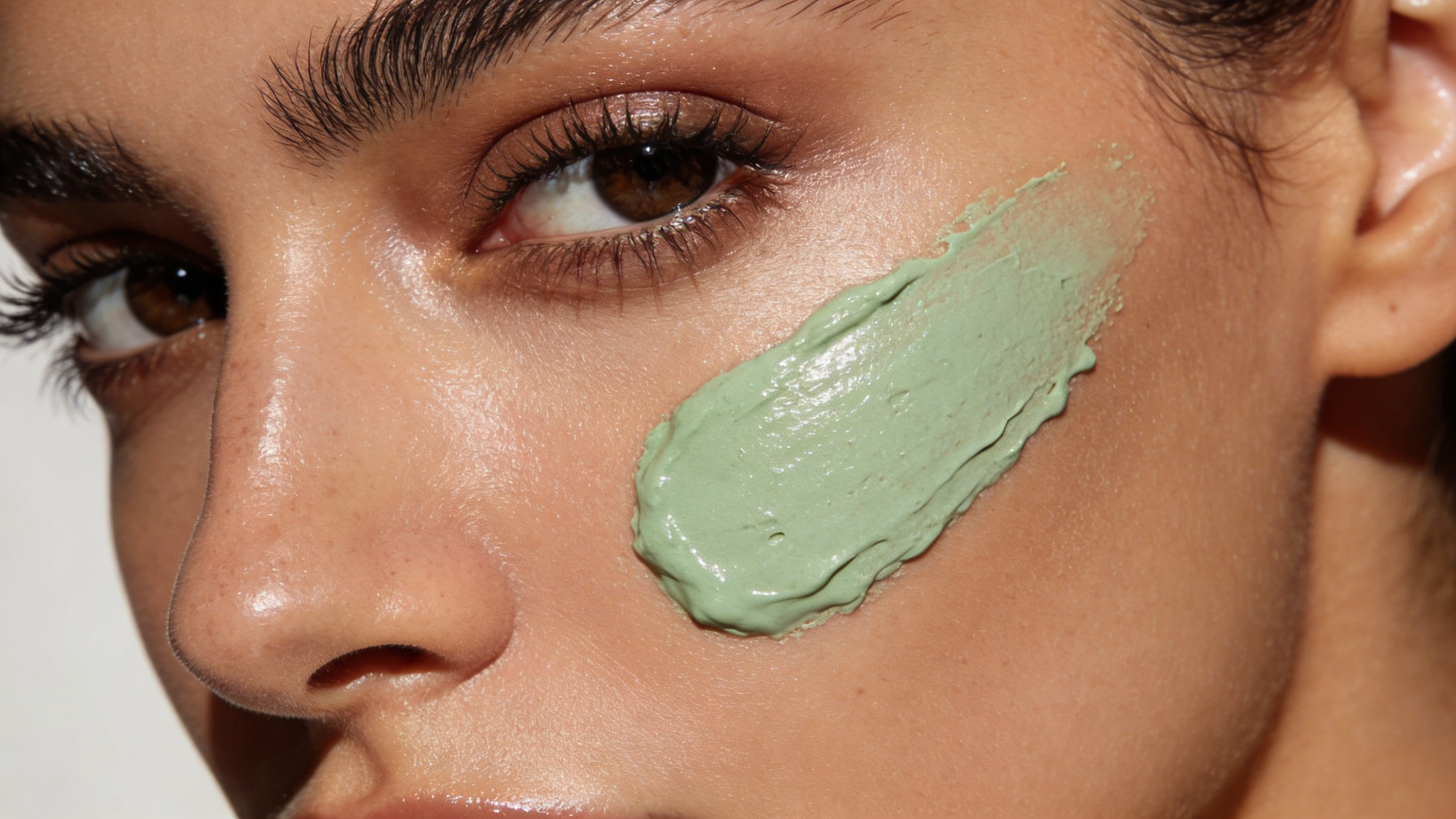

Beyond the "Mud": The Truth About Using a Clay Mask for Real Results
Let’s be honest: the skincare world is obsessed with "glow," but you can’t get that radiance if your pores are staging a mutiny. If you’ve ever looked in the mirror and felt like your face was a magnet for every speck of city grime, you’ve probably reached for a clay mask.
But here’s the thing—not all "mud" is created equal. Most people treat a clay face mask like a one-size-fits-all vacuum cleaner for the face. They slather it on, wait for it to crack like a desert floor, and then wonder why their skin feels itchy and parched. To cleanse properly, you need to understand the type of clay you’re using and how it interacts with your specific skin type.
Whether you're battling a stubborn blackhead or just want to detoxify after a long week, this guide cuts through the marketing fluff to find the best clay mask for your unique complexion.

Why Your Skin Actually Craves a Deep Cleansing Clay
We live in a world of microscopic pollutants. Throughout the day, your skin acts as a barrier, catching oil, dirt, and dead skin cells. When these mix, you get clogged pores, which eventually lead to breakouts or that dull, gray skin tone we all try to hide with highlighter.
A purifying mask doesn't just sit on the surface. Because of the ionic charge in minerals like bentonite clay, the clay draws impurities out like a magnet. This deep cleansing action is what makes the appearance of pores look smaller—you aren't actually shrinking the pore (that's physically impossible), but you are emptying it, making it far less noticeable.
Choosing the Right Mineral: Kaolin vs. Bentonite
Before you go buying clay masks, look at the ingredient list. The best clay masks for clear skin usually rely on a strategic blend of two powerhouses:
-
Bentonite Clay: This is the heavy lifter. It has incredibly strong absorbent properties, making it the best for acne and those with high sebum production. It’s the star of any charcoal detox mask designed for an intensive "pore vacuum" effect.
-
Kaolin Clay (White Clay): Much gentler. It doesn’t strip the skin as aggressively, making it ideal if you have dry skin or a sensitive barrier.
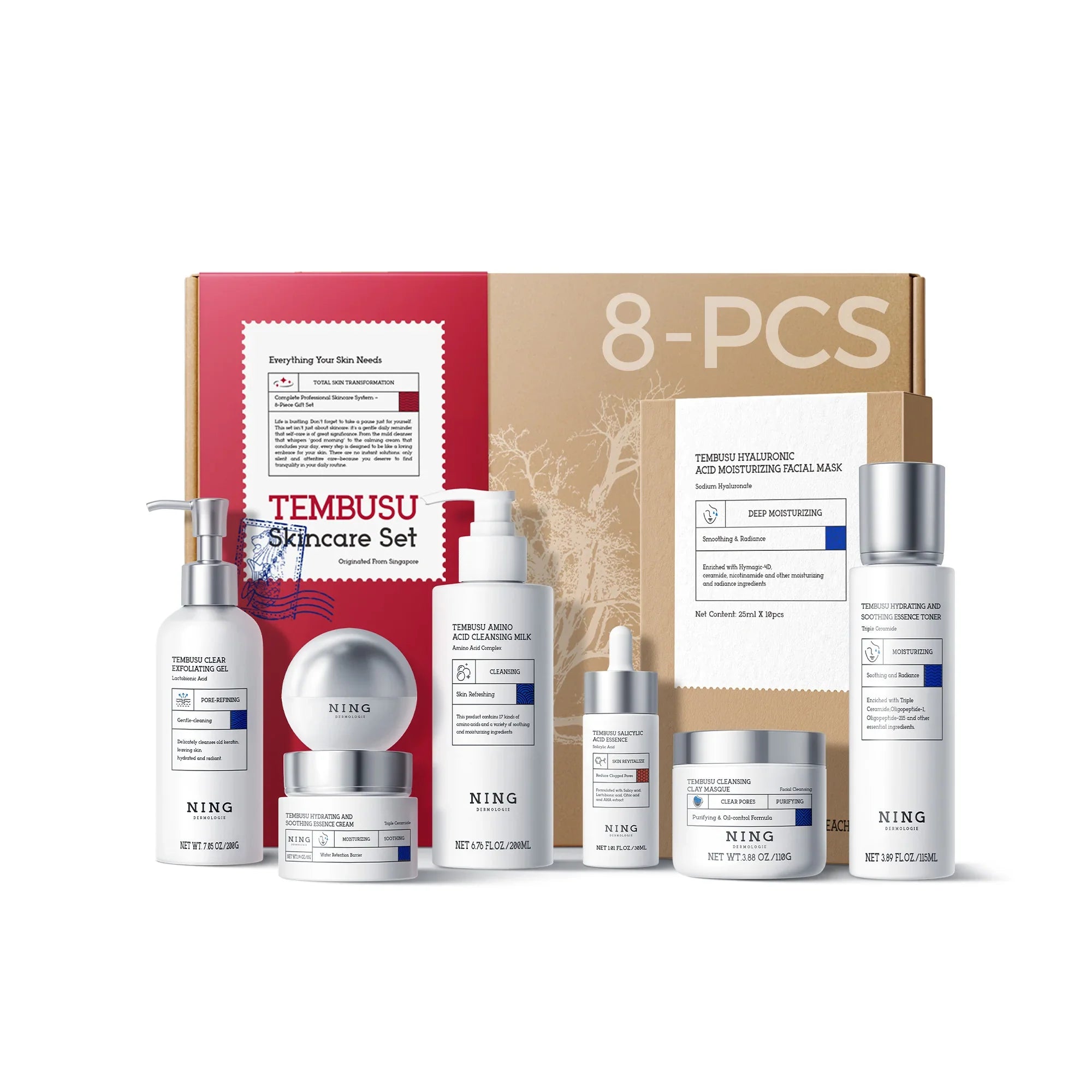
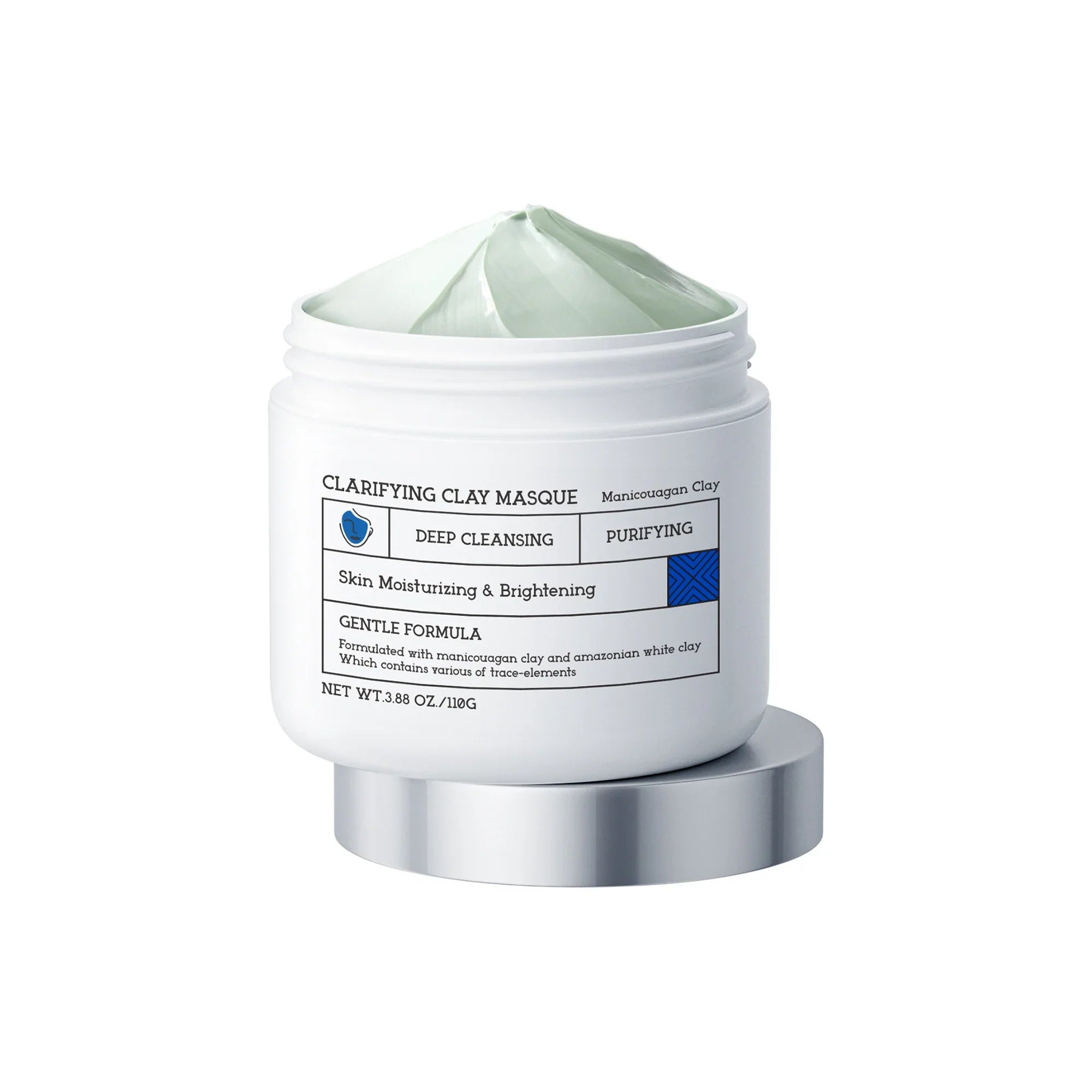
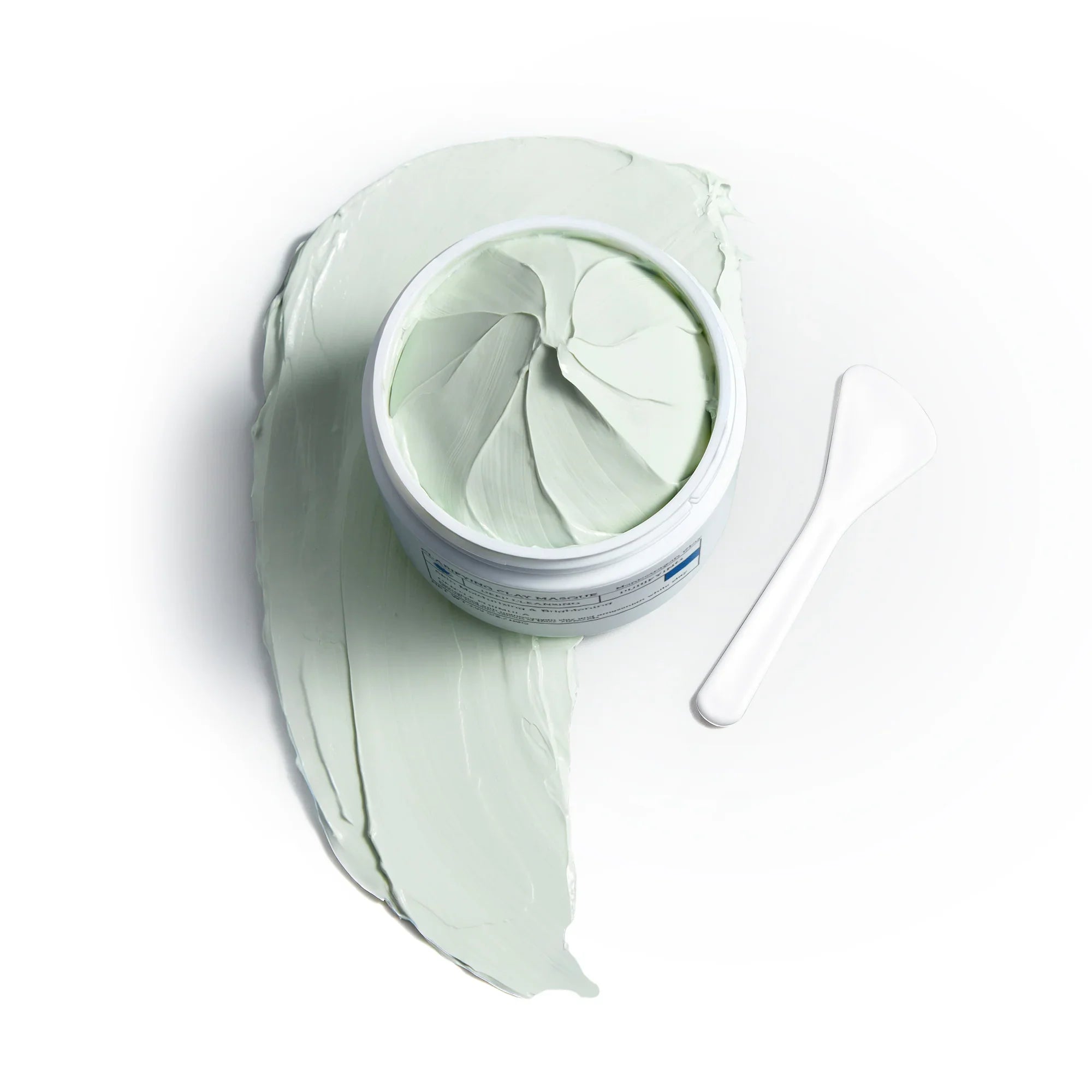
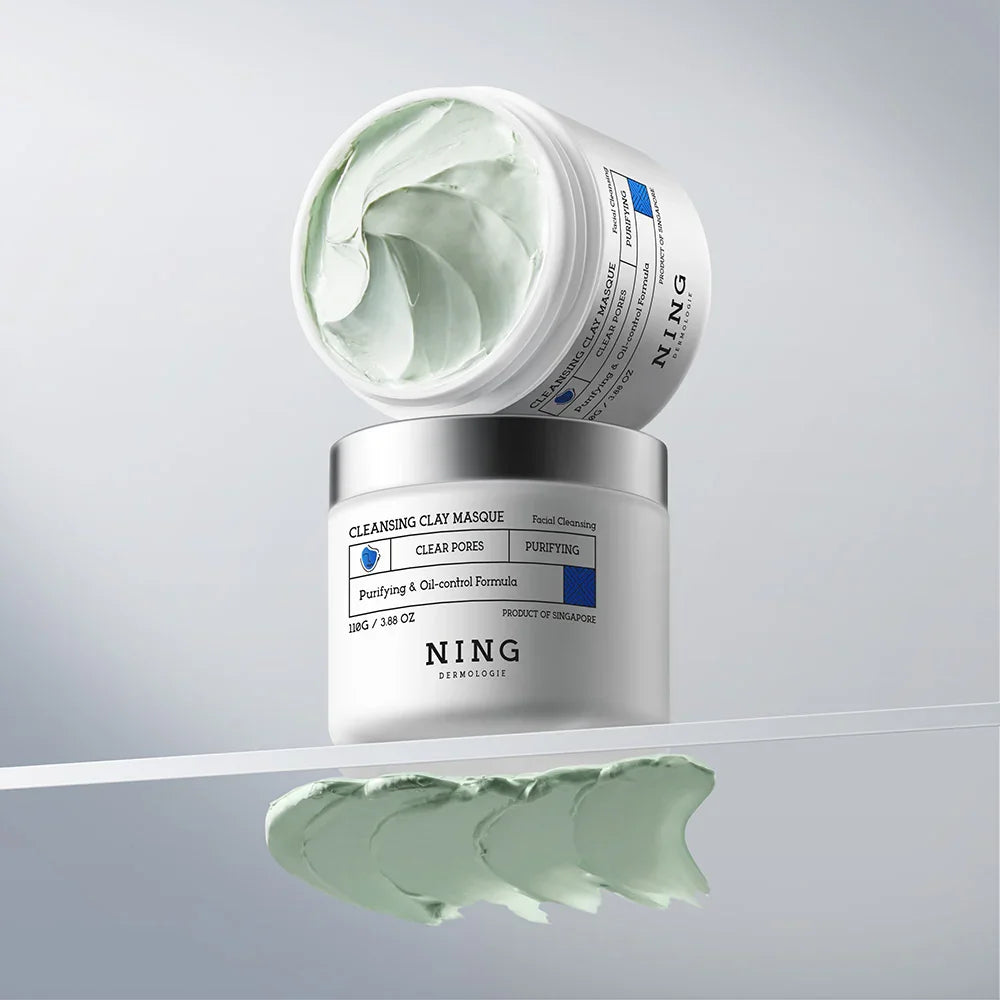
At NING Dermologie, we realized that most intensive masks were too harsh for the modern, sensitized individual. That’s why our Clay Mask for Face Sensitive Skin focuses on kaolin and bentonite in a balanced ratio. It offers that deep cleansing clay feel without the "cracked earth" sensation that leaves your skin screaming for moisture.
The 8 Best Clay Masks: Expert-Vetted Selections
When we asked a board-certified dermatologist what they look for, the answer was simple: "Consistency and Mineral Purity." Here are the top clay masks that actually deliver.
1. Best Overall: NING Dermologie Purifying Masque
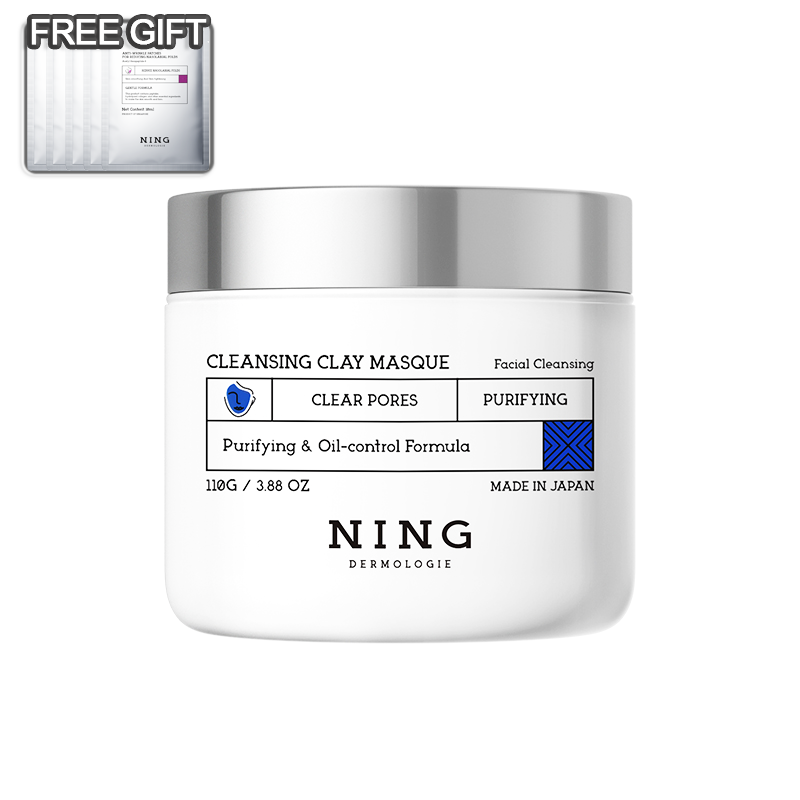
This is the best overall for those who want results without the irritation. It's a clarifying clay mask that uses kaolin and bentonite clays to absorb excess oil while incorporating soothing botanicals. Unlike traditional formulas, this mask feels creamy and soothes the skin while it works.
2. Best for Acne-Prone Skin: Skinceuticals Clarifying Clay
The Skinceuticals Clarifying Clay is a staple in many clinics. It’s formulated with a high concentration of minerals and a fruit acid blend to gently exfoliate dead skin cells. If you have acne-prone skin, this is a top-tier choice to keep pores clear.
3. Best for Dull Skin: Tatcha The Clarifying Clay Mask
Tatcha The Clarifying Clay Mask uses Japanese volcanic ash. What makes this clay mask is best for dullness is the warming sensation it produces upon application, which helps "loosen" debris in clogged pores before the clay sets.
4. Best for Pores: Volcanic AHA Pore Clearing Clay
If your main goal is to clear pores, look for something with chemical exfoliants. A volcanic AHA pore clearing clay masque combines the physical pull of clay with the chemical dissolving power of AHAs. It’s a double-whammy for an uneven skin texture.
5. Best for Dry Skin: Fresh Umbrian Clay
Many dry skin types avoid clay, but Fresh Umbrian Clay is remarkably high in mineral content without being overly drying. It helps detoxify while maintaining a soft skin feeling.
6. Best for Uneven Skin Texture: K-Beauty Clay Masques
Many K-beauty clay options utilize kucha clay (a sea silt from Okinawa) or pink clay. These are excellent at refining skin texture and brightening an uneven skin tone through mild mineral exfoliation.
7. Best Detox Mask: Amazonian White Clay Formulas
Often sourced from the Amazon River, Amazonian white clay is famous for its ability to remove the mask of pollution from the skin. It’s particularly effective for combination skin that needs a T-zone reset.
8. Best for Sensitive Skin: NING Dermologie Sensitive Formula
We have to mention our own Clay Mask for Face Sensitive Skin again because it fills a gap most brands ignore. It ensures that even those with reactive skin can enjoy a detox mask experience.
How to Apply Clay Masks Without Wrecking Your Barrier
Most people apply clay masks wrong. Here is the professional way to do it:
-
Prep: Use a warm towel to soften the skin. You don't need a "steam facial," just enough warmth to make the blackhead debris easier to lift.
-
Application: Spread a thin, even layer onto the skin. You don't need a thick cake of mud. Focus on areas with enlarged pores.
-
The Goldilocks Rule: Don't wait for the mask to completely crack and change color. If it’s crumbling off your face, you’ve left it on too long and it’s now sucking the necessary water out of your cells. Remove the mask while it still feels slightly tacky.
-
The Rinse: Use lukewarm water. Avoid scrubbing aggressively. Using this mask should be a spa-like experience, not a sandpaper treatment.

The Dermatologist Perspective: Is it Worth It?
According to a board-certified dermatologist, using a clay mask once or twice a week can significantly improve the health of your acid mantle—provided you don't overdo it. Clay masks aren’t just for teenagers with oily skin; they are a vital tool for anyone living in an urban environment where pollutants are a daily struggle.
If you chose the best clay masks for your specific needs, your skin feels clean and your pores look refined almost immediately. Skin looked more vibrant after just one use in our internal trials at NING Dermologie.
Frequently Asked Questions (FAQ)
1. How often should I use a clay mask?
For most, using a mask once or twice a week is plenty. If you have extremely oily or acne-prone skin, you might lean toward three times, but listen to your skin. If it starts to feel tight or shows redness, scale back. Over-masking can lead to "rebound oiliness," where your skin produces even more oil to compensate for being stripped.
2. Can I use a clay mask if I have dry skin?
Yes, but you must be selective. Look for a white clay or pink clay base, such as the NING Dermologie Sensitive Skin formula. These are designed to cleanse without leaving skin parched. Always follow up with a high-quality moisturizer or hyaluronic acid serum to lock in hydration immediately after rinsing.
3. Why do my pores look larger after using a mask?
They don't actually get larger! When you clear pores of dark blackhead oxidation and gunk, the "hole" becomes more visible because it’s empty. This is temporary. As your skin settles and hydrates, the appearance of pores will tighten. Consistent use of a purifying clay will actually make them look much smaller over time.
4. Should I exfoliate before using a clay mask?
It depends on the mask. If you are using a volcanic AHA pore clearing clay, it already contains chemical exfoliants, so a scrub beforehand might be too much. However, a gentle physical exfoliation can help remove dead skin cells, allowing the clay to have better contact with the clogged pores. Just don't scrub too hard!
5. Can clay masks help with cystic acne?
While a deep cleansing clay is incredible for surface-level issues like blackhead formation and excess sebum, cystic acne is usually hormonal and deeper under the skin. A dermatologist would tell you that while a mask can soothe the skin and reduce surface inflammation, it won't "pull out" a deep cyst. Use it as a preventative tool rather than a cure for deep-seated acne.
6. What should I do if the mask stings?
A slight tingle can be normal, especially with a detox mask containing active minerals or AHAs. However, if the mask feels like it’s burning or the stinging persists, wash it off immediately. This usually means your skin barrier is compromised or the type of clay is too aggressive for your skin type. Always patch test a new clay face mask on your neck first.
Ready to see what your skin really looks like without the congestion? Explore the NING Dermologie Clay Mask for Face Sensitive Skin here.





Share:
The Ultimate Guide to the Best Clay Masks for Every Skin Type
Achieve Flawless Skin with These Must-Try Clay Masks of 2025