

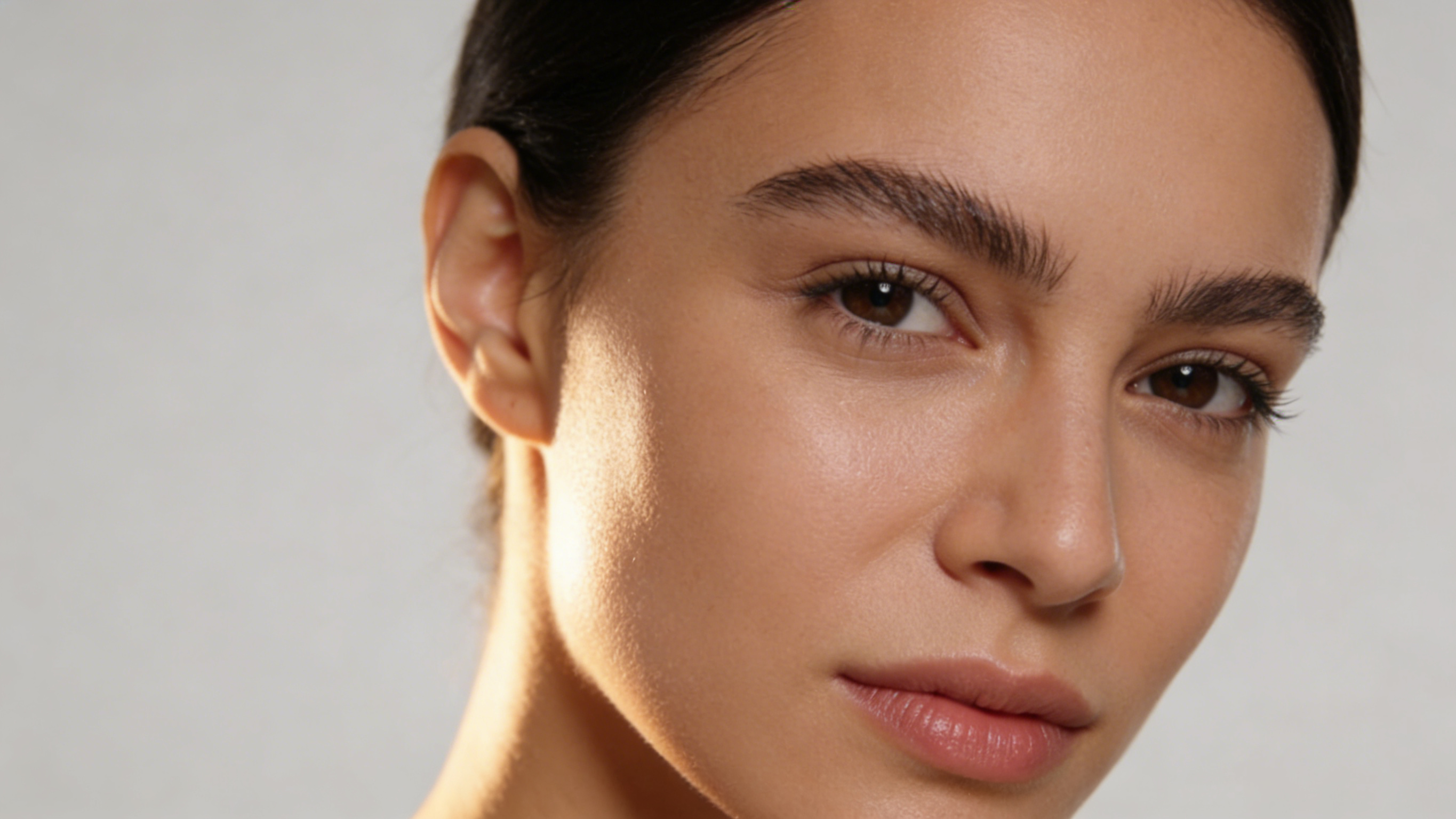

The Ultimate Guide to the Best Clay Masks for Every Skin Type: Real Talk for Radiant Skin
Let’s be honest: the world of skincare is crowded. If you’ve ever stood in an aisle staring at a dozen different jars of mud, wondering which clay face mask won't leave your face feeling like a cracked desert floor, you aren't alone. Welcome to the ultimate guide to navigating the world of clay masks. We’re stripping away the marketing fluff to help you discover the best fit for your unique face.

Understanding Your Skin Type (Before You Buy Anything)
Applying a clay mask without understanding your skin type is like throwing a dart in the dark. You might hit the bullseye, or you might end up with a red, irritated mess. Generally, your skin fits into a few camps: oily skin, dry skin, normal skin, combination skin, or the ever-tricky sensitive skin.
If you’re constantly blotting your forehead by noon, you likely have oily or acne-prone skin. If your face feels tight after a shower, you're in the dry skin club. But here’s the kicker—many people have sensitive skin types that react to everything. This is where a dermatologist would tell you to be careful. A clay mask for your skin should be a tool, not a weapon.
Types of Clay: Which Clay is Right?
Not all "mud" is created equal. The types of clay used in mask formulations have wildly different personalities.
- Bentonite Clay: Think of this as the heavy lifter. Bentonite clay is highly absorbent—it’s essentially a vacuum for your pore. It’s the best natural choice for those battling excess oil.
- Kaolin Clay: The "gentle giant." Kaolin clay (often called white clay) is the right for your skin if you need to cleanse and purify the skin without a harsh "strip-mine" effect.
- Pink Clay: A favorite for radiant skin. It’s usually a mix of red and white clays, making it a cleansing clay mask that’s suitable for dry skin.
- French Green Clay: Famous for its mineral content, green clay is great for improving skin texture and soaking up gunk from acne-prone skin.
- Rhassoul Clay: This Moroccan clay is rich in magnesium and potassium. It’s a traditional clay mask staple that helps with even skin tone.
- Blue Clay Mask: Often packed with algae or minerals, these masks work to purify the skin without causing excessive dehydration.
Choosing the Right Clay Mask for Your Skin
For the Oil Factory: Oily and Acne-Prone Skin
If your pore visibility is high and you’re fighting breakouts, bentonite clay or french green clay are your best friends. These masks offer deep detoxification. They grab dead skin cells and excess oil before they can turn into a pimple. A clay face mask with these ingredients is highly absorbent, but remember: don't overdo it.
The Delicate Balance: Sensitive Skin
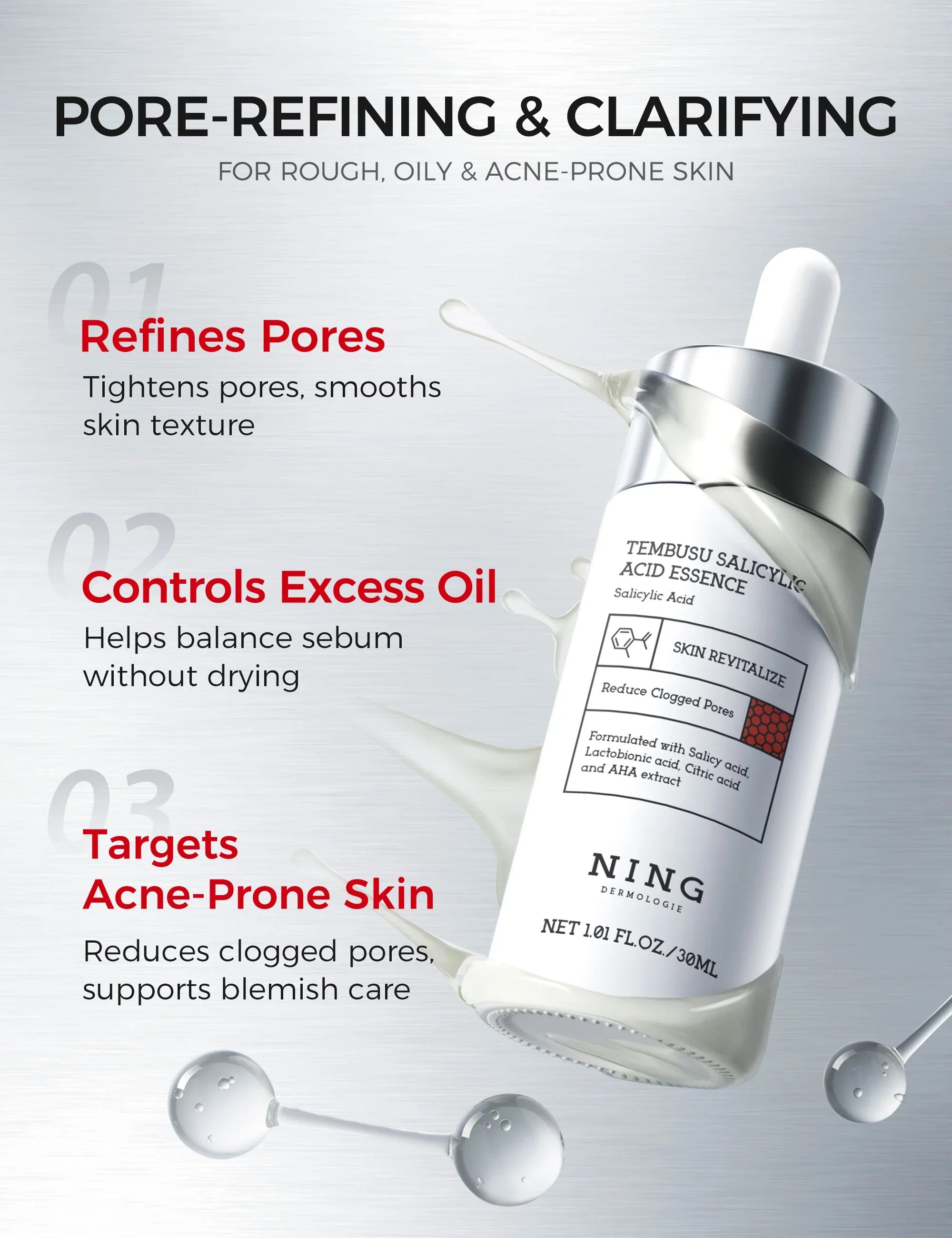
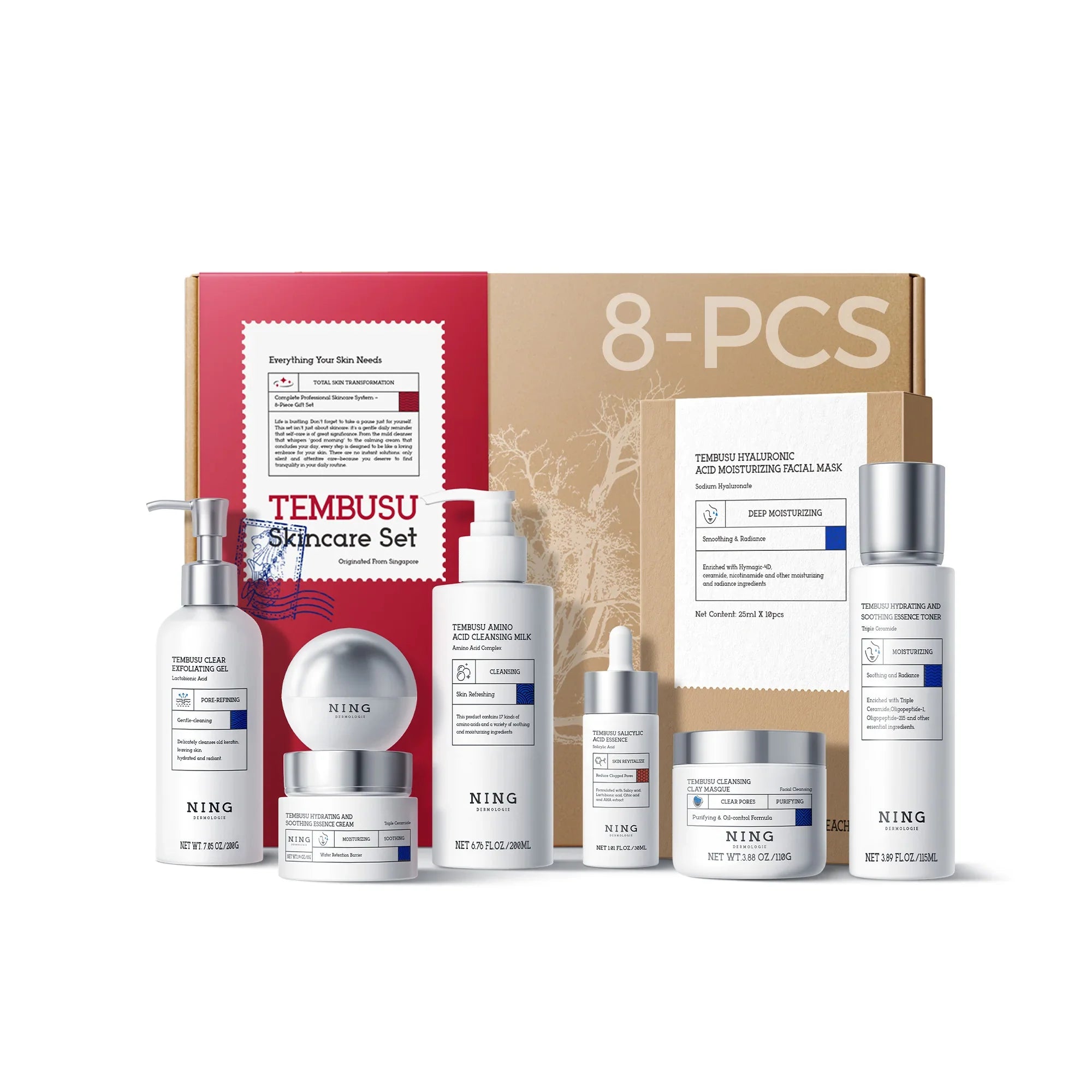
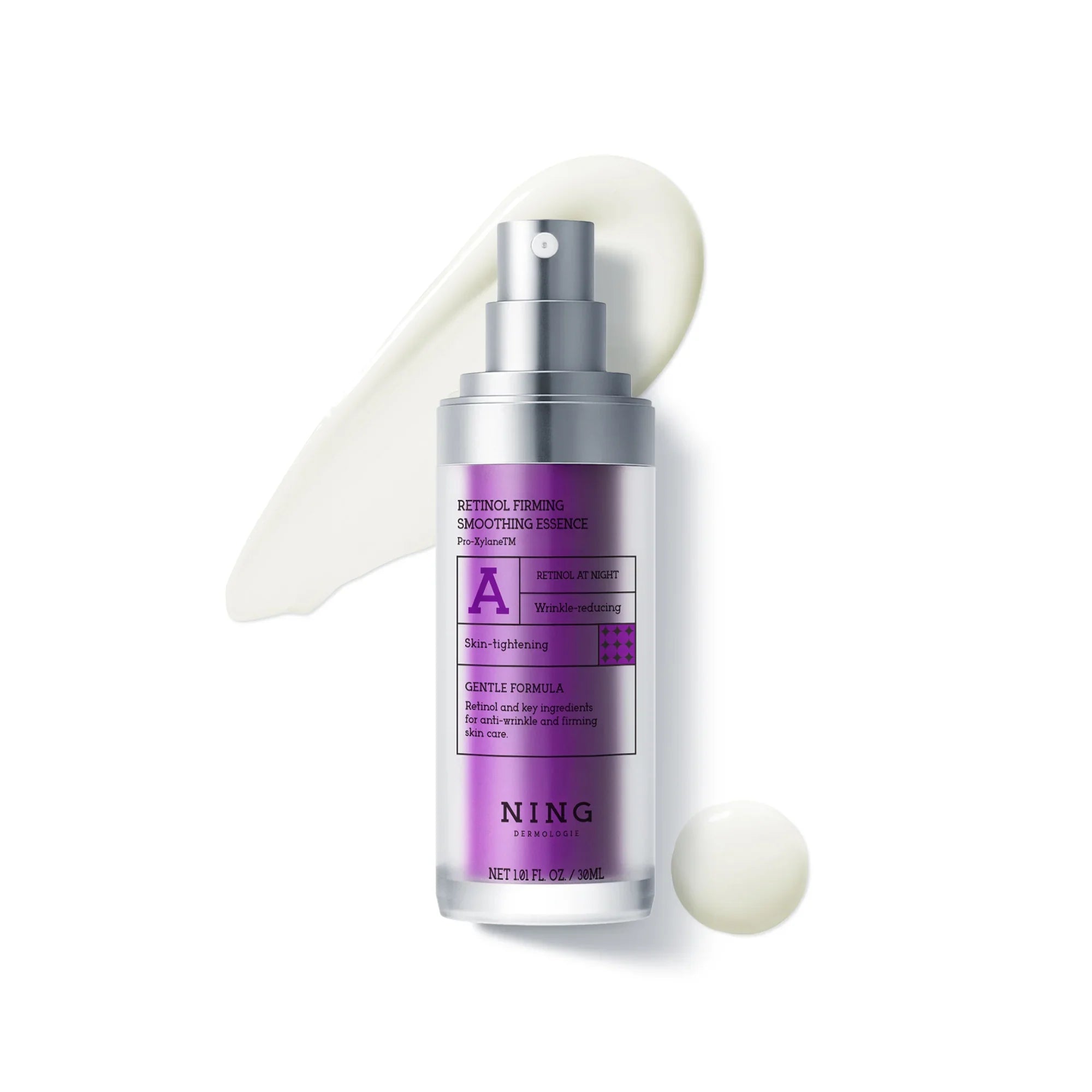
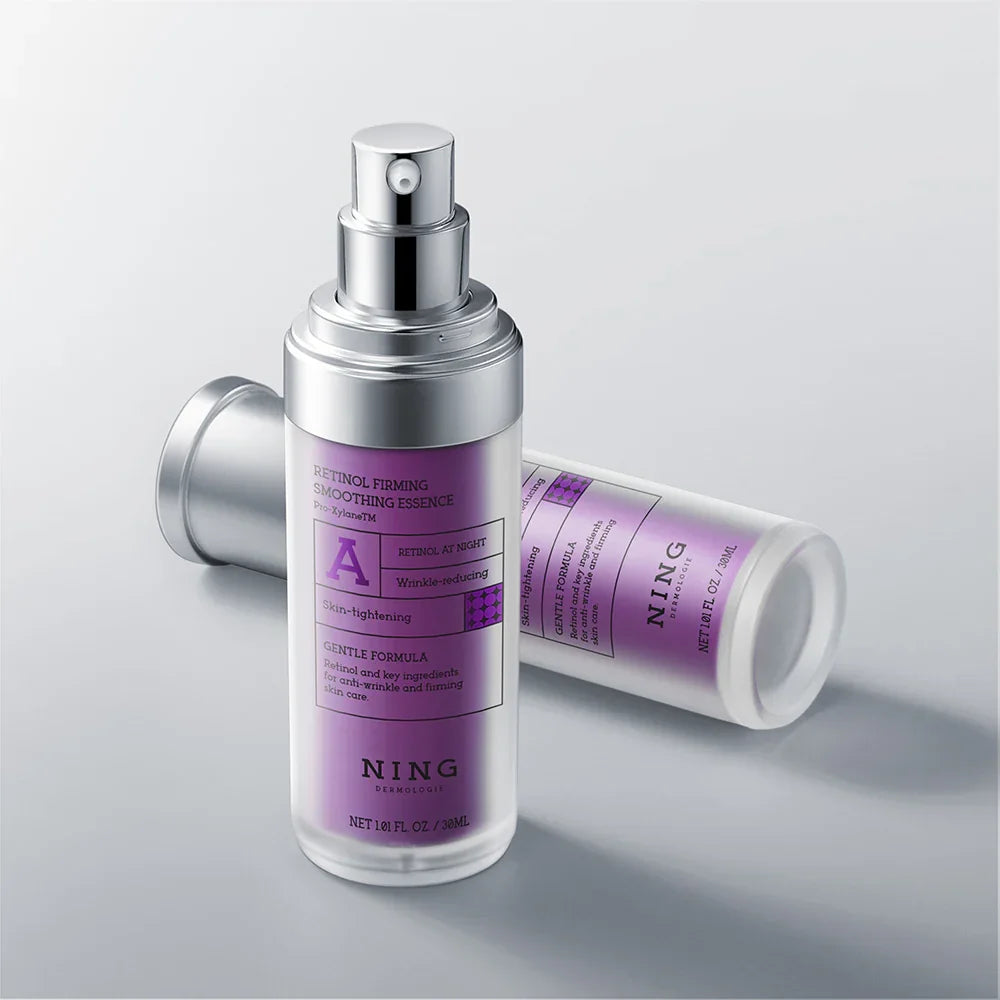
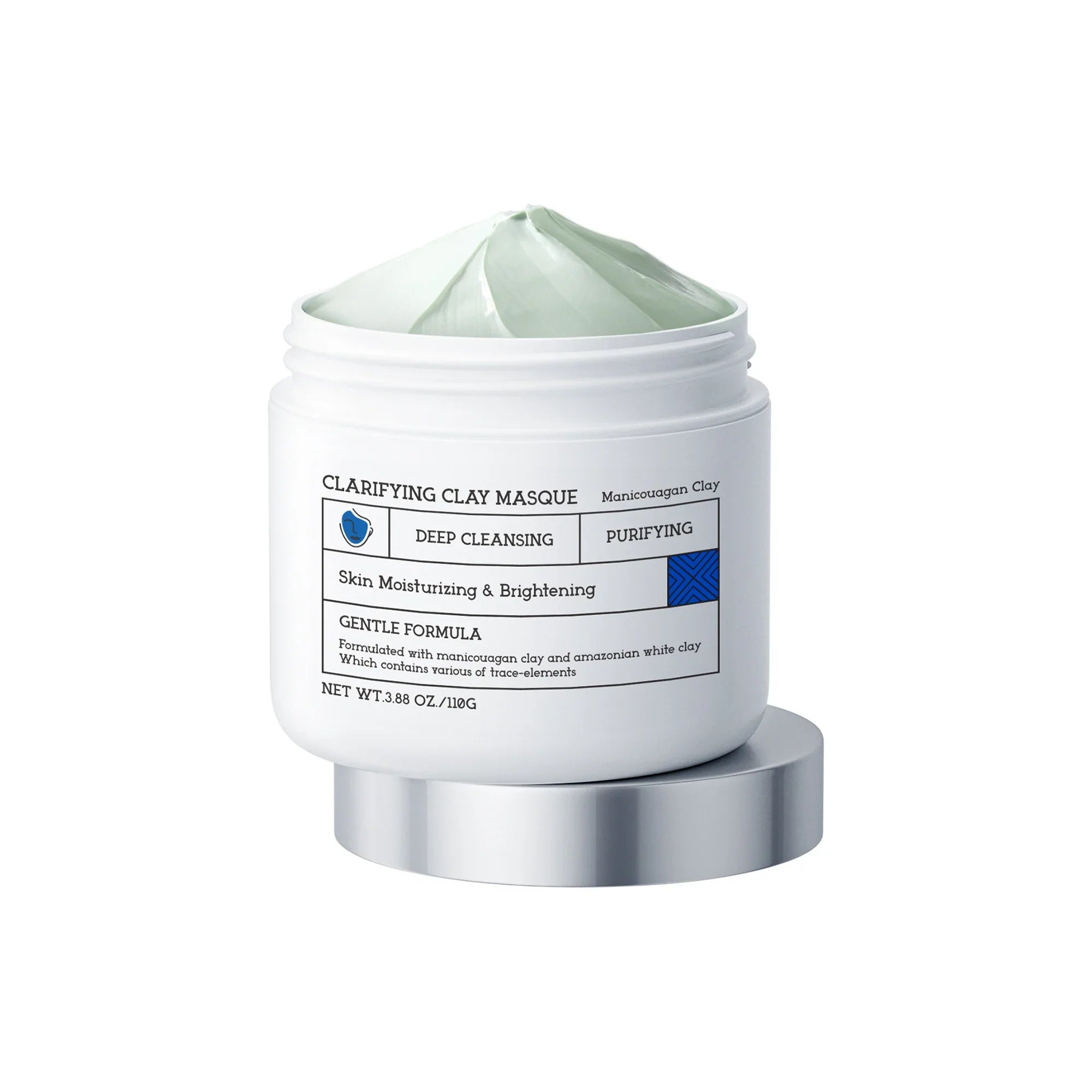
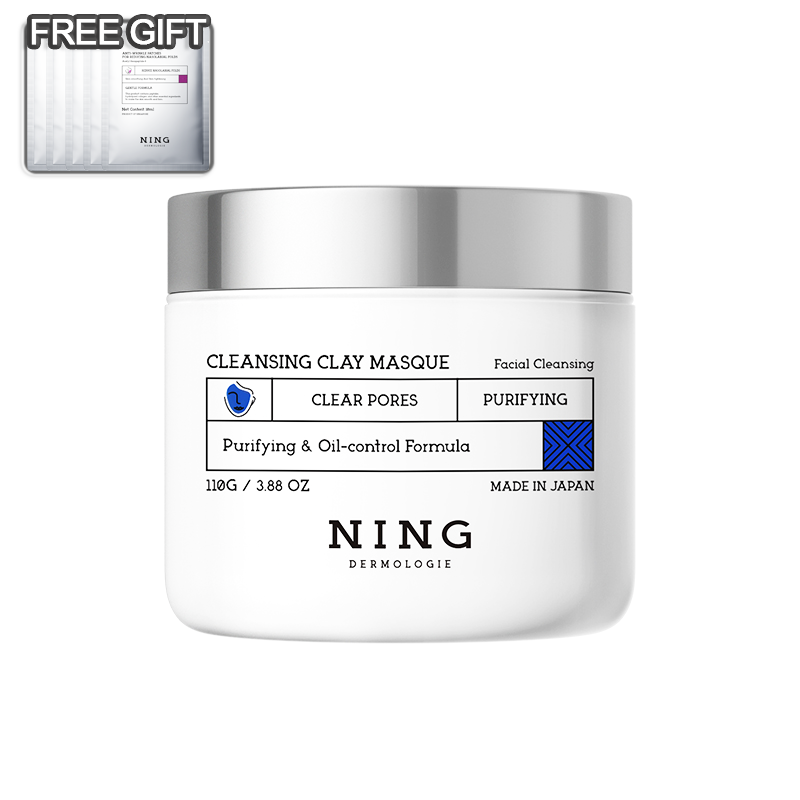
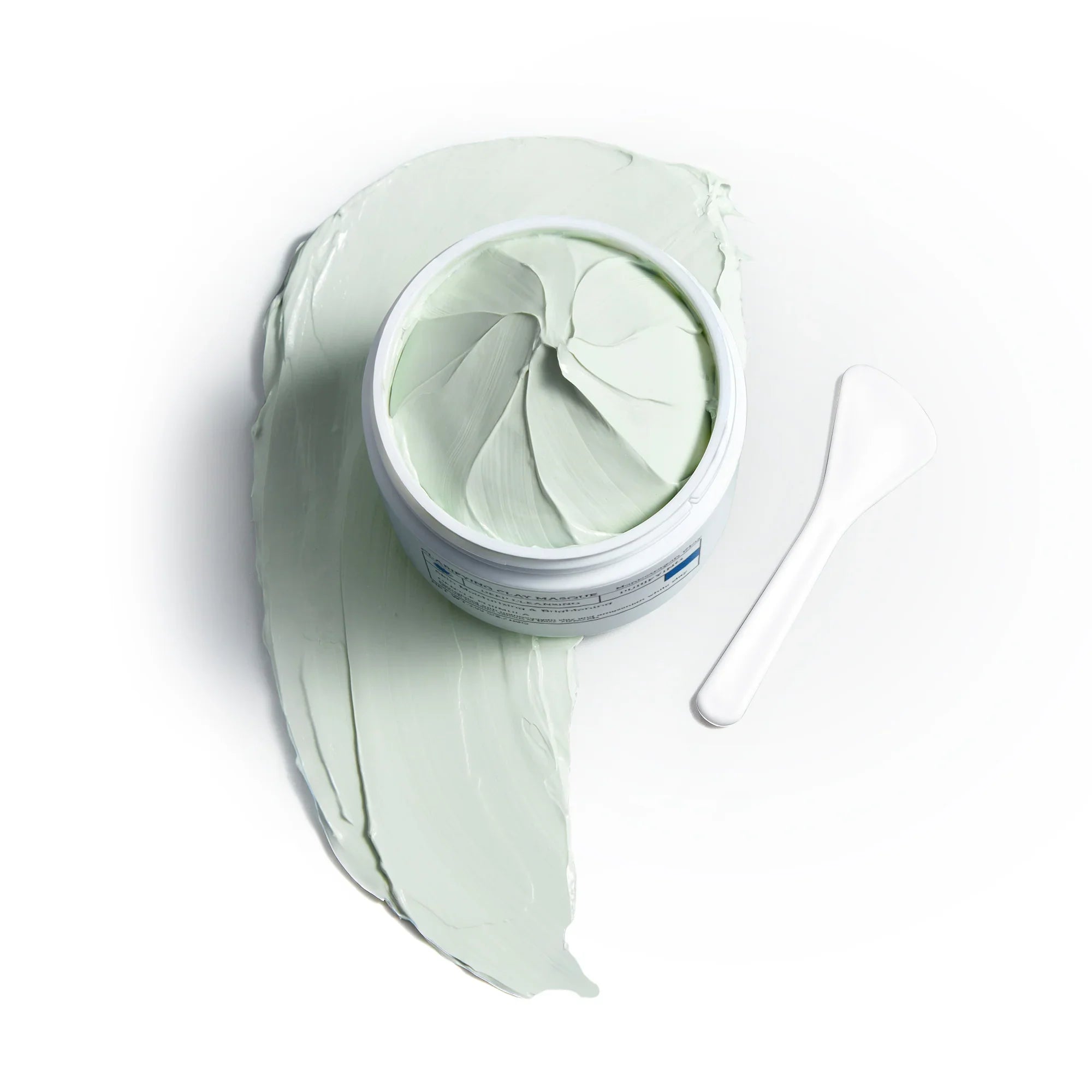
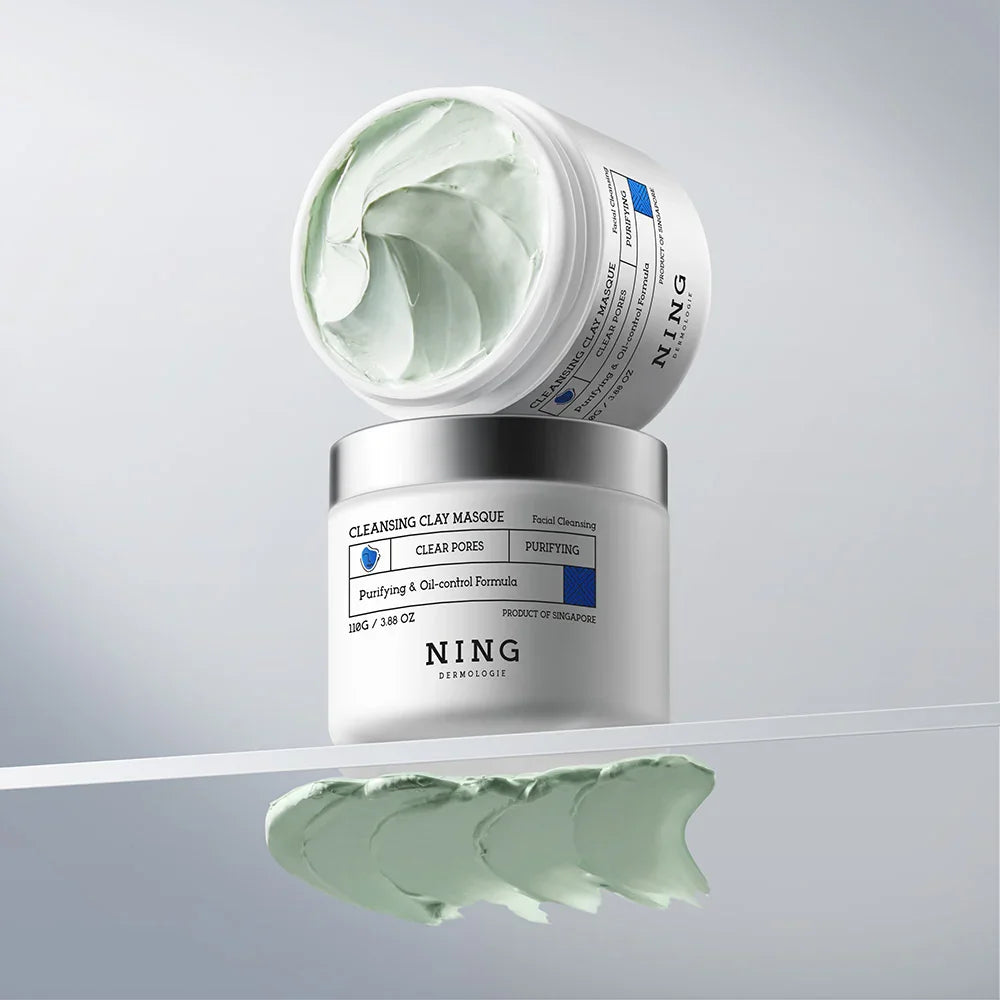
If you have sensitive skin, most clay masks for every skin type might feel too aggressive. You need something that won't cause a flare-up. Our recommendation? Look for the NING Dermologie Clay Mask for Face Sensitive Skin. It’s designed to cleanse and remove impurities from the skin while keeping the skin hydrated. It’s arguably the right clay mask for those who usually fear the "clay crackle."
The Desert Struggle: Dry Skin
Yes, clay mask is right even for dry skin types—if you pick the right one. Yellow clay or pink clay are much milder. The goal here is healthy skin that feels soft, not parched. Look for a clay mask treatment that incorporates oils or aloe so you’re leaving the skin supple.
The Hybrid: Combination Skin
Combination skin is a puzzle. Your T-zone is an oil slick, but your cheeks are flaking. Multi-masking is the answer. Use bentonite clay on your nose and chin, and a pink clay on your cheeks. It's about meeting your skin needs where they are.
How to Use a Clay Mask (The "Human" Way)
Most people use a clay mask incorrectly. They wait until it’s bone-dry and crumbling into their lap before washing it off. Dermatologist advice usually suggests otherwise.
-
Cleanse First: Always start your skincare routine with a fresh face. You want the clay works to happen on your skin, not on top of your makeup.
-
The Goldilocks Layer: When applying the mask, don't go too thick. An even, opaque layer is plenty.
-
The Timing Trick: A clay mask starts to work in three phases. The damp phase (where skin drinks in minerals), the start-of-dry phase (where it draws out oil), and the dry phase (where it sucks out moisture). Letting it dry completely is a mistake. Wash it off when it’s still slightly tacky to the touch.
-
Frequency: Depends on your skin type. Once or twice a week is usually the sweet spot for improving skin texture without causing skin concerns.

Why NING Dermologie?
At NING Dermologie, we believe skincare shouldn't be a guessing game. Our range of clay masks focuses on the science of the pore. By using the best clay masks with balanced pH levels, we ensure your journey to glowing skin doesn't come at the cost of your skin barrier. Specifically, our Clay Mask for Face Sensitive Skin is a game-changer for those who want that deep-clean feeling without the redness.
The Benefits of Using Clay Masks Regularly
When you find the right clay mask, the benefits of using it go beyond just a 15-minute "me time." Over time, a clay mask is the best tool for:
- Improving skin texture by removing buildup.
- Achieving radiant skin through mild exfoliation.
- Keeping pore size looking minimized.
- Maintaining healthy skin by balancing sebum production.
This guide to clay face masks is your roadmap, but listen to your face. If it feels good, you’re on the right track. If it stings, stop. Skincare is personal, and your skin requires patience.
Frequently Asked Questions (FAQ)
1. How do I know which clay is best for my specific skin concerns?
It mostly boils down to absorbency. If you have oily and acne-prone skin types, go for "strong" clays like Bentonite or Green clay. If your skin concerns involve dryness or redness, stick to Kaolin or Pink clay. The best skincare results come from matching the clay’s strength to your skin’s oil production. When in doubt, NING Dermologie suggests starting with a gentle Kaolin-based mask to test your tolerance before moving to more intensive clay types.
2. Can a clay mask actually help with glowing skin?
Absolutely. A clay face mask acts as a physical and chemical magnet for the gunk that makes your skin look dull. By removing dead skin cells and debris from the surface of your skin, you allow light to reflect better off your face, resulting in radiant skin. For glowing skin, look for masks that contain a bit of yellow clay or Vitamin C, which help brighten while the masks help purify.
3. Is it okay to use a clay mask every day?
Usually, no. Even if you have very oily skin, using a clay mask daily can lead to "rebound oiliness"—where your skin panics because it's too dry and produces more oil. Most skincare experts recommend using a mask once or twice a week. If you have various skin types across your face, you might use it more frequently on just your nose, but rarely on the whole face every day.
4. Why does my skin feel itchy while the clay mask is on?
A slight tingling is normal as the clay starts to contract and pull at the pore. However, if it’s an intense itch or burning, you might be using the wrong mask for your skin, or you might have sensitive skin without causing a proper barrier. It could also mean you are letting it dry completely, which pulls moisture out of your skin. Try the NING Dermologie sensitive skin formula if your current mask feels too aggressive.
5. Should I moisturize after using a clay mask?
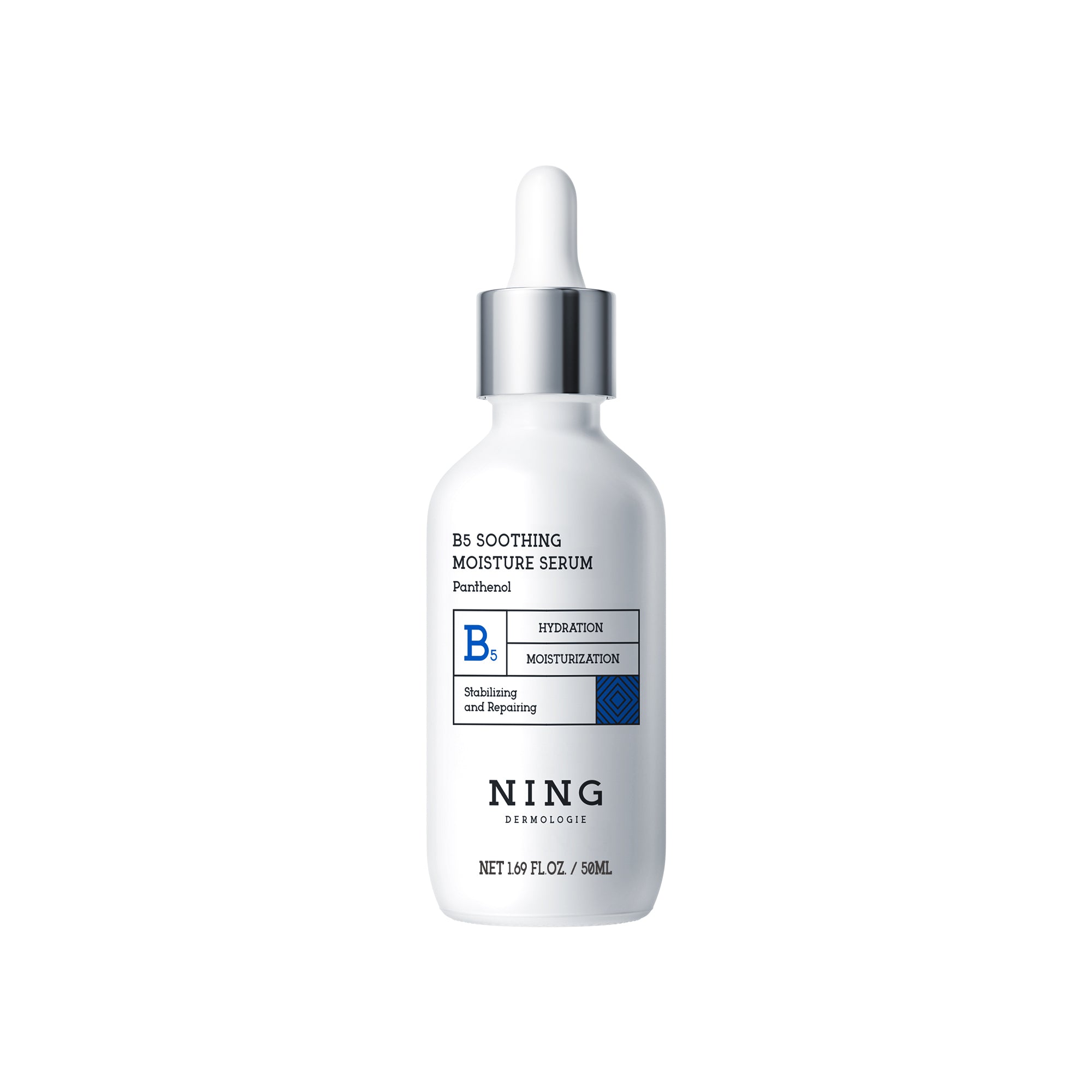
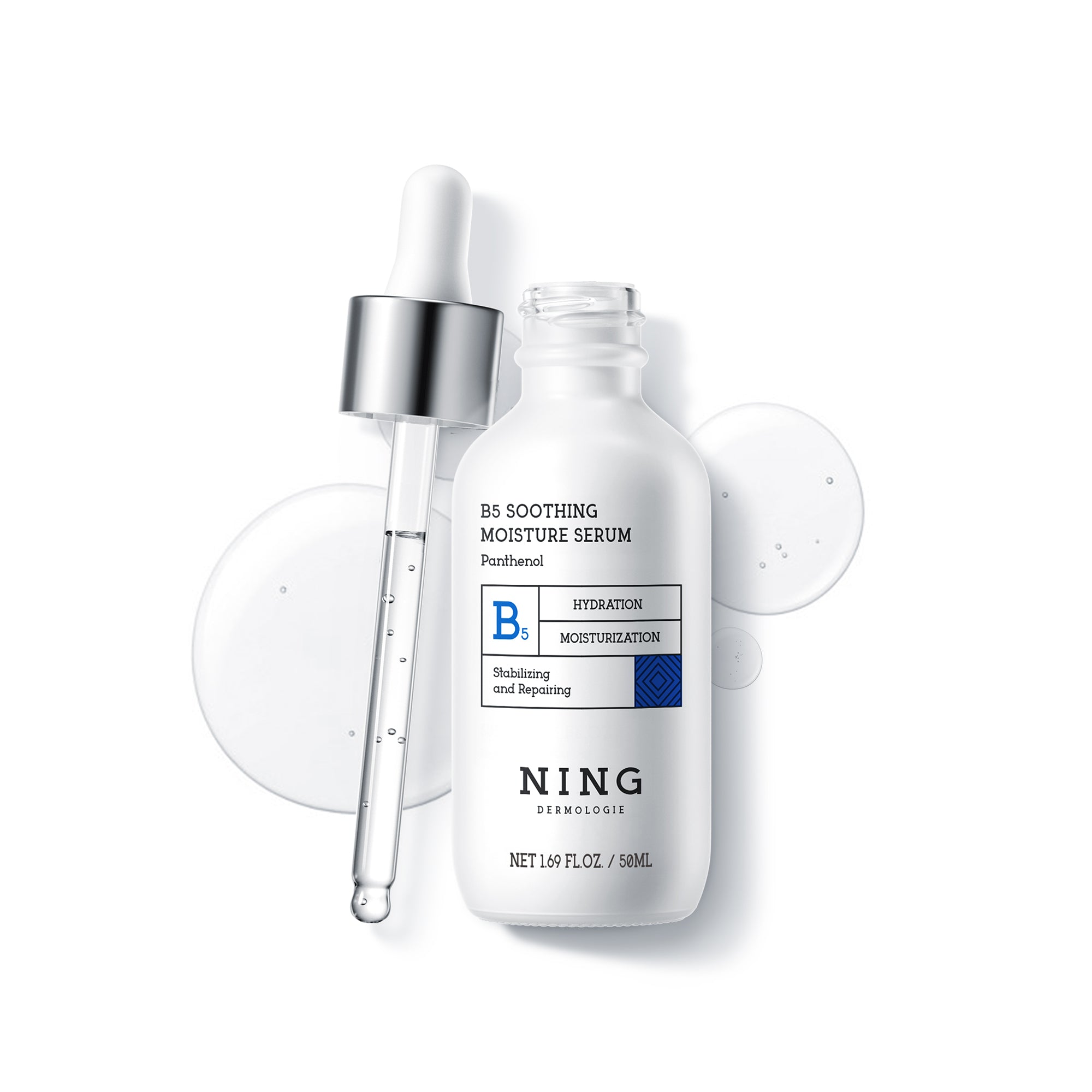
Yes, 100%. After you cleanse and mask, your pores are clear but your moisture barrier needs a "hug." Follow up with a serum or skin hydrated moisturizer to lock in the benefits. This ensures you get improving skin texture without the "cracked" feeling. Healthy skin is about the balance between purifying with clay masks for every skin type and replenishing with good hydration.
6. What is "multi-masking" and should I try it?
Multi-masking is the pro-level way to use a clay mask. Since most people have combination skin (an oily T-zone and dry cheeks), applying one clay mask everywhere isn't efficient. You apply a heavy-duty bentonite clay to your oily spots and a soothing pink clay or the NING Dermologie sensitive mask to your cheeks. This ensures you cleanse and purify the skin exactly where it’s needed without over-drying the rest.





Share:
Top 10 Clay Masks to Clear Skin and Unveil Radiance
Expert-Recommended Clay Masks for Deep Cleansing and Detoxifying