

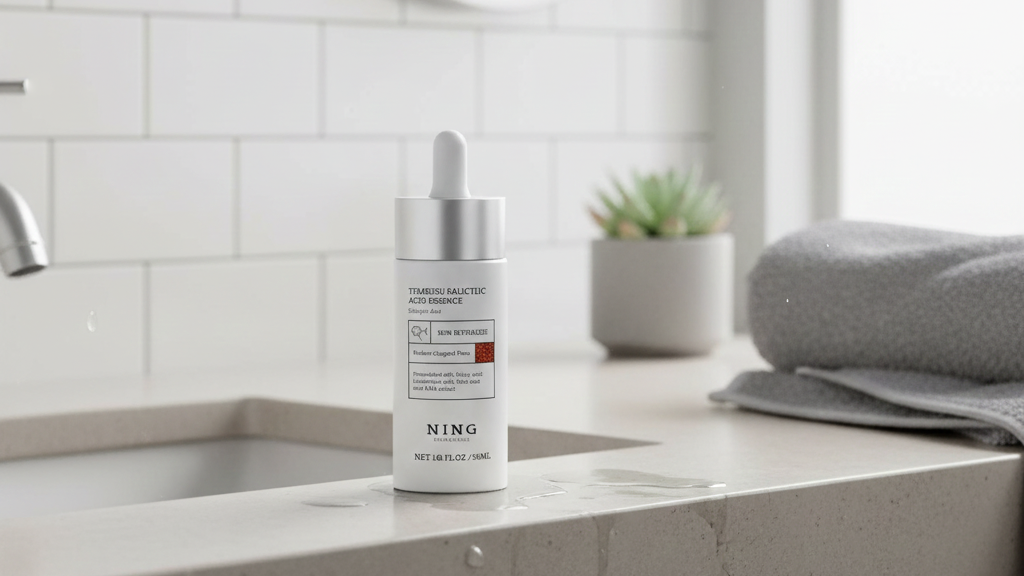

Beyond the Surface: Why Salicylic Acid is the Unsung Hero of Modern Anti-Aging
If you’ve spent any time navigating the labyrinth of modern skin care, you’ve likely pigeonholed salicylic acid as a "teenager’s ingredient"—something to be dabbed on a stubborn zit before prom. But here’s the reality that NING Dermologie has spent years perfecting: if you aren't using this beta-hydroxy acid in your 30s, 40s, and beyond, you’re missing the most efficient way to maintain radiant skin.
Aging isn't just about a loss of collagen; it’s about a slowdown in cellular traffic. As we age, our skin’s natural ability to shed dead skin cells decelerates, leading to a dull, thickened outer layer of skin that makes every wrinkle look twice as deep. This is where the benefits of salicylic acid shift from "acne fighter" to "age-defying powerhouse."

Understanding How Salicylic Acid Works: The "Molecular Janitor"
To explore how salicylic acid truly transforms your complexion, we need to look at its chemistry. Salicylic acid is a type of oil-soluble exfoliant. Because this acid is a beta-hydroxy acid, it possesses a unique affinity for oil that its cousins, like glycolic acid or lactic acid, simply don’t have.
While AHAs (Alpha Hydroxy Acids) sit on the surface, salicylic acid works by diving deep into the skin. It literally dissolves the bonds between dead skin cells and emulsifies the excess sebum and dead skin that glue them together. Think of it as a molecular janitor that doesn't just sweep the porch but deep-cleans the vents. By promoting the shedding of dead skin cells, it ensures that the skin underneath—which is fresher, tighter, and more vibrant—can finally see the light of day.
The Anti-Aging Benefits: More Than Just Smoothness
When you incorporate salicylic acid into your long-term skincare routine, you aren’t just treating the present; you’re investing in the future of your skin health.
1. Striking Back at Fine Lines and Wrinkles
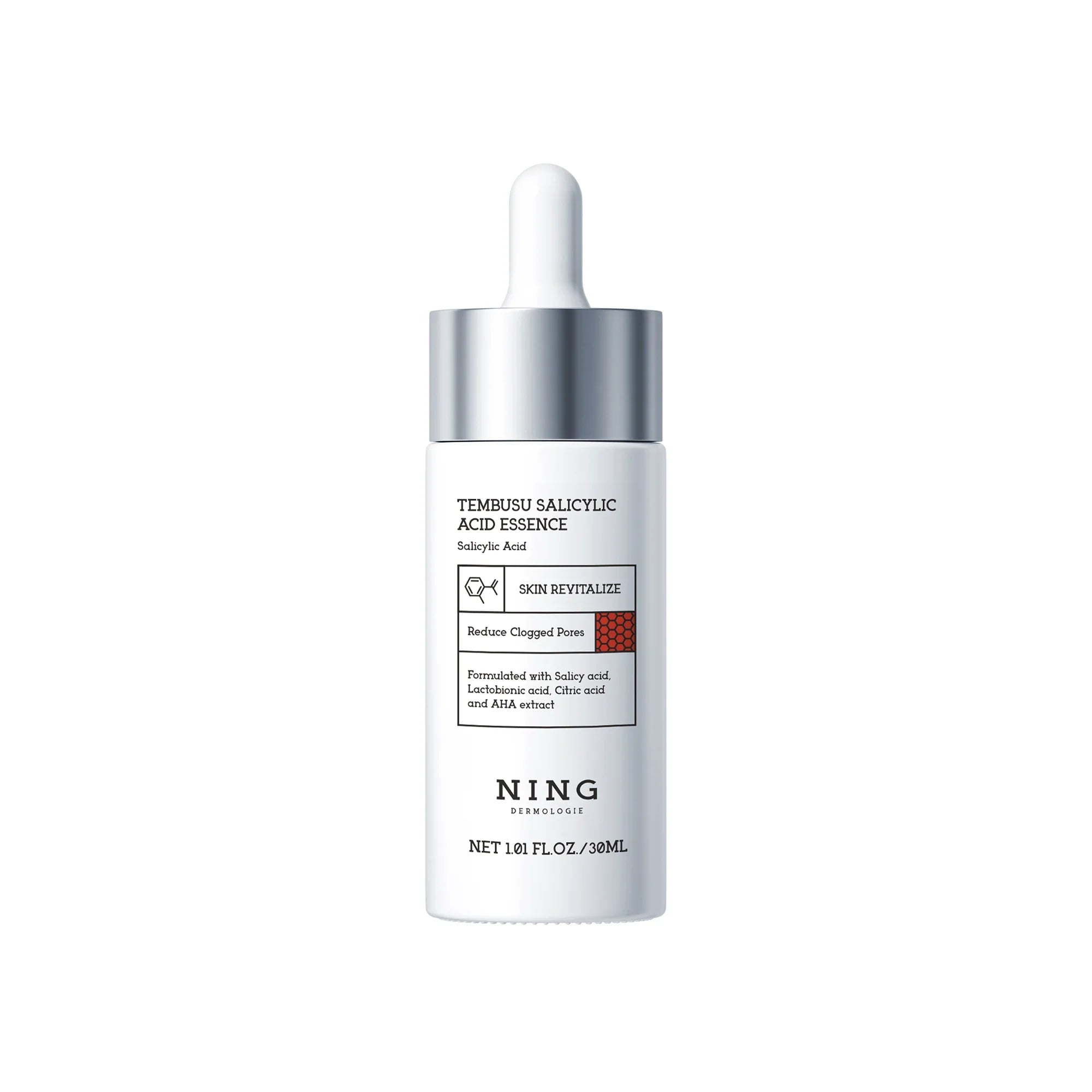
The most immediate skin benefits come from the textural shift. When the surface is cluttered with old, dry cells, light doesn't reflect off the face; it gets absorbed, making the skin feel rough and making fine lines and wrinkles appear more pronounced. By using a targeted skincare product like the NING Dermologie 2% Salicylic Acid Serum, you effectively exfoliate the skin to create a glass-like surface. This doesn't just improve skin texture; it creates an optical illusion of youth.
2. Managing Inflammation and "Inflamm-aging"
Chronic, low-grade inflammation is a primary driver of skin aging. Salicylic acid is a potent anti-inflammatory. It has a chemical structure similar to aspirin, which allows it to soothe the skin and reduce redness associated with various skin stressors. For those with a skin condition like adult acne or rosacea, this skincare ingredient acts as a calming agent that helps the overall skin look less stressed and more uniform.
3. Brightening the Skin Tone
Salicylic acid may also play a crucial role in fading hyperpigmentation. By constantly encouraging the shedding of dead skin cells, it helps "cycle out" dark spots and sun damage. Regular topical salicylic acid use ensures that your skin tone remains even, preventing that "muddiness" that often characterizes aged skin.
Salicylic Acid vs. Glycolic Acid: Which One Wins?
It’s the classic skincare debate. Glycolic acid is fantastic for surface-level sun damage, but for many, it can be too aggressive, causing a stinging sensation. Because salicylic acid is a gentle alternative for many, it’s often the better ingredient for your skin if you deal with sensitivity or enlarged pores.
While glycolic acid hydrates, salicylic acid exfoliates while simultaneously de-congesting. At NING Dermologie, we find that a 2% Salicylic Acid Serum provides the perfect balance: it’s strong enough to dissolve dead skin cells but lipid-soluble enough to stay stable within the pores without causing the "burn" often associated with high-percentage AHAs.
How to Incorporate Salicylic Acid into Your Skincare Routine
Success with this powerhouse ingredient in many skincare products lies in the "slow and steady" approach. You want to improve skin without compromising the skin barrier.
Assessing Your Skin Type
- Oily and Acne-Prone Skin: You can likely use salicylic acid daily. Your goal is to manage excess oil and dead skin before they can turn into various skin issues.
- Dry or Sensitive Skin: Start by using a salicylic acid products just twice a week. Ensure your skincare regimen includes a heavy-hitting moisturizer to counteract any temporary dryness.
- Combination Skin: Focus your acid serum on the T-zone while being more sparing on the cheeks.
Mastering the Art of Combining Ingredients
You don't have to choose between your favorites. You can incorporate salicylic acid alongside other actives if you’re strategic:
- Salicylic acid and niacinamide: This is a match made in heaven. Acid and niacinamide together help minimize pore appearance and strengthen the skin barrier while you exfoliate.
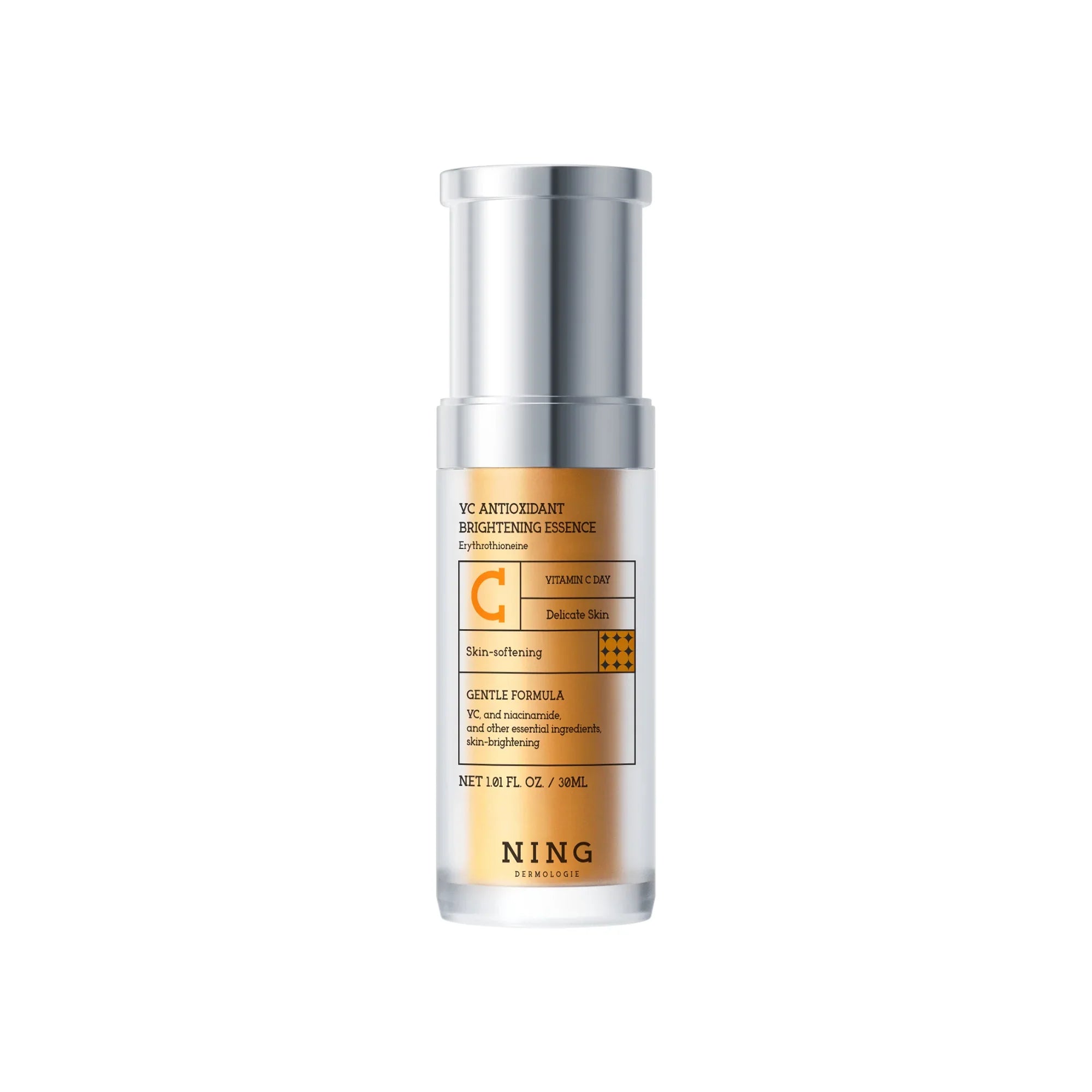
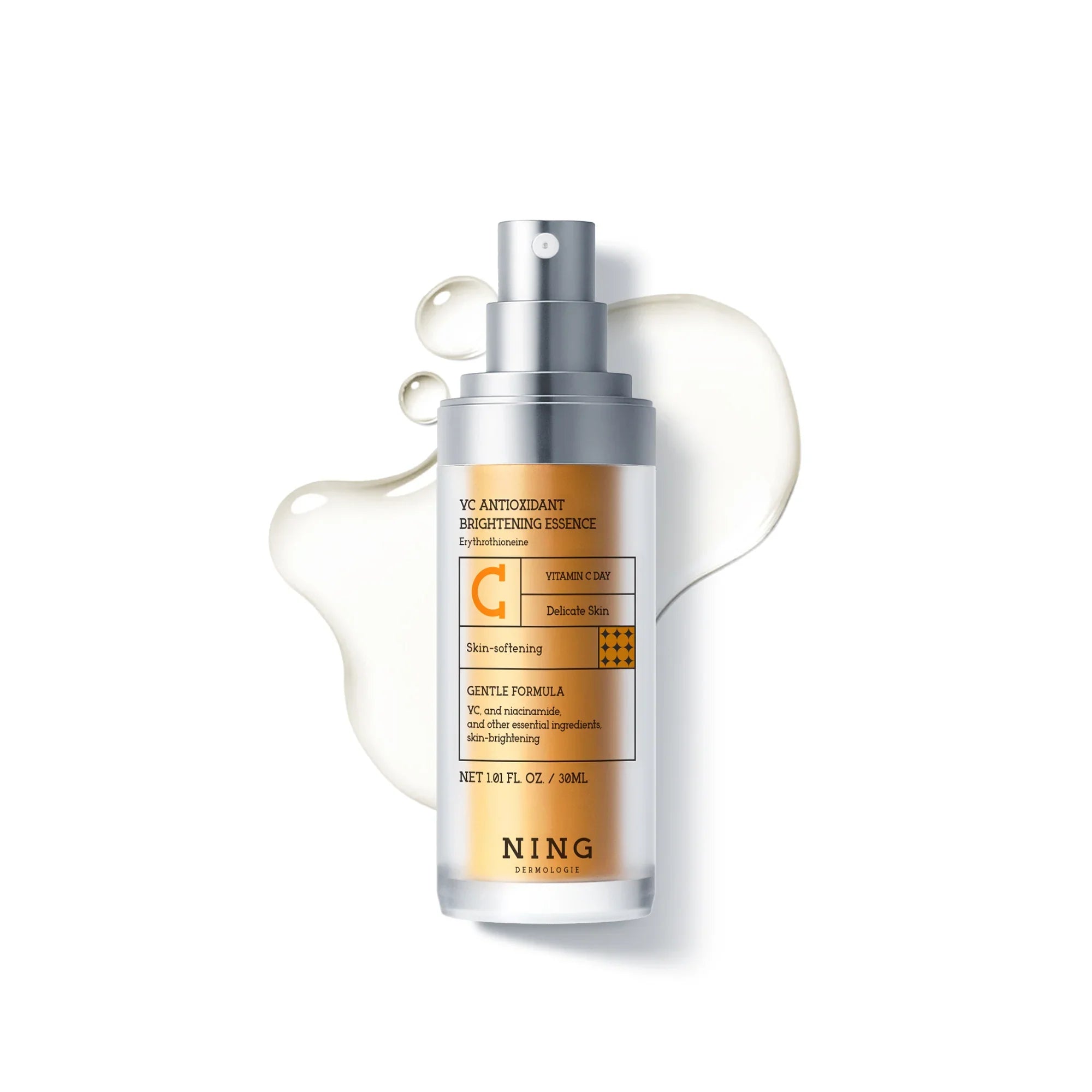
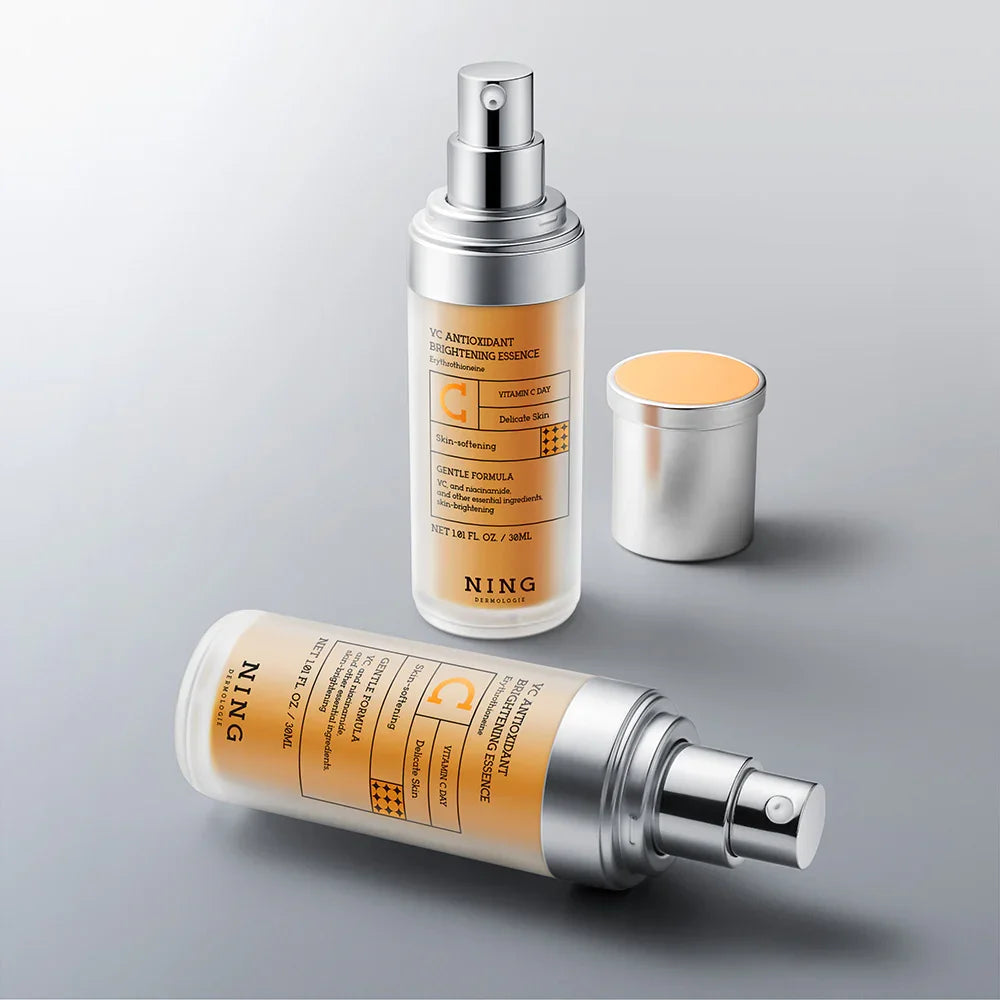
- Salicylic acid with vitamin c: This is trickier. Both are acidic. We recommend using salicylic acid into your routine at night and saving your vitamin c for the morning to protect against environmental damage.
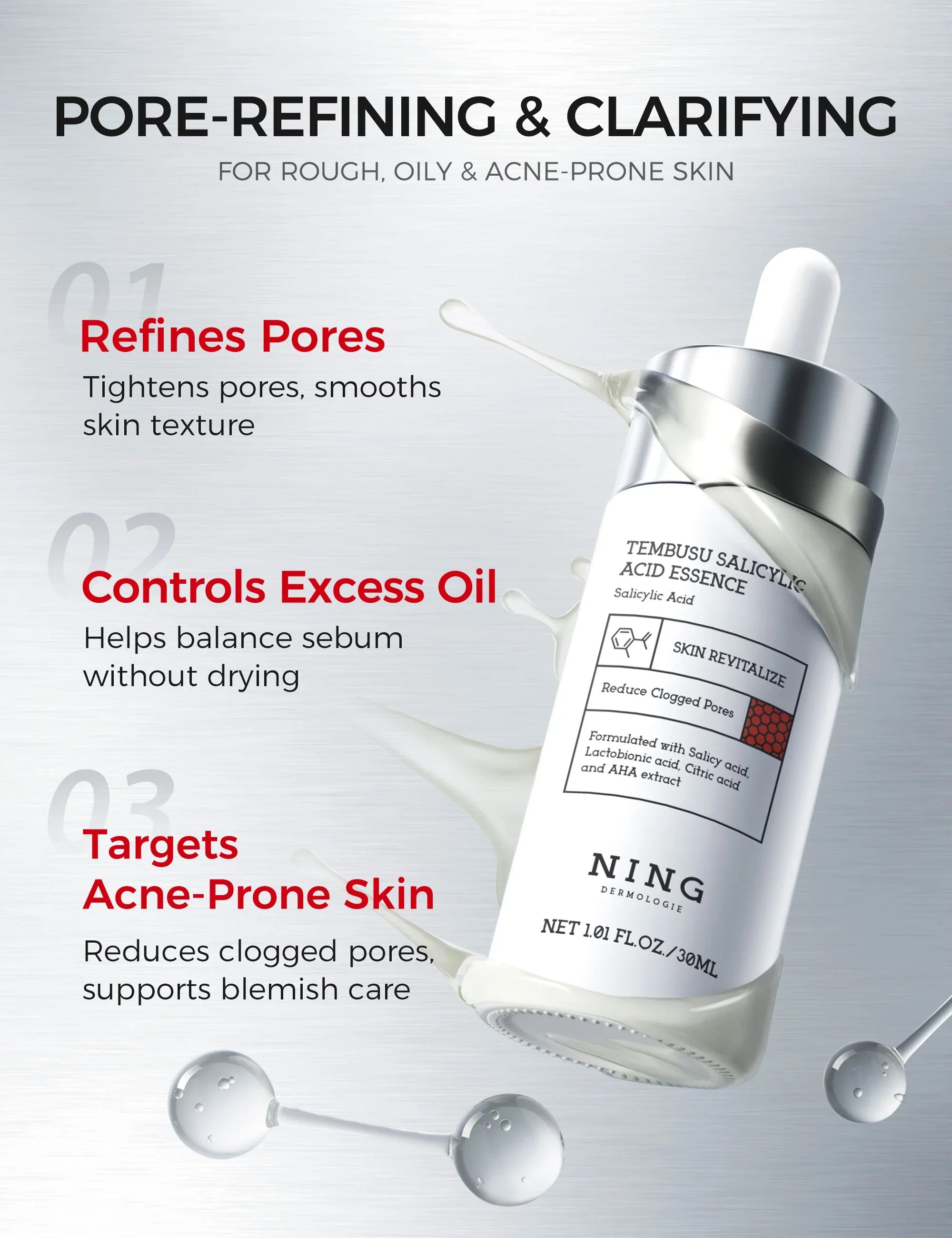
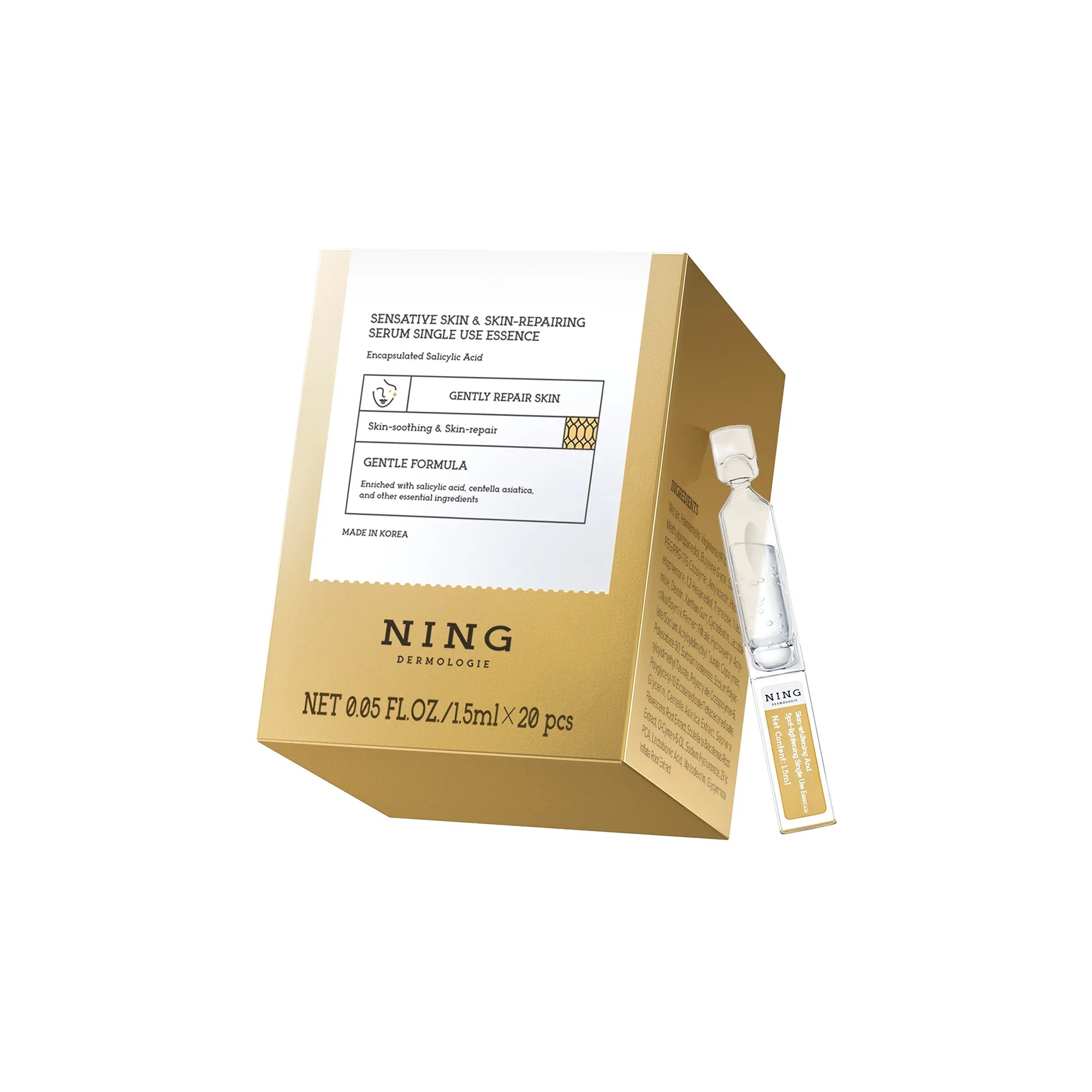
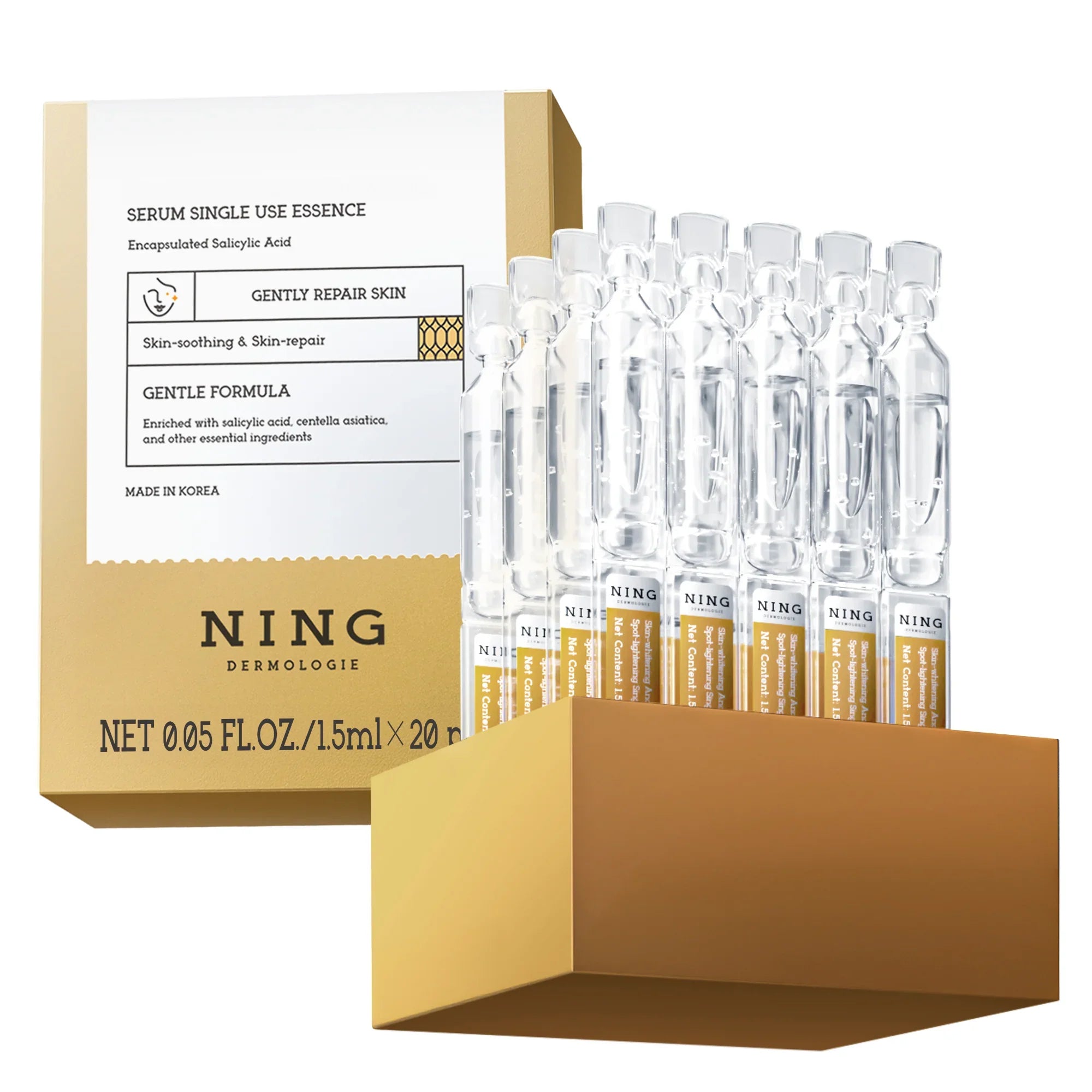
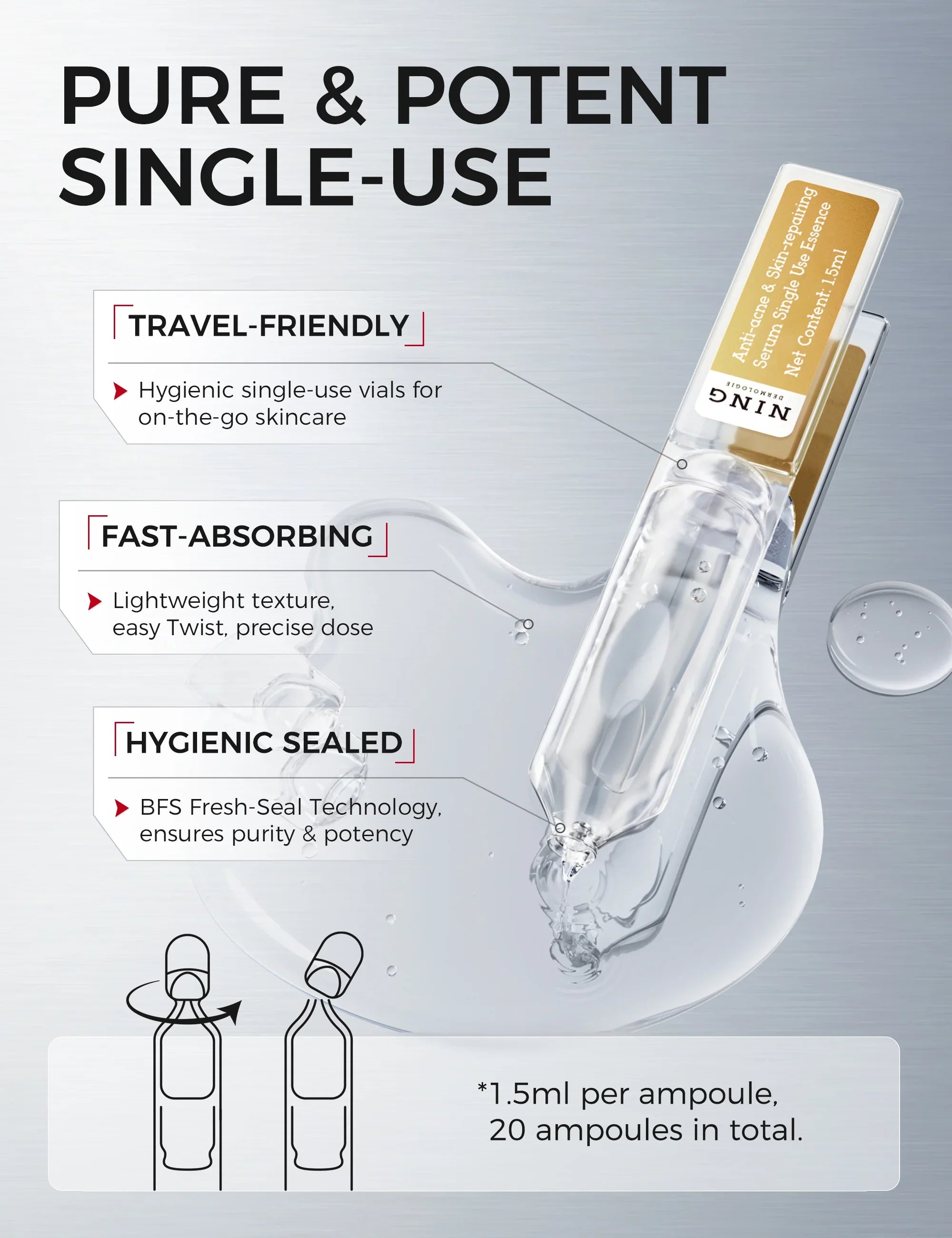
Why NING Dermologie’s 2% Salicylic Acid Serum?
Not all salicylic acid is created equal. Many drugstore formulas use harsh alcohol bases to dissolve the BHA, which can make your skin feel tight and stripped. Our 2% Salicylic Acid Serum is formulated to be a skincare ingredient that respects the microbiome.
It addresses various skin concerns by focusing on clearer skin without the collateral damage. Whether you are battling acne and exfoliate the skin or trying to soften the blow of time, this serum ensures your skin adjusts beautifully. Regular use of salicylic acid from our range means you’re getting a pharmaceutical-grade exfoliant wrapped in a delivery system that maintains skin health and appearance.

Essential Precautions: Protecting Your Progress
Before you dive in, remember that salicylic acid can make your skin more vulnerable to the sun. Because salicylic acid into your skincare routine involves removing the dead, protective layer of cells, it can make your skin more sensitive to UV rays. Always finish your morning skincare with a broad-spectrum SPF.
Furthermore, if you are pregnant, consult a doctor before using topical salicylic acid. While low concentrations are generally considered safe, professional guidance is paramount for your overall skin and health during this time.
Frequently Asked Questions (FAQ)
1. Can salicylic acid actually help with deep wrinkles?
It’s no magic eraser for deep folds, but salicylic acid can help more than most realize. By clearing away the crusty buildup of dead skin cells and promoting a smoother surface, it stops light from getting "trapped" in shadows. This makes fine lines and wrinkles look significantly softer. Stick with it—consistent use improves skin health and creates a much more youthful, bouncy skin feel over time.
2. Is it safe to use salicylic acid every day?
If you're dealing with oily and acne-prone skin, your face can likely handle it daily to keep sebum and dead skin cells at bay. But don't rush. For those with dry or sensitive skin, daily use might wreck your skin barrier. My advice? Start twice a week. See how your skin adjusts. If things get flaky or show inflammation, back off. Your skincare regimen should feel good, not painful.
3. How does NING Dermologie’s serum differ from others?
Most brands dump BHA into a harsh alcohol base—it works, but it stings like crazy. Our 2% Salicylic Acid Serum is different. We focus on a balanced delivery that lets the beta hydroxy acid get deep into the skin without the drama. It’s a sophisticated skincare ingredient choice that addresses various skin issues like adult "maskne" and dullness, giving you clearer skin without the typical chemical burn.
4. Can I use salicylic acid with my Vitamin C serum?
You can, just don't layer them at the exact same moment. Combining salicylic acid and vitamin c at once can be a total overkill for your pH levels, leading to redness. To get the best skin benefits, use Vitamin C in the morning to fight pollution. Then, incorporate salicylic acid into your nightly skincare routine so it can exfoliate the skin while you’re asleep.
5. Will salicylic acid dry out my aging skin?
It can if used incorrectly. However, because salicylic acid is a beta-hydroxy acid, it’s actually quite efficient at clearing the way for your moisturizers to work better. When you remove dead skin cells, your hydrating oils and creams can penetrate deeper. Always follow your NING Dermologie serum with a nourishing cream to lock in moisture and protect your skin health.
6. Can I use this if I have sensitive skin?
Yes, but proceed with caution. Salicylic acid is a gentle anti-inflammatory, which can actually skin and reduce redness if used in low frequencies. We recommend a patch test first. If your sensitive skin handles it well, it can offers a range of benefits, including a more even skin tone and a reduction in the "clogged" look of aged pores.





Share:
Indulge in These Skincare Gift Sets for a Radiant Glow
Salicylic Acid: The Ultimate Guide to Acne Treatment and Beyond